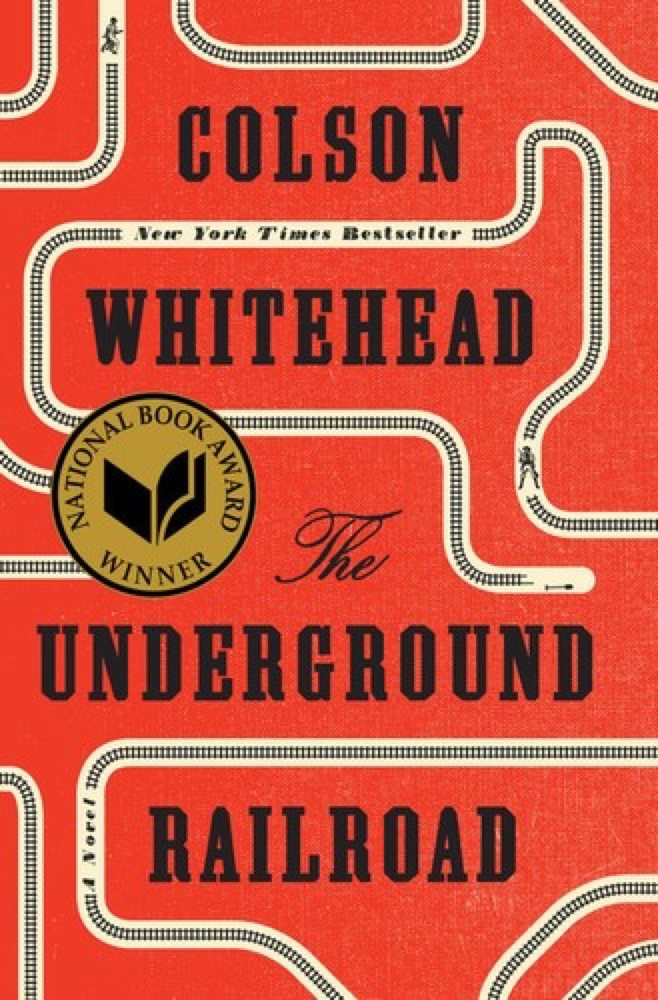

 Apex Hides the Hurt
Quotes from the Book
And America, too, is a delusion, the grandest one of all. The white race believes--believes with all its heart--that it is their right to take the land. To kill Indians. Make war. Enslave their brothers. This nation shouldn't exist, if there is any justice in the world, for its foundations are murder, theft, and cruelty. Yet here we are.
Slavery is a sin when whites were put to the yoke, but not the African. All men are created equal, unless we decide you are not a man.
Stolen bodies working stolen land. It was an engine that did not stop, its hungry boiler fed with blood.
The whites came to this land for a fresh start and to escape the tyranny of their masters, just as the freemen had fled theirs. But the ideals they held up for themselves, they denied others.
Cora didn't know what optimistic meant. She asked the other girls that night if they were familiar with the word. None of them had heard it before. She decided that it meant trying.
The world may be mean, but people don't have to be, not if they refuse.
Sometimes a useful delusion is better than a useless truth.
Truth was a changing display in a shop window, manipulated by hands when you weren’t looking, alluring and ever out of reach.
If niggers were supposed to have their freedom, they wouldn't be in chains. If the red man was supposed to keep hold of his land, it'd still be his. If the white man wasn't destined to take this new world, he wouldn't own it now. Here was the true Great Spirit, the divine thread connecting all human endeavor--if you can keep it, it is yours. Your property, slave or continent. The American imperative.
If you want to see what this nation is all about, you have to ride the rails. Look outside as you speed through, and you’ll find the true face of America. It was a joke, then, from the start. There was only darkness outside the windows on her journeys, and only ever would be darkness.
She wasn’t surprised when his character revealed itself—if you waited long enough, it always did. Like the dawn.
Yet when his classmates put their blades to a colored cadaver, they did more for the cause of colored advancement than the most high-minded abolitionist. In death the negro became a human being. Only then was he the white man’s equal.
Poetry and prayer put ideas in people’s heads that got them killed, distracting them from the ruthless mechanism of the world.
A plantation was a plantation; one might think one’s misfortunes distinct, but the true horror lay in their universality.
Freedom was a community laboring for something lovely and rare.
There was an order of misery, misery tucked inside miseries, and you were meant to keep track.
The only way to know how long you are lost in the darkness is to be saved from it.
The park sustained them, the green harbor they preserved as the town extended itself outward, block by block and house by house. Cora thought of her garden back on Randall, the plot she cherished. Now she saw it for the joke it was - a tiny square of dirt that had convinced her she owned something. It was hers like the cotton she seeded, weeded, and picked was hers. Her plot was a shadow of something that lived elsewhere, out of sight. The way poor Michael reciting the Declaration of Independence was an echo of something that existed elsewhere. Now that she had run away and seen a bit of the country, Cora wasn't sure the document described anything real at all. America was a ghost in the darkness, like her.
As the years pass, Valentine observed, racial violence only becomes more vicious in its expression. It will not abate or disappear, not anytime soon, and not in the south.
Poems were too close to prayer, rousing regrettable passions. Waiting for God to rescue you when it was up to you. Poetry and prayer put ideas in people's heads that got them killed, distracting them from the ruthless mechanism of the world.
The other patrollers were boys and men of bad character; the work attracted a type. In another country they would have been criminals, but this was America.
Men start off good and then the world makes them mean. The world is mean from the start and gets meaner every day. It uses you up until you only dream of death.
But we have all been branded even if you can't see it, inside if not without
It was a magnificent operation, from seed to bale, but not one of them could be prideful of their labor. It had been stolen from them. Bled from them. The tunnel, the tracks, the desperate souls who found salvation in the coordination of its stations and timetables—this was a marvel to be proud of. She wondered if those who had built this thing had received their proper reward.
The music stopped. The circle broke. Sometimes a slave will be lost in a brief eddy of liberation. In the sway of a sudden reverie among the furrows or while untangling the mysteries of an early morning dream. In the middle of a song on a warm Sunday night. Then it comes, always - the overseer's cry, the call to work, the shadow of the master, the reminder that she is only a human being for a tiny moment across the eternity of her servitude.
But nobody wanted to speak on the true disposition of the world. And no one wanted to hear it... The whites came to this land for a fresh start and to escape the tyranny of their masters, just as the Freeman had fled theirs. But the ideals they held up for themselves, they denied others. Cora had heard Michael recite the Declaration of Independence back on the Randall plantation many times, his voice drifting through the village like an angry phantom. She didn't understand the words, most of them at any rate, but created equal was not lost on her. The white men who wrote it didn't understand it either, if all men did not truly mean all men. Not if they snatched away what belonged to other people, whether it was something you could hold in your hand, like dirt, or something you could not, like freedom.
The almanac had a strange, soapy smell and made a cracking noise like fire as she turned the pages. She’d never been the first person to open a book.
He told her that every one of her enemies, all the masters and overseers of her suffering, would be punished, if not in this world then the next, for justice may be slow and invisible, but it always renders its true verdict in the end.
Did you know?
- The novel reimagines the historical Underground Railroad as an actual subterranean railway with tracks, tunnels, and stations.
- It won both the National Book Award for Fiction and the Pulitzer Prize for Fiction.
- Each state Cora travels through presents a distinct and often horrifying alternate reality of American racism.
- The novel opens with the story of Cora's grandmother Ajarry, kidnapped from Africa and sold into slavery.
- It was adapted into a limited television series directed by Barry Jenkins, released in 2021.
About Colson Whitehead
Colson Whitehead (born 1969) is an American novelist. He is one of only a handful of writers to win the Pulitzer Prize for Fiction twice, for The Underground Railroad (2017) and The Nickel Boys (2020).
More about the author →More by Colson Whitehead
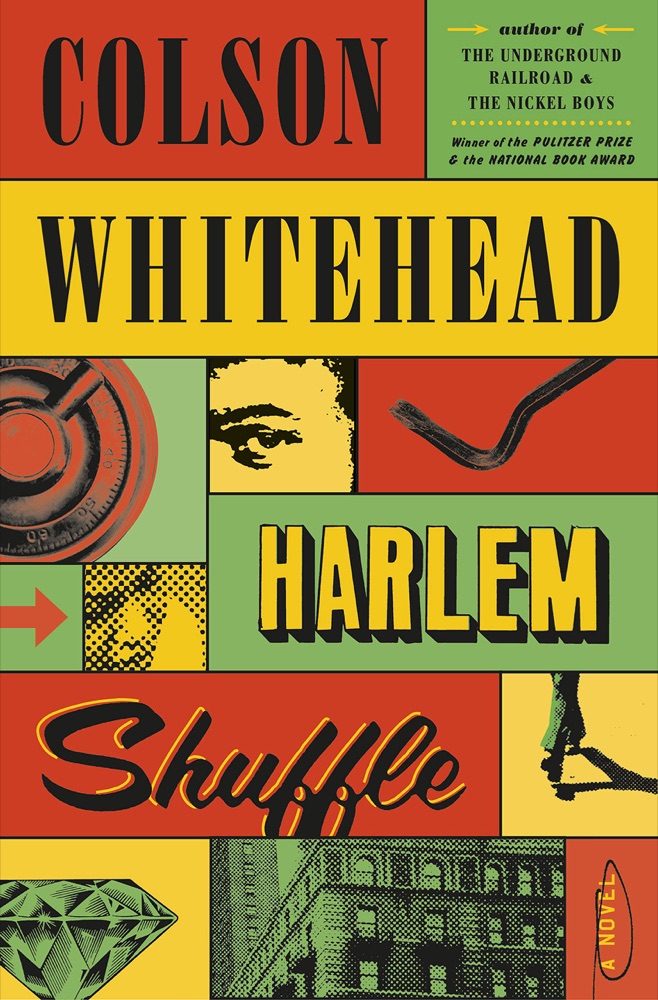
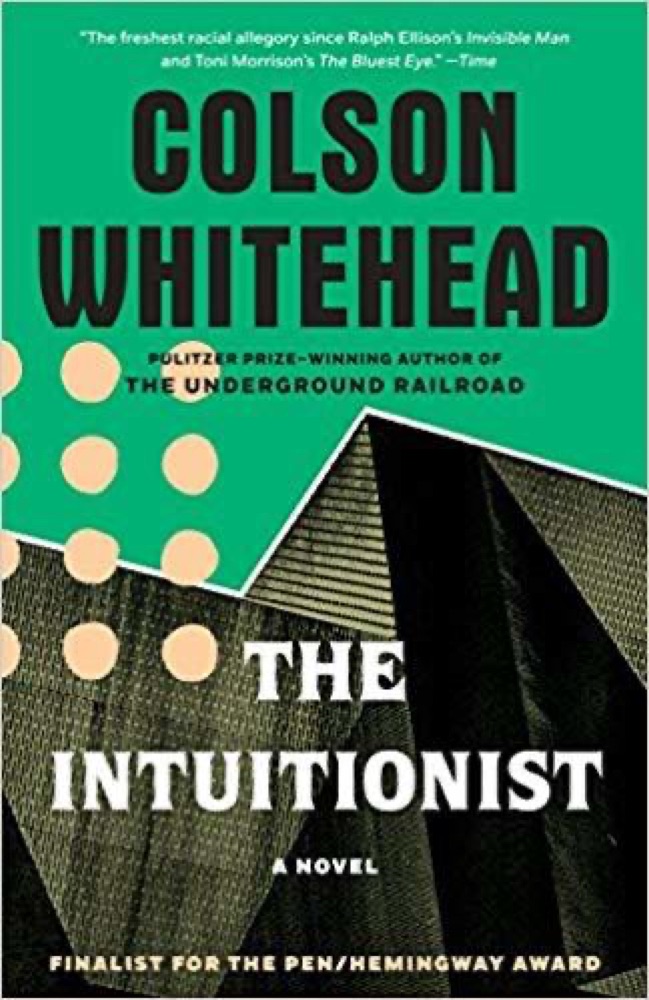
All books by Colson Whitehead →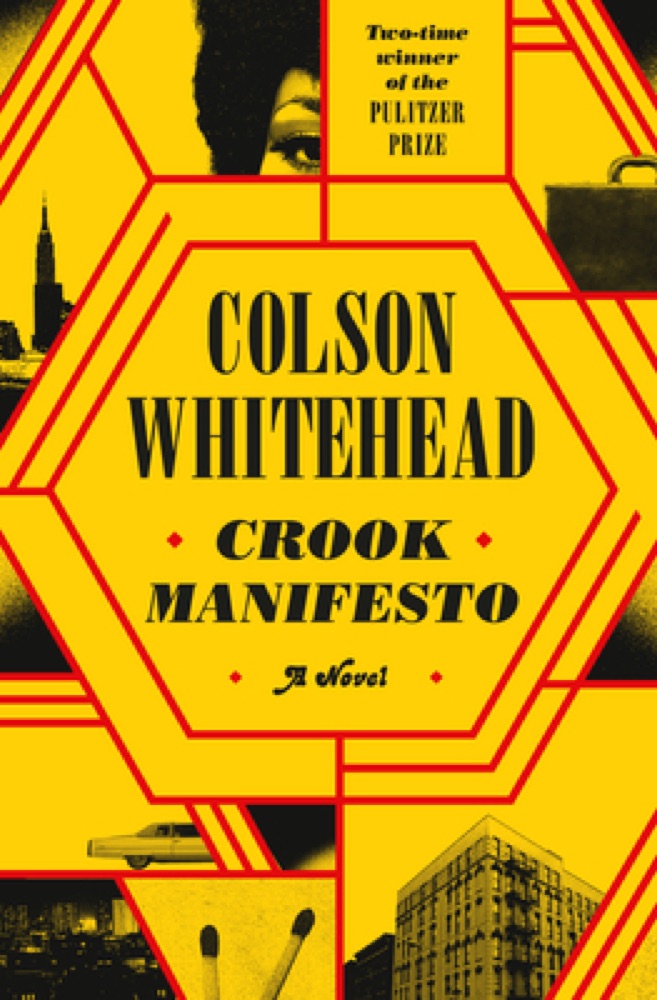
About the book
"The Underground Railroad" is Colson Whitehead's alternate-history novel about Cora, a young enslaved woman on a cotton plantation in antebellum Georgia who decides to flee north. Whitehead reimagines the historical Underground Railroad as a literal network of tracks, engines, and secret stations running beneath the American South. Pursued by the relentless slave catcher Ridgeway, Cora rides the railroad through a succession of states, each of which presents a different, often nightmarish, vision of America's treatment of Black people.
Through Cora's journey the novel confronts the violence of slavery and the enduring costs of the country's founding on human bondage. Each state Cora passes through functions almost as its own self-contained world, allowing Whitehead to examine forced labor, medical exploitation, racial terror, and the fragile promise of freedom. Themes of survival, memory, the pull of family, and the distance between America's ideals and its realities run throughout the book.
Published by Doubleday in 2016, the novel became a critical and commercial landmark, winning the 2016 National Book Award for Fiction and the 2017 Pulitzer Prize for Fiction, among other honors. It was adapted into an acclaimed limited series and helped cement Whitehead's reputation as one of the most significant American novelists of his generation. Its blend of historical reckoning and speculative invention has made it a widely taught and discussed work.
Key characters
- CoraEnslaved young woman who escapes the Randall plantation seeking freedom
- CaesarFellow enslaved man who persuades Cora to run north with him
- RidgewayRuthless slave catcher obsessed with recapturing Cora
- RoyalFree-born railroad agent who becomes close to Cora
- AjarryCora's grandmother, kidnapped from Africa and sold into slavery
- Martin & EthelNorth Carolina couple who hide Cora in their attic
Book details
- First published
- 2016
- Length
- 320 pages
- Reading time
- 6 hours
- Author
- Colson Whitehead
- Genre
- Fiction
- Goodreads rating
- 4.06 (455k ratings) →
- First line
- “The first time Caesar approached Cora about running north, she said no.”
Movie & TV adaptations
- IMDb
If you liked this, read…
- 1BelovedToni Morrison's landmark novel confronting the trauma and legacy of slavery
- 2The Nickel BoysWhitehead's later Pulitzer winner on racial injustice in a reform school
- 3HomegoingYaa Gyasi's multigenerational saga tracing slavery's long aftermath
Keep reading
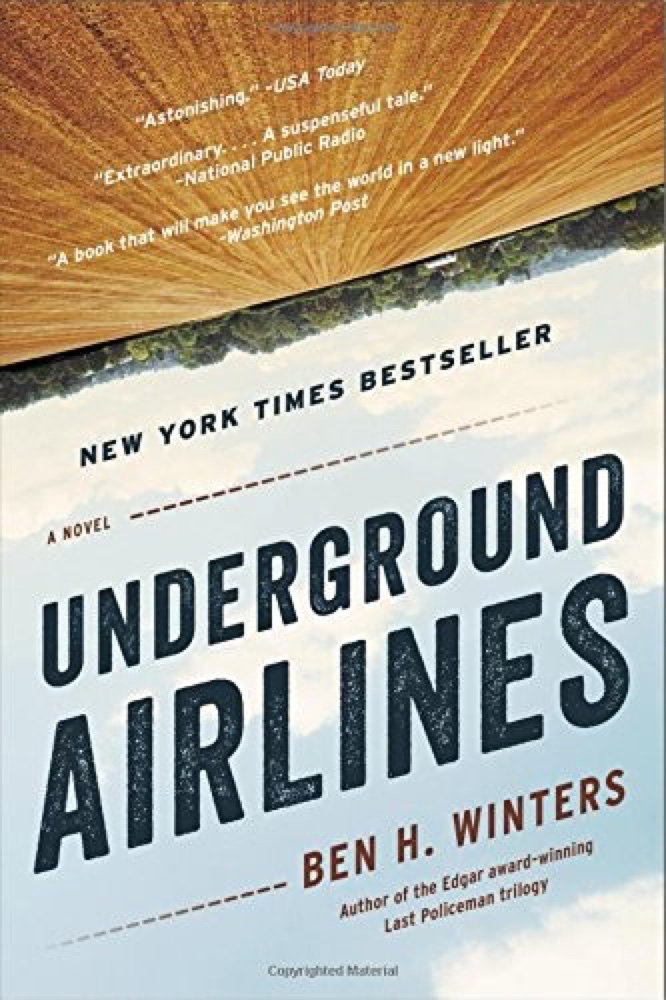 Underground Airlines
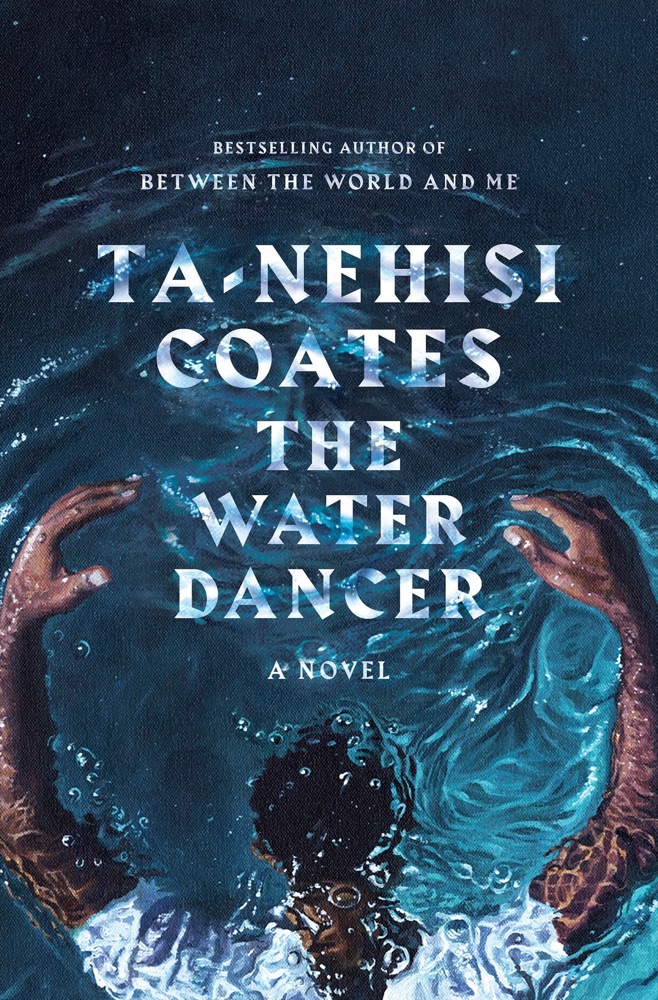 The Water Dancer
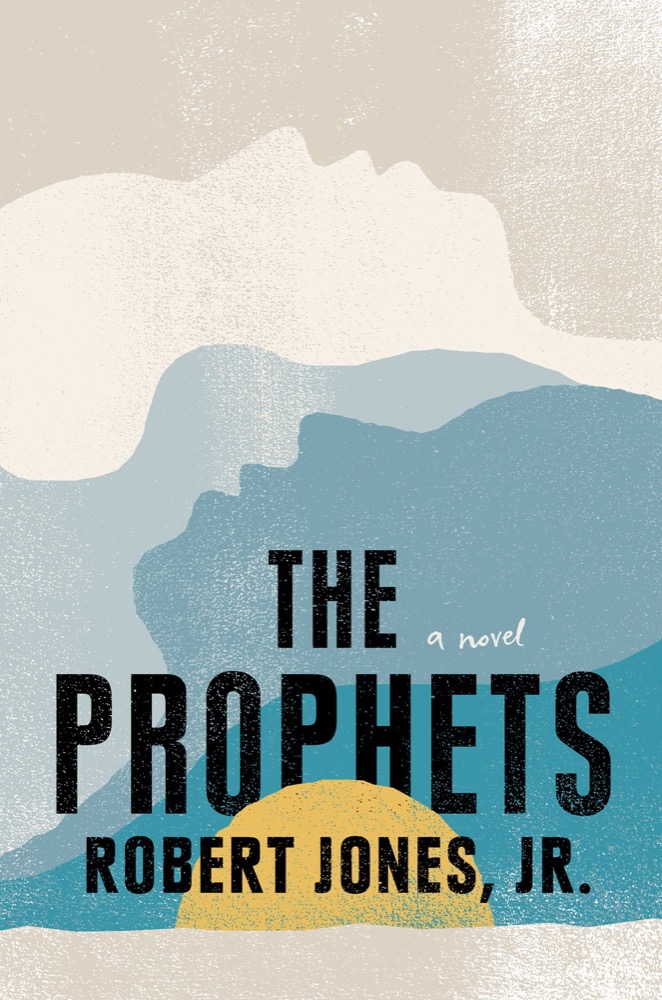 The Prophets
 Incidents in the Life of a Slave Girl
 The Jungle
 A Thousand Moons
 The Nickel Boys
 The Bone Tree
 Whiskey When We're Dry
 Burn Down Master's House
 Against the Day
 The Devil and the Dark Water
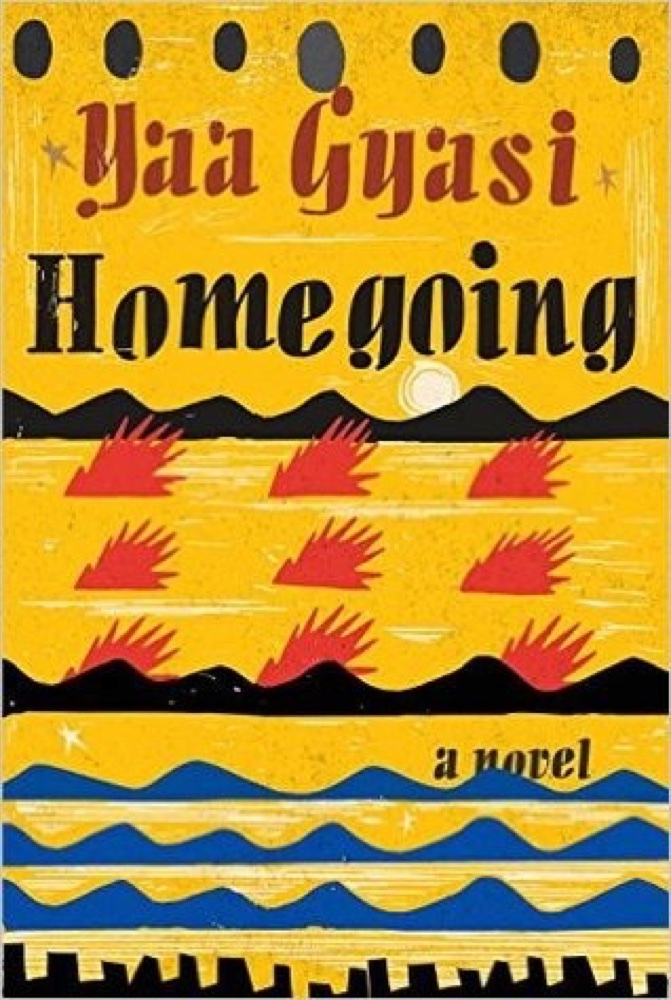 Homegoing
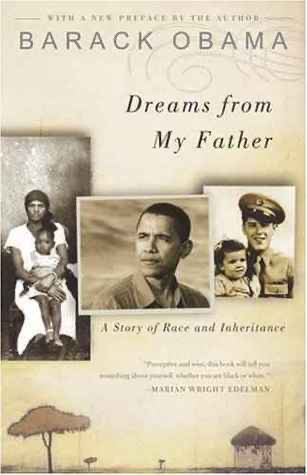 Dreams from My Father: A Story of Race and Inheritance
 Cage of Souls
 The Last Mortal Bond
 The Son
 Ragtime
 Washington Black
 James
James
 Dust
Dust
 The Love Songs of W.E.B. Du Bois
 Kindred
 Sky Full of Elephants
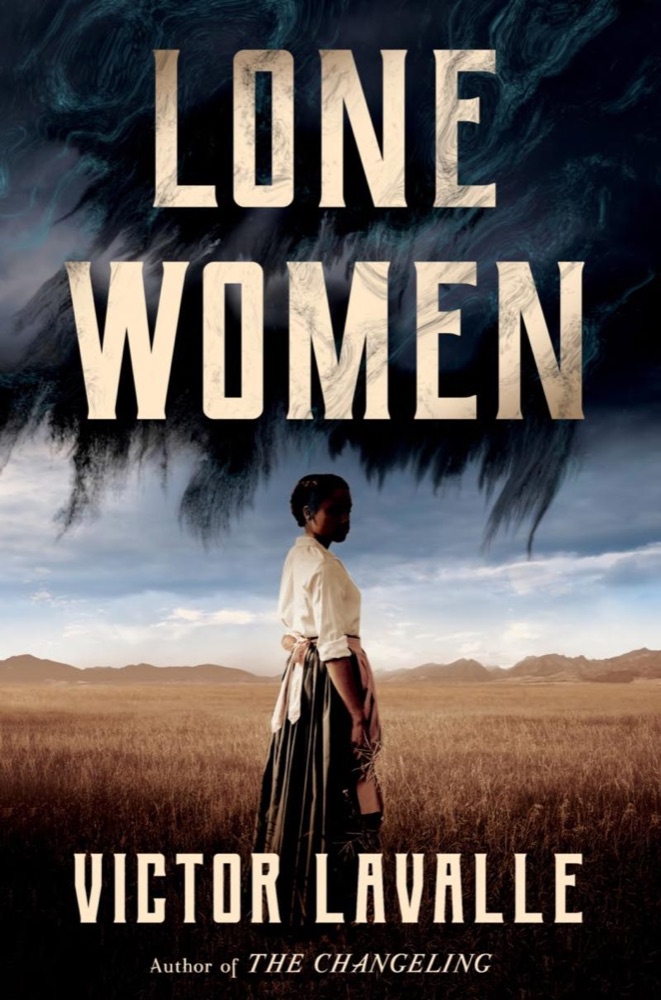 Lone Women
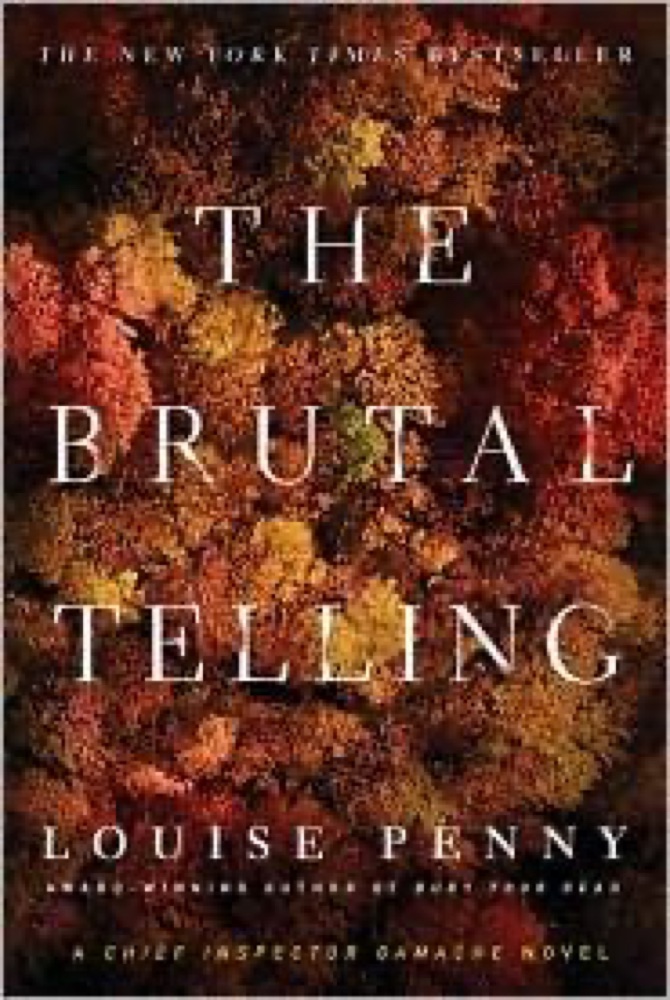 The Brutal Telling
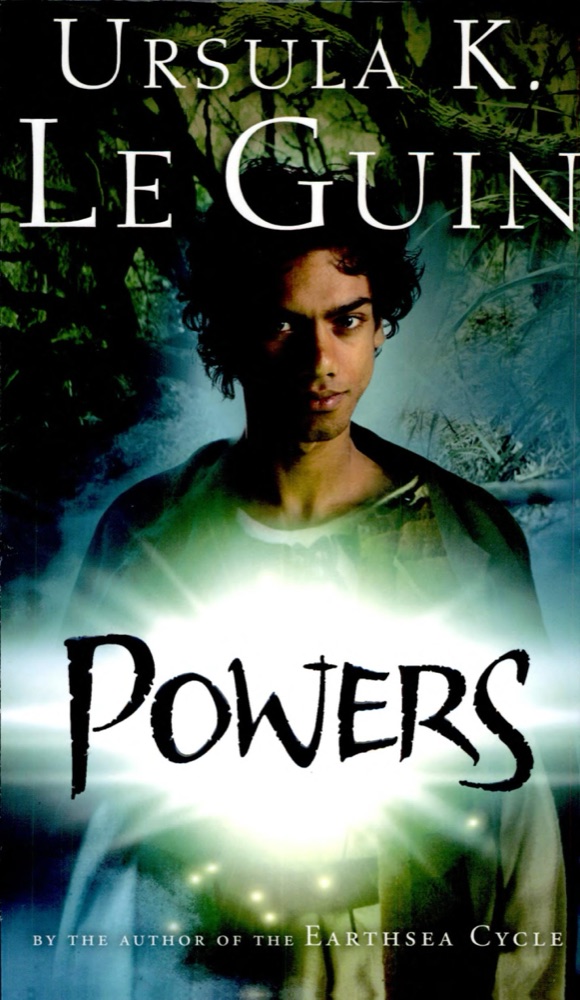 Powers
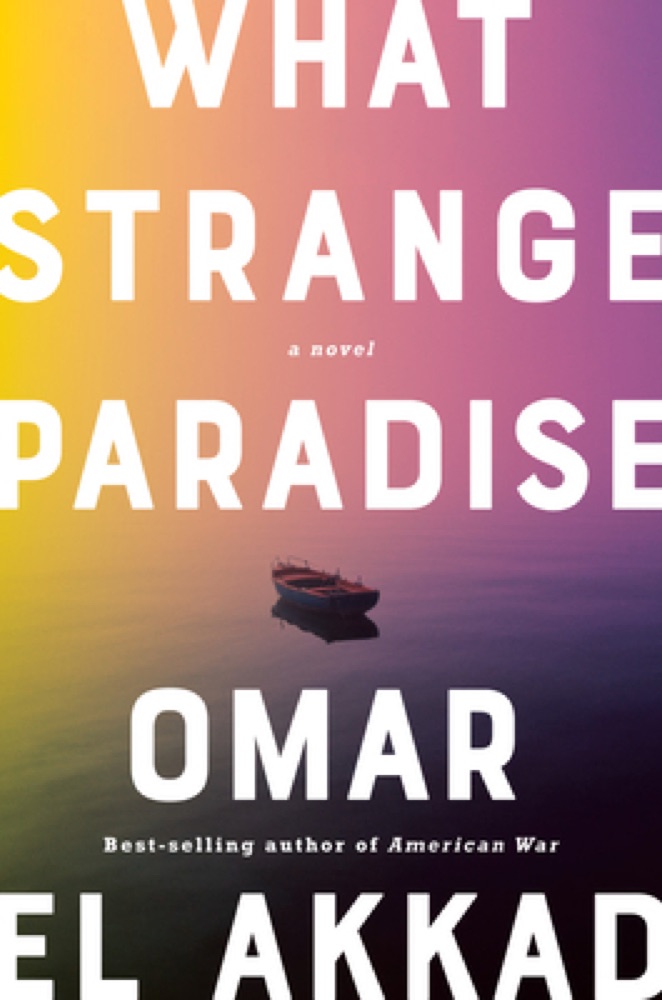 What Strange Paradise
 Another Country
 Rot & Ruin
 Soul of the Fire
 Shadow Country
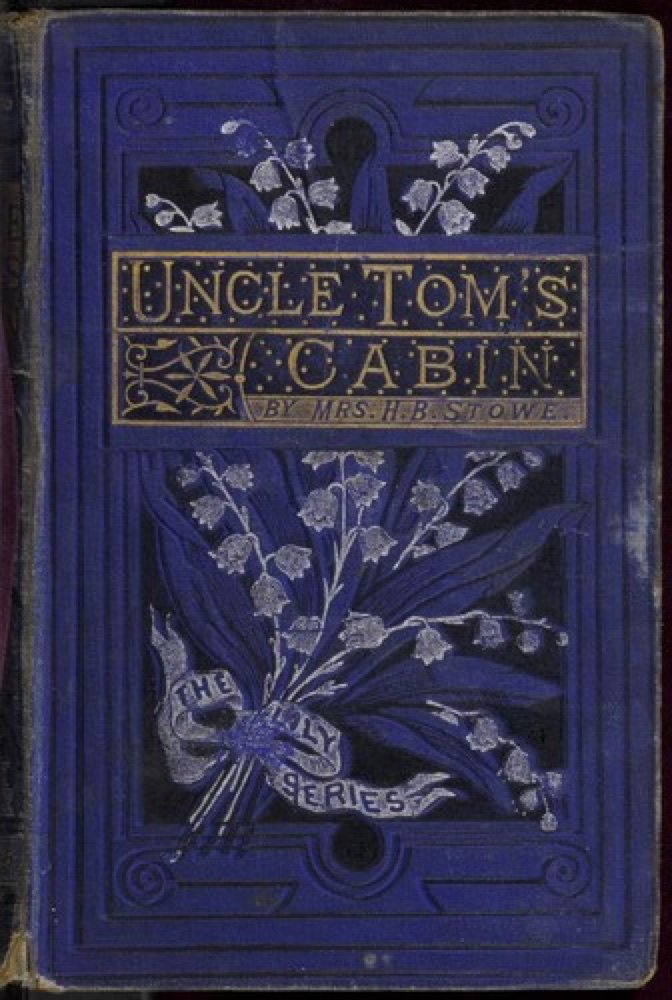 Uncle Tom's Cabin
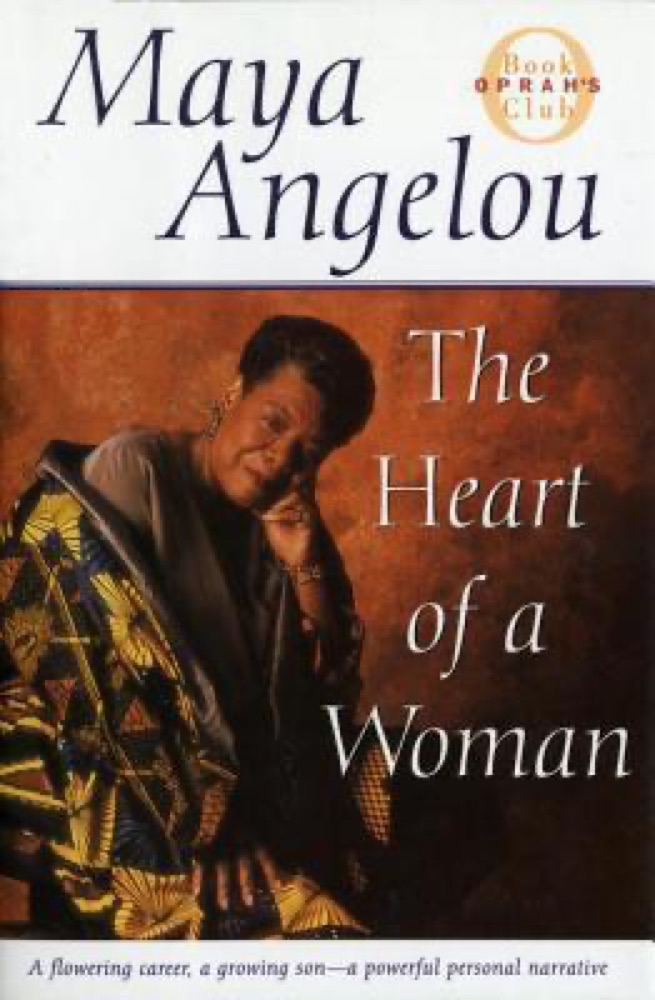 The Heart of a Woman
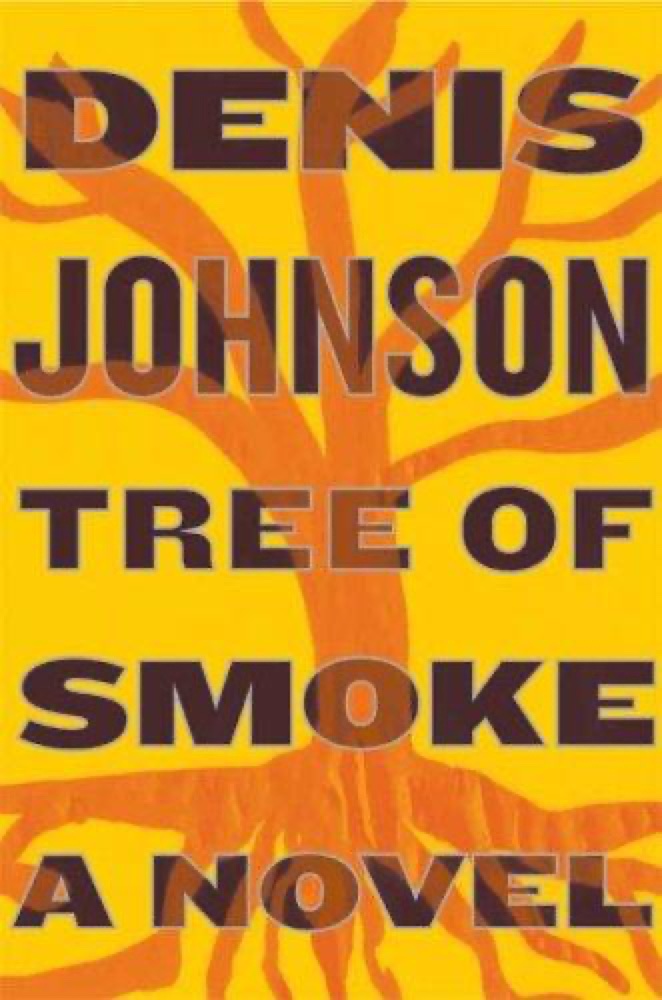 Tree of Smoke
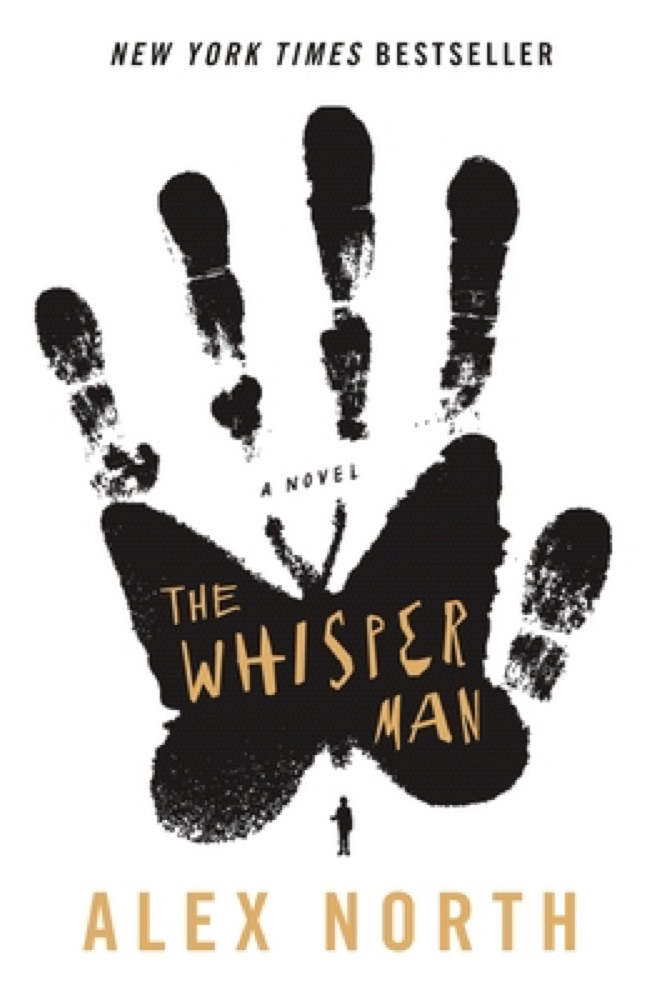 The Whisper Man
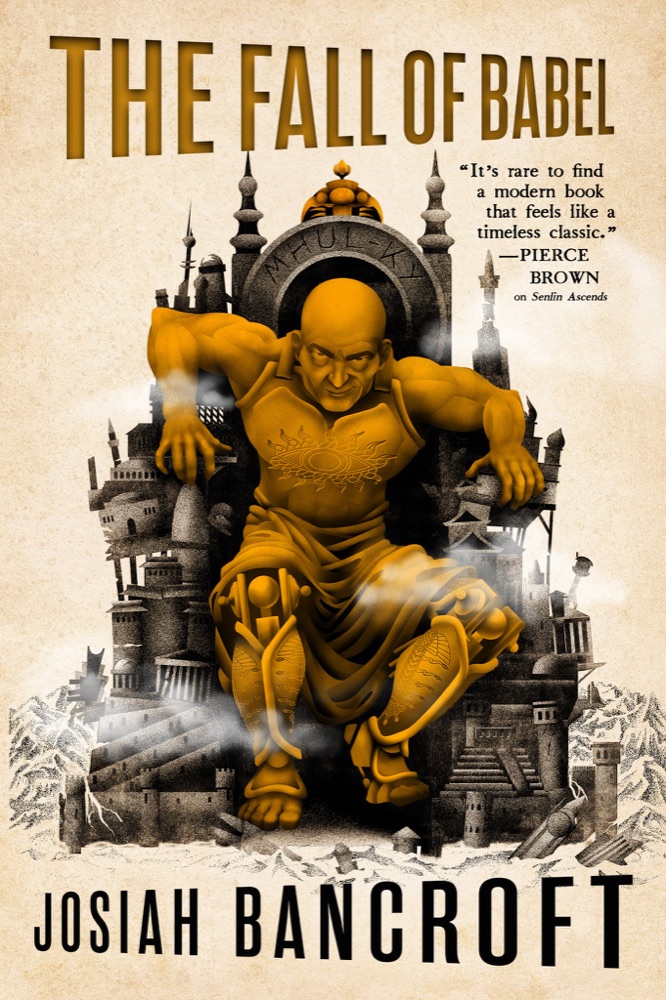 The Fall of Babel
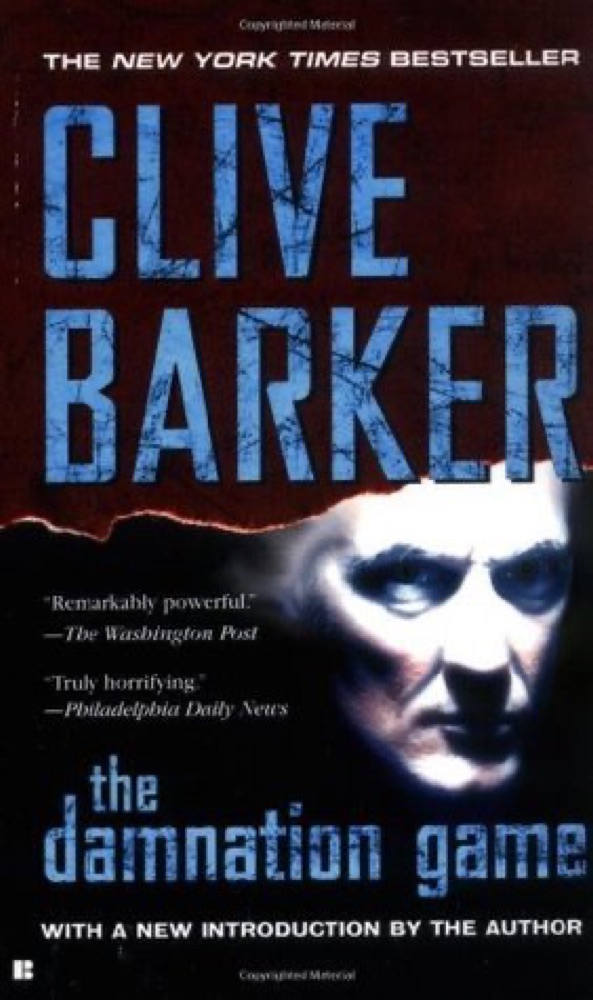 The Damnation Game
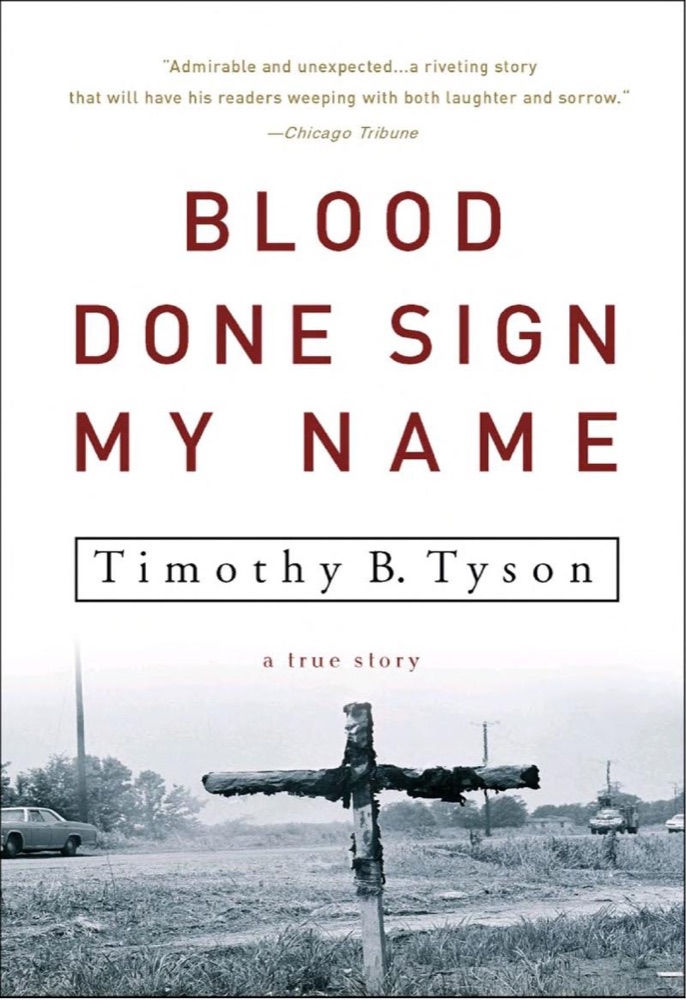 Blood Done Sign My Name: A True Story
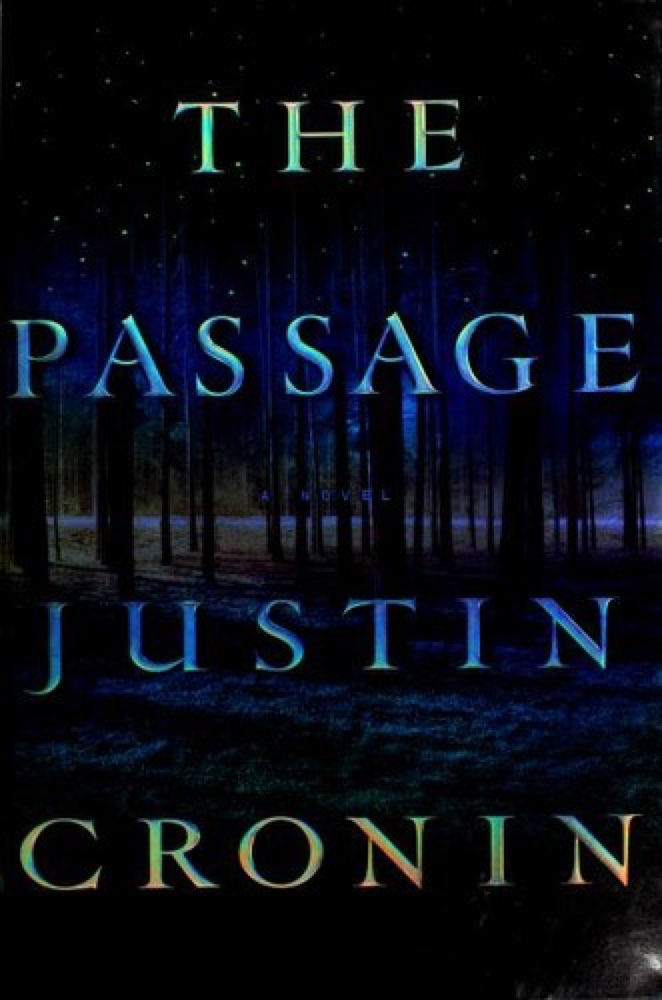 The Passage
 Hawaii
 The Burning Soul
 Anthills of the Savannah
 Wayfaring Stranger
 Forge of Darkness
 The Story of the Lost Child
 The Hangman's Daughter
 The Enchantress of Florence
 Sorrowland
 A Rule Against Murder
 Ship of Fools
 The Night Watchman
 A Time of Torment
 The Sweetness of Water
 Mason & Dixon
 The Glass Palace
 A Bend in the River
 Edge of Eternity
 Alias Grace
 All the Pretty Horses