 The Half Has Never Been Told: Slavery and the Making of American Capitalism
Quotes from the Book
When we listen to what enslaved people had to say about white women and slave mastery, we find that they articulated quite clearly their belief that slave-owning women governed their slaves in the same ways that white men did; sometimes they were more effective at slave management or they used more brutal methods of discipline than their husbands did.
3
As young girls watched their parents manage the enslaved people around them, they observed different models of slave mastery and through a process of trial and error developed styles of their own. White southern girls grew up alongside the slaves their parents gave them. They cultivated relationships of control and, sometimes, love.4 The promise of slave ownership became an important element of their identities, something that would shape their relationships with their husbands and communities once they reached adulthood.
2
For them, slavery was their freedom. They created freedom for themselves by actively engaging and investing in the economy of slavery and keeping African Americans in captivity.
2
If we acknowledge that white women stood to personally and directly benefit from the commodification and enslavement of African Americans we can better understand their participation in postwar white-supremacist movements and atrocities such as lynching—as well as their membership in organizations like the Ku Klux Klan. Southern white women's roles in upholding and sustaining slavery form part of the much larger history of white supremacy and oppression. And through it all, they were not passive bystanders. They were co-conspirators.
1
It is important to note that young white southerners, by virtue of their skin color, were empowered by law and custom to exercise control over any enslaved person they crossed paths with, even those they did not own.
1
The regime of slavery could not have been sustained if the power, authority, and violence that characterized it had belonged to elite white men alone. It required modes of flexible power. Those who owned enslaved people wielded extraordinary authority, but so did overseers and enslaved drivers, as well as employers who hired enslaved people from their owners. There were even occasions when enslaved people exercised power over the lives and deaths of free people and other enslaved persons.
1
Polly beat Armstrong’s nine-month-old sister to death because she would not stop crying.
the boy was kindly treated, and was a pet negro.
They were best equipped to describe the agony that shook their bodies and souls when they returned from their errands to discover that their children were gone and their mistresses were counting piles of money they had received from the slave traders who bought them.
Management of Negroes” columns that appeared in the pages of agricultural periodicals throughout the South.
Historians who explore slavery's relationship to capitalism generally focus on the roles that men played in the development of both. But if we considered the very real possibility that some of the enslaved people these men compelled to work in southern cotton fields actually belonged to their wives, the narrative about American slavery and capitalism would be strikingly different. And when we consider that the enslaved people women owned before they married or acquired afterward helped make the nineteenth-century scale of southern cotton cultivation possible, the narrative of slavery, nineteenth-century markets, and capitalism as the domain of men becomes untenable.
In the eighteenth century, British men who bought female captives on the west coast of Africa claimed that these women did not have the same emotional attachments to their children that European women did.76 Such assumptions continued to shape how Anglo-Americans thought about enslaved women’s relationships with their children in North America and might help explain why millions of slave owners were so willing to sever parental and kinship bonds and why, when faced with enslaved people’s grief, trauma, and pain, they described it as something else.
White mothers treated enslaved women’s bodies, their labor, and the products of their labor as goods, and in consequence were able to commit violence against these women, in their role as mothers, that slavery and the slave market made possible.72 In prioritizing their own infants’ nutritional needs over those of their wet nurses’ children, white mothers separated enslaved mothers from their children, often prevented enslaved women from forming maternal bonds with their infants and providing them with the nutrition they needed, and distanced them from the communities and kinship networks that were integral to their survival. The demands slave owners placed upon enslaved mothers as manual laborers and as wet nurses gave rise to circumstances that could result not only in psychological but also physical violence against these women and their children.
slavery was a key part of American capitalism” and that “slave plantations, not railroads, were in fact America’s first ‘big business.’” If we examine women’s economic investments in slavery, rather than simply their ideological and sentimental connections to the system, we can uncover hitherto hidden relationships among gender, slavery, and capitalism.11 The products of these women’s economic investment—the people they owned—including the wages enslaved people earned when hired out to others, the cash crops they cultivated, picked, and packed for shipment, and the babies they nursed, were fundamental to the nation’s economic growth and to American capitalism.
They told their stories in an atmosphere of intense racial hostility and in a region where simply refusing to step off the sidewalk when a white person passed by could result in their deaths. They believed that telling their stories was worth these risks. I honor their courage, heed their words, and foreground their testimony and remembrances in this book.
The products of these women’s economic investment—the people they owned—including the wages enslaved people earned when hired out to others, the cash crops they cultivated, picked, and packed for shipment, and the babies they nursed, were fundamental to the nation’s economic growth and to American capitalism.
The economic historian Sven Beckert has argued that “slavery was a key part of American capitalism” and that “slave plantations, not railroads, were in fact America’s first ‘big business.
Historians have neglected these women because their behaviors toward, and relationships with, their slaves do not conform to prevailing ideas about white women and slave mastery.
Slave-owning women not only witnessed the most brutal features of slavery, they took part in them, profited from them, and defended them.
Watch on YouTube
About Stephanie E. Jones-Rogers
About the book
A bold and searing investigation into the role of white women in the American slave economy
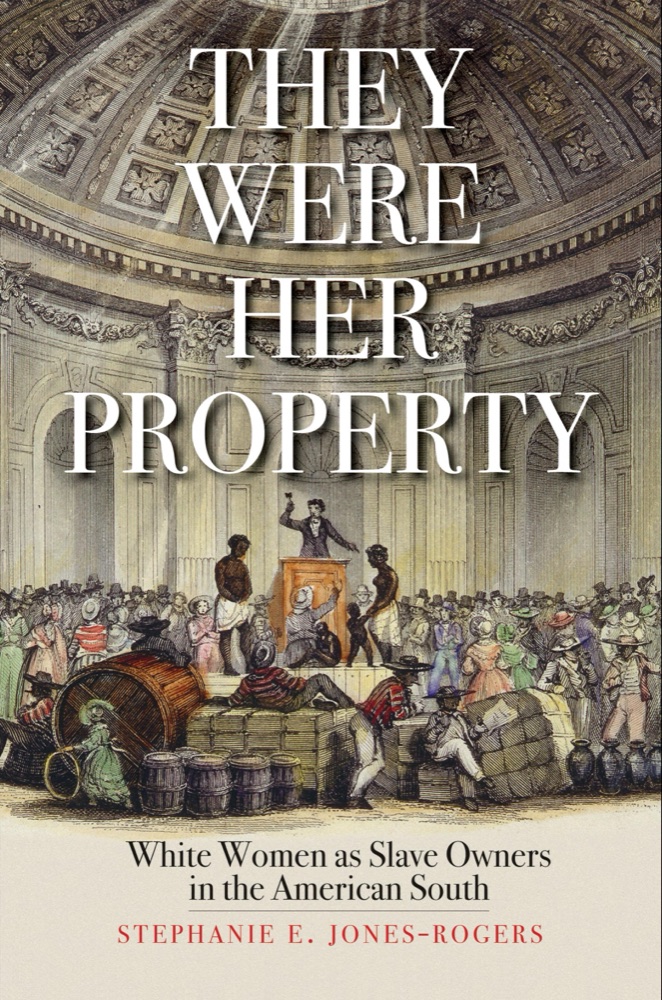
Bridging women’s history, the history of the South, and African American history, this book makes a bold argument about the role of white women in American slavery. Historian Stephanie E. Jones-Rogers draws on a variety of sources to show that slave-owning women were sophisticated economic actors who directly engaged in and benefited from the South’s slave market. Because women typically inherited more slaves than land, enslaved people were often their primary source of wealth. Not only did white women often refuse to cede ownership of their slaves to their husbands, they employed management techniques that were as effective and brutal as those used by slave-owning men. White women actively participated in the slave market, profited from it, and used it for economic and social empowerment. By
Book details
- First published
- 2019
- Genre
- History
- Goodreads rating
- 4.29 (6k ratings)
The buzz
- The Washington PostReview in The Washington Postprofessional review (via Book Marks)
- SlateReview in Slateprofessional review (via Book Marks)
- ThenationReview in Thenationprofessional review (via Book Marks)
- SantafenewmexicanReview in Santafenewmexicanprofessional review (via Book Marks)
Keep reading
The Half Has Never Been Told: Slavery and the Making of American Capitalism
 The 1619 Project: A New Origin Story
 Stony the Road: Reconstruction, White Supremacy, and the Rise of Jim Crow
 The Hemingses of Monticello: An American Family
 Black AF History: The Un-Whitewashed Story of America
 All That She Carried: The Journey of Ashley's Sack, a Black Family Keepsake
 The Love Songs of W.E.B. Du Bois
 My Bondage and My Freedom
 Black Reconstruction in America 1860-1880
 Stamped from the Beginning: The Definitive History of Racist Ideas in America
 How the Word Is Passed: A Reckoning with the History of Slavery Across America
 The Warmth of Other Suns: The Epic Story of America's Great Migration
 The Other Slavery: The Uncovered Story of Indian Enslavement in America
 America's Women: 400 Years of Dolls, Drudges, Helpmates, and Heroines
 Four Hundred Souls: A Community History of African America, 1619-2019
 We Were Eight Years in Power: An American Tragedy
 Robert E. Lee and Me: A Southerner's Reckoning with the Myth of the Lost Cause
 Black in Blues: How a Color Tells the Story of My People
 Barracoon: The Story of the Last "Black Cargo"
 White Trash: The 400-Year Untold History of Class in America
 Black Feminist Thought: Knowledge, Consciousness, and the Politics of Empowerment
 Simple Justice: The History of Brown v. Board of Education and Black America's Struggle for Equality
 Blanche on the Lam
 Narrative of the Life of Frederick Douglass
 The Water Dancer
 Incidents in the Life of a Slave Girl
 Silent Covenants: Brown v. Board of Education and the Unfulfilled Hopes for Racial Reform
 Becoming Abolitionists: Police, Protests, and the Pursuit of Freedom
 White Rage: The Unspoken Truth of Our Racial Divide
 The Black Jacobins: Toussaint L'Ouverture and the San Domingo Revolution
 The Confessions of Nat Turner
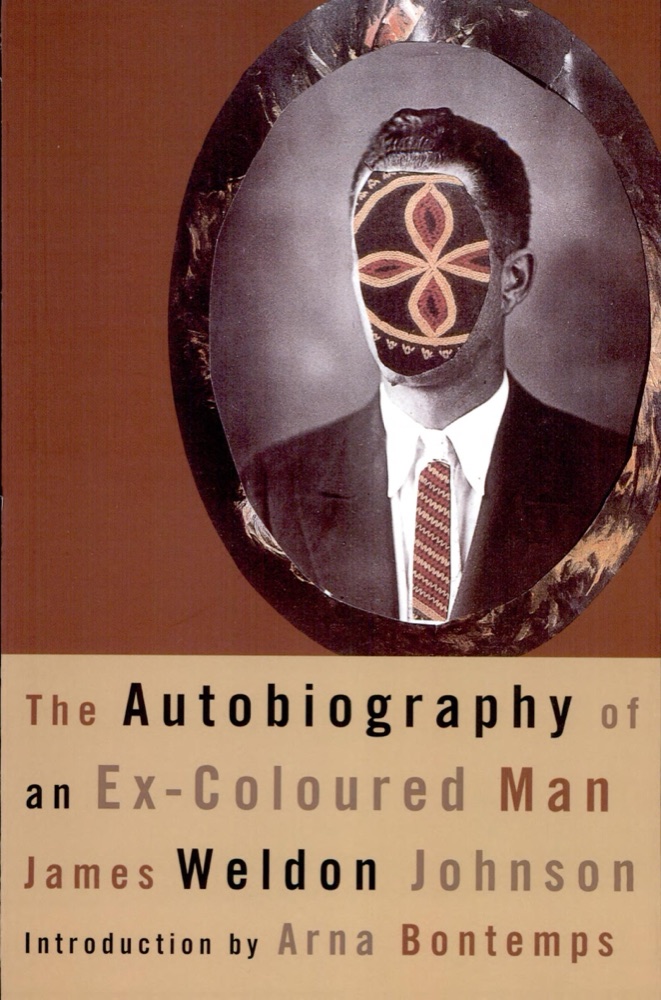 The Autobiography of an Ex-Coloured Man
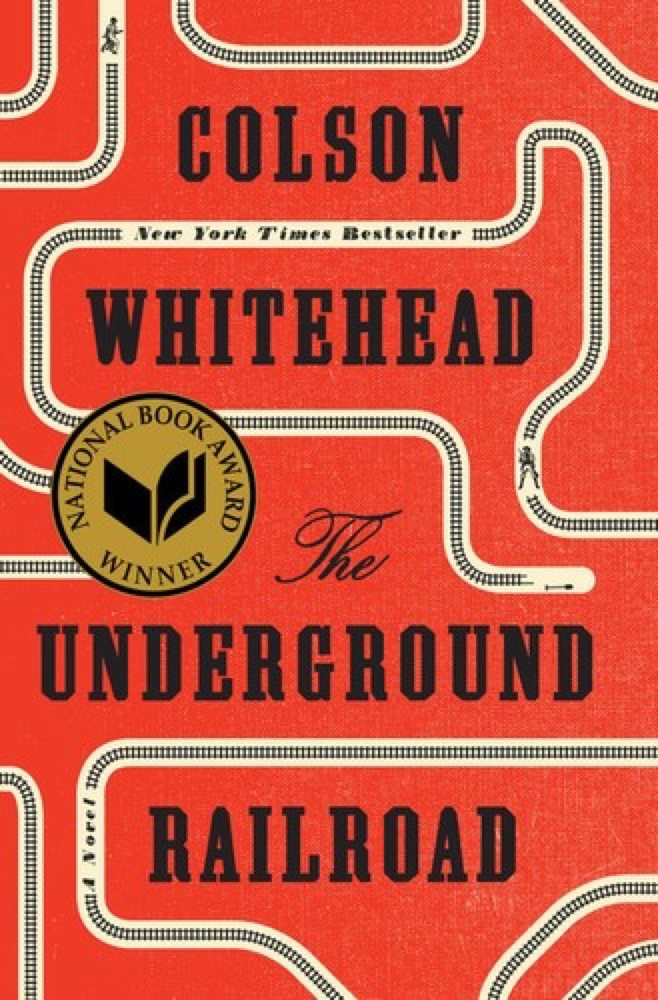 The Underground Railroad
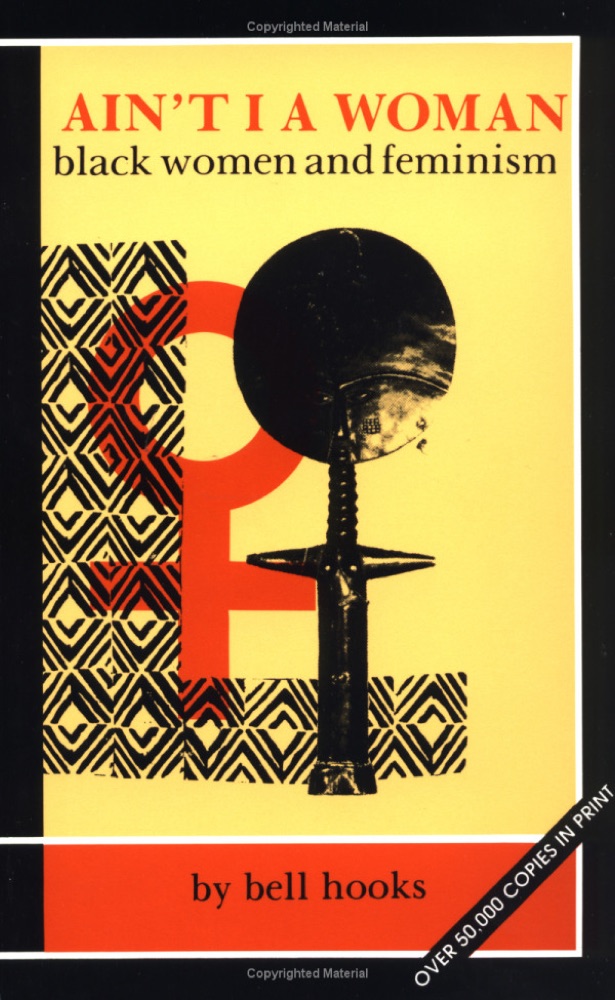 Ain't I a Woman: Black Women and Feminism
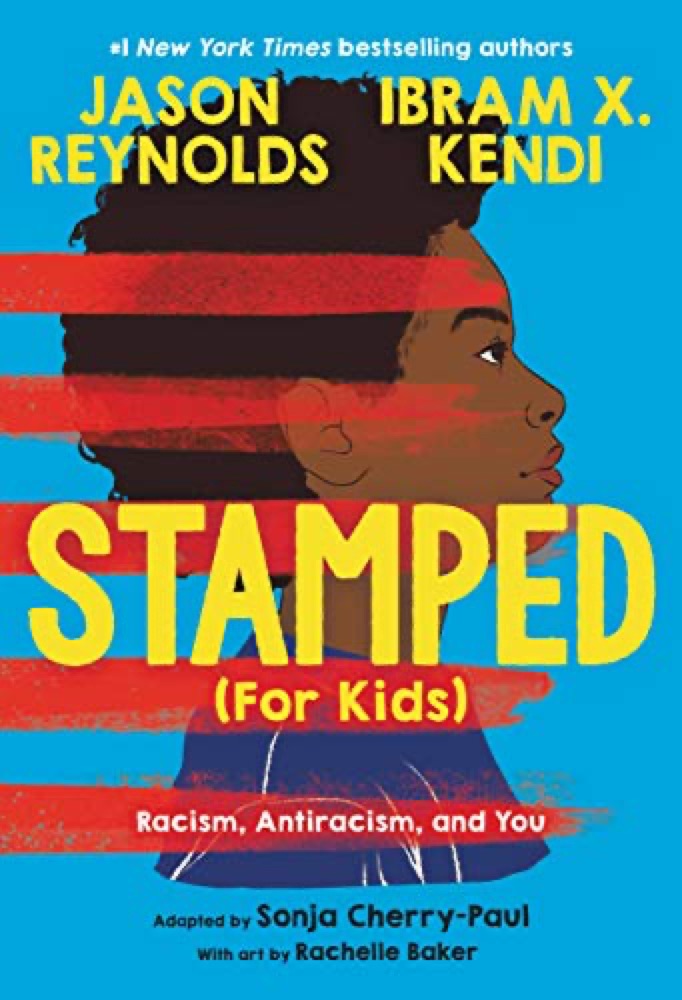 Stamped (For Kids): Racism, Antiracism, and You
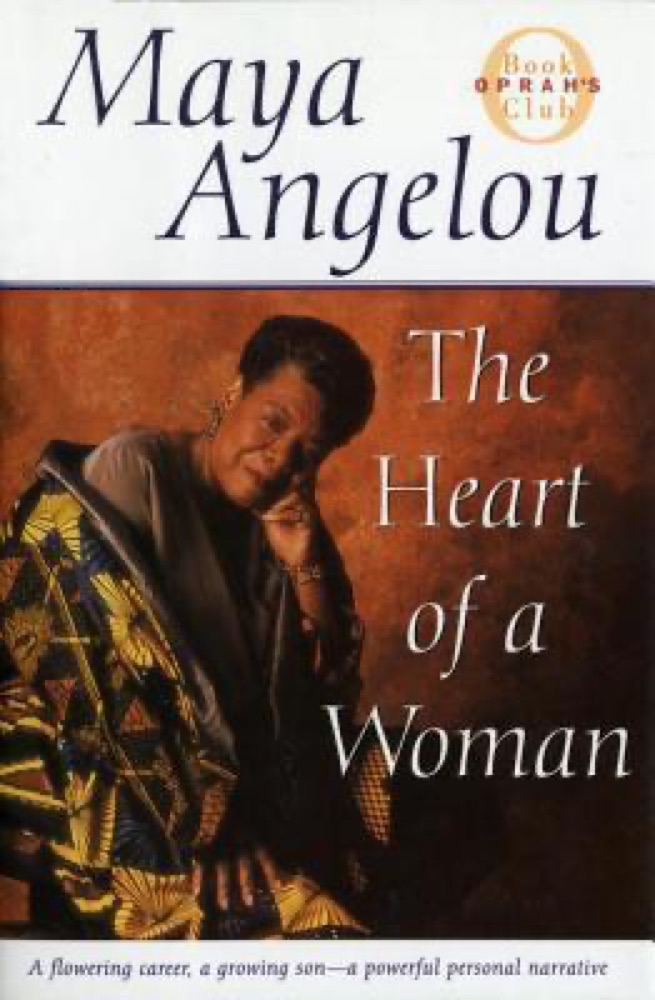 The Heart of a Woman
 The Blood of Emmett Till
 Homegoing
 White Tears/Brown Scars: How White Feminism Betrays Women of Color
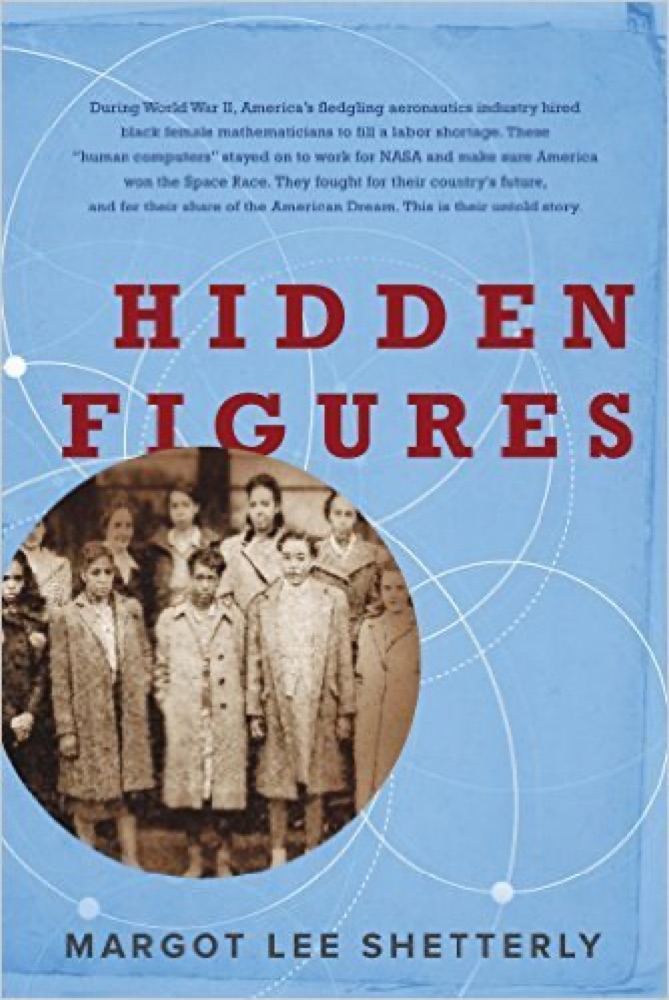 Hidden Figures
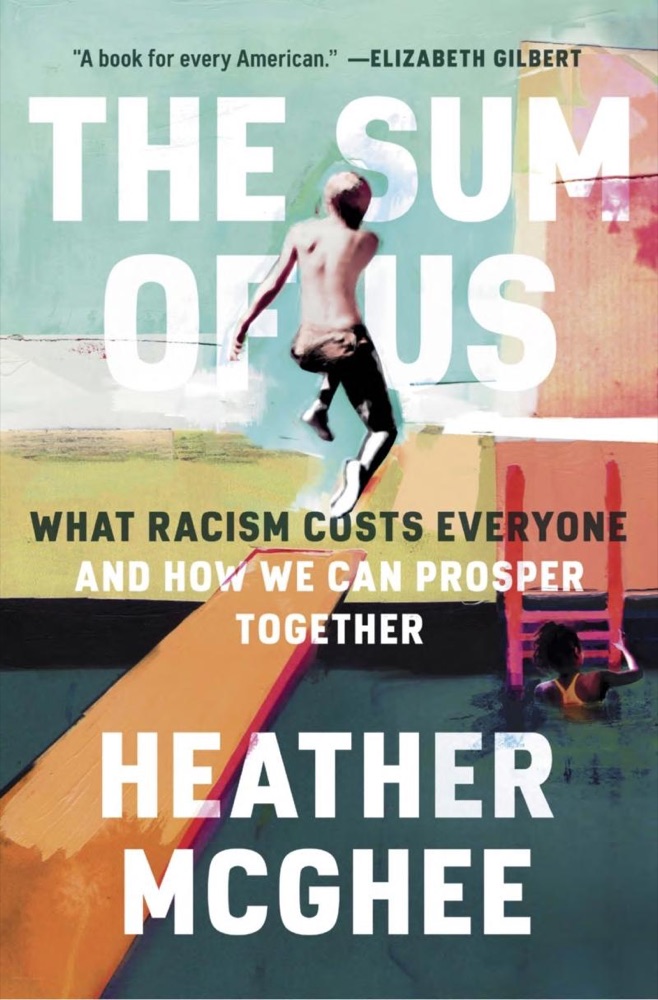 The Sum of Us: What Racism Costs Everyone and How We Can Prosper Together
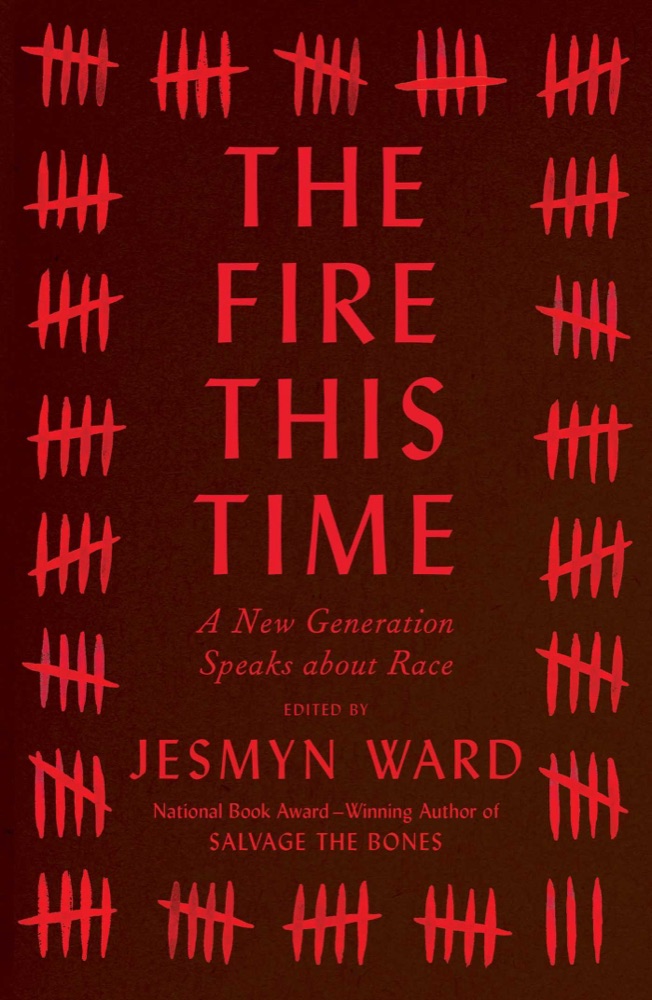 The Fire This Time: A New Generation Speaks About Race
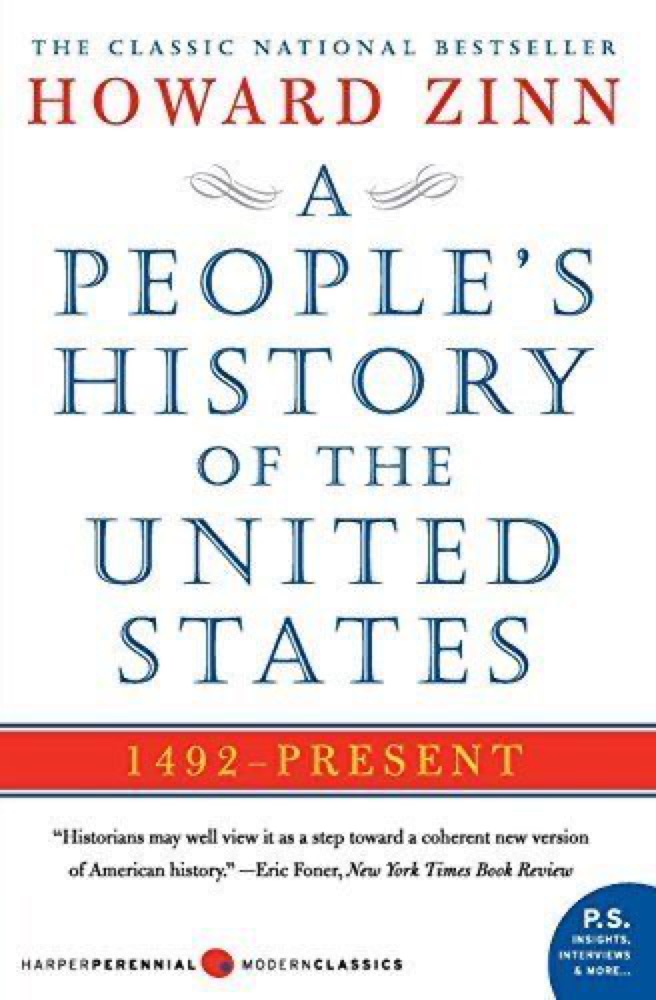 A People's History of the United States
 White Like Me: Reflections On Race From A Privileged Son
 A Fever in the Heartland: The Ku Klux Klan's Plot to Take Over America, and the Woman Who Stopped Them
 Rosa Parks: My Story
 Petals of Blood
 Battle Cry of Freedom
 Dark Days
 Black Rednecks and White Liberals
 I'm Still Here: Black Dignity in a World Made for Whiteness
 Kindred
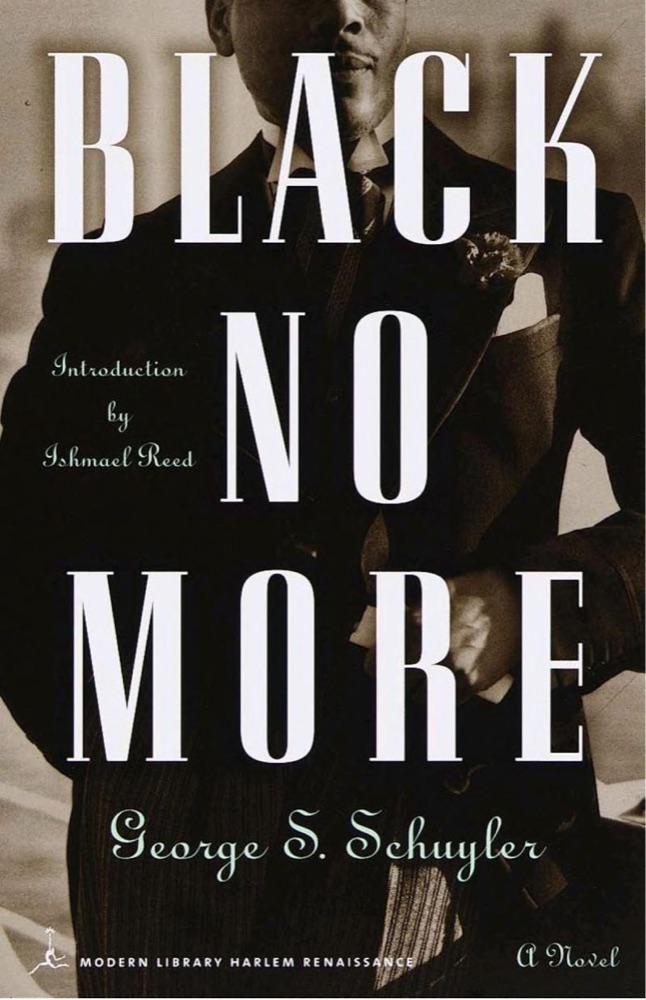 Black No More
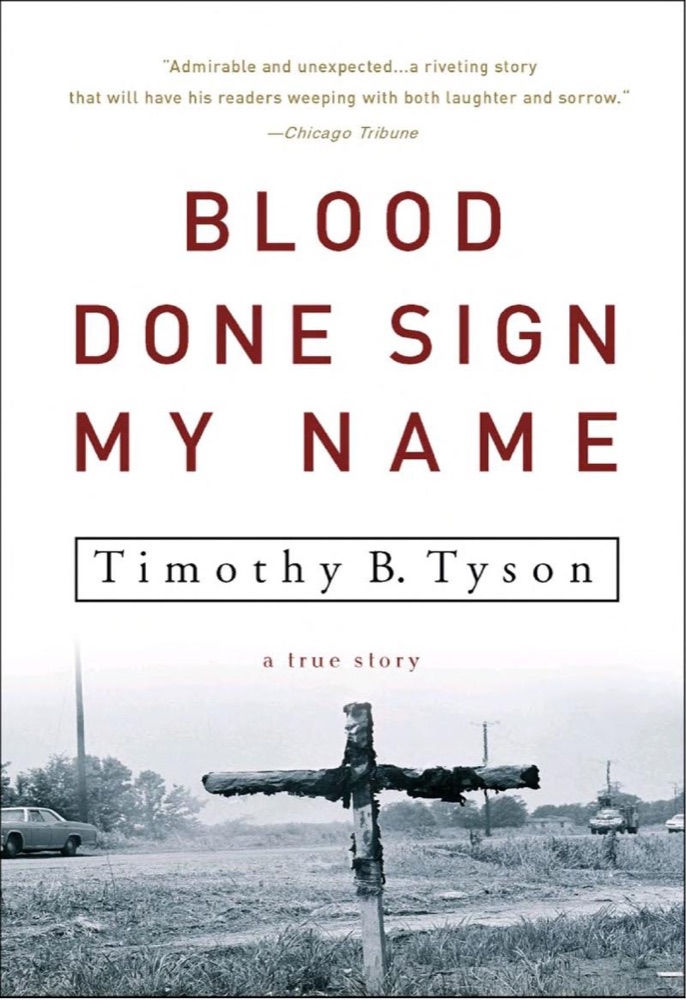 Blood Done Sign My Name: A True Story
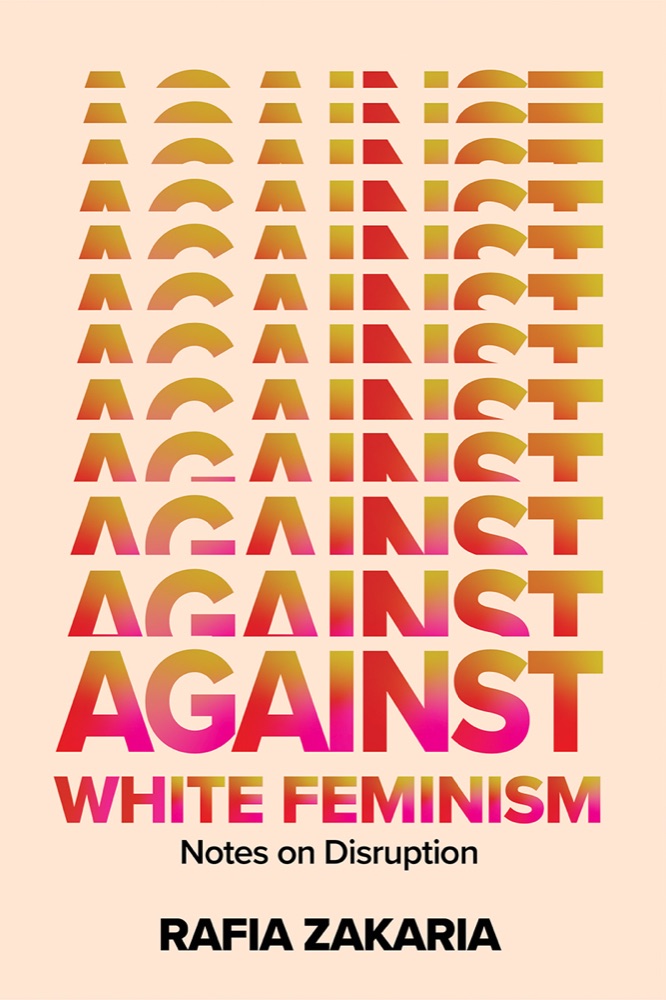 Against White Feminism: Notes on Disruption
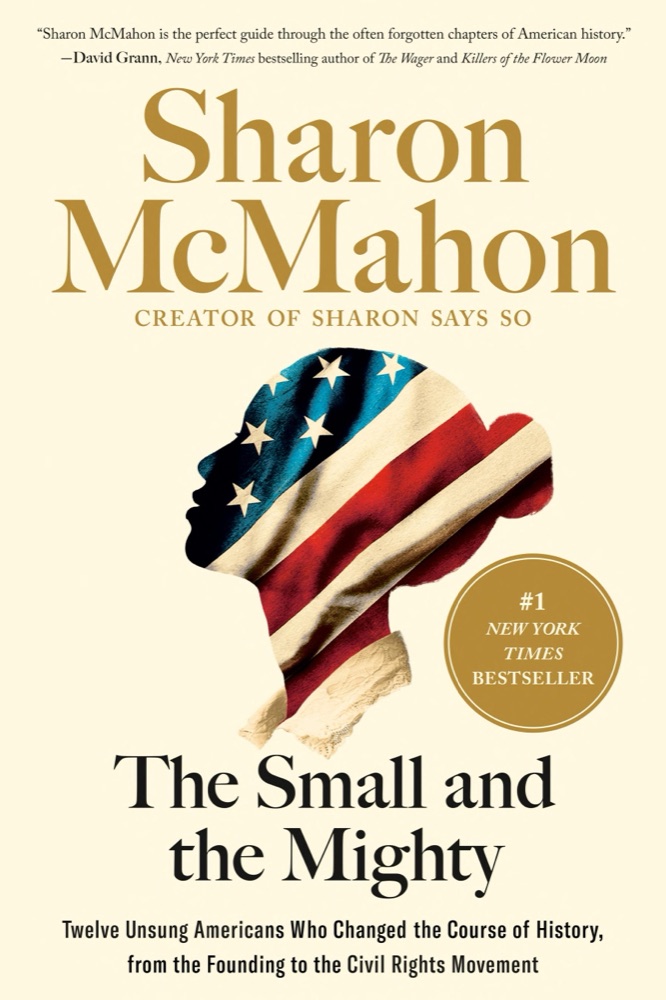 The Small and the Mighty: Twelve Unsung Americans Who Changed the Course of History, from the Founding to the Civil Rights Movement
 Uncomfortable Conversations With a Black Man
 No Name in the Street
 An Indigenous Peoples' History of the United States
 Chesapeake