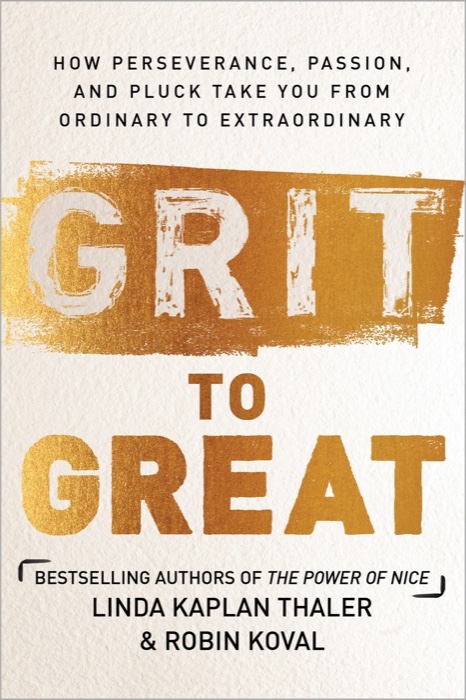

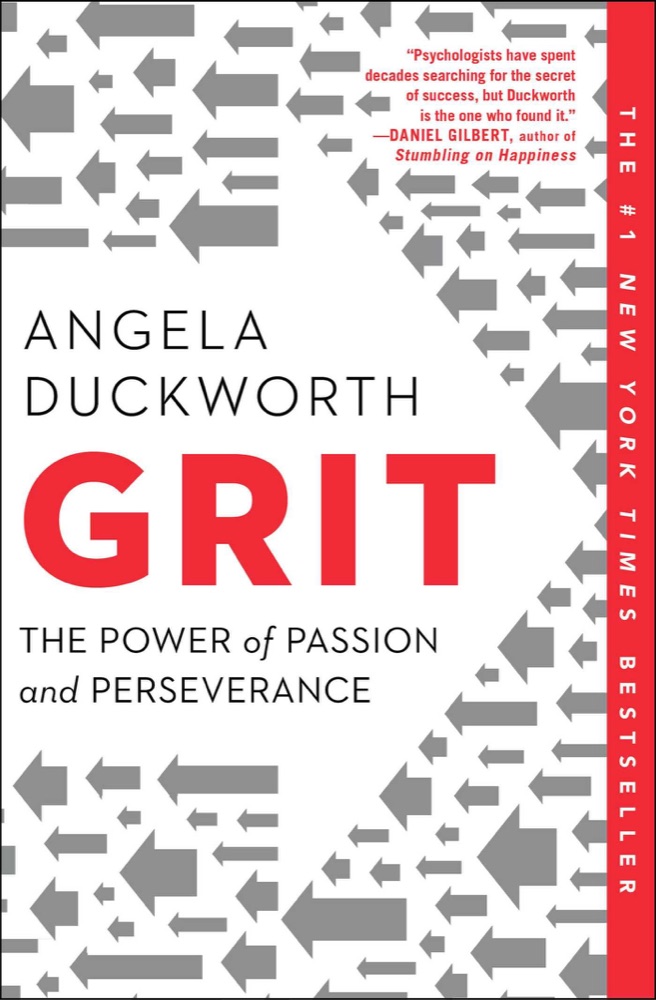
 Grit: The Power of Passion and Perseverance
Quotes from the Book
Working just a little harder than someone else who might be just as talented (or even a bit more) is what will win the day.
Talent is cheaper than table salt. What separates the talented individual from the successful one is a lot of hard work. —STEPHEN KING
I’m not the smartest guy, but I can outwork you. It’s the one thing I can control.
You’d be surprised at the edge you can develop by applying yourself for an extra half hour on something—a goal, a skill, a job. Pick the time of day when you are most productive (early morning, after a jog, or in the quiet of a Sunday evening) and instead of watching a sitcom, devote yourself to whatever “it” might be. A half hour each day adds up to 180 hours of extra practice a year!
Failure is how we learn—it’s how we develop and acquire grit.
When confidence becomes a muscle memory, panic is replaced by peak performance.
The difference between a successful person and others is not a lack of strength, not a lack of knowledge, but rather a lack of will.
What this tells us is that children who are outperformed may give up rather than fight to improve, and those who do win may not feel compelled to keep trying as hard if even the losers get praise and a trophy.
Aristotle, writing about the virtues of hard work, said, “We are what we repeatedly do. Excellence then is not an act but a habit.
Happiness is not the absence of problems. It’s the ability to deal with them.
Hard work is good for the soul,” she would say. “And it keeps you from feeling sorry for yourself, because you don’t have time.
The difference between a successful person and others is not a lack of strength, not a lack of knowledge, but rather a lack of will. —VINCE LOMBARDI Steve
At the age of ninety-two, James spent months hunched over the kitchen table, learning the alphabet, practicing his signature, and slowly progressing to reading simple children’s books. Then his wife died, sending him into a tailspin and robbing him of his motivation to learn to read. But his story doesn’t end there. At the age of ninety-six, Henry became determined to try to learn to read again. This time he not only dove back into reading, but, with the help of a retired English teacher, he began to write, longhand, about his life, his time at sea, a man he lost overboard on one voyage, and what his grandfather’s farm was like in the Azores. He finished his memoir, and when he was ninety-eight it was published and became a bestselling book called In a Fisherman’s Language. It was optioned to become a film, and his success triggered a congratulatory letter from President Obama. Henry was working on his second book when he died at age ninety-nine in 2013. Henry’s story is remarkable on many levels. First, it took a tremendous amount of grit just to get by in today’s world as an illiterate adult. Even more remarkable was his determination to overcome it later in life.
Watch on YouTube
About Linda Kaplan Thaler
We have collected 13 quotes from 1 book by Linda Kaplan Thaler on BookQuoters.
More about the author →Book details
- Author
- Linda Kaplan Thaler
- Genre
- Nonfiction
- Goodreads rating
- 3.66 (913 ratings) →
Keep reading
Grit: The Power of Passion and Perseverance
 You Can Win: A Step by Step Tool for Top Achievers
 Outliers: The Story of Success
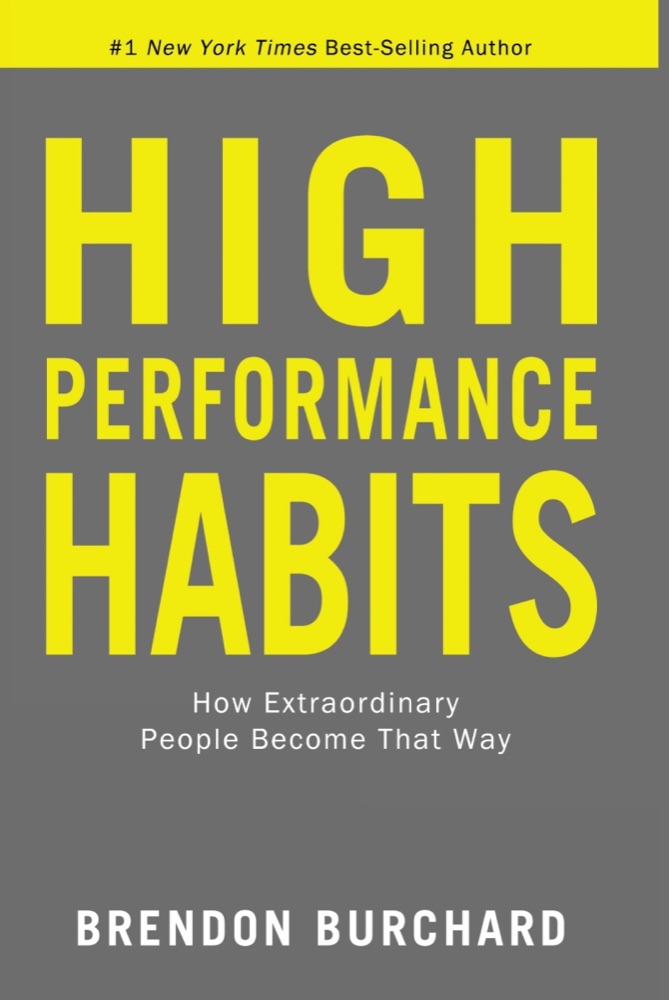 High Performance Habits: How Extraordinary People Become That Way
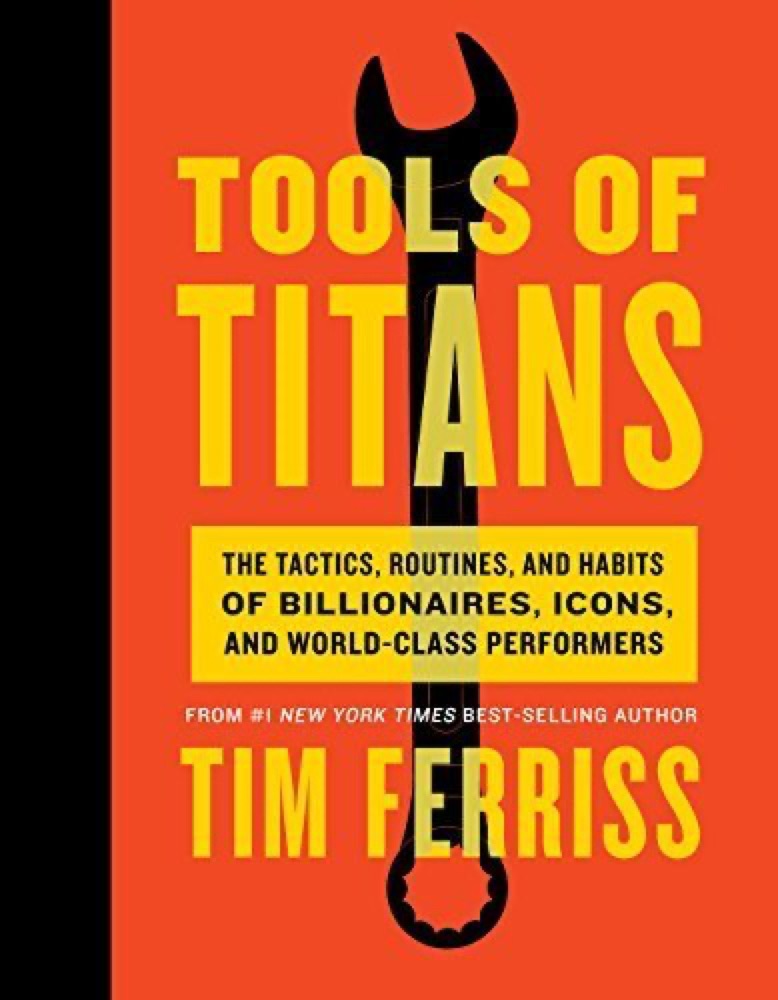 Tools of Titans: The Tactics, Routines, and Habits of Billionaires, Icons, and World-Class Performers
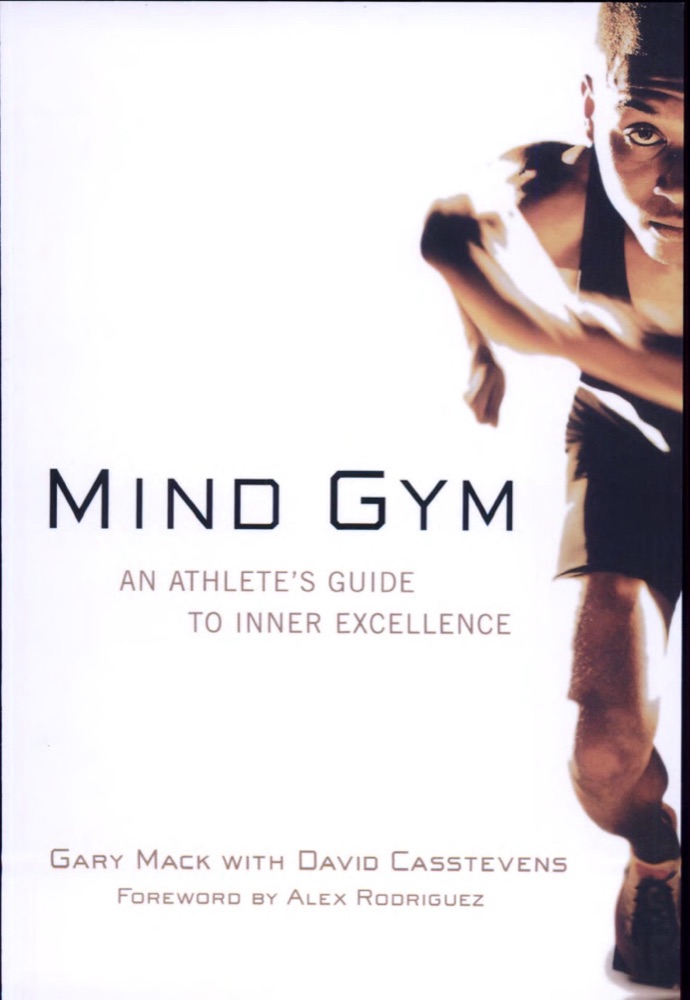 Mind Gym: An Athlete's Guide to Inner Excellence
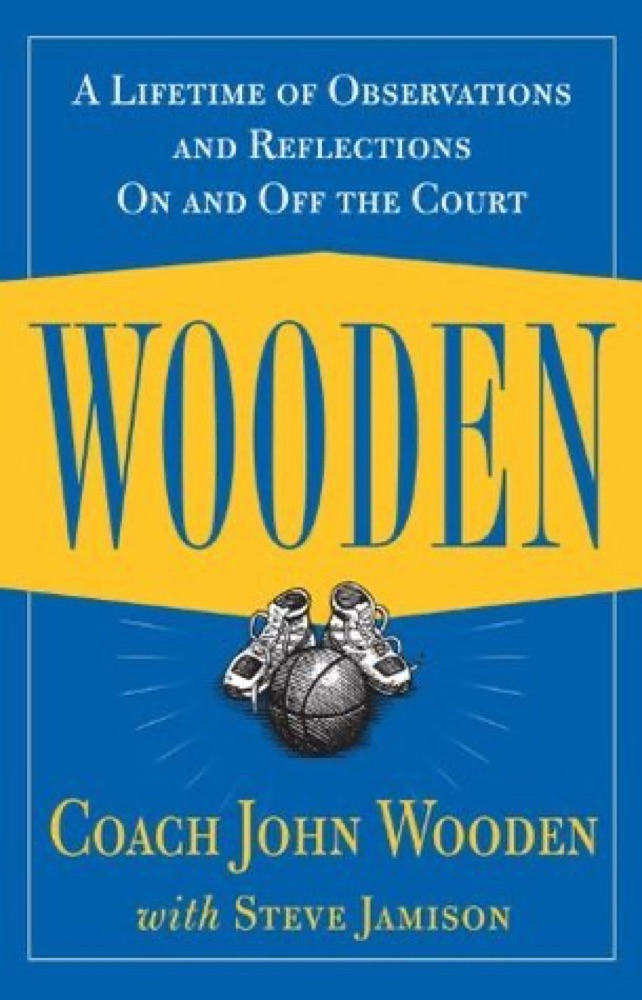 Wooden: A Lifetime of Observations and Reflections On and Off the Court
 Mindset: The New Psychology of Success
 Getting There: A Book of Mentors
 Discipline Is Destiny: The Power of Self-Control
 Think and Grow Rich
 The Power of Focus
 Law of Success
 The Algebra of Happiness: Notes on the Pursuit of Success, Love, and Meaning
 Lead the Field
 Edgy Conversations: How Ordinary People Can Achieve Outrageous Success
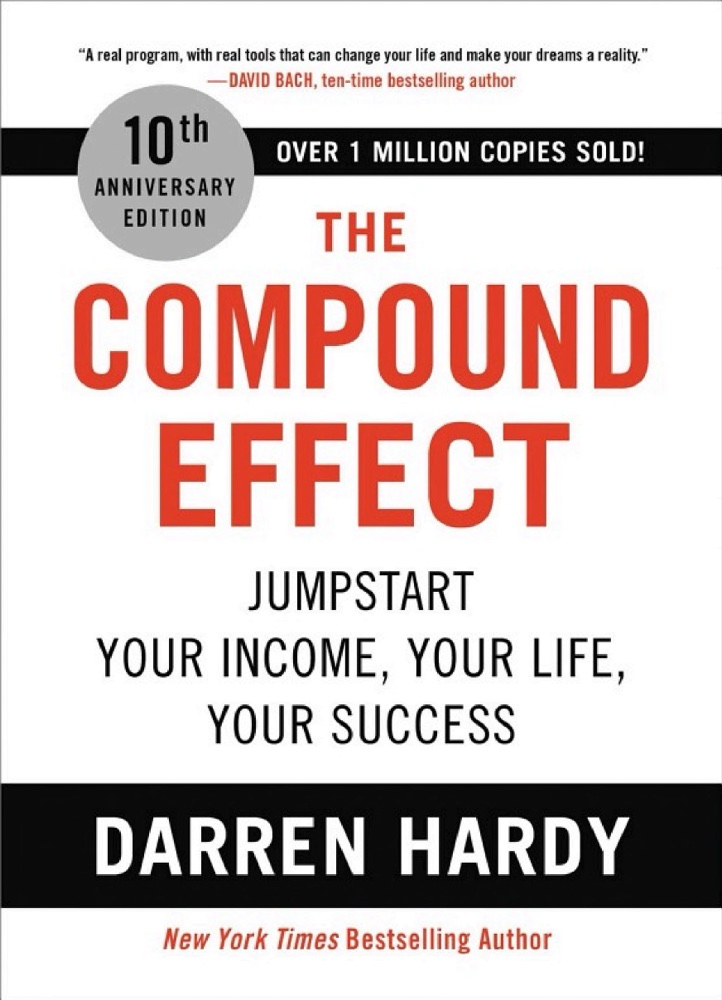 The Compound Effect: Jumpstart Your Income, Your Life, Your Success
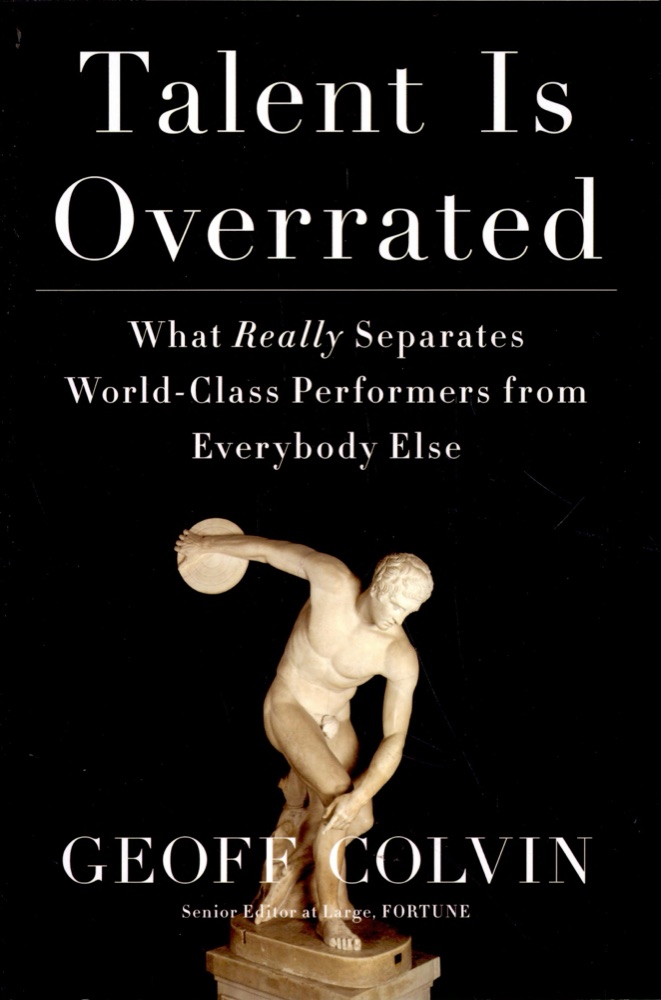 Talent is Overrated: What Really Separates World-Class Performers from Everybody Else
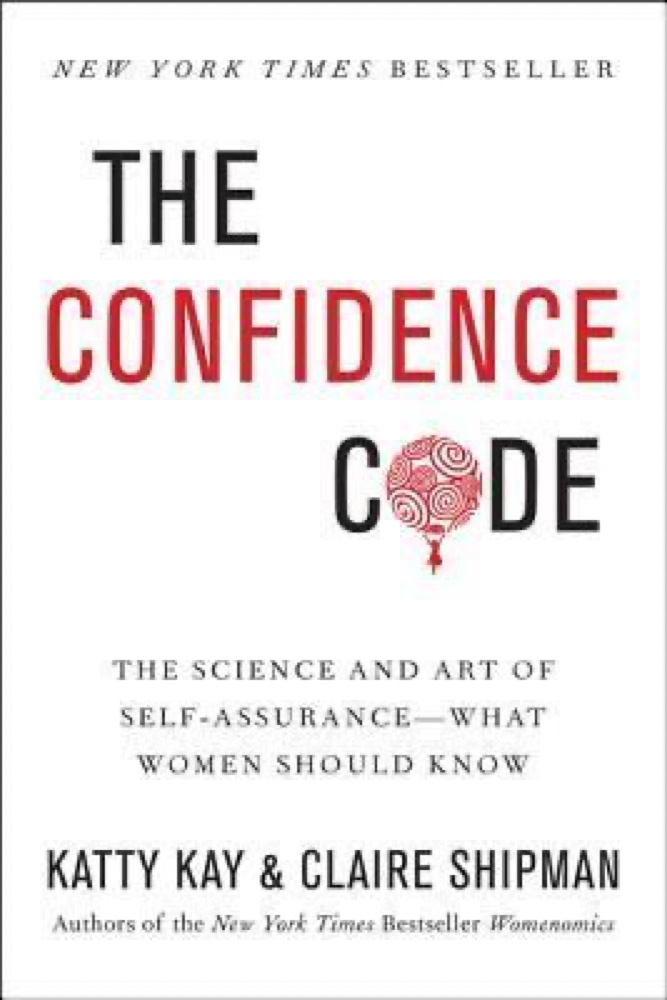 The Confidence Code: The Science and Art of Self-Assurance – What Women Should Know
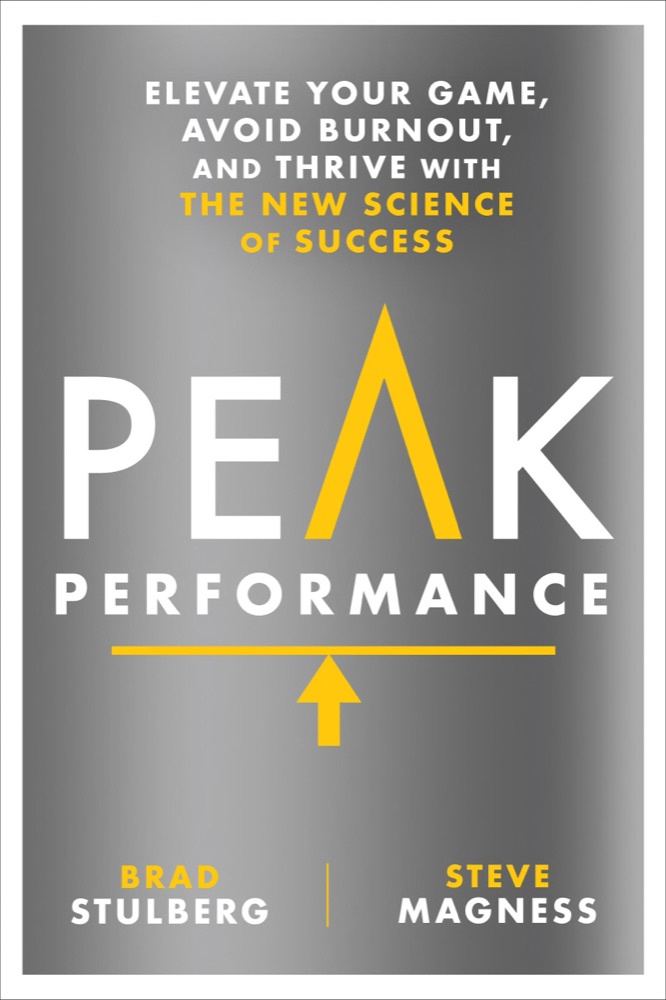 Peak Performance: Elevate Your Game, Avoid Burnout, and Thrive with the New Science of Success
 The Excellence Habit - How Small Changes In Our Mindset Can Make A Big Difference In Our Lives: For All Who Feel Stuck
 Today Matters: 12 Daily Practices to Guarantee Tomorrow's Success
 How to Fail at Almost Everything and Still Win Big: Kind of the Story of My Life
 Be Useful: Seven Tools for Life
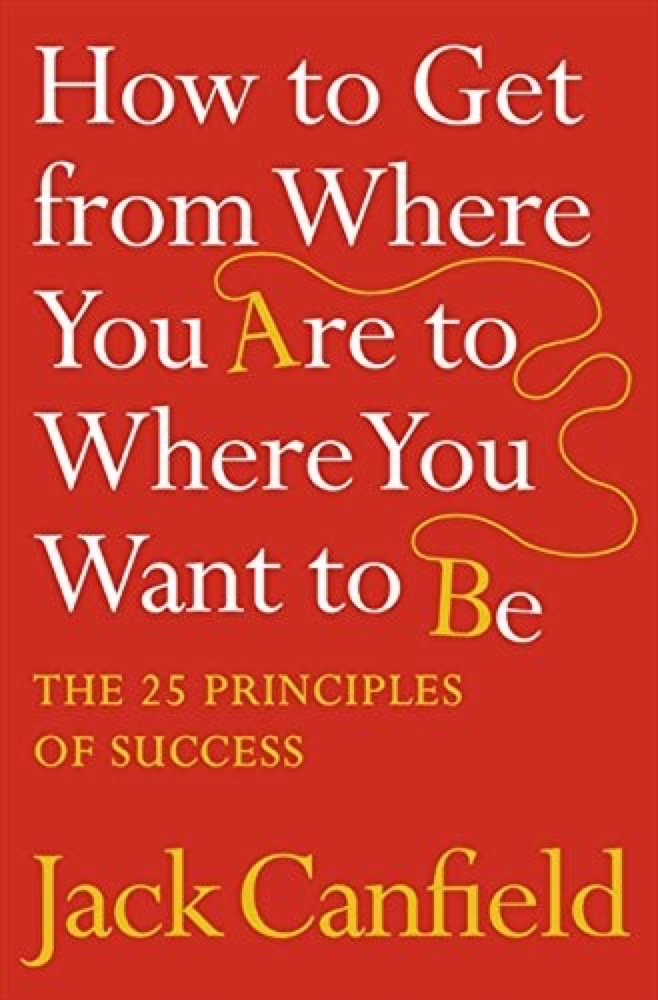 The Success Principles: How to Get from Where You Are to Where You Want to Be
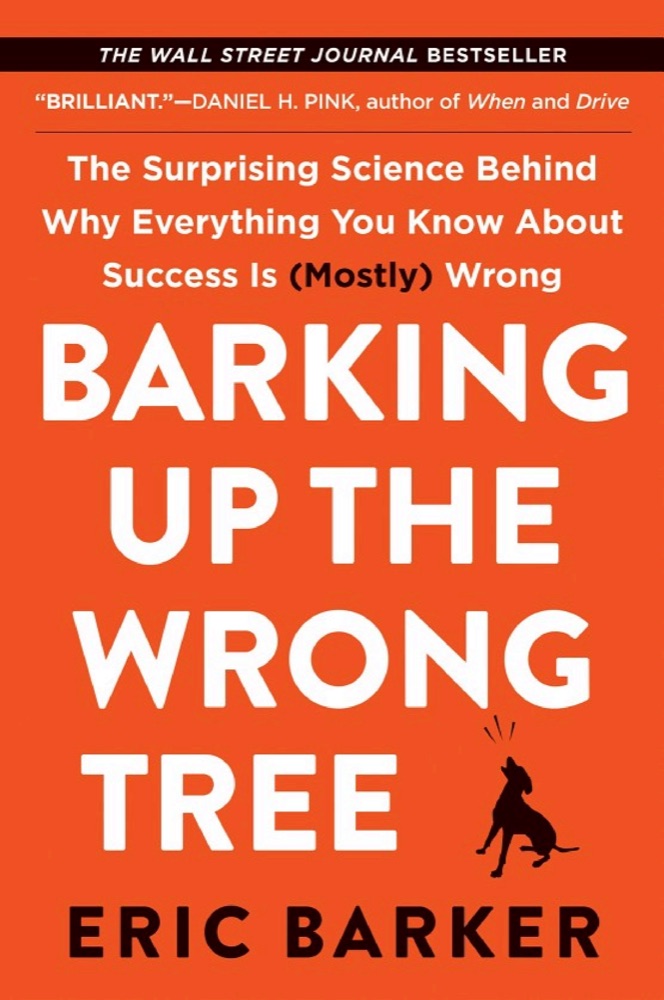 Barking Up the Wrong Tree: The Surprising Science Behind Why Everything You Know About Success Is (Mostly) Wrong
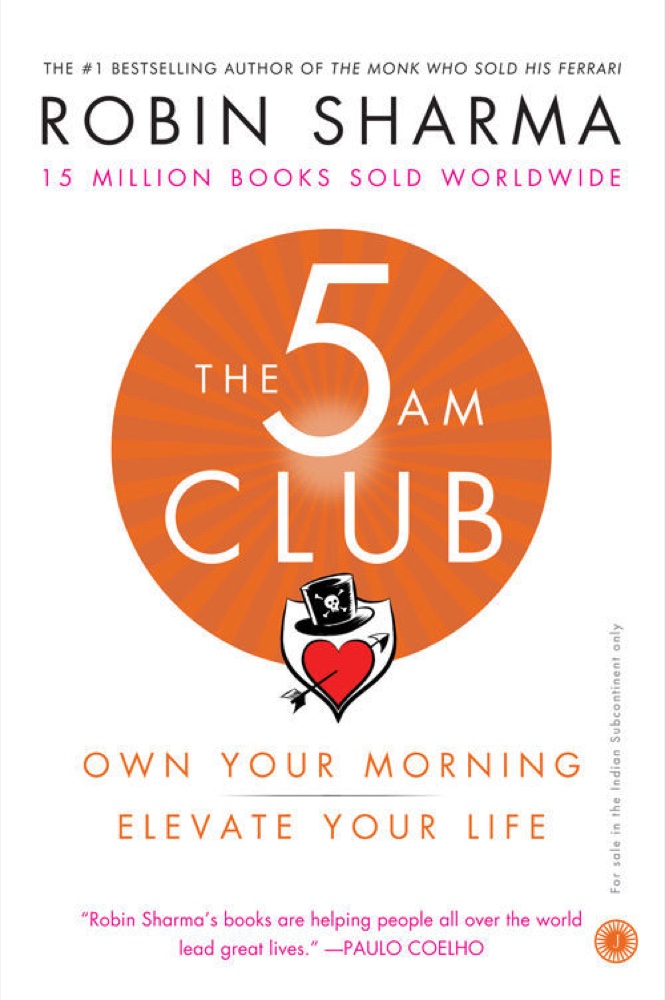 The 5 AM Club: Own Your Morning. Elevate Your Life
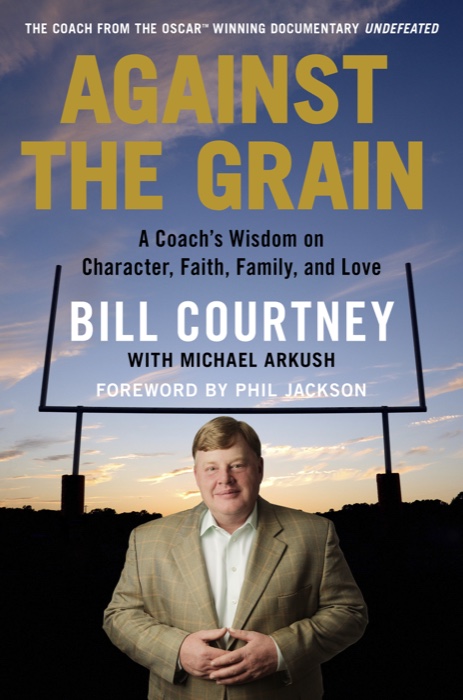 Against the Grain: A Coach's Wisdom on Character, Faith, Family, and Love
 The Leader Who Had No Title: A Modern Fable on Real Success in Business and in Life
 It's Not How Good You Are, It's How Good You Want To Be
 Late Bloomers: The Power of Patience in a World Obsessed with Early Achievement
 Principles: Life and Work
 Eat That Frog! 21 Great Ways to Stop Procrastinating and Get More Done in Less Time
 The 4-Hour Workweek
 The Happiness Advantage: The Seven Principles of Positive Psychology That Fuel Success and Performance at Work
 Outwitting the Devil: The Secret to Freedom and Success
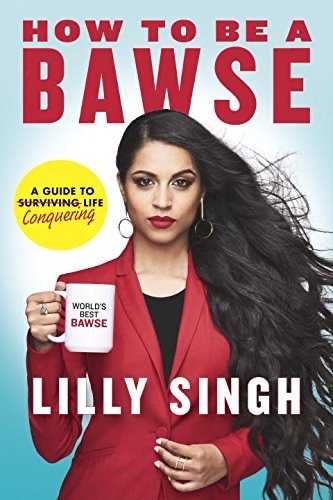 How to Be a Bawse: A Guide to Conquering Life
 Targeting Success, Develop the Right Business Attitude to be Successful in the Workplace
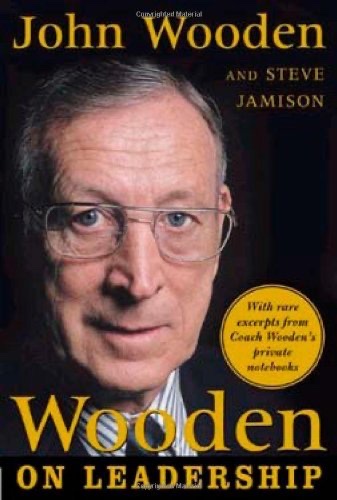 Wooden on Leadership: How to Create a Winning Organization
 Do Epic Shit
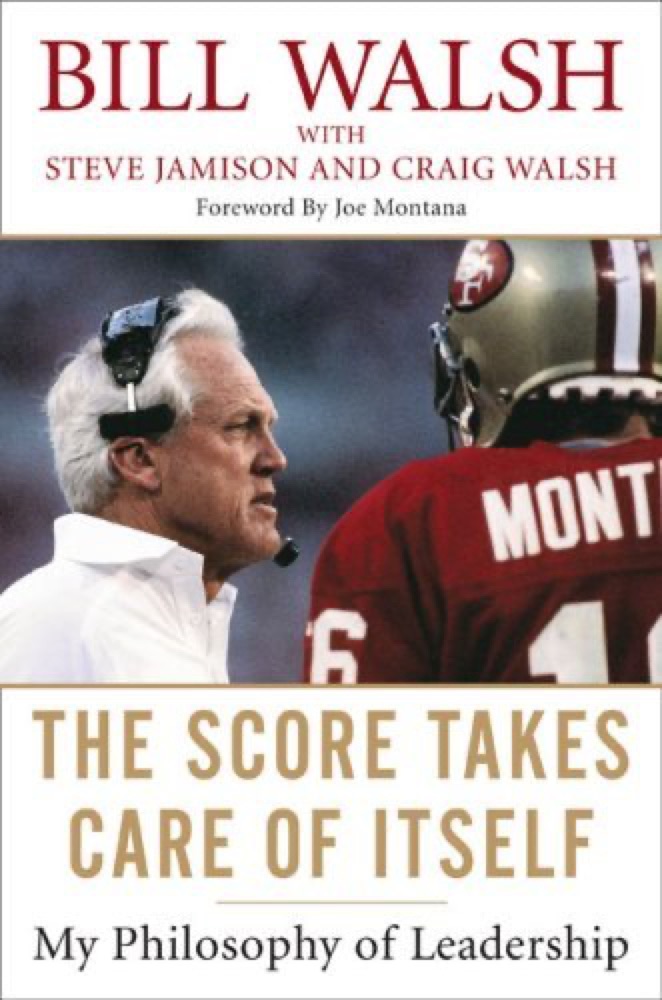 The Score Takes Care of Itself: My Philosophy of Leadership
 Leading: Learning from Life and My Years at Manchester United
 Shoe Dog: A Memoir by the Creator of NIKE
 Integrity: The Courage to Meet the Demands of Reality
 Give and Take: A Revolutionary Approach to Success
 7 Strategies for Wealth & Happiness: Power Ideas from America's Foremost Business Philosopher
 Magic of Thinking Big
 David and Goliath: Underdogs, Misfits, and the Art of Battling Giants
 The Best Advice I Ever Got: Lessons from Extraordinary Lives
 Tribe Of Mentors: Transformative Wisdom From Icons and Innovators to Help You Navigate Life's Challenges
 Smartcuts: How Hackers, Innovators, and Icons Accelerate Success
 Ego Is the Enemy
 Limitless: Upgrade Your Brain, Learn Anything Faster, and Unlock Your Exceptional Life
 The Algebra of Wealth: A Simple Formula for Financial Security
 Atomic Habits: An Easy & Proven Way to Build Good Habits & Break Bad Ones
 The Art of Impossible: A Peak Performance Primer
 No Excuses!: The Power of Self-Discipline
 The Dip: A Little Book That Teaches You When to Quit (and When to Stick)