 On Tyranny: Twenty Lessons from the Twentieth Century
Quotes from the Book
Tyrants tell stories only about themselves because history for them begins and ends with their own insatiable appetites.
9
If a person can grow through unthinkable trauma and loss, perhaps a nation may, too.
7
Memory requires active engagement with the complexities of the past. It is not an unthinking or passive process, like breathing or (for most people) sleeping. I have found that good memory, like good history, requires disciplined and focused attention, an honest effort to overcome one's perceptual and cognitive biases, and sustained effort.
4
As I told the senators, this trial was not about Donald Trump, for the whole world knew exactly who he was and what he stood for. The trial was about who we are.
3
Attention must be paid to the mundane details. This is how authoritarianism will infiltrate your society and control your life, one little aggression at a time.
2
Too many radicals love humanity in the abstract but don’t like people concretely, while too many conservatives like the people in their group, but don’t care about anybody else and can’t stand humanity generally. We could take the best from both the radicals and conservatives and show love for everybody, or we could take the worst from both and just hate everyone, and that’s Donald Trump for you.
2
The past isn’t dead. It isn’t even past.
2
have learned that trauma can steal everything from you that is most precious and rip joy right out of your life. But, paradoxically, it can also make you stronger and wiser, and connect you more deeply to other people than you ever imagined by enabling you to touch their misfortunes and integrate their losses and pain with your own. If a person can grow through unthinkable trauma and loss, perhaps a nation may, too. If you are one of millions of Americans who have suffered, in these hard days of plague, violence, and climate emergency, a trauma and rupture like the ones we have experienced in our family, I bid you and your family deep healing and recovery for the battles
1
I feel no fear. I have felt no fear today at all, for we have lost our Tommy Raskin, and the very worst thing that ever could have happened to us has already happened.
1
if destruction were ever to come to America, it would come not from abroad, from a “transatlantic military giant,” but from within, specifically the vigilante forces of racist mob violence that target the press, innocent people, and democracy itself.
1
fascism is not a fixed ideological system but rather a strategy for taking and holding power.
1
Hannah was wondering how it made the man’s kids feel, and she was outraged that Trump could lure people into this cauldron of violent bloodshed and then skip away from it all, refusing to testify and disclaiming any responsibility.
1
Likewise at the impeachment: no level of brilliant legal persuasion and no thick body of precedent would move a single Republican senator unless and until we shocked their consciences and woke up their human feelings to the meaning of the violence that had entered our House. This was why I told Speaker Pelosi in our very first conversation over this trial that we would set about to create a meticulous video presentation of the facts that would be riveting and unforgettable.
1
was experienced by my fearless constituent in Silver Spring, Harry Dunn, an African American officer for thirteen years on the Capitol Police force, whom I interviewed and who told me he had been subjected to what he called a “torrent” of racist abuse and
1
told Dar about the Amish-quilt theory someone had shared with me, which is that a family is not best seen as a sequence of generations that just leaves the oldest ones behind but, rather, as an Amish quilt in which each of us is represented by a square, whether we happen to be alive or not, and no one ever loses his or her place in the quilt, but the whole quilt just keeps getting bigger and more beautiful over time.
1
Trump is not like a citizen who falsely shouts fire in a crowded theater,” Larry said. “He’s like a fire chief who sends the mob to burn the theater down.
1
Hawley’s jack-in-the-box performance did not surprise me much, given that he had clearly been auditioning to become Trump’s successor as America’s top authoritarian populist.
1
Tommy always came down on the side of determinism, insisting that our actions are always the product of biological and environmental forces beyond the force field of free will.
1
Meanwhile, Hamilton, in Federalist No. 1, said the greatest danger to republics and the liberties of the people comes from political opportunists who begin as demagogues and end as tyrants and from the people who are encouraged to follow them. “President Trump may not know a lot about the Framers,” I told the Senate, “but they certainly knew a lot about him.
1
But I suspect that the idea of an American president inciting a violent attack on Congress as we conducted our constitutional duties was so utterly strange and unthinkable that it kept us from incorporating the possibility into our analysis and preparation.
1
whip up the crowd into a mob frenzy, but ends as a “tyrant,” a ruler who uses his power to oppress the people, Hamilton said.
1
have thus looked away from a very old threat suddenly staring us in the face again, the threat that Alexander Hamilton warned us of in Federalist No. 1: the threat of an opportunistic demagogue unleashing a violent mob and primitive impulses against the Constitution to override the political and constitutional infrastructure of representative democracy. The demagogue panders to the negative emotions of the crowd, pretending to be the champion of the people, only to wage war against the Constitution, the legal order, and the democratic political process, all of which belong to the people. He starts as a “demagogue,” one who knows how to whip up the crowd into a mob
1
The next person to approach was my friend Don Beyer from Virginia, a soulful and gentlemanly member of the House, a former American ambassador to Switzerland, a former lieutenant governor of Virginia, and an extremely successful new- and used-car salesman with Don Beyer Volvo. Like his fellow Virginian Thomas Jefferson, who said, “[I]n matters of style, swim with the current, but in matters of principle, stand like a rock,
wanted us to win the audience, to advance moral and political propositions about constitutional democracy that would lift America out of the mud and blood of the Trump nightmare.
American carnage was not actually what Trump was denouncing on his first day in the presidency; it was what he was promising. And he had delivered.
would pin Trump’s devious acts on him like medals of shame. But this trial ultimately would not be about him, for the whole world already knew who Donald Trump was and what he was capable of. This trial would be about us and who we were.
Tommy told me that “Too many radicals love humanity in the abstract but don’t like people concretely, while too many conservatives like the people in their group, but don’t care about anybody else and can’t stand humanity generally. We could take the best from both the radicals and conservatives and show love for everybody, or we could take the worst from both and just hate everyone, and that’s Donald Trump for you.
don’t know precisely when Tommy came to identify as antiwar, but it was very young. Once it dawned on him that violence was the essence of war, it overthrew his early naïve fascination with military history. I associate this change with his learning the basic facts of the bombings of Hiroshima and Nagasaki and then about the horrors of the Holocaust. These historical events shook him and kept him up at night, sometimes giving him dreadful nightmares, and when he learned about genocidal violence against Native Americans, he stopped playing war and battle games altogether. After he learned what war actually was, and how it destroyed people’s lives and communities, his fascination with it ended—or, to be more precise, the character of his fascination changed. What he cared about was stopping wars and blocking militarism as a cultural and political obsession.
But its meaning was now revealed. This was American carnage.
byzantine architecture of the Electoral College.
Watch on YouTube
About Jamie Raskin
About the book
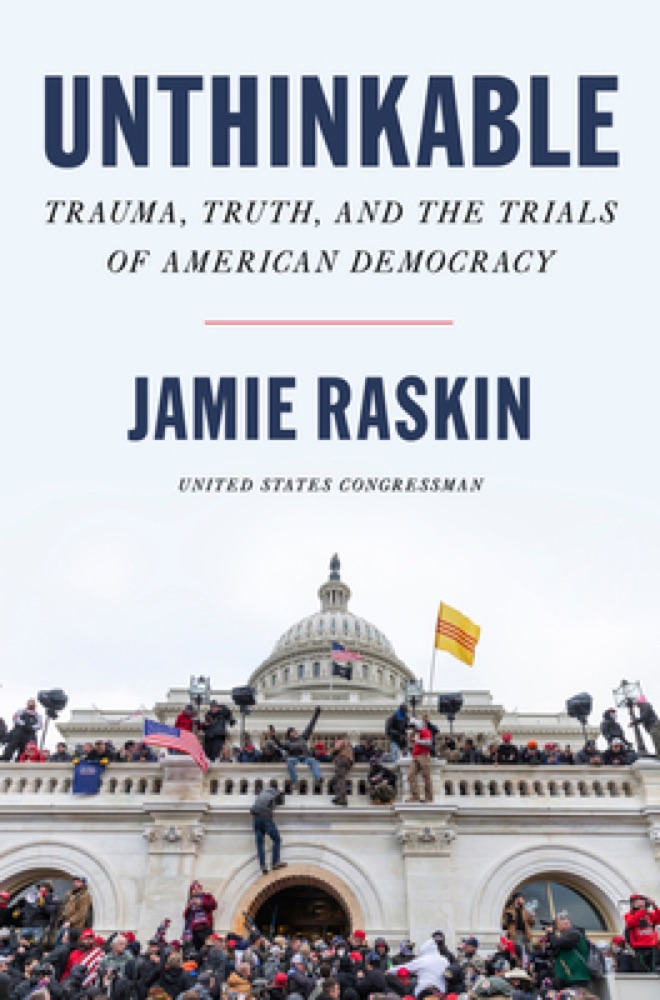
In this searing memoir, Congressman Jamie Raskin tells the story of the forty-five days at the start of 2021 that permanently changed his life--and his family's--as he confronted the painful loss of his son to suicide, lived through the violent insurrection in our nation's Capitol, and led the impeachment effort to hold President Trump accountable for inciting the political violence.
On December 31, 2020, Tommy Raskin, the only son of Maryland Congressman Jamie Raskin, tragically took his own life after a long struggle with depression. Seven days later on January 6, Congressman Raskin returned to Congress to help certify the 2020 Presidential election results, when violent insurrectionists led by right wing extremist groups stormed the U.S. Capitol hoping to hand four more years of power to President Donald Trump. As our reeling nation mourned the deaths of numerous people and lament
Book details
- First published
- 2022
- Author
- Jamie Raskin
- Genre
- Nonfiction
- Goodreads rating
- 4.50 (6k ratings)
The buzz
- The Washington PostReview in The Washington Postprofessional review (via Book Marks)
- The GuardianReview in The Guardianprofessional review (via Book Marks)
- Kirkus ReviewsReview in Kirkus Reviewsprofessional review (via Book Marks)
Keep reading
On Tyranny: Twenty Lessons from the Twentieth Century
 The Threat: How the FBI Protects America in the Age of Terror and Trump
 The Plot Against America
 The Invisible Bridge: The Fall of Nixon and the Rise of Reagan
 Becoming Madam Secretary
 Radio Free Albemuth
 Destiny of the Republic: A Tale of Madness, Medicine and the Murder of a President
 Assata: An Autobiography
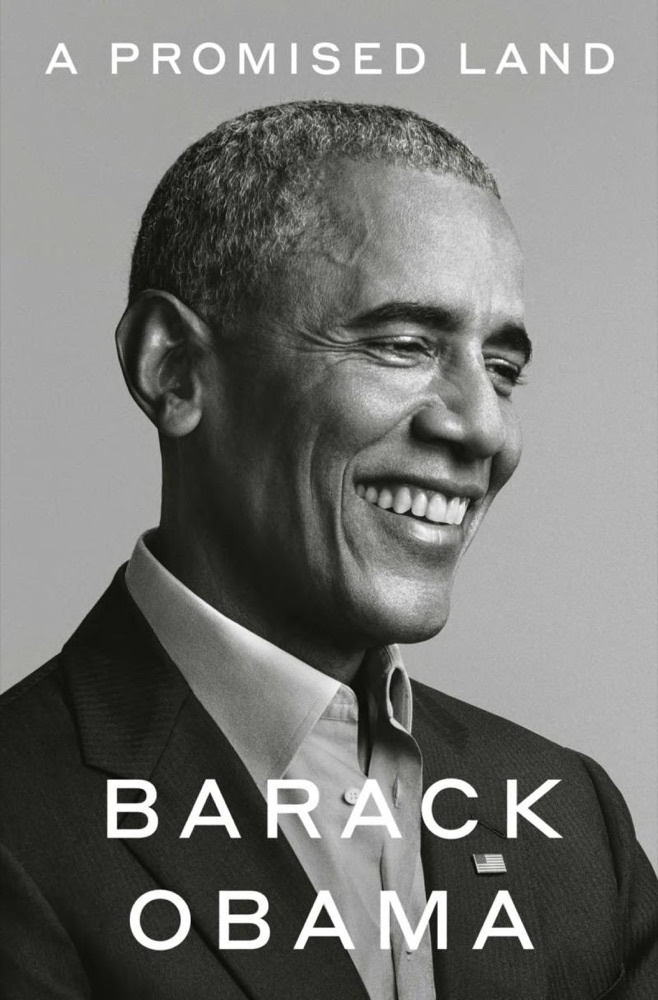 A Promised Land
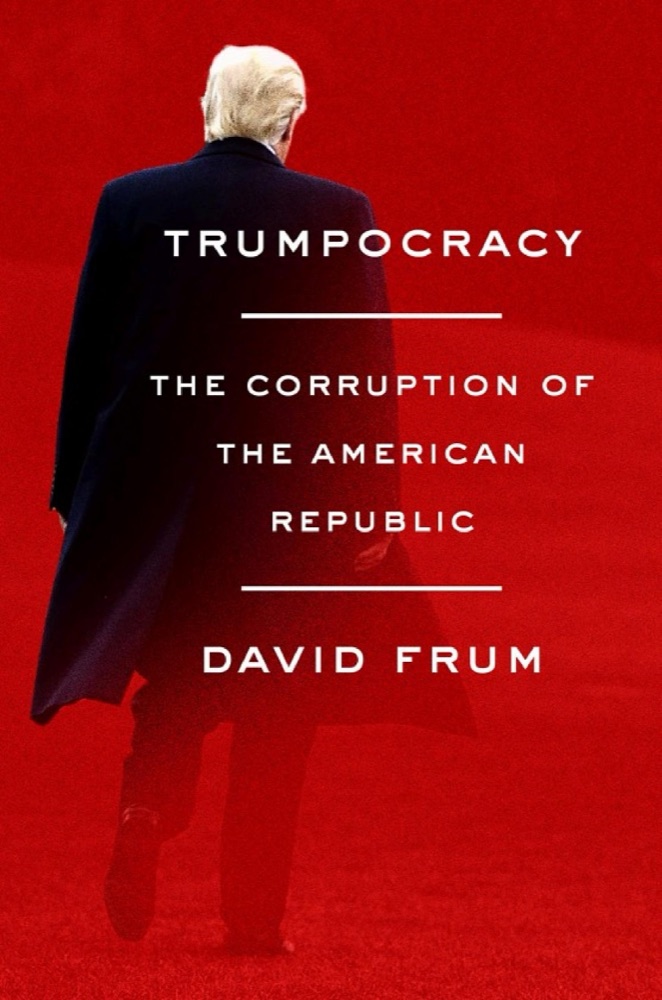 Trumpocracy: The Corruption of the American Republic
 Dead Fall
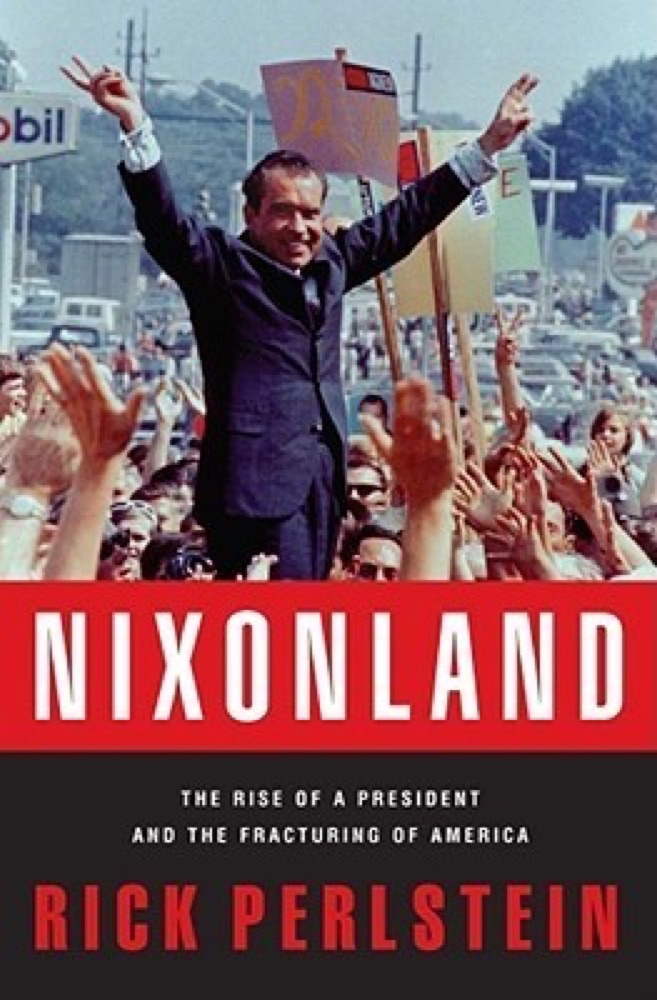 Nixonland: The Rise of a President and the Fracturing of America
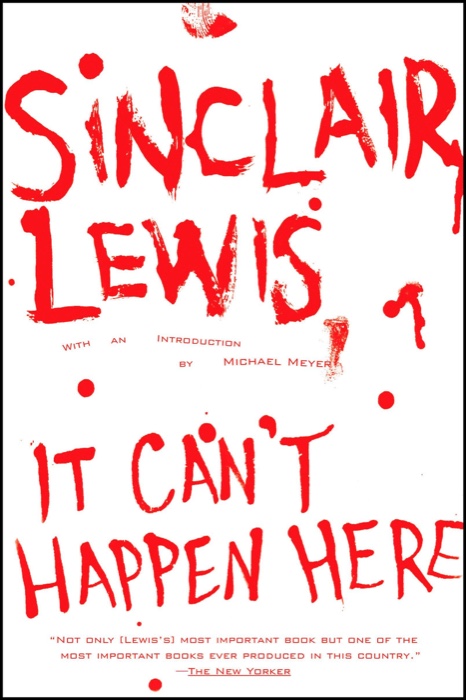 It Can't Happen Here
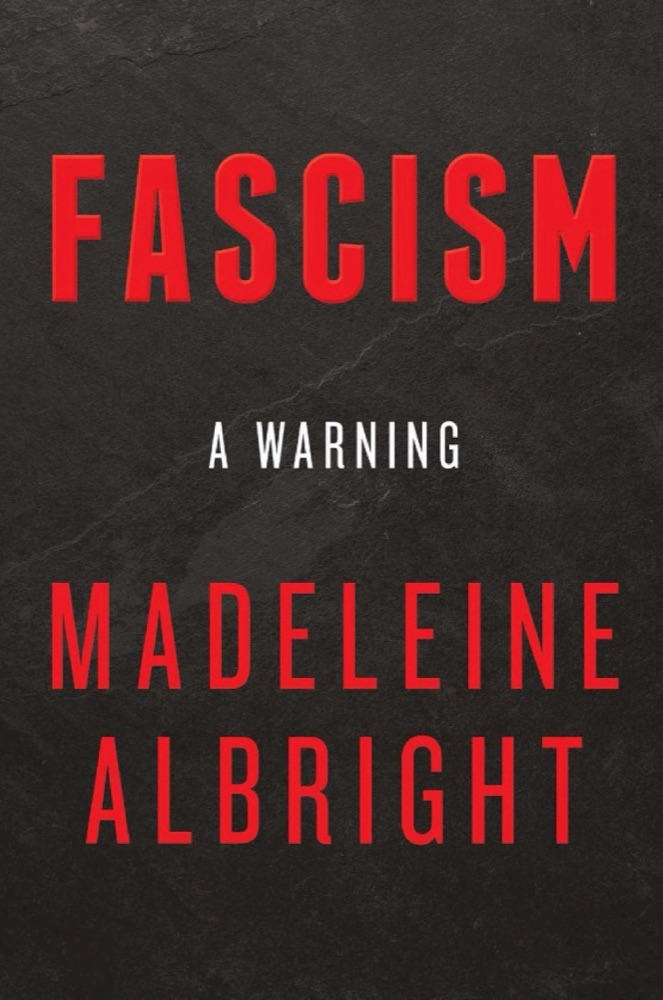 Fascism: A Warning
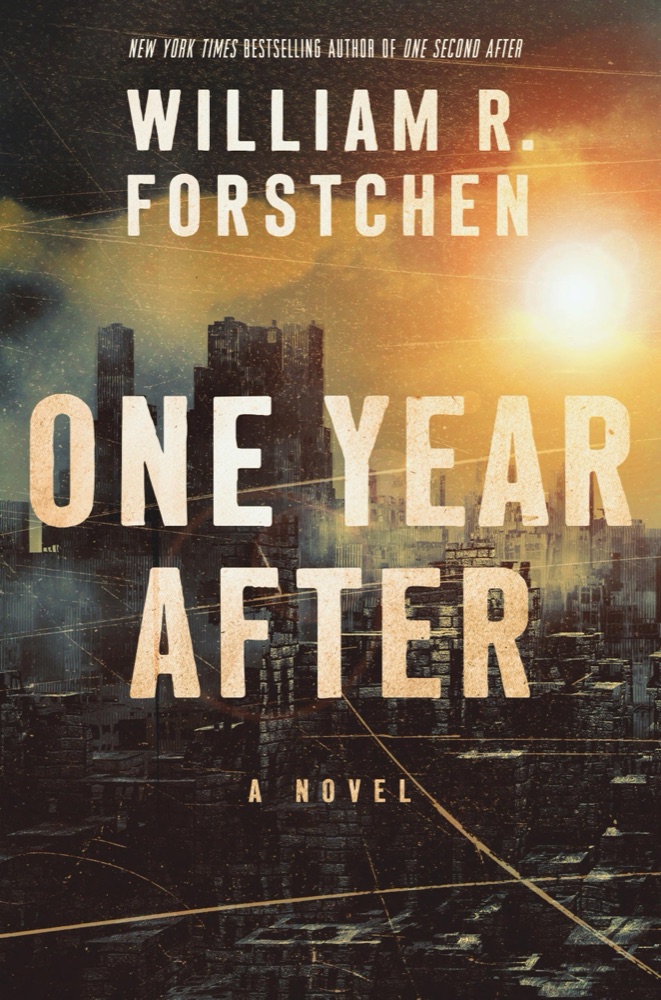 One Year After
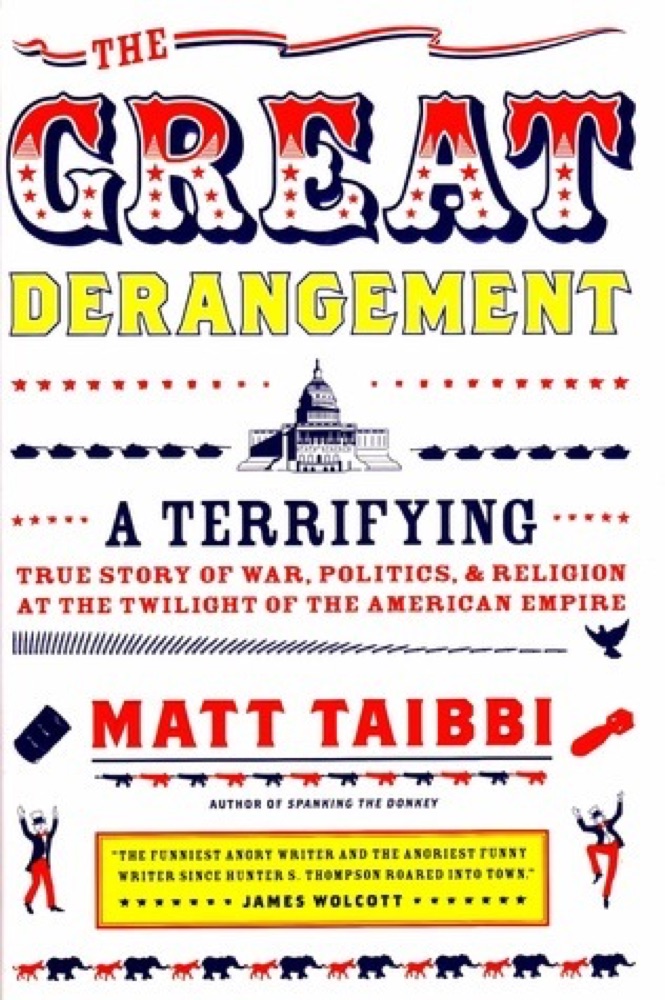 The Great Derangement: A Terrifying True Story of War, Politics, and Religion at the Twilight of the American Empire
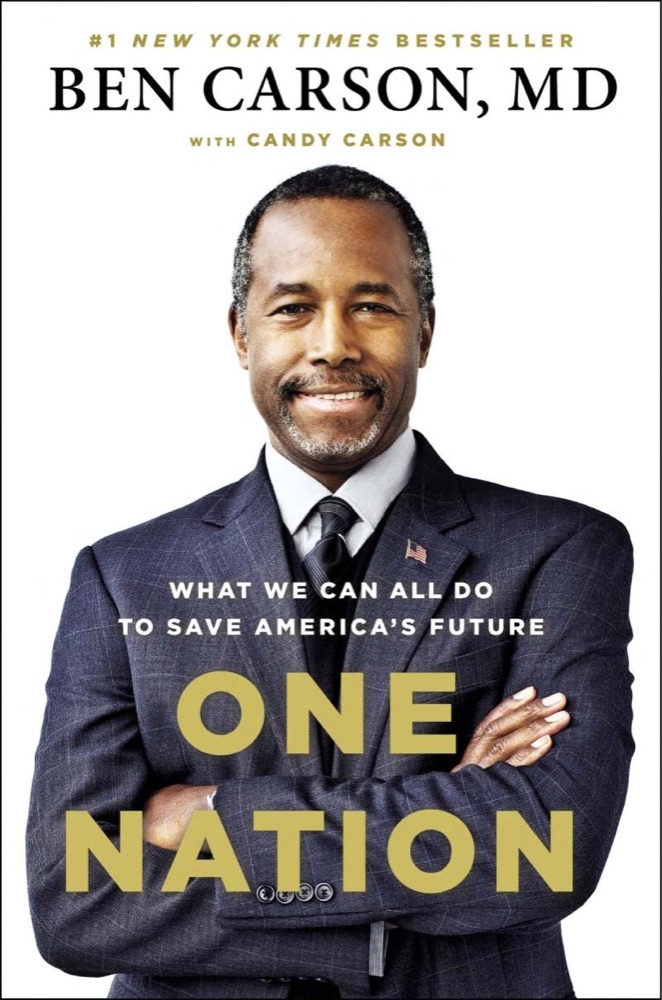 One Nation: What We Can All Do to Save America's Future
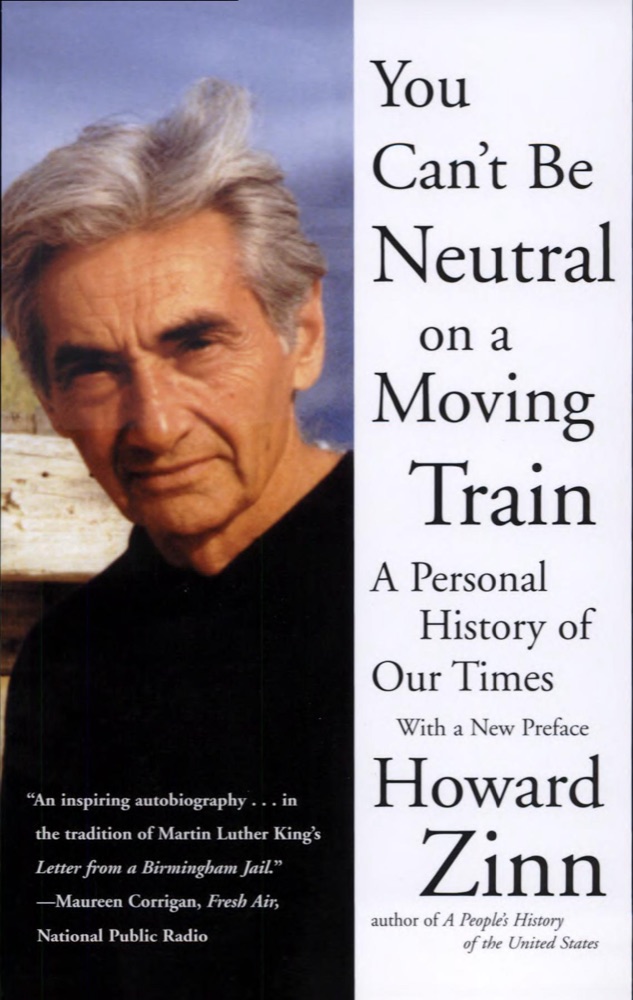 You Can't Be Neutral on a Moving Train: A Personal History of Our Times
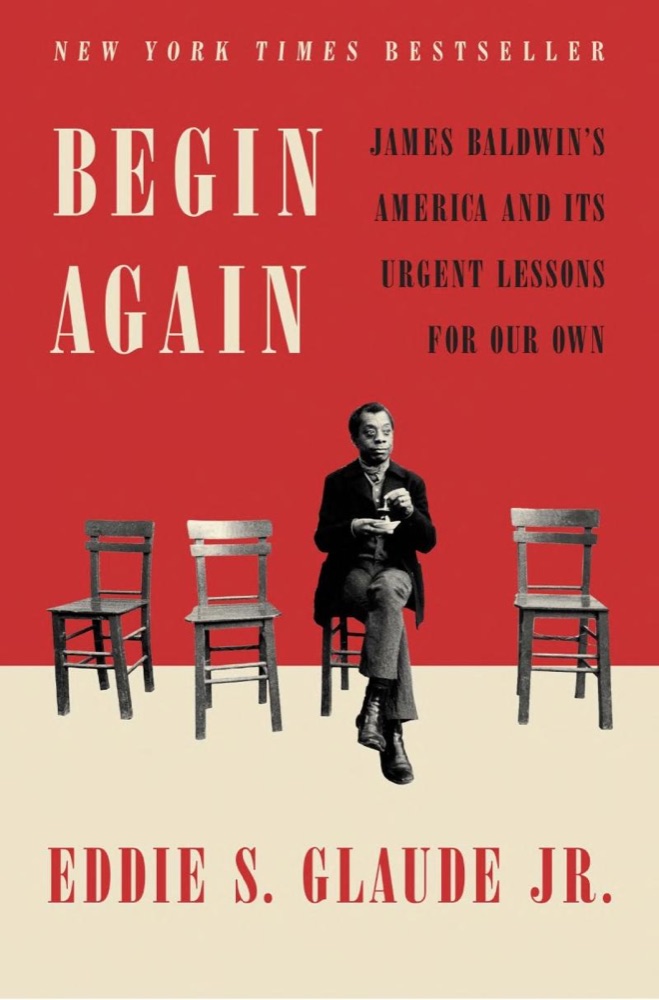 Begin Again: James Baldwin's America and Its Urgent Lessons for Our Own
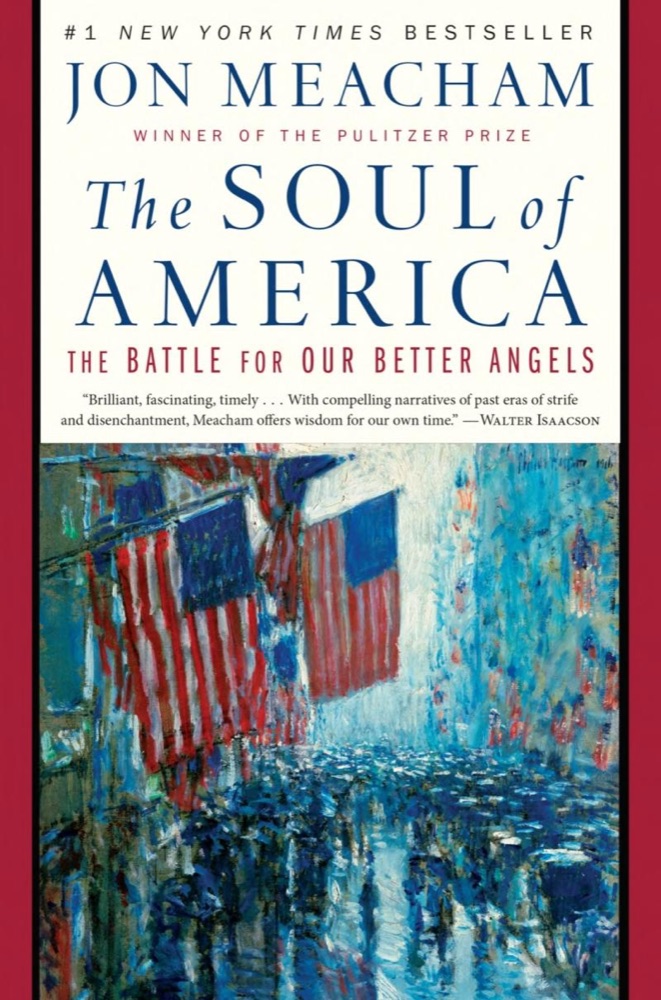 The Soul of America: The Battle for Our Better Angels
 Burr
Burr
 The Black Wolf
 Promises to Keep: On Life and Politics
 Shortest Way Home: One Mayor's Challenge and a Model for America's Future
 One Day, Everyone Will Have Always Been Against This
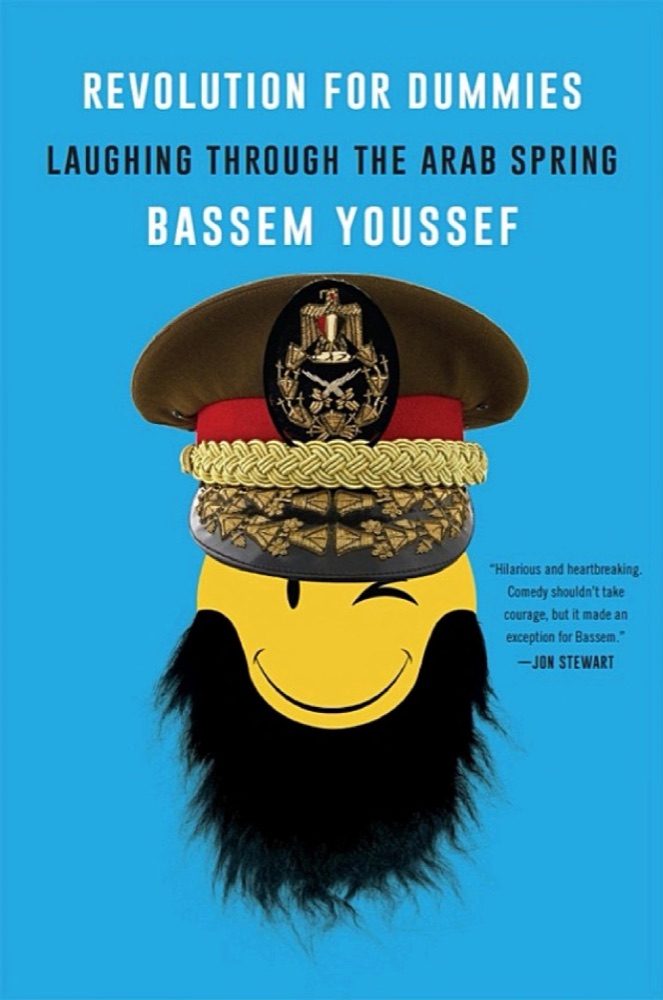 Revolution for Dummies: Laughing through the Arab Spring
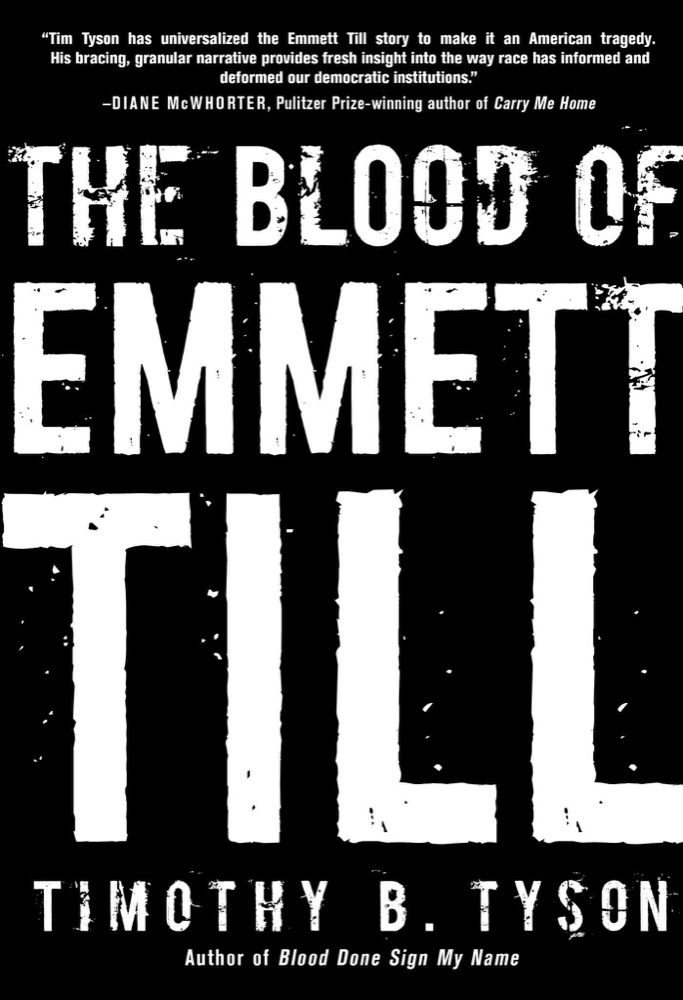 The Blood of Emmett Till
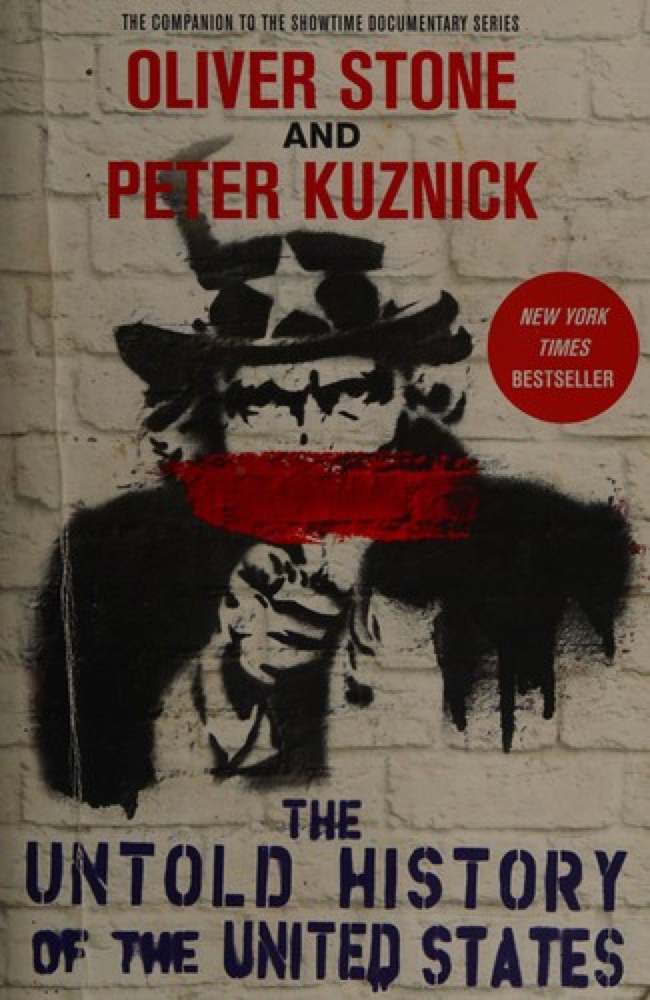 The Untold History of The United States
 A Better World
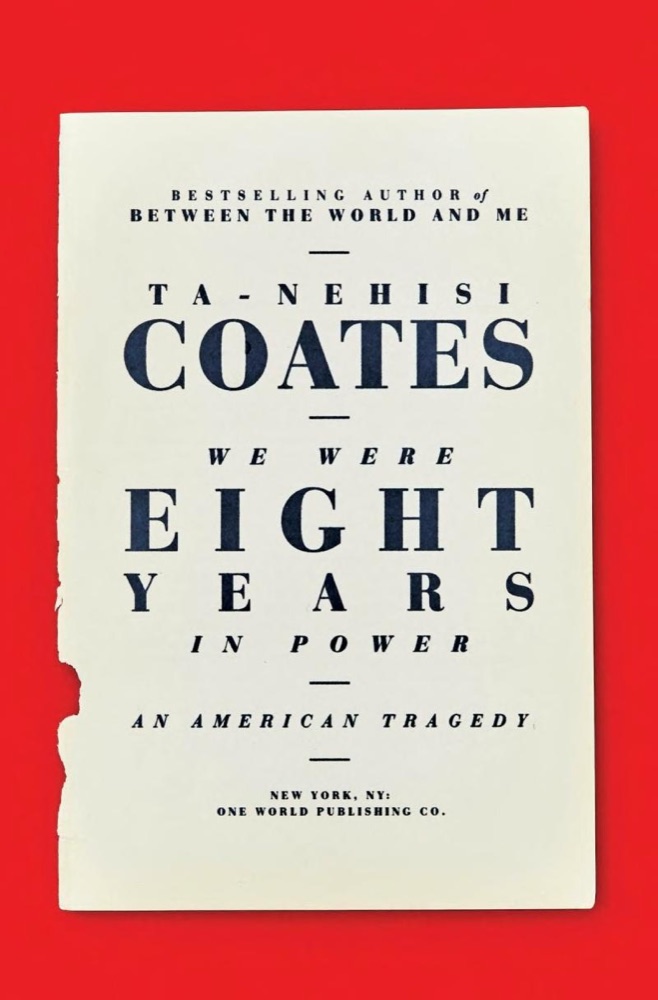 We Were Eight Years in Power: An American Tragedy
 Imperial Ambitions: Conversations on the Post-9/11 World
 Conspirators' Hierarchy: The Story of the Committee of 300
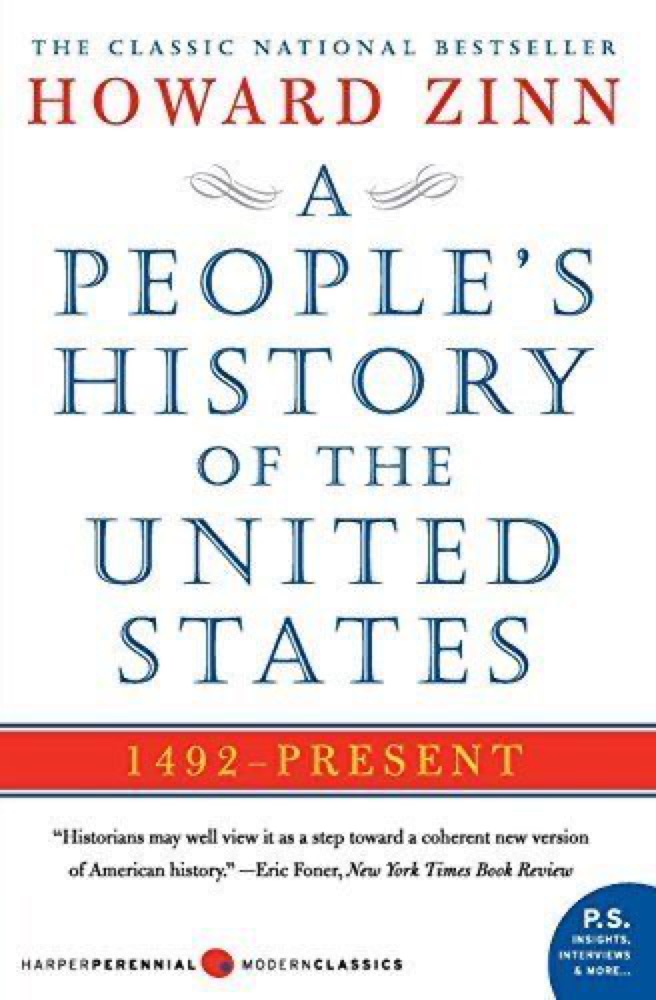 A People's History of the United States
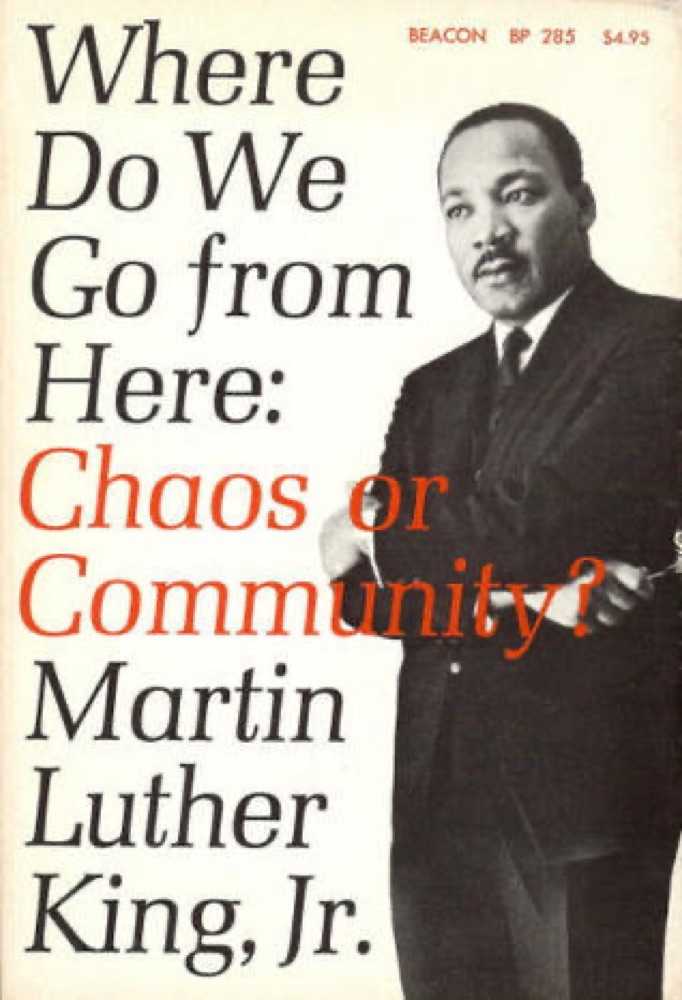 Where Do We Go from Here: Chaos or Community?
 The Golden House
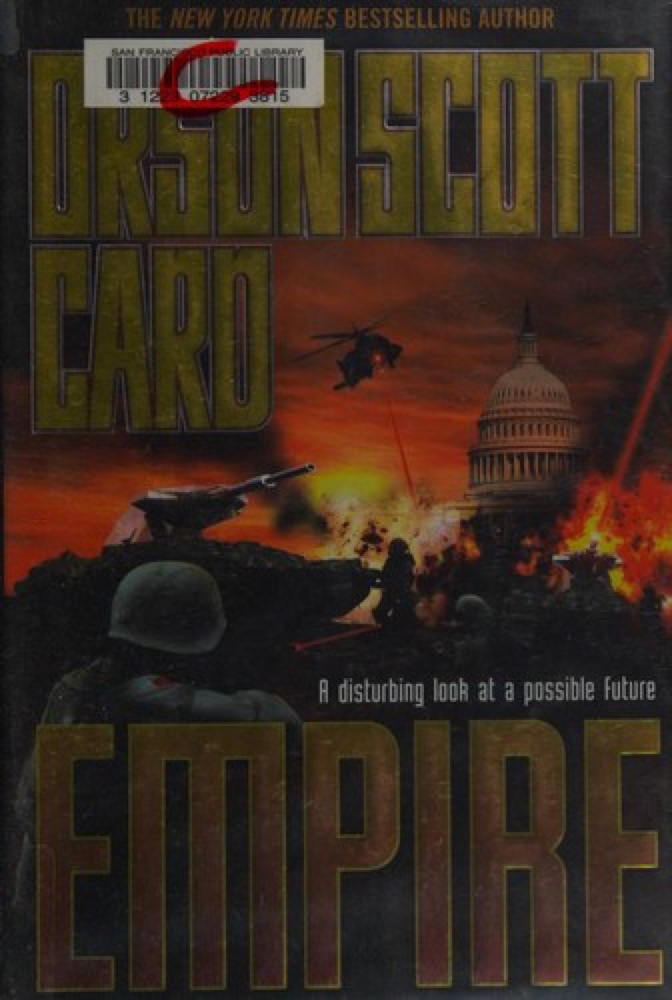 Empire
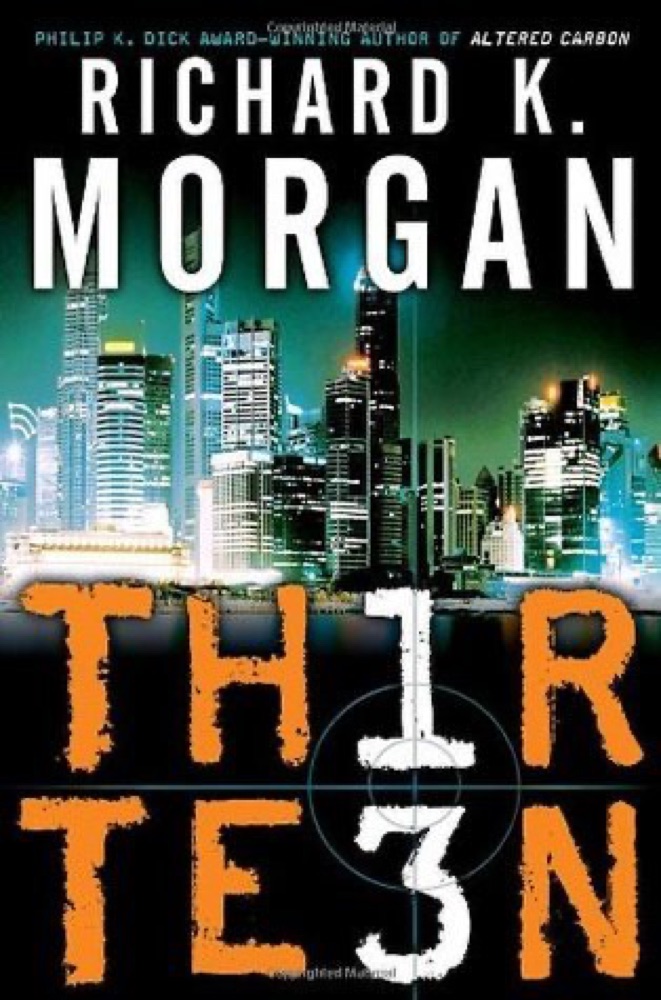 Thirteen
 The Message
 Edge of Eternity
 A Higher Loyalty: Truth, Lies, and Leadership
 A People's Future of the United States: Speculative Fiction from 25 Extraordinary Writers
 Un-Trumping America: A Plan to Make America a Democracy Again
 America: The Farewell Tour
 The Small and the Mighty: Twelve Unsung Americans Who Changed the Course of History, from the Founding to the Civil Rights Movement
 No Name in the Street
 Assassination Vacation
 Patriot: A Memoir
 The Audacity of Hope: Thoughts on Reclaiming the American Dream
 They Called Us Enemy
 Internment
 The Path to Power
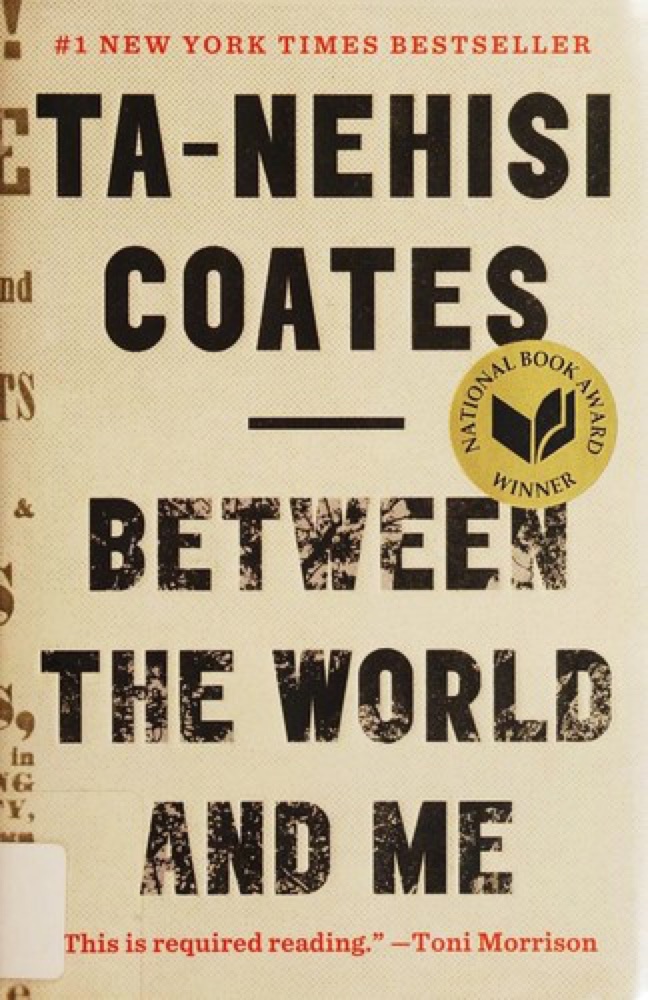 Between the World and Me
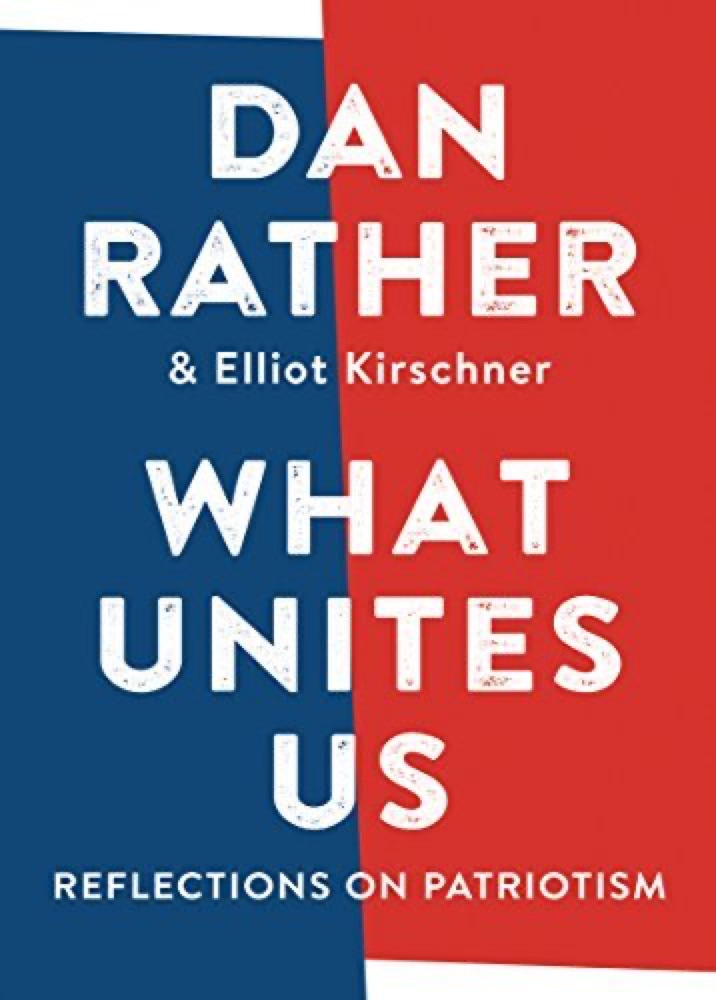 What Unites Us: Reflections on Patriotism
 The Truths We Hold: An American Journey
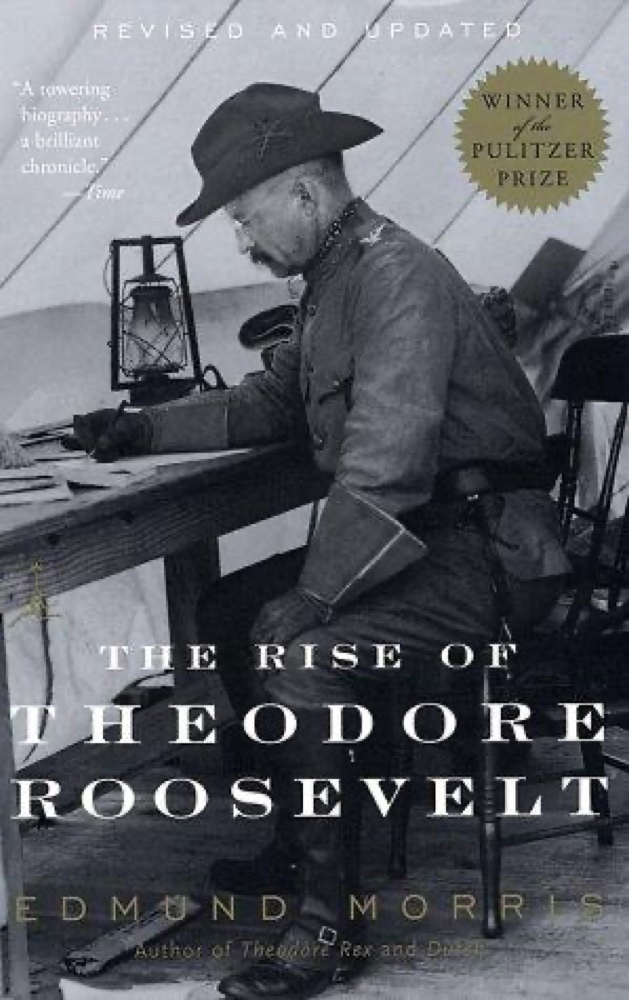 The Rise of Theodore Roosevelt
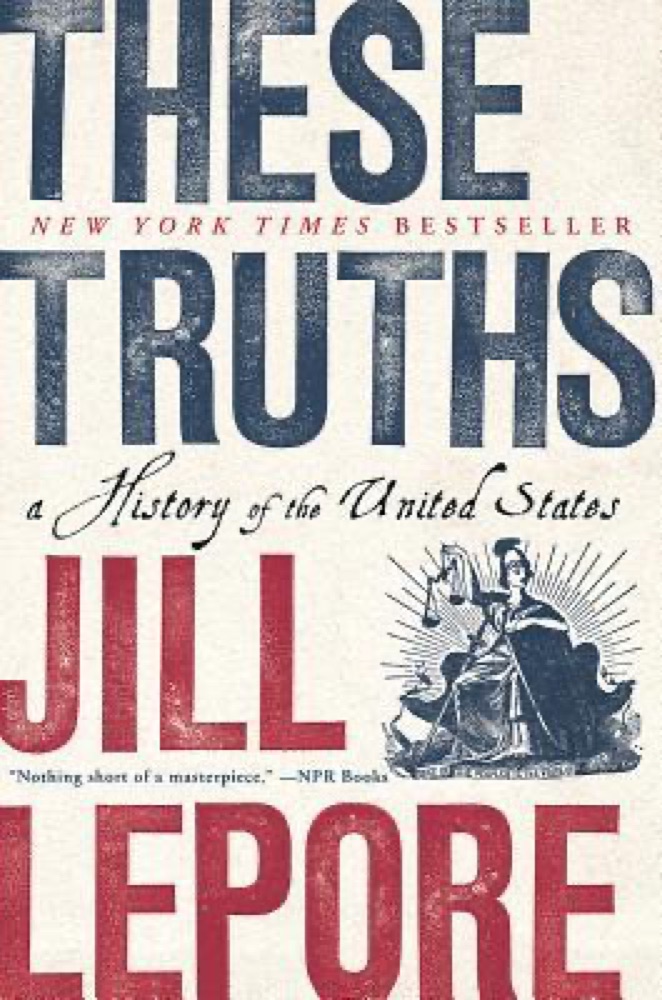 These Truths: A History of the United States
 Blood Done Sign My Name: A True Story
 Killing Kennedy: The End of Camelot
 Insane Clown President: Dispatches from the 2016 Circus
 Winter of the World