
 The Humans
Quotes from the Book
And, just as it only takes a moment to die, it only takes a moment to live. You just close your eyes and let every futile fear slip away. And then, in this new state, free from fear, you ask yourself: who am I? If I could live without doubt what would I do? If I could be kind without the fear of being fucked over? If I could love without fear of being hurt? If I could taste the sweetness of today without thinking of how I will miss that taste tomorrow? If I could not fear the passing of time and the people it will steal? Yes. What would I do? Who would I care for? What battle would I fight? Which paths would I step down? What joys would I allow myself? What internal mysteries would I solve? How, in short, would I live?
284
Whenever I see someone reading a book, especially if it is someone I don't expect, I feel civilisation has become a little safer.
262
That's the thing with time, isn't it? It's not all the same. Some days - some years - some decades - are empty. There is nothing to them. It's just flat water. And then you come across a year, or even a day, or an afternoon. And it is everything. It is the whole thing.
240
People you love never die. That is what Omai had said, all those years ago. And he was right. They don't die. Not completely. They live in your mind, the way they always lived inside you. You keep their light alive. If you remember them well enough, they can still guide you, like the shine of long-extinguished stars could guide ships in unfamiliar waters.
188
Everything is going to be all right. Or, if not, everything is going to be, so let's not worry.
142
To talk about memories is to live them a little.
138
I Like The Way That when you Tilt Poems On their side They Look like Miniature Cities From A long way Away. Skyscrapers Made out Of Words.
125
Music doesn't get in. Music is already in. Music simply uncovers what is there, makes you feel emotions that you didn't necessarily know you had inside you, and runs around waking them all up. A rebirth of sorts.
116
It made me lonely. And when I say lonely, I mean the kind of loneliness that howls through you like a desert wind. It wasn't just the loss of people I had known but also the loss of myself. The loss of who I had been when I had been with them.
95
She laughs. It is the simplest, purest joy on earth, I realise, to make someone you care about laugh.
83
A problem with living in the twenty-first century..... we are made to feel poor on thirty thousand pounds a year. To feel poorly travelled if we have only been to ten other countries. To feel old if we have a wrinkle. To feel ugly if we aren’t photo shopped and filtered.
81
The longer you live, the harder it becomes. To grab them. Each little moment as it arrives. To be living in something other than the past or the future. To be actually here. Forever, Emily Dickinson said, is composed of nows. But how do you inhabit the now you are in? How do you stop the ghosts of all the other nows from getting in? How, in short, do you live?
77
The key to happiness wasn't being yourself, because what did that even mean? Everyone had many selves. No. The key to happiness is finding the lie that suits you best.
74
Human beings, as a rule, simply don't accept things that don't fit their worldview.
72
Maybe that is what it takes to love someone. Finding a happy mystery you would like to unravel for ever.
64
Nothing fixes a thing so firmly in the memory as the wish to forget it.
57
History was, is, a one-way street. You have to keep walking forwards, but you don't always need to look ahead. Sometimes you can just look around and be happy right where you are.
52
There is only the present. Just as every object on earth contains similar and interchanging atoms, so every fragment of time contains aspects of every other. In those monents that burst alive the present lasts for ever, and I know there are many more presents to live. I understand you can be free. I understand that the way you stop time is by stopping being ruled by it. I am no longer drowning in my past, or fearful of my future. How can I be? The future is you.
51
This is so often the way with life. You spend so much time waiting for something – a person, a feeling, a piece of information – that you can’t quite absorb it when it is in front of you. The hole is so used to being a hole it doesn’t know how to close itself.
47
It is strange how close the past is, even when you imagine it to be so far away. Strange how it can just jump out of a sentence and hit you. Strange how every object or word can house a ghost.
43
She gave me peace just by looking at her, which might explain why I looked at her for too long, and with too much intensity in my eyes. The way people never look at people anymore. I wanted her in every sense.
42
Everything in life is uncertain. That is how you know you are existing in the world, the uncertainty. Of course, this is why we sometimes want to return to the past, because we know it, or think we do. It's a song we've heard.
40
I loved her, instantly. Of course, most parents love their children instantly. But I mention it here because I still find it a remarkable thing. Where was that love before? Where did you acquire it from? The way it is suddenly there, total and complete, as sudden as grief, but in reverse, is one of the wonders about being human.
39
I have been in love only once in my life. I suppose that makes me a romantic, in a sense. The idea that you have one true love, that no one else will compare after they have gone. It's a sweet idea, but the reality is terror itself. To be faced with all those lonely years after. To exist when the point of you has gone.
37
Maybe Shakespeare was right. Maybe all the world was a stage. Maybe without the act everything would fall apart. The key to happiness wasn't being yourself, because what did that even mean? Everyone had many selves. No. The key to happiness is finding the lie that suits you best.
35
That is the whole thing with the future. You don’t know. At some point you have to accept that you don’t know. You have to stop flicking ahead and just concentrate on the page you are on.
34
That is one of the patterns: when nothing is happening, nothing continues to happen, but after a while the lull becomes too much and the drums need to kick in. Something has to happen. Often that need comes from yourself. You make a phone call. You say, "I can't do this life anymore, I need to change.' And one thing happens which you are in control of. And then another happens which you have no control over. Newton's third law of motion. Actions create reactions. When things start to happen, other things start to happen. But sometimes it seems there is no explanation as to why the things are happening - why all the buses are coming along at once - why life's moments of luck and pain arrive in clusters. All we can do is observe the pattern, the rhythm, and then live it.
34
There comes a time when the only way to start living is to tell the truth. To be who you really are, even if it is dangerous.
32
As far as I can see, this is a problem with living in the twenty-first century. Many of us have every material thing we need, so the job of marketing is now to tie the economy to our emotions, to make us feel like we need more by making us want things we never needed before. We are made to feel poor on thirty thousand pounds a year. To feel poorly travelled if we have been to only ten other countries. To feel too old if we have a wrinkle. To feel ugly if we aren’t photoshopped and filtered. No one I knew in the 1600s wanted to find their inner billionaire. They just wanted to live to see adolescence and avoid body lice.
32
Places don't matter to people any more. Places aren't the point. People are only ever half present where they are these days. They always have at least one foot in the great digital nowhere.
31
Did you know?
- Tom Hazard's condition is described in the novel by the invented term "anageria," causing him to age about one year for every fifteen.
- Over his centuries of life Tom encounters historical figures including William Shakespeare, Captain Cook, and F. Scott Fitzgerald.
- People with Tom's condition are referred to as "albas," overseen by the secretive Albatross Society.
- Film and TV rights were acquired by Benedict Cumberbatch's production company SunnyMarch, with a series adaptation later announced.
- The novel was published by Canongate Books in the UK in July 2017.
About Matt Haig
Matt Haig is an English author of fiction and nonfiction for adults and children, known for bestsellers such as Reasons to Stay Alive and The Midnight Library. His work frequently explores mental health, time, and what it means to live well.
More about the author →More by Matt Haig
All books by Matt Haig →
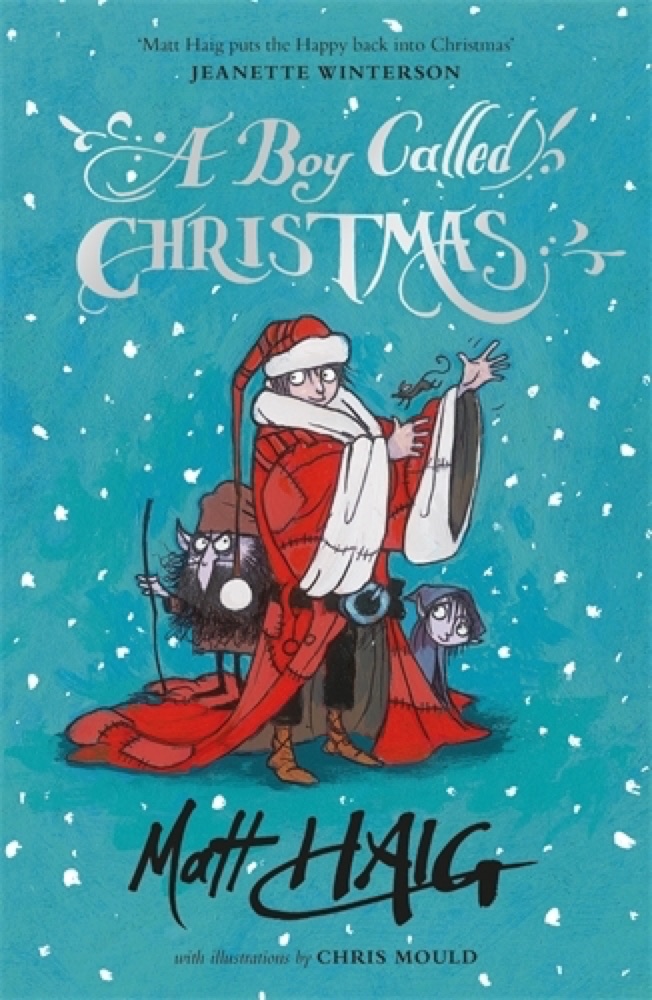
About the book
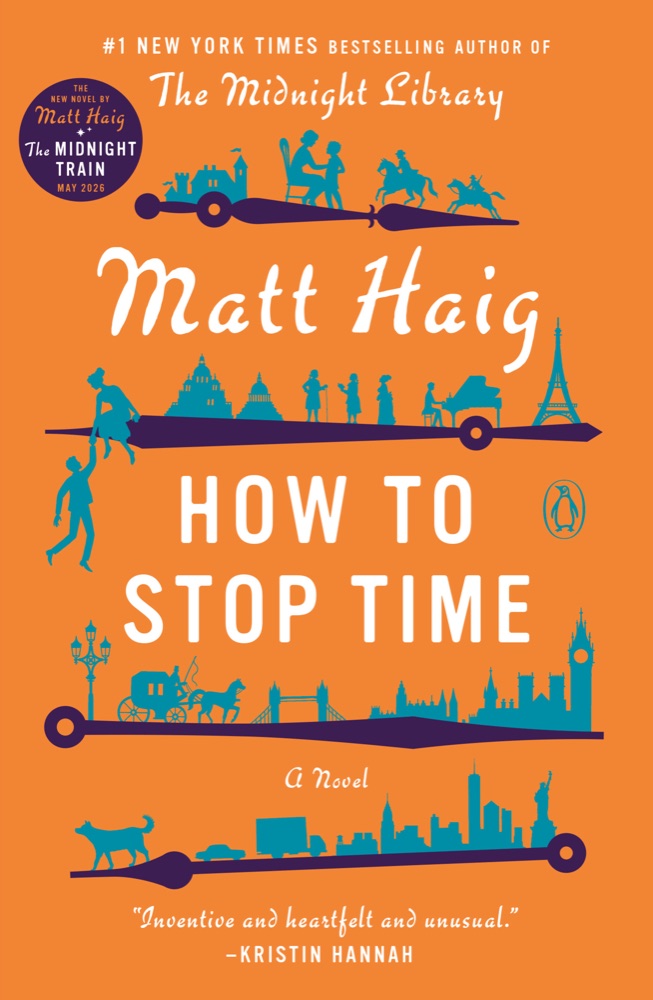
How to Stop Time follows Tom Hazard, who looks like an ordinary forty-one-year-old history teacher newly arrived in London but is in fact more than four hundred years old. Born in France in 1581, Tom has a rare condition that causes him to age roughly one year for every fifteen lived, and over the centuries he has crossed paths with figures such as Shakespeare, Captain Cook, and F. Scott Fitzgerald. In the present he is bound to the secretive Albatross Society, which claims to protect people like him while demanding he never fall in love and never stay anywhere too long.
Matt Haig uses Tom's longevity to meditate on memory, grief, and the question of how to actually live rather than merely endure. The novel weaves between historical flashbacks and the present day, returning repeatedly to Tom's lost love Rose and his search for his daughter Marion, who inherited his condition. Its central tension is whether Tom can break the Society's rules and risk attachment again, making mortality and human connection rather than immortality the book's real subjects.
Published in 2017, the novel became a bestseller and consolidated Haig's reputation for accessible, emotionally direct fiction. Reception was mixed: outlets including The Guardian and NPR responded warmly, while The New York Times and Los Angeles Times were more reserved. Film and television rights were acquired by Benedict Cumberbatch's production company SunnyMarch.
Key characters
- Tom HazardCenturies-old protagonist and London history teacher
- HendrichFounder and controlling leader of the Albatross Society
- CamilleFrench teacher in the present whom Tom comes to love
- RoseTom's long-lost love from his earlier life
- MarionTom's missing daughter, who shares his condition
Critical reception
- The Guardian and NPR gave largely positive reviews, with NPR calling it a meditation on time and mortality.
- The New York Times and Los Angeles Times offered more reserved assessments.
- The novel was a commercial bestseller following its 2017 release.
Movie & TV adaptations
- IMDb
Keep reading
 Kafka on the Shore
 How to Live Safely in a Science Fictional Universe
 A Tale for the Time Being
 The Book of Dreams
 The Leisure Seeker
 No One Writes Back
 I'm Thinking of Ending Things
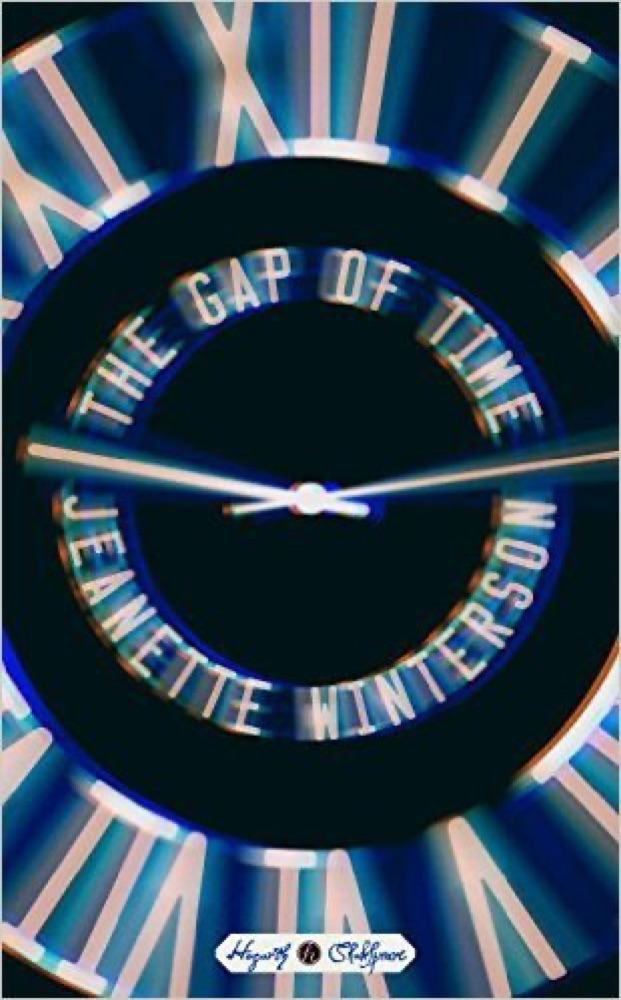 The Gap of Time
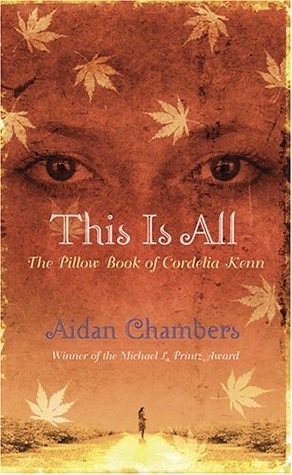 This is All: The Pillow Book of Cordelia Kenn
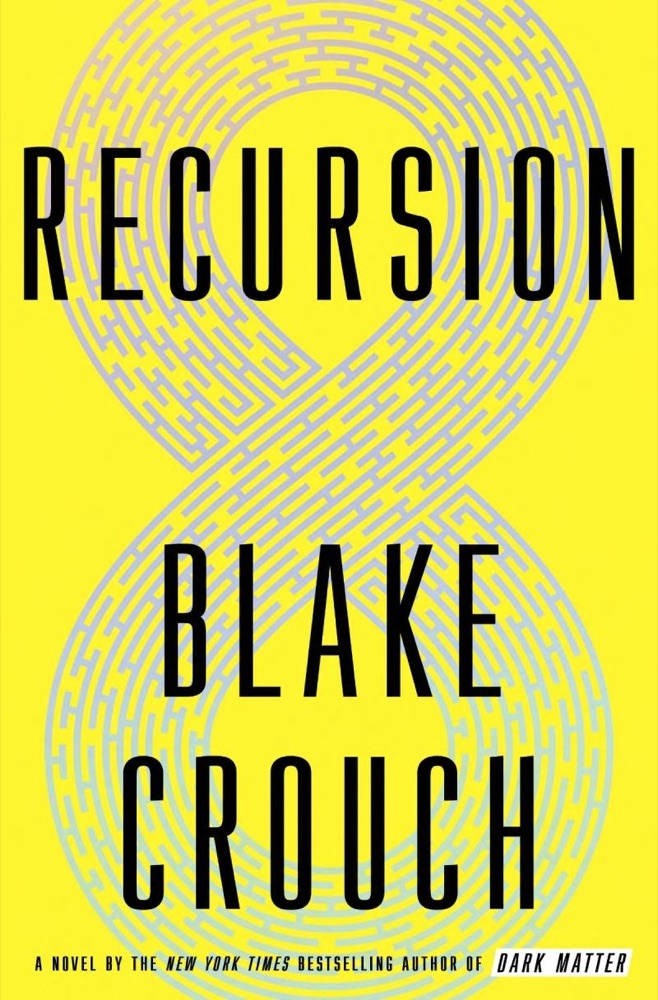 Recursion
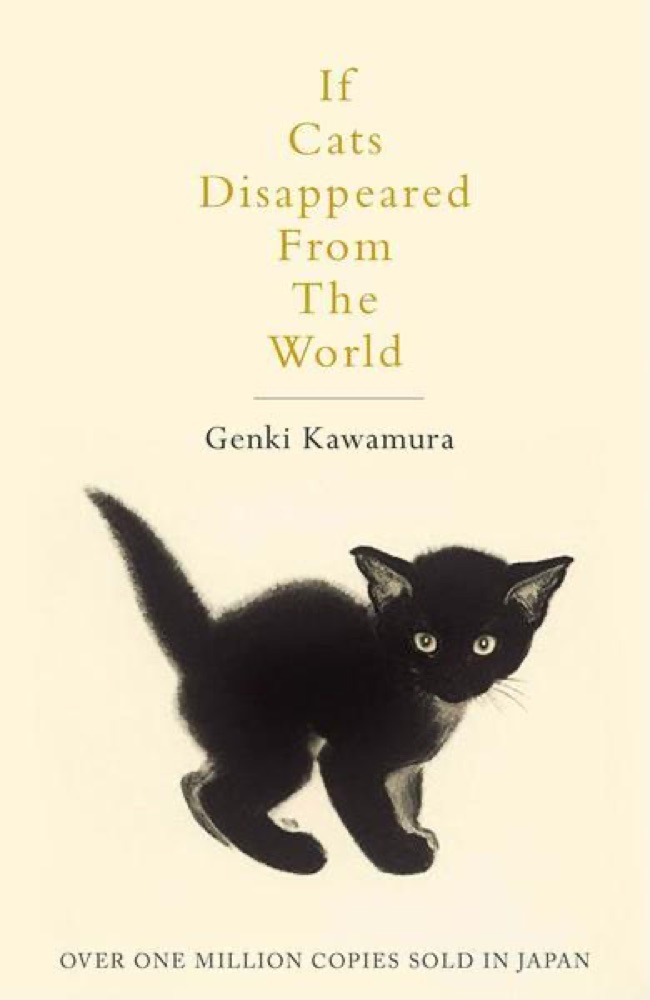 If Cats Disappeared from the World
 Someday
 Anthropology of an American Girl
 Under the Whispering Door
 The Book of Tomorrow
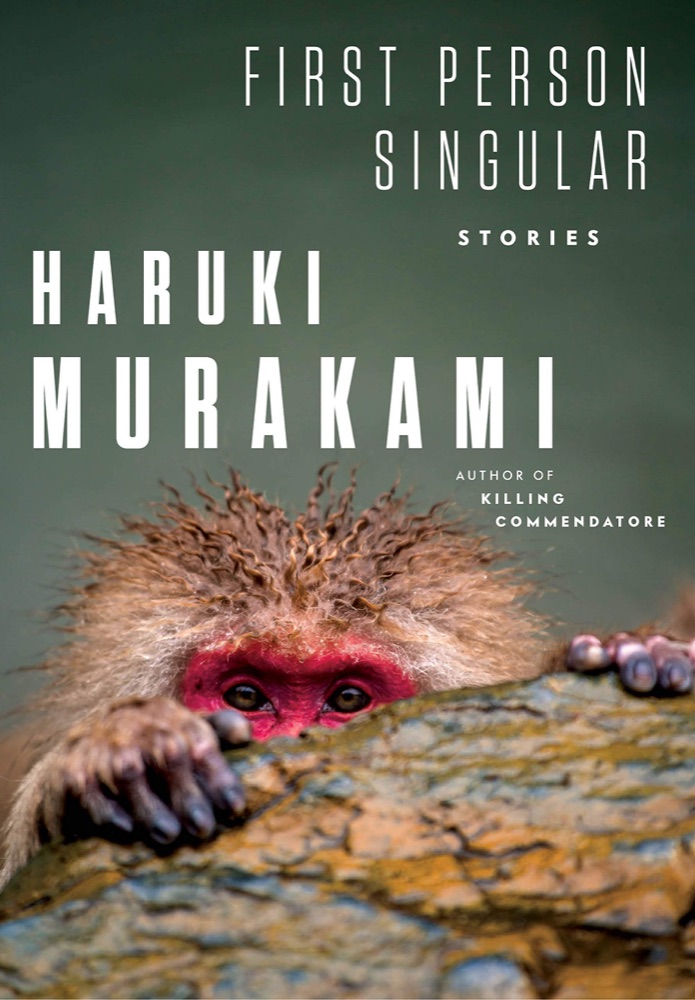 First Person Singular: Stories
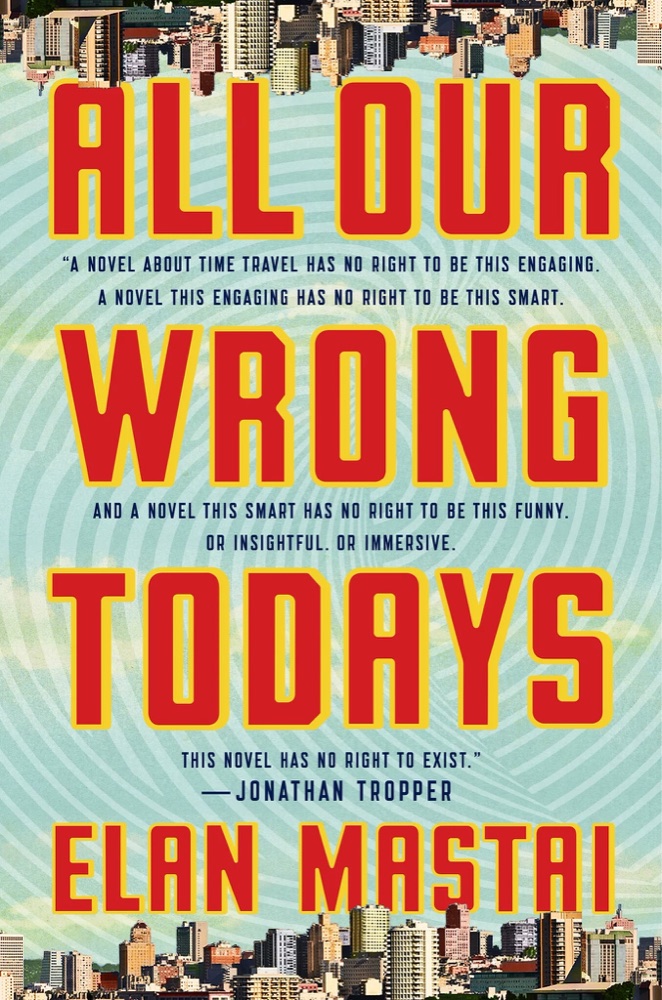 All Our Wrong Todays
 The Wind-Up Bird Chronicle
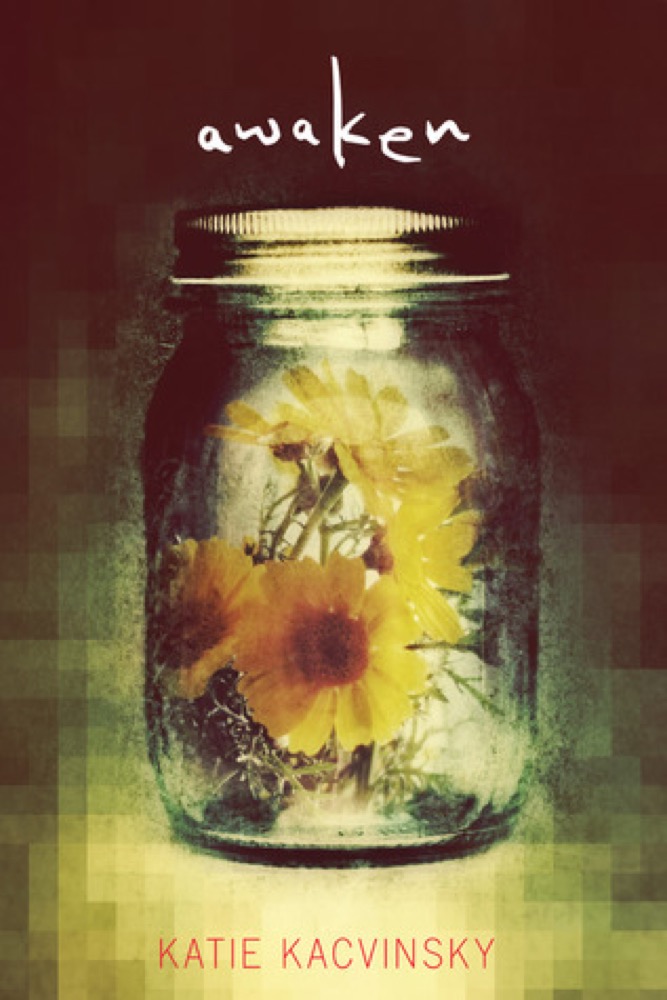 Awaken
 Say Goodbye for Now
 Identity
 The Last Devil to Die
 Stay
Stay
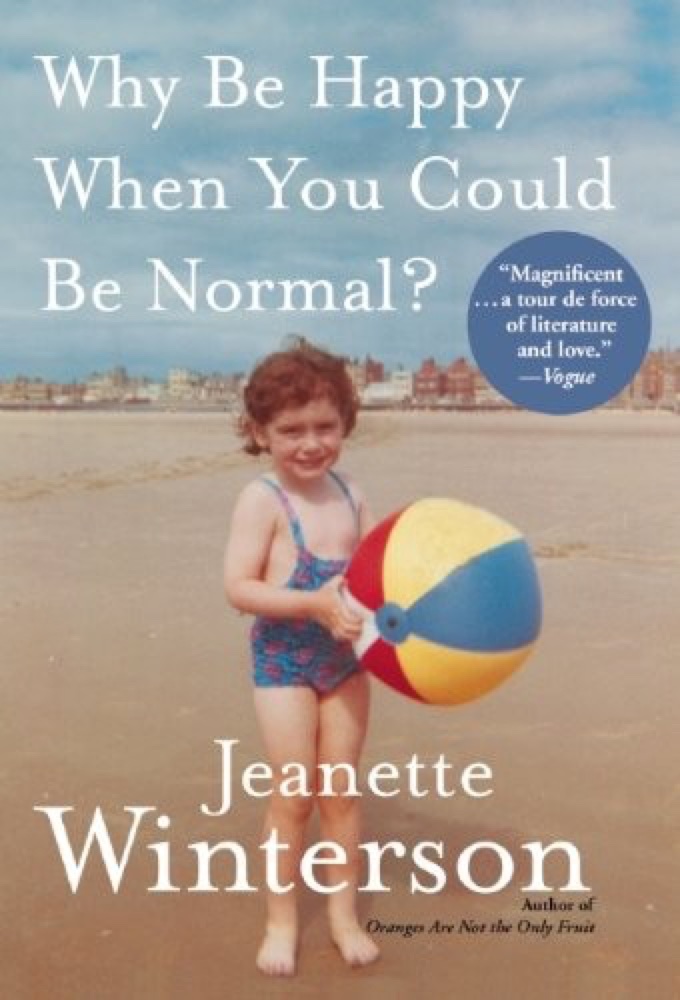 Why Be Happy When You Could Be Normal?
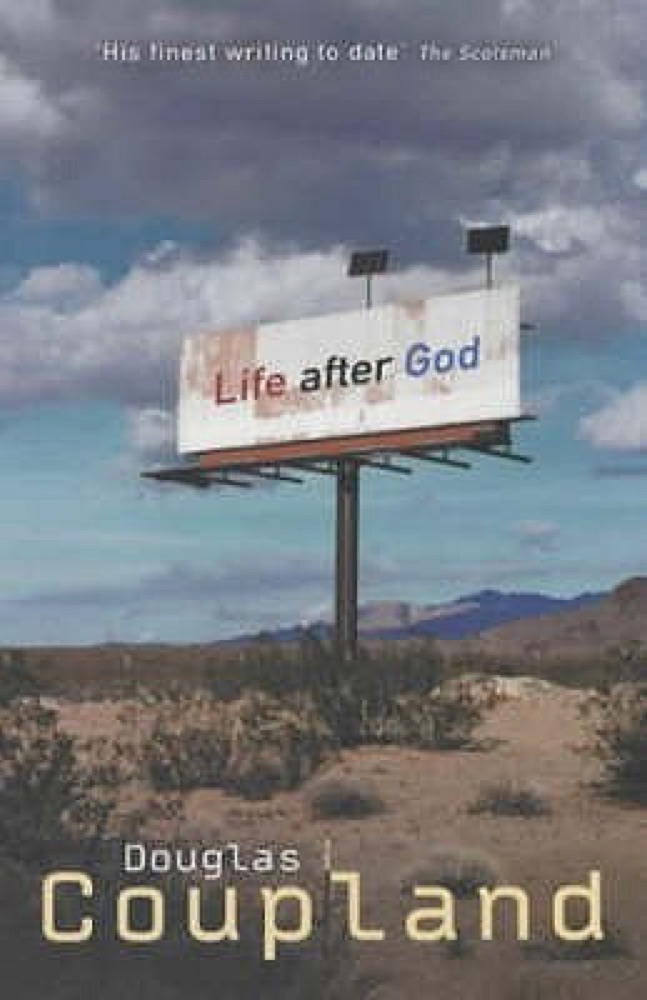 Life After God
 The Dream of Perpetual Motion
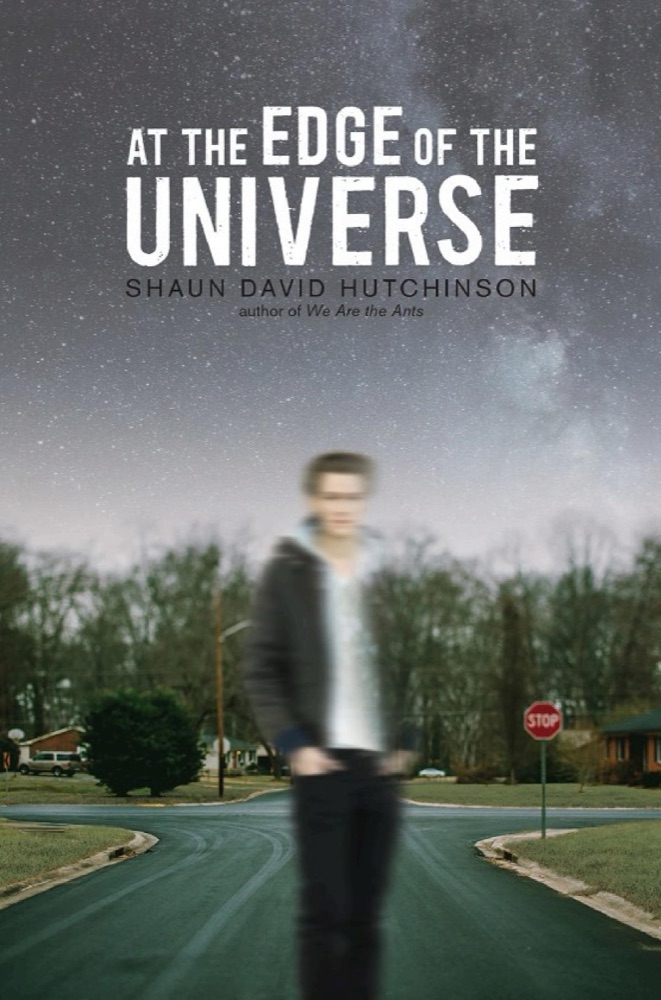 At the Edge of the Universe
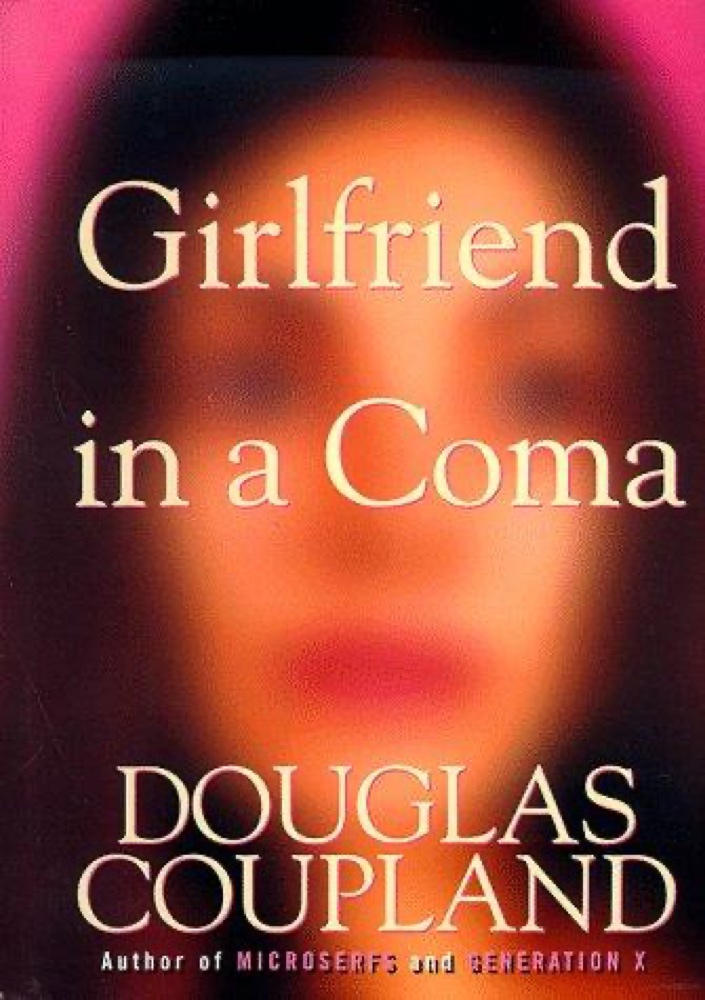 Girlfriend in a Coma
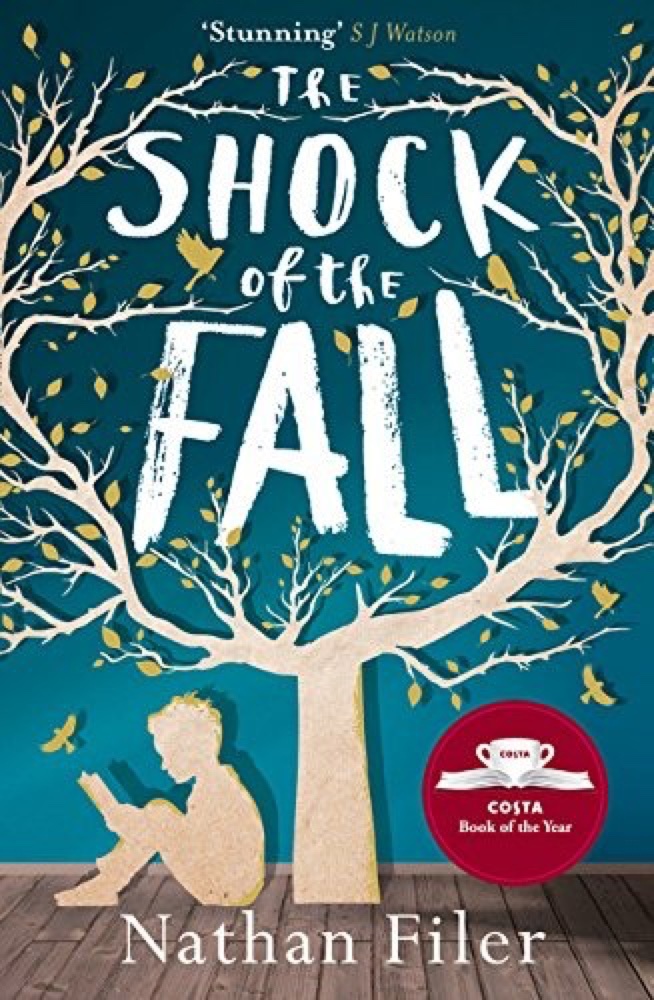 The Shock of the Fall
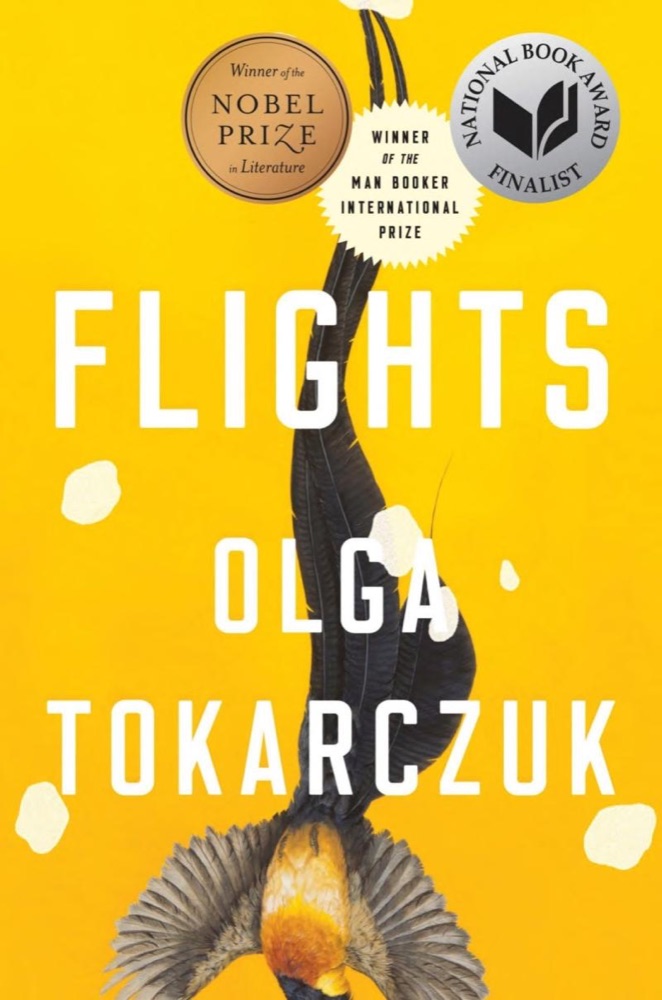 Flights
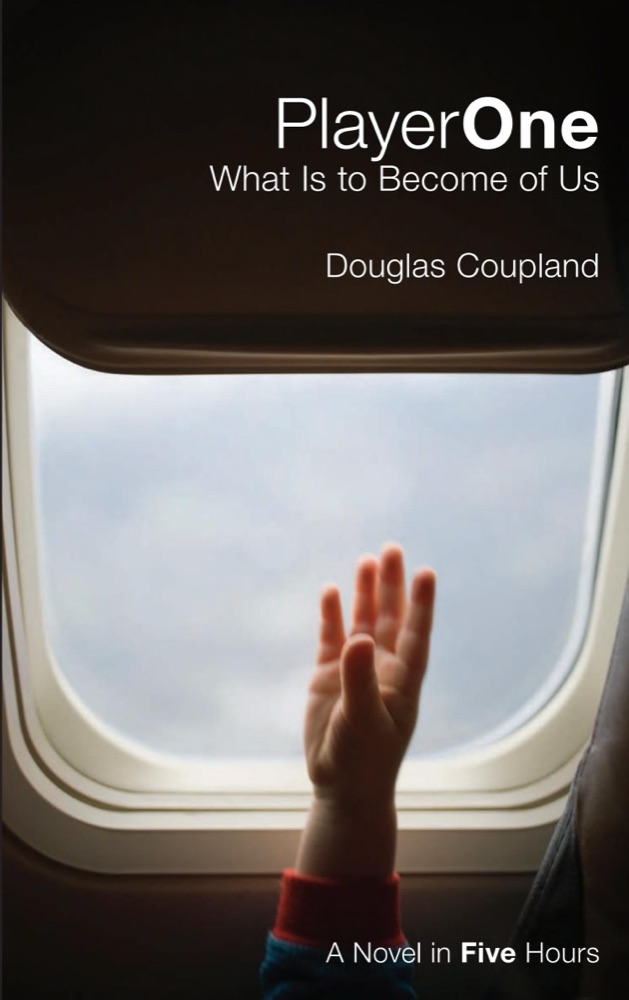 Player One: What Is to Become of Us
 Night Train to Lisbon
 Night Side of the River
 Everything, Everything
 Notes on a Nervous Planet
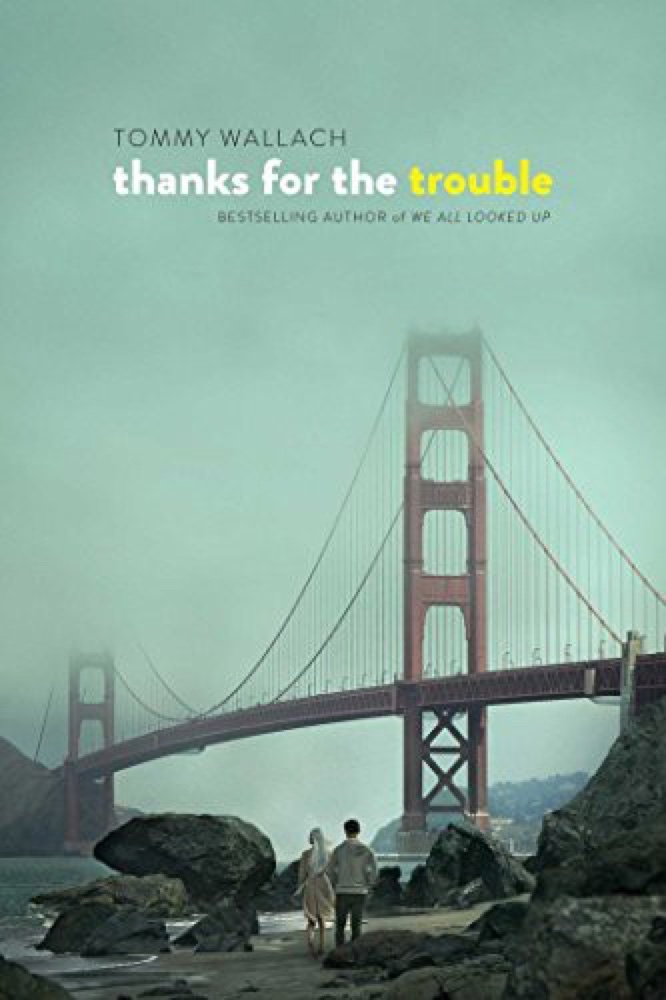 Thanks for the Trouble
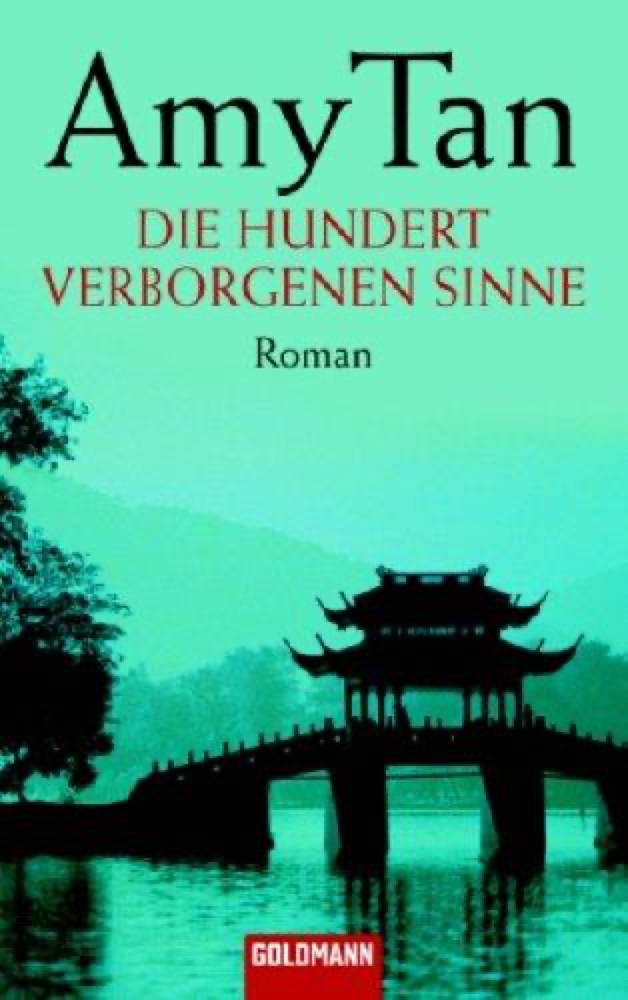 The Hundred Secret Senses
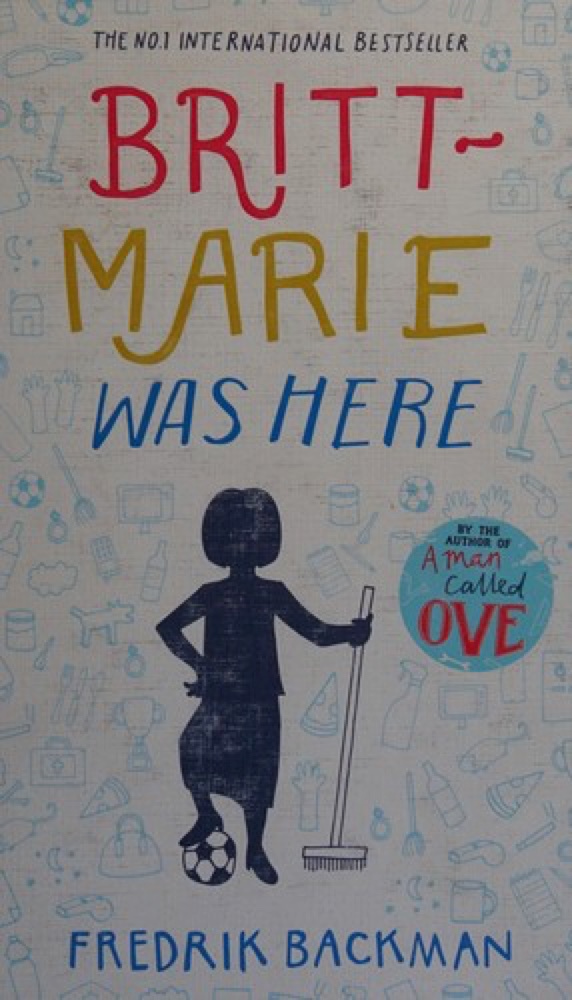 Britt-Marie Was Here
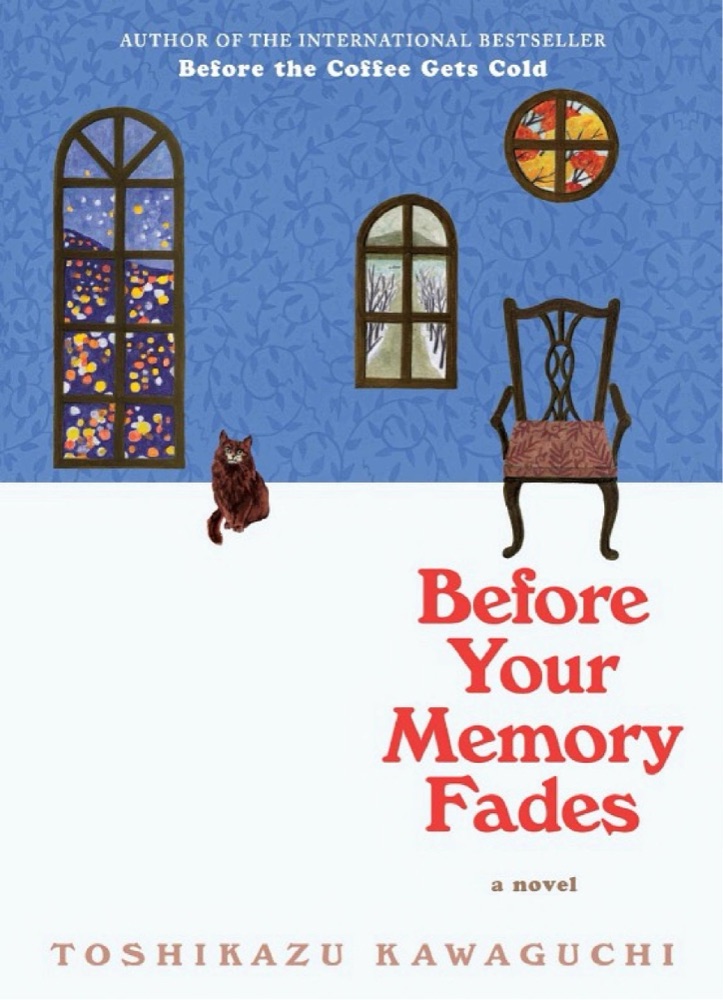 Before Your Memory Fades
 Ascension
 The Zahir
 Only Forward
 Belong to Me
 Goodbye Days
 Welcome to the Hyunam-Dong Bookshop
 Varina
 Every Day
 Borderliners
The Humans
Borderliners
The Humans
 Asymmetry
 Elsewhere
 Journal of a Solitude
 Invisibility
 Animal Dreams
 Any Human Heart
 Children of the Mind
 The Hundred Lies of Lizzie Lovett
 The Aosawa Murders
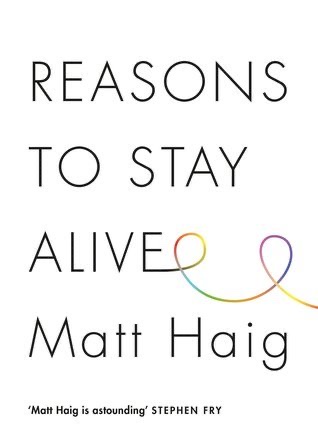 Reasons to Stay Alive