
 The Blindfold
Quotes from the Book
I've always thought of wholeness and integration as necessary myths. We're fragmented beings who cement ourselves together, but there are always cracks. Living with the cracks is part of being, well, reasonably healthy
25
We read each other through our eyes, and anatomically they are an extension of our brains. When we catch someone's eye, we look into a mind.
19
That is the strangeness of language: it crosses the boundaries of the body, is at once inside and outside, and it sometimes happens that we don't notice the threshold has been crossed.
19
Our memory fragments don't have any coherence until they're imagined in words. Time is a property of language, of syntax, and tense.
18
Memory offers up its gifts only when jogged by something in the present. It isn't a storehouse of fixed images and words, but a dynamic associative network in the brain that is never quiet and is subject to revision each time we retrieve an old picture or old words.
13
I've often thought that one of us is what we imagine, that each of us normalizes the terrible strangeness of inner life with a variety of convenient fictions.
12
Old places fire the internal weather of our pasts. The mild winds, aching calms, and hard storms of forgotten emotions return to us when we return to the spots where they happened.
6
I've come to think of consciousness as a continuum of states, from fully awake cogitation to daydreaming to the altered consciousness of hallucinations and dreams. Still, interpreting dreams can only take place when we're awake. I believe meaning is what the mind makes and wants. It's essential to perception and to consciousness in all its forms. But the important meanings of psychotherapy are subjective. There's a lot of research that confirms that drem content reflects the dreamer's emotional conflicts.
4
His was an illness that besets the intellectual: the indefatigable will to mastery. Chronic and incurable, it afflicts those who lust after a world that makes sense.
2
...the distance needed for humor is always missing from dreams.
2
En händelse utmärker sig. En gång när vi var ute tillsammans hade Marit på sig en ullig rosa tröja som fällde som en collie om våren. Jag måste ha hållit henne tätt intill mig när vi sa godnatt, för nästa morgon upptäckte jag att tröjan hade luddat av sig på min jacka som nästan var alldeles skär. Under den halvtimme som det tog mig att få bort luddet vällde det upp en överväldigande känsla av ömhet inom mig, den sortens ömhet som uppslukar en helt och hållet och gör kroppen svag. Om jag fick veta att jag bara kunde spara en enda minnesbild ur livet och att alla de andra måste försvinna, skulle jag välja denna, inte så mycket av romantiskt nostalgiska skäl utan för att händelsen markerade ett betydelsefullt ögonblick i livet. Den pekade framåt mot vårt giftermål, mot de två barn vi skulle få tillsammans, det hem vi skapade och den glädje och sorg vi skulle dela. Jag tänker mig far sitta på sängkanten eller på en stol i ett litet rum med jackan i knäet. När han tar de som troligen var angoraludd mellan tummen och pekfingret och kastar det i en papperskorg eller samlar ihop det till en boll att slänga senare, förstår han att han är förälskad. Det händer inte medan han tittar på den unga kvinnan eller kysser henne, inte ens när han senare den kvällen ligger i sängen och tänker på henne. Det händer följande morgon, när han upptäcker att hennes tröja har blandat sig med hans jacka. Tillsammans blir plaggen drivkraften i en metafor som jag anar att far bara upplevde subliminalt. Dolt bakom den "nästan skära" jackan finns löftet om två passionerade kroppar, den ena inuti den andra. Som gammal minns han intensiteten i sina känslor och förstår att saker och ting tog en ny vändning i det ögonblicket. Jag tror att det fanns mycket som far ångrade, mer eller mindre med rätta, men inte den halvtimme som han tillbringade med en luddig jacka ensam i sitt rum i Oslo. (180-181)
1
Vi läser av varandra genom ögonen, och anatomiskt är ögonen en förlängning av hjärnan. När vi fångar någons blick ser vi in i en tankevärld. En människa utan ögon känns oroande av det enkla skälet att ögonen är dörrarna till jaget. (49)
1
The second anniversary opened an internal crack in Sonia, a fissure through which she released the explosive feeling that had horrified her for two years. The conflagration that had burned so many, that had pushed people into the open air, onto the ledges from which they jumped, some of them on fire, had left its unspeakable images inside my niece. ...Sonia didn't want a world in which buildings fell down and wars were fought for no reason.
1
I know that what's said is often less important than the tone of voice in which the words are spoken. There is music in dialogue, mysterious harmonies and dissonances that vibrate in the body like a tuning fork.
Crippled and crazy, we hobble toward the finish line, pen in hand.
About Siri Hustvedt
We have collected 135 quotes from 6 books by Siri Hustvedt on BookQuoters.
More about the author →More by Siri Hustvedt
All books by Siri Hustvedt →
About the book
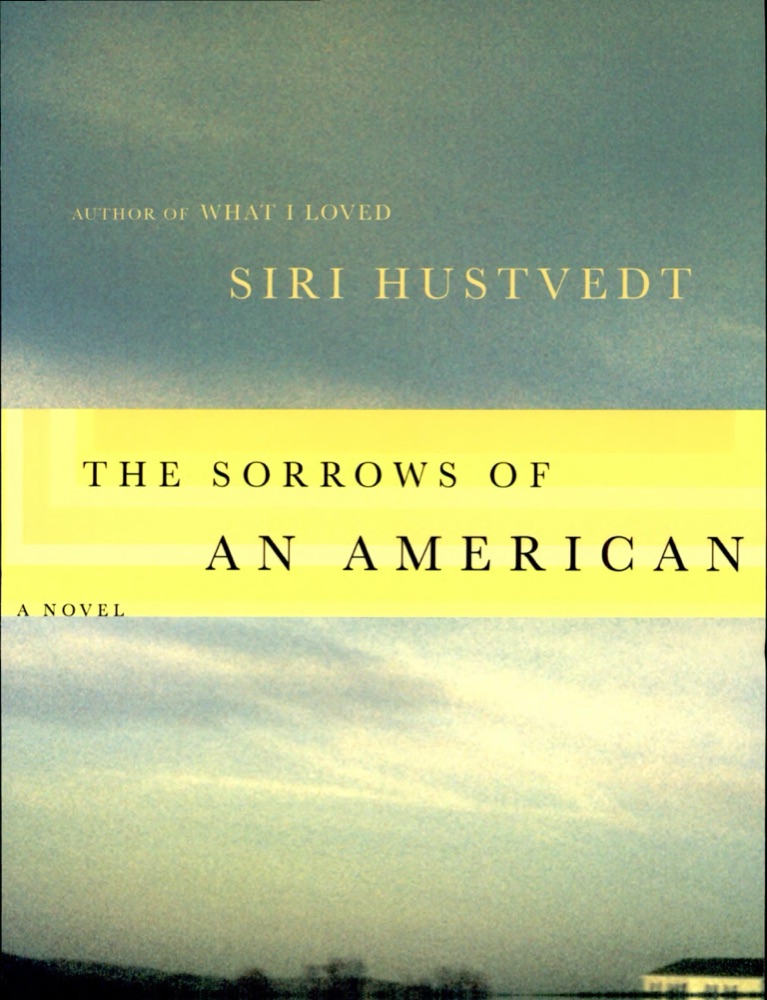
The Sorrows of an American is a soaring feat of storytelling about the immigrant experience and the ghosts that haunt families from one generation to another
When Erik Davidsen and his sister, Inga, find a disturbing note from an unknown woman among their dead father’s papers, they believe he may be implicated in a mysterious death. The Sorrows of an American tells the story of the Davidsen family as brother and sister uncover its secrets and unbandage its wounds in the year following their father’s funeral.
Returning to New York from Minnesota, the grieving siblings continue to pursue the mystery behind the note. While Erik’s fascination with his new tenants and emotional vulnerability to his psychiatric patients threaten to overwhelm him, Inga is confronted by a hostile journalist who seems to know a secret connected to her dead husband, a famous novelist. As each new mystery unf
Book details
- First published
- 2008
- Author
- Siri Hustvedt
- Genre
- Fiction
- Goodreads rating
- 3.56 (5k ratings)
Keep reading
 The Shaking Woman, or A History of My Nerves
 First Person Singular: Stories
 Stories of Your Life and Others
 Flights
 The Book of Dreams
 The Summer Without Men
 The Paper Menagerie and Other Stories
 Fragile Things: Short Fictions and Wonders
 Identity
 Drive Your Plow Over the Bones of the Dead
 Smilla's Sense of Snow
 The Chimes
 The Names
 Plainwater: Essays and Poetry
 The Shock of the Fall
 Lost Children Archive
 Kafka on the Shore
 The Empusium
 Seven Types of Ambiguity
 What I Loved
 The Hidden Girl and Other Stories
 Speak, Memory
 In Search of Lost Time
 The Angel Esmeralda
 Night Train to Lisbon
 Nutshell
 Memories, Dreams, Reflections
 Divisadero
 Mao II
 The Year of Magical Thinking
 A Fisherman of the Inland Sea
 The Book That Broke the World
 The Taiga Syndrome
 Inheritance: A Memoir of Genealogy, Paternity, and Love
 The Dream of Perpetual Motion
 The Word Exchange
 Checkout 19
 Winter
 Lost in Translation: A Life in a New Language
 The Many Daughters of Afong Moy
 The Enchanted
 The Raw Shark Texts
 No One Writes Back
 The Secret History
 The Tsar of Love and Techno
 Time Regained
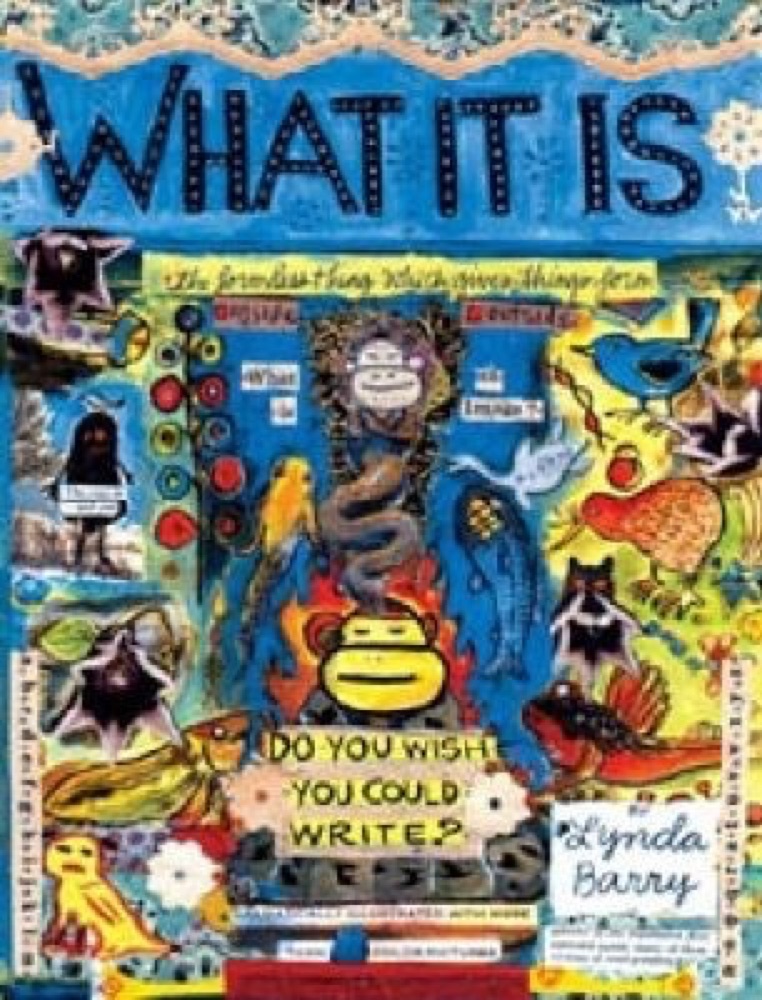 What It Is
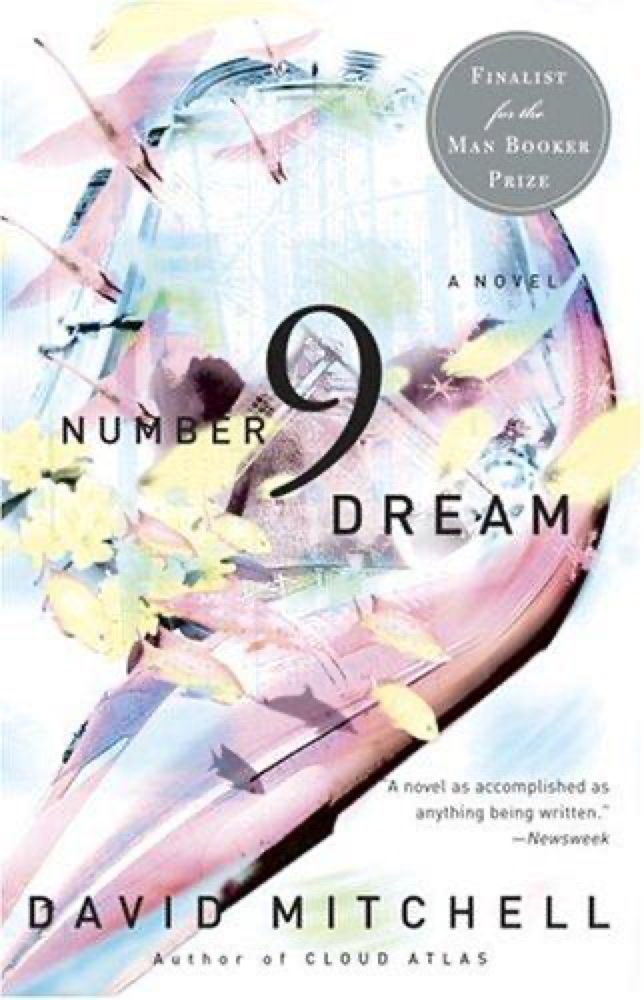 number9dream
 Middlesex
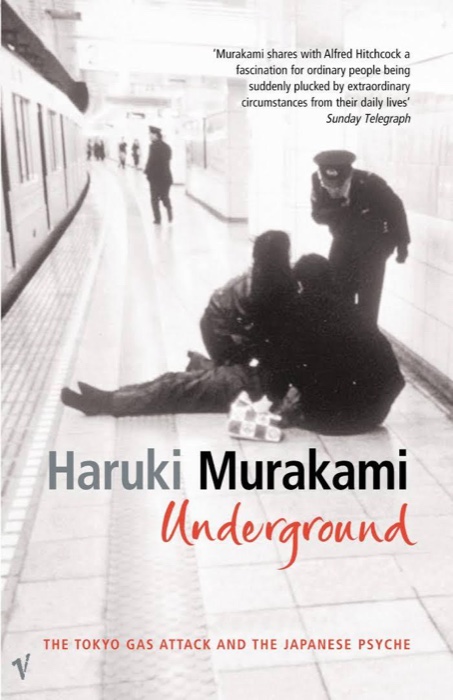 Underground: The Tokyo Gas Attack and the Japanese Psyche
 The Island of Missing Trees
 Anthropology of an American Girl
 The Pale King
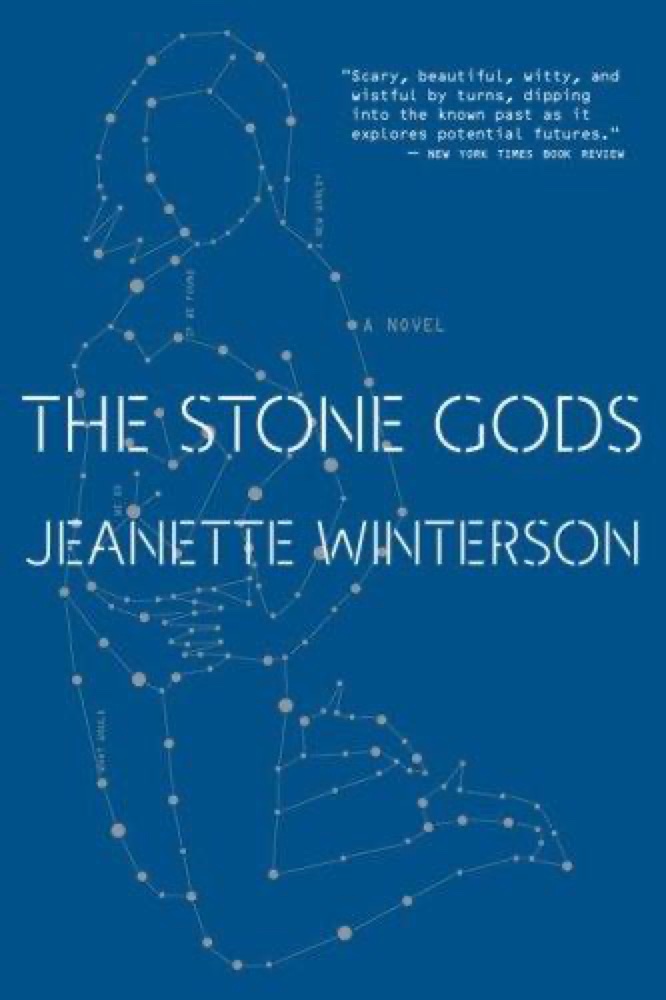 The Stone Gods
 The Book of Form and Emptiness
 The Notebooks of Malte Laurids Brigge
 Swann's Way
 The Book of Laughter and Forgetting
 M Train
 Sexus
Sexus