
 300 Arguments: Essays
Quotes from the Book
Time punishes us by taking everything, but it also saves us — by taking everything.
43
It was a failure of my imagination that made me keep leaving people. All I could see in the world were beginnings and endings: moments to survive, record, and, once recorded, safely forget. I knew I was getting somewhere when I began losing interest in the beginnings and the ends of things. Short tragic love stories that had once interested me no longer did. What interested me was the kind of love to which the person dedicates herself for so long, she no longer remembers quite how it began.
22
Perhaps all anxiety might derive from a fixation on moments—an inability to accept life as ongoing.
18
Living in a dream of the future is considered a character flaw. Living in the past, bathed in nostalgia, is also considered a character flaw. Living in the present moment is hailed as spiritually admirable, but truly ignoring the lessons of history or failing to plan for tomorrow are considered character flaws ... I wanted to know how to inhabit time in a way that wasn't a character flaw.
11
When I was twenty-three I began seeing a psychotherapist because I couldn’t bear the idea that, after the end of an affair, all our shared memories might be expunged from the mind of the other, that they might no longer exist outside my own belief they’d happened. I couldn’t accept the possibility of being the only one who would remember everything about those moments as carefully as I tried to remember them. My life, which exists mostly in the memories of the people I’ve known, is deteriorating at the rate of physiological decay. A color, a sensation, the way someone said a single word—soon it will all be gone. In a hundred and fifty years no one alive will ever have known me. Being forgotten like that, entering that great and ongoing blank, seems more like death than death.
10
Today was very full, but the problem isn't today. It's tomorrow. I'd be able to recover from today if it weren't for tomorrow. There should be extra days, buffer days, between real days.
9
And then I think I don't need to write anything down ever again. Nothing's gone, not really. Everything that's ever happened has left its little wound.
9
My students still don't know what they will never be. Their hope is so bright I can almost see it. I used to value the truth of whether this student or that one would achieve the desired thing. I don't value that truth anymore as much as I value their untested hope. I don't care that one in two hundred of them will ever become what they feel they must become. I care only that I am able to witness their faith in what's coming next. I no longer believe in anything other than the middle, but my students still believe in beginnings. Ask them, and they will tell you that everything is about to start in just a moment, just one more moment.
5
In a hundred and fifty years no one alive will ever have known me. Being forgotten like that, entering that great and ongoing blank, seems more like death than death. ♦
5
When I’m back with my own memories I drink a glass of wine or a cup of coffee. It helps soften their pressure, but the effect fades. Then I think I should practice grace for what I’ve been given to remember, but whatever I do, I can’t seem to forget what I want to forget. And then I think I don’t need to write anything down ever again. Nothing’s gone, not really. Everything that’s ever happened has left its little wound. ♦
5
I used to be twenty. Then I was twenty-one, twenty-two, and so on. And then I became a mother and could no longer even distinguish the difference between twenty-one and twenty-two or the difference between thirty-eight and thirty-nine.
5
I wanted to remember what I could bear to remember and convince myself it was all there was.
5
The memory and maybe the fact of every kiss start disappearing the moment the two mouths part.
4
I knew I couldn't replicate my whole life in language.
3
To write a diary is to make a series of choices about what to omit, what to forget.
3
The trouble was that I failed to record so much , I wrote, but how could I have believed that if I tried hard enough, I could remember everything?
3
I reread my favorite books to make sure they're still perfect, but rereading them wears away at their perfection.
3
Being forgotten like that, entering that great and ongoing blank, seems more like death than death.
2
Maybe the trouble is that the shape of life is elastic, that it can feel and be full at variable levels of fullness. Or maybe we’re poor judges of our own lives’ fullness. Or maybe the concepts of emptiness and fullness are poor metaphors for happiness, if in fact happiness is what we’re talking about. ♦
2
How, then, can I survive forgetting so much? Then I came to understand that the forgotten moments are the price of continued participation in life, a force indifferent to time. ♦
1
I tried to record each moment, but time isn’t made of moments; it contains moments. There is more to it than moments.
1
All I could see in the world were beginnings and endings: moments to survive, record, and, once recorded, safely forget. I knew I was getting somewhere when I began losing interest in the beginnings and the ends of things.
1
Today was very full, but the problem isn’t today. It’s tomorrow. I’d be able to recover from today if it weren’t for tomorrow. There should be extra days, buffer days, between the real days.
1
Another friend said, I want to write sentences that seem as if no one wrote them. The goal being the creation of a pure delivery system, without the distraction of a style. The goal being a form no one notices, the creation of what seems like pure feeling, not of what seems like a vehicle for a feeling. Language as pure experience, pure memory. I too wanted to achieve that impossible effect.
1
One of the great solaces of my life is that I no longer need to wonder whether I’ll have children.
1
I knew I was grown up when I spent time with them and felt not just the weight of my old memories but the weight of theirs, from when they were children.
1
the wild velocity of motherhood, an enforced momentum forbidding contemplation.
1
Trapped in a party conversation with two young people, I wanted to wait with them in the smoky hallway for fifteen years so I could hear what they'd say when they were forty.
The best thing about time passing is the privilege of running out of it, of watching the wave of mortality break over me and everyone I know. No more time, no more potential. The privilege of ruling things out. Finishing. Knowing I’m finished. And knowing time will go on without me. Look at me, dancing my little dance for a few moments against the background of eternity. ♦
For just a moment, with great effort, I could imagine my will as a force that would not disappear but redistribute when I died, and that all life contained the same force, and that I needn’t worry about my impending death because the great responsibility of my life was to contain the force for a while and then relinquish it.
Watch on YouTube
About Sarah Manguso
We have collected 58 quotes from 2 books by Sarah Manguso on BookQuoters.
More about the author →More by Sarah Manguso
300 Arguments: Essays
About the book
“[Manguso] has written the memoir we didn’t realize we needed.” ― The New Yorker In Ongoingness , Sarah Manguso continues to define the contours of the contemporary essay. In it, she confronts a meticulous diary that she has kept for twenty-five years. “I wanted to end each day with a record of everything that had ever happened,” she explains. But this simple statement belies a terror that she might forget something, that she might miss something important. Maintaining that diary, now eight hundred thousand words, had become, until recently, a kind of spiritual practice. Then Manguso became pregnant and had a child, and these two Copernican events generated an amnesia that put her into a different relationship with the need to document herself amid ongoing time. Ongoingness is a spare, meditative work that stands in stark contrast to the volubility of the diary―it is a haunting account o
Book details
- First published
- 2015
- Author
- Sarah Manguso
- Genre
- Biography
- Goodreads rating
- 3.97 (4k ratings)
Keep reading
 Hourglass: Time, Memory, Marriage
 Devotion
 Blue Nights
 The Sense of an Ending
 We Spread
 The Year of Magical Thinking
 The Dream of Perpetual Motion
 I Remember Nothing: and Other Reflections
 Thanks for the Memories
 In the Country of Last Things
 Moments of Being: A Collection of Autobiographical Writing
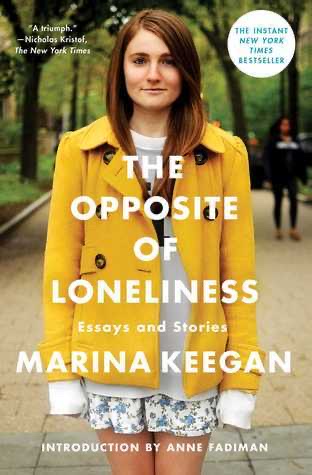 The Opposite of Loneliness: Essays and Stories
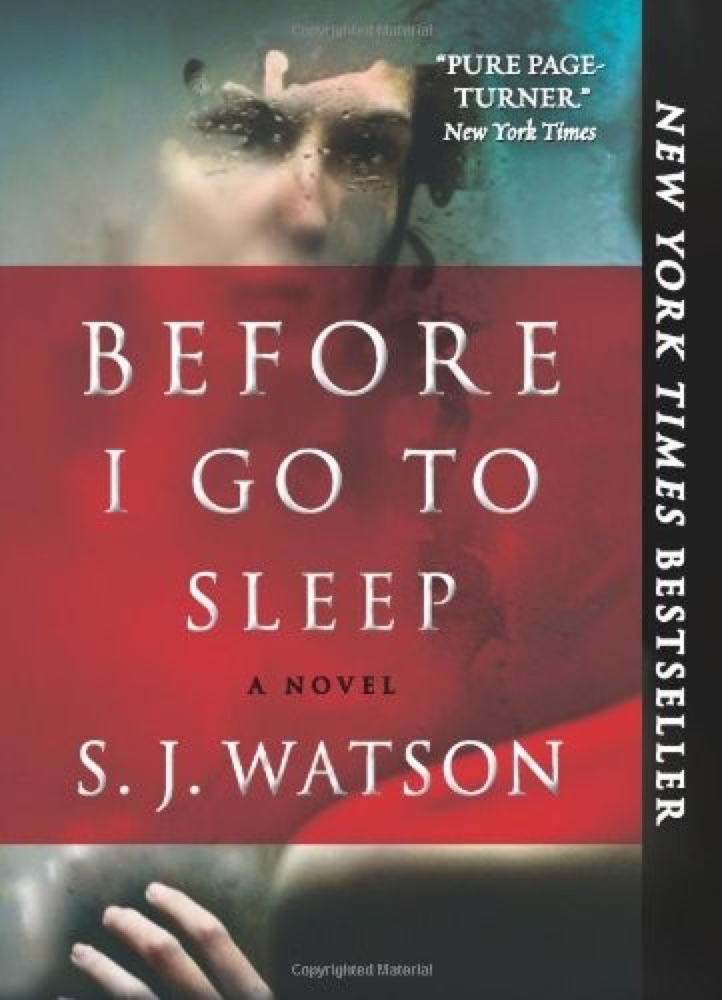 Before I Go to Sleep
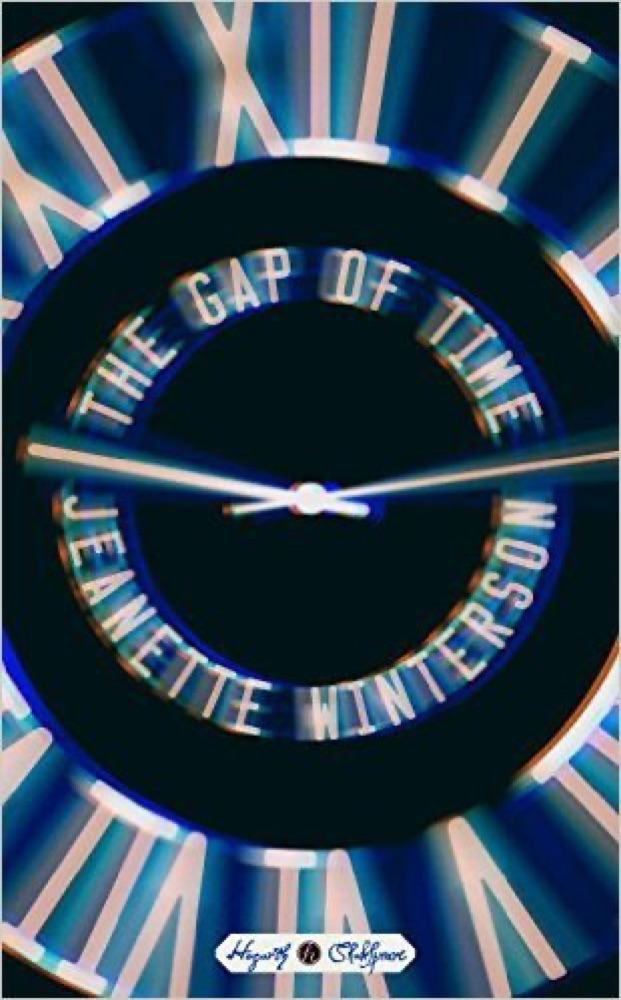 The Gap of Time
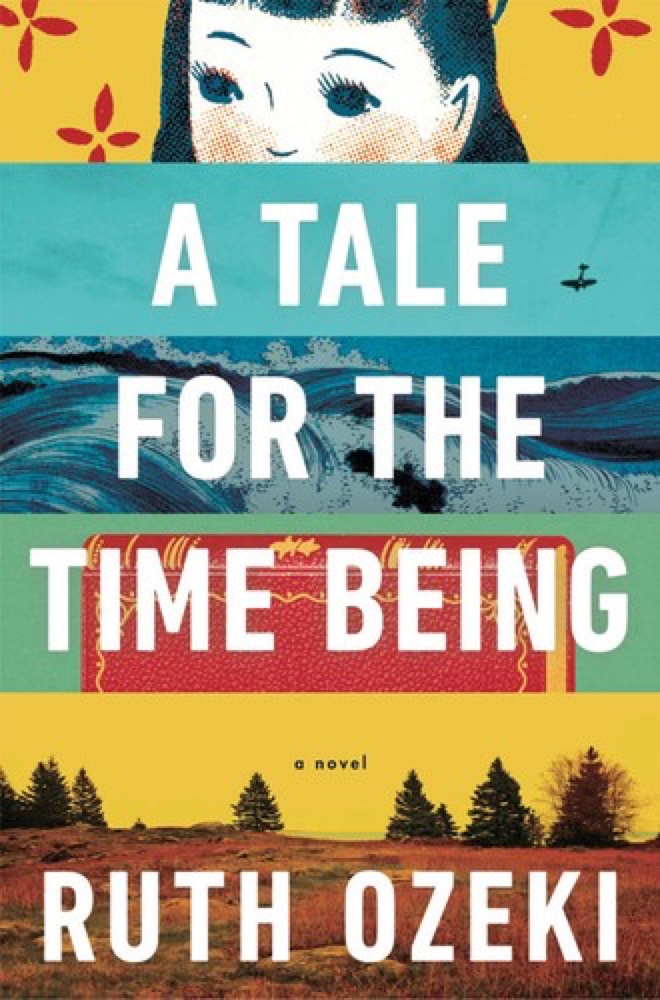 A Tale for the Time Being
 First Person Singular: Stories
 Blueberries: Essays Concerning Understanding
 Then Again
 The Glass Hotel
 The Year I Met You
 Housekeeping
 Journal of a Solitude
 The Beginning of Everything
 Outline
 The Journals of Sylvia Plath
 All the Lovers in the Night
 The Sportswriter
 No One Writes Back
 No Cure for Being Human: And Other Truths I Need to Hear
 What I Loved
 The Reader
 Killing Commendatore
 A Place Called Here
 Speak, Memory
 A Writer's Diary
 Dream Count
 A Three Dog Life
 The Shock of the Fall
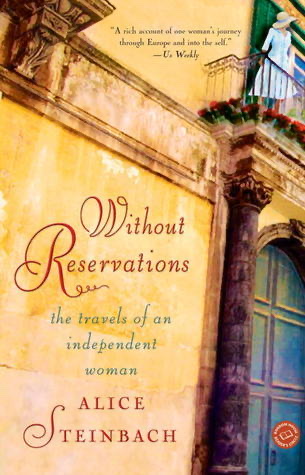 Without Reservations: The Travels of an Independent Woman
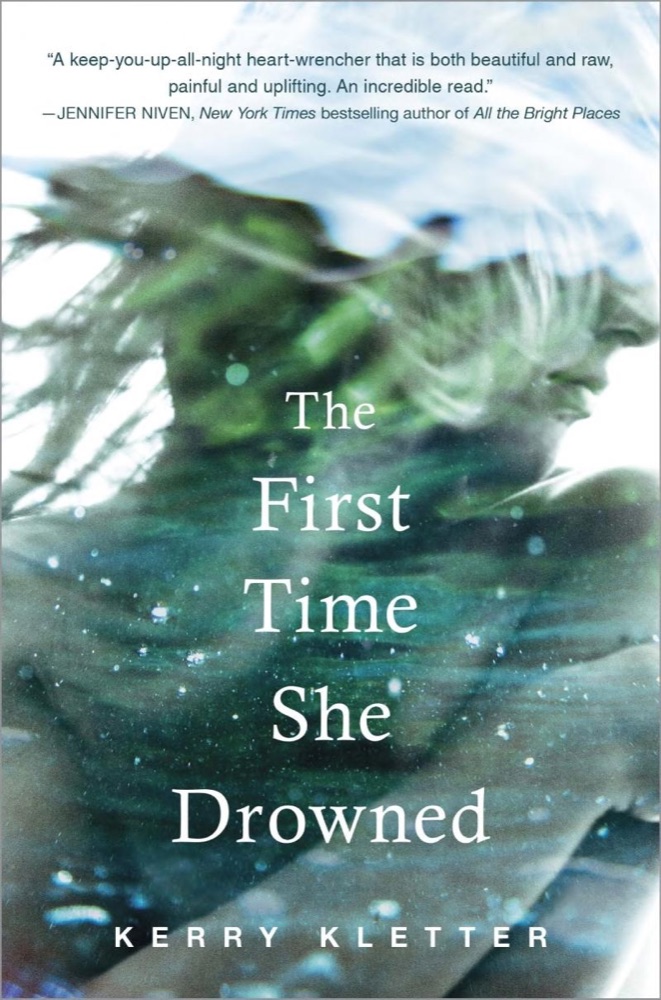 The First Time She Drowned
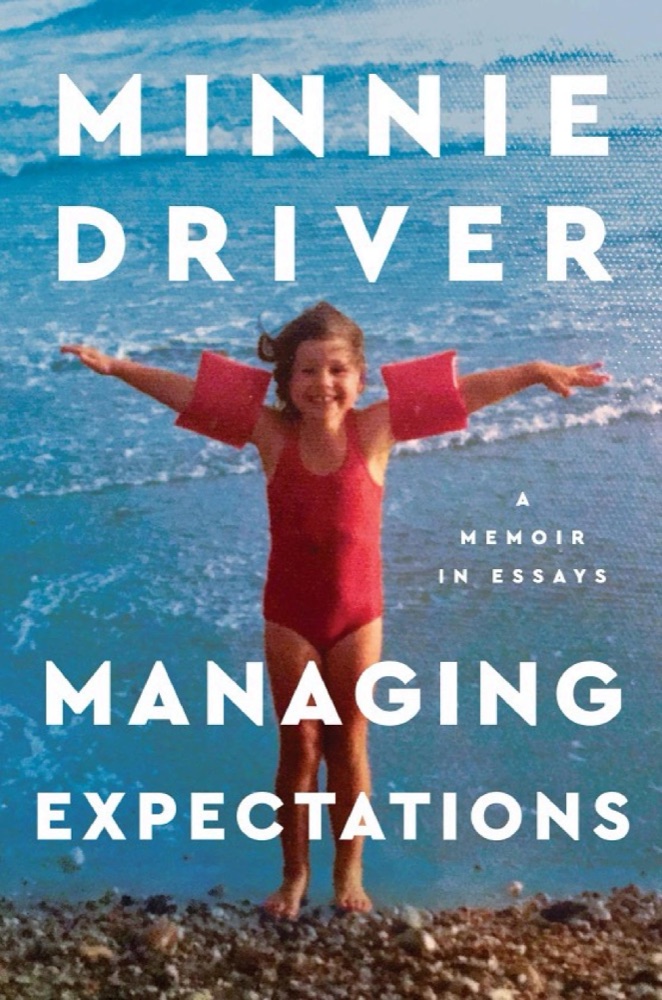 Managing Expectations: A Memoir in Essays – A Poignant Collection of Personal Stories on Acting, Failure, and Motherhood's Joy
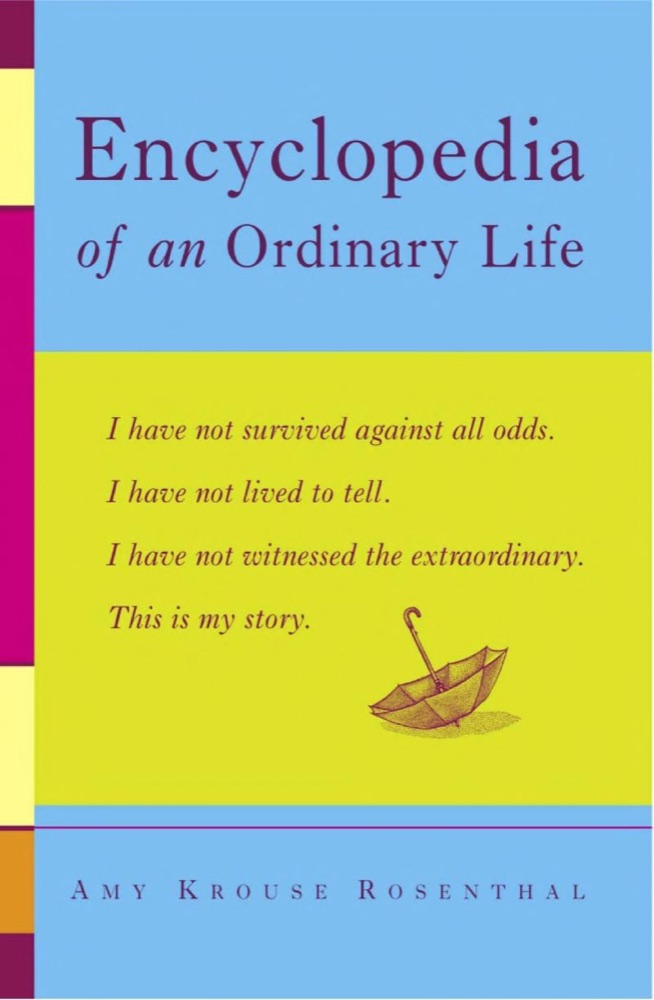 Encyclopedia of an Ordinary Life
 I Am, I Am, I Am: Seventeen Brushes with Death
 Everything, Everything
 It Lasts Forever and Then It's Over
 A Line Made By Walking
 M Train
 Goodbye Days
 Biography of X
 The Collected Stories of Lydia Davis
 Looking Glass Sound
 I Keep My Exoskeletons to Myself
 In Memory of Memory
 How to Stop Time
 Any Human Heart
 The Raw Shark Texts
 The Stone Diaries
 Ghost Music
 Iris & Ruby
 Inheritance: A Memoir of Genealogy, Paternity, and Love