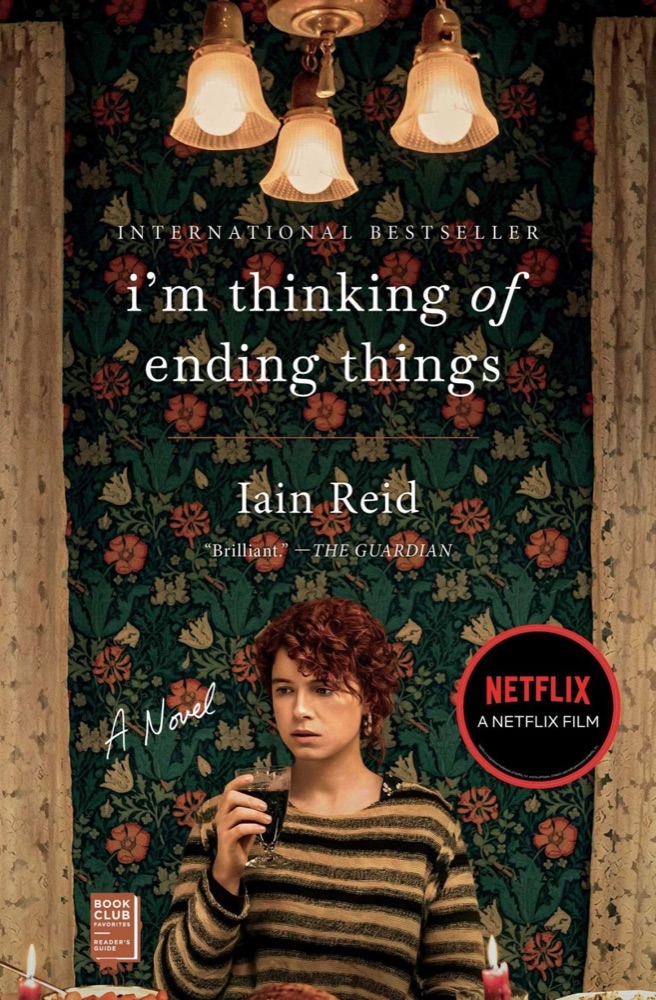

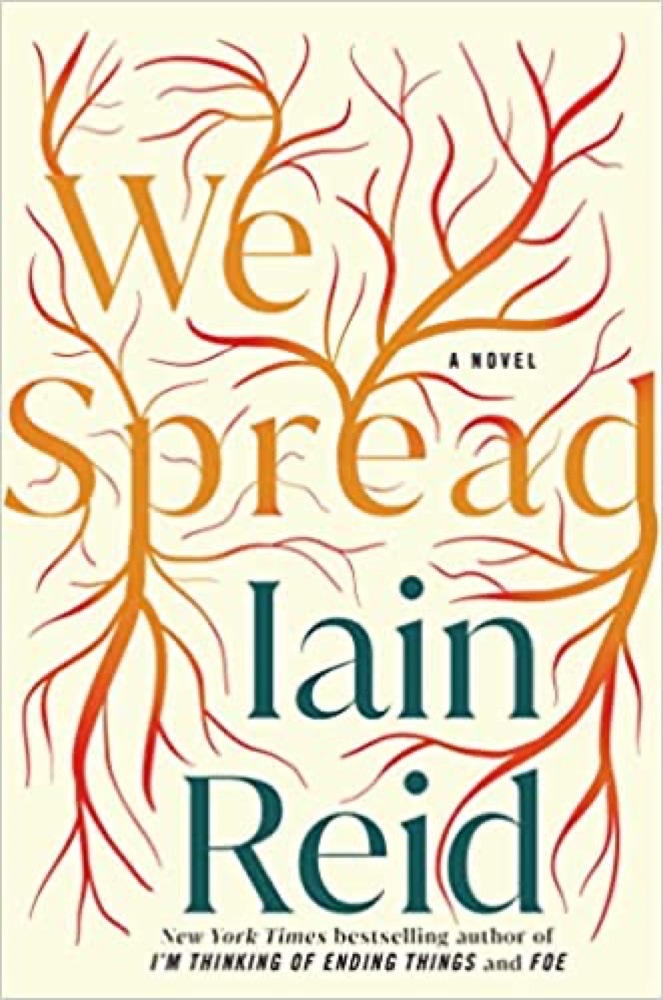
 We Spread
Quotes from the Book
Sometimes a thought is closer to truth, to reality, than an action. You can say anything, you can do anything, but you can't fake a thought.
407
I think what I want is for someone to know me. Really know me. Know me better than anyone else and maybe even me. Isn’t that why we commit to another? It’s not for sex. If it were for sex, we wouldn’t marry one person. We’d just keep finding new partners. We commit for many reasons, I know, but the more I think about it, the more I think long-term relationships are for getting to know someone. I want someone to know me, really know me, almost like that person could get into my head. What would that feel like? To have access, to know what it’s like in someone else’s head. To rely on someone else, have him rely on you. That’s not a biological connection like the one between parents and children. This kind of relationship would be chosen. It would be something cooler, harder to achieve than one built on biology and shared genetics. I think that’s it. Maybe that’s how we know when a relationship is real. When someone else previously unconnected to us knows us in a way we never thought or believed possible.
189
Just tell your story. Pretty much all memory is fiction and heavily edited. So just keep going.
160
I’m thinking of ending things. Once this thought arrives, it stays. It sticks. It lingers. It dominates. There’s not much I can do about it. Trust me. It doesn’t go away. It’s there whether I like it or not. It’s there when I eat. When I go to bed. It’s there when I sleep. It’s there when I wake up. It’s always there. Always.
135
For years, my life has been flat. I’m not sure how else to describe it. I’ve never admitted it before. I’m not depressed, I don’t think. That’s not what I’m saying. Just flat, listless. So much has felt accidental, unnecessary, arbitrary. It’s been lacking a dimension. Something seems to be missing.
128
We’re never inside someone else’s head. We can never really know someone else’s thoughts. And it’s thoughts that count. Thought is reality. Actions can be faked.
122
I think a lot of what we learn about others isn’t what they tell us. It’s what we observe. People can tell us anything they want.
117
But isn’t being alone closer to the truest version of ourselves, when we’re not linked to another, not diluted by their presence and judgments? We form relationships with others, friends, family. That’s fine. Those relationships don’t bind the way love does. We can still have lovers, short-term. But only when alone can we focus on ourselves, know ourselves. How can we know ourselves without this solitude?
83
Both fictions and memories are recalled and retold. They're both forms of stories. Stories are the way we learn. Stories are how we understand each other.
80
Is intelligence always good? I wonder. What if intelligence is wasted? What if intelligence leads to more loneliness rather than to fulfillment? What if instead of productivity and clarity, it generates pain, isolation, and regret?
77
People talk about the ability to endure. To endure anything and everything, to keep going, to be strong. But you can do that only if you're not alone. That's always the infrastructure life's built on. A closeness with others. Alone it all becomes a struggle of mere endurance.
76
Getting to know someone is like putting a never-ending puzzle together. We fit the smallest pieces first and we get to know ourselves better in the process.
76
The meaning of my existence is that life has addressed a question to me. Or, conversely, I myself am a question which is addressed to the world, and I must communicate my answer, for otherwise I am dependent upon the world's answer.
59
Depression is a serious illness. It’s physically painful, debilitating. And you can’t just decide to get over it in the same way you can’t just decide to get over cancer. Sadness is a normal human condition, no different from happiness. You wouldn’t think of happiness as an illness.
56
On the nights I can’t sleep, like that one, like so many recently, I wish I could just turn my mind off like a lamp.
54
You also know things are real when they can be lost.
52
A memory is its own thing each time it's recalled. It's not absolute. Stories based on actual events often share more with fiction than fact. Both fictions and memories are recalled and retold. They're both forms of stories. Stories are the way we learn. Stories are how we understand each other. But reality happens only once.
44
I’m glad we don’t know everything.” “You’re glad?” “That we don’t know all the answers, that we can’t explain it all, like space. Maybe we’re not supposed to know all the answers. Questions are good. They’re better than answers. If you want to know more about life, how we work, how we progress, it’s questions that are important. That’s what pushes and stretches our intellect. I think questions make us feel less lonely and more connected. It’s not always about knowing. I appreciate not knowing. Not knowing is human. That’s how it should be, like space. It’s unsolvable, and it’s dark,” I say, “but not entirely.
42
Maybe the end was written right from the beginning." (P. 1)
40
It seems to me, maybe for the first time, that there are varying degrees of dead. Like there are varying degrees of everything: of being alive, of being in love, of being committed, of being sure.
37
Seeing someone with their parents is a tangible reminder that we're all composites.
36
We can't and don't know what others are thinking. We can't and don't know what motivations people have for doing the things they do. Ever. Not entirely. This was my terrifying youthful epiphany. We just never really know anyone. I don't. Neither do you. It's amazing that relationships can form and last under the constraints of never fully knowing. Never knowing for sure what the other person is thinking, never knowing for sure who the other person is. We can't do whatever we want. There are ways we have to act. There are things we have to say. But we can think whatever we want. Anyone can think anything. Thoughts are the only reality. It's true, I'm sure of it now. Thoughts are never faked or bluffed. This simple realization has stayed with me. It has bothered me for years and years. It still does.
35
That's the thing. Part of everything will always be forgettable. No matter how good or remarkable it is. It literally has to be. To be.
35
Every story is made up. Even the real ones.
35
The more we tell ourselves that we should always be happy, that happiness in an end in itself, the worse it gets.
31
I should have told someone. But I didn’t. I didn’t think it was anything significant until it was.
30
My eyes have adjusted to the darkness. You get used to the dark after awhile. Not the quiet.
27
What if suffering doesn’t end with death? How can we know? What if it doesn’t get better? What if death isn’t an escape? What if the maggots continue to feed and feed and feed and continue to be felt? This possibility scares me.
26
Are small, critical actions enough? Small gestures make us feel good—about ourselves, about others. Small things connect us. They feel like everything. A lot depends on them. It’s not unlike religion and God. We believe in certain constructs that help us understand life. Not only to understand it, but as a means of providing comfort.
26
Did you know?
- It was Iain Reid's debut novel, after he had previously published two works of nonfiction memoir.
- The young woman who narrates much of the book is referred to by several different names over the course of the story.
- Charlie Kaufman wrote and directed a 2020 film adaptation released by Netflix.
- Iain Reid grew up partly on his family's farm outside Ottawa, an isolated setting echoed in the novel's farmhouse.
About Iain Reid
Iain Reid (born 1981) is a Canadian writer from the Ottawa area who studied at Queen's University in Kingston, Ontario. He first published two memoirs before turning to fiction with his 2016 debut novel "I'm Thinking of Ending Things," later followed by the novel "Foe."
More about the author →More by Iain Reid
We Spread
About the book
"I'm Thinking of Ending Things" is the 2016 debut novel of Canadian writer Iain Reid, a slim psychological thriller framed as a road trip. An unnamed young woman accompanies her new boyfriend, Jake, on a winter drive to his parents' isolated farm, all while privately turning over the thought that she might end the relationship. What begins as an ordinary, awkward meet-the-parents visit grows steadily more unsettling as small details refuse to add up.
The book is preoccupied with identity, loneliness, memory, and the slippery line between perception and reality. Reid threads the main narrative with eerie interstitial passages and an undercurrent of dread, building tension through unease rather than overt violence. As the story progresses, the woman's sense of self and the stability of the world around her begin to dissolve, and the novel pushes toward a disorienting, much-debated conclusion.
Marketed as literary suspense and horror, the novel drew strong reviews for its claustrophobic atmosphere and its twist, with outlets noting its unnerving, philosophical bent. Its profile rose further with Charlie Kaufman's 2020 film adaptation for Netflix. The book established Reid, previously known for memoir, as a writer of spare, idea-driven suspense.
Key characters
- The narratorAn unnamed young woman who is privately considering ending her relationship
- JakeHer new boyfriend, who is driving her to meet his parents
- Jake's motherHosts the visit at the family farm
- Jake's fatherHosts the visit at the family farm
Critical reception
- Reviewers praised the novel's claustrophobic, dread-filled atmosphere and its unsettling twist.
- It was widely described as a psychological thriller with a philosophical, literary sensibility.
Movie & TV adaptations
- IMDb
Keep reading
 Kafka on the Shore
 This is All: The Pillow Book of Cordelia Kenn
 How to Stop Time
 Stay
Stay
 No One Writes Back
 Reasons to Stay Alive
 A Room Called Earth
 Children of the Mind
 Someday
 The Shock of the Fall
 First Person Singular: Stories
 Make It Scream, Make It Burn
 Tell Me More: Stories About the 12 Hardest Things I'm Learning to Say
 Ascension
 At the Edge of the Universe
 The Wind-Up Bird Chronicle
 Goodbye Days
 Awaken
 The Beginning of Everything
 All Our Wrong Todays
 Night Train to Lisbon
 If Cats Disappeared from the World
 Loving What Is: Four Questions That Can Change Your Life
 The Hundred Secret Senses
 The Unbound
 The Chalk Man
 Notes on a Nervous Planet
 The Thing About Jellyfish
 Invisibility
 Killing Yourself to Live: 85% of a True Story
 The Book of Dreams
 Every You, Every Me
 Last Night I Sang to the Monster
 Words on Bathroom Walls
 The Book of Tomorrow
 Anthropology of an American Girl
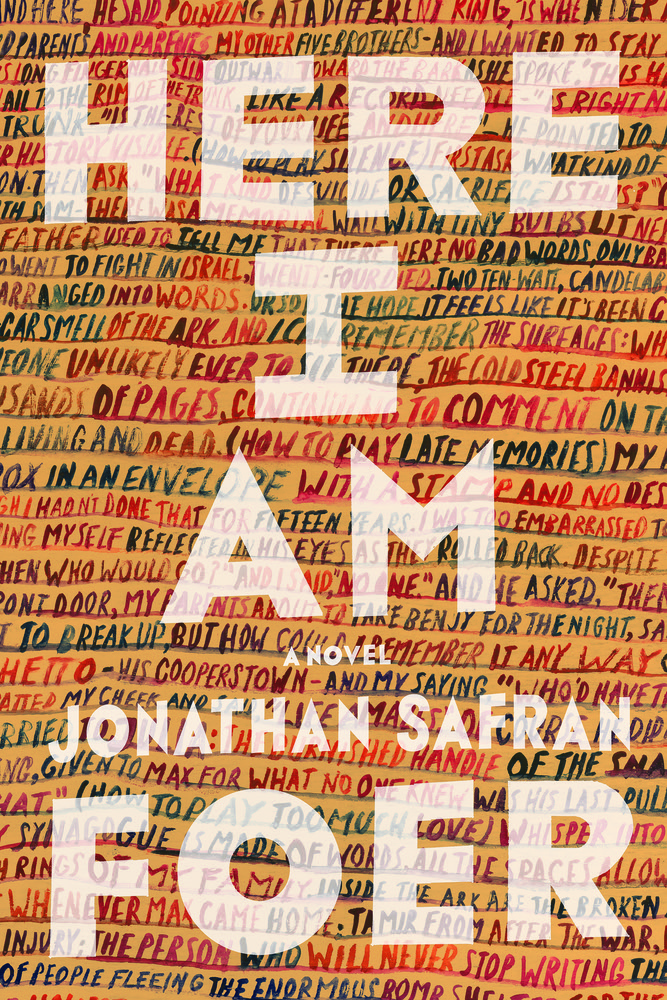 Here I Am
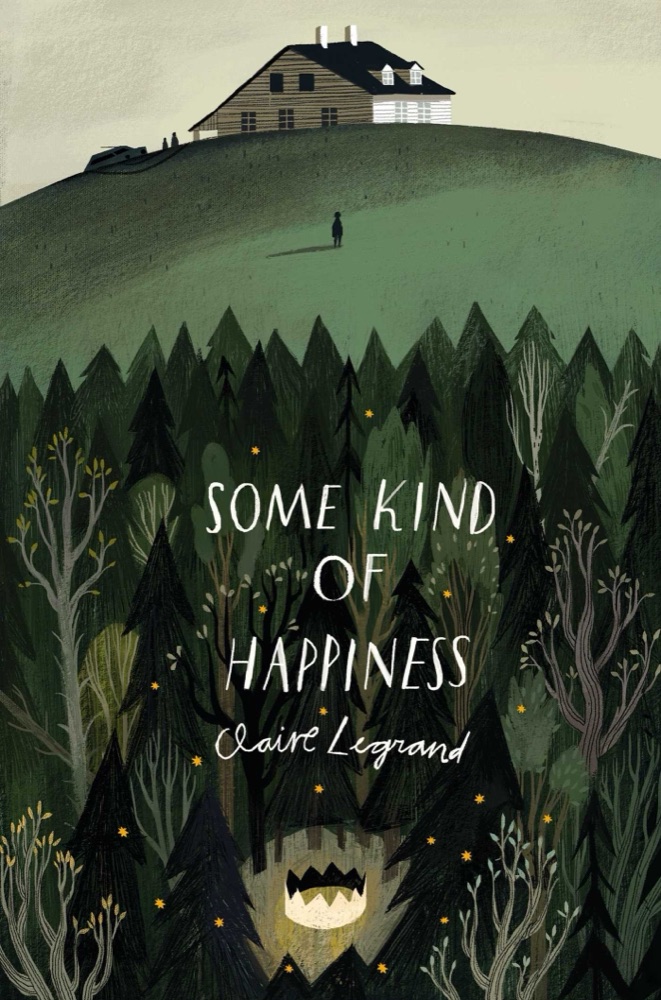 Some Kind of Happiness
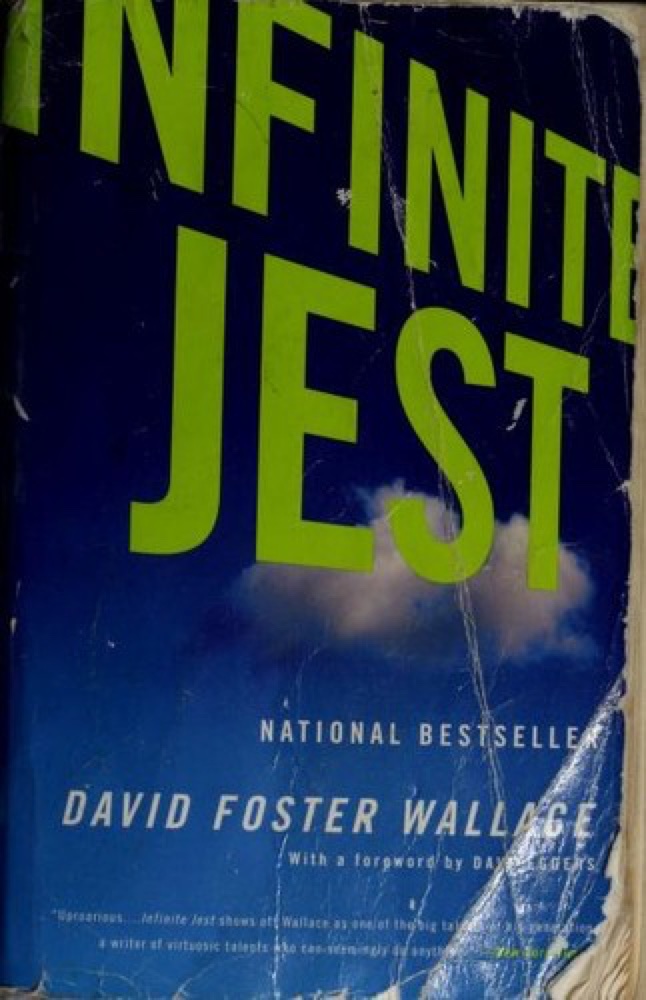 Infinite Jest
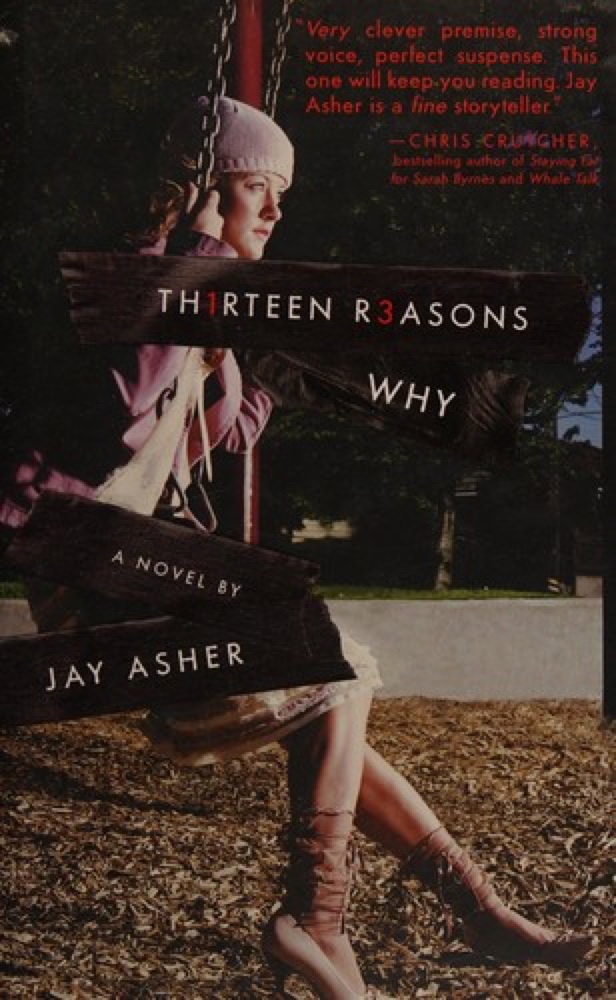 Thirteen Reasons Why
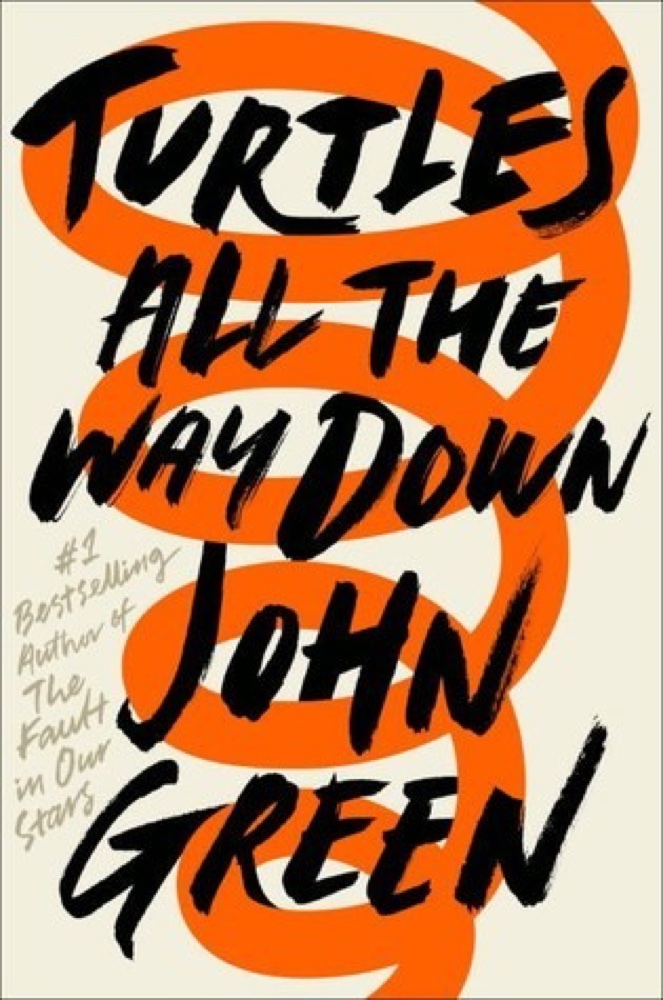 Turtles All the Way Down
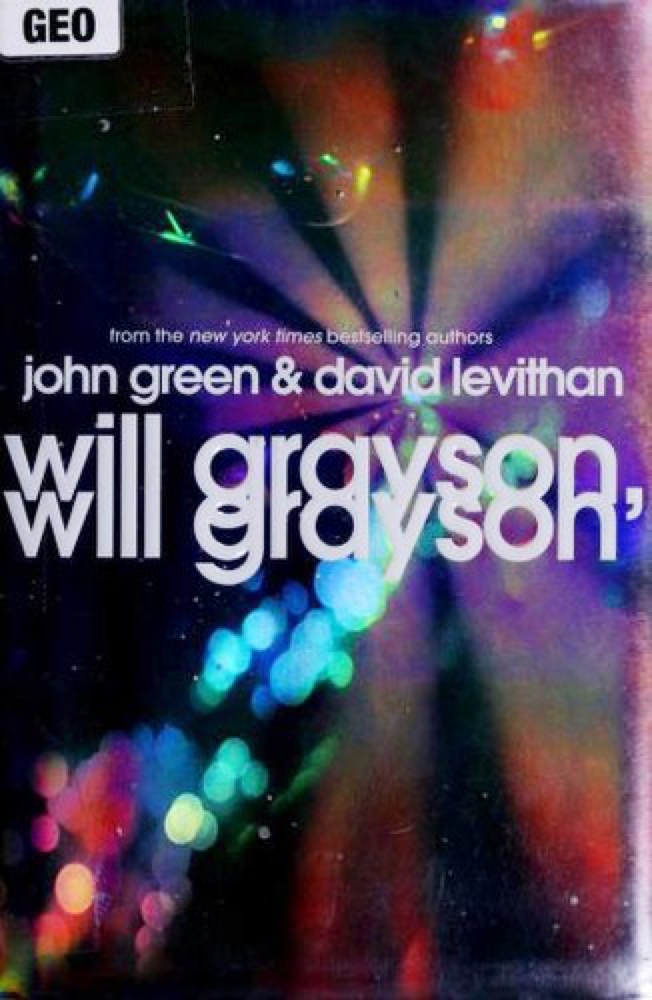 Will Grayson, Will Grayson
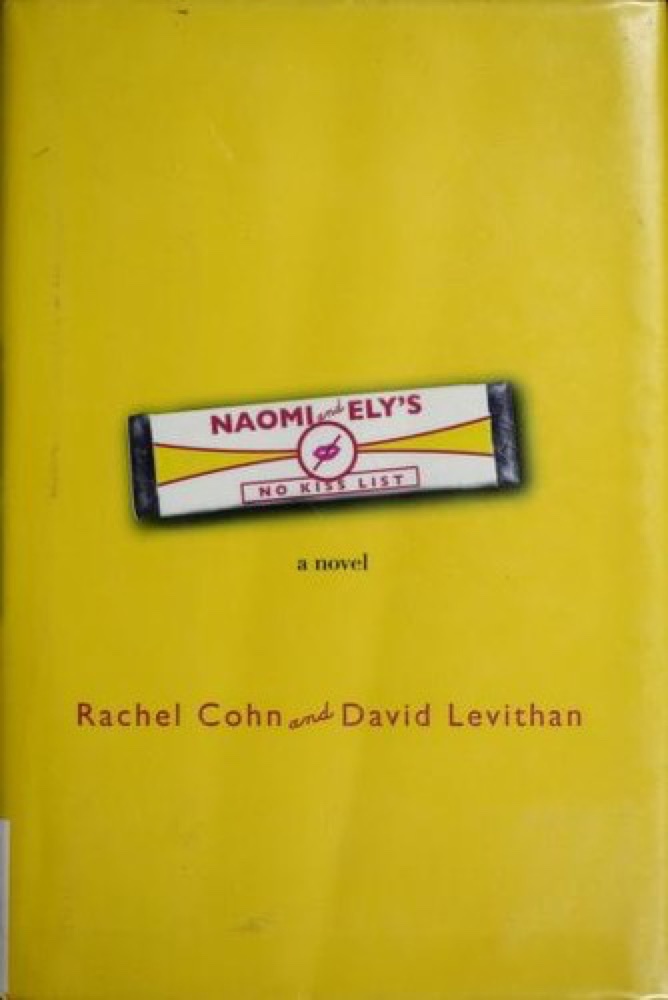 Naomi and Ely's No Kiss List
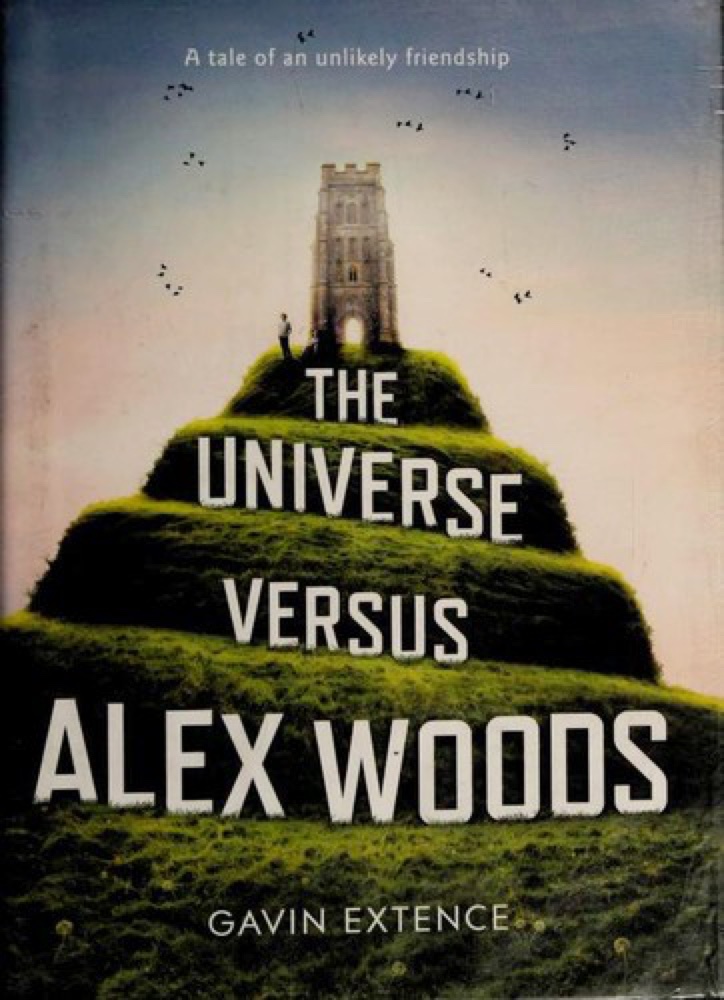 The Universe Versus Alex Woods
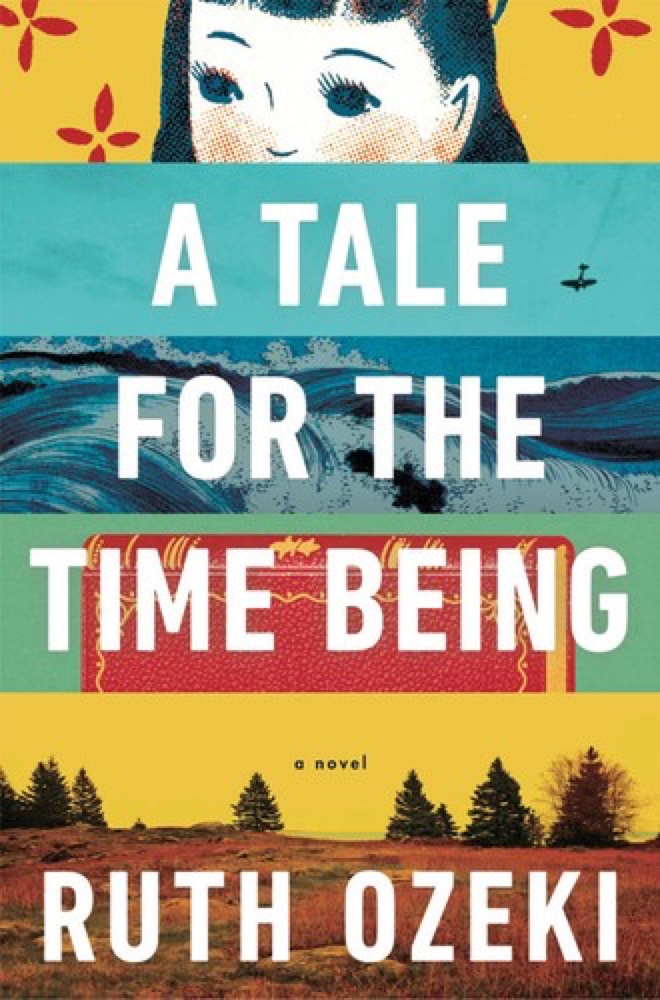 A Tale for the Time Being
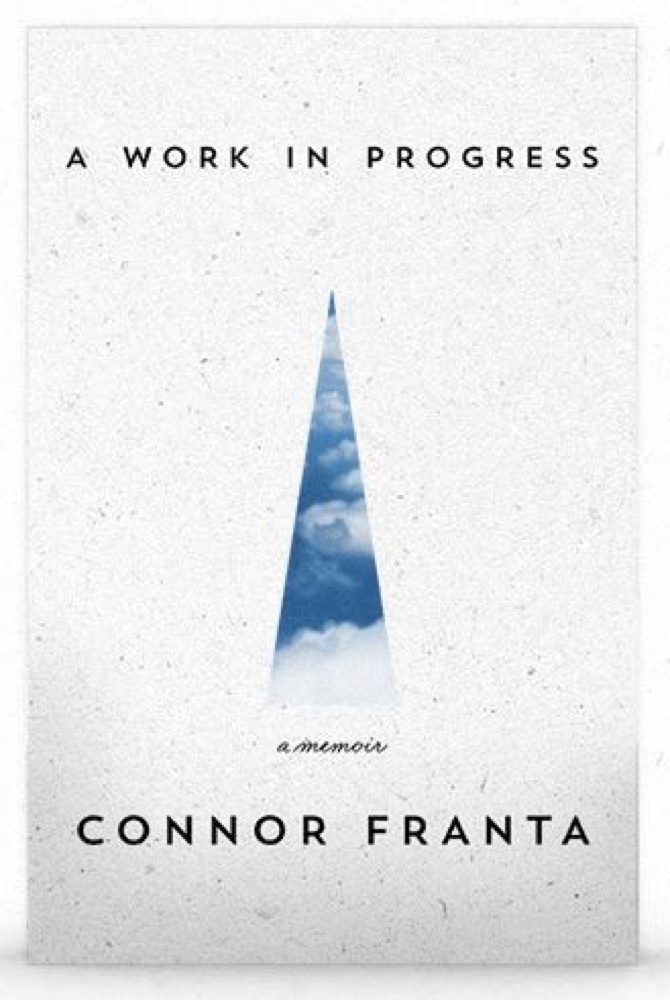 A Work in Progress
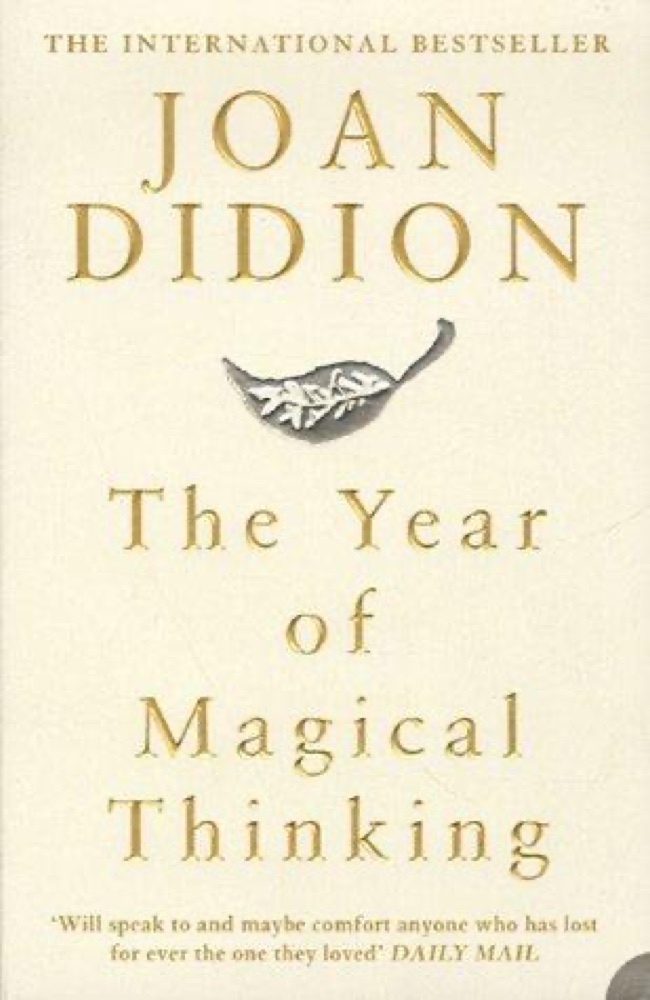 The Year of Magical Thinking
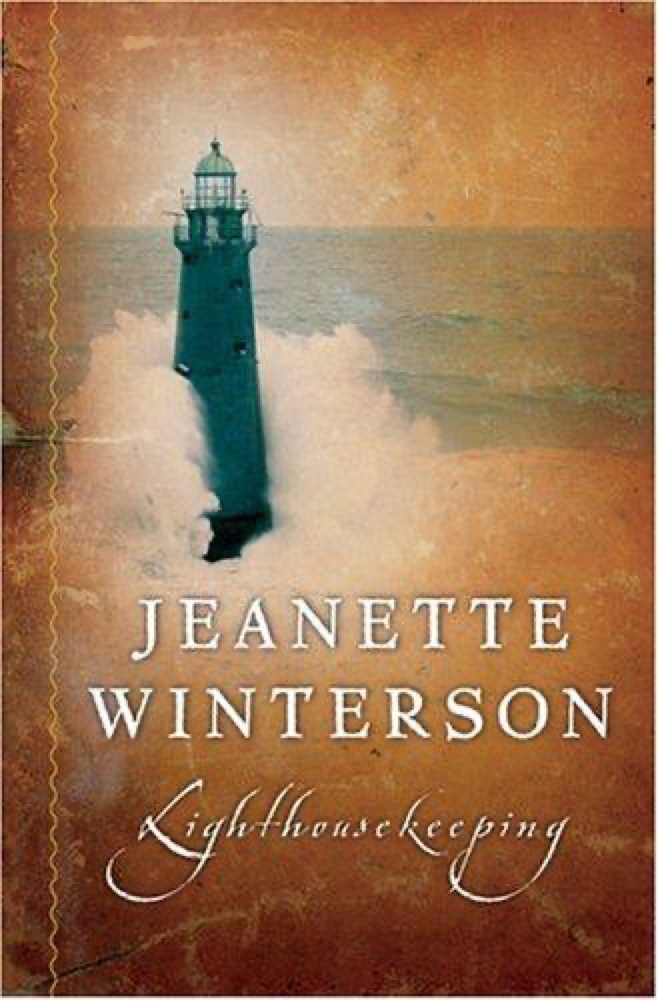 Lighthousekeeping
 What I Loved
 All the Lovers in the Night
 Say Goodbye for Now
 Any Human Heart
 Oranges Are Not the Only Fruit
 Trigger Warning: Short Fictions and Disturbances
 Dark Matter
 101 Essays That Will Change The Way You Think
 The Handmaid's Tale
 Why Be Happy When You Could Be Normal?
 The Anthropocene Reviewed: Essays on a Human-Centered Planet