
 The Happiness Project
Quotes from the Book
The more we notice, the more we can enjoy.
5
As I listened to this exchange, suddenly I realized that the word listen was just a rearrangement of the word silent—remarkably apt.
5
Over the years, I’ve learned that it’s important that we give ourselves treats—which may sound self-indulgent or frivolous, but it’s not. When we give more to ourselves, we can ask more from ourselves. Treats help us to stick to challenging goals, resist unhealthy temptations, and shrug off small irritations. When we don’t get any treats, we can begin to feel burned-out, depleted, and resentful.
4
Laughter can make us happier, and it can also make us healthier. It stimulates the heart, lungs, and muscles; cools down the stress response; helps us stay alert; improves the immune function; and relieves pain.
4
I agree with writer Gertrude Stein: “Anything one does every day is important and imposing.” I love repetition. Doing the same thing over and over makes me feel grounded in my life and makes my actions feel more meaningful.
4
For instance, studies show that when mothers listen without offering advice or criticism while their children explain solutions to problems, the children markedly improve their problem-solving ability.
3
when we visit a new place or try a new activity—time seems to slow down, experiences seem more vivid, and our emotional responses are more intense. That’s why a week on vacation seems longer and more memorable than a month at home.
3
The main purpose of laughter is to bind people together; it’s a social sound that’s meant to be heard by others, to create engagement. We’re far more likely to laugh when we’re with other people, and when we’re with friends rather than with strangers.
2
(It’s always reading that makes me want to experience things.)
2
Surprise stimulates the brain, and research shows that people who do new things and visit new places—even something as modest as a trip to a new restaurant—tend to be happier.
2
See something once—really see it—and it never looks the same again.
2
I went online to compare different colors of noise. White encompassed all audible frequencies and reminded me of TV static; pink was a mix of frequencies, with reduced higher frequencies, with a sound closer to ocean waves or falling rain; brown sounded lower, with the hint of a rumble, like a strong wind; blue was higher, with a hissing quality, like water spraying from a hose; green supposedly captured the background sound of nature; black noise was…silence.
1
This interest in pattern and surprise gives us our love of both familiarity and novelty. When we experience something familiar—a song, a favorite snack, an episode of The Office—our brains process it more easily, which may make us like it more. Nevertheless, to enjoy ourselves, we usually try something new. Novelty is more work but also more interesting, which is why new forms of music, art, and fashion catch our attention.
1
From the Mixed-Up Files of Mrs. Basil E. Frankweiler. In it, eleven-year-old Claudia and her nine-year-old brother, Jamie, run away from their Connecticut suburb to spend a week living in the Met.
Now, perhaps, I had found a way to shake myself out of my chronic fog of preoccupation: I would undertake to see, hear, smell, taste, and touch the world around me so that instead of staying in my head, I would live more fully in my body. I
In that time, I woke to a profound truth: I had my one body and its capacities right now, and I wouldn’t have them forever.
If we all wore sandwich boards that listed bullet points of the main things we’re dealing with,” he said, “all of us would be so much more empathetic, would understand where people are coming from, and would be able to connect in a way we don’t.” It’s crucial to remember that our sensory world isn’t everyone’s sensory world.
At some point in life the world’s beauty becomes enough. You don’t need to photograph, paint or even remember it. It is enough. —Toni Morrison, Tar Baby
When I felt like snacking out of boredom, if I put on perfume or did something else to gratify one of my senses, my impulse to snack faded away.
Studies of what’s called the “dinner party problem” show that once a group includes five people, it usually splits into two or more conversations.
Because of the delicate structure of the ear, our hearing is vulnerable to damage. We’re born with about sixteen thousand of the cochlear hair cells that allow us to pick up sounds, and these cells don’t regenerate.
When we hear our voice coming from somewhere else, it sounds higher and thinner, which is why so many people dislike hearing recordings of themselves.
Our hearing anchors us in the world; it tells us what’s happening behind us, above us, in the dark, and before we’re born. Sound pumps me up, calms me down, and transforms my moods in just a few seconds.
This phenomenon of pareidolia explains why we see the Man in the Moon or the face of the Virgin Mary on a grilled cheese sandwich (which, by the way, sold for $28,000).
Watch on YouTube
About Gretchen Rubin
We have collected 147 quotes from 6 books by Gretchen Rubin on BookQuoters.
More about the author →More by Gretchen Rubin
The Happiness Project
 Better Than Before: Mastering the Habits of Our Everyday Lives
 Happier at Home: Kiss More, Jump More, Abandon a Project, Read Samuel Johnson, and My Other Experiments in the Practice of Everyday Life
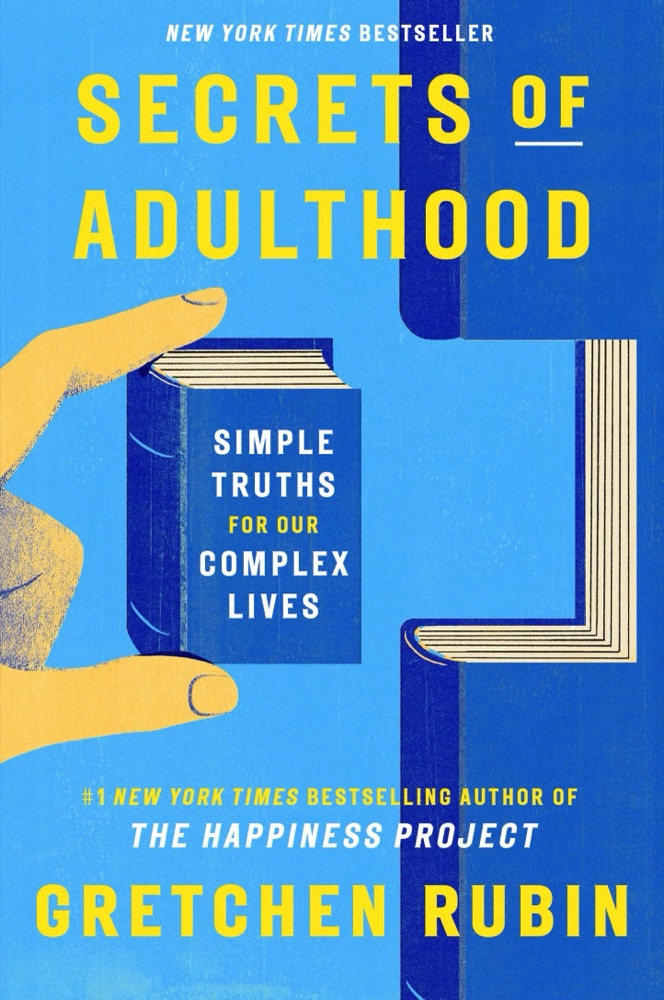 Secrets of Adulthood: Simple Truths for Our Complex Lives
About the book
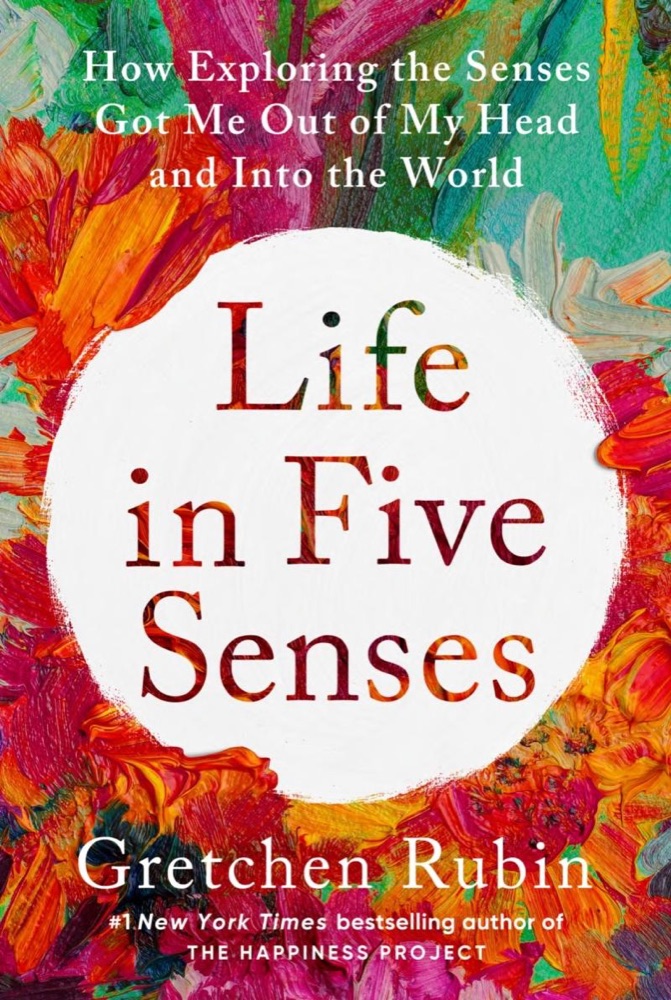
The #1 New York Times bestselling author of The Happiness Project discovers a surprising path to a life of more energy, creativity, and love: by tuning in to the five senses.
For more than a decade, Gretchen Rubin had been studying happiness and human nature. Then, one day, a visit to her eye doctor made her realize that she’d been overlooking a key element of happiness: her five senses. She’d spent so much time stuck in her head that she’d allowed the vital sensations of life to slip away, unnoticed. This epiphany lifted her from a state of foggy preoccupation into a world rediscovered by seeing, hearing, smelling, tasting, and touching.
In this journey of self-experimentation, Rubin explores the mysteries and joys of the five senses as a path to a happier, more mindful life. Drawing on cutting-edge science, philosophy, literature, and her own efforts to practice what she learns,
Book details
- First published
- 2023
- Author
- Gretchen Rubin
- Genre
- Nonfiction
- Goodreads rating
- 3.71 (9k ratings)
Keep reading
 Encyclopedia of an Ordinary Life
 Alone Time: Four Seasons, Four Cities, and the Pleasures of Solitude
 A Room Called Earth
 Life Itself
Happier at Home: Kiss More, Jump More, Abandon a Project, Read Samuel Johnson, and My Other Experiments in the Practice of Everyday Life
Life Itself
Happier at Home: Kiss More, Jump More, Abandon a Project, Read Samuel Johnson, and My Other Experiments in the Practice of Everyday Life
 A Year By The Sea: Thoughts of an Unfinished Woman
 Buffering: Unshared Tales of a Life Fully Loaded
 Stumbling on Happiness
 What If This Were Enough?: Essays
 Range of Motion
 My Stroke of Insight: A Brain Scientist's Personal Journey
 Stories of Your Life and Others
 The Promise of a Pencil: How an Ordinary Person Can Create Extraordinary Change
 Silence: In the Age of Noise
 The School of Essential Ingredients
 Stolen Focus: Why You Can't Pay Attention— and How to Think Deeply Again
 The Book of Delights: Essays
 The Word Exchange
 The Candy House
 Smilla's Sense of Snow
 The Collected Stories
 A Natural History of the Senses
 The Things You Can See Only When You Slow Down: How to Be Calm in a Busy World
 The Collected Stories of Lydia Davis
 I Feel Bad about My Neck: And Other Thoughts on Being a Woman
 The Color Master: Stories
 The Air You Breathe
 Save Me the Plums: My Gourmet Memoir
The Happiness Project
Save Me the Plums: My Gourmet Memoir
The Happiness Project
 What I Loved
 Becoming Better Grownups: Rediscovering What Matters and Remembering How to Fly
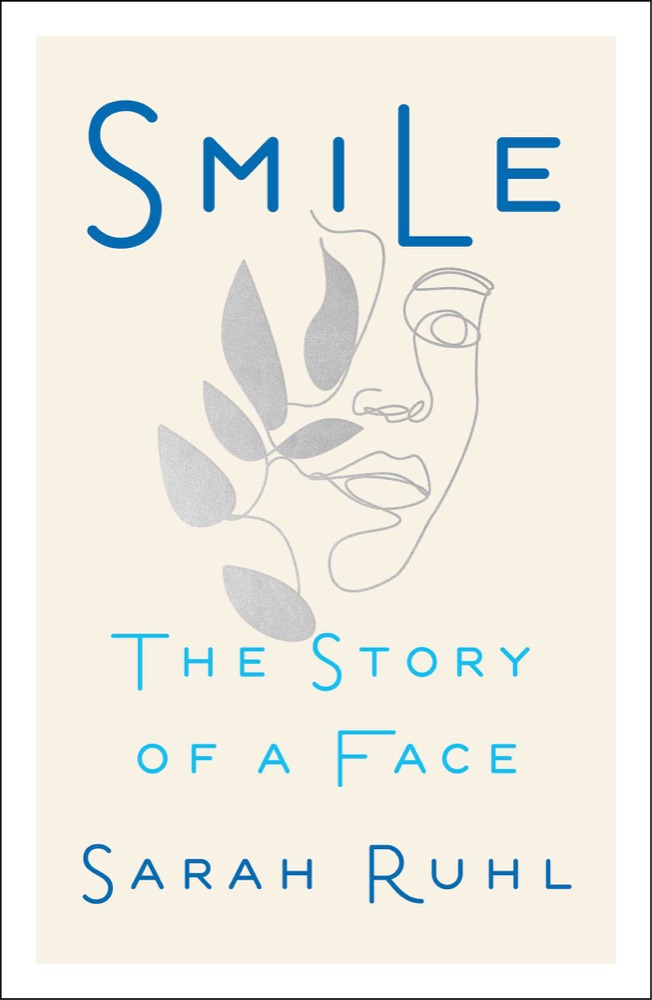 Smile: The Story of a Face
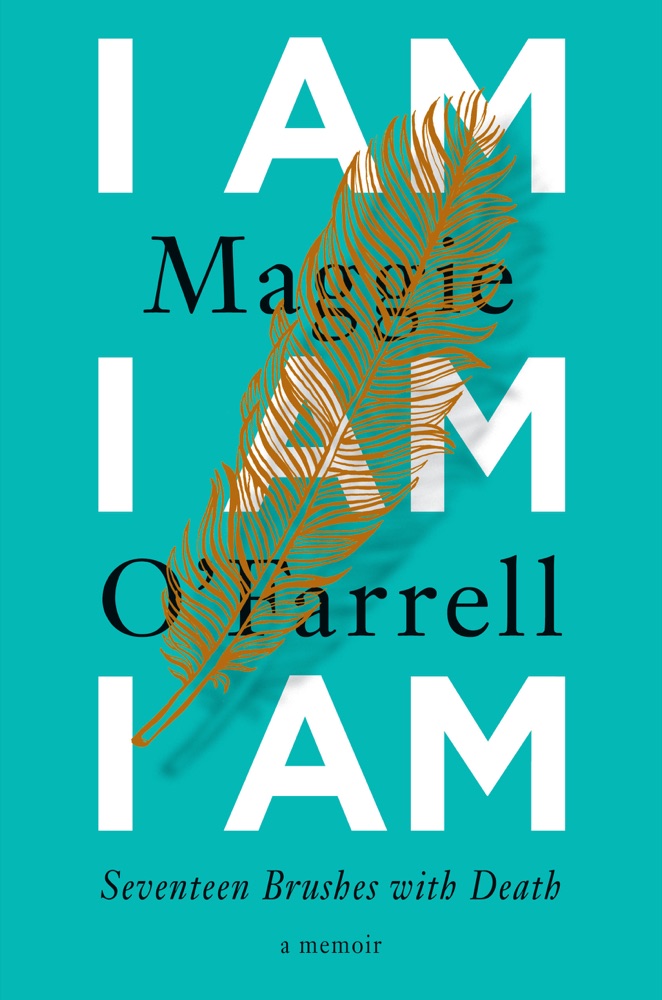 I Am, I Am, I Am: Seventeen Brushes with Death
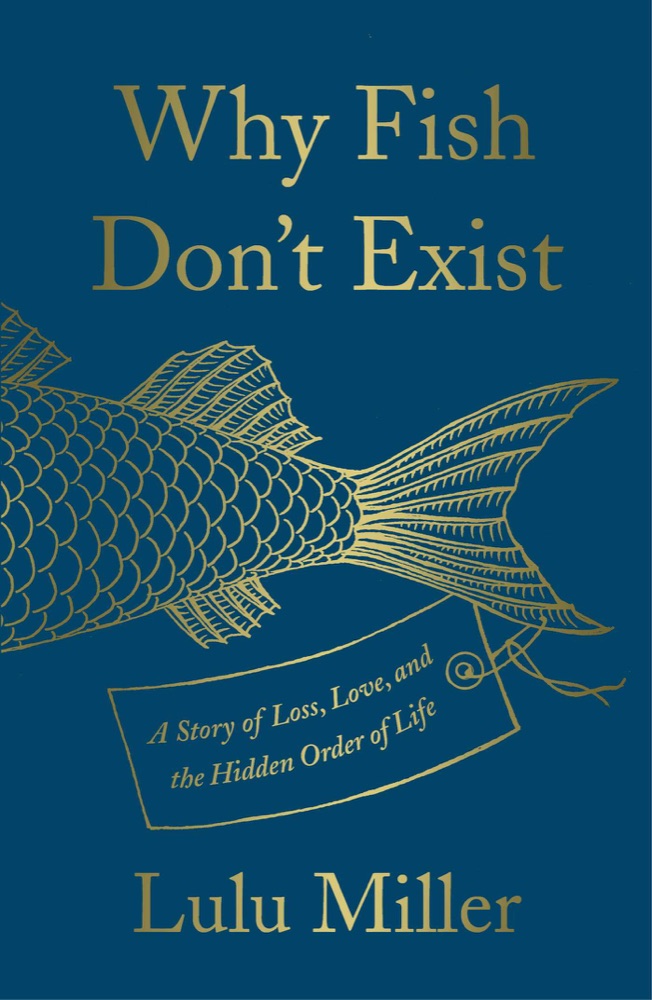 Why Fish Don’t Exist: A Story of Loss, Love, and the Hidden Order of Life
 The Enchanted
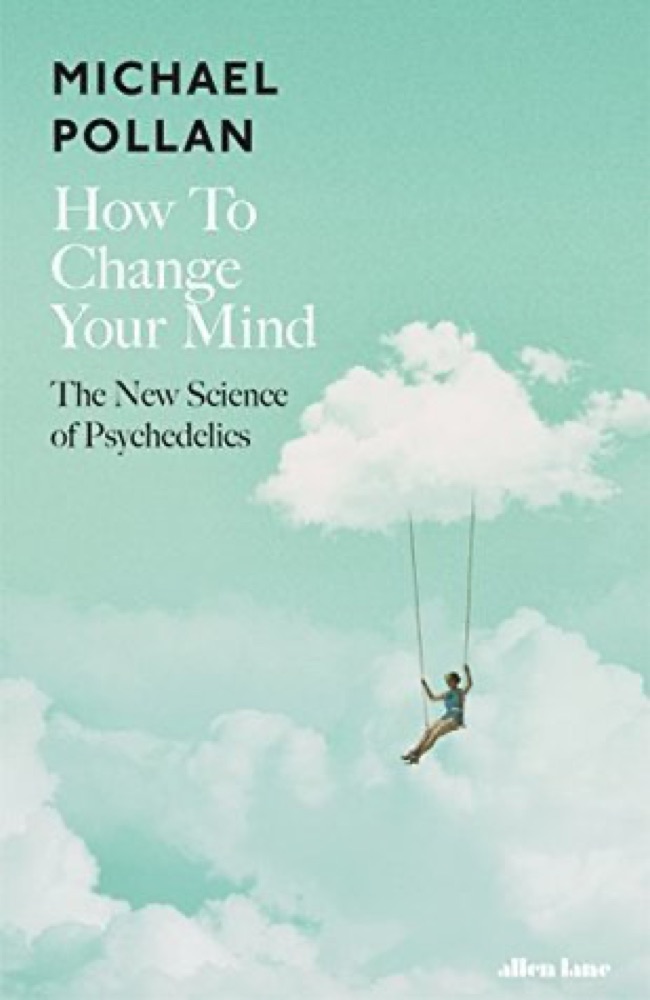 How to Change Your Mind: The New Science of Psychedelics
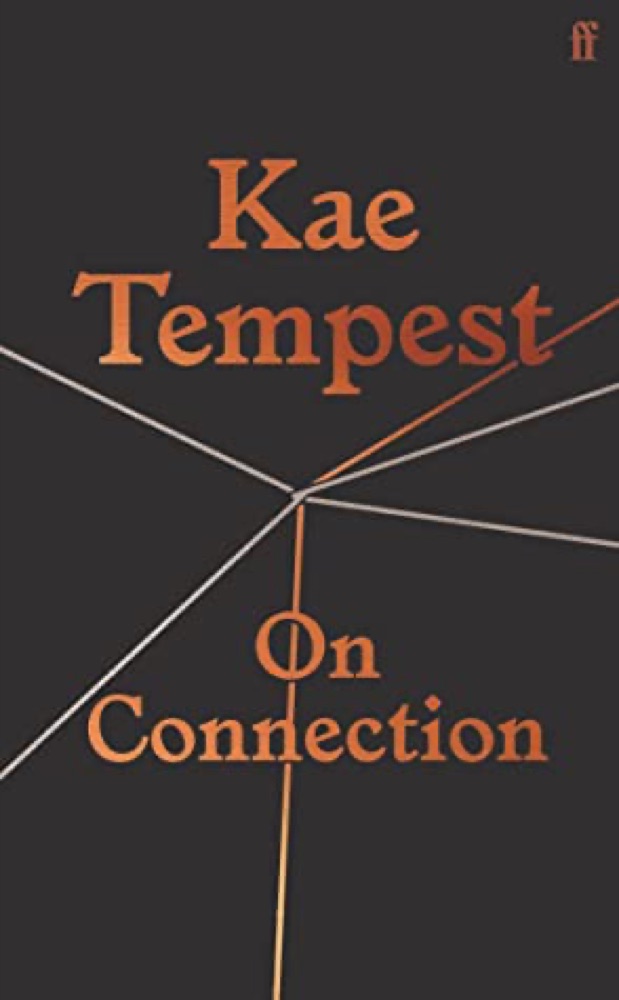 On Connection
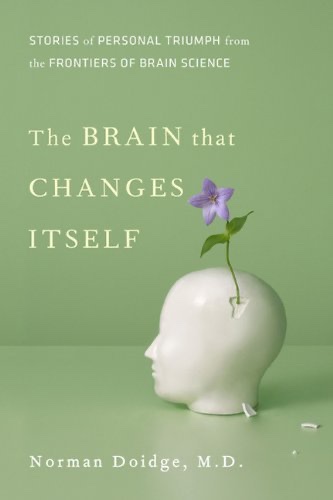 The Brain That Changes Itself: Stories of Personal Triumph from the Frontiers of Brain Science
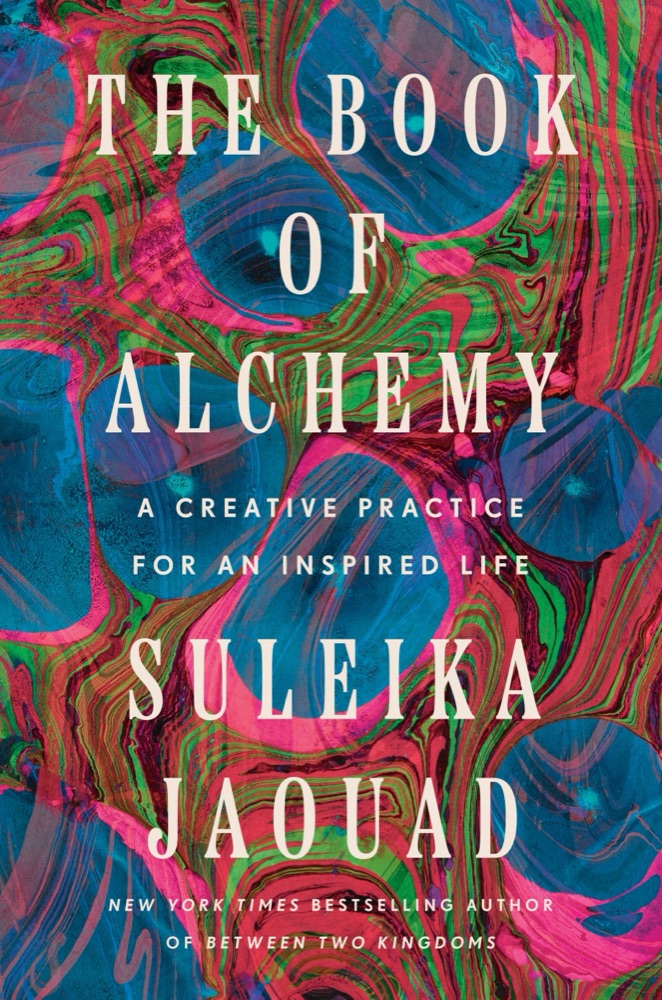 The Book of Alchemy: A Creative Practice for an Inspired Life
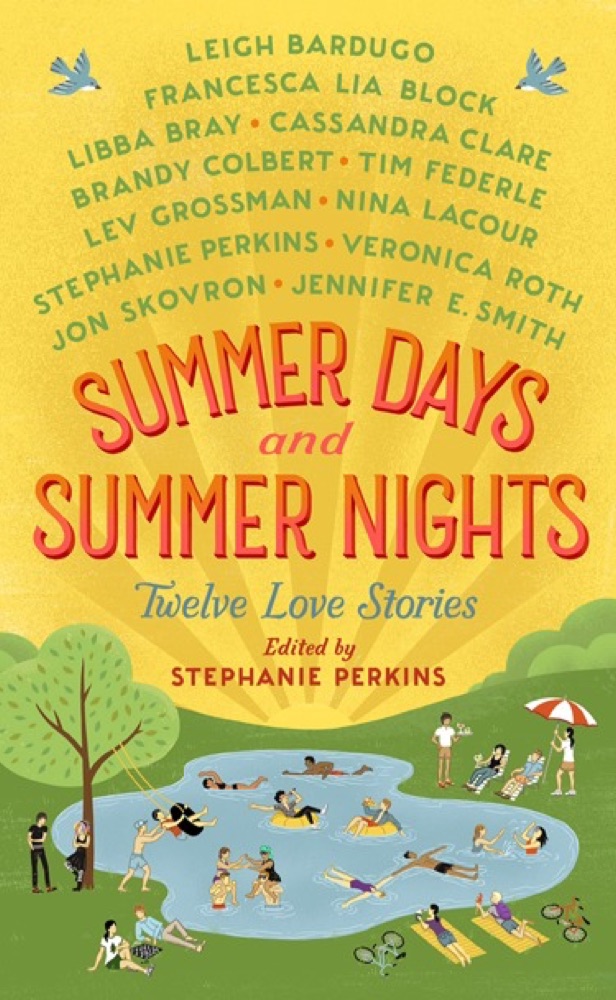 Summer Days and Summer Nights: Twelve Love Stories
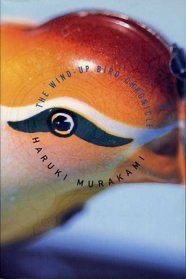 The Wind-Up Bird Chronicle
 When Women Were Birds: Fifty-Four Variations on Voice
 First Person Singular: Stories
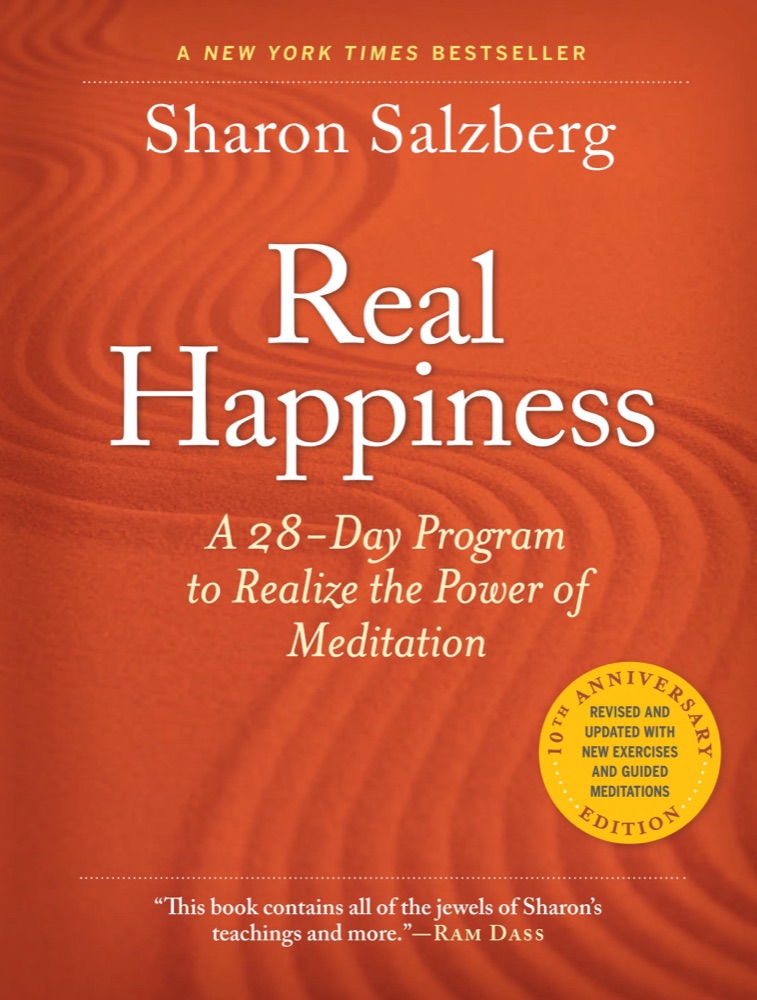 Real Happiness: A 28-Day Program to Realize the Power of Meditation
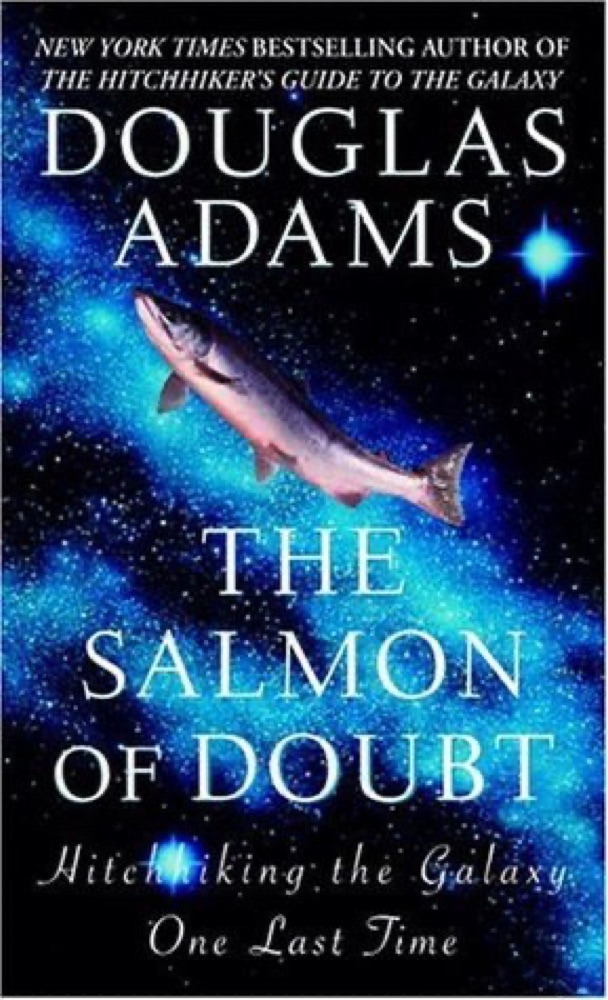 The Salmon of Doubt
 Devil House
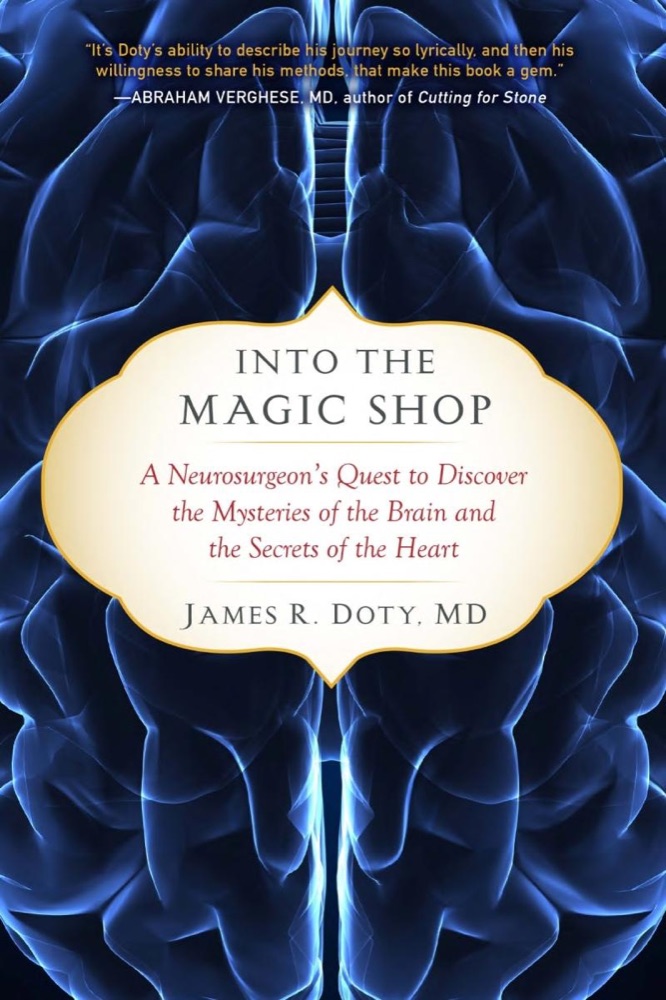 Into the Magic Shop: A Neurosurgeon's Quest to Discover the Mysteries of the Brain and the Secrets of the Heart
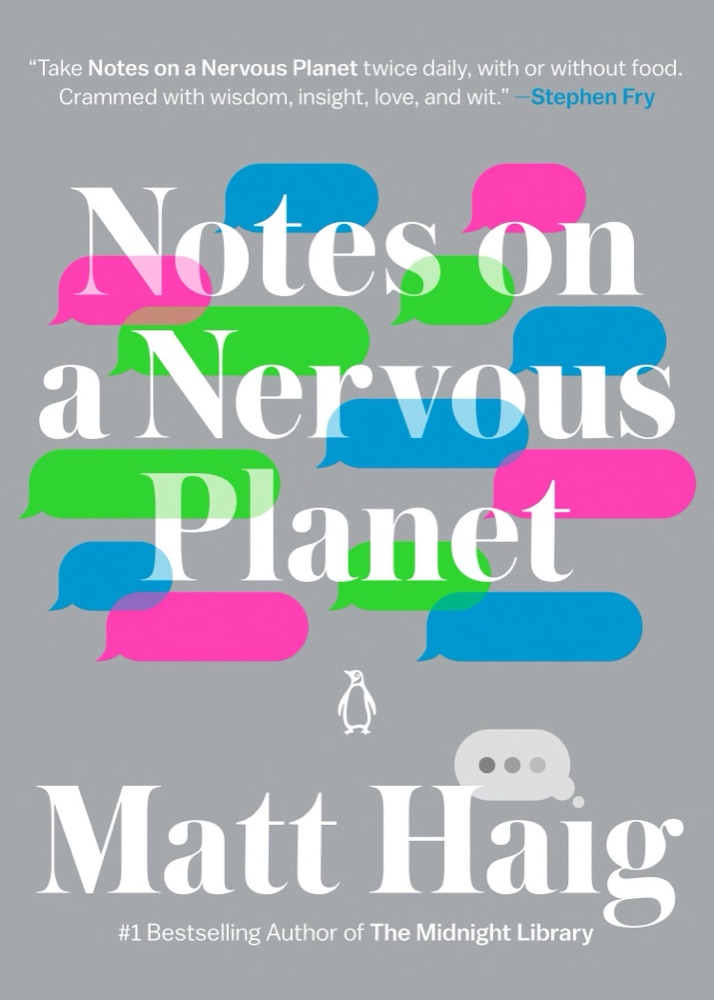 Notes on a Nervous Planet
 Christmas Days: 12 Stories and 12 Feasts for 12 Days
 No One Writes Back
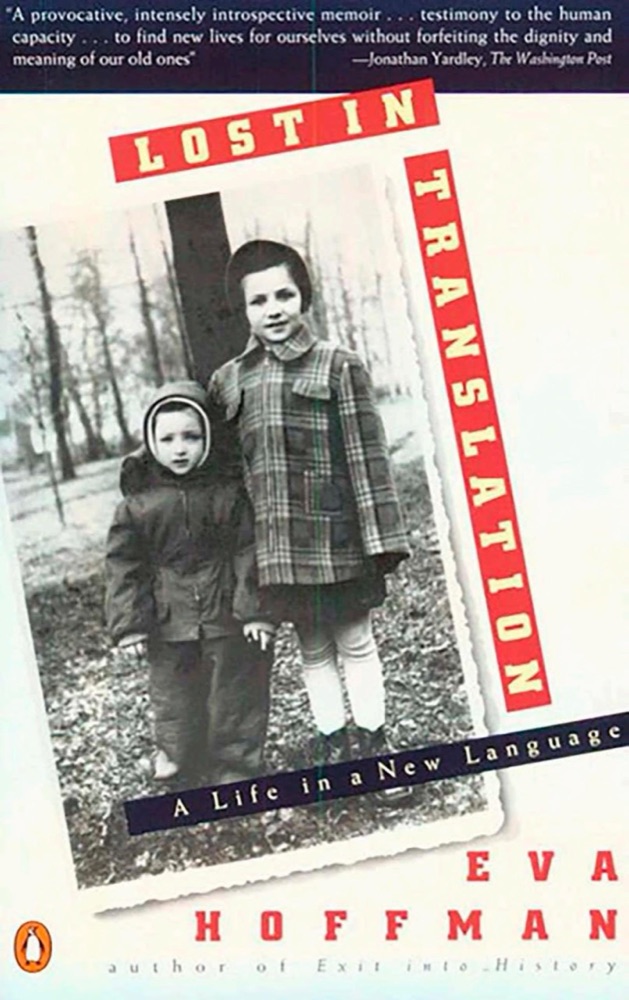 Lost in Translation: A Life in a New Language
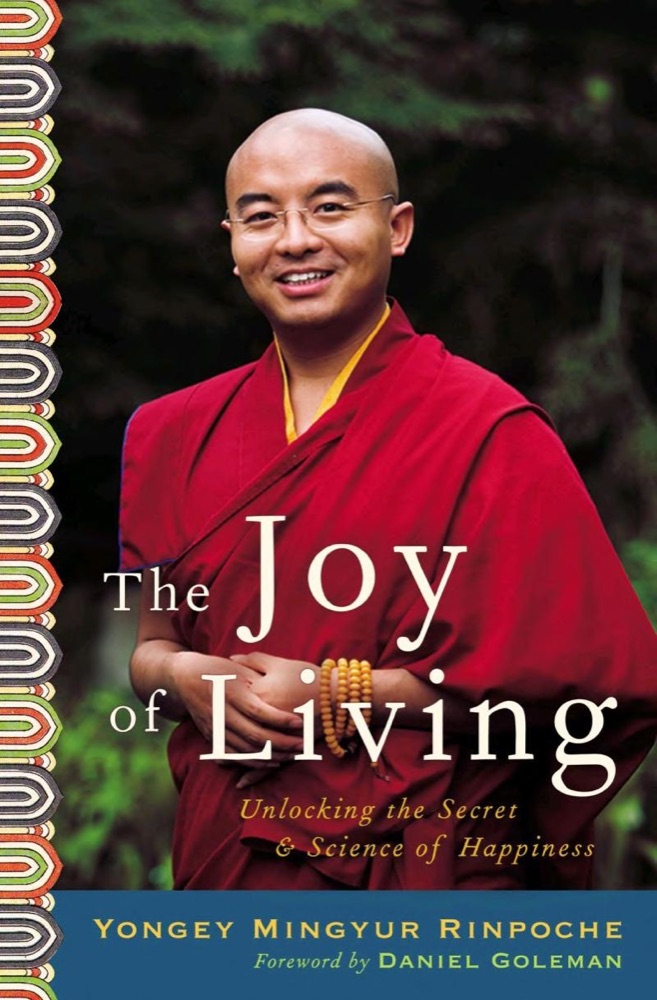 The Joy of Living: Unlocking the Secret and Science of Happiness
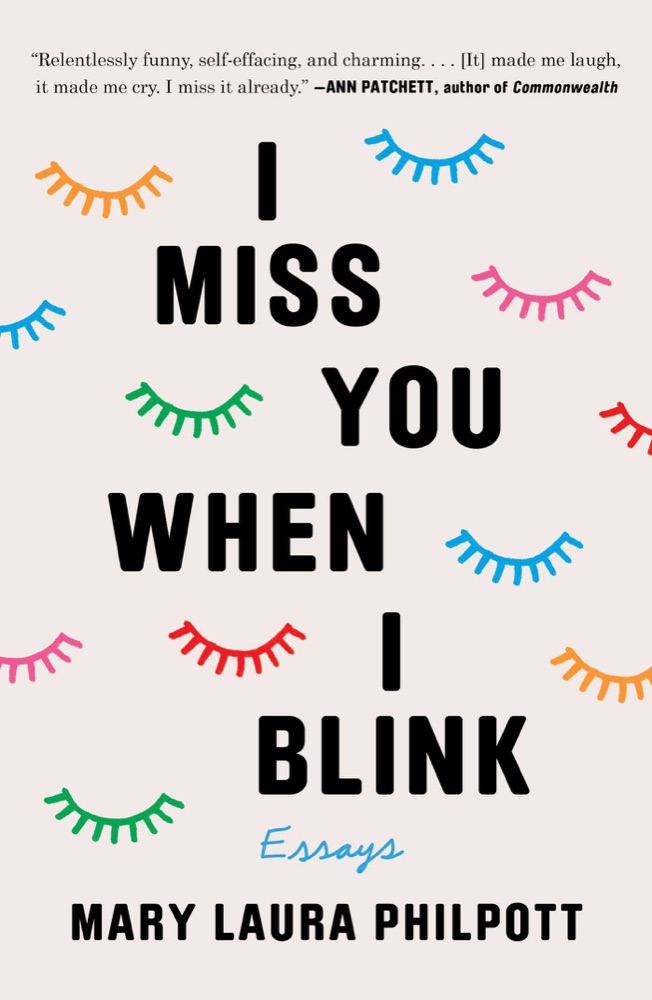 I Miss You When I Blink: Essays
 Poison for Breakfast
 I Haven’t Been Entirely Honest with You
 I Remember Nothing: and Other Reflections
 Mindsight: The New Science of Personal Transformation
 Journal of a Solitude
 Little Victories: Perfect Rules for Imperfect Living
 My Inner Sky: On Embracing Day, Night, and All the Times in Between