
 The Housekeeper and the Professor
Quotes from the Book
Men who start by burning books end by burning other men,
165
Memories are a lot tougher than you might think. Just like the hearts that hold them.
85
My memories don’t feel as though they’ve been pulled up by the root. Even if they fade, something remains. Like tiny seeds that might germinate again if the rain falls. And even if a memory disappears completely, the heart retains something. A slight tremor or pain, some bit of joy, a tear.
84
A heart has no shape, no limits. That's why you can put almost any kind of thing in it, why it can hold so much. It's much like your memory, in that sense.
70
If you read a novel to the end, then it’s over. I would never want to do something as wasteful as that. I’d much rather keep it here with me, safe and sound, forever.
41
But as things got thinner, more full of holes, our hearts got thinner, too, diluted somehow. I suppose that kept things in balance.
40
I don’t know. Maybe there’s a place out there where people whose hearts aren’t empty can go on living.
37
When you lost your voice, you lost the ability to make sense of yourself.
34
...he has never read a single page of any of my books. Once, when I told him I'd love to know what he thinks of them, he demurred. "I couldn't possibly say," he said. "If you read a novel to the end, then it's over. I would never want to do something as wasteful as that. I'd much rather keep it here with me, safe and sound, forever.
31
In general,” he continued, “most things you worry about end up being no more than that—just worries.
29
Time is a great healer. It just flows on all of its own accord.
27
His soul is too dense. If he comes out, he'll dissolve into pieces, like a deep-sea fish pulled to the surface too quickly. I suppose my job is to go on holding him here at the bottom of the sea.
24
They may be nothing more than scraps of paper, but they capture something profound. Light and wind and air, the tenderness or joy of the photographer, the bashfulness or pleasure of the subject. You have to guard these things forever in your heart. That’s why photographs are taken in the first place.
22
I sometimes wonder what I'd see if I could hold your heart in my hands," I told him. "I imagine it fitting perfectly in my palms, soft and slippery, like gelatin that hasn't quite set. It might wobble at the slightest touch, but I sense I'd need to hold it carefully, so it wouldn't slip through my fingers. I also imagine the warmth of the thing. It's usually hidden deep inside, so it's much warmer than the rest of me. I close my eyes and sink into that warmth, and when I do, the sensations of all the things that have disappeared come back to me. I can feel all the things you remember, there in my hands. Doesn't that sound marvelous?
20
People—and I’m no exception—seem capable of forgetting almost anything, much as if our island were unable to float in anything but an expanse of totally empty sea.
20
Your heart and mine are being pulled apart to such different, distant places. Yours is overflowing with warmth and life and sounds and smells, but mine is growing cold and hard at a terrifying pace. At some point it will break into a thousand pieces, shards of ice that will dissolve.
16
I suppose memories live here and there in the body. But they're invisible, aren't they? And no matter how wonderful the memory, it vanishes if you leave it alone. If no one pays attention to it. They leave no trace, no evidence that they ever existed.
16
No one can erase the stories!
16
But in a world turned upside down, things I thought were mine and mine alone can be taken away much more easily than I would have imagined. If my body were cut up in pieces and those pieces mixed with those of other bodies, and then if someone told me, “Find your left eye,” I suppose it would be difficult to do so.
15
No matter how careful we are, we all leave behind little bits of ourselves as we go about our lives. Hair, sweat, fingernails, tears…any of which can be tested. No one can escape.
14
Maybe there’s a place out there where people whose hearts aren’t empty can go on living.
13
I thought I could hear the sound of my memory burning that night.
11
When the surface of your soul begins to stir, I imagine you want to capture the sensation in writing.
9
What can the people on this island create?” I went on. “A few kinds of vegetables, cars that constantly break down, heavy, bulky stoves, some half-starved stock animals, oily cosmetics, babies, the occasional simple play, books no one reads…Poor, unreliable things that will never make up for those that are disappearing—and the energy that goes along with them. It’s subtle but it seems to be speeding up, and we have to watch out. If it goes on like this and we can’t compensate for the things that get lost, the island will soon be nothing but absences and holes, and when it’s completely hollowed out, we’ll all disappear without a trace. Don’t you ever feel that way?
9
I have to make do with a hollow heart full of holes.
7
If spring never comes, does that mean summer won’t either? How will the crops grow when the fields are covered with snow?
7
Maybe there's a place out there where people whose hearts aren't empty can go on living.
7
I was glad that I was able to erase your voice. Did you know that an insect will fall silent if you cut off its antennae? It will just sit there, as if frozen, and even refuse to eat. The same as you, really.
6
No matter how hard I listened, there was never any sign of someone living under the floor, and yet this silence made me all the more conscious of his existence.
5
Did you know?
- The novel was first published in Japanese in 1994 as Hisoyaka na Kessho before its 2019 English translation.
- The English translation is by Stephen Snyder, who has translated several of Ogawa's works.
- It was shortlisted for the 2020 International Booker Prize, roughly a quarter-century after its original Japanese publication.
- The story takes place on an unnamed island where objects and concepts vanish from both the world and people's memories.
- Critics have compared it to George Orwell's 1984 and Ray Bradbury's Fahrenheit 451.
About Yōko Ogawa
Yoko Ogawa is an acclaimed Japanese author who has published numerous works of fiction and nonfiction since the late 1980s and has won every major Japanese literary award, including the Akutagawa Prize. Her work is internationally known through English translations such as The Housekeeper and the Professor and The Memory Police.
More about the author →More by Yōko Ogawa
All books by Yōko Ogawa →

About the book
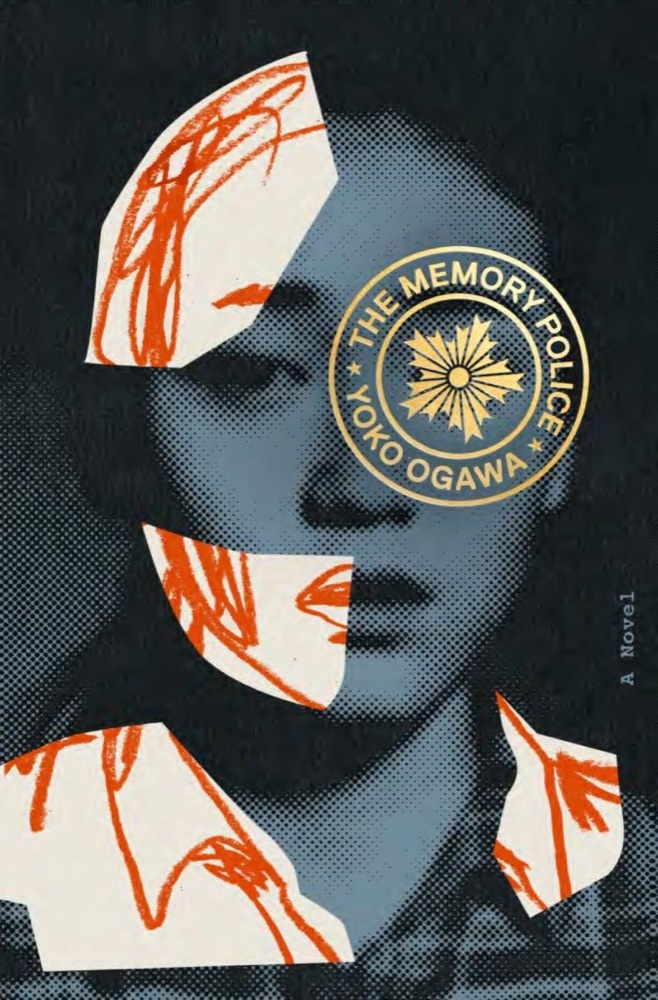
The Memory Police is a quietly devastating dystopian novel set on an unnamed island where things steadily and inexplicably disappear, not only physically but from the memories of nearly everyone who lives there. When hats, birds, roses, or even calendars are 'disappeared,' the islanders dutifully discard and forget them, while a sinister force called the Memory Police hunts down the rare individuals who retain their memories. The unnamed narrator, a young novelist, shelters her editor R, who cannot forget, in a hidden room as the disappearances accelerate and the world she knows contracts around her.
At its heart the book is a meditation on memory, loss, and the fragility of identity, exploring how a self can be hollowed out when the objects, words, and associations that anchor it are stripped away. It also reads as a parable about authoritarian control and surveillance, dramatizing how a regime can enforce collective forgetting and how acts of remembrance become a form of quiet resistance. The slow, dreamlike erosion of the island mirrors the way grief and disappearance work on the human mind.
Originally published in Japanese in 1994, the novel reached a wide international audience through Stephen Snyder's 2019 English translation, which drew comparisons to Orwell's 1984 and Bradbury's Fahrenheit 451. It was a finalist for the 2019 National Book Award for Translated Literature and was shortlisted for the 2020 International Booker Prize, cementing Ogawa's reputation among English-language readers as a master of unsettling, restrained speculative fiction.
Key characters
- The narratorAn unnamed young novelist who lives on the island and gradually loses memories along with everyone else
- RThe narrator's editor, who cannot forget and whom she hides in a secret room
- The old manA kindly former ferryboat mechanic and the narrator's trusted friend and protector
- The Memory PoliceThe island's secret-police force that enforces the disappearances and hunts those who retain memories
Book details
- First published
- 1994
- Length
- 288 pages
- Reading time
- 4 hours
- Author
- Yōko Ogawa
- Genre
- Fiction
- Goodreads rating
- 3.69 (152k ratings)
- First line
- “I sometimes wonder what was disappeared first—among all the things that have vanished from the island.”
Critical reception
- Time noted that the novel echoes themes of George Orwell's 1984 and Ray Bradbury's Fahrenheit 451.
- It was a finalist for the 2019 National Book Award for Translated Literature.
- It was shortlisted for the 2020 International Booker Prize.
Movie & TV adaptations
- IMDb
If you liked this, read…
- 1Nineteen Eighty-FourA foundational dystopia about surveillance and the state's control over memory and truth
- 2Fahrenheit 451Another speculative classic about enforced forgetting and the suppression of knowledge
- 3Never Let Me GoA quiet, melancholic speculative novel about loss and acceptance under an oppressive system
Keep reading
 The Shock of the Fall
 Colorless Tsukuru Tazaki and His Years of Pilgrimage
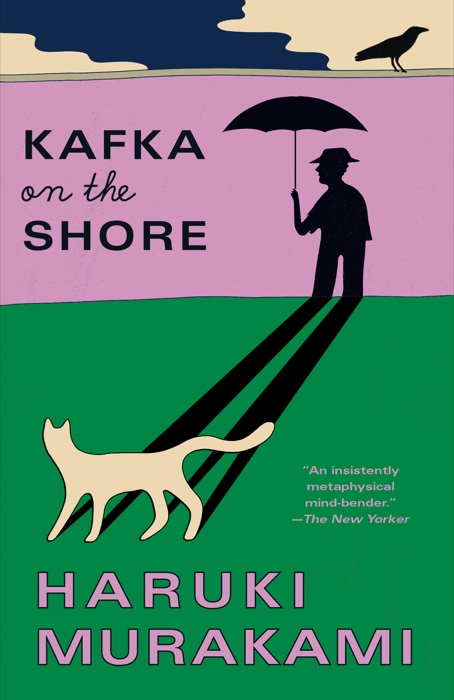 Kafka on the Shore
 First Person Singular: Stories
 Our Wives Under the Sea
 Everything Under
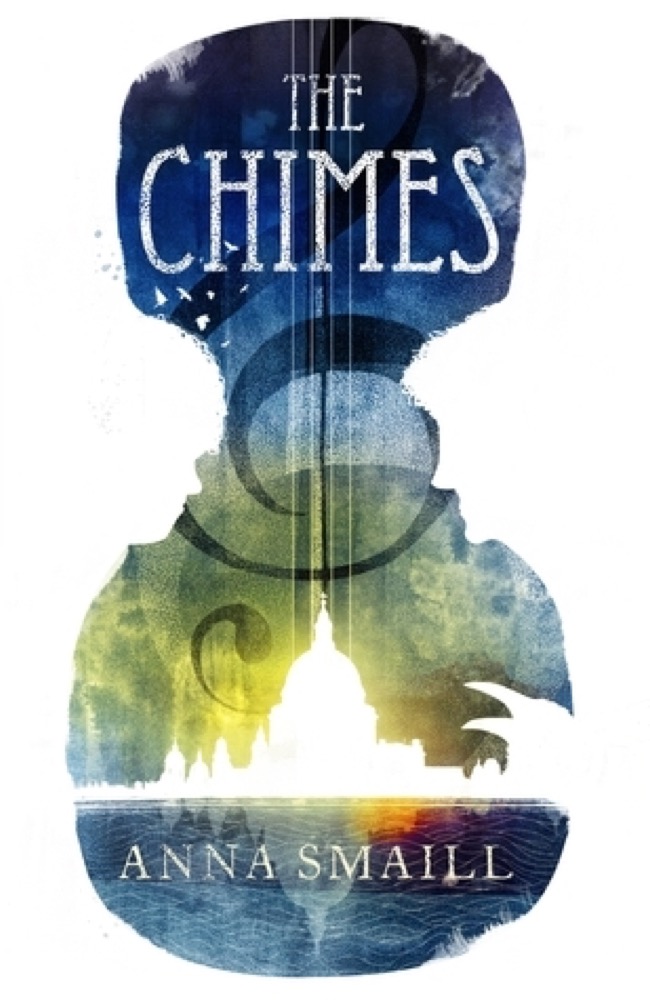 The Chimes
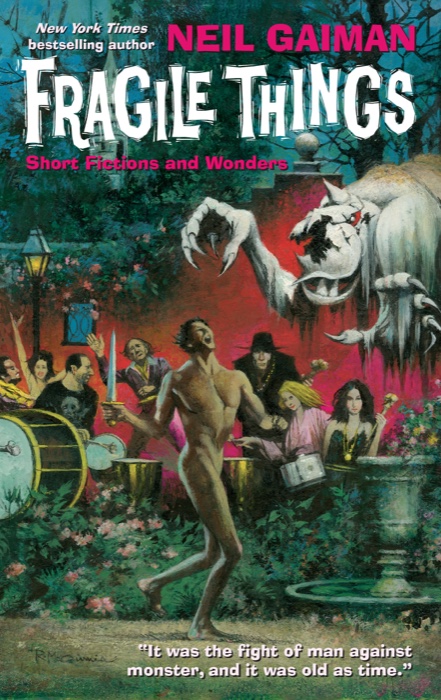 Fragile Things: Short Fictions and Wonders
 Heart Bones
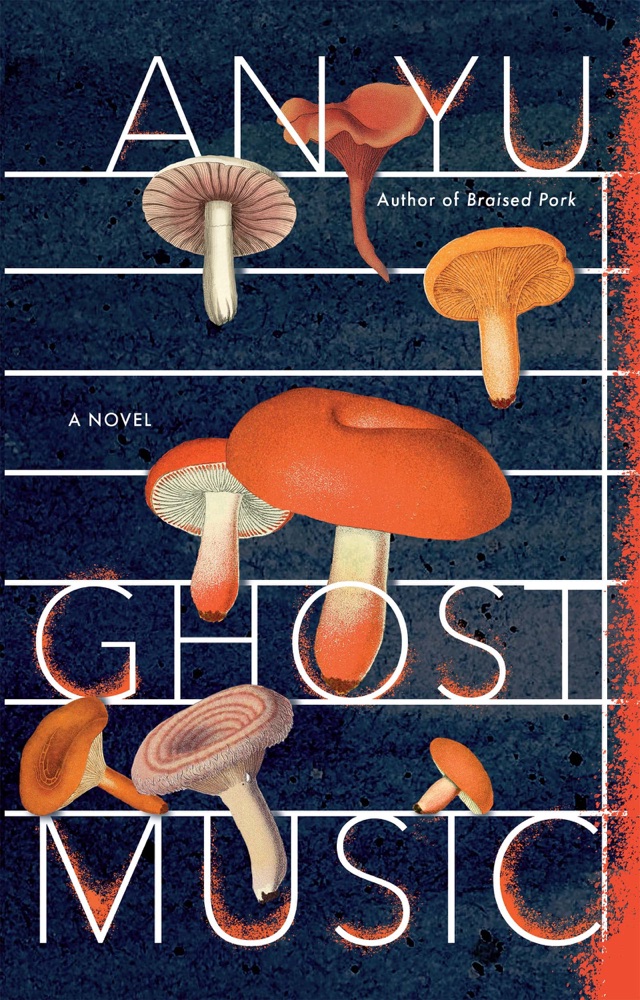 Ghost Music
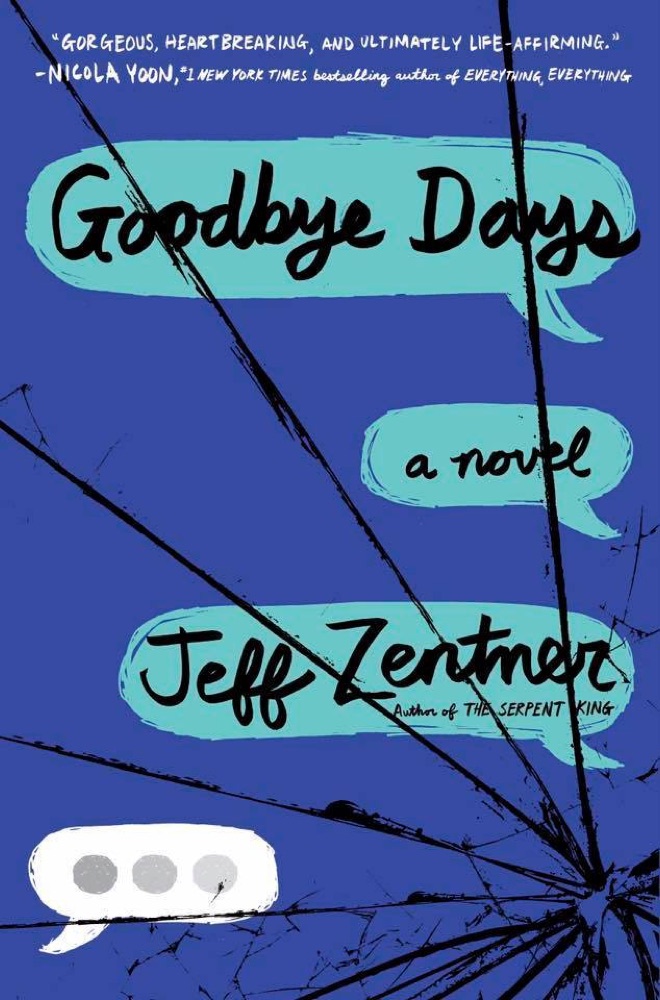 Goodbye Days
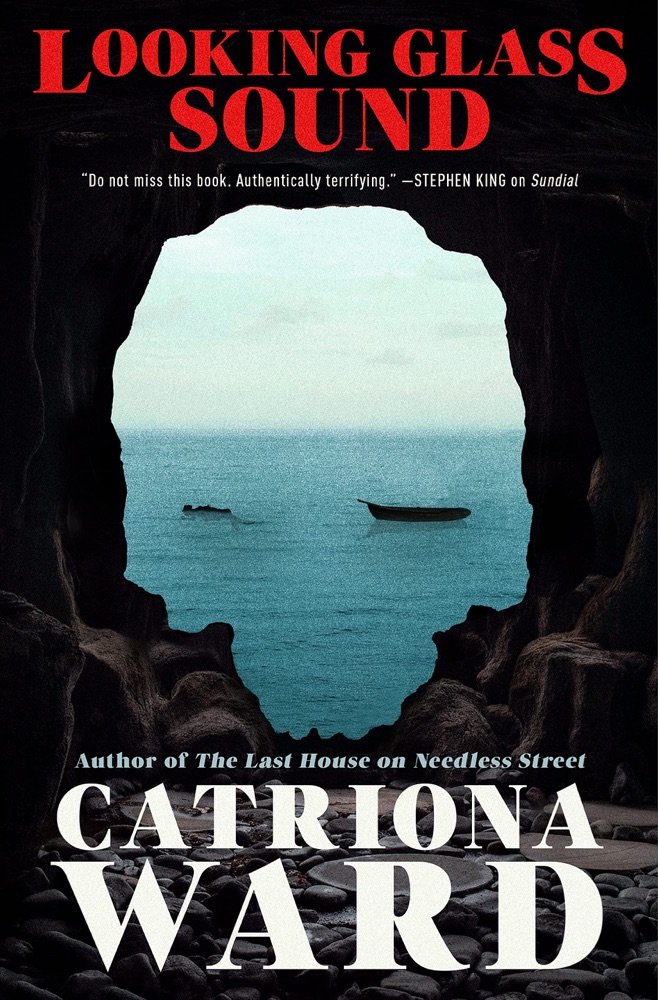 Looking Glass Sound
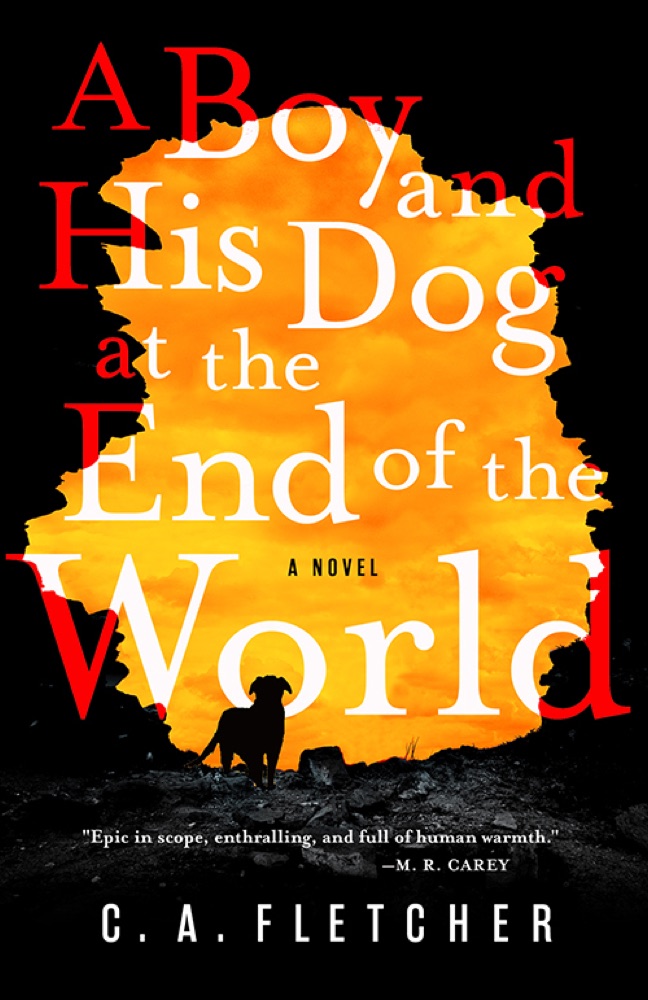 A Boy and His Dog at the End of the World
 The Dream of Perpetual Motion
 This Is Where the World Ends
 The Enchanted
 A Fraction of the Whole
 Trigger Warning: Short Fictions and Disturbances
 At the Edge of the Universe
 Memory Wall
 Leaving Time
 The Dark and Hollow Places
 When Crickets Cry
 Fugitive Pieces
 The Saturday Night Ghost Club
 In the Wild Light
 Imagine Me Gone
 On Canaan's Side
 The Emperor of Gladness
 Hearts in Atlantis
 Life After Death
 There Are Rivers in the Sky
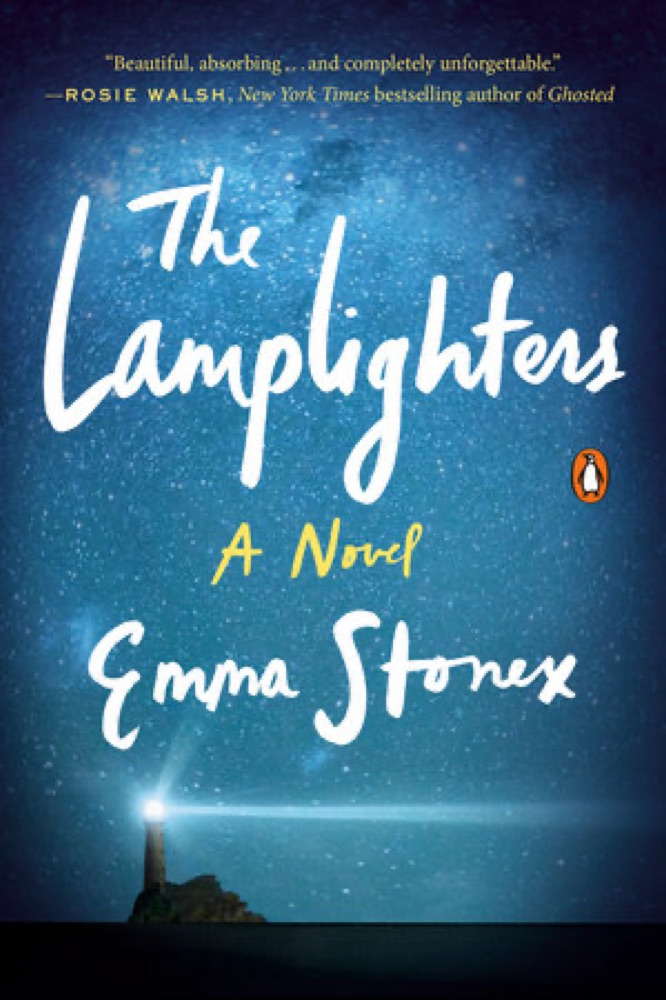 The Lamplighters
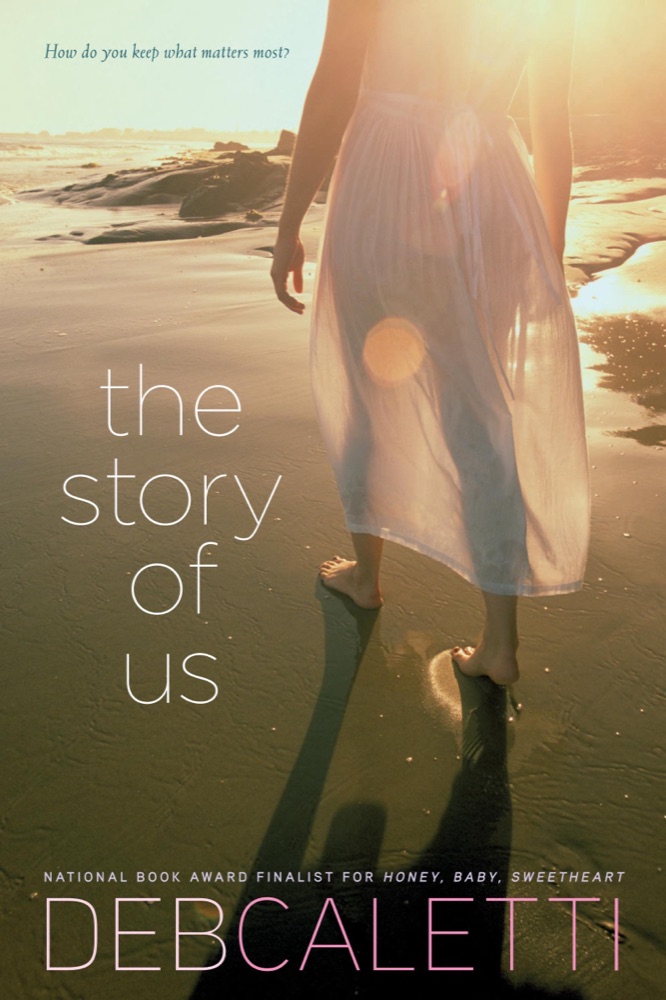 The Story of Us
 The Book of Tomorrow
 The Forest of Hands and Teeth
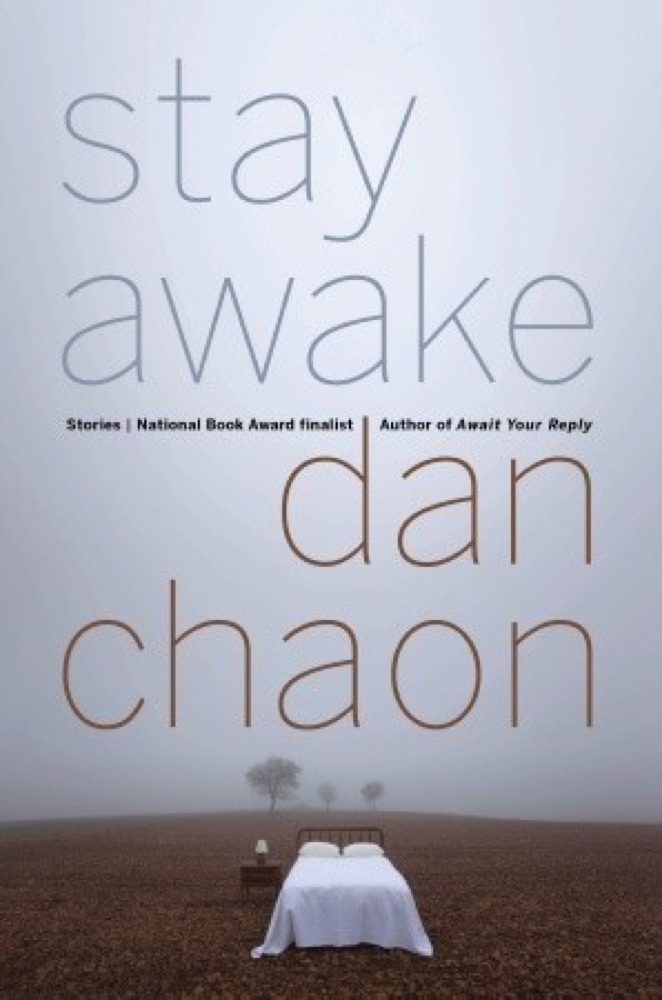 Stay Awake
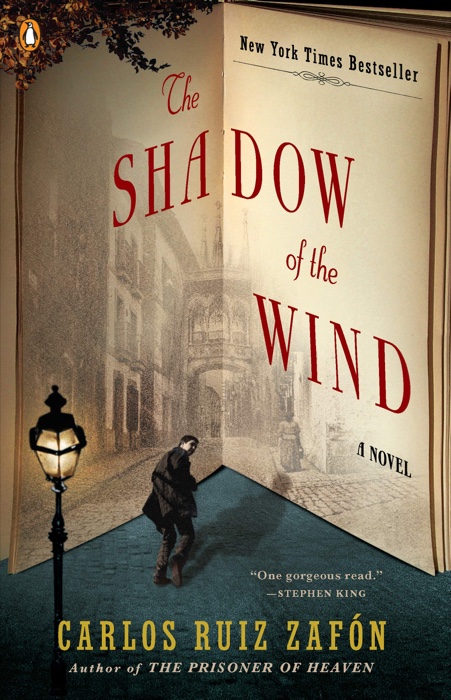 The Shadow of the Wind
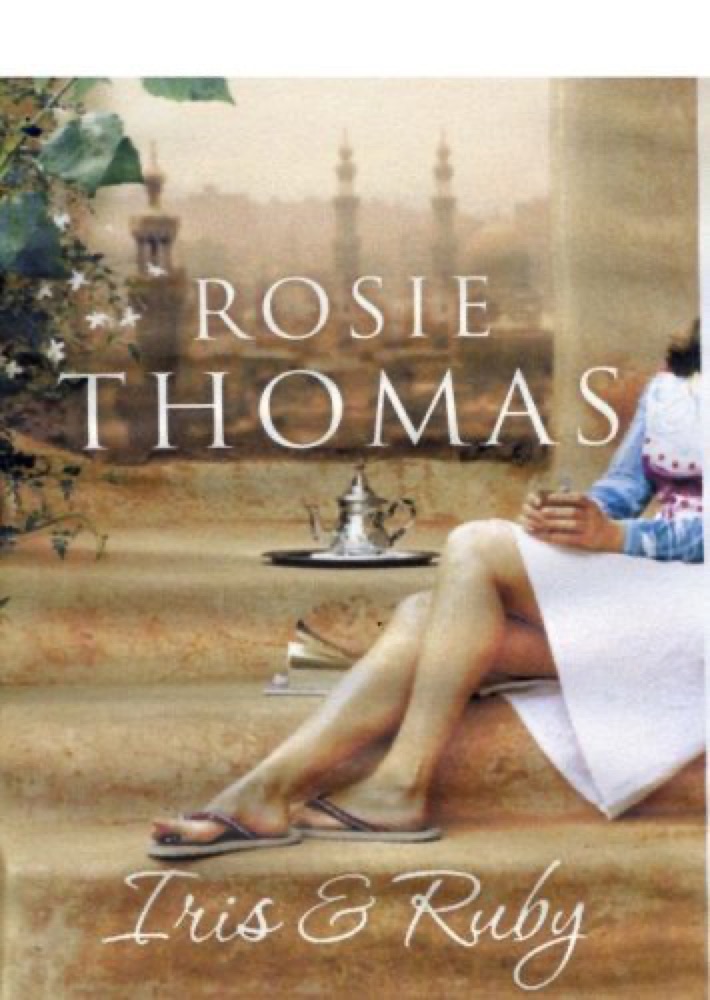 Iris & Ruby
 Invisibility
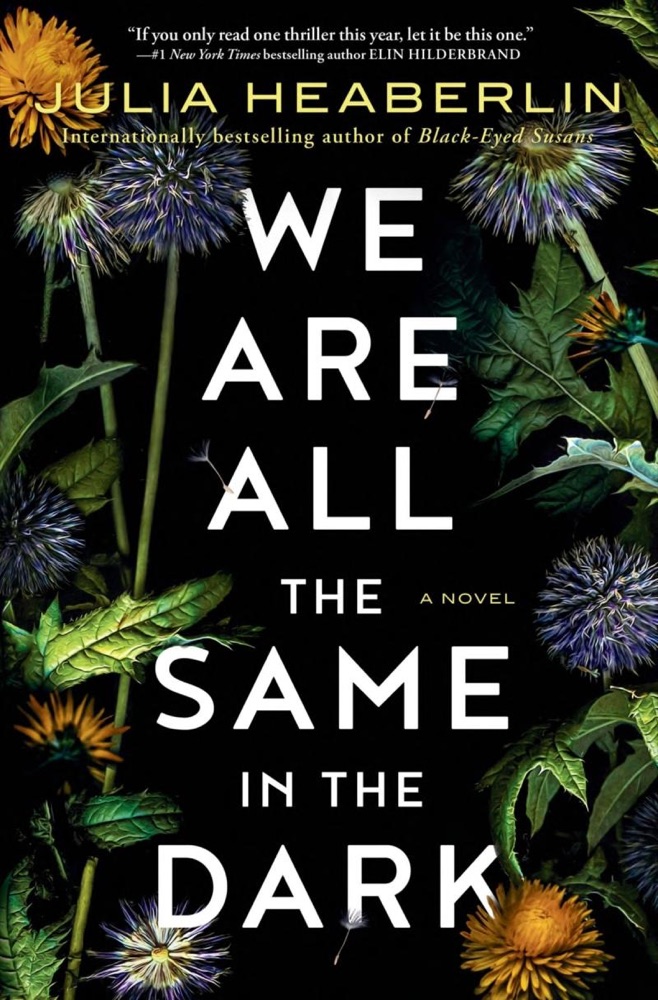 We Are All the Same in the Dark
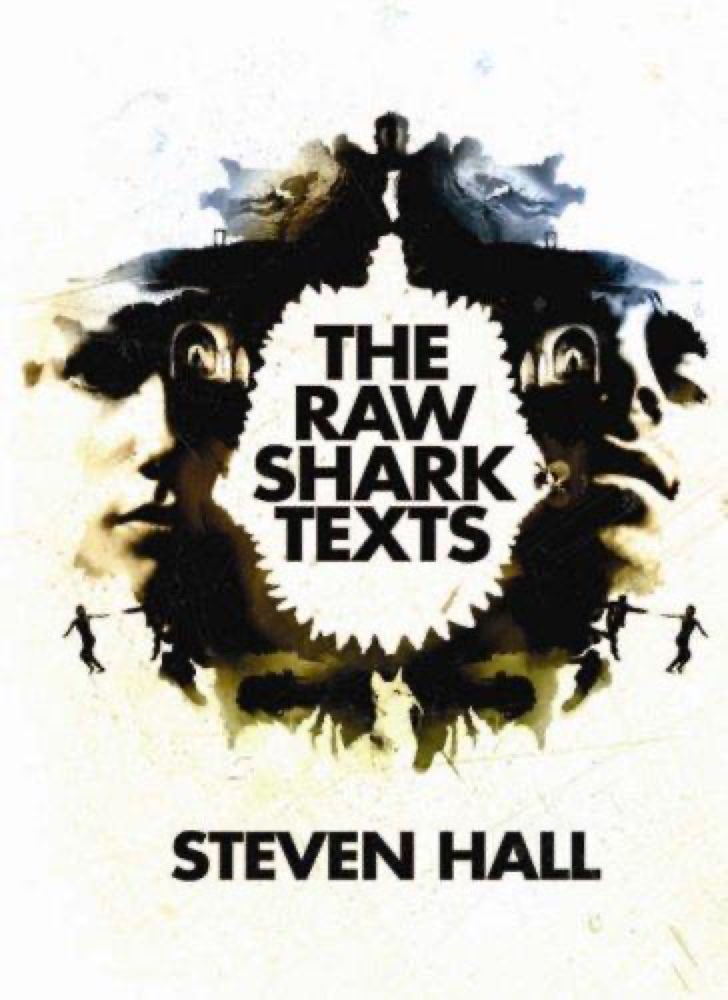 The Raw Shark Texts
 Library of Souls
 The Void
 A Tale for the Time Being
 The Keep
 An Abundance of Katherines
 You Have Seven Messages
 Different Seasons
 Oranges Are Not the Only Fruit
 Dream Count
 The Last House on Needless Street
 The Glass Hotel
 The Island of Missing Trees
 When the World Tips Over
 No One Writes Back
 The Dead-Tossed Waves
 Our Chemical Hearts
 What I Loved
 How High We Go in the Dark