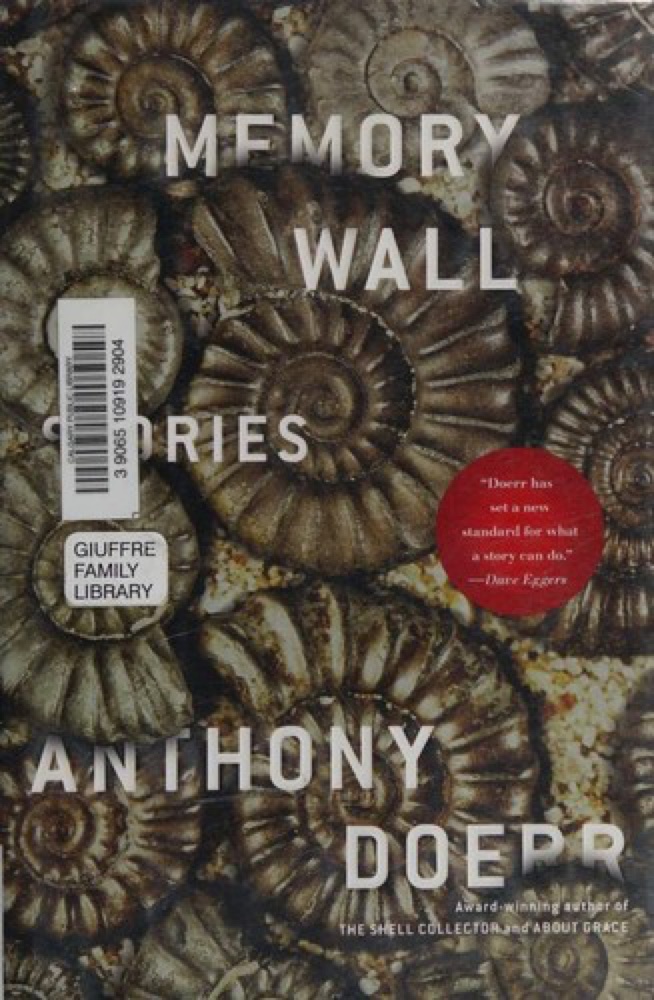

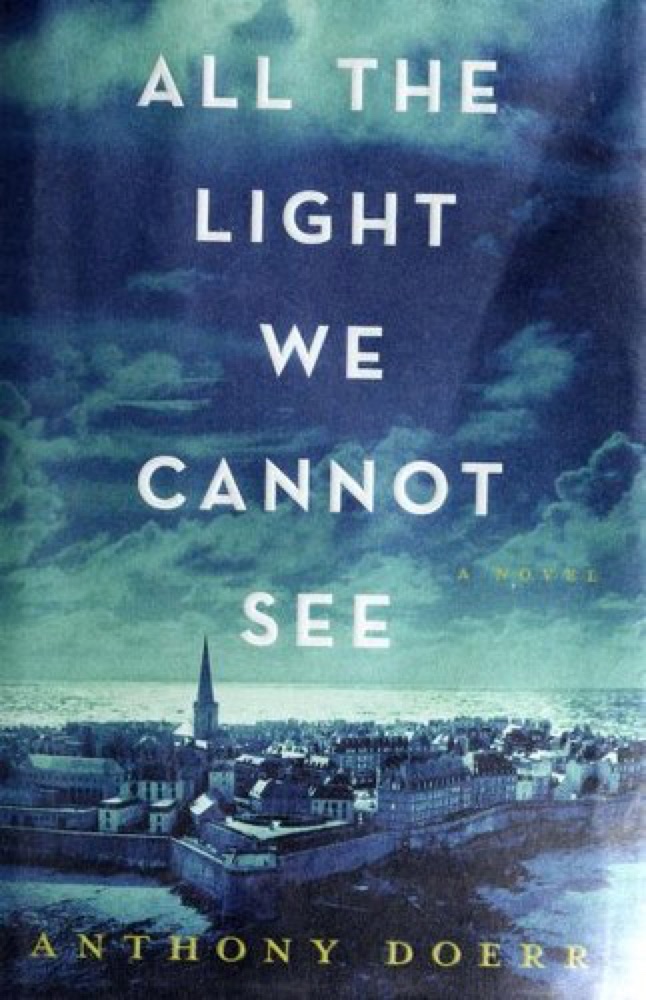
 All the Light We Cannot See
Quotes from the Book
To say a person is a happy person or an unhappy person is ridiculous. We are a thousand different kinds of people every hour.
Every hour, Robert thinks, all over the globe, an infinite number of memories disappear, whole glowing atlases dragged into graves. But during that same hour children are moving about, surveying territory that seems to them entirely new. They push back the darkness; they scatter memories behind them like bread crumbs. The world is remade.
Don't tell me how to grieve. Don't tell me ghosts fade away eventually, like they do in movies, waving goodbye with see-through hands. Lots of things fade away but ghosts like these don't, heartbreak like these doesn't.
Draw the darkness ... and it will point out the light which has been in the paper all the while. Inside this world is folded another." from "Afterworld.
Why, Esther wonders, do any of us believe our lives lead outward through time? How do we know we aren't continually traveling inward, toward our centers? Because this is how it feels to Esther when she sits on her deck in Geneva, Ohio, in the last spring of her life; it feels as if she is being drawn down some path that leads deeper inside, toward a miniature, shrouded, final kingdom that has waited within her all along.
I used to think...that I had to be careful with how much I lived. As if life was a pocketful of coins. You only got so much and you didn't want to spend it all in one place...But now I know that life is the one thing in the world that never runs out. I might run out of mine, and you might run out of yours, but the world will never run out of life. And we're all very lucky to be part of something like that.
The urge to know scrapes against the inability to know.
Memory is a house with ten thousand rooms; it is a village slated to be inundated." from "Village 113
Memory builds itself without any clean or objective logic: a dot here, another dot here, and plenty of dark spaces in between. What we know is always evolving, always subdividing. Remember a memory often enough and you can create a new memory, the memory of remembering.
We return to the places we're from; we trample faded corners and pencil in new lines. 'You've grown up so fast,' Robert's mother tells him at breakfast, at dinner. 'Look at you." But she's wrong, thinks Robert. You bury your childhood here and there. It waits for you, all your life, to come back and dig it up.
It is the rarest thing...that gets preserved, that does not get erased, broken down, transformed.
First we die, the woman says. "Then our bodies are buried. So we die two deaths." "Then in another world, folded inside the living world, we wait. We wait until everyone who knew us when we were children has died. And then the last of them dies, we finally die our third death.
Don’t tell me how to grieve. Don’t tell me ghosts fade away eventually, like they do in movies, waving goodbye with see-through hands. Lots of things fade away but ghosts like these don’t, heartbreak like this doesn’t. The axe blade is still as sharp and real inside me as it was six months ago. I
This is not real suffering, she tells herself. this is only a matter of reprogramming her picture of the future. Of understanding that the line of descendancy is not continuous but arbitrary.
Twenty thousand days and nights in one place, each layered and trapped and folded on top of the last, the creases in her hands, the aches between her vertebrae. Embryo, seed coat, endosperm: What is a seed if not the purest kind of memory, a link to every generation that has gone before it?
Maybe...a person can experience an illness as a kind of health. Maybe not every disease is a deficit, a taking away. Maybe what's happening to her is an opening, a window, a migration.
I think about how Grandpa Z says the sky is blue because it's dusty and octopuses can unscrew the tops off jars and starfish have eyes at the tips of their arms. I think: No matter what happens, no matter how wretched and gloomy everything can get, at least Mrs. Sabo got to feel this.
We return to the places we're from; we trample faded corners and pencil in new lines.
Imogene has twenty-two birdfeeders, some pole-mounted, some suspended from eaves, platform feeders and globe feeders, coffee can feeders and feeders that look like little Swiss chalets, and every evening, when she comes home from work, she drags a stepladder from one to the next, toting a bucket of mixed seeds, keeping them full. In
What is a seed if not the purest kind of memory, a link to every generation that has gone before it?
Where do memories go once we’ve lost our ability to summon them? It
Memory is a house with ten thousand rooms; it is a village slated to be inundated.
Watch on YouTube
About Anthony Doerr
We have collected 109 quotes from 4 books by Anthony Doerr on BookQuoters.
More about the author →More by Anthony Doerr
Book details
- Author
- Anthony Doerr
- Genre
- Fiction
- Goodreads rating
- 4.08 (10k ratings) →
Keep reading
 Aquarium
 The Hidden Girl and Other Stories
 The Chimes
 The Memory Police
 The Shock of the Fall
 Speak, Memory
 Lost Children Archive
 Time Shelter
 Kafka on the Shore
 Recursion
 The Gap of Time
 Cloud Cuckoo Land
 Iris & Ruby
 The Many Daughters of Afong Moy
 Blue Nights
 Housekeeping
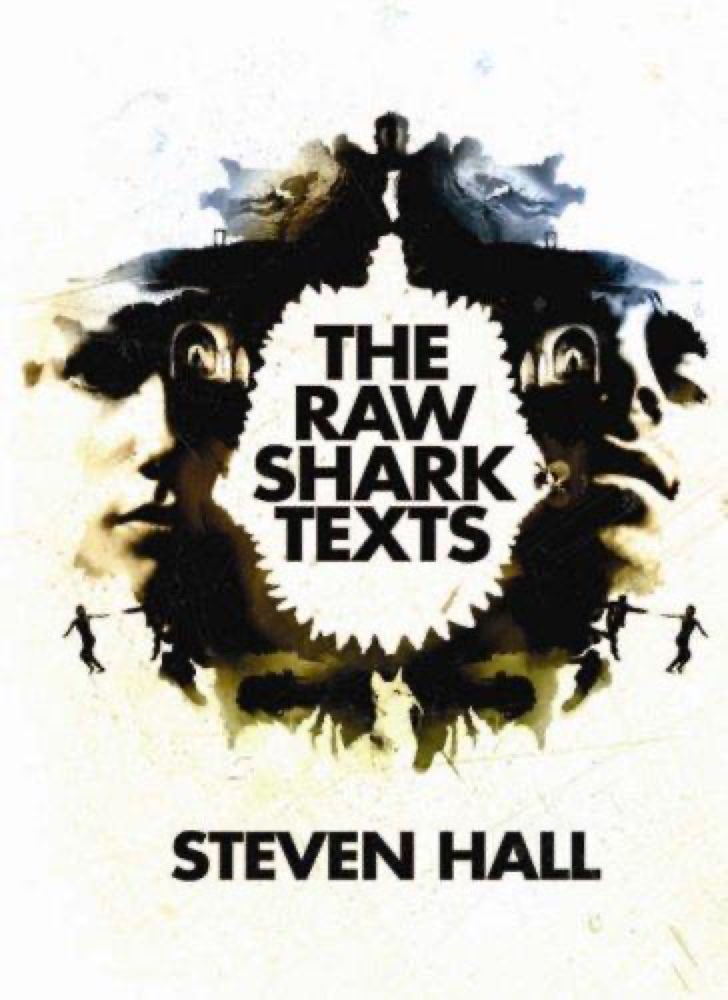 The Raw Shark Texts
 The White Book
 M Train
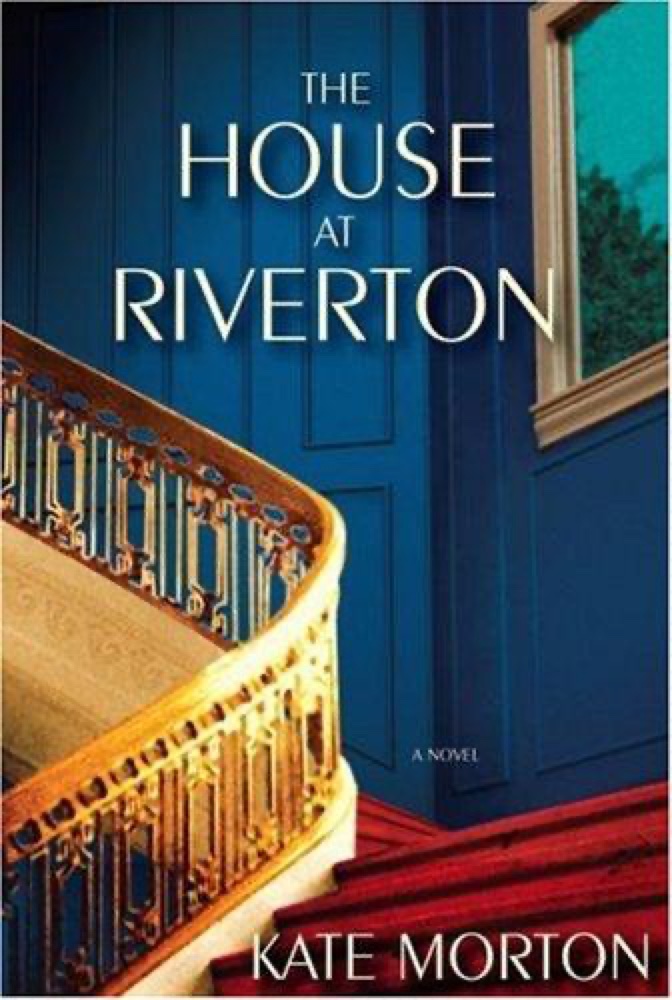 The House at Riverton
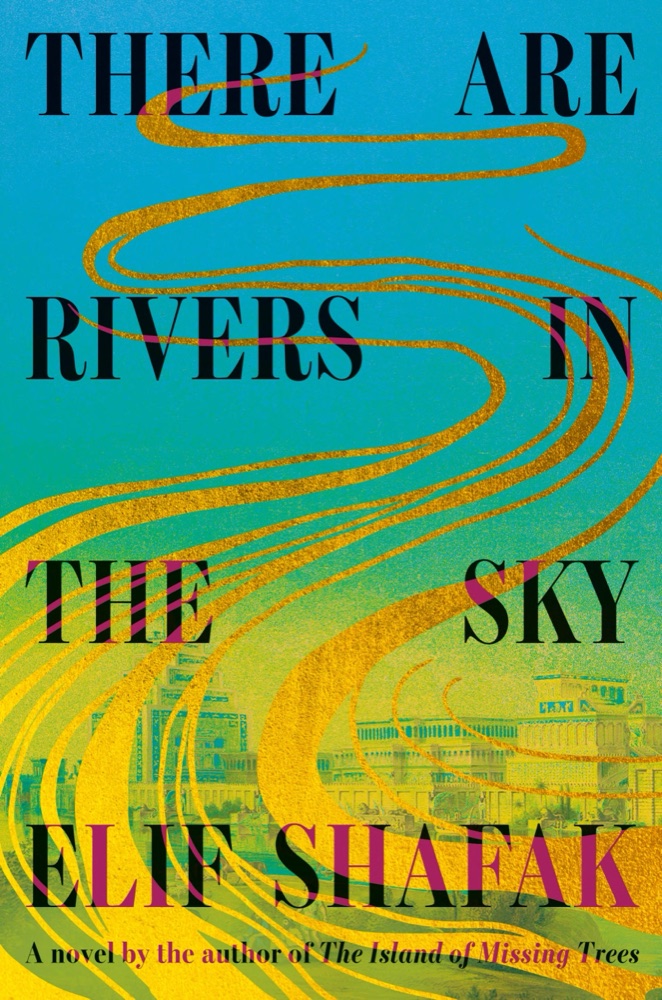 There Are Rivers in the Sky
 Dearly
 The Paper Menagerie and Other Stories
 Everything Under
 What It Is
 Thistlefoot
 Fugitive Pieces
 Penpal
 The Book of Lost Hours
 number9dream
 Flights
 After Dark
 Moon Tiger
 Christmas Days: 12 Stories and 12 Feasts for 12 Days
 Middlesex
 A Tale for the Time Being
 Divisadero
 Stay Awake
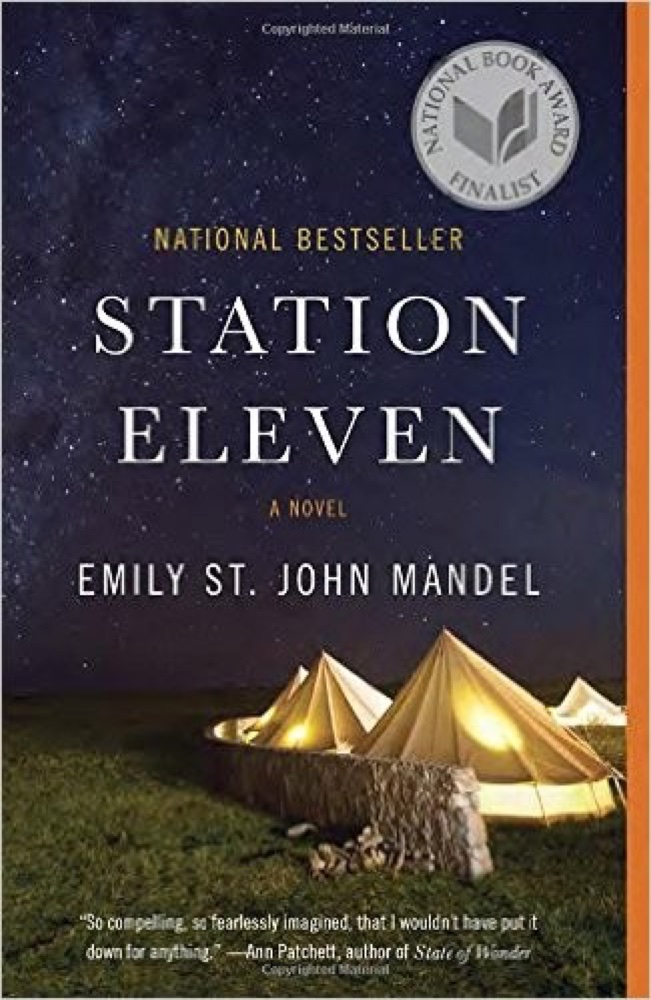 Station Eleven
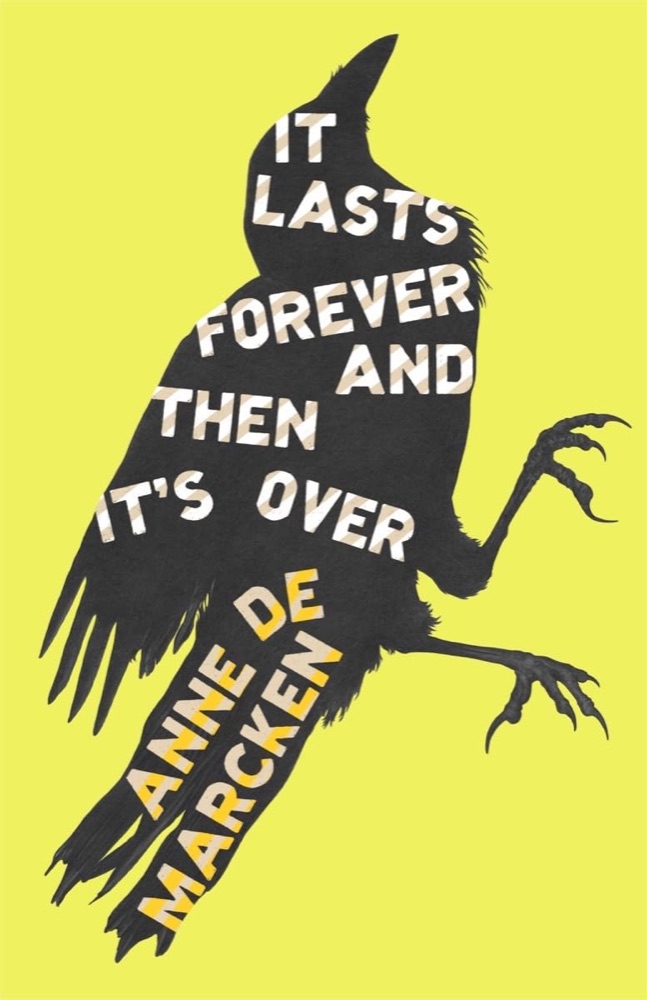 It Lasts Forever and Then It's Over
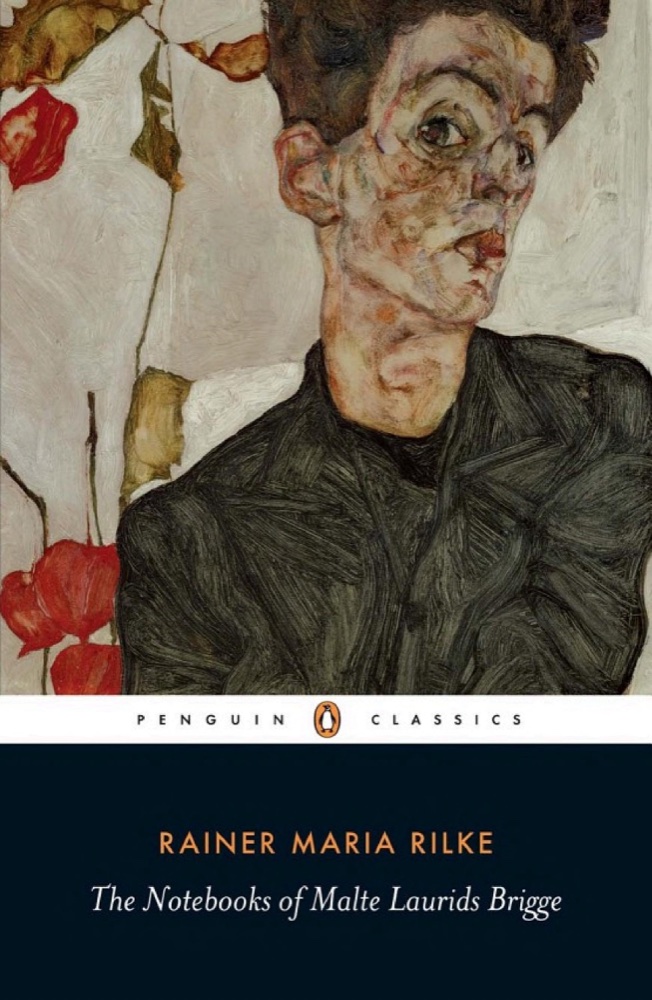 The Notebooks of Malte Laurids Brigge
 The Names
 The Island of Missing Trees
 The Stone Gods
 Out of Oz
 The Dream of Perpetual Motion
 Burnt Sugar
 Underworld
 Warlight
 The Invisible Life of Addie LaRue
 The Postcard
All the Light We Cannot See
The Postcard
All the Light We Cannot See
 The Dead-Tossed Waves
 The Tent
 Hourglass: Time, Memory, Marriage
 The Covenant of Water
 Life on Mars: Poems
 Brief Lives
 How to Stop Time
 The Emperor of Gladness