
 Sid Meier's Memoir!: A Life in Computer Games
Quotes from the Book
A game is an opportunity to focus our energy, with relentless optimism, at something we’re good at (or getting better at) and enjoy. In other words, gameplay is the direct emotional opposite of depression.
73
When you strip away the genre differences and the technological complexities, all games share four defining traits: a goal, rules, a feedback system, and voluntary participation.
26
The opposite of play isn’t work. It’s depression.
19
It's a bit counter-intuitive to think about the future in terms of the past. But...I've learned an important trick: to develop foresight, you need to practice hindsight. Technologies, cultures, and climates may change, but our basic human needs and desires - to survive, to care for our families, and to lead happy, purposeful lives - remain the same.
12
If you are a gamer, it’s time to get over any regret you might feel about spending so much time playing games. You have not been wasting your time. You have been building up a wealth of virtual experience that, as the first half of this book will show you, can teach you about your true self: what your core strengths are, what really motivates you, and what make you happiest.
11
Games make us happy because they are hard work that we choose for ourselves, and it turns out that almost nothing makes us happier than good, hard work.
8
What if we started to live our real lives like gamers, lead our real businesses and communities like game designers, and think about solving real-world problems like computer and video game theorists?
8
Playing a game is the voluntary attempt to overcome unnecessary obstacles.
7
We mistakenly think that by putting ourselves first, we’ll finally get what we want. In fact, true happiness comes not from thinking more of ourselves, but rather from thinking less of ourselves—from seeing the truly small role we play in something much bigger, much more important than our individual needs.
7
During this kind of highly structured, self-motivated hard work, Csikszentmihalyi wrote, we regularly achieve the greatest form of happiness available to human beings: intense, optimistic engagement with the world around us. We feel fully alive, full of potential and purpose--in other words, we are completely activated as human beings.
7
Fun from games arises out of mastery. It arises out of comprehension.... With games, learning is the drug.
6
The research proves what gamers already know: within the limits of our own endurance, we would rather work hard than be entertained. Perhaps that’s why gamers spend less time watching television than anyone else on the planet.
5
When you are in a state of flow, you want to stay there: both quitting and winning are equally unsatisfying outcomes.
5
Game developers know better than anyone else how to inspire extreme effort and reward hard work. They know how to facilitate cooperation and collaboration at previously unimaginable scales. And they are continuously innovating new ways to motivate players to stick with harder challenges, for longer, and in much bigger groups. These crucial twenty-first-century skills can help all of us find new ways to make a deep and lasting impact on the world around us.
5
People who know how to make games need to start focusing on the task of making real life better for as many people as possible.
4
Whether it’s money, grades, promotions, popularity, attention, or just plain material things we want, scientists agree: seeking out external rewards is a sure path to sabotaging our own happiness.
4
Games are providing rewards that reality is not.
4
Gamers don’t want to game the system. Gamers want to play the game. They want to explore and learn and improve. They’re volunteering for unnecessary hard work—and they genuinely care about the outcome of their effort.
3
An optimistic sense of our own capabilities and an invigorating rush of activity.
3
It’s a truism in the game industry that a well-designed game should be playable immediately, with no instruction whatsoever.
3
Traditionally, we have needed instructions in order to play a game. But now we’re often invited to learn as we go.
3
The researchers worked with more than three thousand young gamers in total, and in all three studies they reached the same conclusion: young people who spend more time playing games in which they’re required to help each other are significantly more likely to help friends, family, neighbors, and even strangers in their real lives.
2
Positive psychologists call this process “hedonic adaptation,” and it’s one of the biggest hindrances to long-term life satisfaction.16 The more we consume, acquire, and elevate our status, the harder it is to stay happy. Whether it’s money, grades, promotions, popularity, attention, or just plain material things we want, scientists agree: seeking out external rewards is a sure path to sabotaging our own happiness.
1
Games don't distract us from our real lives. They fill our real lives: with positive emotions, positive activity, positive experiences, and positive strengths. Games aren't leading us to the downfall of human civilization. They're leading us to its reinvention.
1
For the starving and suffering Lydians, games were a way to raise real quality of life. This was their primary function: to provide real positive emotions, real positive experiences, and real social connections during a difficult time. This is still the primary function of games for us today. They serve to make our real lives better. And they serve this purpose beautifully, better than any other tool we have. No one is immune to boredom or anxiety, loneliness or depression. Games solve these problems, quickly, cheaply, and dramatically. Life is hard, and games make it better.
1
Player investment design lead' is a role that every single collaborative project or crowd initiative should fill in the future. When the game is intrinsically rewarding to play, you don't have to pay people to participate - with real currency, virtual currency, or any other kind of scarce reward. Participation is its own reward, when the player is properly invested in his or her progress, in exploring the world fully, and in the community's success.
1
Fix #3: More Satisfying Work: Compared with games, reality is unproductive. Games give us clearer missions and more satisfying, hands-on work. Satisfying work always starts with two things: a clear goal and actionable next steps toward achieving that goal.
1
A crowd carries the social authority to redefine norms.
1
We have to make our own happiness—by working hard at activities that provide their own reward.
1
Or, worse, our real-world work isn’t hard enough. We’re bored out of our minds. We feel completely underutilized. We feel unappreciated. We are wasting our lives.
1
Watch on YouTube
About Jane McGonigal
We have collected 30 quotes from 1 book by Jane McGonigal on BookQuoters.
More about the author →About the book
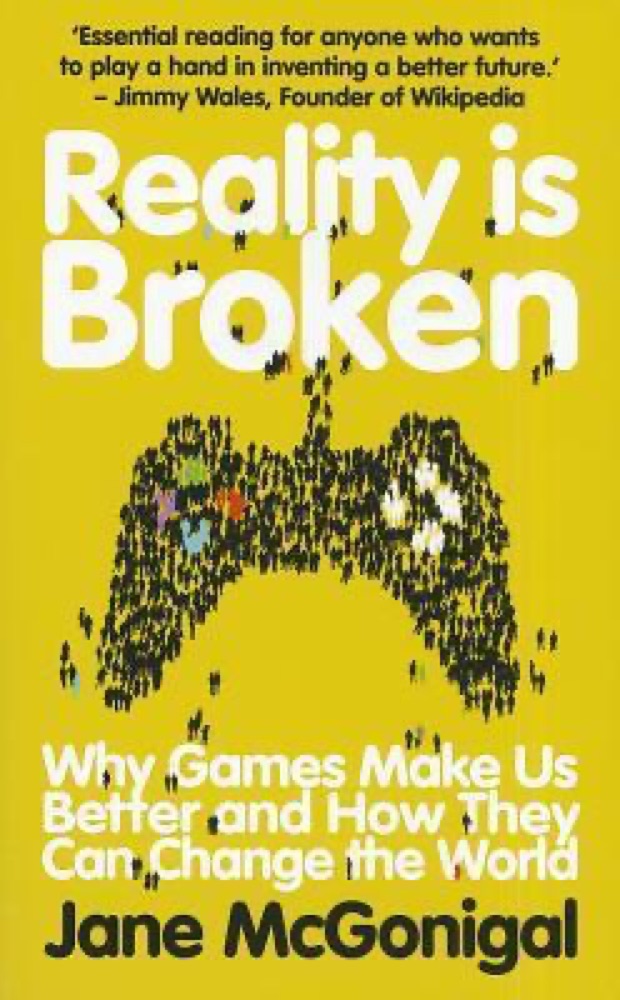
More than 31 million people in the UK are gamers. The average young person in the UK will spend 10,000 hours gaming by the age of twenty-one. What's causing this mass exodus? According to world-renowned game designer Jane McGonigal the answer is simple: videogames are fulfilling genuine human needs. Drawing on positive psychology, cognitive science and sociology, Reality is Broken shows how game designers have hit on core truths about what makes us happy, and utilized these discoveries to astonishing effect in virtual environments. But why, McGonigal asks, should we use the power of games for escapist entertainment alone? In this groundbreaking exploration of the power and future of gaming, she reveals how gamers have become expert problem solvers and collaborators, and shows how we can use the lessons of game design to socially positive ends, be it in our own lives, our communities or o
Book details
- First published
- 2010
- Author
- Jane McGonigal
- Genre
- Nonfiction
- Goodreads rating
- 3.79 (8k ratings)
Keep reading
Sid Meier's Memoir!: A Life in Computer Games
 Drive: The Surprising Truth About What Motivates Us
 The Game
 The Status Game: On Human Life and How to Play It
 Flow: The Psychology of Optimal Experience
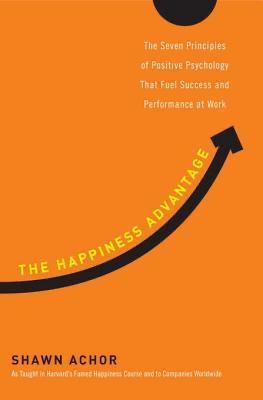 The Happiness Advantage: The Seven Principles of Positive Psychology That Fuel Success and Performance at Work
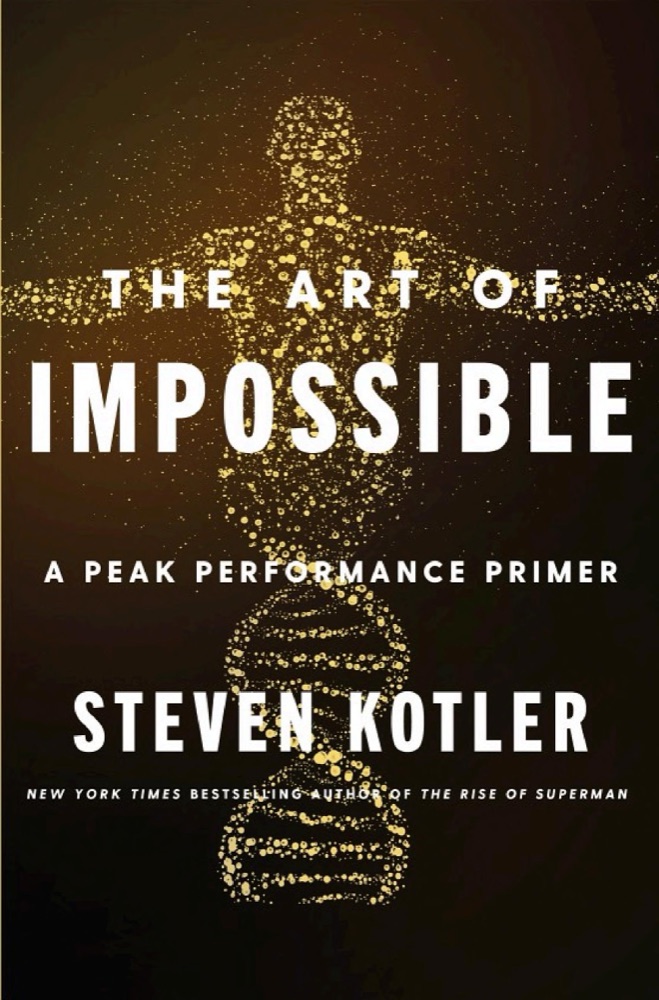 The Art of Impossible: A Peak Performance Primer
 Extra Lives: Why Video Games Matter
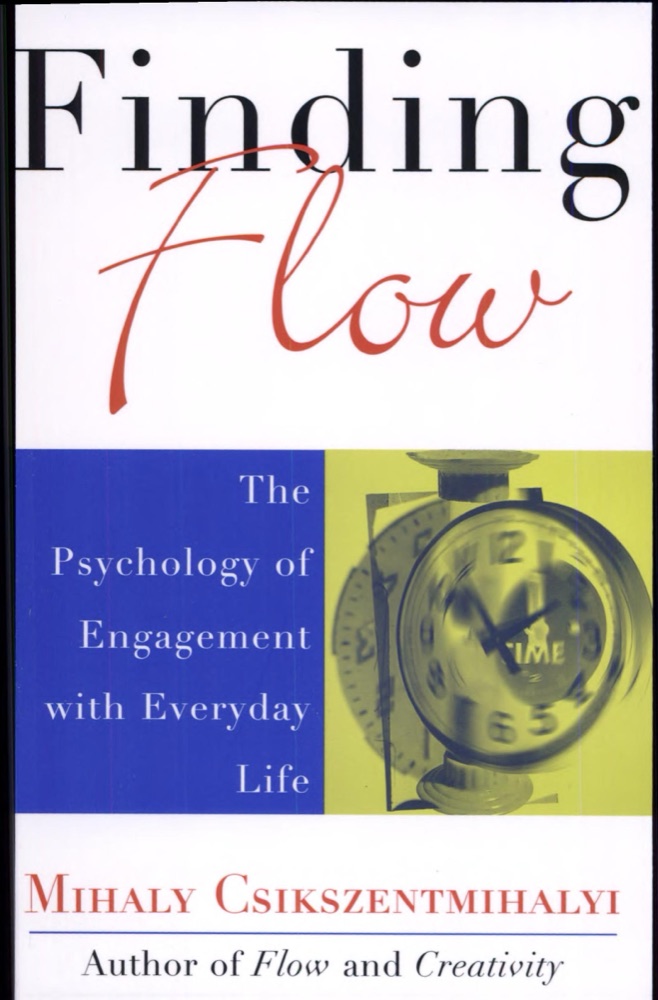 Finding Flow: The Psychology of Engagement with Everyday Life
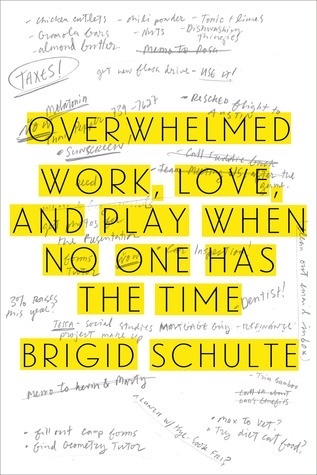 Overwhelmed: Work, Love, and Play When No One Has the Time
 Social: Why Our Brains Are Wired to Connect
 Barking Up the Wrong Tree: The Surprising Science Behind Why Everything You Know About Success Is (Mostly) Wrong
 The Rise of Superman: Decoding the Science of Ultimate Human Performance
 Smarter Faster Better: The Secrets of Being Productive in Life and Business
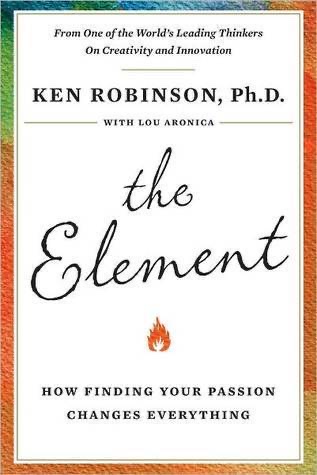 The Element: How Finding Your Passion Changes Everything
 Delivering Happiness: A Path to Profits, Passion, and Purpose
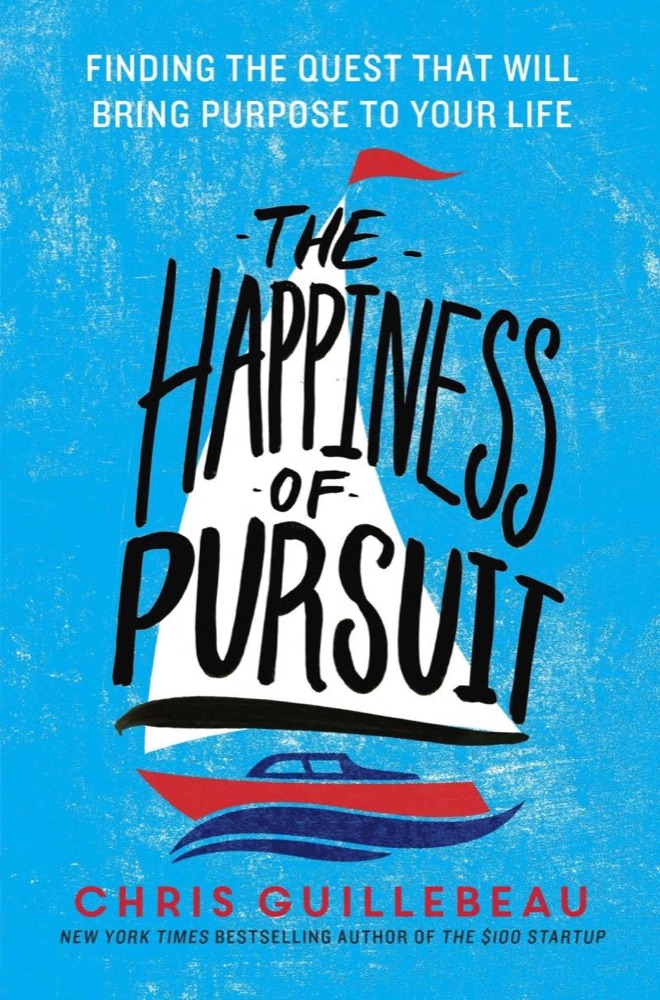 The Happiness of Pursuit: Finding the Quest That Will Bring Purpose to Your Life
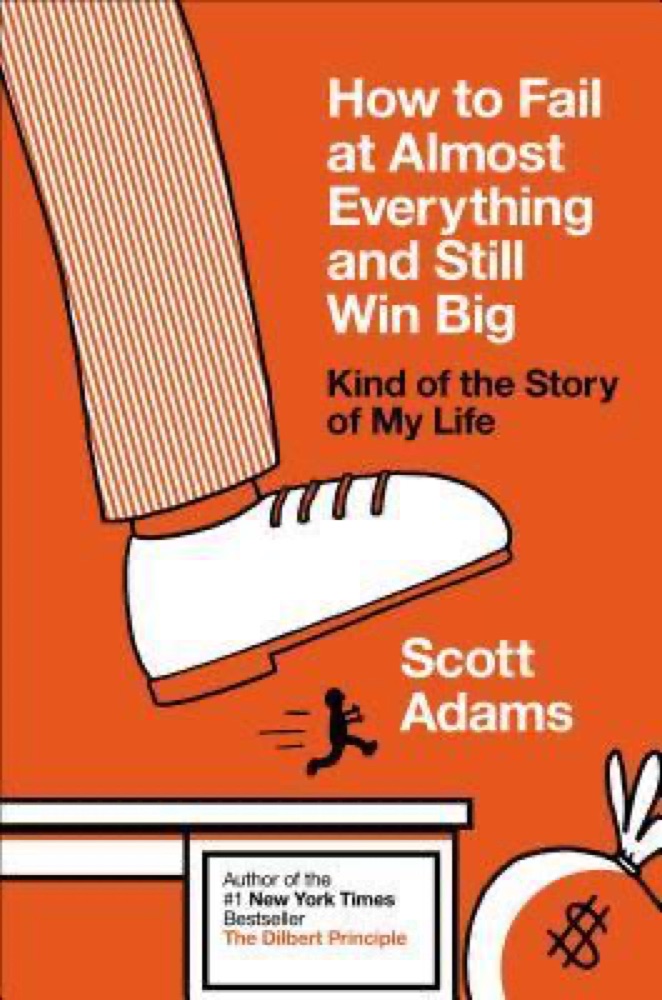 How to Fail at Almost Everything and Still Win Big: Kind of the Story of My Life
 Predictably Irrational: The Hidden Forces That Shape Our Decisions
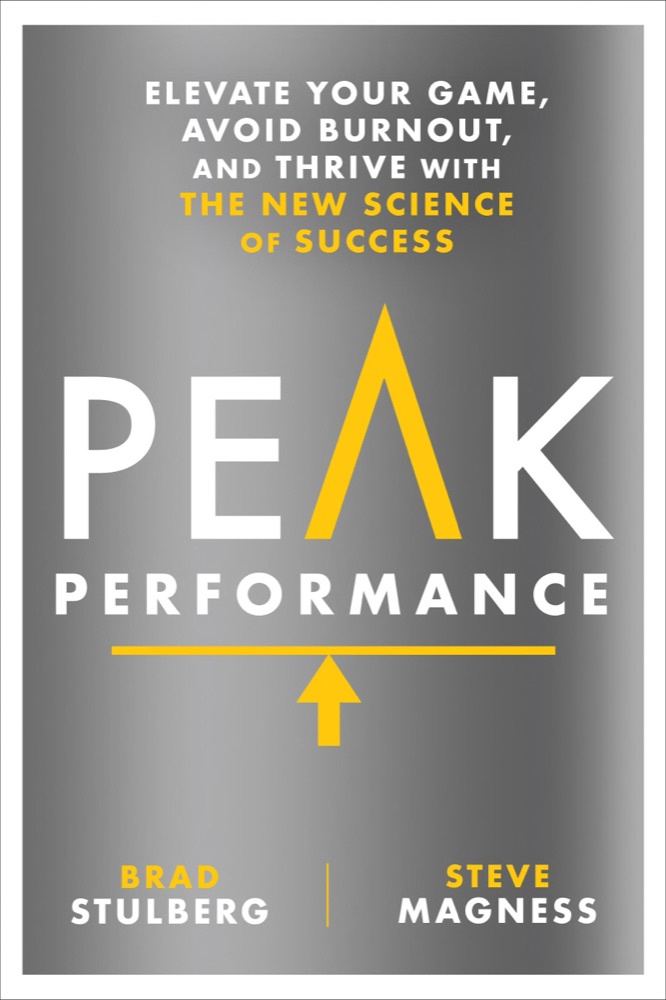 Peak Performance: Elevate Your Game, Avoid Burnout, and Thrive with the New Science of Success
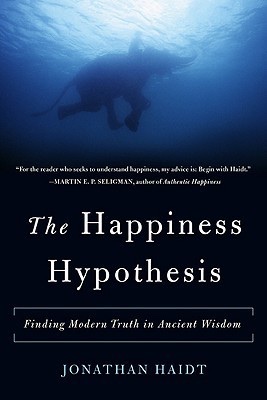 The Happiness Hypothesis: Finding Modern Truth in Ancient Wisdom
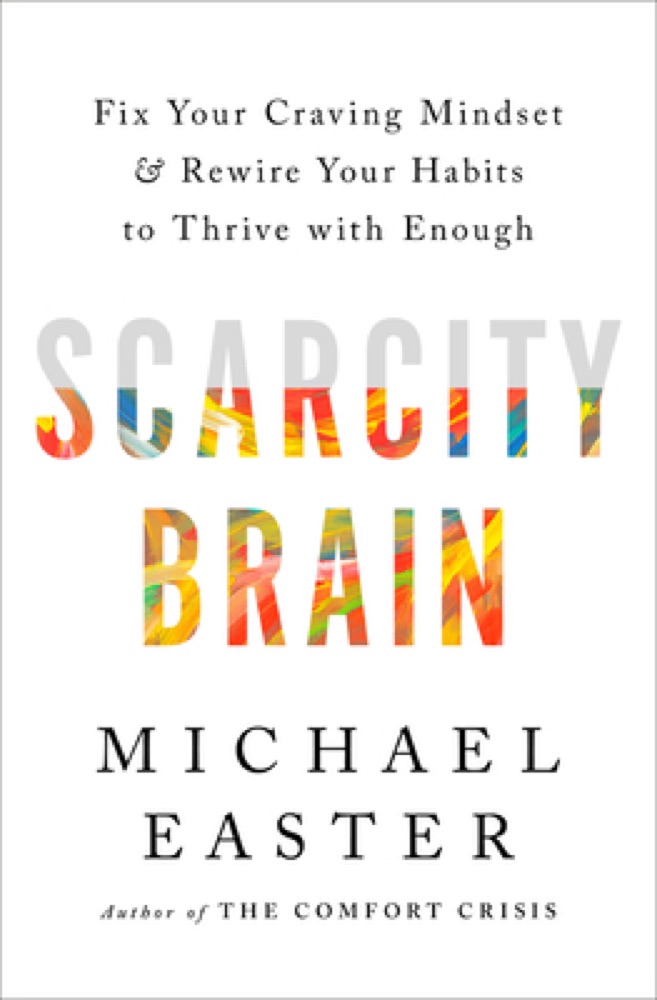 Scarcity Brain: Fix Your Craving Mindset and Rewire Your Habits to Thrive with Enough
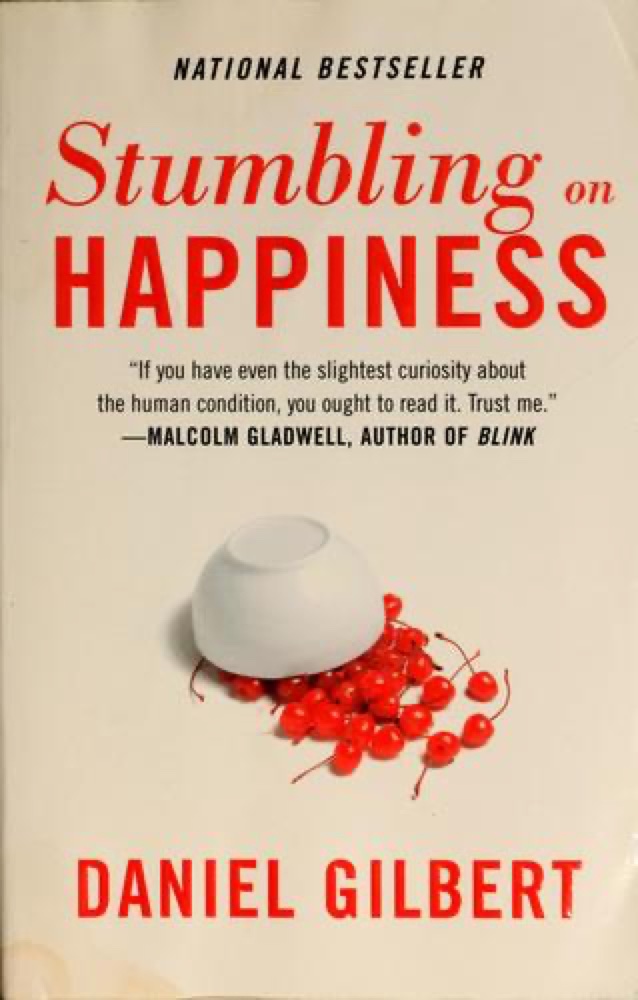 Stumbling on Happiness
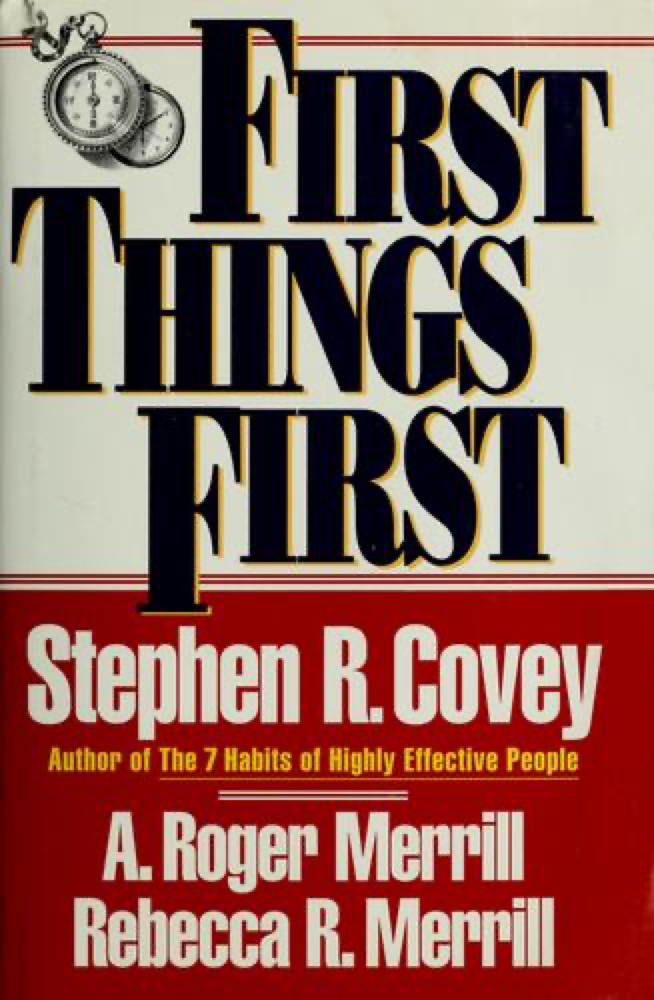 First Things First
 The Algebra of Happiness: Notes on the Pursuit of Success, Love, and Meaning
 Games People Play
 Mastery
 The Social Animal: The Hidden Sources of Love, Character, and Achievement
 The Freedom Manifesto
 Antifragile: Things That Gain from Disorder
 Atomic Habits: An Easy & Proven Way to Build Good Habits & Break Bad Ones
 The 4-Hour Workweek
 Punished by Rewards: The Trouble with Gold Stars, Incentive Plans, A's, Praise and Other Bribes
 Grit: The Power of Passion and Perseverance
 High Performance Habits: How Extraordinary People Become That Way
 Late Bloomers: The Power of Patience in a World Obsessed with Early Achievement
 The Anxious Generation: How the Great Rewiring of Childhood Caused an Epidemic of Mental Illness
 Do Epic Shit
 Hackers & Painters: Big Ideas from the Computer Age
 Outliers: The Story of Success
 The Last Lecture
 Creativity: Flow and the Psychology of Discovery and Invention
 Algorithms to Live By: The Computer Science of Human Decisions
 The Fifth Discipline: The Art & Practice of The Learning Organization
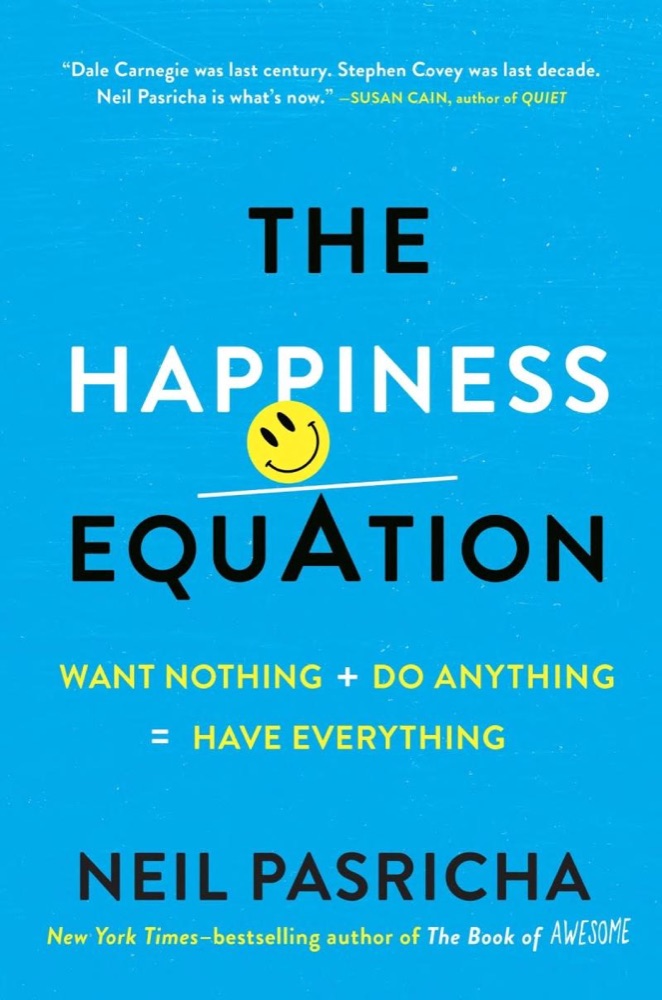 The Happiness Equation: Want Nothing + Do Anything = Have Everything
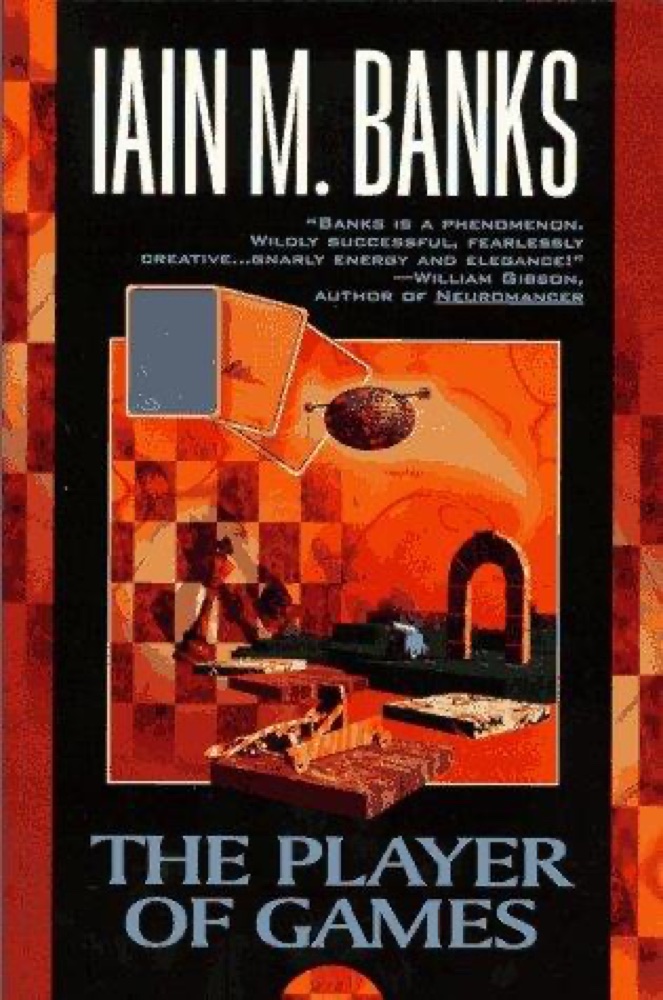 The Player of Games
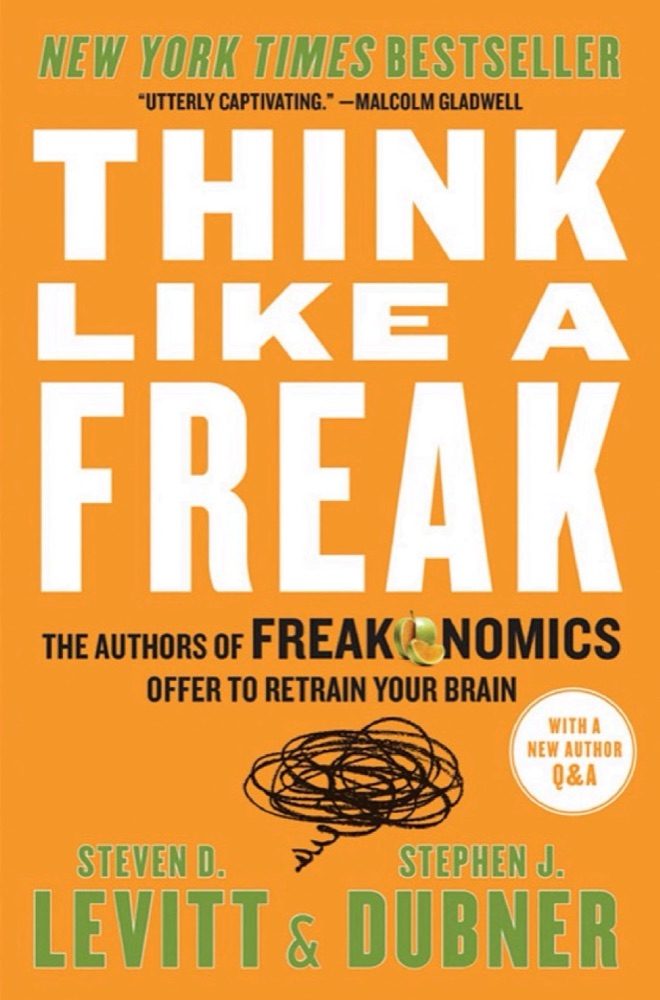 Think Like a Freak
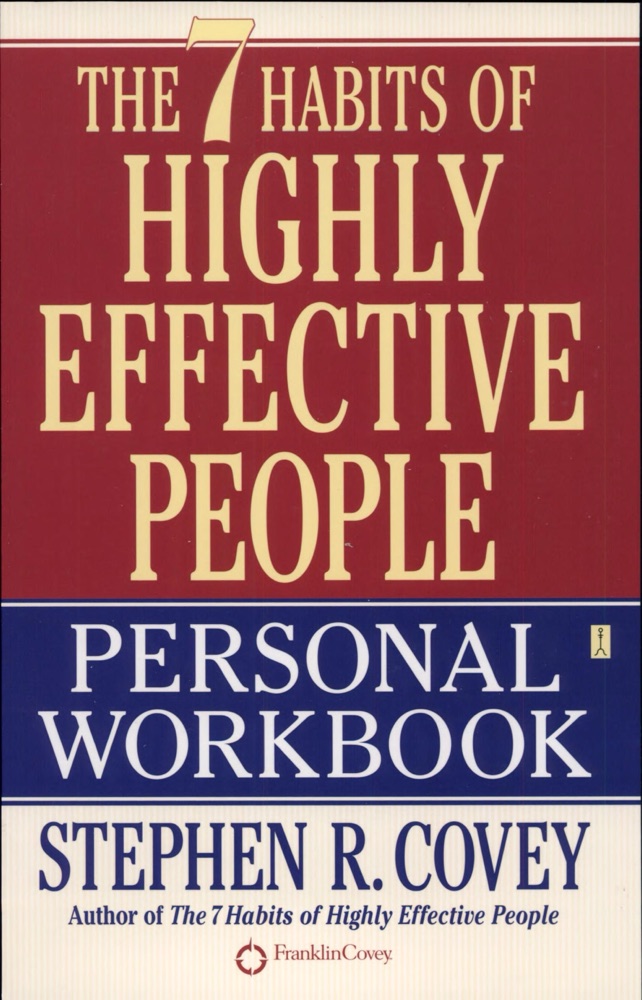 The 7 Habits of Highly Effective People: Personal Workbook
 Originals: How Non-Conformists Move the World
 Tools of Titans: The Tactics, Routines, and Habits of Billionaires, Icons, and World-Class Performers
 Mind Gym: An Athlete's Guide to Inner Excellence
 Emotional Design: Why We Love (or Hate) Everyday Things
 The 80/20 Principle: The Secret to Achieving More with Less
 Finite and Infinite Games: A Vision of Life as Play and Possibility
 Things a Little Bird Told Me: Confessions of the Creative Mind
 Homo Deus: A History of Tomorrow
 The Elephant in the Brain: Hidden Motives in Everyday Life
 The Compound Effect: Jumpstart Your Income, Your Life, Your Success
 Peak: Secrets from the New Science of Expertise