

 Sid Meier's Memoir!: A Life in Computer Games
Quotes from the Book
More than any other form of entertainment, video games tend to divide rooms into Us and Them. We are, in effect, admitting that we like to spend our time shooting monsters, and They are, not unreasonably, failing to find the value in that.
7
And so, my beloved Kermit, my dear little Hussein, at the moment America changed forever, your father was wandering an ICBM-denuded watseland, nervously monitoring his radiation level, armed only with a baseball bat, a 10mm pistol, and six rounds of ammunition, in search of a vicious gang of mohawked marauders who were 100 percent bad news and totally had to be dealth with. Trust Daddy on this one.
4
You have agency, yes, but what of it? It is just a game. But when a game does this well, you lose track of your manipulation of it, and its manipulation of you, and instead feel inserted so deeply inside the game that your mind, and your feelings, become as seemingly crucial to its operation as its many millions of lines of code. It is the sensation that the game itself is as suddenly, unknowably alive as you are.
3
I have had moderately meaningful relationships in which I invested less time than what I have spent on some BioWare games.
3
...the video-game form is incompatible with traditional concepts of narrative progression. Stories are about time passing and narrative progression. Games are about challenge, which frustrates the passing of time and impedes narrative progression. The story force wants to go forward and the "friction force" of challenge tries to hold story back. This is the conflict at the heart of the narrative game, one that game designers have thus far imperfectly addressed by making story the reward of a successfully met challenge.
3
Final Fantasy VII awoke American gaming to the possibilities of narrative dynamism and the importance of relatively developed characters—no small inspiration to take from a series whose beautifully androgynous male characters often appear to be some kind of heterosexual stress test.
3
Hocking was slender in the way that writers and musicians are sometimes slender: not out of any desire or design but rather because his days were spent being consumed rather than consuming.
3
This is one of the most suspect things about the game form: A game with an involving story and poor gameplay cannot be considered a successful game, whereas a game with superb gameplay and a laughable story can see its spine bend from the weight of many accolades—and those who praise the latter game will not be wrong.
2
Many shooters ask the gamer to use violence against pure, unambiguous evil: monsters, Nazis, corporate goons, aliens of Ottoman territorial ambition. Yet these shooters typically have nothing to say about evil and violence, other than that evil is evil and violence is violent. This was never the most promising thematic carbon to trace, and yet shooters keep doing so with as little self-questioning as a medieval monk copying out scripture.
1
Games such as Mass Effect allow the gamer a freedom of decision that can be evilly enlivening or nobly self-congratulating, but these games become uniquely compelling when they force you to the edge of some drawn, real-life line of intellectual or moral obligation that, to your mild astonishment, you find you cannot step across even in what is, essentially, a digital dollhouse for adults. Other mediums may depict the necessary (or foolhardy) breaches of such lines, or their foolhardy (or necessary) protection, but only games actually push you to the line's edge and make you live with the fictional consequences of your choice.
1
The impulse to explain is the Achilles’ heel of all genre work, and the most sophisticated artists within every genre know better than to expose their worlds to the sharp knife of intellection.
1
There are not many mediums whose Dantes and Homers one can ring up and talk to. With games, one can.
1
To let the player play the story, tell his own story, and have that story be deep and meaningful?
When I read a novel I am not only surrendering; I am allowing my mind to be occupied by a colonizer of uncertain intent
PLUMBER’S GIRLFRIEND CAPTURED BY APE! is a story, but it is a rudimentary fairytale story without any of the proper fairytale’s evocative nuances and dreads.
As incomprehensible as it may seem, I have somehow spent more than two hundred hours playing Oblivion. I know this because the game keeps a running tally of the total time one has spent with it. I can think of only one personal activity I would be less eager to see audited in this way, and it, too, is a single-player experience. It
When a game does this well, you lose track of your manipulation of it, and its manipulation of you, and instead feel inserted so deeply inside the game that your mind, and your feelings, become as seemingly crucial to its operation as its many millions of lines of code. It is the sensation that the game itself is suddenly unknowably alive as you are.
Watch on YouTube
About Tom Bissell
We have collected 17 quotes from 1 book by Tom Bissell on BookQuoters.
More about the author →About the book
Tom Bissell is a prizewinning writer who published three widely acclaimed books before the age of thirty-four. He is also an obsessive gamer who has spent untold hours in front of his various video game consoles, playing titles such as Far Cry 2, Left 4 Dead, BioShock, and Oblivion for, literally, days. If you are reading this flap copy, the same thing can probably be said of you, or of someone you know.
Until recently, Bissell was somewhat reluctant to admit to his passion for games. In this, he is not alone. Millions of adults spend hours every week playing video games, and the industry itself now reliably outearns Hollywood. But the wider culture seems to regard video games as, at best, well designed if mindless entertainment.
Extra Lives is an impassioned defense of this assailed and misunderstood art form. Bissell argues that we are in a golden age of gaming—but he also believes
Book details
- First published
- 2010
- Author
- Tom Bissell
- Genre
- Nonfiction
- Goodreads rating
- 3.52 (4k ratings)
Keep reading
Sid Meier's Memoir!: A Life in Computer Games
 You
You
 The Player of Games
 Reality is Broken: Why Games Make Us Better and How They Can Change the World
 The Game
 A Supposedly Fun Thing I'll Never Do Again: Essays and Arguments
 Wonderbook: The Illustrated Guide to Creating Imaginative Fiction
 Dæmon Voices
 Danse Macabre
 Ready Player One
 Half Asleep in Frog Pajamas
 The Pale King
 Both Flesh and Not: Essays
 Tomorrow, and Tomorrow, and Tomorrow
 Eating the Dinosaur
 Distrust That Particular Flavor
 How Not to Write a Novel: 200 Classic Mistakes and How to Avoid Them—A Misstep-by-Misstep Guide
 Sex, Drugs, and Cocoa Puffs: A Low Culture Manifesto
 Finite and Infinite Games: A Vision of Life as Play and Possibility
 Masters of Doom: How Two Guys Created an Empire and Transformed Pop Culture
 Gnomon
 Wired for Story: The Writer's Guide to Using Brain Science to Hook Readers from the Very First Sentence
 Tress of the Emerald Sea
 Story: Substance, Structure, Style, and the Principles of Screenwriting
 Burning Questions: Essays and Occasional Pieces, 2004 to 2021
 Shadowhunters and Downworlders: A Mortal Instruments Reader
 The Most Human Human: What Talking with Computers Teaches Us About What It Means to Be Alive
 A Million Miles in a Thousand Years: What I Learned While Editing My Life
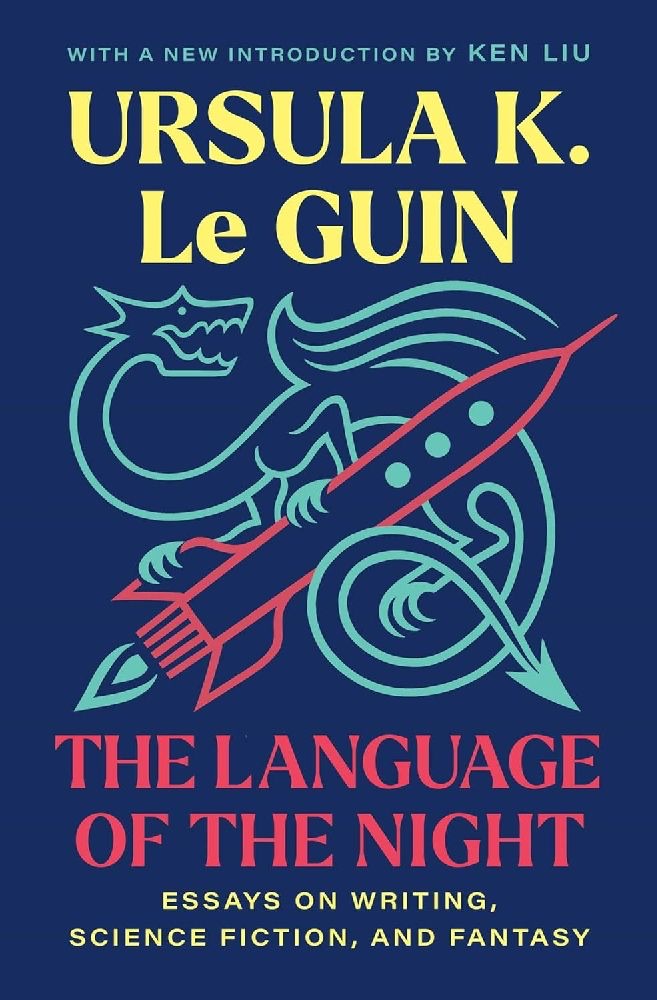 The Language of the Night: Essays on Writing, Science Fiction, and Fantasy
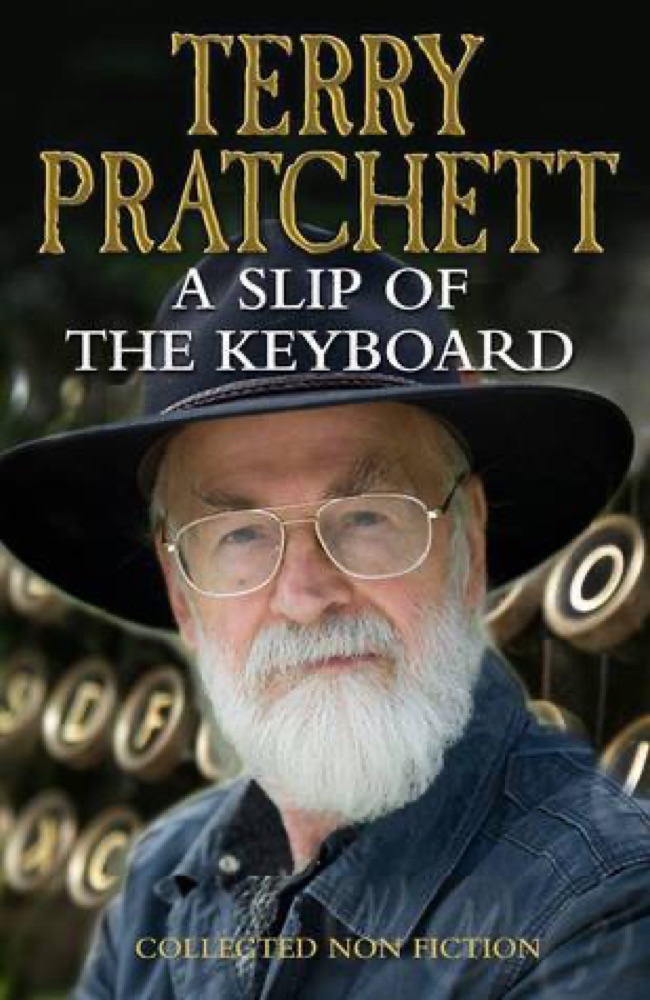 A Slip of the Keyboard: Collected Non-Fiction
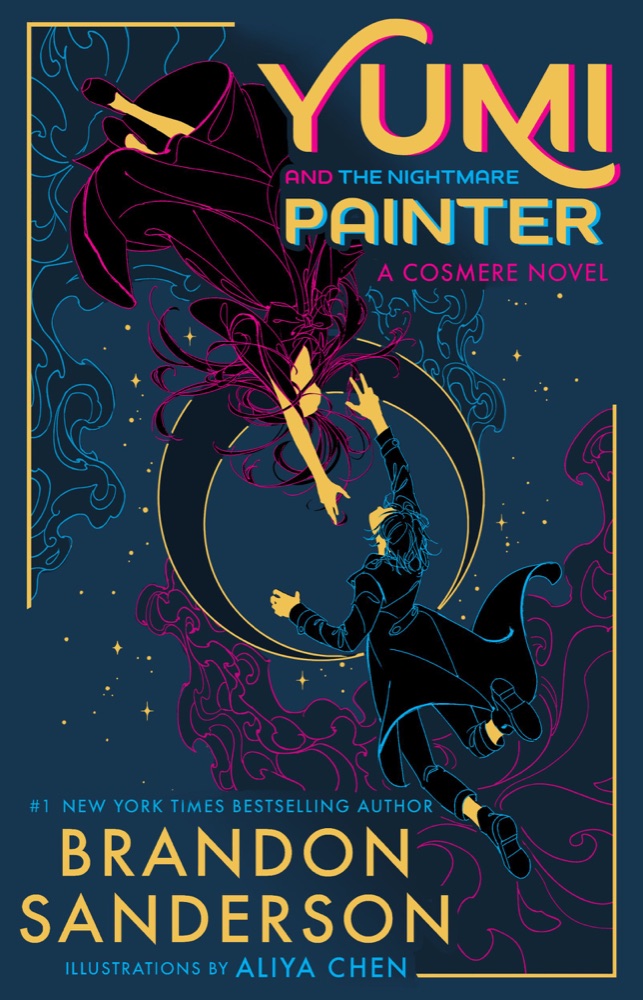 Yumi and the Nightmare Painter
 Into the Woods: A Five Act Journey Into Story
 Player One: What Is to Become of Us
 A Fisherman of the Inland Sea
 Playground
 Afterworlds
 Ender's Game
 An Unnecessary Woman
 Tales from Earthsea
 The Fry Chronicles
 The Geek Feminist Revolution
 Saga, Vol. 1
 The Art of Fielding
 Wampeters, Foma and Granfalloons
 Chasm City
 Story Genius: How to Use Brain Science to Go Beyond Outlining and Write a Riveting Novel
 Indexing
 How to Read Literature
 Bury Your Gays
 The Nix
 Ancestral Night
 The Science of Storytelling
 Middlegame
 The Angel's Game
 The Gone-Away World
 In the Dream House
 Radiance
 Alcatraz Versus the Scrivener's Bones
 The Braindead Megaphone
 Arm of the Sphinx