
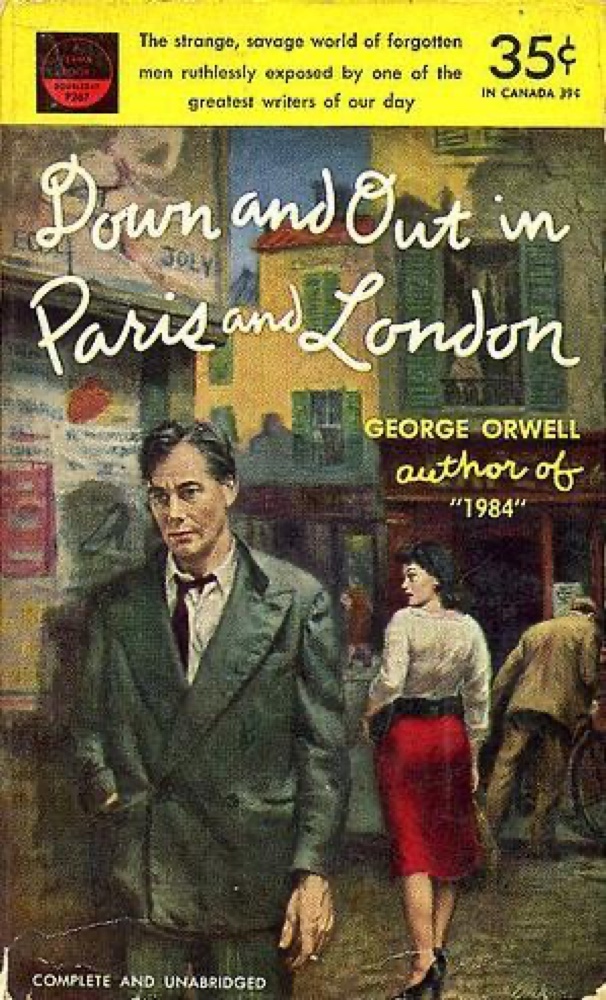
 Down and Out in Paris and London
Quotes from the Book
The past is a curious thing. It’s with you all the time. I suppose an hour never passes without your thinking of things that happened ten or twenty years ago, and yet most of the time it’s got no reality, it’s just a set of facts that you’ve learned, like a lot of stuff in a history book. Then some chance sight or sound or smell, especially smell, sets you going, and the past doesn’t merely come back to you, you’re actually IN the past. It was like that at this moment.
It struck me that perhaps a lot of the people you see walking about are dead. We say that a man's dead when his heart stops and not before. It seems a bit arbitrary. After all, parts of your body don't stop working -hair goes on growing for years, for instance. Perhaps a man really dies when his brain stops, when he loses the power to take in a new idea. Old Porteous is like that. Wonderfully learned, wonderfully good taste - but he's not capable of change. Just says the same things and thinks the same thoughts over and over again. There are a lot of people like that. Dead minds, stopped inside. Just keep moving backwards and forwards on the same little track, getting fainter all the time, like ghosts.
The idea really came to me the day I got my new false teeth.
There’s time for everything except the things worth doing.
And it's a wonderful thing to be a boy, to go roaming where grown-ups can't catch you, and to chase rats and kill birds and shy stones and cheek carters and shout dirty words. It's a kind of a strong, rank feeling, a feeling of knowing everything and fearing nothing, and it's all bound up with breaking rules and killing things.
Life's here to be lived, and if we're going to be in the soup next week - well, next week is a long way off.
I suppose there hasn’t been a single month since the war, in any trade you care to name, in which there weren’t more men than jobs. It’s brought a peculiar, ghastly feeling into life. It’s like on a sinking ship when there are nineteen survivors and fourteen lifebelts. But is there anything particularly modern in that, you say? Has it anything to do with the war? Well, it feels as if it had. The feeling that you’ve got to be everlastingly fighting and hustling, that you’ll never get anything unless you grab it from somebody else, that there’s always somebody after your job, that next month or the month after they’ll be reducing staff and it’s you that’ll get the bird – that, I swear, didn’t exist in the old life before the war.
That's the way we're going nowadays. Everything slick and streamlined, everything made out of something else.
Summer days, and the flat water meadows and the blue hills in the distance, and the willows up the backwater and the pools underneath like a kind of deep green glass. Summer evenings, the fish breaking the water, the nightjars hawking round your head, the smell of nightstocks and latakia. Don’t mistake what I’m talking about. It’s not that I’m trying to put across any of that poetry of childhood stuff. I know that’s all baloney. Old Porteous (a friend of mine, a retired schoolmaster, I’ll tell you about him later) is great on the poetry of childhood. Sometimes he reads me stuff about it out of books. Wordsworth. Lucy Gray. There was a time when meadow, grove, and all that. Needless to say he’s got no kids of his own. The truth is that kids aren’t in any way poetic, they’re merely savage little animals, except that no animal is a quarter as selfish. A boy isn’t interested in meadows, groves, and so forth. He never looks at a landscape, doesn’tgive a damn for flowers, and unless they affect him in some way, such as being good to eat, he doesn’t know one plant from another. Killing things - that’s about as near to poetry as a boy gets. And yet all the while there’s that peculiar intensity, the power of longing for things as you can’t long when you’re grown up, and the feeling that time stretches out and out in front of you and that whatever you’re doing you could go on for ever.
And yet all the while there’s that peculiar intensity, the power of longing for things as you can’t long when you’re grown up, and the feeling that time stretches out and out in front of you and that whatever you’re doing you could go on for ever.
They were a bit shaken, and sometimes a little dispirited. But at least they never lived to know that everything they’d believed in was just so much junk. They lived at the end of an epoch, when everything was dissolving into a sort of ghastly flux, and they didn’t know it. They thought it was eternity. You couldn’t blame them. That was what it felt like.
The past is a curious thing. It's with you all the time,
Well, Hilda and I were married, and right from the start it was a flop. Why did you marry her? you say. Why did you marry yours? These things happen to us. I wonder whether you'll believe that during the first two or three years I had serious thoughts of killing Hilda. Of course in practice one never does these things, they're only a kind of fantasy one enjoys thinking about. Besides, chaps who murder their wives always get copped. However cleverly you've faked the alibi, they know perfectly well that it's you who did it, and they'll pin it onto you somehow. When a woman's bumped off, her husband is always the first suspect -which gives you a little side glimpse of what people really think about marriage.
Watch on YouTube
About George Orwell
We have collected 242 quotes from 10 books by George Orwell on BookQuoters.
More about the author →More by George Orwell
All books by George Orwell →
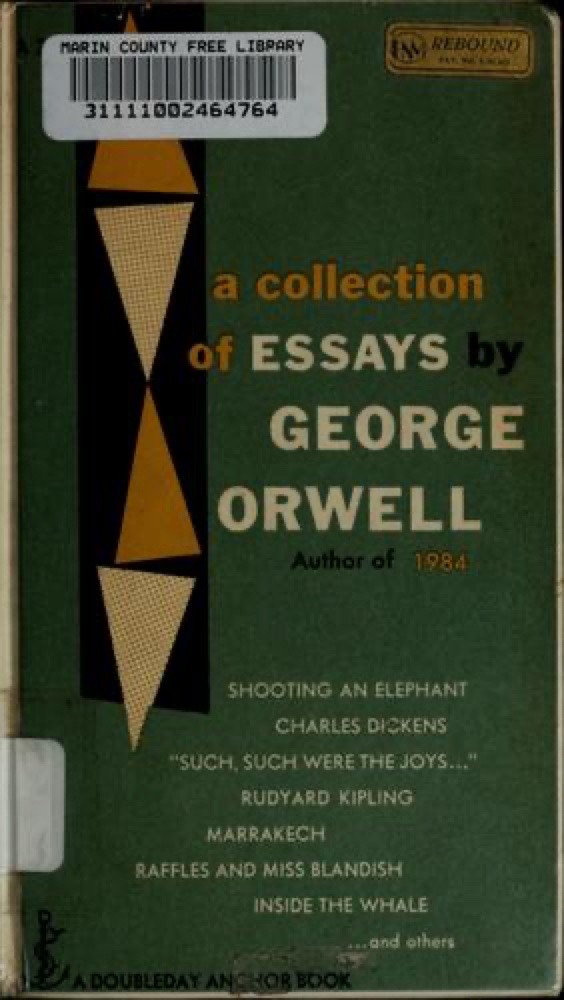
Book details
- Author
- George Orwell
- Genre
- Classics
- Goodreads rating
- 3.78 (22k ratings) →
Keep reading
 A Tale for the Time Being
 Devil House
 After Dark
 Underworld
 The Sea, the Sea
 Canada
 The House at Riverton
 The Raw Shark Texts
 The Shock of the Fall
 Angle of Repose
 A Three Dog Life
 Year of the Monkey
 Joyland
 A Fraction of the Whole
 Engleby
 The Likeness
 Warm Bodies
 West with the Night
 Looking Glass Sound
 Stay Awake
 Mosquitoland
 Dandelion Wine
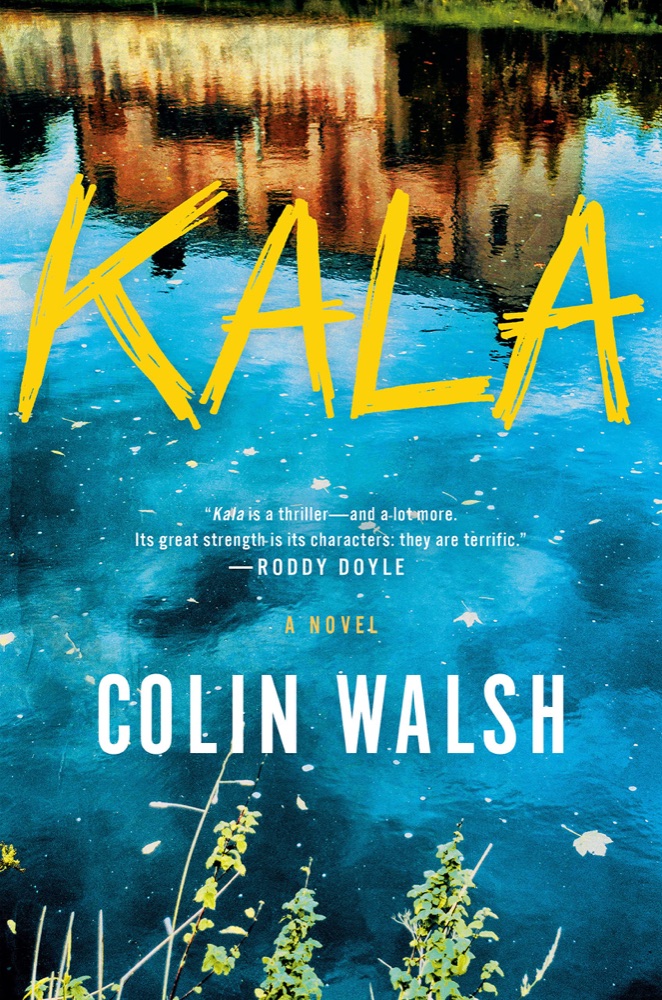 Kala
Kala
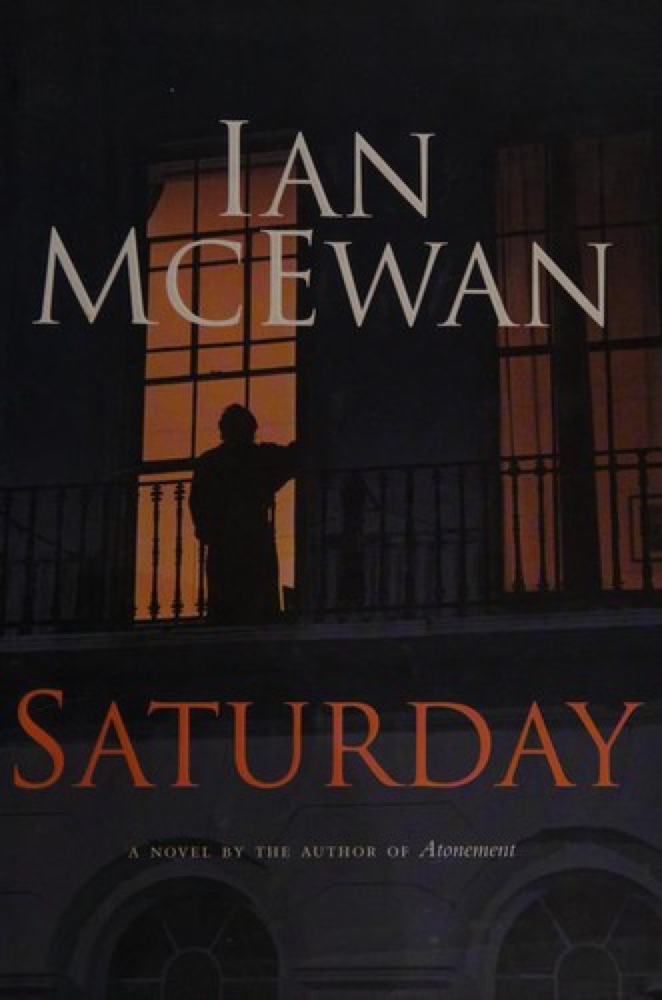 Saturday
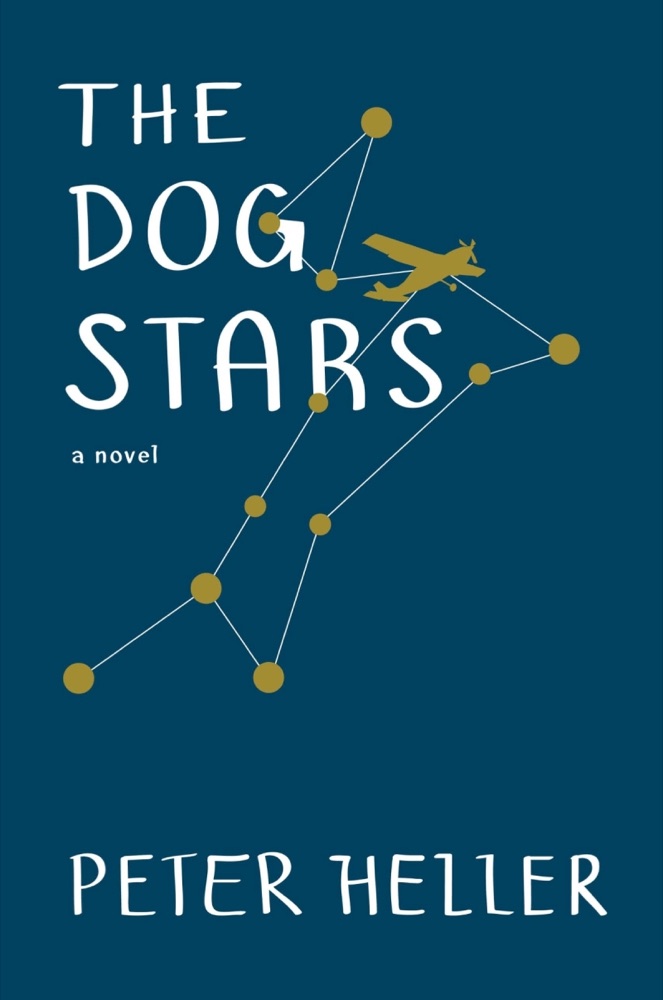 The Dog Stars
 Hard-Boiled Wonderland and the End of the World
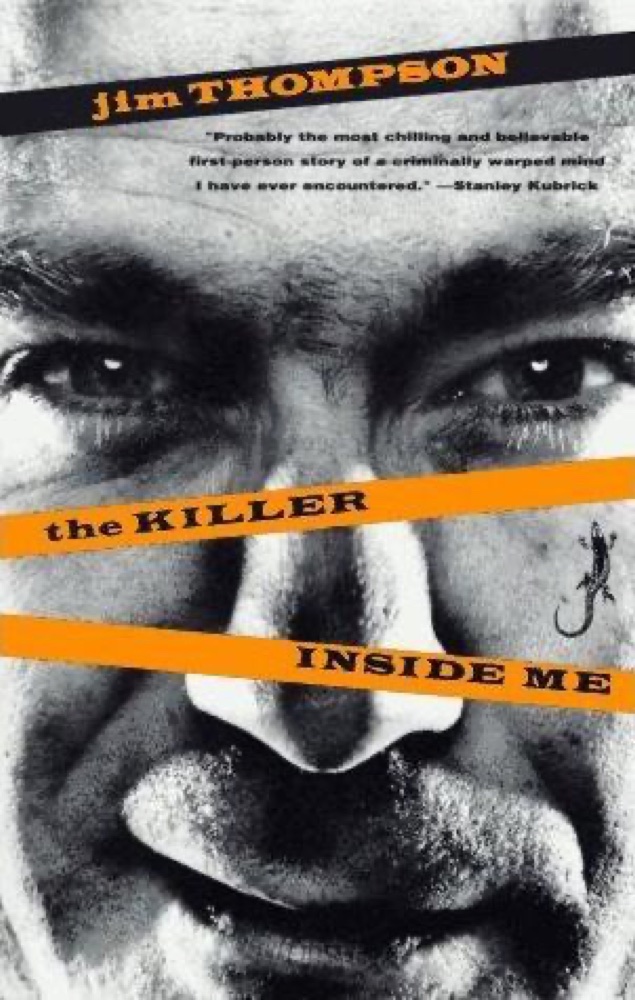 The Killer Inside Me
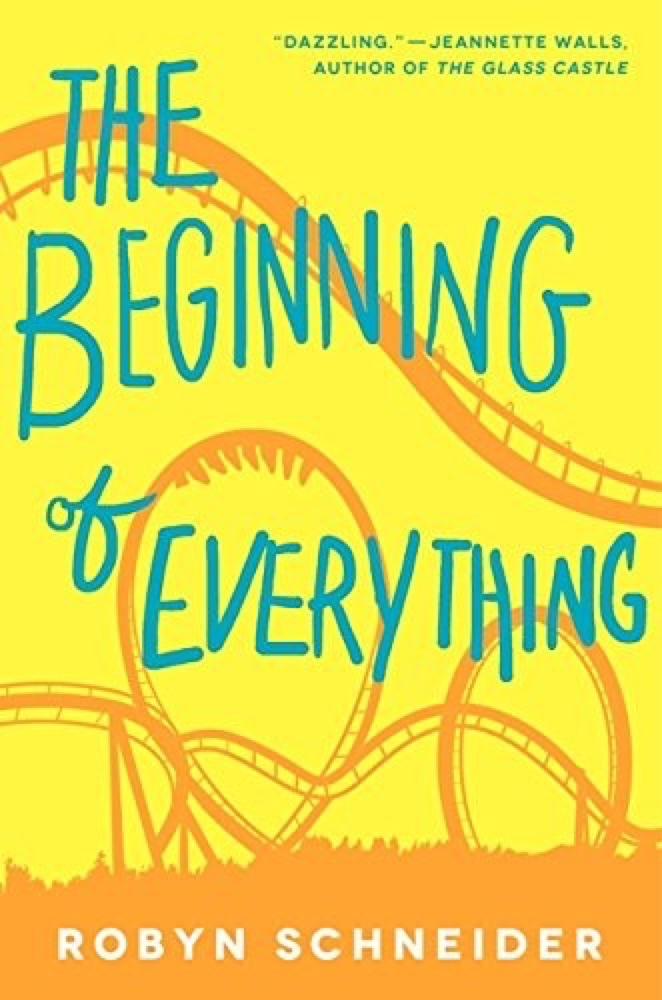 The Beginning of Everything
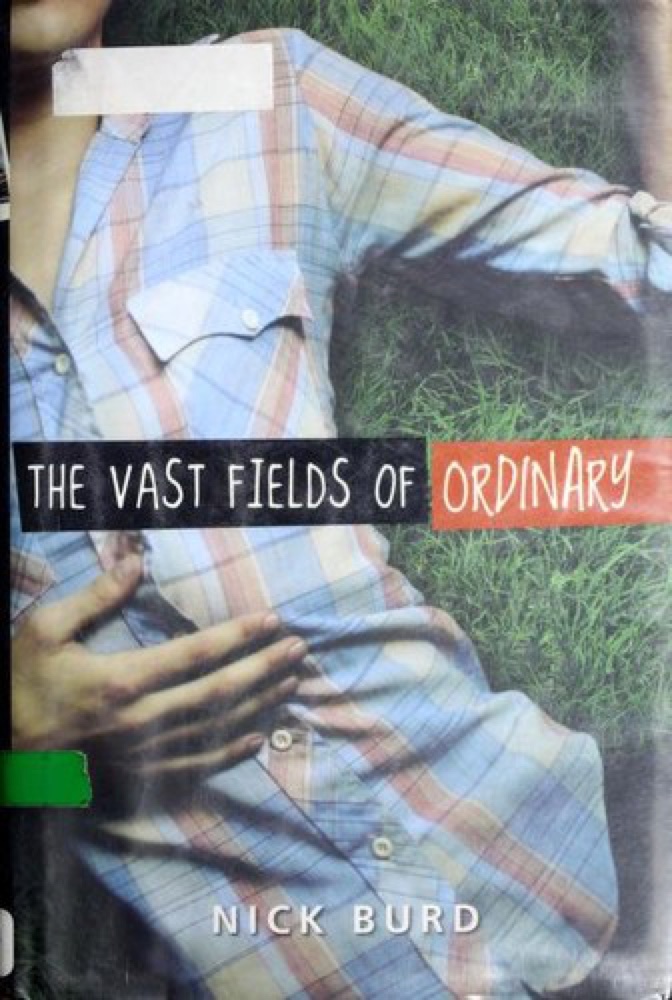 The Vast Fields of Ordinary
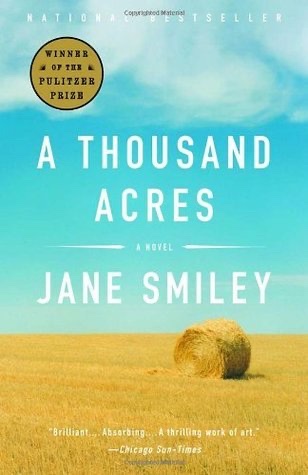 A Thousand Acres
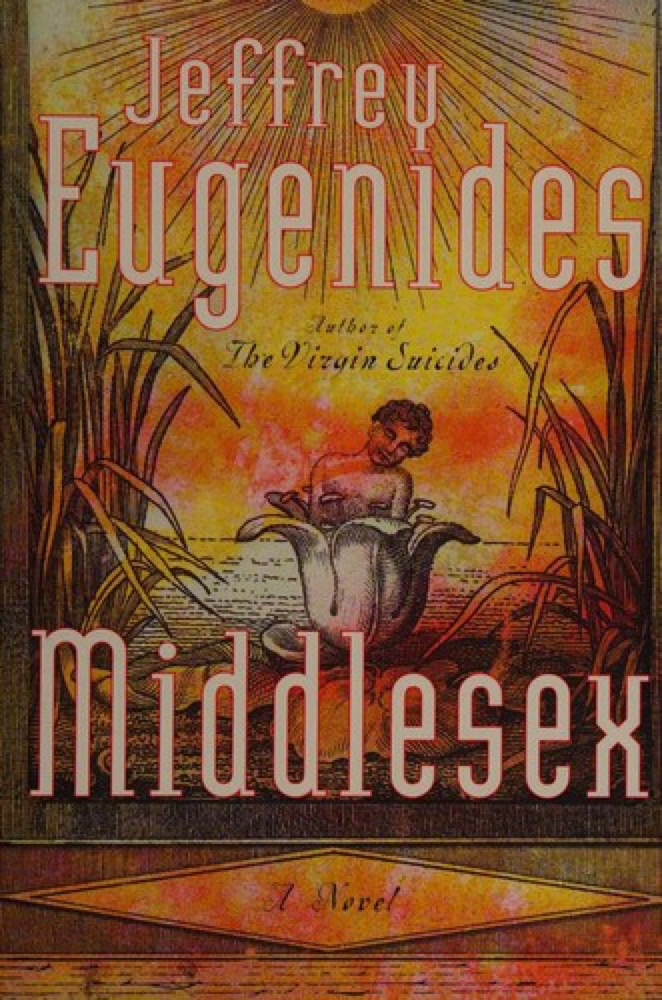 Middlesex
 The Wind-Up Bird Chronicle
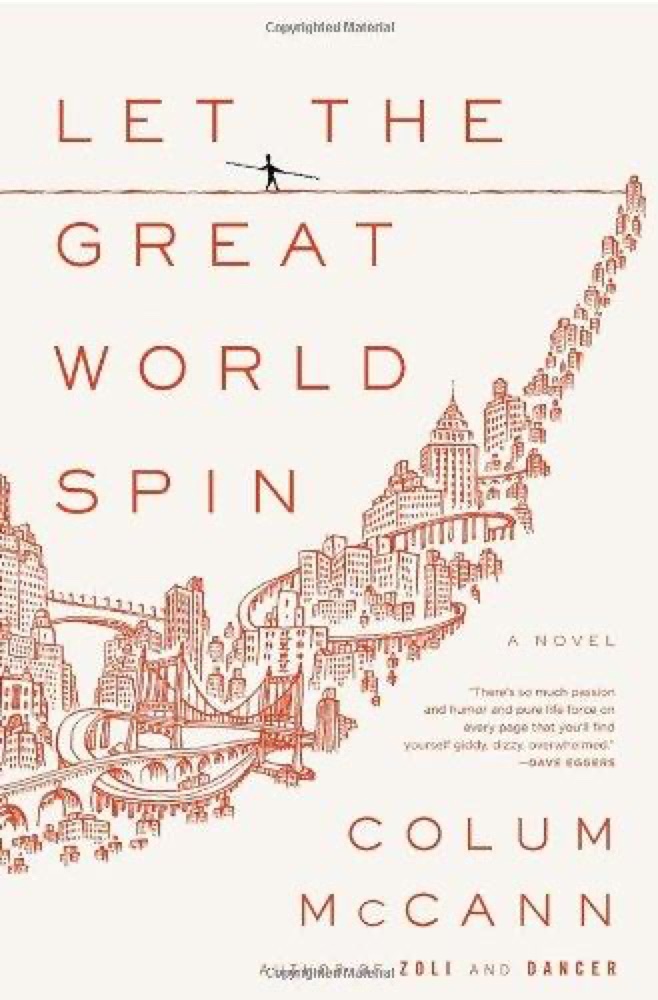 Let the Great World Spin
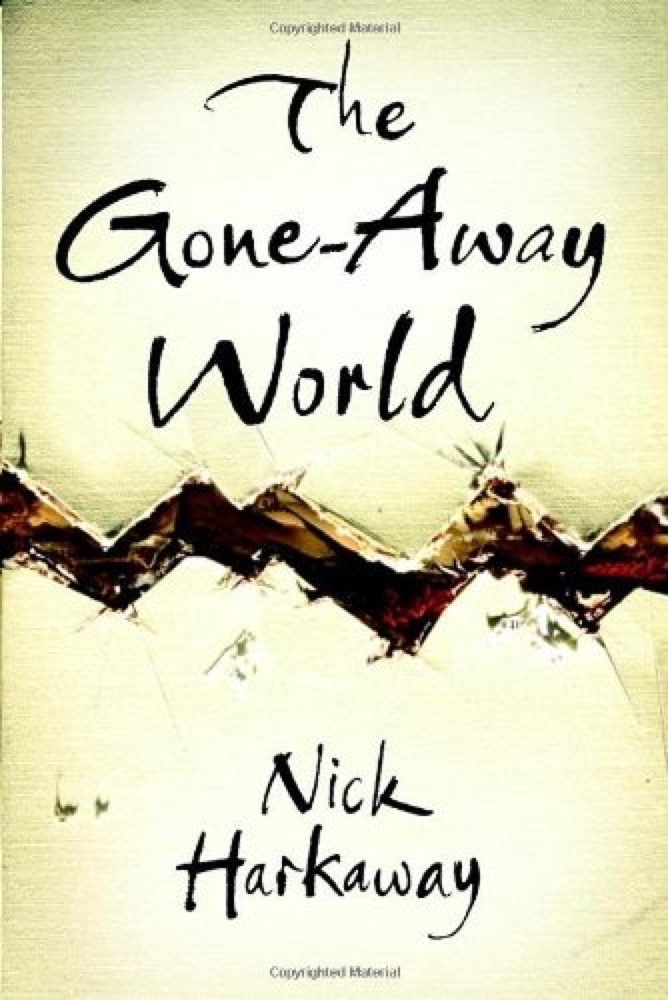 The Gone-Away World
 Out Stealing Horses
 The Sea
 Liberation Day
 All That Man Is
 The Stone Diaries
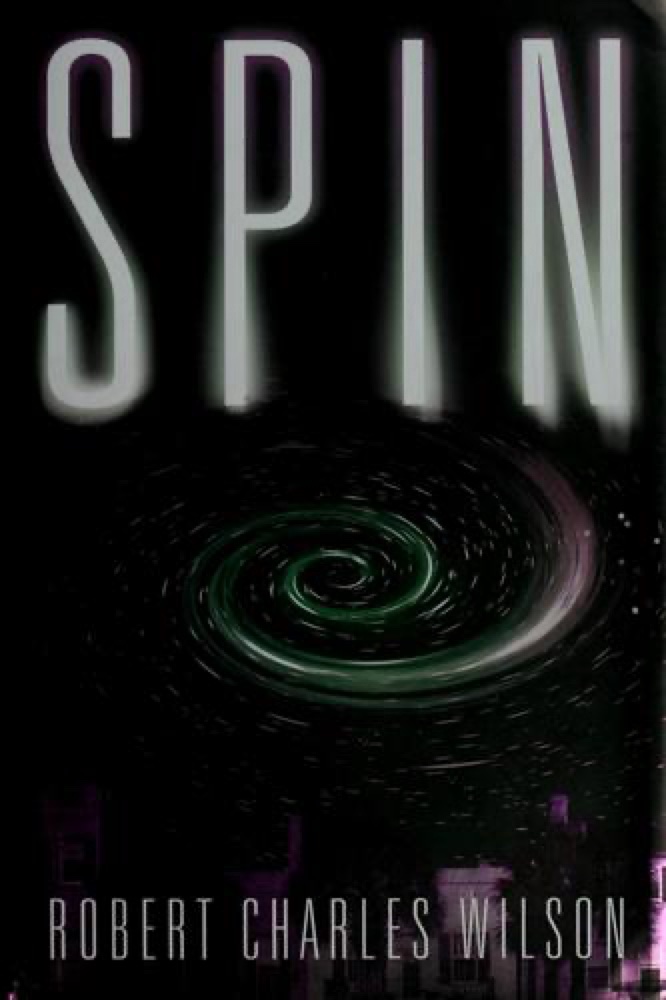 Spin
Spin
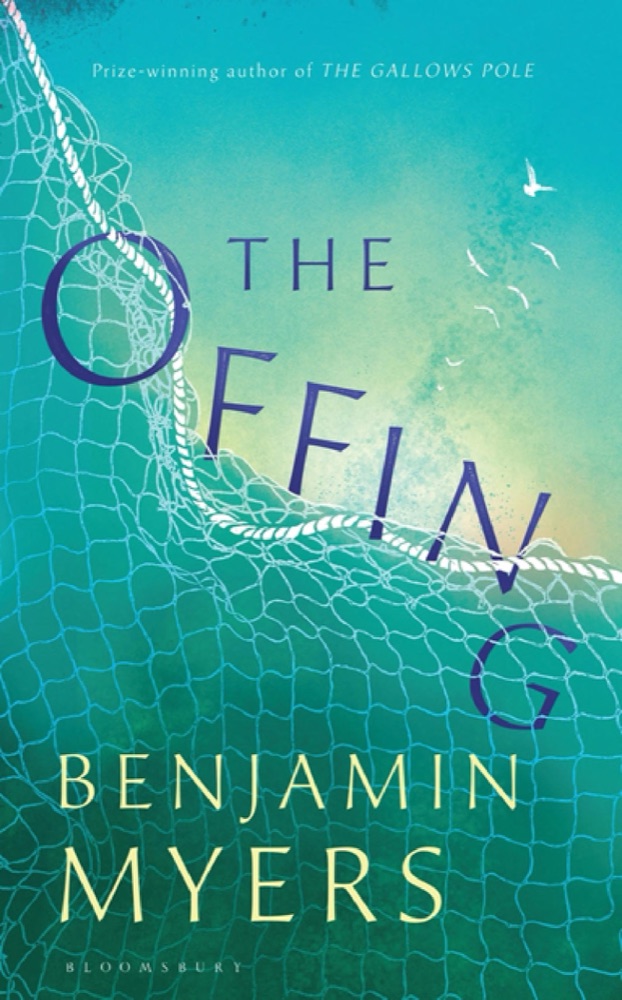 The Offing
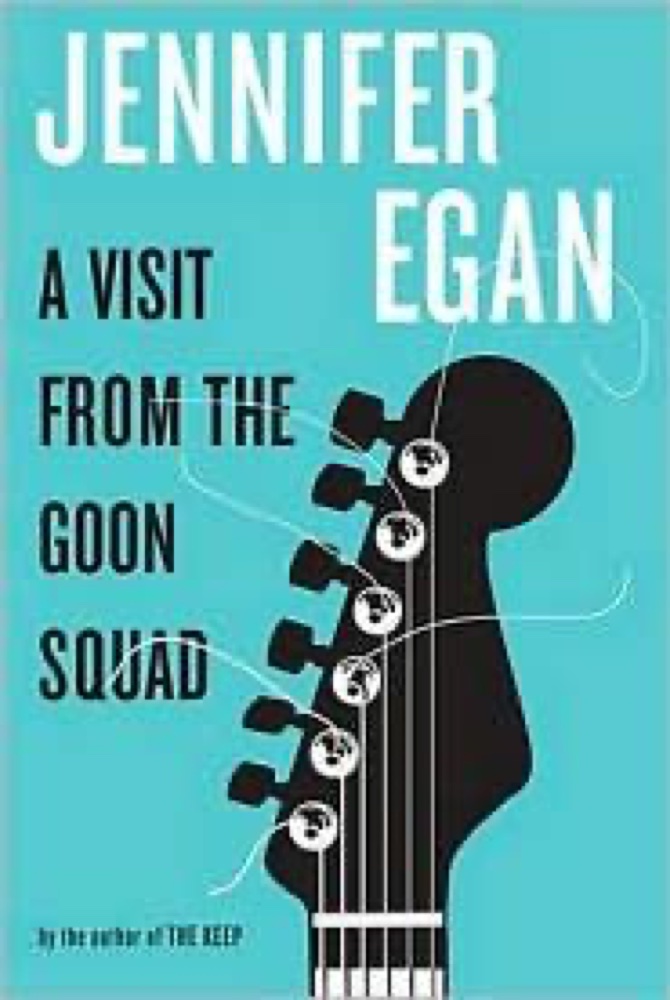 A Visit from the Goon Squad
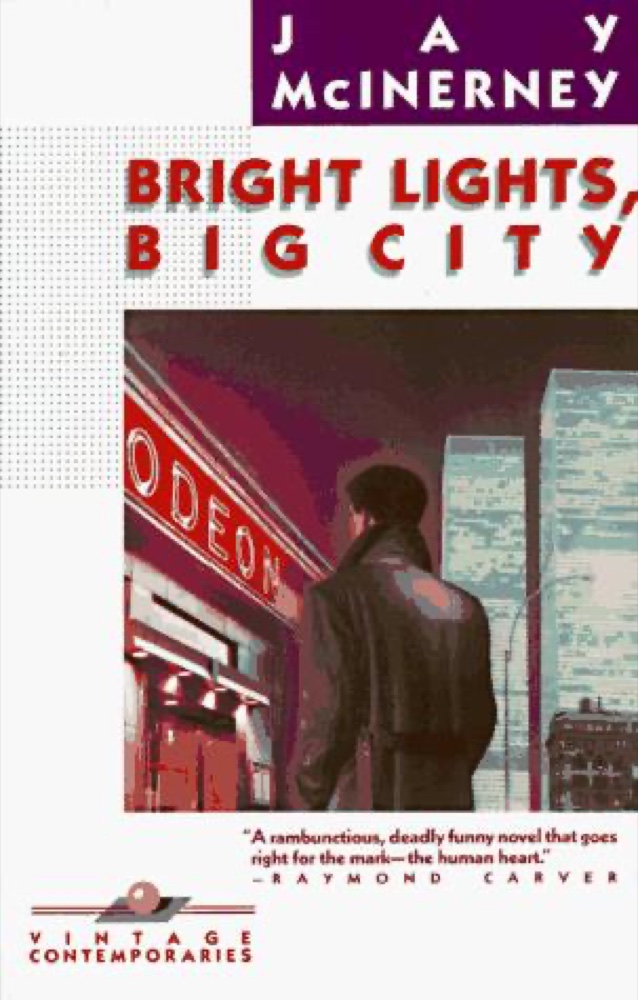 Bright Lights, Big City
 Different Seasons
 The Illustrated Man
 A Home at the End of the World
 Aquarium
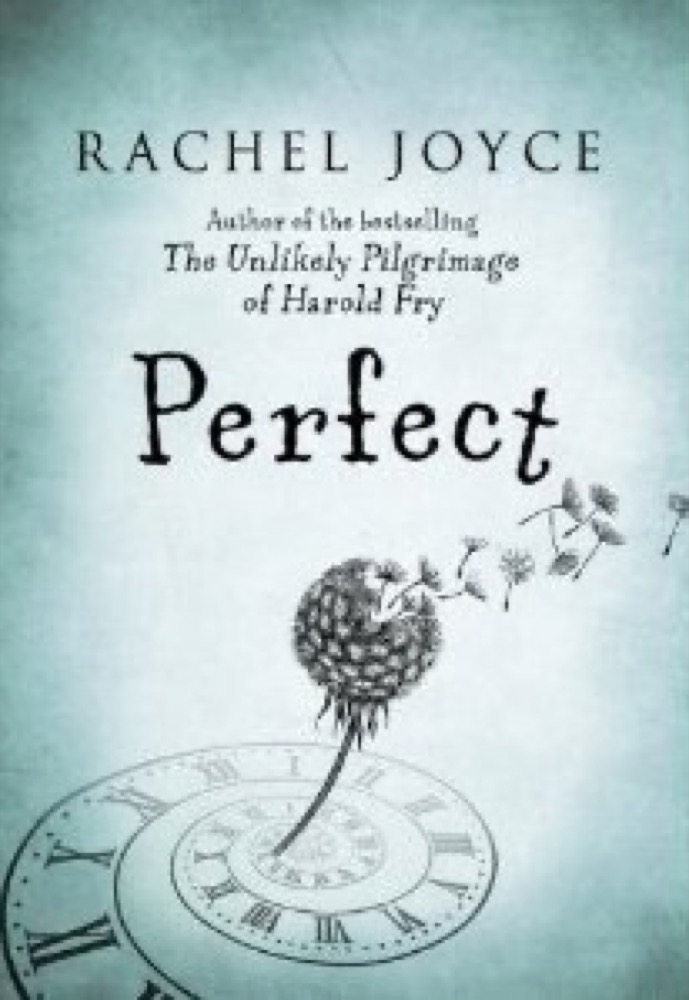 Perfect
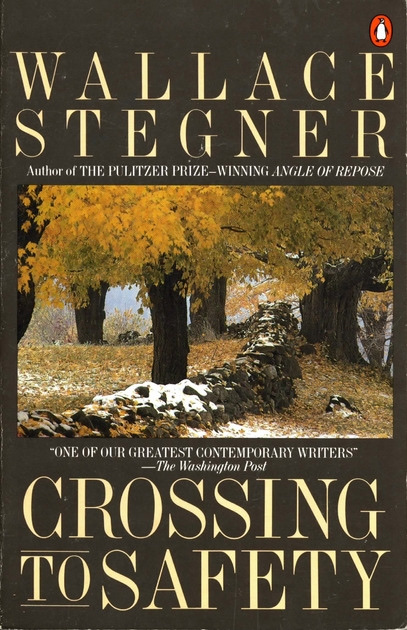 Crossing to Safety
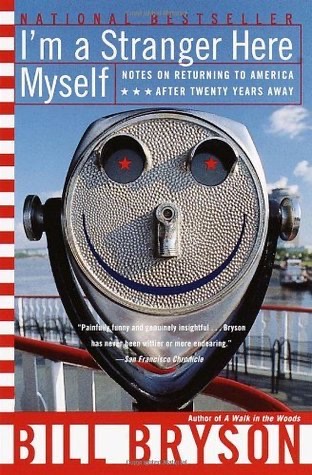 I'm a Stranger Here Myself: Notes on Returning to America after Twenty Years Away
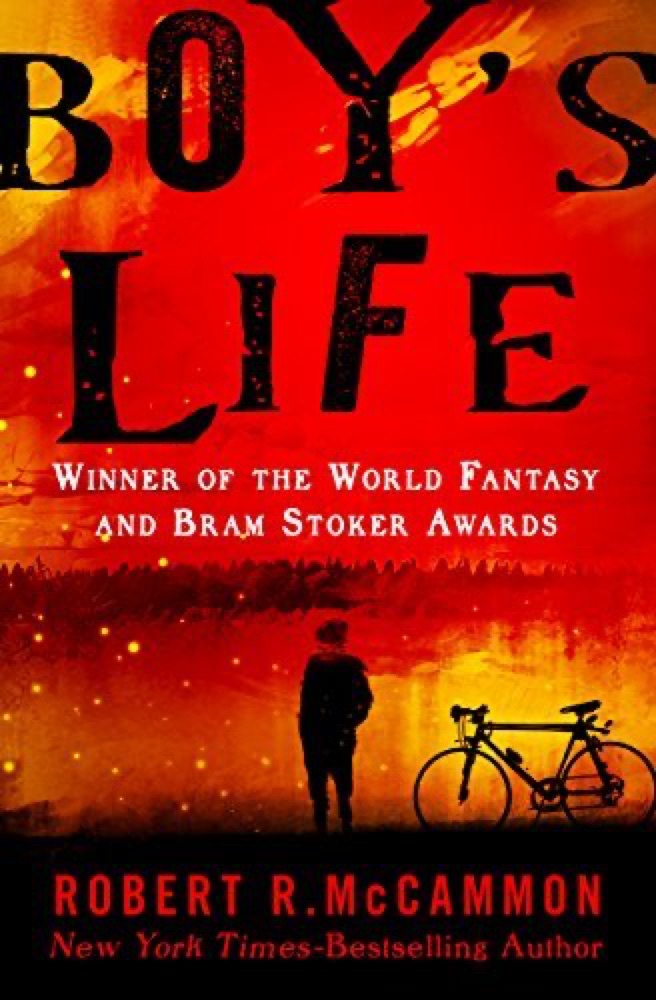 Boy's Life
 The Sportswriter
 The Lay of the Land
 Out of Oz
 In the Woods
 The Sense of an Ending
 The Leisure Seeker
 The Collected Stories
 The Hour I First Believed
 Invisibility