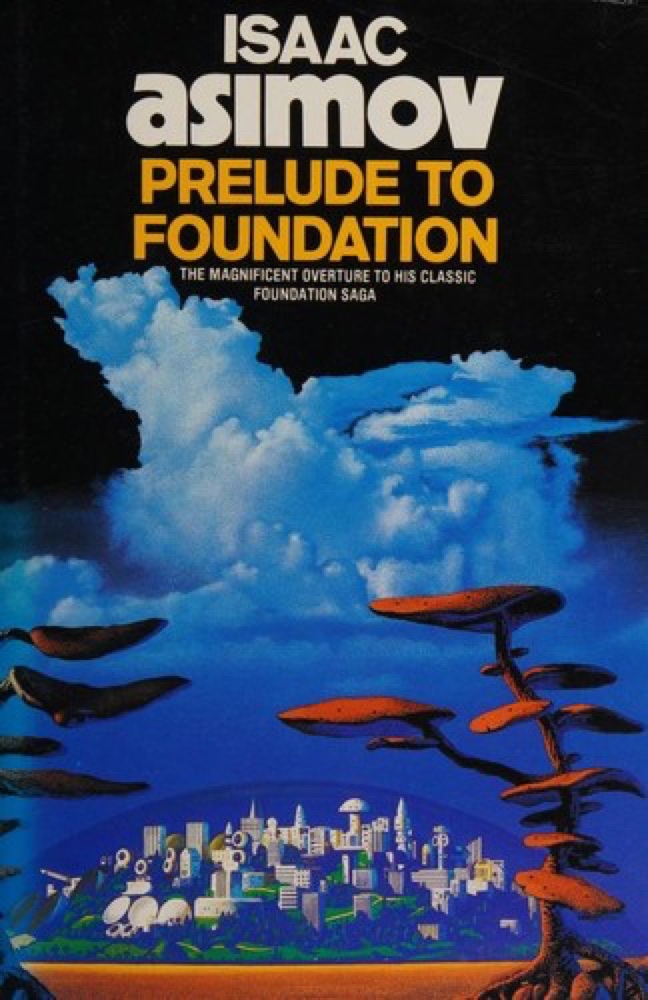
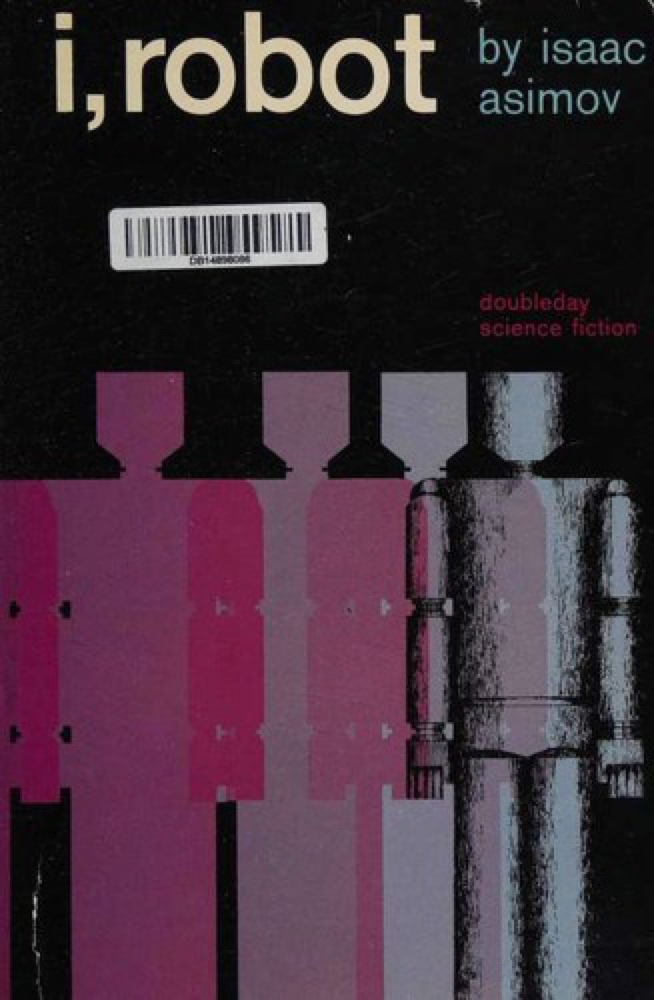
 I, Robot
Quotes from the Book
I can't bear to hear a human being spoken of with contempt just because of his group identification...It's these respectable people here who create those hooligans out there.
Mathematicians deal with large numbers sometimes, but never in their income.
Why, he wondered, did so many people spend their lives not trying to find answers to questions—not even thinking of questions to begin with? Was there anything more exciting in life than seeking answers?
Saying something is 'too bad' is easy. You say you disapprove, which makes you a nice person, and then you can go about your business and not be interested anymore. It's a lot worse than 'too bad.' It's against everything decent and natural.
How harmful overspecialization is. It cuts knowledge at a million points and leaves it bleeding.
A great many things are possible.” And to himself he added: But not practical.
The Imperial forces must keep their hands off, but they find that they can do much even so. Each sector is encouraged to be suspicious of its neighbors. Within each sector, economic and social classes are encouraged to wage a kind of war with each other. The result is that all over Trantor it is impossible for the people to take united action. Everywhere, the people would rather fight each other than make a common stand against the central tyranny and the Empire rules without having to exert force.
I’ve seen many people with status, but I’m still looking for a happy one. Status won’t sit still under you; you have to continually fight to keep from sinking.
Often, this has only meant a change in tyranny. In other words, one ruling class is replaced by another—sometimes by one that is more efficient and therefore still more capable of maintaining itself—while the poor and downtrodden remain poor and downtrodden or become even worse off.
There are many people, many worlds who believe in supernaturalism in one form or another... religion, if you like the word better. We may disagree with them in one way or another, but we are as likely to be wrong in our disbelief as they in their belief. In any case, there is no disgrace in such belief and my questions were not intended as insults.
There is nothing your knife handlers can do in the way of rioting and demonstrating that will have any permanent effect as long as, in the extremity, there is an army equipped with kinetic, chemical, and neurological weapons that is willing to use them against your people. You can get all the downtrodden and even all the respectables on your side, but you must somehow win over the security forces and the Imperial army or at least seriously weaken their loyalty to the rulers.
There is a longing for a supposedly simple and virtuous past that is almost universal among the people of a complex and vicious society.
How could any number of people—all together—know enough? It reminded Seldon of a puzzle that had been presented to him when he was young: Can you have a relatively small piece of platinum, with handholds affixed, that could not be lifted by the bare, unaided strength of any number of people, no matter how many? The answer was yes. A cubic meter of platinum weighs 22,420 kilograms under standard gravitational pull. If it is assumed that each person could heave 120 kilograms up from the ground, then 188 people would suffice to lift the platinum. —But you could not squeeze 188 people around the cubic meter so that each one could get a grip on it. You could perhaps not squeeze more than 9 people around it. And levers or other such devices were not allowed. It had to be “bare, unaided strength.” In the same way, it could be that there was no way of getting enough people to handle the total amount of knowledge required for psychohistory, even if the facts were stored in computers rather than in individual human brains. Only so many people could gather round the knowledge, so to speak, and communicate it.
Can't you try>? However useless the effort may seem to you to be, have you anything better to do with your life? Have you some worthier goal? Have you a purpose that will justify you in your own eyes to some greater extent?
Historians pick and choose and every one of them picks and chooses the same thing.
he wondered, did so many people spend their lives not trying to find answers to questions—not even thinking of questions to begin with? Was there anything more exciting in life than seeking answers?
Seldon, Hari—It is customary to think of Hari Seldon only in connection with psychohistory, to see him only as Mathematics and as social change personified. There is no doubt that he himself Encouraged this for at no time in his formal writings did he give any hint as to how he came to solve the various problems of Psychohistory. His leaps of thought might have all been plucked From Air, for all he tells us. Nor does he tell us of the blind alleys Into which he crept or the wrong turnings he may have made. …As for his private life, it is a blank. Concerning his parent and Siblings, We know a handful of factors, nor more. His only son, Raych Seldon, is known to have been adopted, but how that Came about is not known. Concerning his wife, we only Know that she existed. Clearly, Seldon wanted to a cipher Except where psychohistory was concerned. It is as though he felt-- Or wanted it to be felt—that he did not live, he merely psychohistorified.
Dors muttered to him, “Stop studying humanity. Be aware of your surroundings.” “I’ll try.
They work off all their resentments, enjoy all the smug self-satisfaction a young revolutionary would have, and by the time they take their place in the Imperial hierarchy, they are ready to settle down into conformity and obedience.
He clearly knew how dangerous it was to have an excited twelve-year-old handling a powerful weapon.
It is not important what can or cannot be done. What is important is what people will or will not believe can be done.
When they sat down at a small table and punched in their orders,
if people believe this, they would act on that belief. Many a prophecy, by the mere force of its being believed, is transmuted
I’ve seen many people with status, but I’m still looking for a happy one. Status won’t sit still under you; you have to continually fight to keep from sinking
I still can't quite grasp what you are telling me. I find it impossible to believe that there would be such unreasoning feeling against harmless people." Amaryl said bitterly, "That's because you've never had any occasion to interest yourself in such things. It can all pass right under your nose and you wouldn't smell a thing because it doesn't affect you." Dors said, “Mr. Amaryl, Dr. Seldon is a mathematician like you and his head can sometimes be in the clouds. You must understand that. I am a historian, however. I know that it isn’t unusual to have one group of people look down upon another group. There are peculiar and almost ritualistic hatreds that have no rational justification and that can have their serious historical influence. It’s too bad.” Saying something is ‘too bad’ is easy. You say you disapprove, which makes you a nice person, and then you can go about your own business and not be interested anymore. It’s a lot worse than ‘too bad.’ It’s against everything decent and natural. We’re all of us the same, yellow-hairs and black-hairs, tall and short, Easterners, Westerners, Southerners, and Outworlders. We’re all of us, you and I and even the Emperor, descended from the people of Earth, aren’t we?
—Reflexionó unos segundos, mirando a la mujer sentada frente a él y sintiendo que ella podía hacer su desierto menos parecido a un destierro. Se acordó de la otra mujer que trató unos años atrás, pero la borró de su mente con un esfuerzo deliberado. Si alguna vez encontraba otra compañera, tenía que ser una que conociera y comprendiera lo que era el saber, la erudición, y lo que todo ello exigía de una persona.
You're a Lousy dame, lady," said Raych. "I'm a Lousy dame with a quick knife, Raych, so get moving.
A mathematician, however, who could back his prophecy with mathematical formulas and terminology, might be understood by no one and yet believed by everyone.
Watch on YouTube
About Isaac Asimov
We have collected 398 quotes from 23 books by Isaac Asimov on BookQuoters.
More about the author →More by Isaac Asimov
All books by Isaac Asimov →
Book details
- Author
- Isaac Asimov
- Genre
- Fiction
- Goodreads rating
- 4.17 (98k ratings) →
Keep reading
 Interesting Times
 That Hideous Strength
 Foundation
 Foundation and Empire
 The Fall of Babel
 The Rebel Angels
 Too Like the Lightning
 God Emperor of Dune
 The Shockwave Rider
 Red Mars
 Ancillary Justice
 The Kraken Wakes
 The Secret Agent
 Gaudy Night
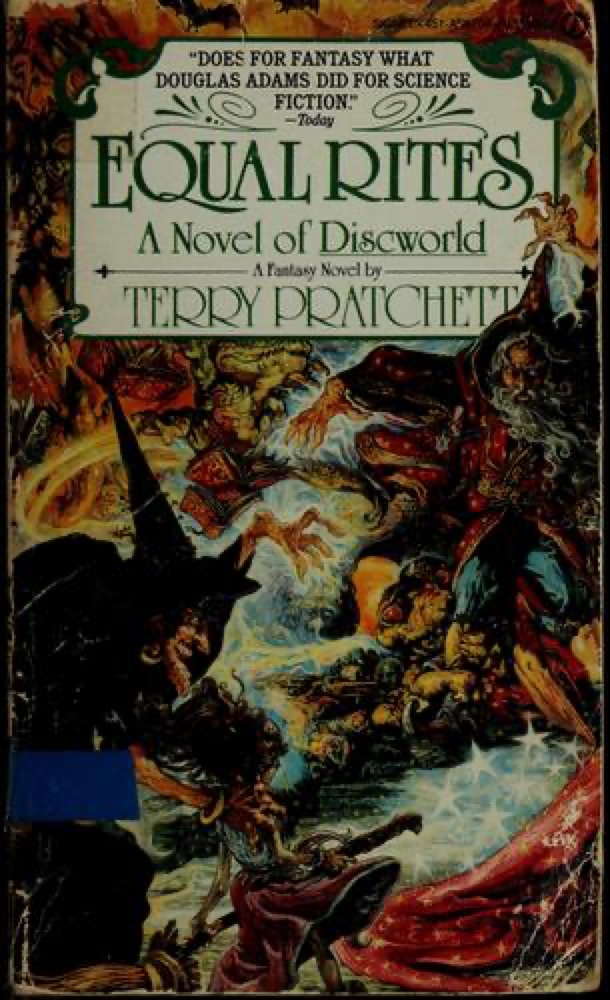 Equal Rites
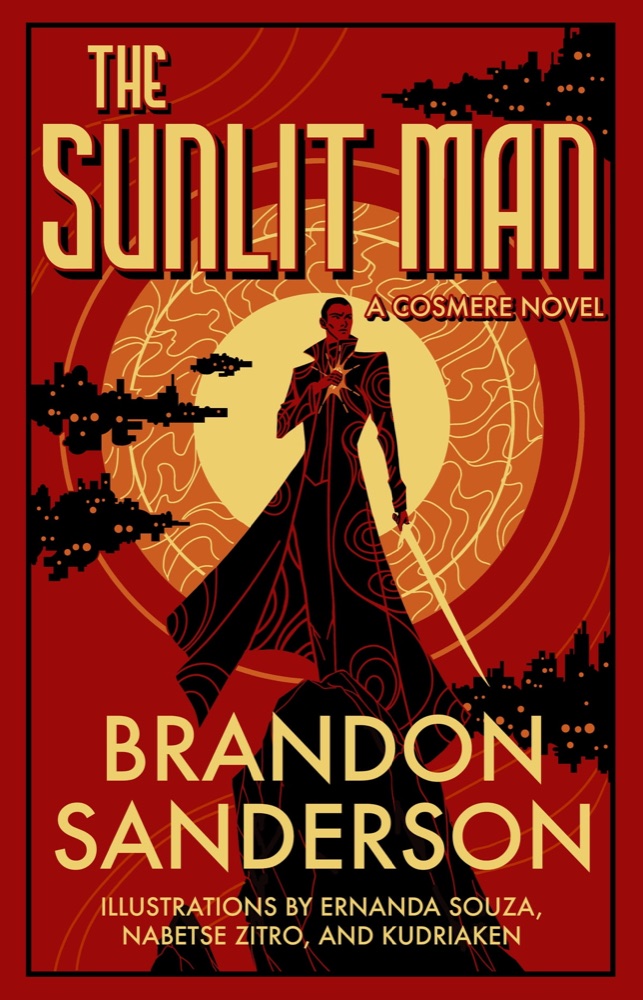 The Sunlit Man
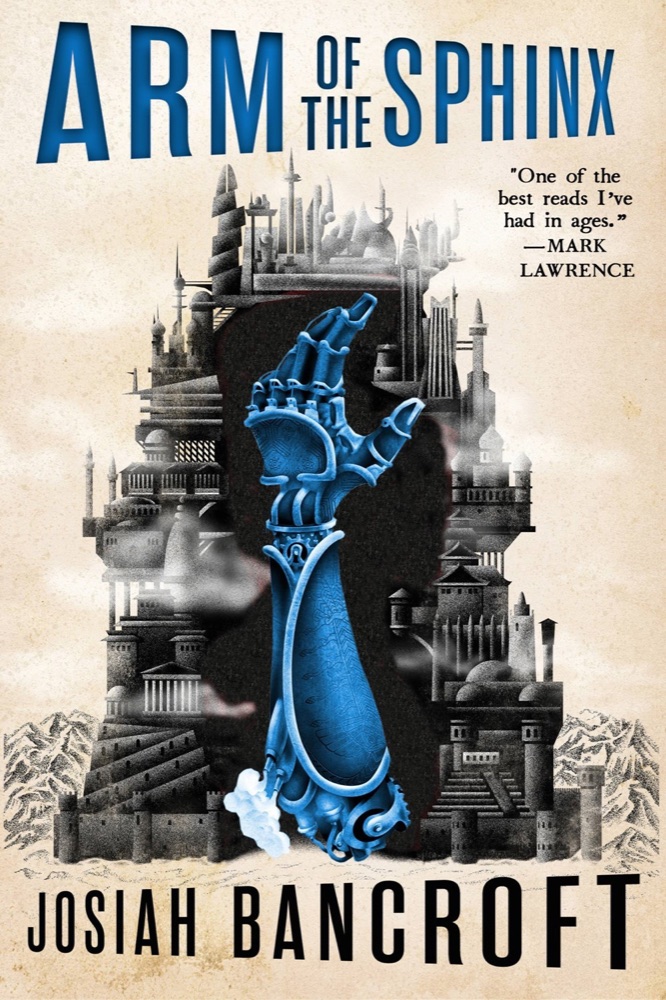 Arm of the Sphinx
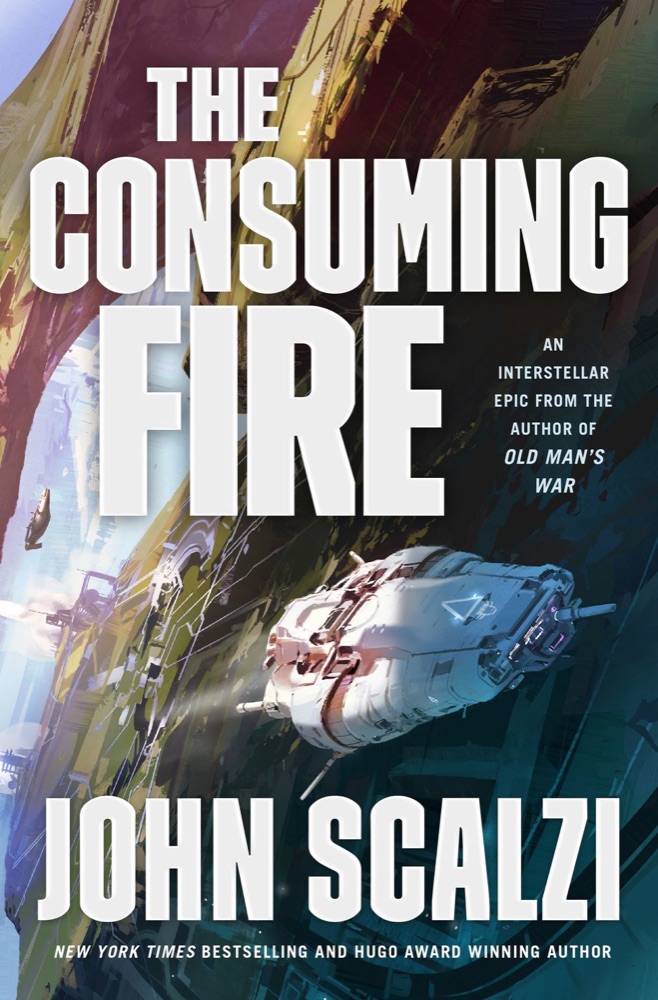 The Consuming Fire
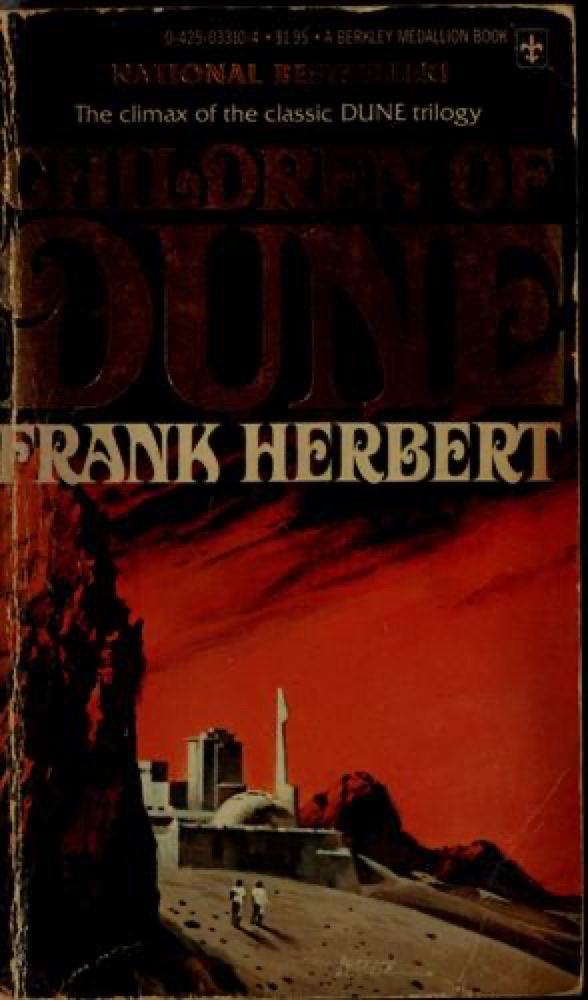 Children of Dune
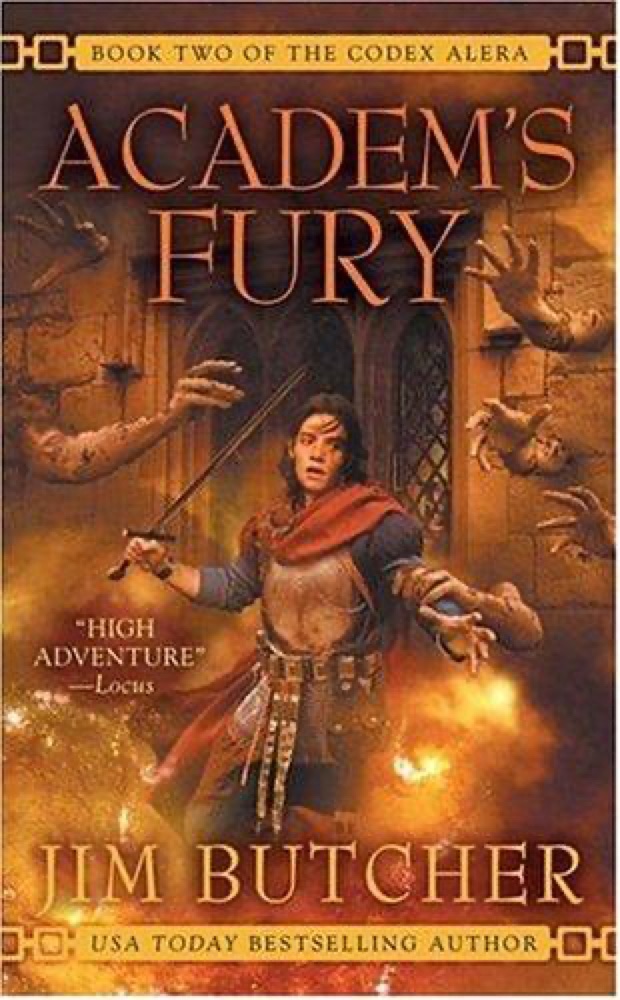 Academ's Fury
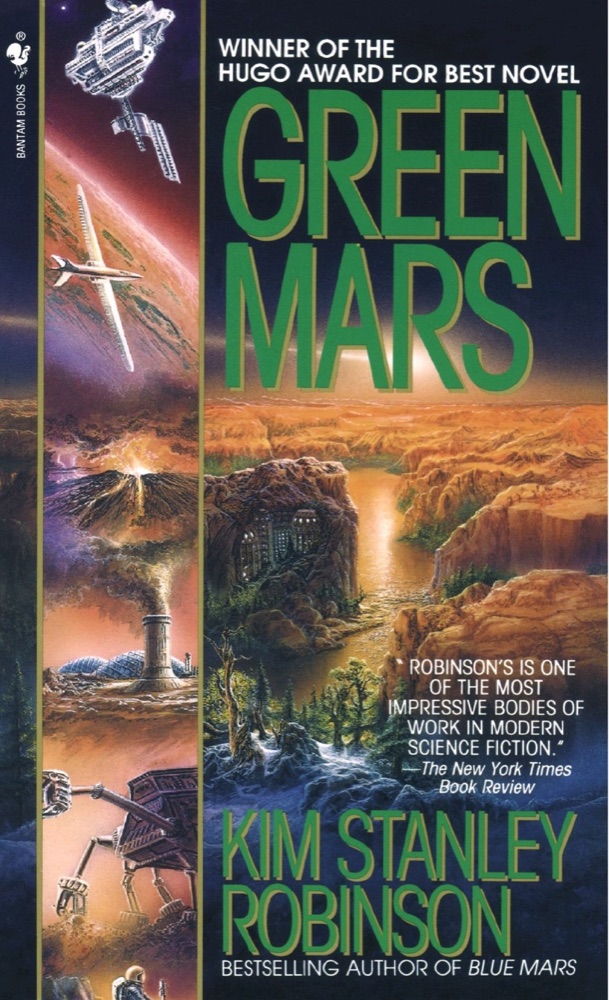 Green Mars
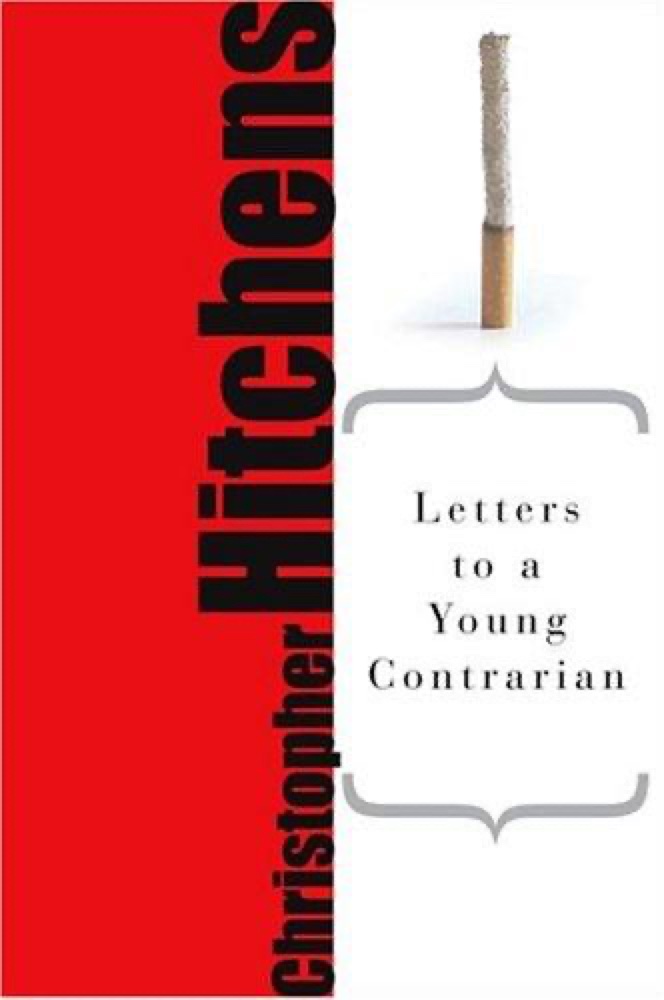 Letters to a Young Contrarian
 Walden Two
 The Jewel in the Crown
 First Meetings in Ender's Universe
 Influx
 Wolf Hall
 An Instance of the Fingerpost
 Fifth Business
 Alien Clay
 Sourcery
 Persepolis Rising
 Flight Behavior
 The Diamond Age
 The Player of Games
 The Adventures of Augie March
 Erewhon
 The Testaments
 Seven Surrenders
 Familiaris
 Second Foundation
 Friday
 The Long Way to a Small, Angry Planet
 Cat's Cradle
 Consider Phlebas
 Stone's Fall
 House Corrino
 The Hands of the Emperor
 The Imperfectionists
 Anathem
 The Rise and Fall of D.O.D.O.
 Hocus Pocus
 Ancillary Sword
 Sleeping Giants
 The Alienist
 The Mysterious Mr. Quin
 The Bourne Identity
 The Parafaith War
 Eifelheim
 The Man in the High Castle