
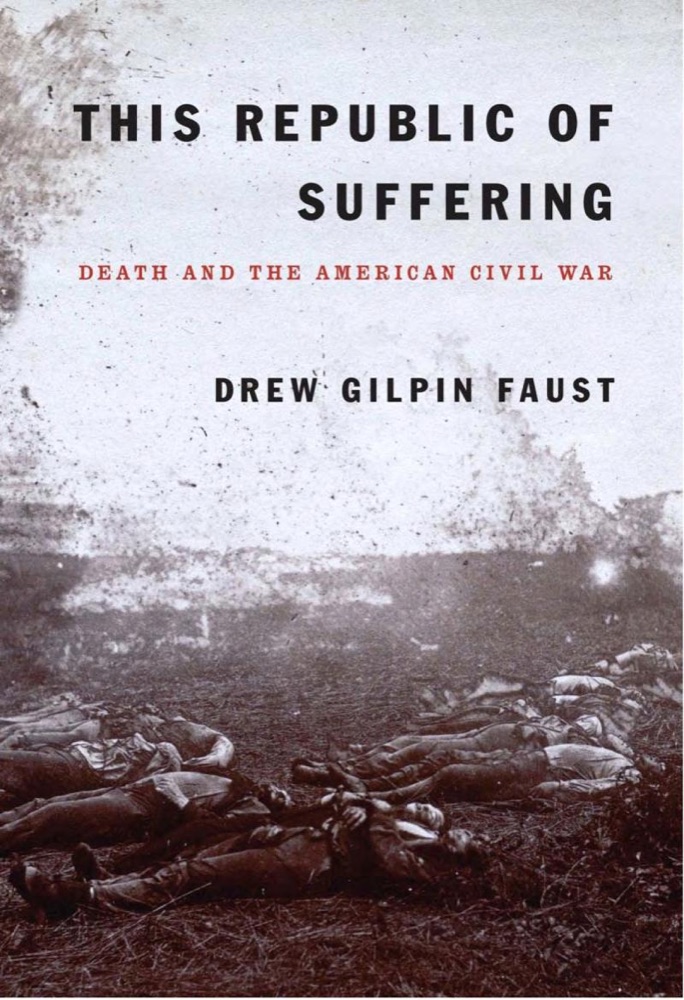
 This Republic of Suffering: Death and the American Civil War
Quotes from the Book
On May 27, Bryn Mawr awarded 167 bachelor of arts degrees. Sixty percent of the class was headed straight to graduate or professional school. My friends and teachers had assumed I would go to law school, but I could not imagine devoting myself to the details of torts or civil procedure. If I decided to pursue further education, I knew it would be for graduate work in history. What had always captured me intellectually was the broad sweep of ideas and social forces. And having grown up in a changing and not-changing Virginia, I knew how those assumptions and circumstances exerted their power through time, often creating silences and blindnesses that undermined human possibility. From at least when I had written to Eisenhower as a nine-year-old, I had recognized the force and the burden of history; I understood the words of the white southern poet and novelist Robert Penn Warren: “History is what you can’t / Resign from.”11 Coming to terms with the past would ultimately become an intellectual and professional commitment as well as a personal necessity. I grew up to be a historian. My page in the Bryn Mawr college yearbook, 1968. On my right wrist I am wearing the bracelet my grandmother gave me the night my mother died. But not yet. I had decided I needed to be in the real world for a while. I had loved school since I began kindergarten at the age of four, and at Bryn Mawr I had become caught up not just in learning
1
Mid-twentieth-century Virginia congratulated itself on having devised the “Virginia Way,” a distinctive form of Jim Crow in which Blacks and whites lived peaceably together in lives of “separation by consent,” in the words of Douglas Southall Freeman, a Richmond newspaper editor and renowned Robert E. Lee biographer. Freeman acknowledged that this was a social order designed to perpetuate “the continued and unchallengeable dominance of Southern whites,” who, he told his readers, would work to provide the assurance of safety and security to Black Virginians in return for their acquiescence in the status quo. “Southern Negroes,” he explained, “have far more to gain by conforming than by rebellion … by deserving rather than demanding more.” Elite white Virginians, he posited, had inherited a legacy of gentility accompanied by the imperatives of noblesse oblige; Virginia’s Black people, in turn, were “inherently of a higher type than those of any other state.” Nowhere else, Freeman insisted, “are the Negroes more encouraged through the influence of friendship for and confidence in them, on the part of whites, to be law abiding and industrious.” But never to claim equality.
There is a clarity about how children see the world that the complexities of adult life often muddy. And there is a fervor children feel when they believe adults have misled them or disguised or hidden the truth (p.89)....Fear and doubt might be mitigated or assuaged, but something even more profound was at risk. And that was trust. If so many things were not as they seemed, who had misled me? Who and what could I believe. (p. 105)
In an increasingly serious world, these young women had never been asked or expected to be serious. (p. 13)
We live our lives in accordance with the stories we tell ourselves about what those lives ought to be.
Martin Luther King, Jr., had closed his speech at Groton—with words he told us he’d heard from an old Black preacher: “Lord we ain’t what we want to be; we ain’t what we ought to be; we ain’t what we gonna be. But thank God, we ain’t what we was.
I knew I had had no choice. I had had to fight with my mother in order to survive.
I was attracted, rather, to the logic of Christian ethics, to the fundamental fairness of the Golden Rule.
Watch on YouTube
About Drew Gilpin Faust
We have collected 20 quotes from 2 books by Drew Gilpin Faust on BookQuoters.
More about the author →More by Drew Gilpin Faust
This Republic of Suffering: Death and the American Civil War
About the book
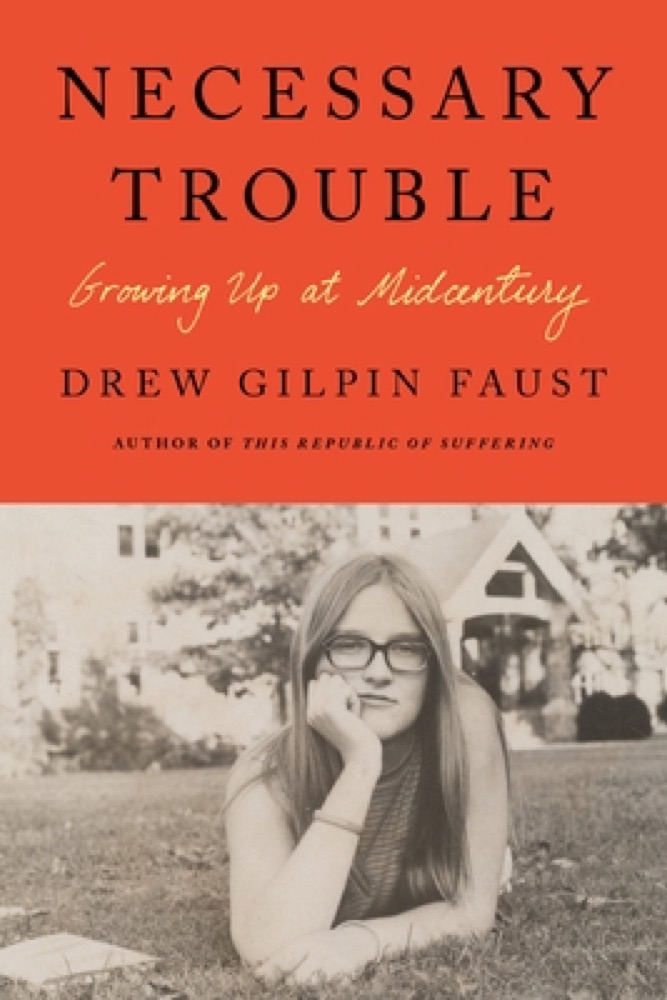
A memoir of coming of age in a conservative Southern family in postwar America.
To grow up in the 1950s was to enter a world of polarized national alliances, nuclear threat, and destabilized social hierarchies. Two world wars and the depression that connected them had unleashed a torrent of expectations and dissatisfactions--not only in global affairs but in American society and Americans' lives.
To be a privileged white girl in conservative, segregated Virginia was to be expected to adopt a willful blindness to the inequities of race and the constraints of gender. For young Drew Gilpin Faust, the acceptance of both female subordination and racial privilege proved intolerable and galvanizing. Urged to become "well adjusted" and to fill the role of a poised young lady that her upbringing imposed, she found resistance was the necessary price of survival. During the 1960s, through her
Book details
- First published
- 2023
- Author
- Drew Gilpin Faust
- Genre
- Biography
- Goodreads rating
- 3.97 (3k ratings)
The buzz
- The New York TimesReview in The New York Timesprofessional review (via Book Marks)
- The Washington PostReview in The Washington Postprofessional review (via Book Marks)
- The Wall Street JournalReview in The Wall Street Journalprofessional review (via Book Marks)
- Los Angeles TimesReview in Los Angeles Timesprofessional review (via Book Marks)
- Kirkus ReviewsReview in Kirkus Reviewsprofessional review (via Book Marks)
- Publishers WeeklyReview in Publishers Weeklyprofessional review (via Book Marks)
Keep reading
 Dreams from My Father: A Story of Race and Inheritance
 A Promised Land
 Blood Done Sign My Name: A True Story
 Between the World and Me
 The Office of Historical Corrections
 The Beautiful Struggle: A Father, Two Sons and an Unlikely Road to Manhood
 I Know Why the Caged Bird Sings
 The Heart of a Woman
 The Sea Keeper's Daughters
 My Beloved World
 The Water Dancer
 Educated
 You Can't Be Neutral on a Moving Train: A Personal History of Our Times
 Becoming
 The Autobiography of Martin Luther King, Jr.
 In Search of Our Mothers' Gardens: Womanist Prose
 Men We Reaped
 Homegoing
 James
James
 Notes from No Man's Land
 Powers
 Free: A Child and a Country at the End of History
 The Autobiography of Eleanor Roosevelt
 Warlight
 The Lords of Discipline
 The Children Act
 We Were Dreamers: An Immigrant Superhero Origin Story
 Aftershocks
 Testament of Youth
 Chances Are...
 Fire Shut Up in My Bones: A Memoir
 The Audacity of Hope: Thoughts on Reclaiming the American Dream
 An Experiment in Love
 All God's Children Need Traveling Shoes
 Nobody Knows My Name
 Black Boy
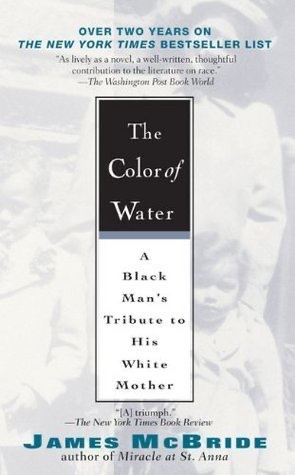 The Color of Water: A Black Man's Tribute to His White Mother
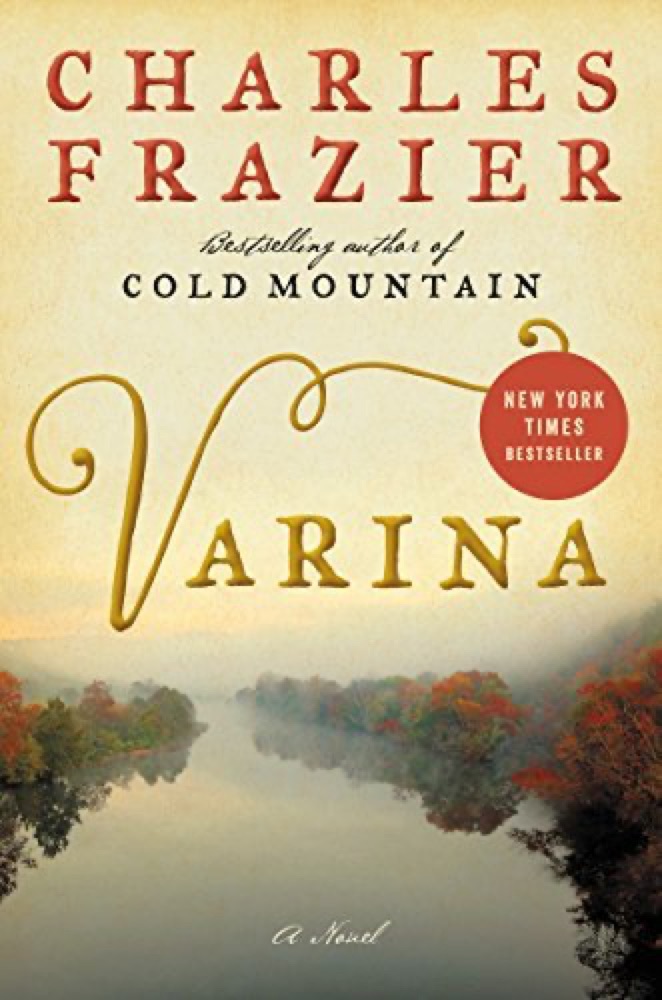 Varina
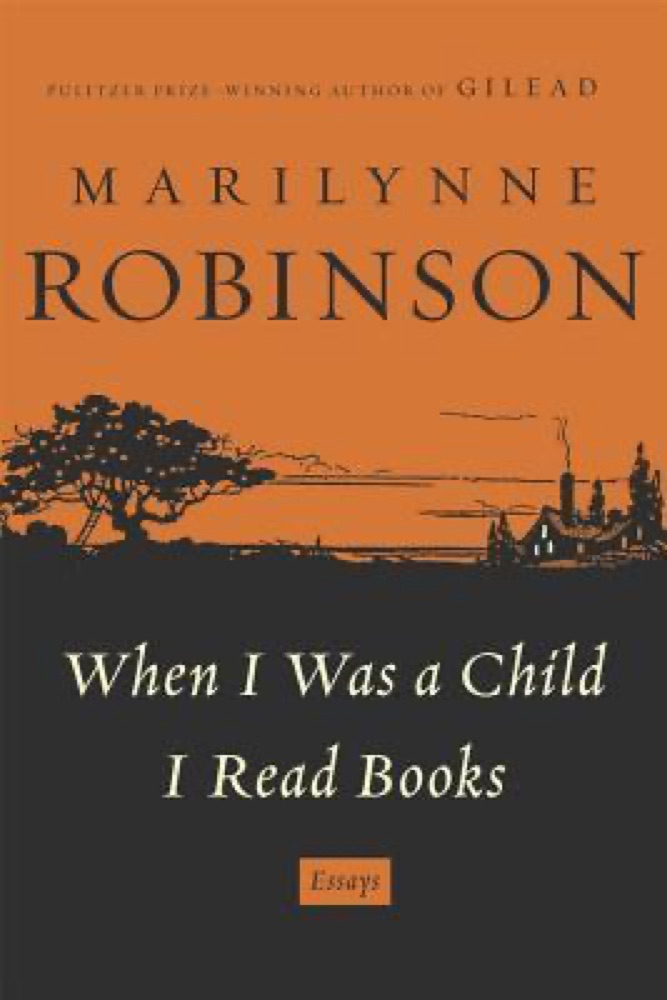 When I Was a Child I Read Books
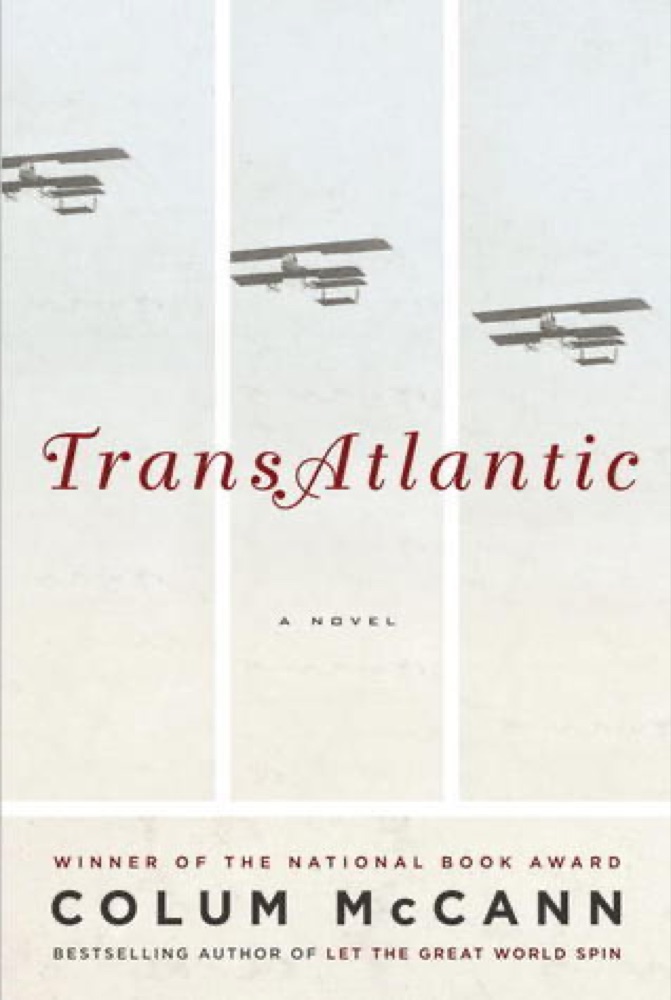 TransAtlantic
 The Last Year of the War
 The Autobiography of Malcolm X
 Open City
 Dust Tracks on a Road
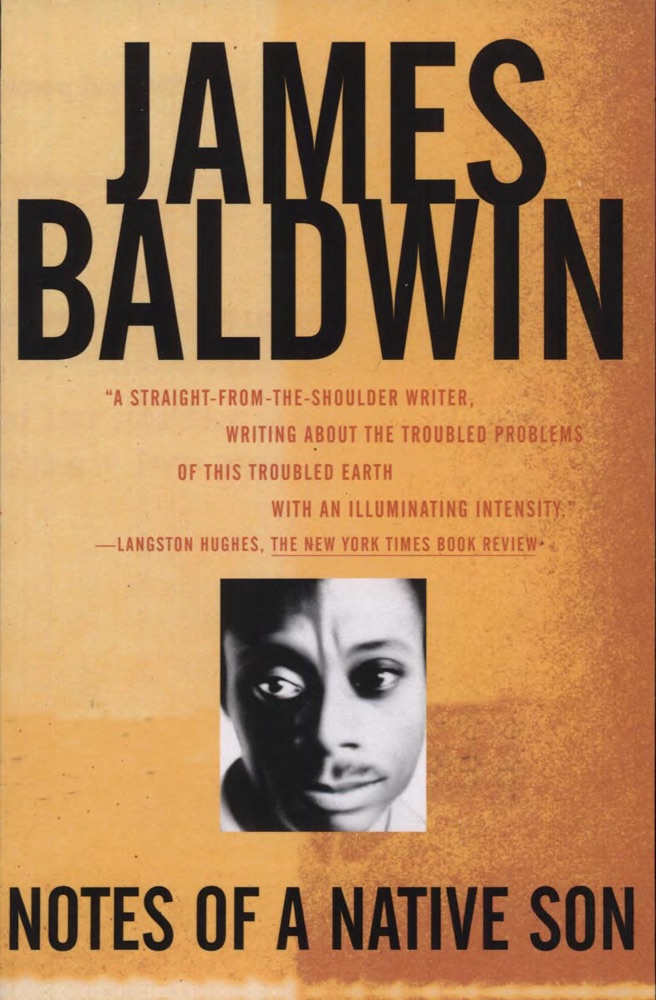 Notes of a Native Son
 The Golden House
 No One Tells You This
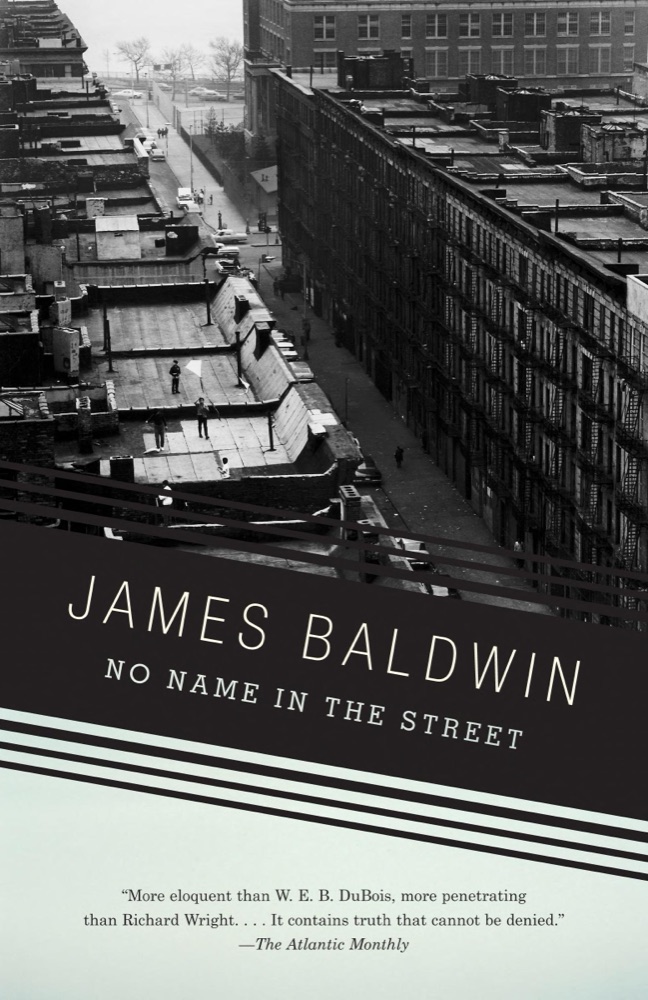 No Name in the Street
 The White Album
 The Love Songs of W.E.B. Du Bois
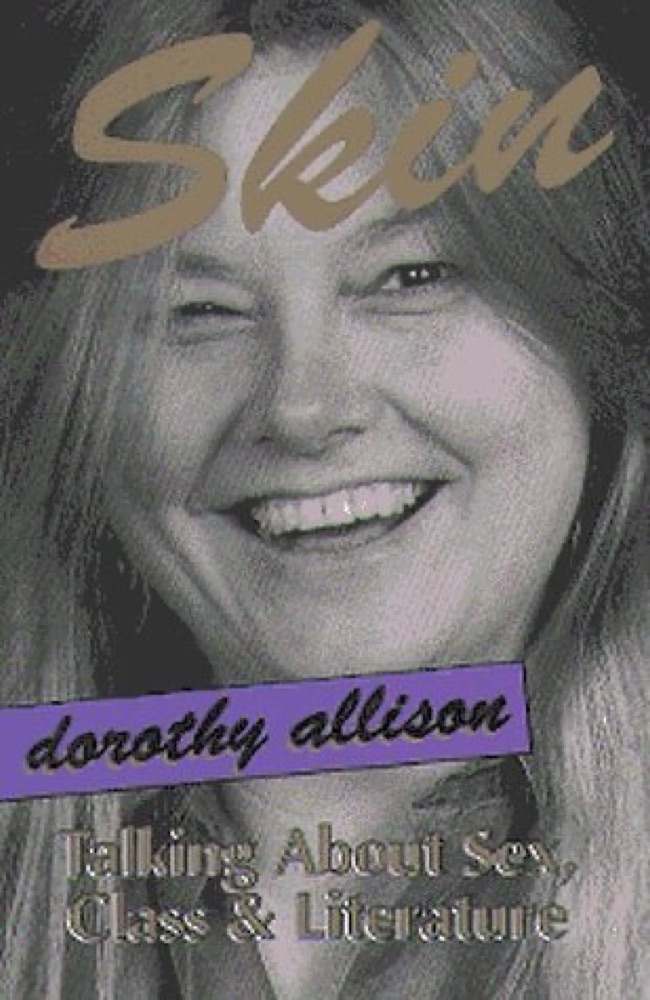 Skin: Talking About Sex, Class And Literature
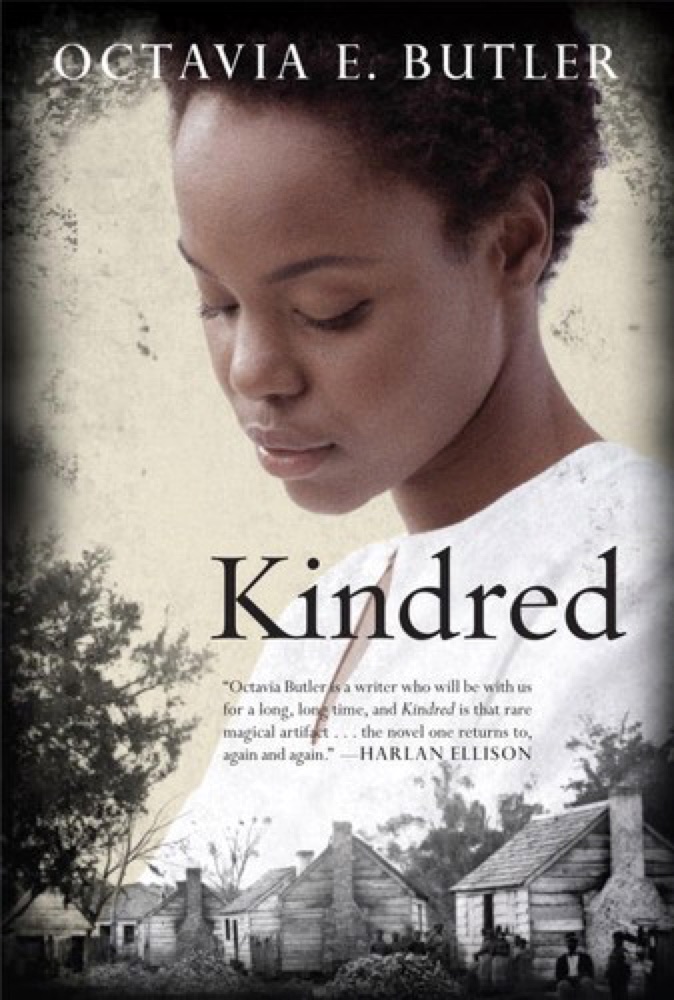 Kindred
 I'm Supposed to Protect You from All This
 God Help the Child
 The Shape of Mercy
 The Source of Self-Regard: Selected Essays, Speeches, and Meditations
 The Hour I First Believed
 How We Fight For Our Lives
 Scenes from My Life: A Memoir
 A People's Future of the United States: Speculative Fiction from 25 Extraordinary Writers