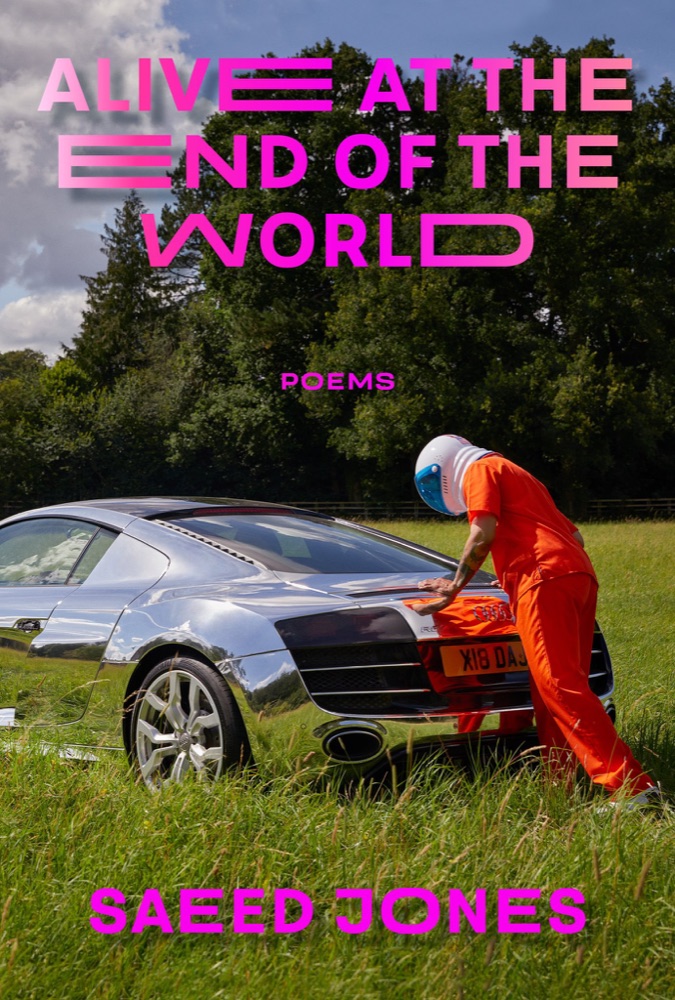
 Alive at the End of the World
Quotes from the Book
I made myself a promise: Even if it meant becoming a stranger to my loved ones, even if it meant keeping secrets, I would have a life of my own.
34
People don’t just happen. We sacrifice former versions of ourselves. We sacrifice the people who dared to raise us. The “I” it seems doesn’t exist until we are able to say, “I am no longer yours.” My grandmother and I, without knowing it, were faithfully following a script that had already been written for us. A woman raises a boy into a man, loving him so intensely that her commitment finally repulses him.
30
Just as some cultures have a hundred words for 'snow,' there should be a hundred words in our language for all the ways a black boy can lie awake at night.
22
Tears don't always just fall; sometimes they rip through you, like storm-painted gusts instead of mere raindrops.
20
A joke I used to repeat in those days was: Why be happy when you can be interesting? I knew how to be interesting. There was power in being a spectacle, even a miserable spectacle. The punch and the line. Interesting: sentences like serrated blades, laughter like machine-gun rounds, a drink in one hand, a borrowed cigarette in the other. If you could draw enough glances, any room could orbit around you.
13
Being black can get you killed. Being gay can get you killed. Being a black gay boy is a death wish. And one day, if you’re lucky, your life and death will become some artist’s new “project.
11
The sons of single mothers inevitably encounter well-meaning family members who like to remind us of our role as "the man of the house." The statement usually made me wince, the way it implicitly merged the roles of son, father, and husband; the way it erased the grown woman to whom the house actually belonged.
8
The sweetness we deny ourselves because the world is wailing.
8
America was going to hate me for being black and gay, then I might as well make a weapon out of myself.
7
Maybe, a decade older than I was, he knew what I would eventually learn: it’s possible for two men to become addicted to the damage they do to each other.
7
It seemed as if my life was waiting for me outside that room, like a polite guest I'd left behind at the table. It was rude to keep him waiting. It helped to think of my life as someone separate from me, a person who didn't deserve to be abandoned.
7
That night was the first time in my life I felt like the words “gay” and “alone” weren’t synonyms for each other.
6
However many masks we invent and deploy, in the end, we cannot control what other people see when they look at us.
4
Toni Morrison’s sentences were like rivers with murky bottoms. They didn’t obey the rules I was learning in school. When I stepped in, I couldn’t see my feet; I retreated back to the shore.
4
Everyone has a lie we’re quietly waiting to believe.
4
Of course I wanted to see the world, to experience its fullness. I wanted to be a real part of it, rather than the passing shadow I so often felt like. I wanted to devour the world. I sat there ablaze, struggling to apprehend a new, darkly radiant sense of self.
3
I buried myself in the bodies of other men so I could feel something other than the depression that was rolling in like a fog bank.
3
It was if I wanted credit for rescuing my mother from a fire that I had set and couldn’t put out. I wasn’t the man of the house; I was the kid who’d finally lit his first match.
3
Who are you the morning after the most beautiful man you have ever kissed tries to kill you? And the morning after that? How about the following week?
3
I believed that I could control any story I told. If something happened, I could write about it, own it, resolve it. Simple. You could afford to be interesting, if you could pin everything to the page afterward.
2
This place so coursing and vibrant that wonders would flash past whether you were watching or not. The city’s electric hum would stay with me. I knew I had to return to those streets and sidewalks, crowded with people who had found a way to be themselves.
2
The first book that stopped me was for parents dealing with gay children. The introduction was worded like it was intended for readers coping with a late-stage cancer diagnosis. I put the book back on the shelf, wrong side out.
2
I slipped on the forcefully carefree posture of the other boys around me. The existential shrug of young men afraid to admit that they’ve been touched by art, and that they want to be touched in that way again.
2
In reality, I was a lanky, black, obvious teenager, obviously effeminate too, if given an opportunity to move or speak. But from a distance, maybe my body transformed, as the bodies of young black men are wont to do when stared at by white people in this country. Maybe my spine stretched itself into a basketball player’s posture, this stranger’s gaze giving me something I could never quite seem to give myself: the sense of being a real man, strong, even intimidating.
2
Too much had happened for me to keep waking up surrounded by the lie of continuity.
2
A man might still decide that when he looks at you, all he sees is a nigger, a faggot, or both.
2
I will say for myself: America, I did the best I could with what I was given.
1
I though productivity was what survival looked like.
1
Watch on YouTube
About Saeed Jones
We have collected 37 quotes from 2 books by Saeed Jones on BookQuoters.
More about the author →More by Saeed Jones
Alive at the End of the World
About the book
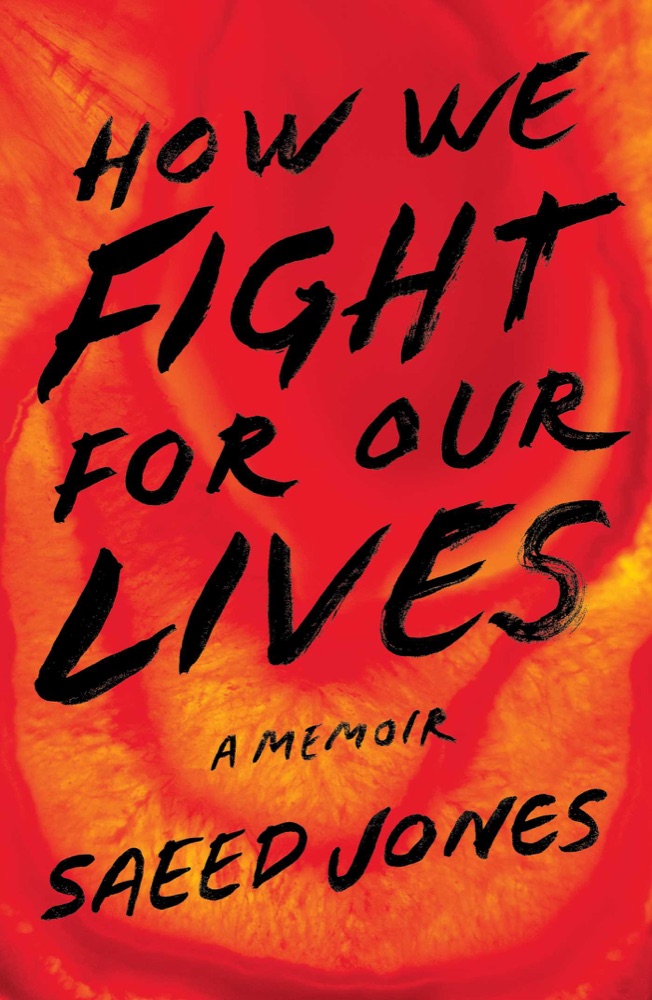
From award-winning poet Saeed Jones, How We Fight for Our Lives is a stunning coming-of-age memoir written at the crossroads of sex, race, and power.“People don’t just happen,” writes Saeed Jones. “We sacrifice former versions of ourselves. We sacrifice the people who dared to raise us. The ‘I’ it seems doesn’t exist until we are able to say, ‘I am no longer yours.’ ”Haunted and haunting, Jones’s memoir tells the story of a young, black, gay man from the South as he fights to carve out a place for himself, within his family, within his country, within his own hopes, desires, and fears. Through a series of vignettes that chart a course across the American landscape, Jones draws readers into his boyhood and adolescence—into tumultuous relationships with his mother and grandmother, into passing flings with lovers, friends and strangers. Each piece builds into a larger examination of race an
Book details
- First published
- 2019
- Author
- Saeed Jones
- Genre
- Biography
- Goodreads rating
- 4.27 (23k ratings)
Keep reading
 Men We Reaped
 Black Boy
 Swimming in the Dark
 Fire Shut Up in My Bones: A Memoir
 Somebody's Daughter
 One's Company
 Heart Berries
 The House of Hidden Meanings
 Rainbow Black
 Notes of a Crocodile
 Women We Buried, Women We Burned: A Memoir
 All But My Life: A Memoir
 Boy Erased: A Memoir of Identity, Faith, and Family
 Lucky
Lucky
 Stone Butch Blues
 Dream Count
 Punch Me Up to the Gods
 Underdog
 Becoming a Man: Half a Life Story
 Just Ignore Him
 The Beautiful Struggle: A Father, Two Sons and an Unlikely Road to Manhood
 Chances Are...
 The Likeness
 All Fours
 Tonight I'm Someone Else: Essays
 What I Was
 The Death of Vivek Oji
 Borne
Borne
 Brave Face
 A Little Devil in America: Notes in Praise of Black Performance
 Breaking Night: A Memoir of Forgiveness, Survival, and My Journey from Homeless to Harvard
 The Girl Who Smiled Beads: A Story of War and What Comes After
 I Keep My Exoskeletons to Myself
 Dear Senthuran: A Black Spirit Memoir
 Dreams from My Father: A Story of Race and Inheritance
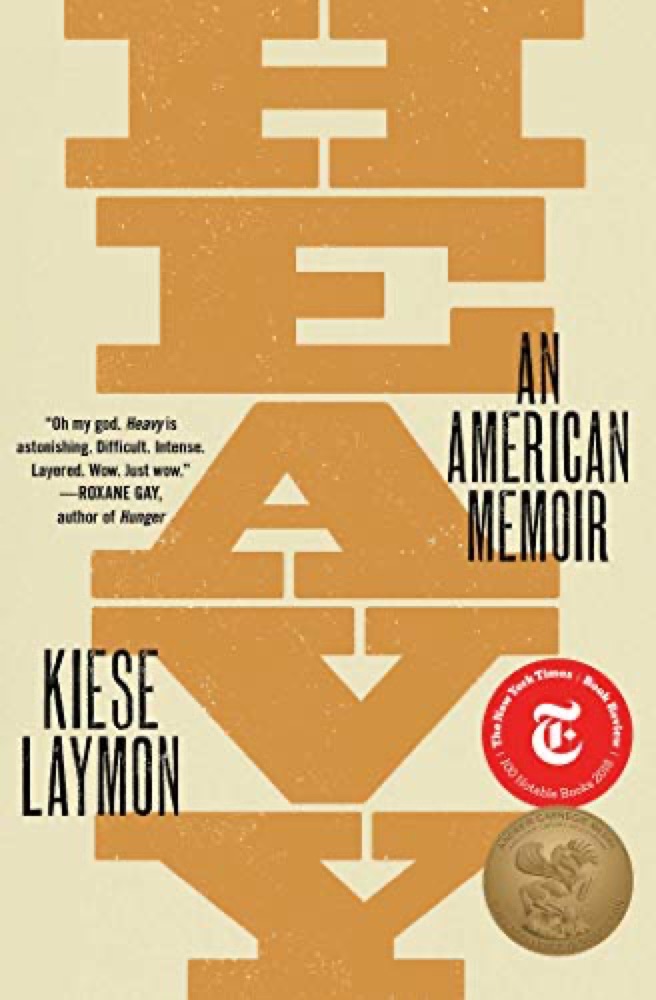 Heavy
Heavy
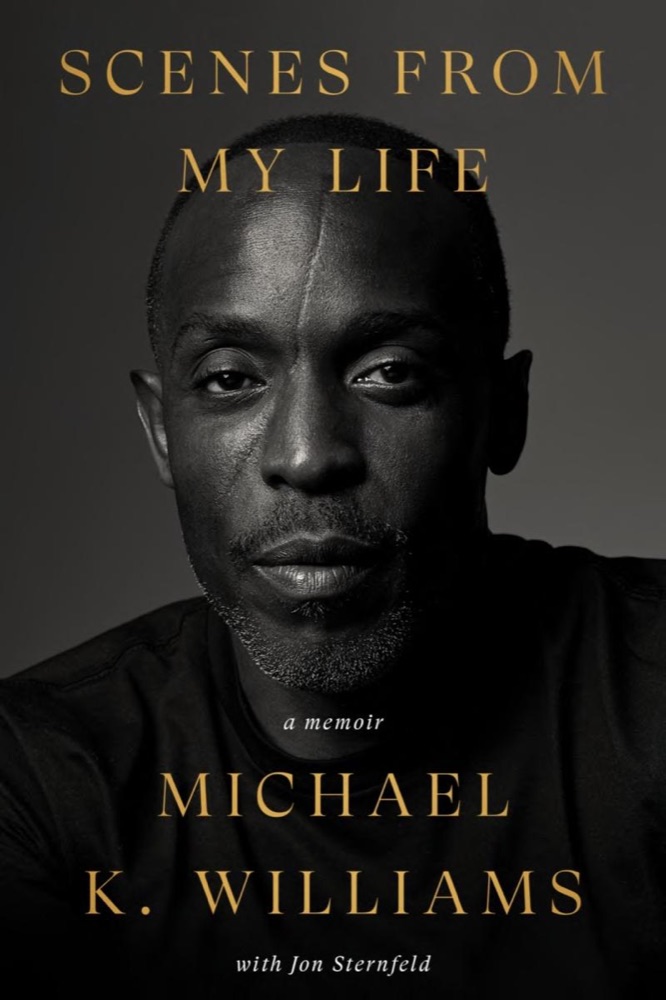 Scenes from My Life: A Memoir
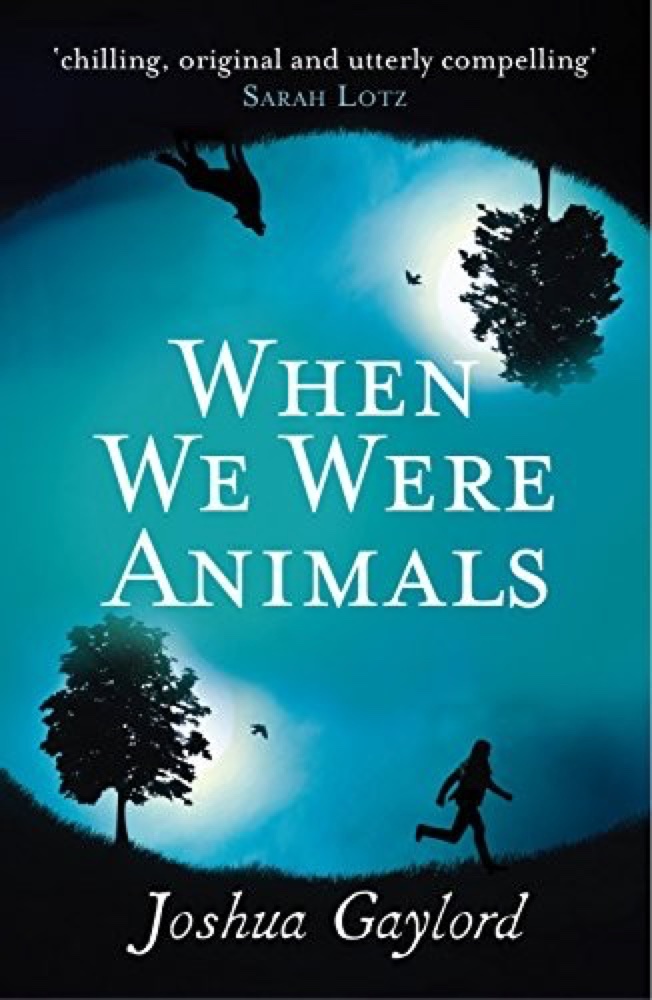 When We Were Animals
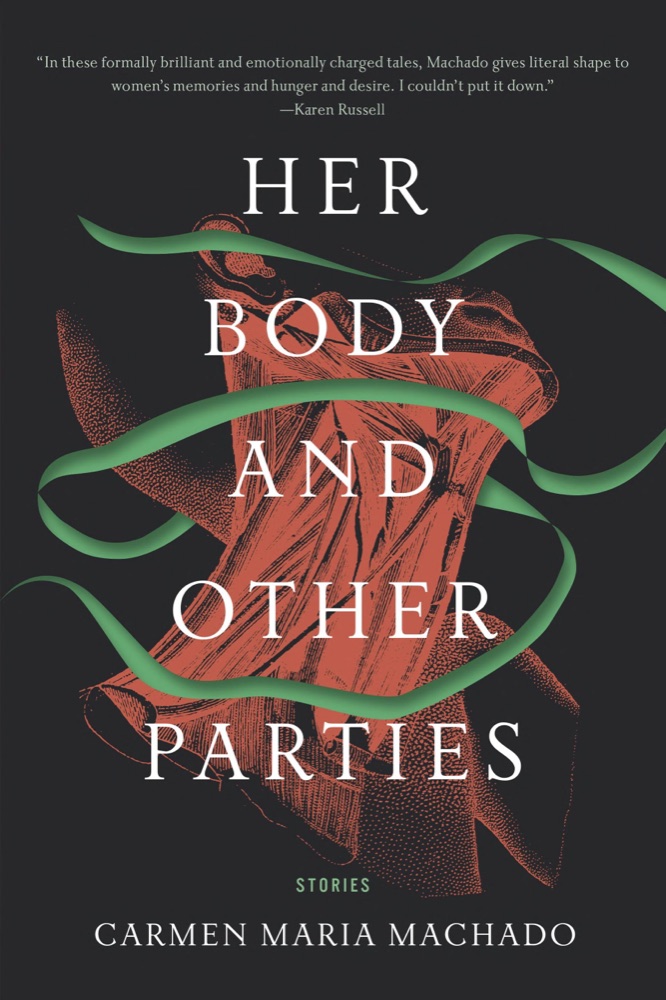 Her Body and Other Parties
 Mother Mary Comes to Me
 Close to the Knives: A Memoir of Disintegration
 The Story of a New Name
 Dark Places
 A History of My Brief Body
 The Spirit Bares Its Teeth
 Indelicacy
 The Sweet Hereafter
 The Chronology of Water
 Skin: Talking About Sex, Class And Literature
 X
X
 The Fact of a Body: A Murder and a Memoir
 Middlesex
 In My Dreams I Hold a Knife
 The Hour I First Believed
 Struck by Lightning: The Carson Philips Journal
 The Saturday Night Ghost Club
 Prep
Prep
 All This Could Be Different
 The Book of Negroes
 A Small Indiscretion