

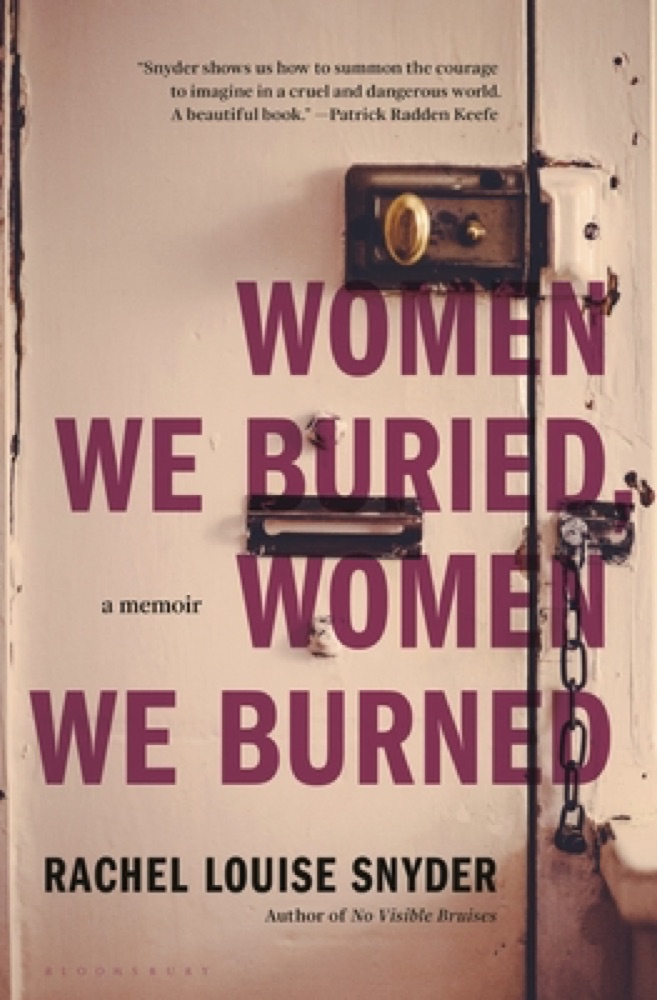
 Women We Buried, Women We Burned: A Memoir
Quotes from the Book
I saw a pattern forming, like a series of skipping stones that sent ripples through the generations: all the granddaughters and grandmothers who loved each other, all the mothers left stranded in between.
9
The things my mother did not see about herself, I did not see, either.
7
The past shaped the present, but the present also reshaped the past.
5
According to neuroscientists, when we stir up a long-term memory, it floats in our consciousness, unstable, for a window of approximately three hours. During this time, the memory is malleable. The present infiltrates the past. We add details to fill in the gaps. Then the brain re-encodes the memory as if it were new, writing over the old one. As it sinks back down into the depths of our minds, we are not even aware of what we have gained or lost, or why.
3
She could set the universe aflame, but she used herself as fuel. Somewhere inside, the earth was scorched.
1
Having a writer in the family is like having a murderer in the family.
1
I saw all the ways in which she worked to be a very different mother from her own. And I also saw how much the past, so long kept secret, pulled us into formations like a deep ocean current, from so far below that we barely knew we were not moving on our own.
1
Oh Nadja!" my mother said. 'You're still stuck in your black-and-white phase of good and evil. The world is more complicated than that.
1
But I suppose that’s what old age is
My mother had told me once that her life felt like literature to her. It was filled with resonances and symbolism. I had always felt similarly
I have always felt at my safest around anger directed at someone not present.
I wanted to freeze time so I could keep a baby version of you in my pocket. I remember a conversation I had with my father. He told me to be excited. He said there was a whole new phase to enter when you begin discovering your children as people.
I’m saying that there is no objective reality
The café was a place that would come to mark a time in her life. She loved the pinball machines and the demi panachés. She loved the casual hours spent around others almost as painlessly as if she were alone.
It would take me years to realize that not everyone had nightmares about bombs and planes.
I found no power or pleasure in my changing body
Some things were said so often that they became true.
My mother wasn’t perfect. My mother was intense. Things didn’t happen because they were possible
I did not want to accept the random disorder of a world without narrative. That is what magic was for me: meaning superimposed on chaos.
I was unhappy there in the way presumptuous young people often are in their first jobs. I believed I could see all of the company’s dysfunction and the solutions to it. Yet, despite my extraordinarily clear memos, my superiors refused to let me overhaul the organization.
My father’s graphic novel Maus about his parents’ experiences in the concentration camps, won a Pulitzer Prize when I was five.
We knew, my brother and I, that it was only fear that led to danger. My mother cast around us her conviction that we would always be safe, and it held us like a force field.
Watch on YouTube
About Nadja Spiegelman
We have collected 22 quotes from 1 book by Nadja Spiegelman on BookQuoters.
More about the author →About the book
A memoir of mothers and daughters—and mothers as daughters—traced through four generations, from Paris to New York and back again. For a long time, Nadja Spiegelman believed her mother was a fairy. More than her famous father, Maus creator Art Spiegelman, and even more than most mothers, hers—French-born New Yorker art director Françoise Mouly—exerted a force over reality that was both dazzling and daunting. As Nadja’s body changed and “began to whisper to the adults around me in a language I did not understand,” their relationship grew tense. Unwittingly, they were replaying a drama from her mother’s past, a drama Nadja sensed but had never been told. Then, after college, her mother suddenly opened up to her. Françoise recounted her turbulent adolescence caught between a volatile mother and a playboy father, one of the first plastic surgeons in France. The weight of the difficult stori
Book details
- First published
- 2016
- Author
- Nadja Spiegelman
- Genre
- Biography
- Goodreads rating
- 4.02 (3k ratings)
The buzz
- The New York TimesReview in The New York Timesprofessional review (via Book Marks)
- The GuardianReview in The Guardianprofessional review (via Book Marks)
- NPRReview in NPRprofessional review (via Book Marks)
- SlateReview in Slateprofessional review (via Book Marks)
- Washington Independent Review of BooksReview in Washington Independent Review of Booksprofessional review (via Book Marks)
- The Boston GlobeReview in The Boston Globeprofessional review (via Book Marks)
Keep reading
Women We Buried, Women We Burned: A Memoir
 Wild Game: My Mother, Her Lover, and Me
 Glitter and Glue
 Hot Milk
 Somebody's Daughter
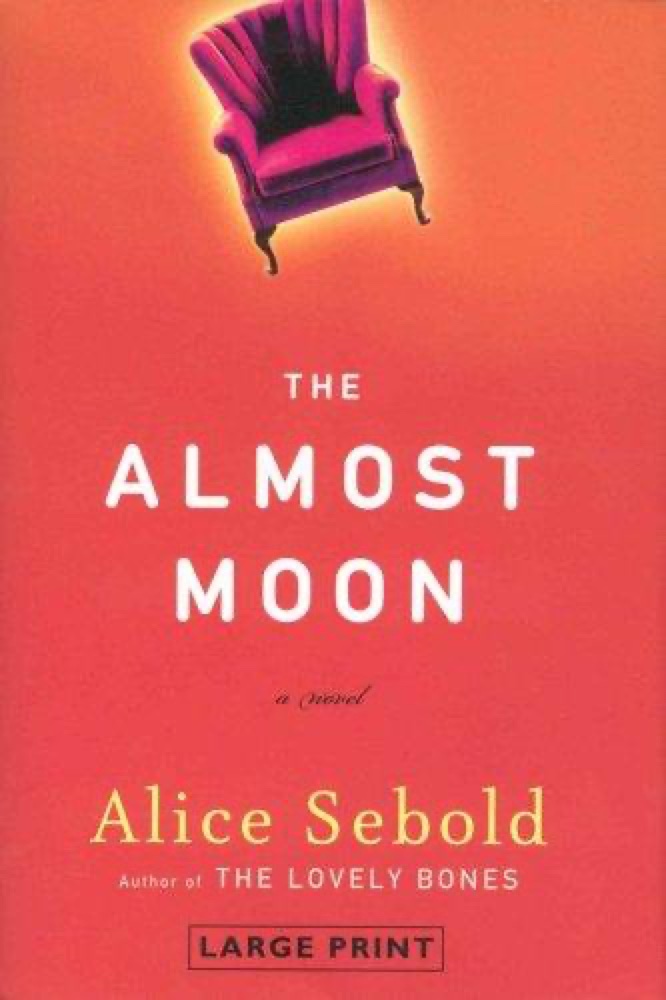 The Almost Moon
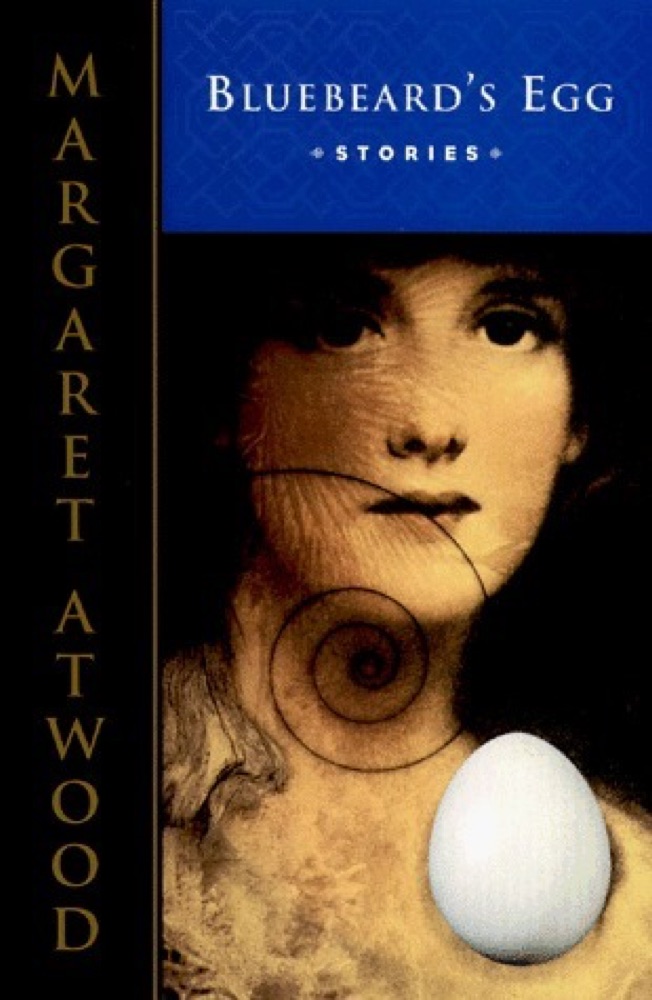 Bluebeard's Egg
 Mother Mary Comes to Me
 World's Fair
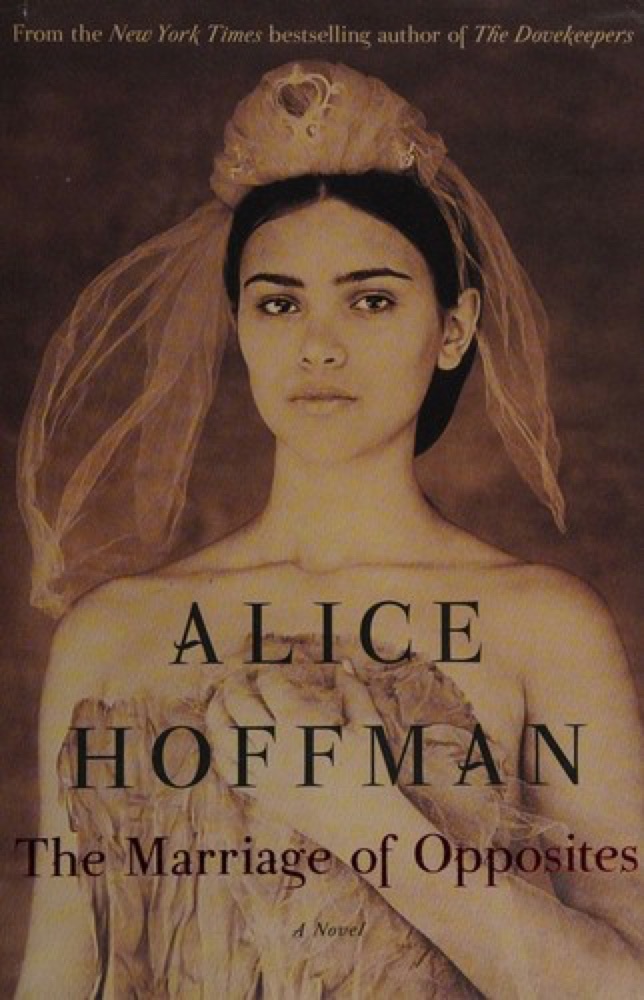 The Marriage of Opposites
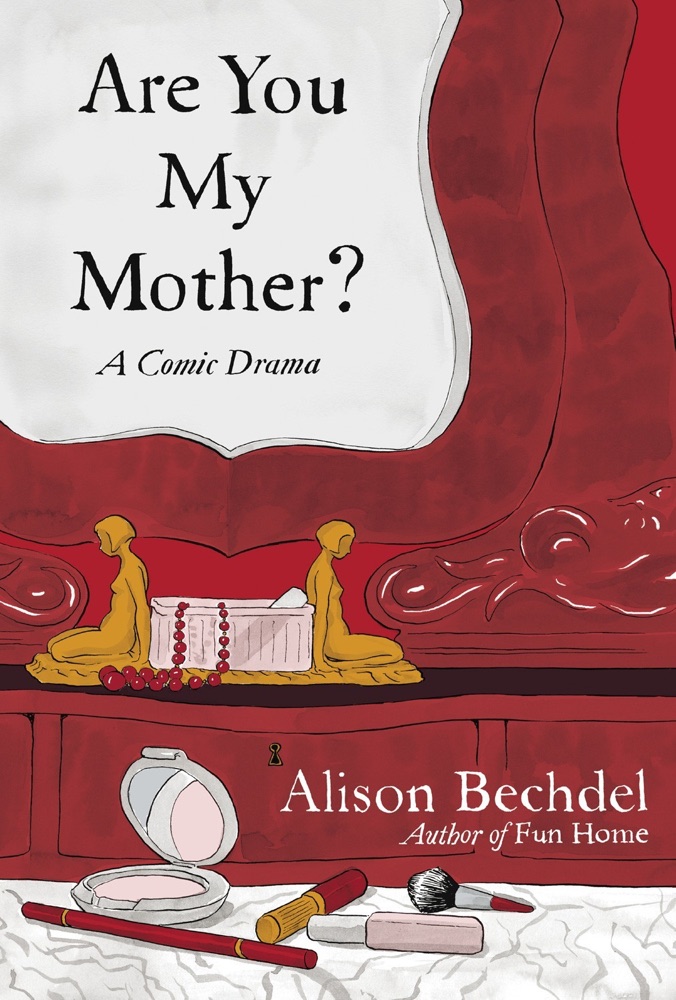 Are You My Mother?: A Comic Drama
 Cold Enough for Snow
 Litani
 Ink Blood Sister Scribe
 Pink Slime
 Fire Shut Up in My Bones: A Memoir
 My Brilliant Friend
 The Story of a New Name
 The Death of Vivek Oji
 Summer Island
 Her Body and Other Parties
 The Bonesetter's Daughter
 The Push
 The Best We Could Do
 The House of My Mother: A Daughter's Quest for Freedom
 The Likeness
 The Sweet Taste of Muscadines
 Singin' and Swingin' and Gettin' Merry Like Christmas
 Alice I Have Been
 The Discomfort Zone: A Personal History
 Living to Tell the Tale
 Warlight
 Things I Don't Want to Know
 Lucky
Lucky
 A Thousand Acres
 The Bookshop at Water's End
 Little Monsters
 The Lost Daughter
 Burnt Sugar
 The Tell: A Memoir
 Crying in H Mart
 Dreams of Falling
 Too Much Happiness: Stories
 A Slow Fire Burning
 Anatomy of a Disappearance
 The Cloisters
 Middlesex
 Em and The Big Hoom
 The First Time She Drowned
 Gliff
Gliff
 The Other Americans
 Then She Was Gone
 Homecoming
 Notes on Your Sudden Disappearance
 All Fours
 Tangerine
 The Clockmaker's Daughter
 Sybil: The Classic True Story of a Woman Possessed by Sixteen Personalities
 Joan Is Okay
 Banyan Moon