 Erasure
Quotes from the Book
At that moment the power of reading made itself clear and real to me. If I could see the words, then no one could control them or what I got from them. They couldn’t even know if I was merely seeing them or reading them, sounding them out or comprehending them. It was a completely private affair and completely free and, therefore, completely subversive.
147
If you're not making mistakes, you're not learning.
86
Belief has nothing to do with truth.
84
I had never seen a white man filled with such fear. The remarkable truth, however, was that it was not the pistol, but my language, the fact that I didn’t conform to his expectations, that I could read, that had so disturbed and frightened him.
62
I hated the world that wouldn’t let me apply justice without the certain retaliation of injustice.
57
With my pencil, I wrote myself into being.
53
There is no God, child. There’s religion but there’s no God of theirs. Their religion tells that we will get our reward in the end. However, it apparently doesn’t say anything about their punishment. But when we’re around them, we believe in God. Oh, Lawdy Lawd, we’s be believin’. Religion is just a controlling tool they employ and adhere to when convenient.
48
Which would frighten you more? A slave who is crazy or a slave who is sane and sees you clearly?
47
Dey takes the lies dey want and throws away the truths dat scares ’em.
35
How strange a world, how strange an existence, that one’s equal must argue for one’s equality, that one’s equal must hold a station that allows airing of that argument, that one cannot make that argument for oneself, that premises of said argument must be vetted by those equals who do not agree.
33
I did not look away. I wanted to feel the anger. I was befriending my anger, learning not only how to feel it, but perhaps how to use it.
30
- You know, dull tools are much more dangerous than sharp ones. - I paused to admire his metaphor, but he continued.
27
It’s a horrible world. White people try to tell us that everything will be just fine when we go to heaven. My question is, Will they be there? If so, I might make other arrangements.
26
Religion is just a controlling tool they employ and adhere to when convenient.
26
But my interest is in how these marks that I am scratching on this page can mean anything at all. If they can have meaning, then life can have meaning, then I can have meaning.
25
I considered the northern white stance against slavery. How much of the desire to end the institution was fueled by a need to quell and subdue white guilt and pain? Was it just too much to watch? Did it offend Christian sensibilities to live in a society that allowed that practice? I knew that whatever the cause of their war, freeing slaves was an incidental premise and would be an incidental result.
24
To fight in a war,' he said. 'Can you imagine?' 'Would that mean facing death every day and doing what other people tell you to do?' I asked. 'I reckon.' 'Yes, Huck. I can imagine.
24
I can tell you that I am a man who is cognizant of his world, a man who has a family, who loves a family, who has been torn from his family, a man who can read and write, a man who will not let his story be self-related, but self-written.
24
We're slaves. We're not anywhere. Free person, he can be where he wants to be. The only place we can ever be is in slavery.
22
I chose the word enemy, and still do, as oppressor necessarily supposes a victim.
22
I saw the surface of her, merely the outer shell, and realized that she was mere surface all the way to her core.
18
Way I sees it is dis. If’n ya gots to hab a rule to tells ya wha’s good, if’n ya gots to hab good ’splained to ya, den ya cain’t be good. If’n ya need sum kinda God to tells ya right from wrong, den you won’t never know.
17
White people often spent time admiring their survival of one thing or another. I imagined it was because so often they had no need to survive, but only to live.
17
The children said together, “And the better they feel, the safer we are.” “February, translate that.” “Da mo’ betta dey feels, da mo’ safer we be.” “Nice.
15
I had already come to understand the tidiness of lies, the lesson learned from the stories told by white people seeking to justify my circumstance. I appreciated Voltaire’s notion of tolerance regarding religious difference and I understood, as absorbed as I was, that I was not interested in the content of the work, but its structure, the movement of it, the calling out of logical fallacies. And so, after these books, the Bible itself was the least interesting of all. I could not enter it, did not want to enter it, and then understood that I recognized it as a tool of my enemy. I chose the word enemy, and still do, as oppressor necessarily supposes a victim.
12
Why did God set it up like this?” Rachel asked. “With them as masters and us as slaves?” “There is no God, child. There’s religion but there’s no God of theirs. Their religion tells that we will get our reward in the end. However, it apparently doesn’t say anything about their punishment. But when we’re around them, we believe in God. Oh, Lawdy Lawd, we’s be believin’. Religion is just a controlling tool they employ and adhere to when convenient.” “There must be something,” Virgil said. “I’m sorry, Virgil. You might be right. There might be some higher power, children, but it’s not their white God. However, the more you talk about God and Jesus and heaven and hell, the better they feel.” The children said together, “And the better they feel, the safer we are.
12
I am a sign. I am your future. I am James.
11
I felt tired of the failures of men. They were always failing in the most basic ways, like looking down or away at the moment when they should be gutsy enough to meet your eye.
10
What you’re saying is that if someone pays you enough, it’s okay to abandon what you have claimed to understand as moral and right.
8
He could have gone through life without the knowledge I had given him and he would have been no worse off for it. But I understood at that moment that I had shared the truth with him for myself. I needed for him to have a choice.
8
Did you know?
- The novel retells Mark Twain's "Adventures of Huckleberry Finn" from the perspective of the enslaved character Jim.
- It won the 2025 Pulitzer Prize for Fiction and the 2024 National Book Award for Fiction.
- In the novel, enslaved characters speak in a deferential dialect only as a deliberate survival strategy in front of white people.
- It was shortlisted for the 2024 Booker Prize.
- The historical minstrel performer Daniel Decatur Emmett appears as a character.
About Percival Everett
Percival Everett is an American novelist and Distinguished Professor of English at the University of Southern California, known for inventive, genre-spanning fiction including "Erasure" and "The Trees." He is a prolific writer whose work frequently engages with race, identity, and American literature.
More about the author →More by Percival Everett
About the book
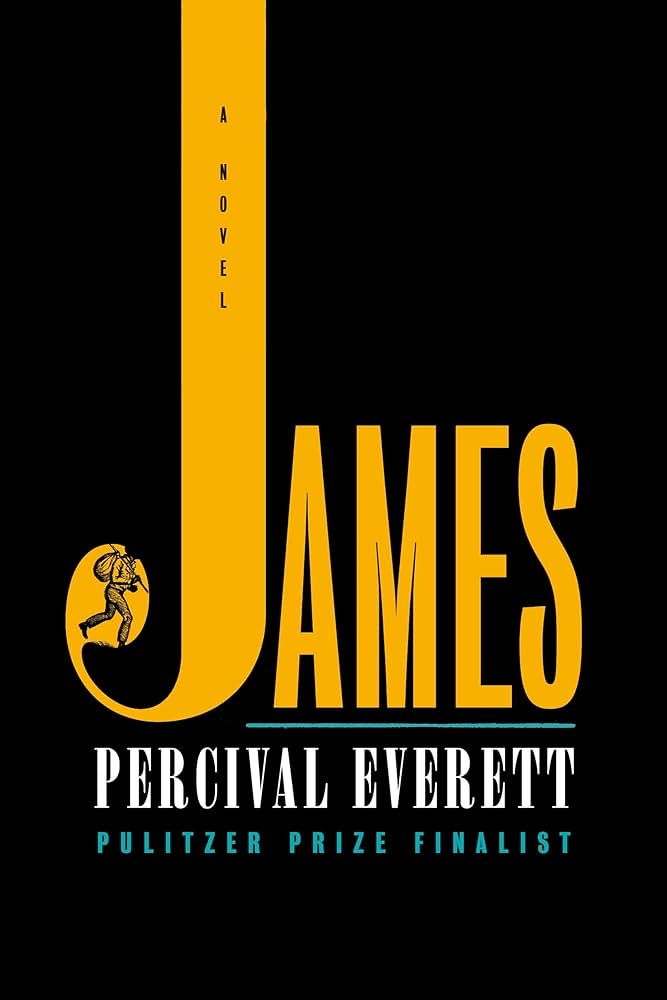
"James" is Percival Everett's reimagining of Mark Twain's "Adventures of Huckleberry Finn," retold from the perspective of Jim, an enslaved man in antebellum Hannibal, Missouri. When Jim learns he is about to be sold and separated from his wife and daughter, he flees to Jackson Island, where he crosses paths with Huck, a boy who has faked his own death to escape his abusive father. Together they journey down the Mississippi River, encountering con men, a traveling minstrel troupe, and the brutal realities of slavery, while Jim works toward freedom and reunion with his family.
A central conceit of the novel is that Jim and other enslaved characters secretly possess literacy and sophisticated intelligence, performing a deferential, broken dialect only as a survival strategy in front of white people. Through this device Everett explores themes of language, power, identity, and the dignity withheld by a dehumanizing system, reframing a canonical American story to center the inner life and agency of its enslaved character.
The book was a major critical success, winning the 2024 National Book Award for Fiction, the 2024 Kirkus Prize for Fiction, and the 2025 Pulitzer Prize for Fiction, and it was shortlisted for the 2024 Booker Prize. Reviewers widely praised its wit, moral seriousness, and the way it can be read both as a companion to Twain and as a fully independent work.
Key characters
- Jim (James)The enslaved protagonist, a literate and intelligent man who masks his abilities to survive
- Huckleberry FinnA runaway boy who travels the Mississippi with Jim
- The King and the DukeManipulative con men encountered on the river who betray Jim
- NormanA formerly enslaved man light-skinned enough to pass as white
- Daniel Decatur EmmettLeader of a traveling minstrel troupe
- SammyA young enslaved girl
Book details
- First published
- 2024
- Length
- 320 pages
- Reading time
- 5 hours
- Author
- Percival Everett
- Genre
- Fiction
- Goodreads rating
- 4.42 (573k ratings)
- First line
- “Those little bastards were hiding out there in the tall grass.”
Critical reception
- Won the 2025 Pulitzer Prize for Fiction.
- Won the 2024 National Book Award for Fiction and the 2024 Kirkus Prize for Fiction.
- Shortlisted for the 2024 Booker Prize.
- Critics praised it as a work that can be enjoyed both as a companion to Twain and as a fully independent novel.
Keep reading
 The Hour I First Believed
 Homegoing
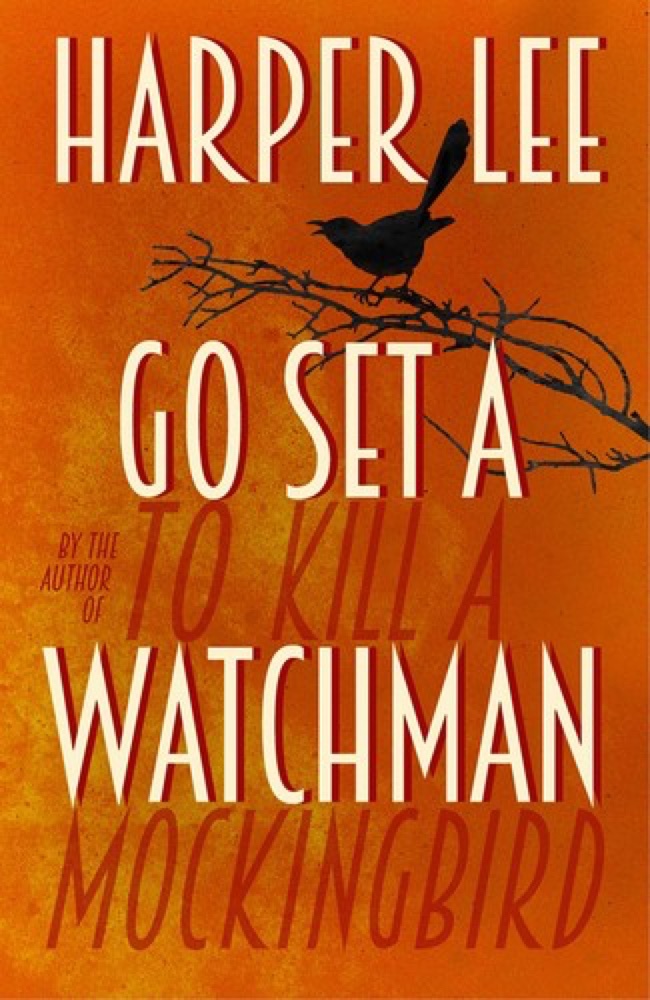 Go Set a Watchman
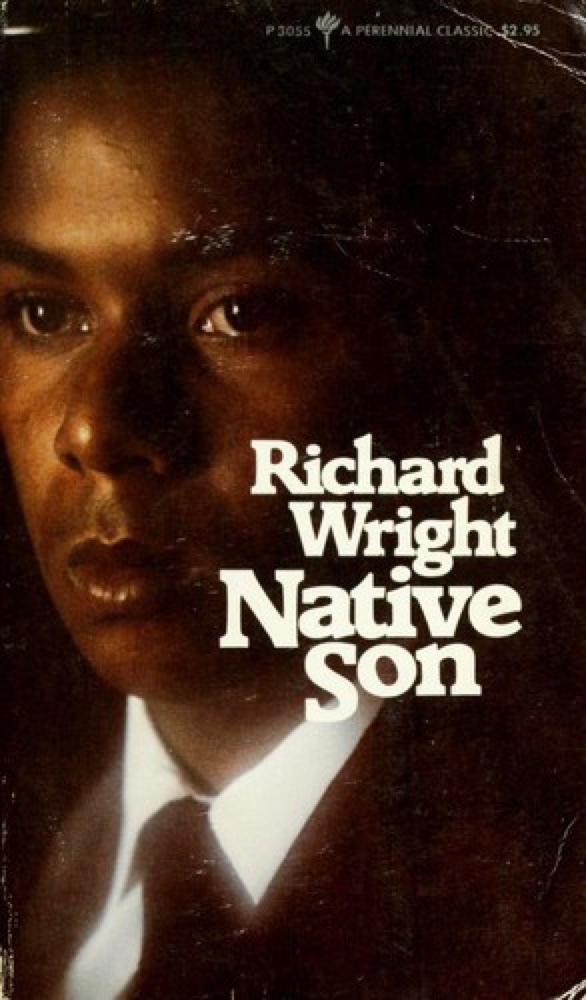 Native Son
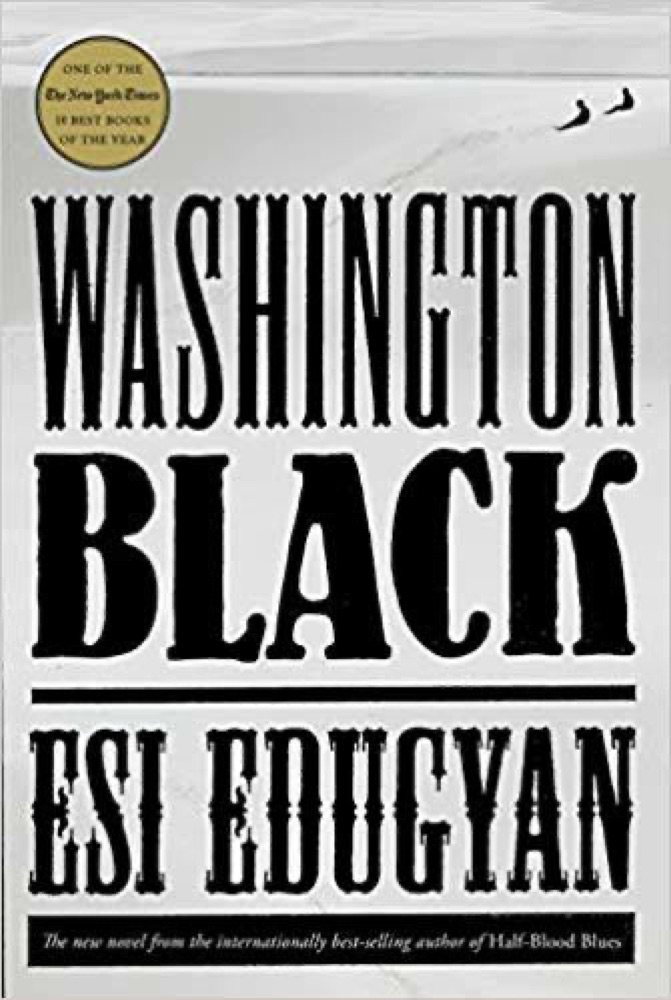 Washington Black
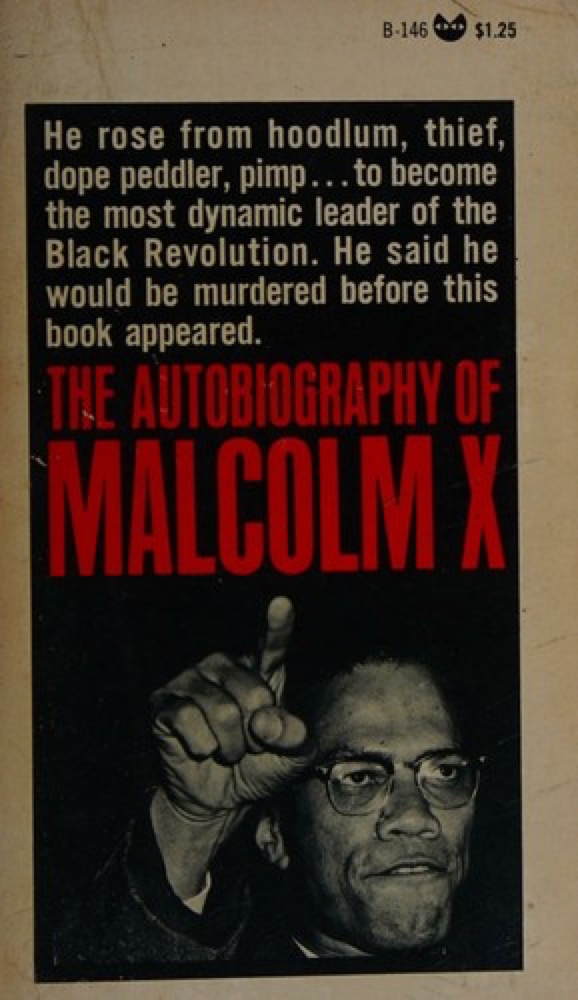 The Autobiography of Malcolm X
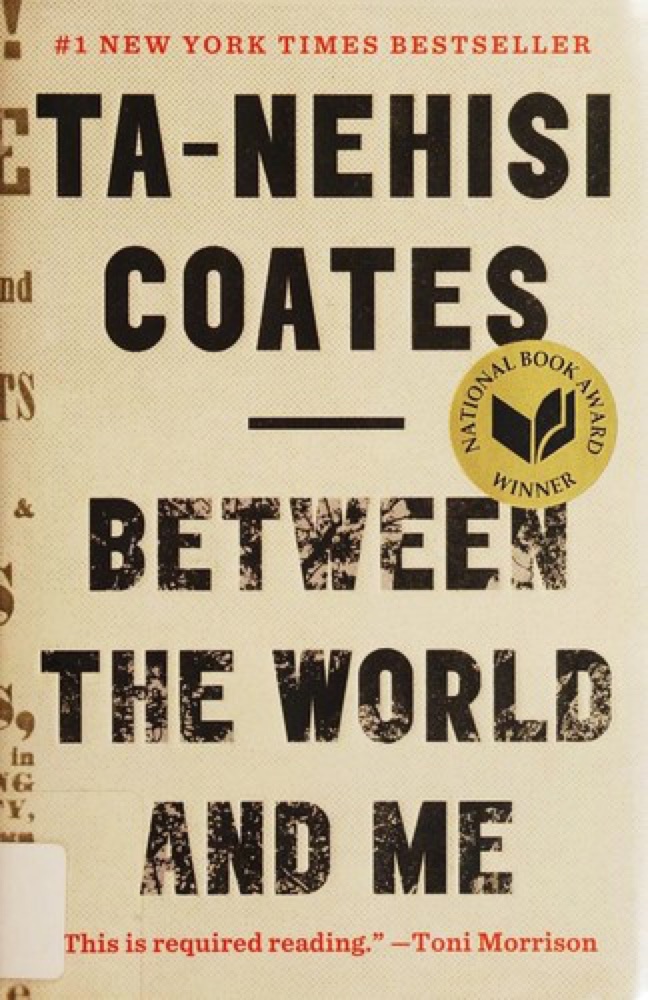 Between the World and Me
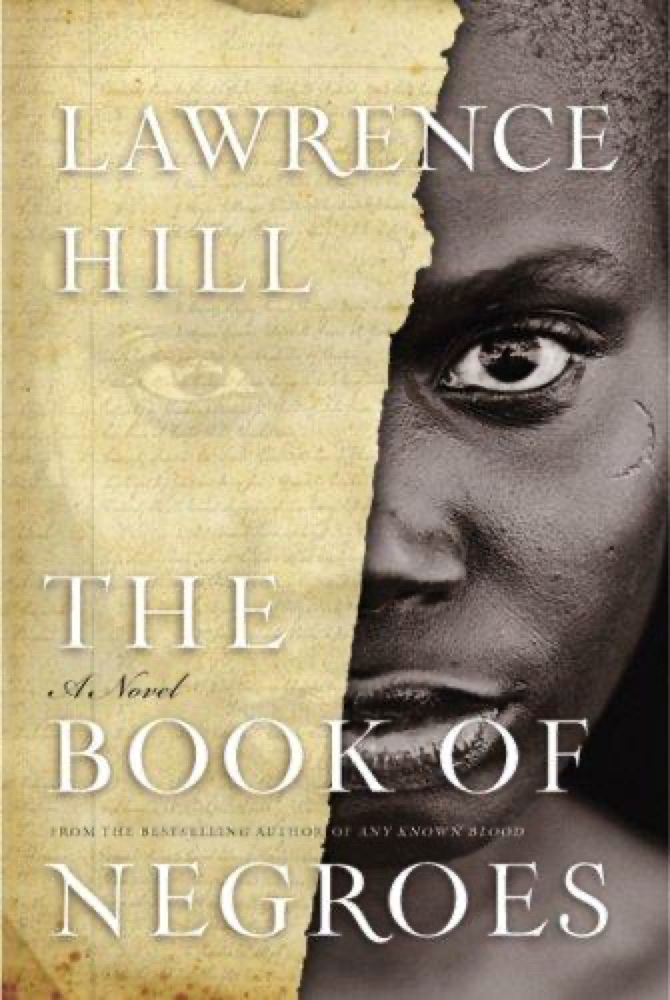 The Book of Negroes
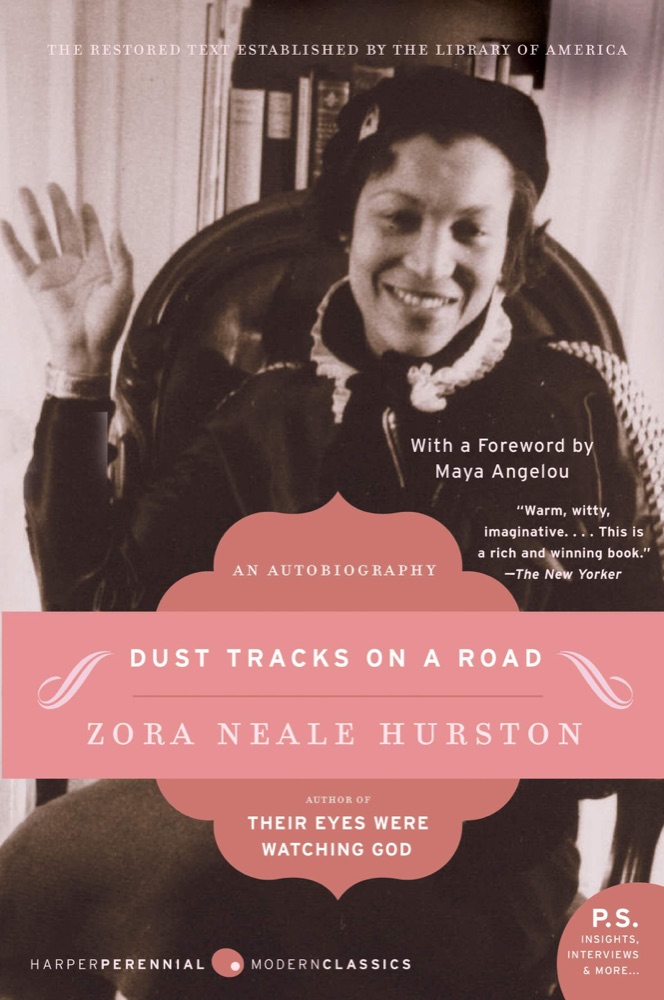 Dust Tracks on a Road
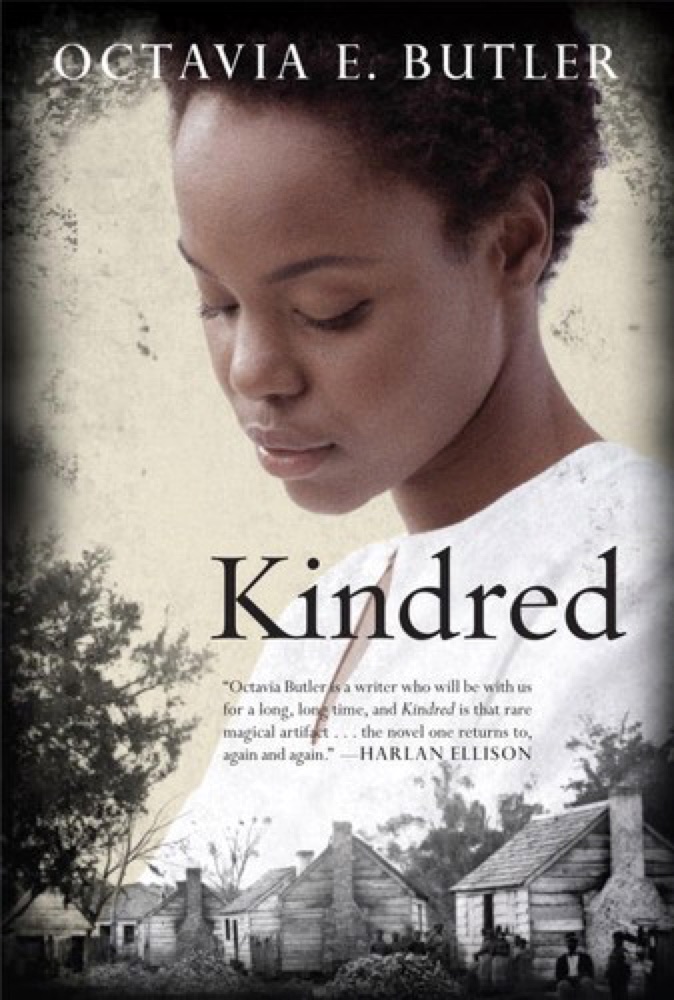 Kindred
 The Handmaid's Tale
 Dreams from My Father: A Story of Race and Inheritance
 The Heart of a Woman
 The Shape of Mercy
 Knife: Meditations After an Attempted Murder
 The Broken Eye
 The Brothers K
 Incidents in the Life of a Slave Girl
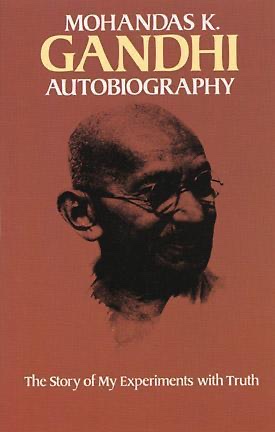 The Story of My Experiments With Truth
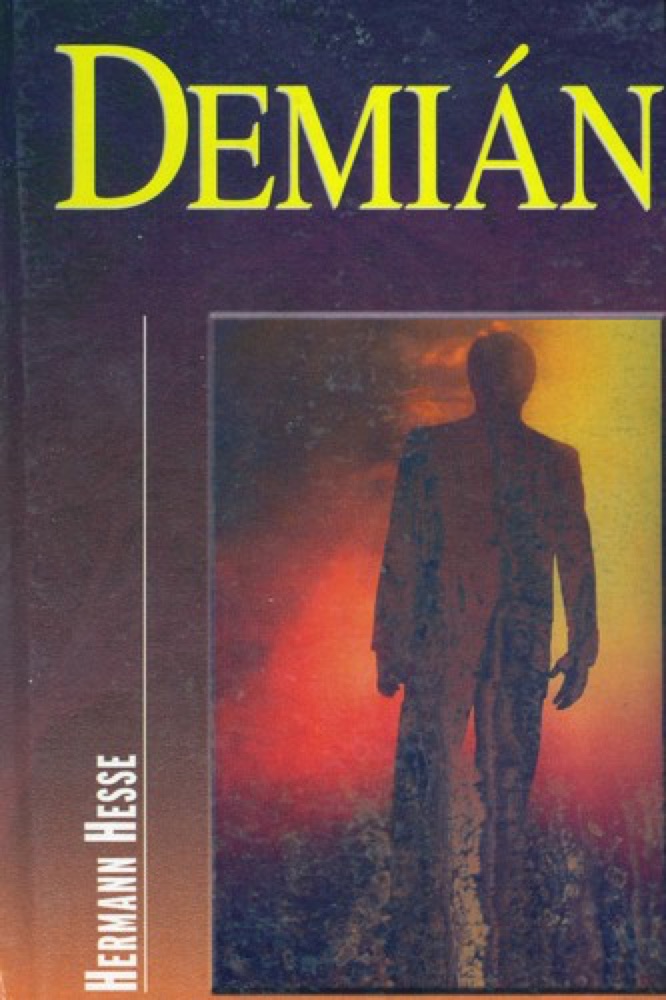 Demian
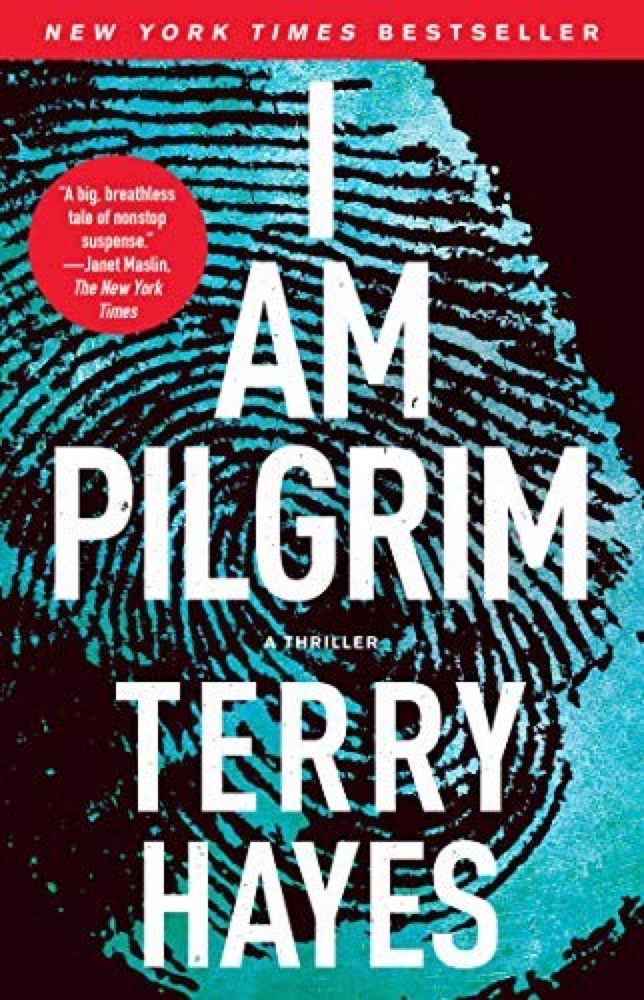 I Am Pilgrim
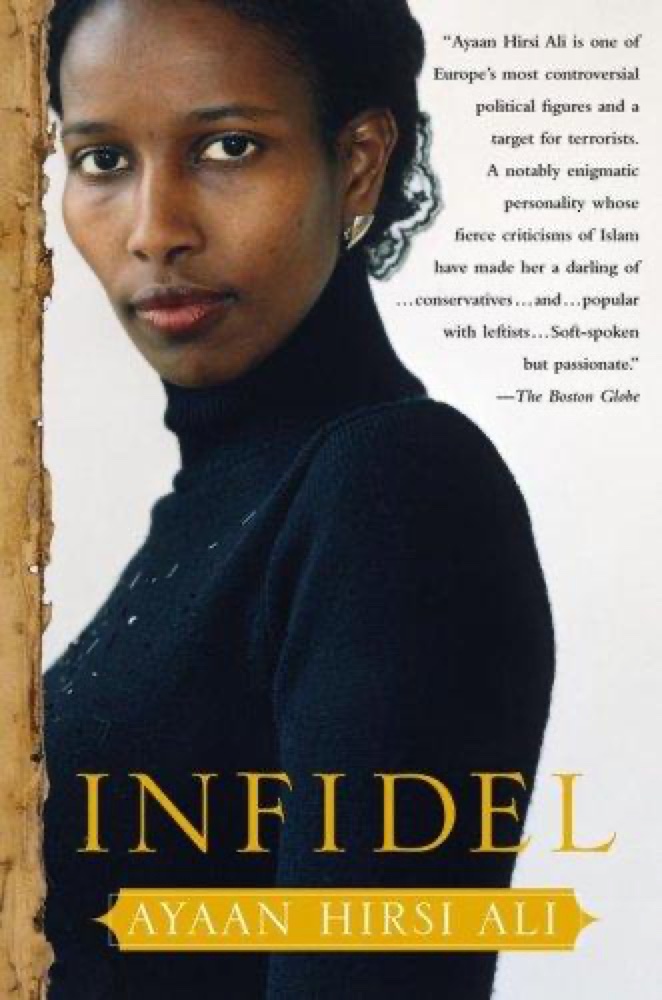 Infidel
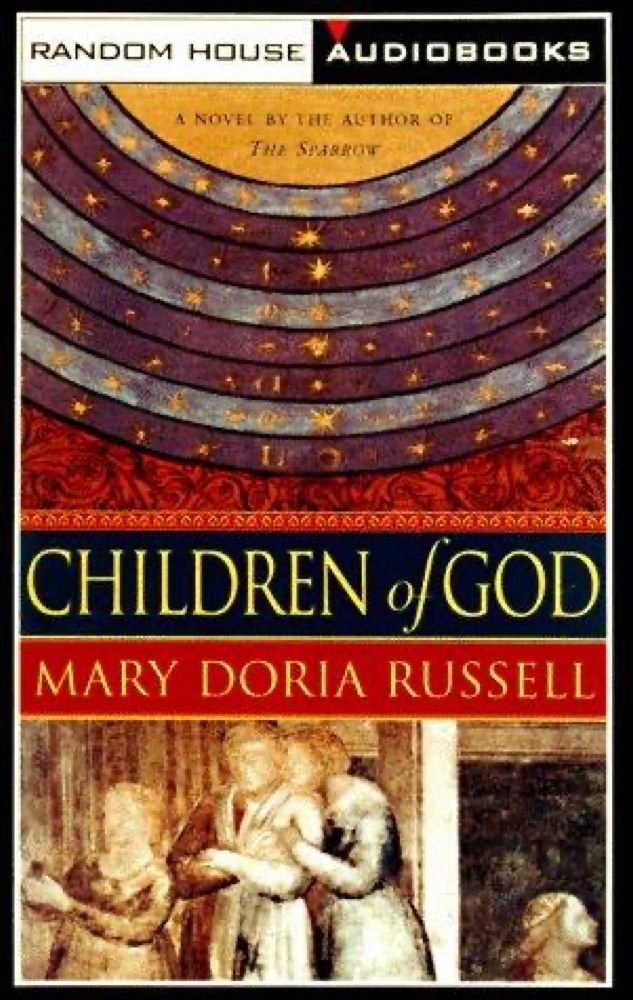 Children of God
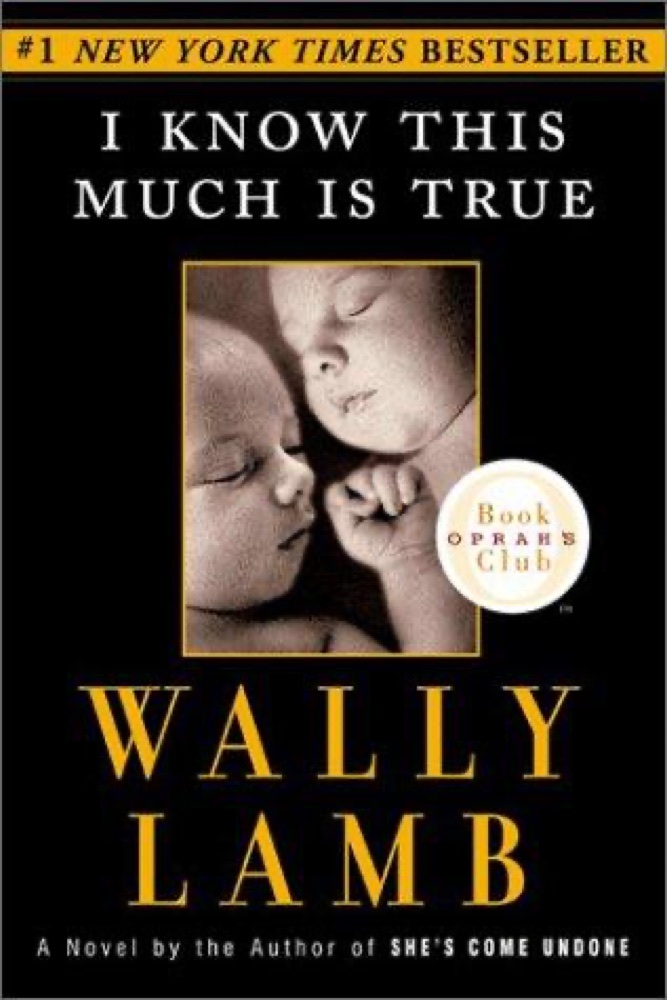 I Know This Much Is True
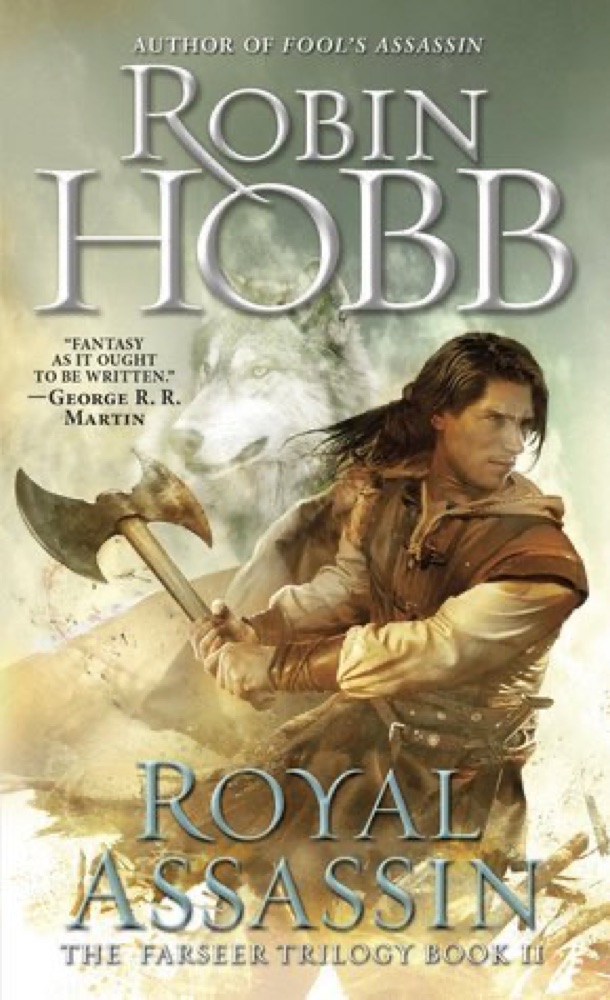 Royal Assassin
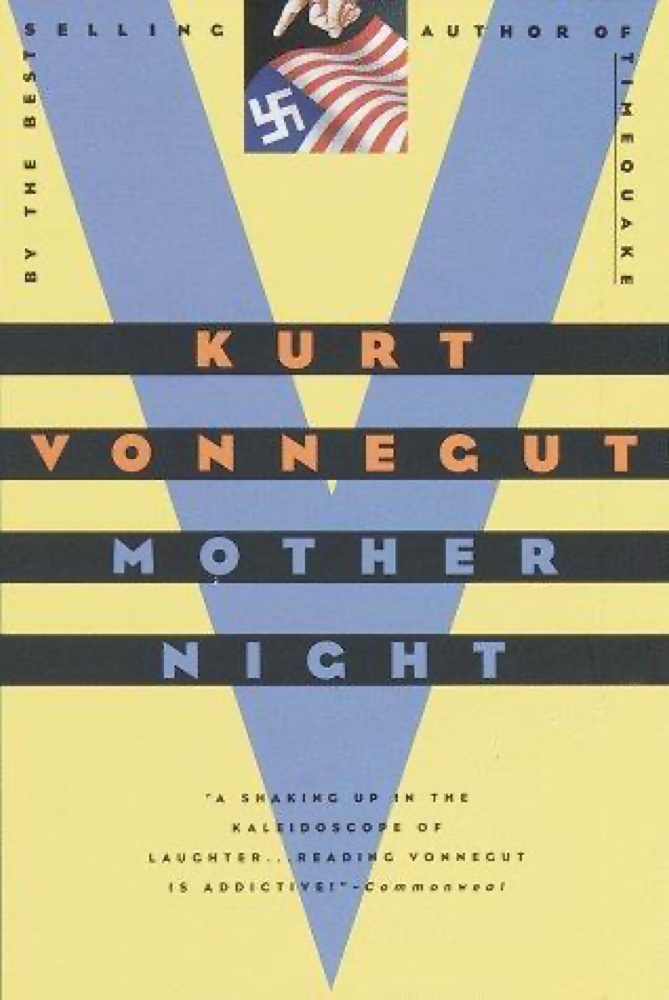 Mother Night
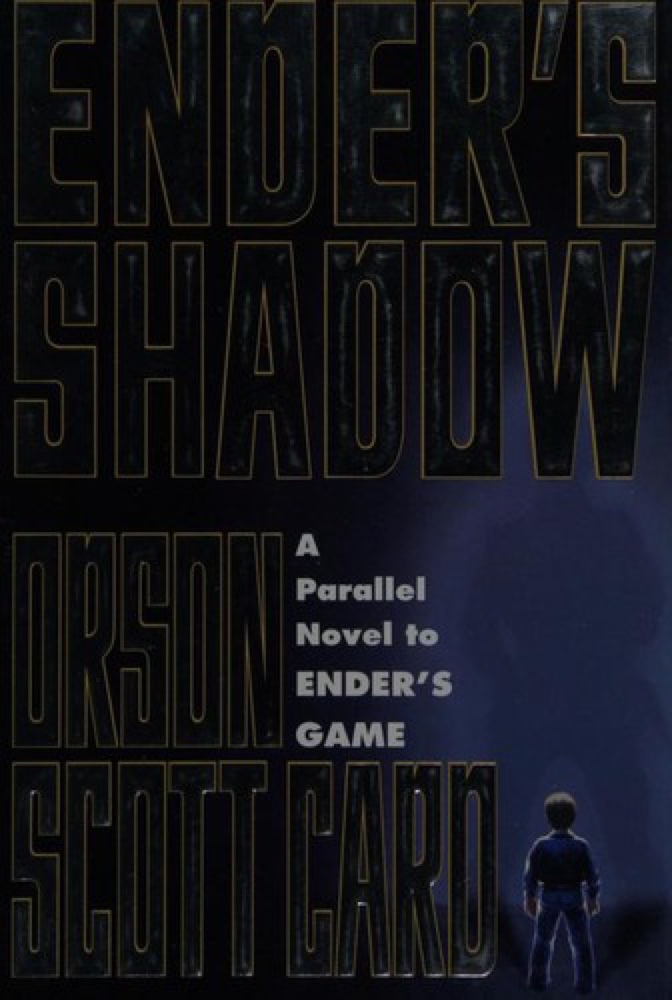 Ender's Shadow
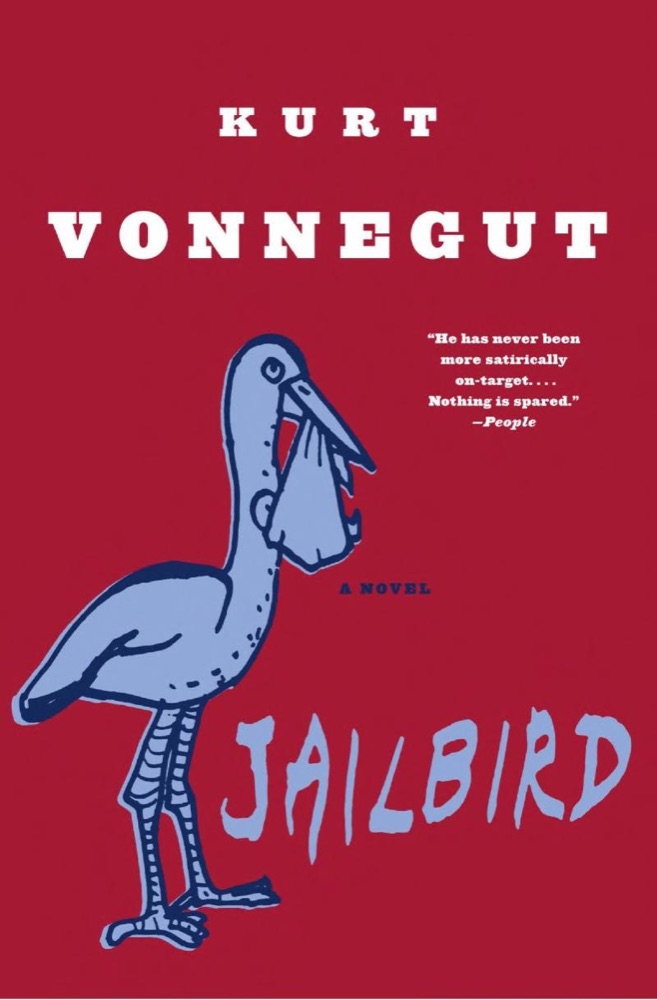 Jailbird
 The Gadfly
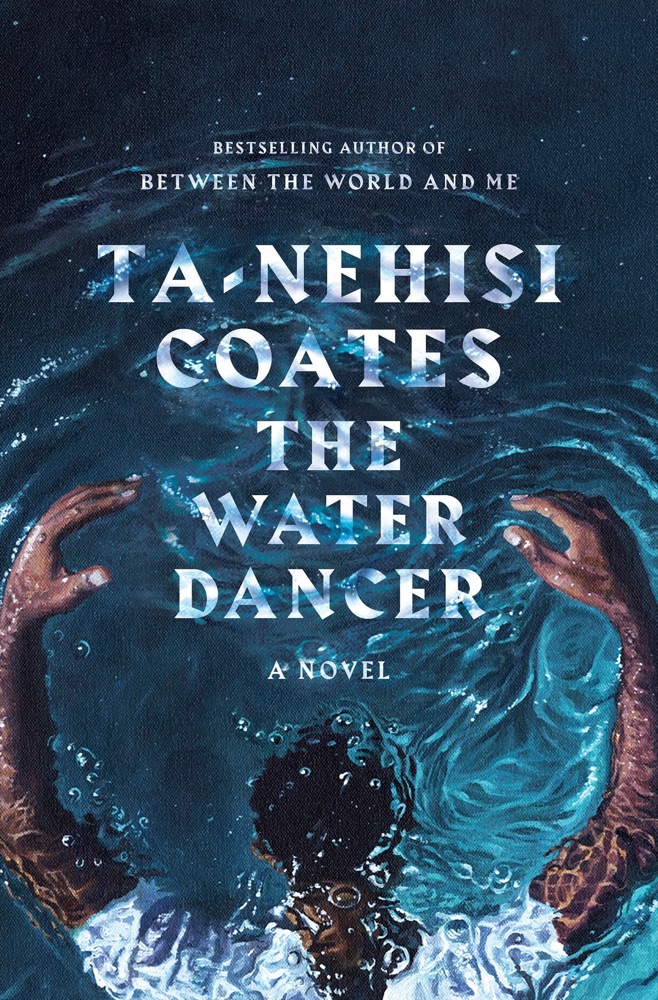 The Water Dancer
 The Fire Next Time
 The Virginian
 J
J
 Riding the Elephant: A Memoir of Altercations, Humiliations, Hallucinations, and Observations
 Powers
 The Son
 Lovecraft Country
 Odd Hours
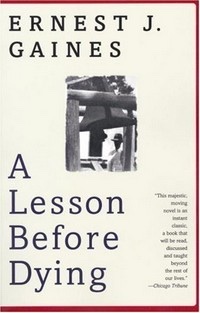 A Lesson Before Dying
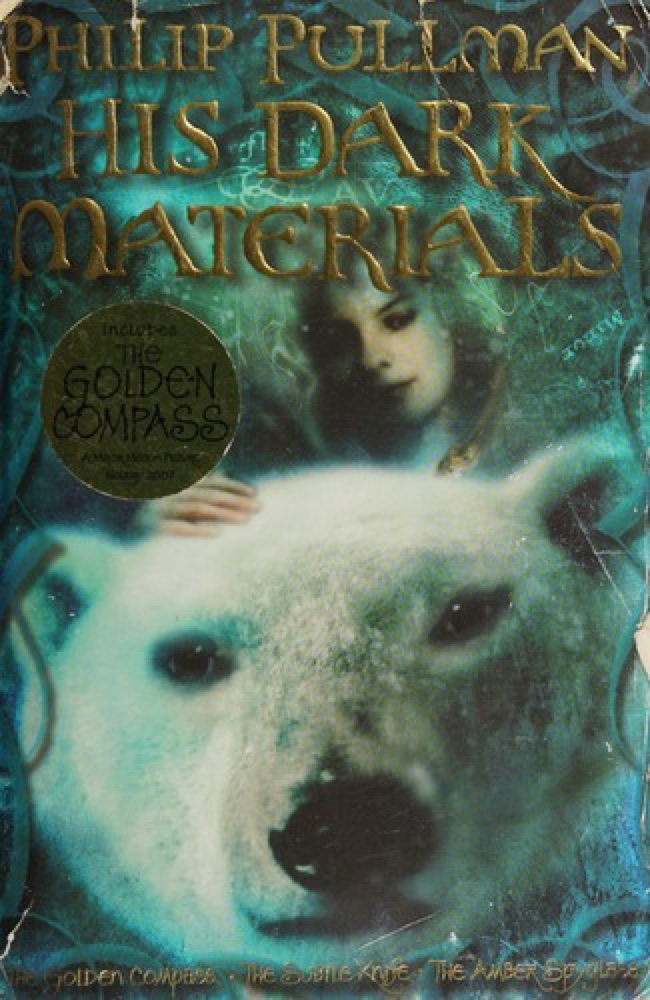 His Dark Materials
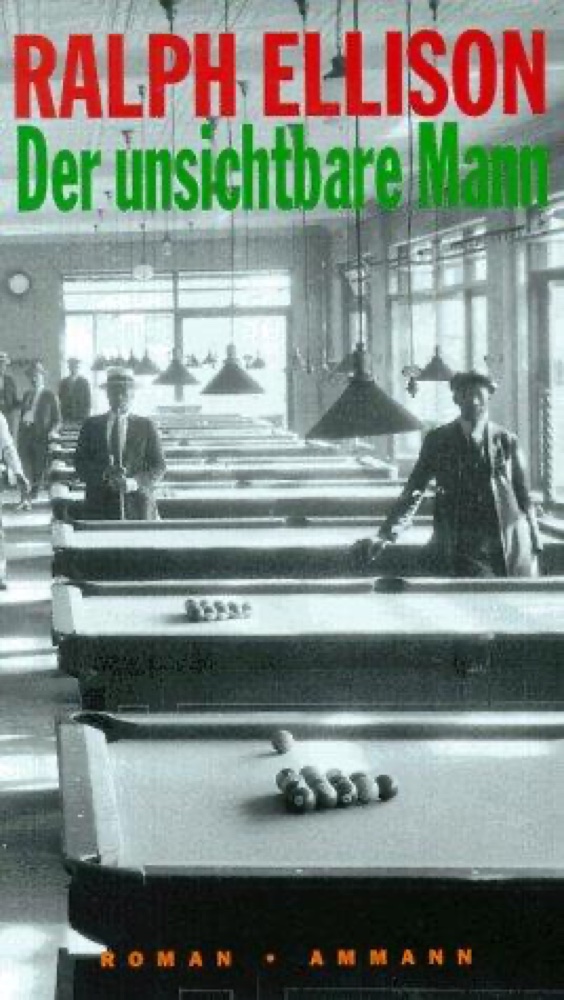 Invisible Man
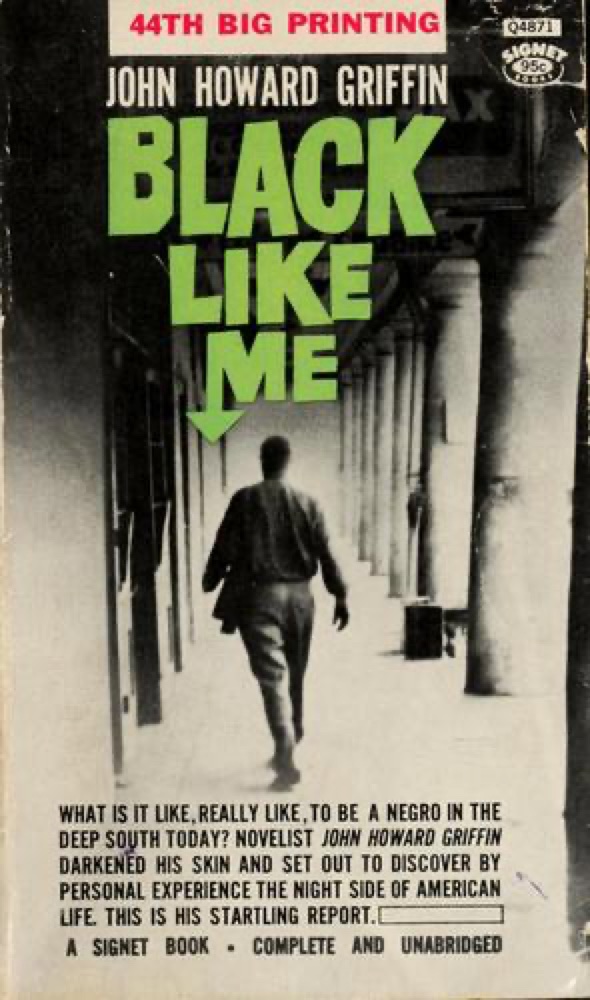 Black Like Me
 My Friends
 The Instructions
 The Only Alien on the Planet
 The Killer Inside Me
 The Poisonwood Bible
 Shaman's Crossing
 The Blinding Knife
 The Golden Notebook
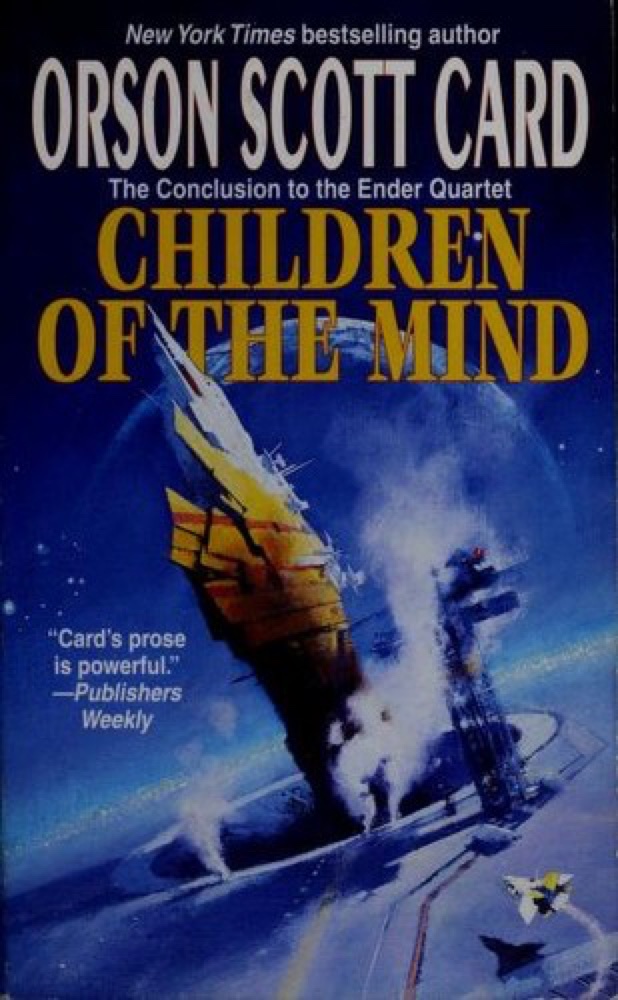 Children of the Mind
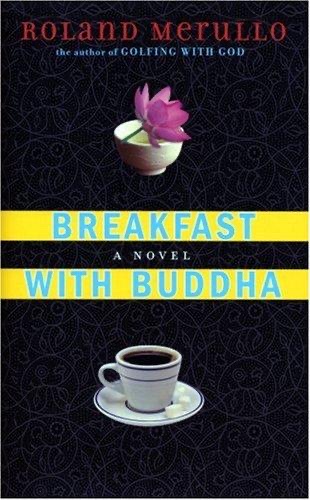 Breakfast with Buddha
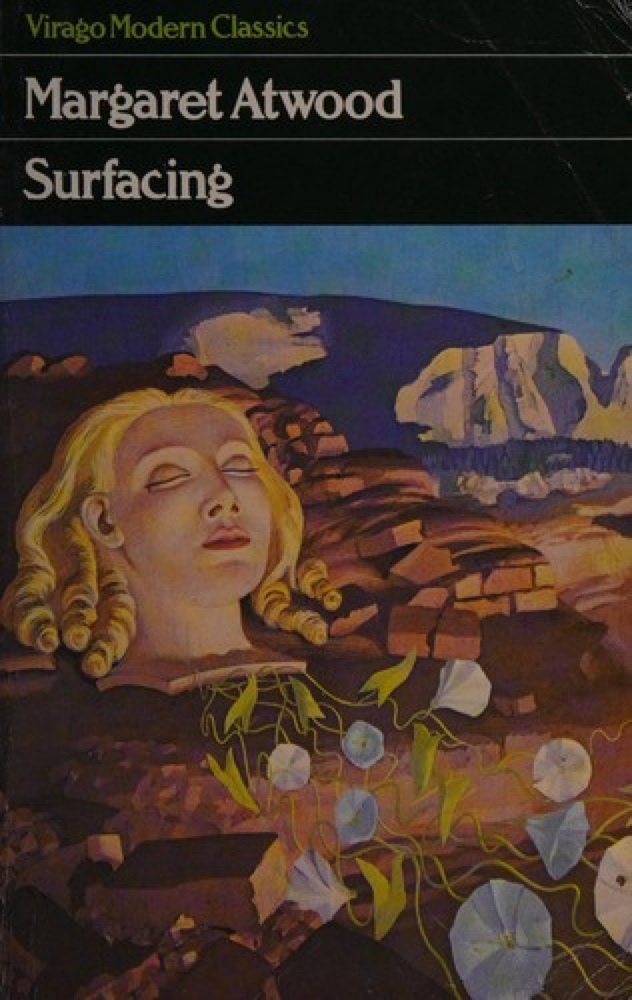 Surfacing
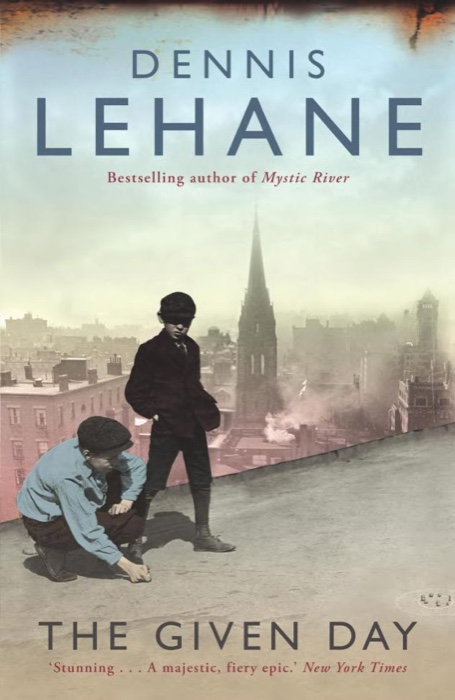 The Given Day
 Alias Grace
 The Man in the High Castle
 Open City
 Varina
 Freedom