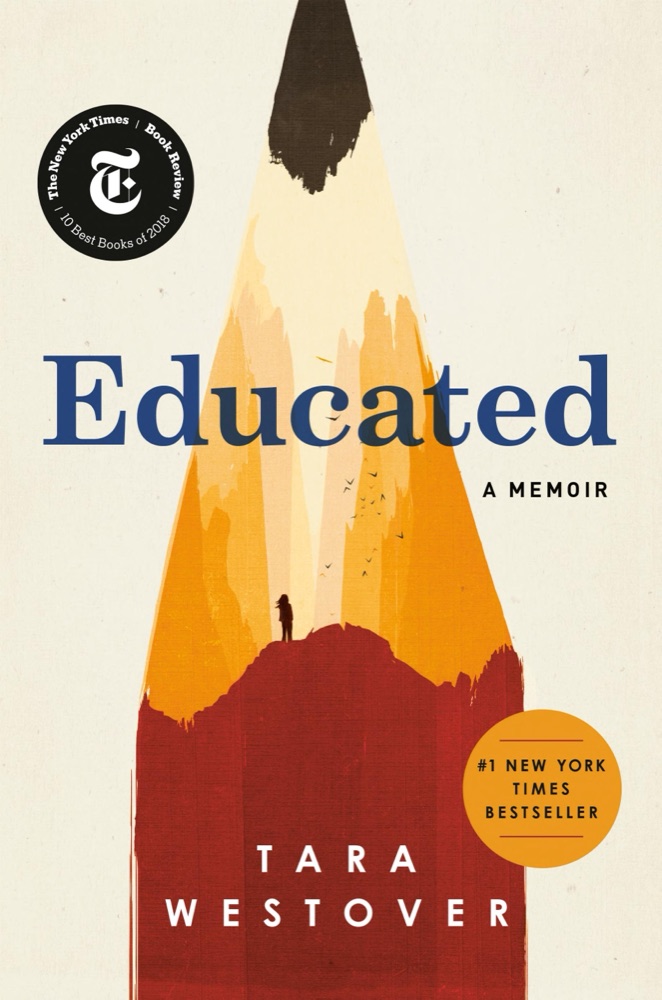
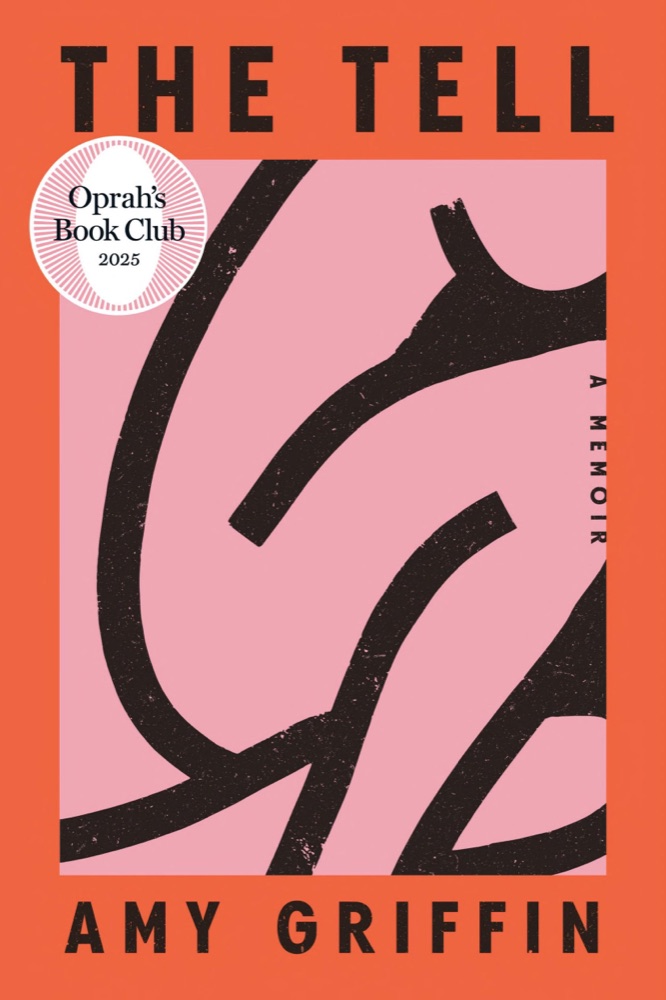
 The Tell: A Memoir
Quotes from the Book
You can love someone and still choose to say goodbye to them,” she says now. “You can miss a person every day, and still be glad that they are no longer in your life.
1.8k
My life was narrated for me by others. Their voices were forceful, emphatic, absolute. It had never occurred to me that my voice might be as strong as theirs.
896
It’s strange how you give the people you love so much power over you.
742
The thing about having a mental breakdown is that no matter how obvious it is that you're having one, it is somehow not obvious to you. I'm fine, you think. So what if I watched TV for twenty-four straight hours yesterday. I'm not falling apart. I'm just lazy. Why it's better to think yourself lazy than think yourself in distress, I'm not sure. But it was better. More than better: it was vital.
663
We are all of us more complicated than the roles we are assigned in the stories other people tell
596
Everything I had worked for, all my years of study, had been to purchase for myself this one privilege: to see and experience more truths than those given to me by my father, and to use those truths to construct my own mind. I had come to believe that the ability to evaluate many ideas, many histories, many points of view, was at the heart of what it means to self-create. If I yielded now, I would lose more than an argument. I would lose custody of my own mind. This was the price I was being asked to pay, I understood that now. What my father wanted to cast from me wasn’t a demon: it was me.
538
I began to experience the most powerful advantage of money: the ability to think of things besides money.
475
The decisions I made after that moment were not the ones she would have made. They were the choices of a changed person, a new self. You could call this selfhood many things. Transformation. Metamorphosis. Falsity. Betrayal. I call it an education
466
The skill I was learning was a crucial one, the patience to read things I could not yet understand.
380
Curiosity is a luxury for the financially secure.
371
Whomever you become, whatever you make yourself into, that is who you always were.
365
An education is not so much about making a living as making a person.
311
This is a magical place,” I said. “Everything shines here.” “You must stop yourself from thinking like that,” Dr. Kerry said, his voice raised. “You are not fool’s gold, shining only under a particular light. Whomever you become, whatever you make yourself into, that is who you always were. It was always in you. Not in Cambridge. In you. You are gold. And returning to BYU, or even to that mountain you came from, will not change who you are. It may change how others see you, it may even change how you see yourself—even gold appears dull in some lighting—but that is the illusion. And it always was.
286
To admit uncertainty is to admit to weakness, to powerlessness, and to believe in yourself despite both. It is a frailty, but in this frailty there is a strength: the conviction to live in your own mind, and not in someone else’s.
270
Guilt is the fear of one’s own wretchedness. It has nothing to do with other people.
218
I carried the books to my room and read through the night. I loved the fiery pages of Mary Wollstonecraft, but there was a single line written by John Stuart Mill that, when I read it, moved the world: “It is a subject on which nothing final can be known.” The subject Mill had in mind was the nature of women. Mill claimed that women have been coaxed, cajoled, shoved and squashed into a series of feminine contortions for so many centuries, that it is now quite impossible to define their natural abilities or aspirations.
181
I am not the child my father raised, but he is the father who raised her.
168
Choices, numberless as grains of sand, had layered and compressed, coalescing into sediment, then into rock, until all was set in stone.
133
There was a pause, then more words appeared—words I hadn’t known I needed to hear, but once I saw them, I realized I’d been searching my whole life for them. You were my child. I should have protected you. I lived a lifetime in the moment I read those lines, a life that was not the one I had actually lived. I became a different person, who remembered a different childhood. I didn’t understand the magic of those words then, and I don’t understand it now. I know only this: that when my mother told me she had not been the mother to me that she wished she’d been, she became that mother for the first time.
120
But sometimes I think we choose our illnesses, because they benefit us in some way.
117
I would never again be made a foot soldier in a conflict I did not understand.
114
I could tolerate any form of cruelty better than kindness. Praise was a poison to me; I choked on it.
114
He said positive liberty is self-mastery—the rule of the self, by the self. To have positive liberty, he explained, is to take control of one’s own mind; to be liberated from irrational fears and beliefs, from addictions, superstitions and all other forms of self-coercion.
103
I had discerned the ways in which we had been sculpted by a tradition given to us by others, a tradition of which we were either willfully or accidentally ignorant. I had begun to understand that we had lent our voices to a discourse whose sole purpose was to dehumanize and brutalize others—because nurturing that discourse was easier, because retaining power always feels like the way forward.
95
You are not fool’s gold, shining only under a particular light. Whomever you become, whatever you make yourself into, that is who you always were.
85
I shed my guilt when I accepted my decision on its own terms, without endlessly prosecuting old grievances, without weighing his sins against mine. Without thinking of my father at all. I learned to accept my decision for my own sake, because of me, not because of him. Because I needed it, not because he deserved it.
68
All I had to do was swap my memories for theirs, and I could have my family.
66
But vindication has no power over guilt. No amount of anger or rage directed at others can subdue it, because guilt is never about them. Guilt is the fear of one’s own wretchedness. It has nothing to do with other people.
65
Did you know?
- Educated was an instant #1 New York Times bestseller and spent more than two years (132 consecutive weeks) on the hardcover nonfiction list.
- The memoir has sold millions of copies and been translated into more than 45 languages.
- It won the 2018 National Book Critics Circle Award for Autobiography and a 2019 Alex Award, and was named one of The New York Times' 10 Best Books of 2018.
- Westover had no formal schooling growing up and taught herself enough mathematics and grammar to pass the ACT and gain admission to Brigham Young University at seventeen.
Watch on YouTube
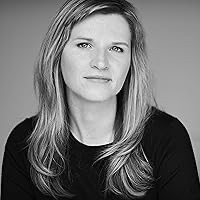
About Tara Westover
Tara Westover is an American author and historian who grew up in a survivalist family in rural Idaho and did not set foot in a classroom until she was seventeen. She went on to earn a bachelor's degree from Brigham Young University and a PhD in history from the University of Cambridge, also studying at Harvard. Educated, her debut, became one of the defining memoirs of its decade.
More about the author →About the book
Educated is Tara Westover's memoir of growing up in a survivalist Mormon family in rural Idaho, where she was kept out of school, worked in her father's scrapyard, and had almost no contact with mainstream institutions, including doctors. The book traces her path from that isolated childhood to teaching herself enough to gain admission to Brigham Young University at seventeen, and eventually to a PhD from Cambridge. It is a story about how formal education reshaped not just her knowledge but her sense of self.
At its heart the memoir wrestles with the cost of that transformation: the widening gulf between Westover and her family, the painful question of loyalty versus self-preservation, and the unreliability of memory itself, which she interrogates throughout rather than smoothing over. Westover is careful to present competing versions of events, making the book as much about how we know what we know as about what happened.
Educated is heavily quoted for its luminous lines on knowledge, self-invention, family, and the power and limits of education. Its combination of an extraordinary true story with precise, reflective prose has made it a touchstone for readers thinking about how learning can both free a person and separate them from where they came from.
Book details
- First published
- 2018
- Length
- 352 pages
- Reading time
- 6-7 hours
- Author
- Tara Westover
- Genre
- Nonfiction
- Goodreads rating
- 4.46 (1.9M ratings)
- First line
- “I'm standing on the red railway car that sits abandoned next to the barn.”
Critical reception
- Educated was an instant #1 New York Times bestseller and spent 132 consecutive weeks on the hardcover nonfiction list.
- It won the National Book Critics Circle Award for Autobiography and was named one of The New York Times' 10 Best Books of 2018.
- The memoir has sold millions of copies worldwide and been translated into more than 45 languages.
The buzz
- The New York TimesReview in The New York Timesprofessional review (via Book Marks)
- The Wall Street JournalReview in The Wall Street Journalprofessional review (via Book Marks)
- The GuardianReview in The Guardianprofessional review (via Book Marks)
- Kirkus ReviewsReview in Kirkus Reviewsprofessional review (via Book Marks)
- Publishers WeeklyReview in Publishers Weeklyprofessional review (via Book Marks)
- Star TribuneReview in Star Tribuneprofessional review (via Book Marks)
If you liked this, read…
- 1The Glass CastleJeannette Walls's memoir of an unconventional, chaotic upbringing.
- 2Hillbilly ElegyJ.D. Vance on escaping a hard rural upbringing through education.
- 3WildCheryl Strayed's memoir of self-reinvention after family trauma.
- 4The Liars' ClubMary Karr's landmark memoir of a turbulent childhood.
Keep reading
The Tell: A Memoir
 Wild Game: My Mother, Her Lover, and Me
 Somebody's Daughter
 Dreams of Falling
 Untamed
 Breaking Night: A Memoir of Forgiveness, Survival, and My Journey from Homeless to Harvard
 Trust
Trust
 No One Tells You This
 Lucky
Lucky
 The Beauty of Living Twice
 Inheritance: A Memoir of Genealogy, Paternity, and Love
 My Beloved World
 Mother Mary Comes to Me
 Finding My Way: A Memoir
 Just as I Am
 Joan Is Okay
 Managing Expectations: A Memoir in Essays – A Poignant Collection of Personal Stories on Acting, Failure, and Motherhood's Joy
 Chances Are...
 One's Company
 Heart Berries
 Becoming
 Still Me
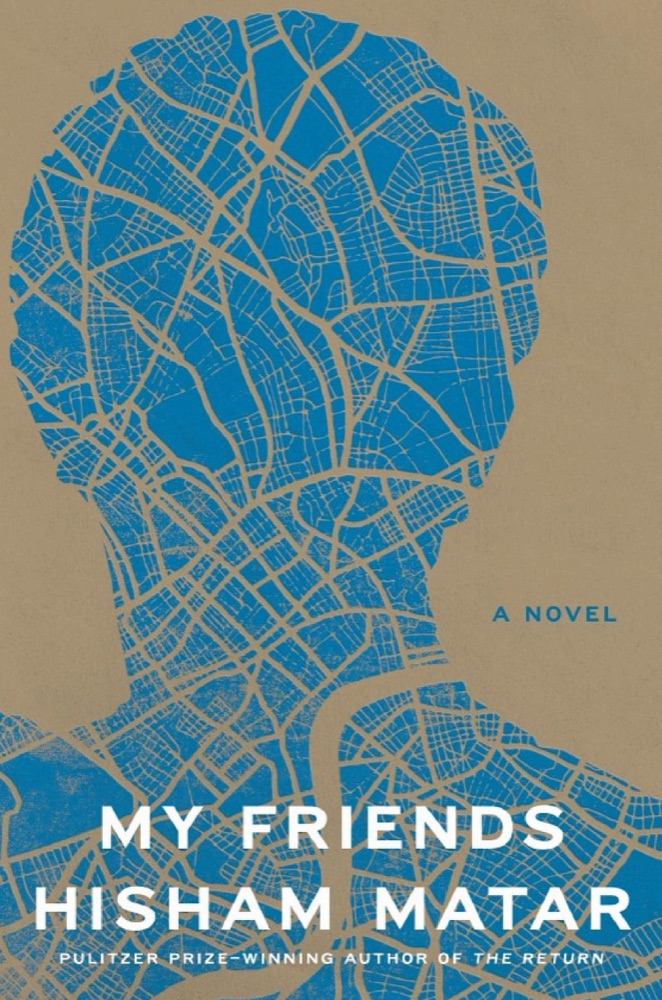 My Friends
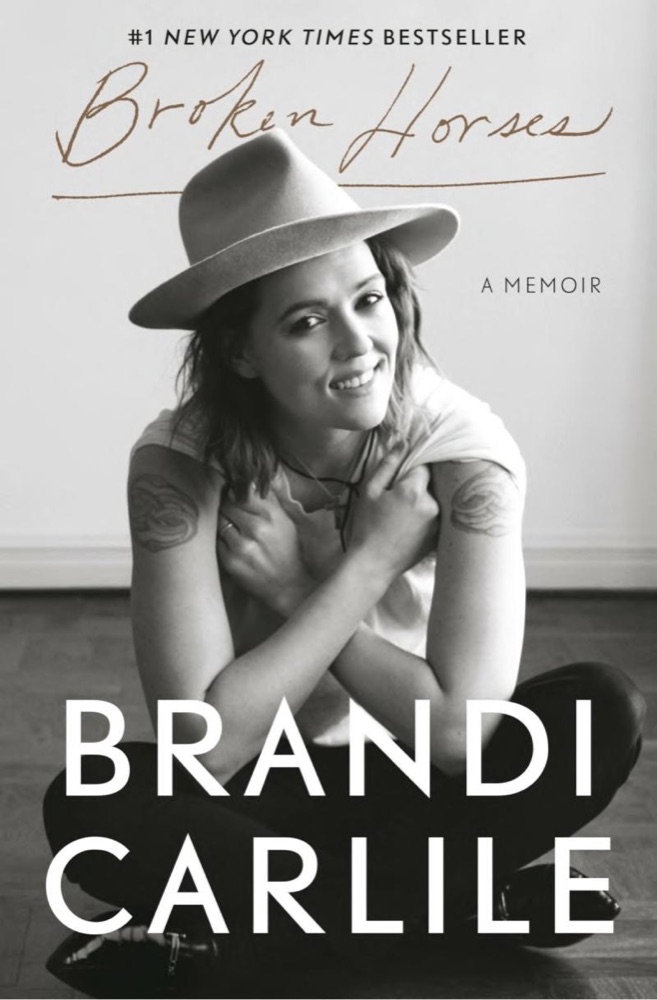 Broken Horses
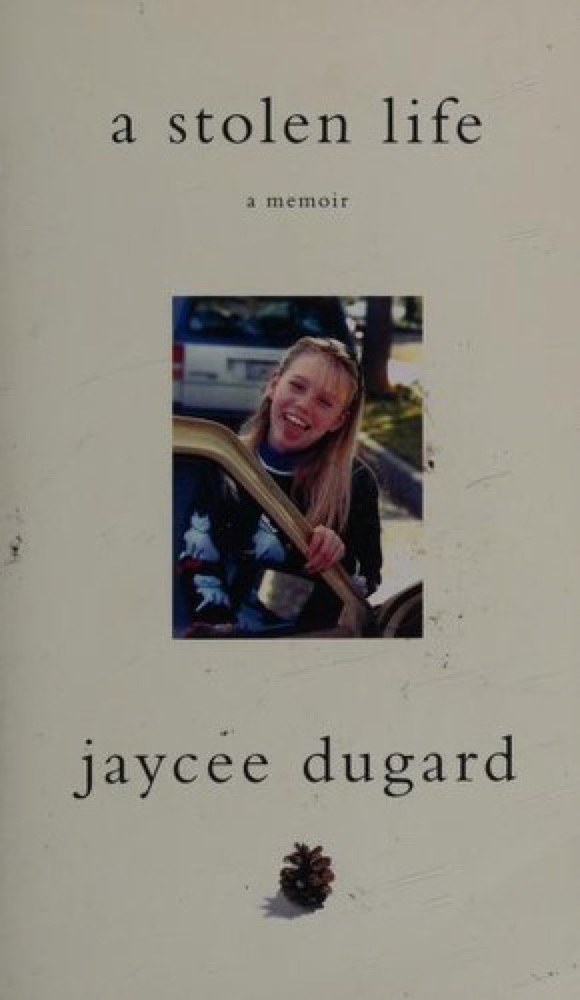 A Stolen Life
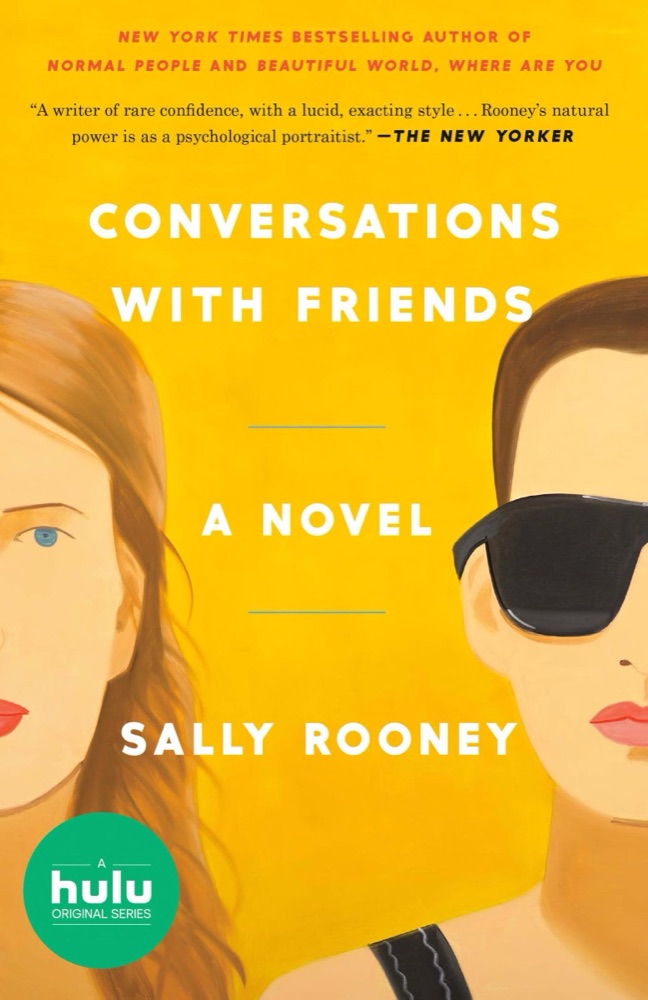 Conversations with Friends
 The Story of a New Name
 Like Streams to the Ocean: Notes on Ego, Love, and the Things That Make Us Who We Are
 Me: Stories of My Life
 Knife: Meditations After an Attempted Murder
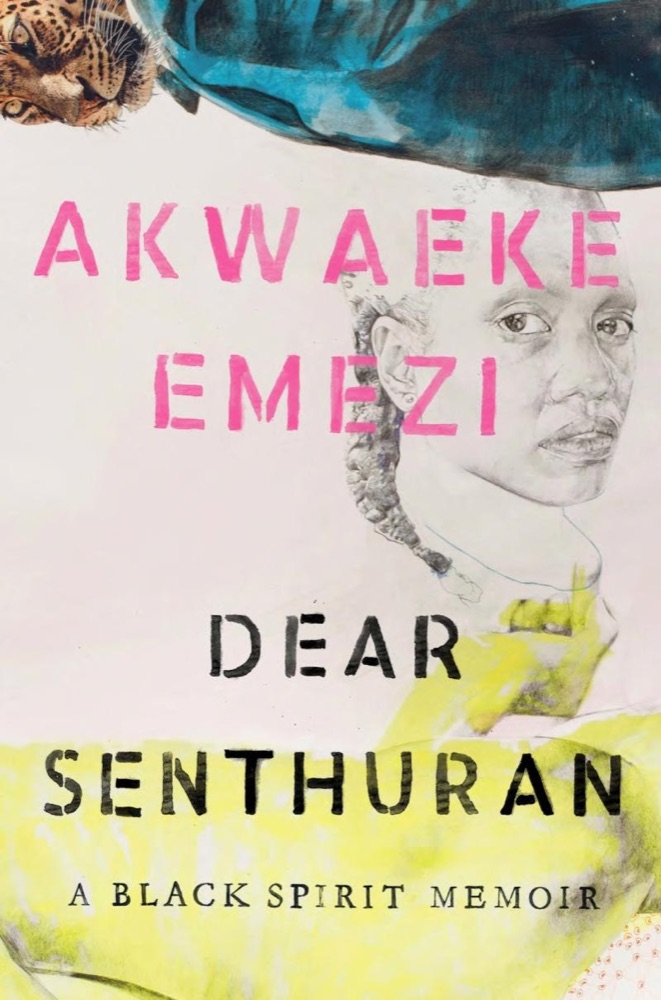 Dear Senthuran: A Black Spirit Memoir
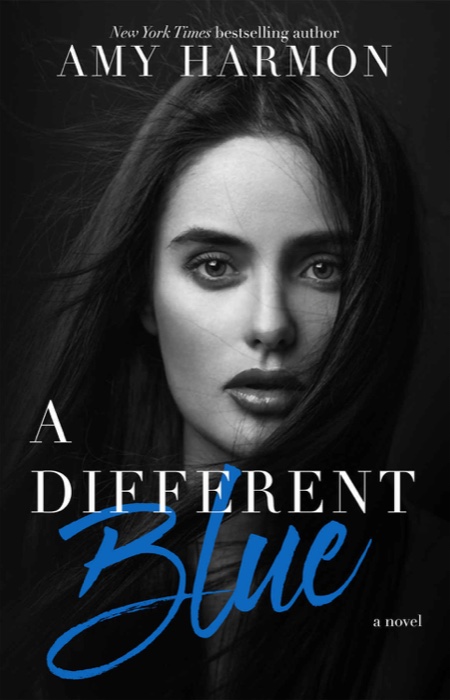 A Different Blue
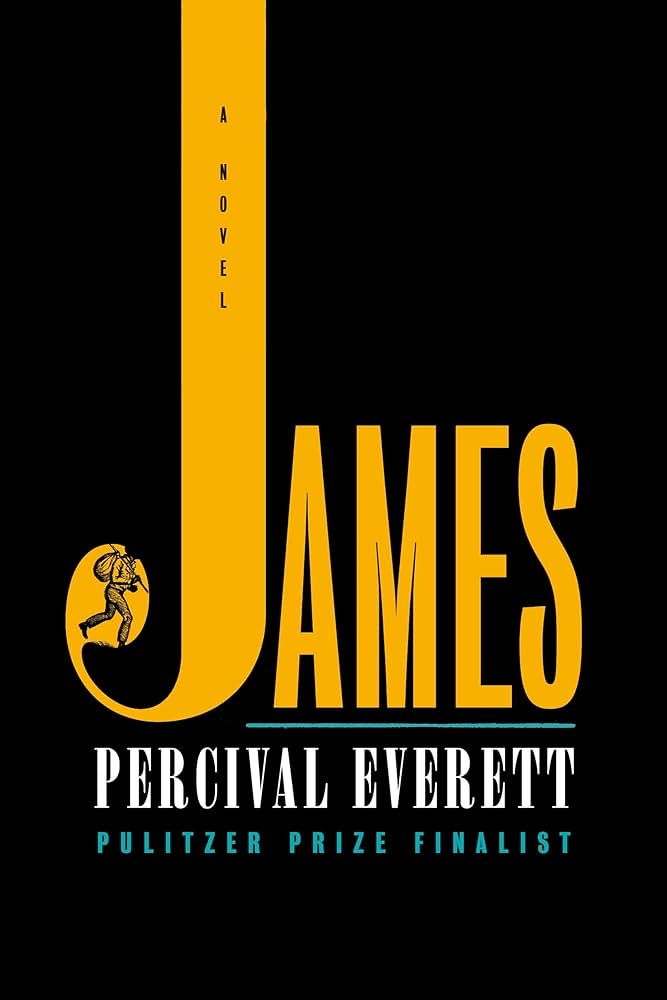 James
James
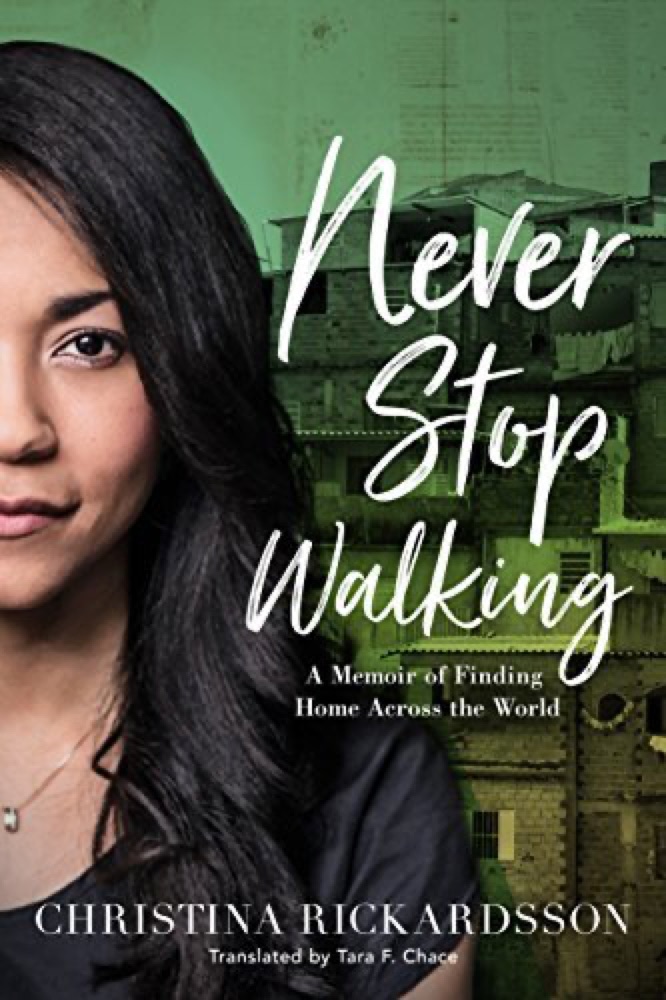 Never Stop Walking: A Memoir of Finding Home Across the World
 The House of Hidden Meanings
 The Last Year of the War
 Just Ignore Him
 Those Who Leave and Those Who Stay
 We Were Dreamers: An Immigrant Superhero Origin Story
 Life Will Be the Death of Me: . . . and you too!
 Children of the Mind
 Golden Fool
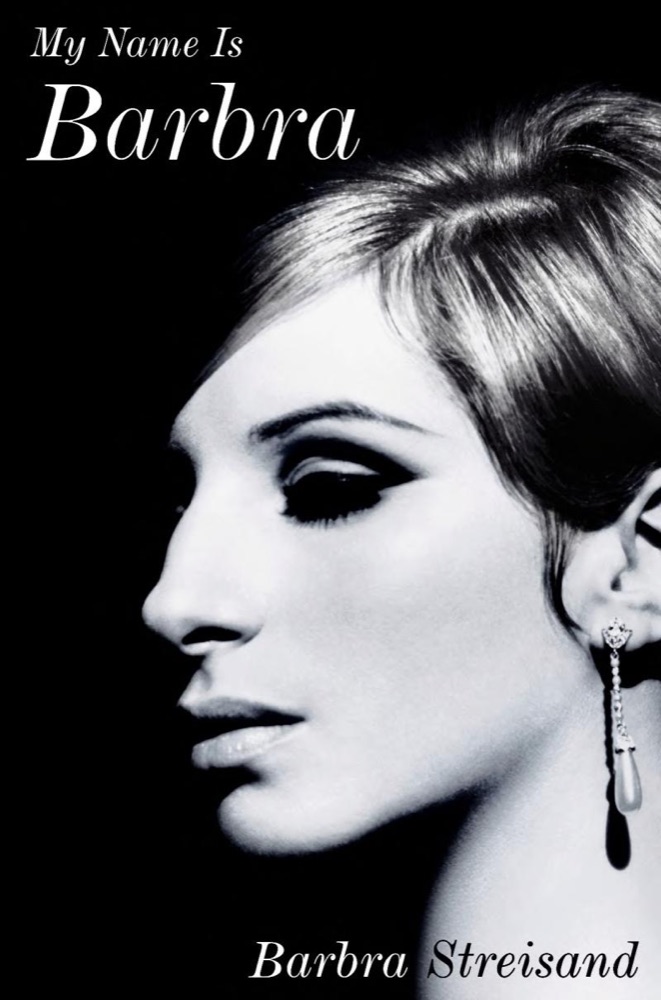 My Name Is Barbra
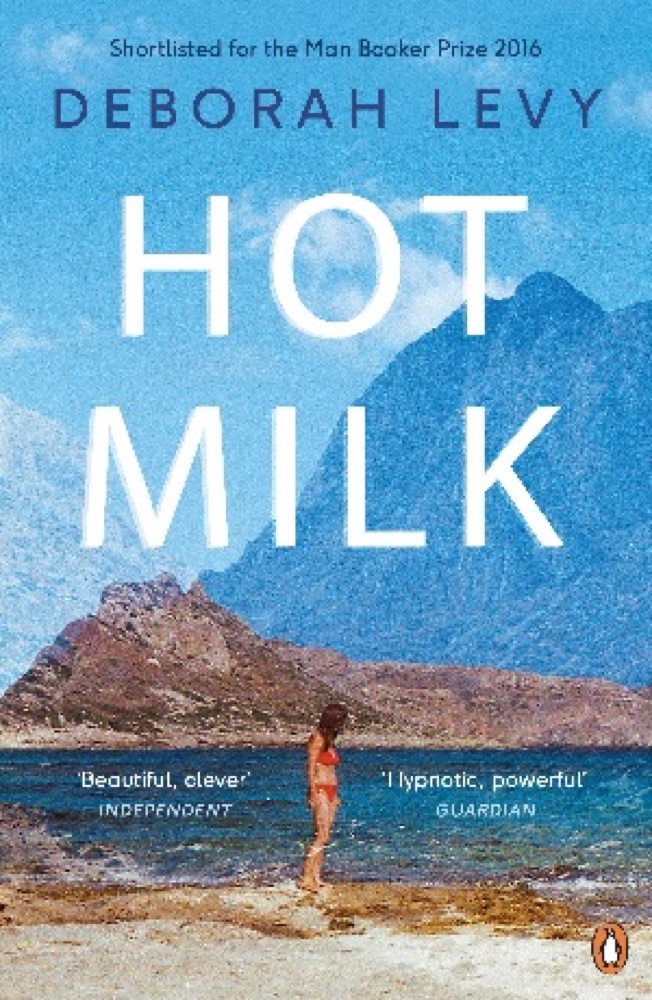 Hot Milk
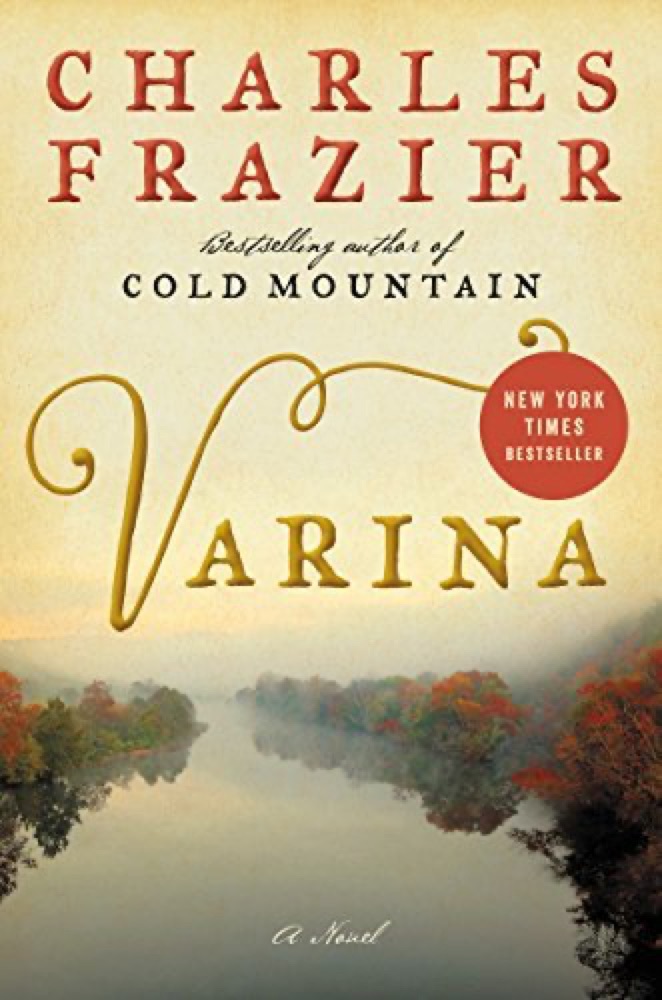 Varina
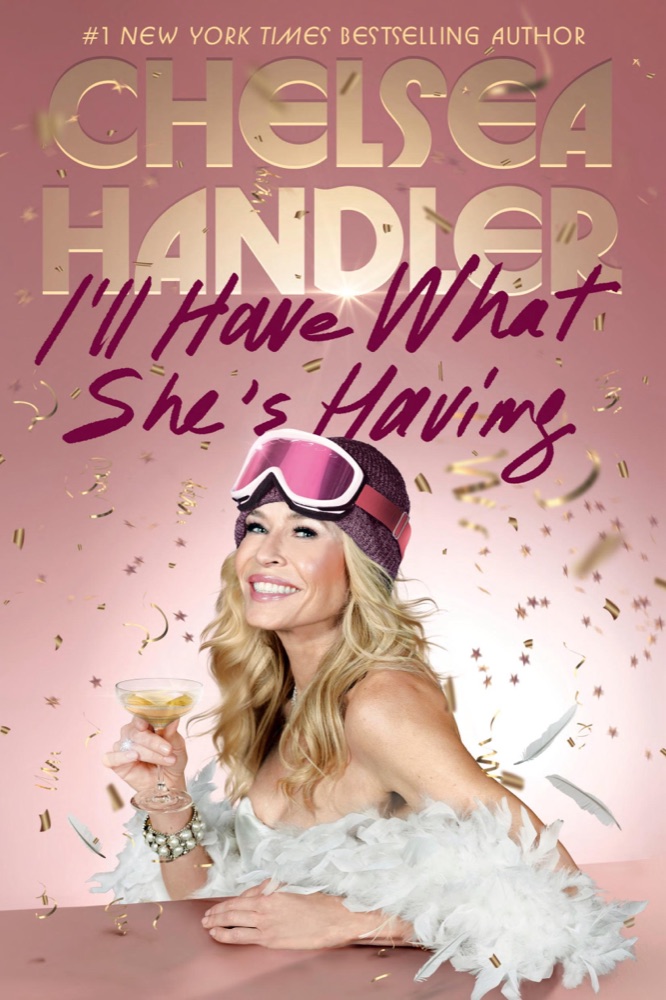 I'll Have What She's Having
 Escape
 The Reader
 Women We Buried, Women We Burned: A Memoir
 Oranges Are Not the Only Fruit
 Mom & Me & Mom
 One True Thing
 The Invention of Wings
 Outline
 The Handmaid's Tale
 How We Fight For Our Lives
 Every Exquisite Thing
 The Likeness
 Gifted Hands: The Ben Carson Story
 The Story of the Lost Child