
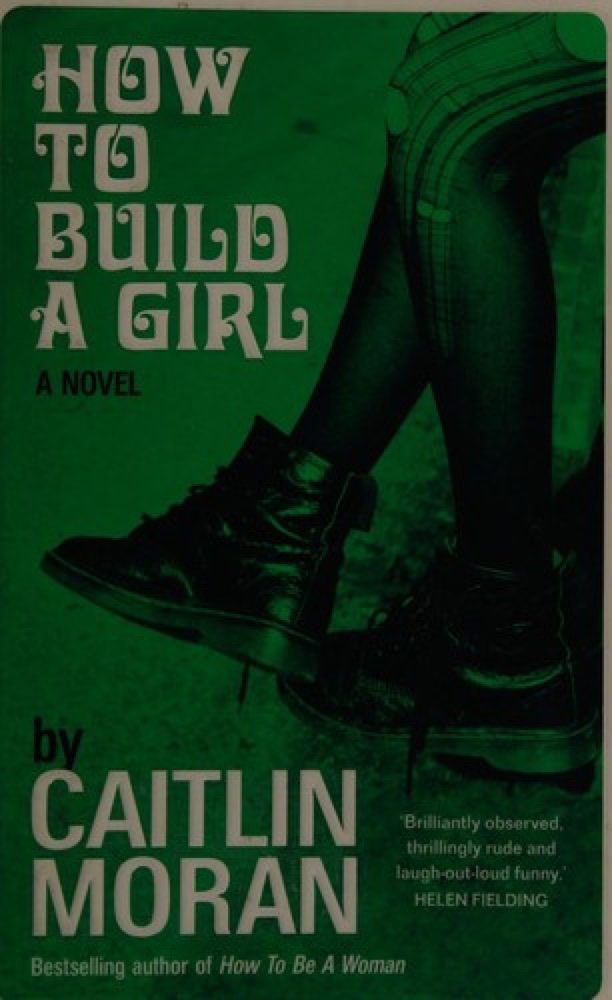
 How to Build a Girl
Quotes from the Book
You see, this is the problem with raising strong, clever, argumentative feminist daughters - the first person they practise being strong, clever, argumentative feminists on is you - and you are so much more tired and worried than them.
4
If you want to see what a teenage girl is, look at her bedroom wall. That's what she is, or what she will be. These are the tools which she has found, with which she is building herself. What she sees, then, in the mirror is a curator of beauty - not the beauty itself. She is constructing her own judgments and standards. Her own laws.
3
A woman who has made mistakes but is still given the chance to carry on - to learn in public, to correct herself, and to still proceed, without having been psychologically battered, and cancelled in the process will have far, far more useful things to bring to society than the current informal system we have: that the majority of women who still have a public platform are the ones who just haven't made a mistake yet.
2
And besides, when you lose skin elasticity, you also lose the amount of fucks you give. Perhaps that's why the skin is so loose now - from all my fucks leaving. If so, I'm happy to enjoy the space they have left. Byeeeee.
2
Teenagers often simply don't recognise when they have low blood sugar, or that they're hungry, or tired. It's not actually the end of the world - it's just the end of the day. Feed them. Also, remember that you often still don't know when you've got low blood sugar, and have meltdowns exactly like this, and you're fourty-four. Really, Fitbits should be telling all of us this shit. What's the point of having robot overlords if they aren't telling you, at the point where you start crying to EE Customer Services because your 4G is 'feeble', that it's really time for a brew?
2
There is no such thing as 'male pride' about work and income. It's not produced by some gland in their balls, which you don't have. Instead, 'male pride' is this: fear about being poor and undervalued. A fear of having no money or power. A fear of becoming unemployable.
2
Cuando un joven que se declaraba incel (un «célibe involuntario»), después de que una chica lo rechazara y de llevar «más de dos años» sin tener relaciones sexuales, mató a treinta y dos personas en Canadá (porque que no conseguía «hacer» que ninguna mujer se acostara con él, pobrecillo), les pregunté a las mujeres de Twitter qué hacían ellas cuando llevaban más de dos años sin tener relaciones sexuales. «Hacía calceta», «Leía poesía», «Aprendí capoeira y me apunté a clases de baile», «Me compré todos los libros de Alfred Wainwright y me aficioné a hacer senderismo por el Distrito de los Lagos», «Adopté un gato», «Escribí un libro», «Aprendí cerámica», «Aprendí a cocinar», «Me masturbaba». Hay cientos de miles de mujeres faltas de afecto y rechazadas sexualmente, y ni una sola ha protagonizado una matanza en un colegio, una discoteca ni un centro comercial. Ninguna mujer ha matado a un montón de gente porque se sintiera rechazada por la sociedad, pese a que me atrevería a afirmar que las mujeres sufren desengaños amorosos como mínimo con la misma frecuencia que los hombres.
1
When I think about how the most wearying thing about becoming middle-aged, it’s that you are the only one who can fix things – there is no one you can complain to, or seek comfort from; for you are the grown-ups, now, and if you can’t fix it, it will remain broken.
1
Incidentally, when it comes to 'unworkably quirky names for your baby', I believe that the greatest possible argument against teenagers becoming pregnant is that the baby names you like when you're, say, fifteen, single-handedly prove you're not ready for motherhood yet. My teenage diary records that, had I had a child in 1988, I would have called them either 'Kitten Lithium', 'K. T. Blue', 'Tatty Apple' or 'Aloyious Jonst'. Thank God my access to sperm was severely limited, to the amount of 'none'.
1
Women slagging off other women for perceived physical imperfection is like farting in a spaceship: everyone on board suffers, including she who dealt it.
Bob Geldof’s autobiography, when he talked about his late wife Paula Yates: “In every relationship, there is one person who loves, and one who is loved.” At the time, I just accepted it: I believed it to be true. I thought it a fact. Perhaps that is the way of love? A yin and a yang, a nut and a bolt, a lover and a loved. I wondered, Which would I be? Which would be best? Which one would work for me? I
We talk so much about achieving—getting things, sorting things, improving things, doing things—but the very opposite of this, undoing, is an astonishing trick to learn, as you get older. The philosophy of looking at the things that cause you pain—either physically or mentally—and rewinding, to the start, and beginning again.
No me canso de repetirlo: no es él, eres tú. «Pero… ¿ahora qué hago? Él me necesita». Ay, amiga: creo que una de las cosas más venenosas del mundo es que a una mujer la eduquen para que se sienta necesitada. Todas las mujeres se merecen que las quieran. Yo te quiero. Y quiero que dejes a ese hombre. Y sé que tardarás muchísimo tiempo en dejarlo. «Tengo que irme».. Ya lo sé. ¿Hablamos mañana? Sí, hablamos mañana. Pero déjame decirte una cosa: un día dejarás de sentirte confundida, o triste, o enfadada, o asustada, y te sentirás… sencillamente cansada. Demasiado cansada para seguir tirando del carro. Se habrán agotado tus reservas de amor, ya no habrá más ideas, más razonamientos: no quedará nada, y todo esto solo te provocará hartazgo. De repente será inviable. Estarás agotada. Te será imposible seguir haciéndolo ni un minuto más. Y ese día, por fin, lo abandonarás. Y cuando llegue ese día, querida amiga, mi habitación de invitados estará esperándote.
Aunque a los hombres que tienen miedo o sienten que se han quedado rezagados no se lo parezca, cada vez que una mujer tiene éxito, paradójicamente también les está poniendo las cosas más fáciles a los hombres. En última instancia, está teniendo éxito por todos nosotros. Por eso el feminismo nunca podrá «ir demasiado lejos». Las mujeres no pueden «ganar» demasiado. Porque cuando «ser mujer» y «hacer cosas de mujeres» se considere igual de empoderador que «ser hombre» y «hacer cosas de hombres», los hombres no se avergonzarán de adoptar las cosas que a nosotras nos hacen más felices. Por fin viviremos en un mundo donde no existirán las «cosas de chicas» ni las «cosas de chicos», todo estará, sencillamente, dentro de la gran caja de herramientas de los seres humanos.
Todas las familias son diferentes, pero me he fijado en que, en muchas ocasiones, detrás de cada exhausta mujer madura cargada de responsabilidades que se ocupa de sus padres cuando envejecen suele haber un par de hermanos varones que no tiran del carro. Supongo que no educamos a los hombres para que acudan al rescate cuando surge una crisis familiar.
Pero el otro consejo que me gustaría darte, ahora que soy mayor, es este: si puedes, no dejes tu trabajo. No dependas económicamente de tu pareja.
Es cierto que la situación no es tan grave como en la época victoriana, cuando las mujeres no eran más que «un vestido» con una cabeza en lo alto; pero es fácil darse cuenta del camino que nos queda por recorrer: basta con constatar que las mujeres todavía tenemos que esforzarnos para encontrar una palabra aceptable con que denominar la parte de nuestro cuerpo más fundamental y definitoria: los genitales. En 2012, a la congresista de Michigan Lisa Brown se le prohibió seguir interviniendo en el Congreso por haber pronunciado la palabra «vagina» en un debate sobre la anticoncepción. El congresista republicano Mike Callton argumentó que la palabra era tan «repugnante y asquerosa que él jamás se atrevería a pronunciarla ni delante de una mujer ni de un grupo de hombres y mujeres».
Supongo que, a fin de cuentas, todo depende de tu experiencia personal. Las mujeres estamos acostumbradas a que nos pasen cosas que pueden considerarse «enfermedades» (calambres, hemorragias, náuseas matutinas, hinchazón, dos tetas enormes que duelen que te cagas) pero que, en realidad, solo son consecuencias de estar vivas; de modo que, cuando nos ponemos enfermas de verdad, no nos asustamos. Nuestro cuerpo está sufriendo espasmos y expulsando cosas continuamente.
Is feminism agains make-up? No! How could it be? I wear make-up, and I'm a feminist, because - how could my make-up be against the social, political and economic equality of women, when I apply it for the simple reason that I want to look like charismatic seabird the puffin? For that is what my go-to make-up look - bright, iridescent blue eyelid, thick black eyeliner, and super-super pale skin - is towards, due to its adorable waddling gait, love of sardines, and fondness for laying eggs on cliffs.
Watch on YouTube
About Caitlin Moran
We have collected 121 quotes from 5 books by Caitlin Moran on BookQuoters.
More about the author →More by Caitlin Moran
About the book
A Good Morning America September Book Pick
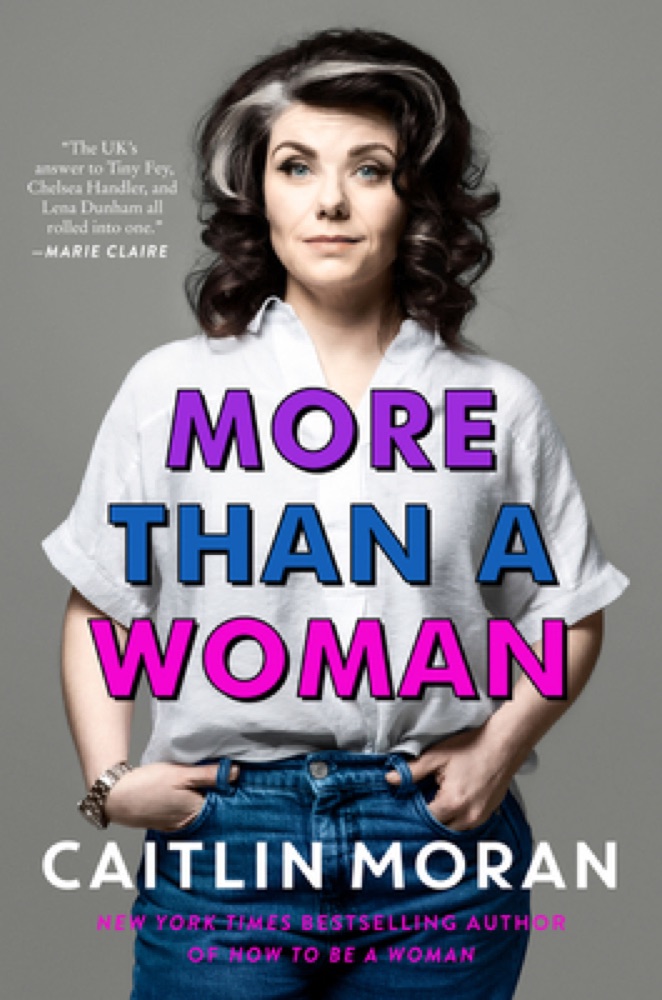
The author of the international bestseller How to Be a Woman returns with another “hilarious neo-feminist manifesto” (NPR) in which she reflects on parenting, middle-age, marriage, existential crises—and, of course, feminism.
A decade ago, Caitlin Moran burst onto the scene with her instant bestseller, How to Be a Woman, a hilarious and resonant take on feminism, the patriarchy, and all things womanhood. Moran’s seminal book followed her from her terrible 13th birthday through adolescence, the workplace, strip-clubs, love, and beyond—and is considered the inaugural work of the irreverent confessional feminist memoir genre that continues to occupy a major place in the cultural landscape.
Since that publication, it’s been a glorious ten years for young women: Barack Obama loves Fleabag, and Dior make “FEMINIST” t-shirts. However, middle-a
Book details
- First published
- 2020
- Author
- Caitlin Moran
- Genre
- Nonfiction
- Goodreads rating
- 4.14 (11k ratings)
Keep reading
 The Soul of a Woman
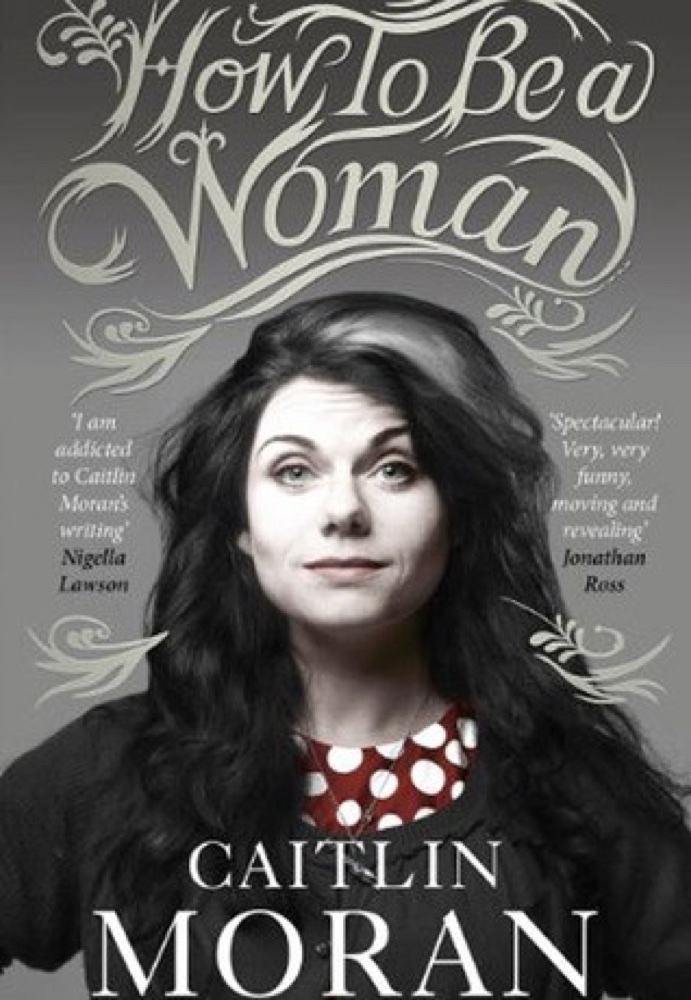 How to Be a Woman
 Notes To Self
 Whose Story Is This? Old Conflicts, New Chapters
 Why I Am Not a Feminist: A Feminist Manifesto
 MILF: Motherhood, Identity, Love and F*ckery
 The Female Man
 Moranifesto
 Still Born
 The Favorite Sister
 You'll Grow Out of It
 The Mother of All Questions
 Cunt: A Declaration of Independence
 How to Suppress Women's Writing
 Emma in the Night
 Talking to Ourselves
 Come as You Are: The Surprising New Science that Will Transform Your Sex Life
 Feminist Fight Club: An Office Survival Manual for a Sexist Workplace
 Liliana's Invincible Summer: A Sister's Search for Justice
 Sex Object: A Memoir
 Animal: The Autobiography of a Female Body
 Shrill: Notes from a Loud Woman
 Not That Bad: Dispatches from Rape Culture
 Woman: An Intimate Geography
 Clothes, Clothes, Clothes. Music, Music, Music. Boys, Boys, Boys
 Unspeakable Things: Sex, Lies and Revolution
 The Women's Room
 Sissy: A Coming-of-Gender Story
 The Truth Will Set You Free, But First It Will Piss You Off!: Thoughts on Life, Love, and Rebellion
 To Throw Away Unopened
 The Female Eunuch
 Dead Blondes and Bad Mothers
 Feminists Don't Wear Pink (And Other Lies): Amazing Women on What the F-Word Means to Them
 A Woman's Worth
 This Is Not a Book About Benedict Cumberbatch: The Joy of Loving Something--Anything--Like Your Life Depends On It
 Dancing Girls and Other Stories
 What Happened
 Bridget Jones: The Edge of Reason
 Dear Ijeawele, or A Feminist Manifesto in Fifteen Suggestions
 Confessions of a Crap Artist
 Ladyparts
 Brave
Brave
 The Argonauts
 The Blue Hour
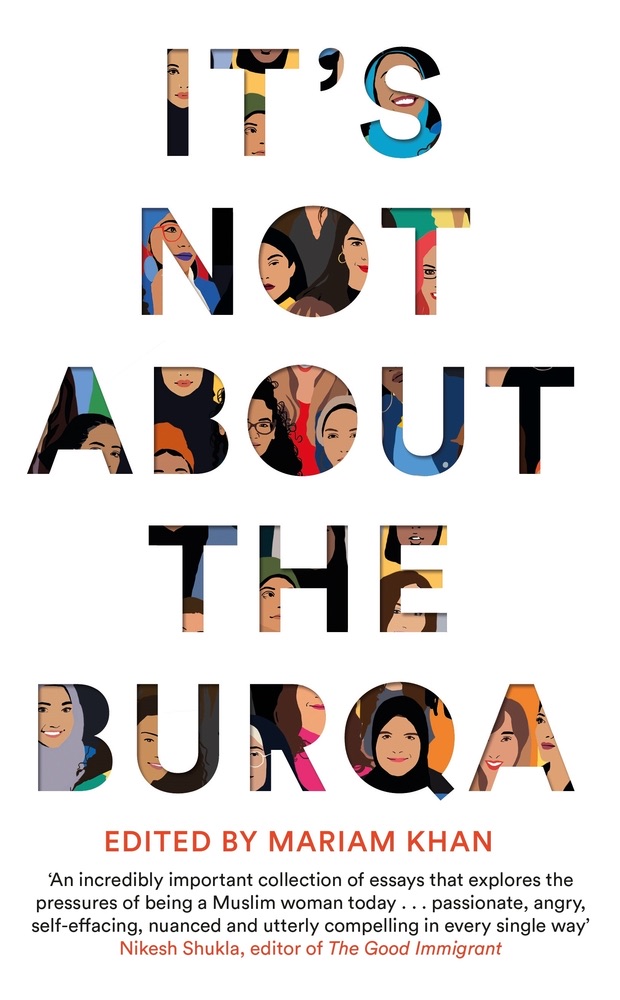 It's Not About the Burqa
 So Much for That
 Walking Practice
 Women's Bodies, Women's Wisdom: Creating Physical and Emotional Health and Healing
 Full Frontal Feminism
 I'm Fine...And Other Lies
 Motherhood
 Awake
Awake
 Happening
 Dreams of Trespass: Tales of a Harem Girlhood
 Instrumental: A Memoir of Madness, Medication and Music
 Things My Son Needs to Know About the World
 A Heart So White
 Mean
Mean
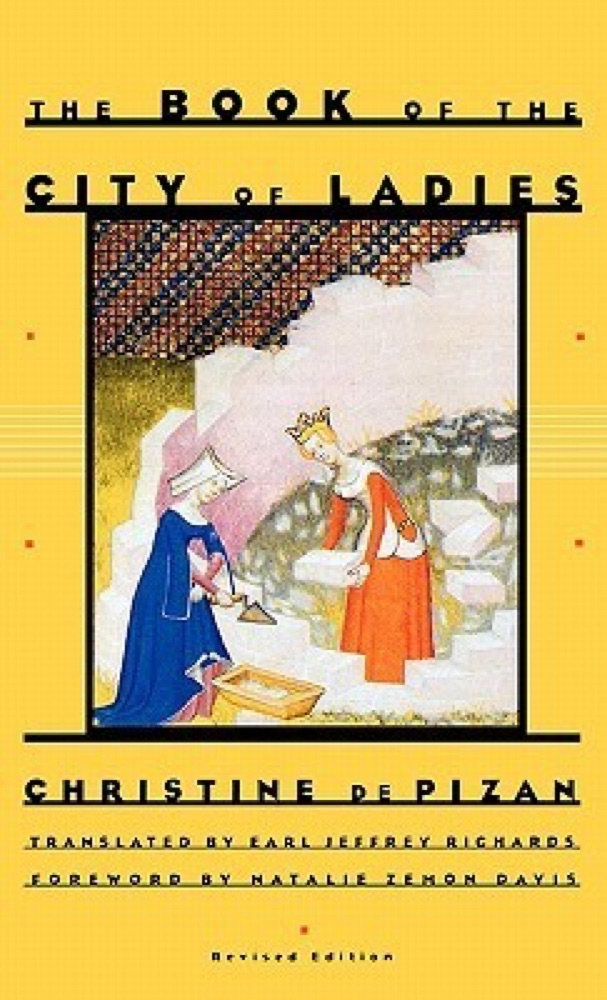 The Book of the City of Ladies
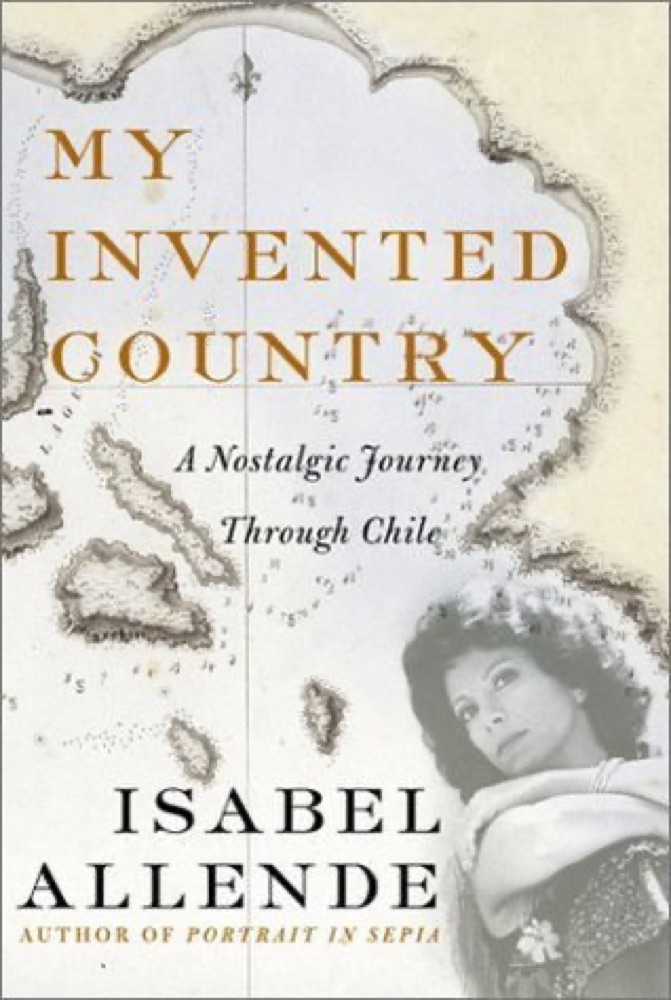 My Invented Country: A Nostalgic Journey Through Chile