

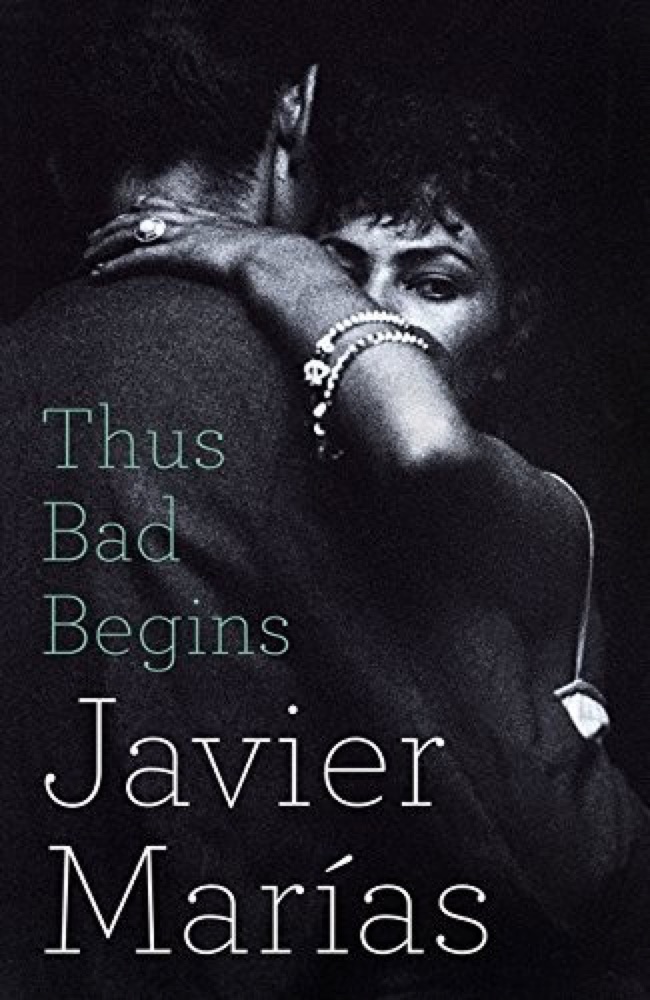
 Thus Bad Begins
Quotes from the Book
Listening is the most dangerous thing of all, listening means knowing, finding out about something and knowing what’s going on, our ears don’t have lids that can instinctively close against the words uttered, they can’t hide from what they sense they’re about to hear, it’s always too late.
It's always the chest of the other person we lean back against for support, we only really feel supported or backed up when, as the latter verb itself indicates, there's someone behind us, someone we perhaps cannot even see and who covers our back with their chest, so close it almost brushes our back and in the end always does, and at times, that someone places a hand on our shoulder, a hand to calm us and also to hold us. That's how most married people and most couples sleep or think they sleep, the two turn to the same side when they say goodnight, so that one has his or her back to the other throughout the whole night, when he or she wakes up startled from a nightmare, or is unable to get to sleep, or is suffering from a fever or feels alone and abandoned in the darkness, they have only to turn round and see before them the face of the person protecting them, the person who will let themselves be kissed on any part of the face that is kissable (nose, eyes and mouth; chin, forehead and cheeks, the whole face) or perhaps, half-asleep, will place a hand on their shoulder to calm them, or to hold them, or even to cling to them.
What happened between us both happened and didn't happen, it's the same with everything, why do or not do something, why say "yes" or "no," why worry yourself with a "perhaps" or a "maybe," why speak, why remain silent, why refuse, why know anything if nothing of what happens happens, because nothing happens without interruption, nothing lasts or endures or is ceaselessly remembered, what takes place is identical to what doesn't take place, what we dismiss or allow to slip by us is identical to what we accept and seize, what we experience identical to what we never try; we pour all our intelligence and out feelings and our enthusiasm into the task of discriminating between things that will all be made equal, if they haven't already been, and that's why we're so full of regrets and lost opportunities, of confirmations and reaffirmations and opportunities grasped, when the truth is that nothing is affirmed and everything is constantly in the process of being lost. Or perhaps there never was anything.
I have a tendency to want to understand everything people say and everything I hear, both at work and outside, even at a distance, even if it’s one of the innumerable languages I don’t know, even if it’s in an indistinguishable murmur or imperceptible whisper, even if it would be better that I didn’t understand and what’s said is not intended for my ears or is said precisely so I won’t understand it.
And we offer each other words of consolation or distraction or encouragement when we see that one or the other of us is in need of such words. We also miss each other (vaguely) when we're not together, she's one of those people (in everyone's life there are four or five such people whose loss one truly feels) to whom you're used to telling everything that happens to you, that is, one of those people you think about when something happens to you, be it funny or dramatic, and for whom you store up events and anecdotes. You accept misfortunes gladly because you know you can tell those five people about them afterwards.
The truth never shines forth, as the saying goes, because the only truth is that which is known to no one and which remains untransmitted, that which is not translated into words or images, that which remains concealed and unverified, which is perhaps why we do recount so much or even everything, to make sure that nothing has ever really happened, not once it's been told.
Cada vez que espero una respuesta me horroriza la idea de que no la haya y también de que llegue. Todo resulta luego un desastre, pero mientras está todo por suceder tengo la impresión de la absoluta limpieza y la infinita posibilidad. Me siento como con quince años, no me cabe el escepticismo, es raro. No puedo evitar hacerme ilusiones. (...) Por eso el estado perfecto es el de la espera y el de la ignorancia, lo malo es que si supiera que ese estado iba a durar indefinidamente entonces ya no me gustaría tampoco.
È il petto di un'altra persona a spalleggiarci, ci sentiamo realmente spalleggiati solo quando abbiamo qualcuno dietro, lo dice la parola stessa, alle nostre spalle, come in inglese, to back, qualcuno che magari non vediamo e che ci copre le spalle col petto che è sul punto di sfiorarci e che alla fine sempre ci sfiora, e a volte, addirittura, questo qualcuno ci mette una mano sulla spalla con la quale ci tranquillizza e al tempo stesso ci sottomette. In questo modo dormono o credono di dormire gran parte delle coppie, dopo la buonanotte i due si girano dallo stesso lato, di modo che uno dà le spalle all'altro per tutto il tempo e si sente spalleggiato da lui o da lei, e quando nel pieno della notte si sveglia di soprassalto per un incubo o non riesce a prender sonno, soffre per la febbre o si crede solo e abbandonato al buio, non deve far altro che voltarsi e vedere, di fronte a sé, il volto di colui che lo protegge, che si lascerà baciare quel che si può baciare in un volto (naso, occhi e bocca; mento, fronte e guance, tutto il volto) o che magari, mezzo addormentato, gli metterà una mano sulla spalla per tranquillizzarlo, o per sottometterlo, o forse per aggrapparsi. (da Un cuore così bianco, pag. 72)
The day we didn't spend together, we will never spend together, what someone was going to say to us on the phone when they called and we didn't answer will never be said, at least not exactly the same thing said in exactly the same spirit; and everything will be slightly different or even completely different because of the lack of courage which dissuades us from talking to you. ....none of that will ever be repeated and consequently a time will come when having been together will be the same as not having been together, and having picked up the phone the same as not having done so, and having dared to speak to you the same as if we'd remained silent
And we offer each other words of consolotation or distraction or encouragement when we see that one or the other of us is in need of such words. We also miss each other (vaguely) when we're not together, she's one of those people (in everyone's life there are four or five such people whose loss one truly feels) to whom you're used to telling everything that happens to you, that is, one of those people you think about when something happens to you, be it funny or dramatic, and for whom you store up events and anecdotes. You accept misfortunes gladly because you know you can tell those five people about them afterwards.
Casi todo el mundo se avergüenza de su juventud, no es muy cierto que se añore como se dice, más bien se relega o rehúye y con facilidad o esfuerzo se confina el origen a la esfera de los malos sueños, o de las novelas, o de lo que no ha existido. La juventud se oculta, la juventud es secreta para quienes ya no nos conocen jóvenes.
No vi razon para no decirle la verdad, y sin embargo tuve la sensacion de no hacerlo al hacerlo.
yo no creo en esas historias que cuenta la televisión, personas que se encuentran y se quieren sin ninguna dificultad, los dos están libres y disponibles, ninguno tiene dudas ni arrepentimientos anticipados. Yo no creo que eso se dé nunca, jamás, ni entre los más jóvenes. Cualquier relación entre las personas es siempre un cúmulo de problemas, de forcejeos, también de ofensas y humillaciones. Todo el mundo obliga a todo el mundo, no tanto a hacer lo que no quiere, sino más bien lo que no sabe si quiere, porque casi nadie sabe lo que no quiere, y menos aún lo que quiere, no hay forma de saber esto último.
When the abuse is mutual, it dissolves of its own accord, the way it does in quarrels between brothers and sister when they are still young. Or else it accumulates, until the next time
They had to pretend because our high-ranking politician knew not a word of English (well, when he said goodbye he did risk a “Good luck”) and the high-ranking British politician knew not a word of Spanish (although she did say “Buen dίa” to me as she gave me an iron handshake). So while the former was mumbling gibberish in Spanish, inaudible to cameras and photographers, all the time keeping a broad smile trained on his guest, as if he were regaling her with interesting banter (what he said was not, however, inaudible to me: I seem to remember that he kept repeating “One, two, three, four, five, what a lovely time we’re going to have”). The latter was muttering nonsense in her own language, and smiling even more broadly than him (“Cheese,” she kept saying, which is what all English people being photographed are told to say, and then various untranslatable onomatopoeic words such as “Tweedle tweedle, biddle diddle, twit and fiddle, tweedle twang”).
La vida entera parece de mentira, cuando se es joven. Lo que les pasa a otros, las desdichas, las calamidades, los crímenes, todo ello nos resulta ajeno, como si no existiera. Incluso lo que nos pasa a nosotros nos parece ajeno una vez que ya ha pasado. Hay quien es así toda la vida, eternamente joven, una desgracia.
Ahora lo vi claro: no es que no supiera cómo, sino que era una superstición lo que lo paralizaba, no saber qué puede dar suerte o traerla mala, hablar o callar, no callar o no hablar, dejar que las cosas sigan su curso sin invocarlas ni conjurarlas o intervenir verbalmente para condicionar ese curso, verbalizarlas o no hacer advertencias, poner en guardia o bien no dar ideas, a veces nos dan ideas quienes nos previenen contra esas ideas, nos las dan porque nos previenen, y hacen que se nos ocurra lo que nunca habríamos concebido
Jedan par, pomislih, koji zavisi i živi od svojih prepreka; jedan par koji će se rasturiti kad ih ne bude bilo, ako ga pre toga ne rasture te iste, tako zamorne i otegnute prepreke, koje će međutim morati da napajaju i neguju i da nastoje da večno potraju ako ih je već sustigao trenutak kada ne mogu bez ti i ja, ili jedno bez drugog.
(...) y luego todo es igual que antes porque la acumulación y el golpe sin destinatario y la asfixia sin boca no son bastante para variar las cosas ni las relaciones, no lo es la repetición, ni la insistencia, ni la ejecución frustrada ni la amenaza, eso sólo agrava pero no cambia nada, la realidad no se añade (...)
—Hombres que se aburren consigo mismos y sólo se ocupan de su relación con otro, o con otra. A esos hombres les conviene que les den la lata, la lata los ayuda a pasar de un día a otro, los entretiene, los justifica, igual que a las mujeres a las que se la dan.
Recounting an event distorts it, recounting facts distorts and twists and almost negates them, everything that one recounts, however true, becomes unreal and approximate, the truth doesn't depend on things actually existing or happening, but on their remaining hidden or unknown or untold, as soon as they're related or shown or made manifest, even in a medium that seems real, on television or inthe newspapers, in what is called reality or life or even real life, they become part of some analogy or symbolism, and are no longer facts, instead they become mere recognition. The truth never shines forth, as the saying goes, because the only truth is that which is known to no one and which remains un-transmitted, that which is not translated into words or images, that which remains concealed and unverified, which is perhaps why we do recount so much or even everything, to make sure that nothing has ever really happened, not once it's been told.
The principal and the most common problem at the beginning of any fairly conventional marriage is that regardless of the facilities for disengagement available to the contracting parties, you traditionally experience an unpleasant sense of having arrived and, therefore, of having reached and end, or rather, that the time has come to devote yourself to something else. I know that this feeling is both pernicious and erroneous and that giving in to it or accepting it is the reason why so many promising marriages collapse no sooner have they begun. I know that what you should do is to overcome that initial feeling and , far from devoting yourself to something else, you should devote yourself to the marriage itself, as if confronted by the most important structure and task of your life, even if you're tempted to believe that the task has already been completed and the structure built.
nadie sabe nada a lo que no ha asistido,
Watch on YouTube
About Javier Marías
We have collected 36 quotes from 2 books by Javier Marías on BookQuoters.
More about the author →More by Javier Marías
Thus Bad Begins
Book details
- Author
- Javier Marías
- Genre
- Fiction
- Goodreads rating
- 4.02 (19k ratings) →
Keep reading
 Like Water for Chocolate
 Emma in the Night
 Socrates In Love
 Hopscotch
 The Little Virtues
 The House of the Spirits
 Think of a Number
 Dancing Girls and Other Stories
 So Much for That
 As You Wish
 The Sound of Things Falling
 Instrumental: A Memoir of Madness, Medication and Music
 Nadja
Nadja
 Doctor Glas
 Brodie's Report
 The Charioteer
 Greek Lessons
 Liliana's Invincible Summer: A Sister's Search for Justice
 Peeling the Onion
 The Narrow Road Between Desires
 Talking to Ourselves
 At Last Comes Love
 Ordesa
 I'll Be There
 The Labyrinth of Solitude and Other Writings
 Still Born
 The Ingredients of Love
 Brave New World / Brave New World Revisited
 Follow Your Heart
 Stories
 The White Castle
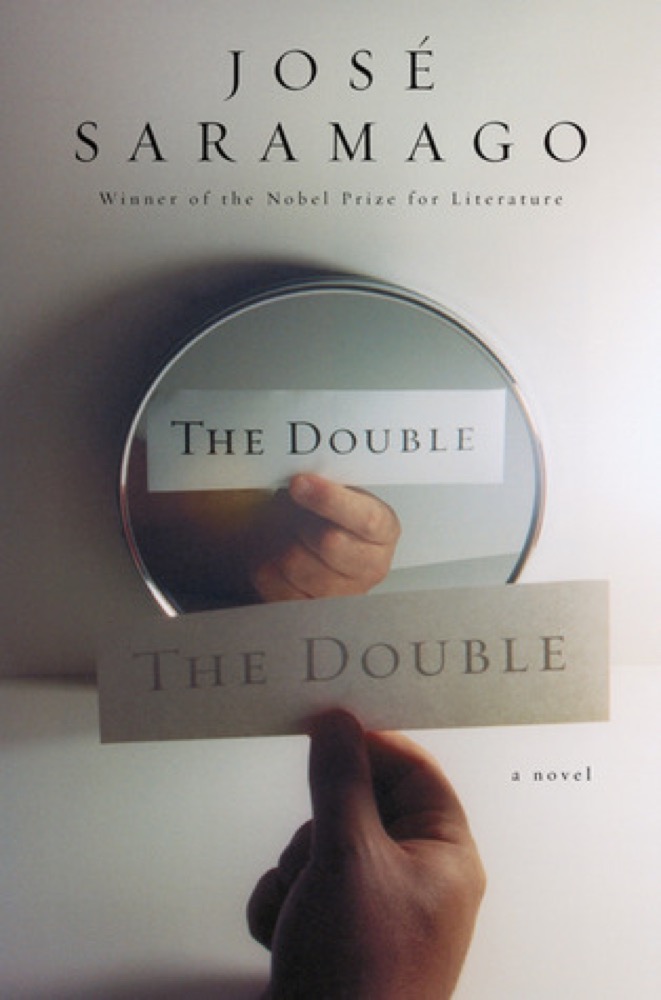 The Double
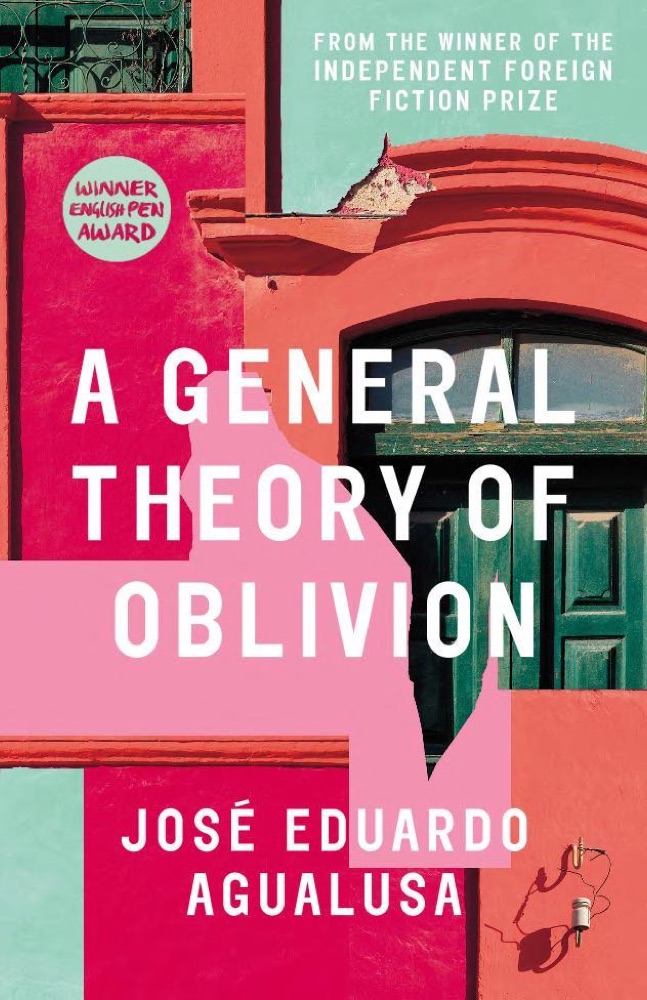 A General Theory of Oblivion
 Soul Mountain
 Beauty and Sadness
 Nothing
 The Analyst
 Lizard
 Brodeck
 The Blue Hour
 Cujo
Cujo
 Ficciones
 Things We Lost in the Fire
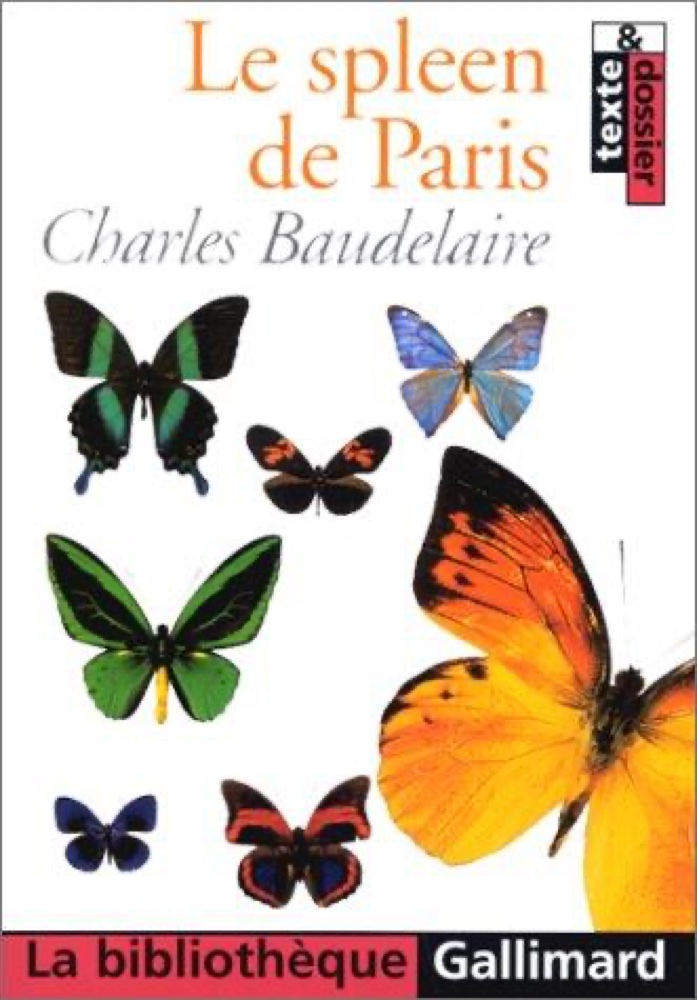 Paris Spleen
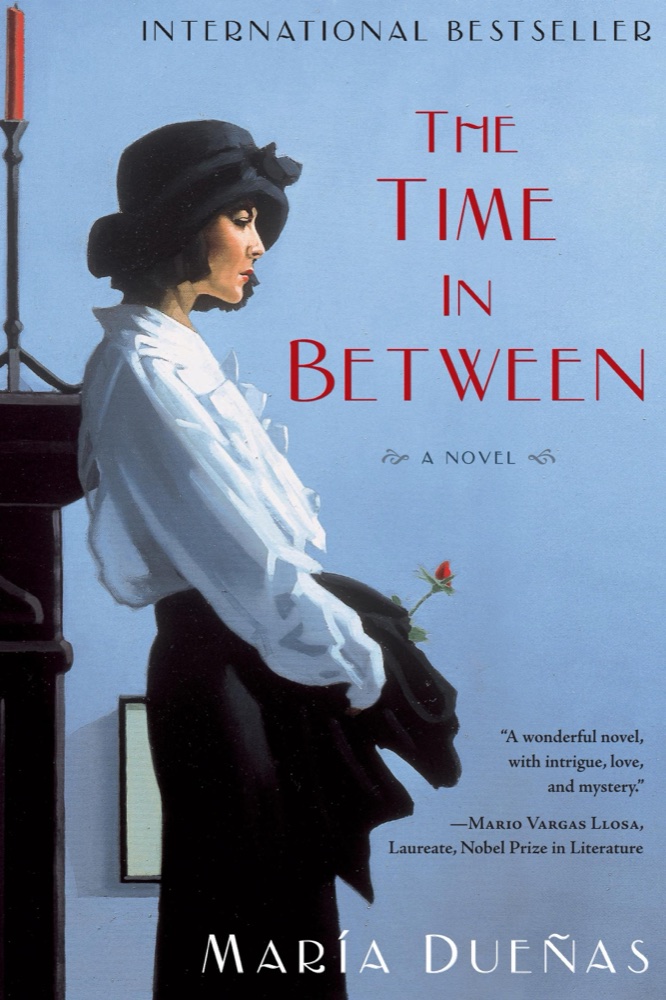 The Time in Between
 Firmin: Adventures of a Metropolitan Lowlife
 Strange Pilgrims
 The Drowning Girl
 The Invention of Morel
 Death with Interruptions
 After We Collided
 Shut Your Eyes Tight
 Dear Theo
 Platform
 Maya's Notebook
 Letter to a Child Never Born
 Summertime
 The Book of Sand and Shakespeare's Memory
 Portrait in Sepia
 Blow-Up and Other Stories