
 The Handmaid's Tale
Quotes from the Book
The truth is seldom welcome, especially at dinner.
57
Strange how we decorate pain. These ribbons, for instance, and the small hard teardrops of blood. Who are they for? Do we think the dead care?
45
Red Fox The red fox crosses the ice intent on none of my business. It's winter and slim pickings. I stand in the bushy cemetery, pretending to watch birds, but really watching the fox who could care less. She pauses on the sheer glare of the pond. She knows I'm there, sniffs me in the wind at her shoulder. If I had a gun or dog or a raw heart, she'd smell it. She didn't get this smart for nothing. She's a lean vixen: I can see the ribs, the sly trickster's eyes, filled with longing and desperation, the skinny feet, adept at lies. Why encourage the notion of virtuous poverty? It's only an excuse for zero charity. Hunger corrupts, and absolute hunger corrupts absolutely, or almost. Of course there are mothers, squeezing their breasts dry, pawning their bodies, shedding teeth for their children, or that's our fond belief. But remember - Hansel and Gretel were dumped in the forest because their parents were starving. Sauve qui peut. To survive we'd all turn thief and rascal, or so says the fox, with her coat of an elegant scoundrel, her white knife of a smile, who knows just where she's going: to steal something that doesn't belong to her - some chicken, or one more chance, or other life.
29
Messy love is better than none, I guess. I am no authority on sane living.
25
Helen of Troy Does Counter Dancing The world is full of women who'd tell me I should be ashamed of myself if they had the chance. Quit dancing. Get some self-respect and a day job. Right. And minimum wage, and varicose veins, just standing in one place for eight hours behind a glass counter bundled up to the neck, instead of naked as a meat sandwich. Selling gloves, or something. Instead of what I do sell. You have to have talent to peddle a thing so nebulous and without material form. Exploited, they'd say. Yes, any way you cut it, but I've a choice of how, and I'll take the money. I do give value. Like preachers, I sell vision, like perfume ads, desire or its facsimile. Like jokes or war, it's all in the timing. I sell men back their worst suspicions: that everything's for sale, and piecemeal. They gaze at me and see a chain-saw murder just before it happens, when thigh, ass, inkblot, crevice, tit, and nipple are still connected. Such hatred leaps in them, my beery worshipers! That, or a bleary hopeless love. Seeing the rows of heads and upturned eyes, imploring but ready to snap at my ankles, I understand floods and earthquakes, and the urge to step on ants. I keep the beat, and dance for them because they can't. The music smells like foxes, crisp as heated metal searing the nostrils or humid as August, hazy and languorous as a looted city the day after, when all the rape's been done already, and the killing, and the survivors wander around looking for garbage to eat, and there's only a bleak exhaustion. Speaking of which, it's the smiling tires me out the most. This, and the pretense that I can't hear them. And I can't, because I'm after all a foreigner to them. The speech here is all warty gutturals, obvious as a slam of ham, but I come from the province of the gods where meaning are lilting and oblique. I don't let on to everyone, but lean close, and I'll whisper: My mothers was raped by a holy swan. You believe that? You can take me out to dinner. That's what we tell all the husbands. There sure are a lot of dangerous birds around. Not that anyone here but you would understand. The rest of them would like to watch me and feel nothing. Reduce me to components as in a clock factory or abattoir. Crush out the mystery. Wall me up alive in my own body. They'd like to see through me, but nothing is more opaque than absolute transparency. Look - my feet don't hit the marble! Like breath or a balloon, I'm rising, I hover six inches in the air in my blazing swan-egg of light. You think I'm not a goddess? Try me. This is a torch song. Touch me and you'll burn.
20
UP You wake up filled with dread. There seems no reason for it. Morning light sifts through the window, there is birdsong, you can't get out of bed. It's something about the crumpled sheets hanging over the edge like jungle foliage, the terry slippers gaping their dark pink mouths for your feet, the unseen breakfast--some of it in the refrigerator you do not dare to open--you will not dare to eat. What prevents you? The future. The future tense, immense as outer space. You could get lost there. No. Nothing so simple. The past, its density and drowned events pressing you down, like sea water, like gelatin filling your lungs instead of air. Forget all that and let's get up. Try moving your arm. Try moving your head. Pretend the house is on fire and you must run or burn. No, that one's useless. It's never worked before. Where is it coming form, this echo, this huge No that surrounds you, silent as the folds of the yellow curtains, mute as the cheerful Mexican bowl with its cargo of mummified flowers? (You chose the colours of the sun, not the dried neutrals of shadow. God knows you've tried.) Now here's a good one: you're lying on your deathbed. You have one hour to live. Who is it, exactly, you have needed all these years to forgive?
18
The Loneliness of the Military Historian Confess: it's my profession that alarms you. This is why few people ask me to dinner, though Lord knows I don't go out of my way to be scary. I wear dresses of sensible cut and unalarming shades of beige, I smell of lavender and go to the hairdresser's: no prophetess mane of mine, complete with snakes, will frighten the youngsters. If I roll my eyes and mutter, if I clutch at my heart and scream in horror like a third-rate actress chewing up a mad scene, I do it in private and nobody sees but the bathroom mirror. In general I might agree with you: women should not contemplate war, should not weigh tactics impartially, or evade the word enemy, or view both sides and denounce nothing. Women should march for peace, or hand out white feathers to arouse bravery, spit themselves on bayonets to protect their babies, whose skulls will be split anyway, or,having been raped repeatedly, hang themselves with their own hair. There are the functions that inspire general comfort. That, and the knitting of socks for the troops and a sort of moral cheerleading. Also: mourning the dead. Sons,lovers and so forth. All the killed children. Instead of this, I tell what I hope will pass as truth. A blunt thing, not lovely. The truth is seldom welcome, especially at dinner, though I am good at what I do. My trade is courage and atrocities. I look at them and do not condemn. I write things down the way they happened, as near as can be remembered. I don't ask why, because it is mostly the same. Wars happen because the ones who start them think they can win. In my dreams there is glamour. The Vikings leave their fields each year for a few months of killing and plunder, much as the boys go hunting. In real life they were farmers. The come back loaded with splendour. The Arabs ride against Crusaders with scimitars that could sever silk in the air. A swift cut to the horse's neck and a hunk of armour crashes down like a tower. Fire against metal. A poet might say: romance against banality. When awake, I know better. Despite the propaganda, there are no monsters, or none that could be finally buried. Finish one off, and circumstances and the radio create another. Believe me: whole armies have prayed fervently to God all night and meant it, and been slaughtered anyway. Brutality wins frequently, and large outcomes have turned on the invention of a mechanical device, viz. radar. True, valour sometimes counts for something, as at Thermopylae. Sometimes being right - though ultimate virtue, by agreed tradition, is decided by the winner. Sometimes men throw themselves on grenades and burst like paper bags of guts to save their comrades. I can admire that. But rats and cholera have won many wars. Those, and potatoes, or the absence of them. It's no use pinning all those medals across the chests of the dead. Impressive, but I know too much. Grand exploits merely depress me. In the interests of research I have walked on many battlefields that once were liquid with pulped men's bodies and spangled with exploded shells and splayed bone. All of them have been green again by the time I got there. Each has inspired a few good quotes in its day. Sad marble angels brood like hens over the grassy nests where nothing hatches. (The angels could just as well be described as vulgar or pitiless, depending on camera angle.) The word glory figures a lot on gateways. Of course I pick a flower or two from each, and press it in the hotel Bible for a souvenir. I'm just as human as you. But it's no use asking me for a final statement. As I say, I deal in tactics. Also statistics: for every year of peace there have been four hundred years of war.
16
My audience is God, because who the hell else could understand me?
15
Wars happen because the ones who start them think they can win.
15
In the daylight we know what’s gone is gone, but at night it’s different. Nothing gets finished, not dying, not mourning;
11
In the burned house I am eating breakfast. You understand? There is no house, there is no breakfast, yet here I am
10
but nothing I ever gave was good for you; it was like white bread to goldfish. they cram and cram, and it kills them, and they drift in the pool, belly-up, making stunned faces and playing on our guilt as if their own toxic gluttony was not their own fault there you are, still outside the window, still with your hands out, still pallid and fish-eyed, still acting stupidly innocent and starved.
10
Girl Without Hands Walking through the ruins on your way to work that do not look like ruins with the sunlight pouring over the seen world like hail or melted silver, that bright and magnificent, each leaf and stone quickened and specific in it, and you can't hold it, you can't hold any of it. Distance surrounds you, marked out by the ends of your arms when they are stretched to their fullest. You can go no farther than this, you think, walking forward, pushing the distance in front of you like a metal cart on wheels with its barriers and horizontals. Appearance melts away from you, the offices and pyramids on the horizon shimmer and cease. No one can enter that circle you have made, that clean circle of dead space you have made and stay inside, mourning because it is clean. Then there's the girl, in the white dress, meaning purity, or the failure to be any colour. She has no hands, it's true. The scream that happened to the air when they were taken off surrounds her now like an aureole of hot sand, of no sound. Everything has bled out of her. Only a girl like this can know what's happened to you. If she were here she would reach out her arms towards you now, and touch you with her absent hands and you would feel nothing, but you would be touched all the same.
9
No one ever told you greed and hunger are not the same.
8
This form of love is like the pain of childbirth: so intense it's hard to remember afterwards,
7
Messy love is better than none, I guess. I'm no authority on sane living. Which is all true and no hep at all, because this form of love is like the pain of childbirth: so intense it's hard to remember afterwards, or what kind of screams and grimaces it pushed you into.
7
But it's love that does us in.
7
I would like to say my hair turned white overnight, but it didn’t. Instead it was my heart: bleached out like meat in water
6
Translation was never possible. Instead there was always only conquest, the influx of the language of hard nouns, the language of metal, the language of either/or, the one language that has eaten all the others.
6
The sun goes down. The trees bend, they straighten up. They bend. At eight the youngest daughter comes. She holds his hand. She says, Did they feed you? He says no. He says, Get me out of here. He wants so much to say please, but won’t. After a pause, she says— he hears her say— I love you like salt.
5
They’d like to see through me, but nothing is more opaque than absolute transparency.
5
Sauve qui peut. To survive we’d all turn thief and rascal, or so says the fox, with her coat of an elegant scoundrel, her white knife of a smile, who knows just where she’s going: to steal something that doesn’t belong to her - some chicken, or one more chance, or other life.
5
from under the ground, from under the waters, they clutch at us, they clutch at us, we won’t let go.
4
Of course there are mothers, squeezing their breasts dry, pawning their bodies, shedding teeth for their children, or that’s our fond belief. But remember - Hansel and Gretel were dumped in the forest because their parents were starving.
4
Now here's a good one: you're lying on your deathbed. You have one hour to live. Who is it, exactly, you have needed all these years to forgive?
3
Shapechangers in Winter” Margaret Atwood I. Through the slit of our open window, the wind comes in and flows around us, nothingness in motion, like time. The power of what is not there. the snow empties itself down, a shadow turning to indigo, obliterating everything out there, roofs, cars, garbage cans, dead flowerstalks, dog turds, it doesn’t matter. you could read this as indifference on the part of the universe, or else a relentless forgiveness: all of our scratches and blots and mortal wounds and patched-up jobs wiped clean in the snow’s huge erasure.
3
Look—my feet don’t hit the marble! Like breath or a balloon, I’m rising, I hover six inches in the air in my blazing swan-egg of light. You think I’m not a goddess? Try me. This is a torch song. Touch me and you’ll burn.
3
Dear Sir, I reply, I never had any. Bad sex, that is. It was never the sex, it was the other things, the absence of flowers, the death threats, the eating habits at breakfast. I notice I’m using the past tense.
3
They were wrong about the sun. It does not go down into the underworld at night. The sun leaves merely and the underworld emerges. It can happen at any moment. It can happen in the morning, you in the kitchen going through your mild routines. Plate, cup, knife. All at once there’s no blue, no green, no warning.
3
She’s a lean vixen: I can see the ribs, the sly trickster’s eyes, filled with longing and desperation, the skinny feet, adept at lies. Why encourage the notion of virtuous poverty? It’s only an excuse for zero charity. Hunger corrupts, and absolute hunger corrupts absolutely,
3
Watch on YouTube
About Margaret Atwood
We have collected 719 quotes from 27 books by Margaret Atwood on BookQuoters.
More about the author →More by Margaret Atwood
All books by Margaret Atwood →
About the book
The renowned poet and author of The Handmaid’s Tale “brings a swift, powerful energy” to this “intimate and immediate” poetry collection ( Publishers Weekly ). These beautifully crafted poems, by turns dark, playful, intensely moving, tender, and intimate, are some of Margaret Atwood’s most accomplished and versatile works. Some draw on history and some on myth, both classical and popular. Others, more personal, concern themselves with love, with the fragility of the natural world, and with death. Generous, searing, compassionate, and disturbing, this poetry rises out of human experience to seek a level between luminous memory and the realities of the everyday, between the capacity to inflict and the strength to forgive.
Book details
- First published
- 1995
- Author
- Margaret Atwood
- Genre
- Literature
- Goodreads rating
- 4.11 (3k ratings)
Keep reading
 Good Bones and Simple Murders
 Plainwater: Essays and Poetry
 Old Babes in the Wood: Stories
 The Carrying
 The Blind Assassin
 By Grand Central Station I Sat Down and Wept
 The Madness Vase
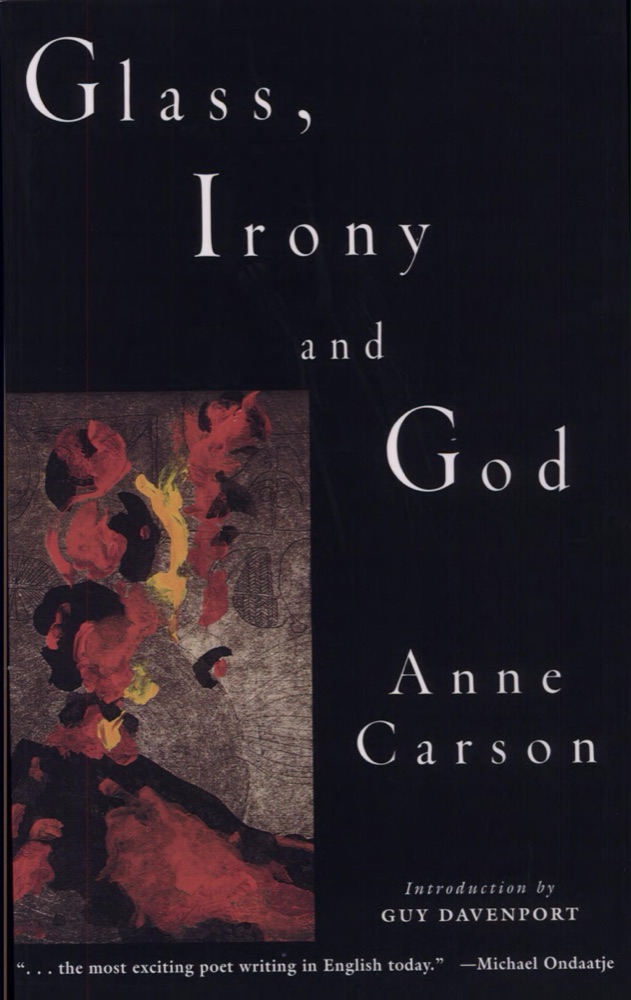 Glass, Irony and God
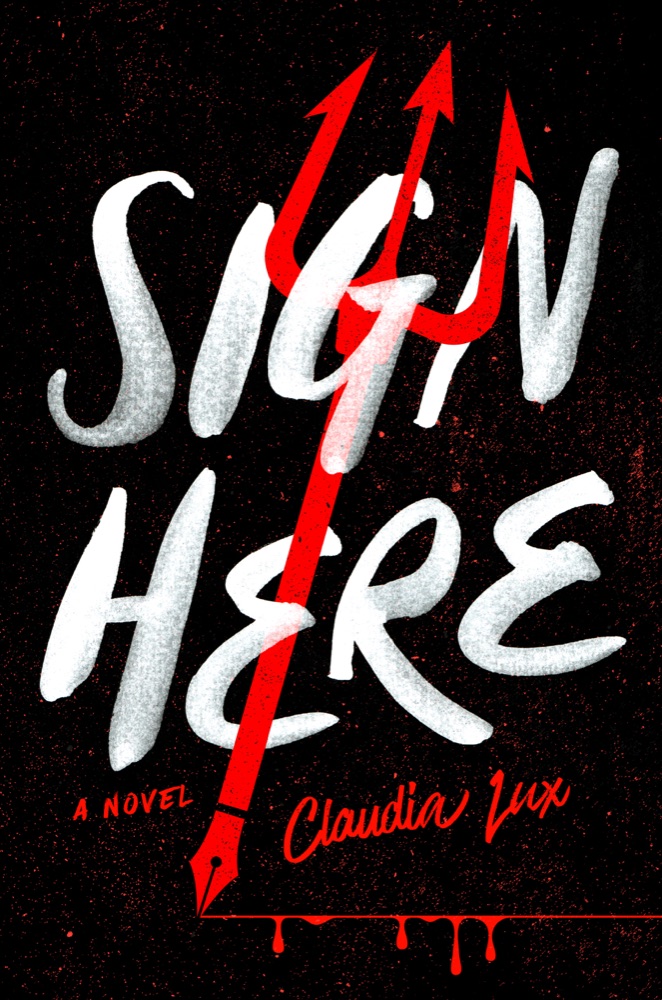 Sign Here
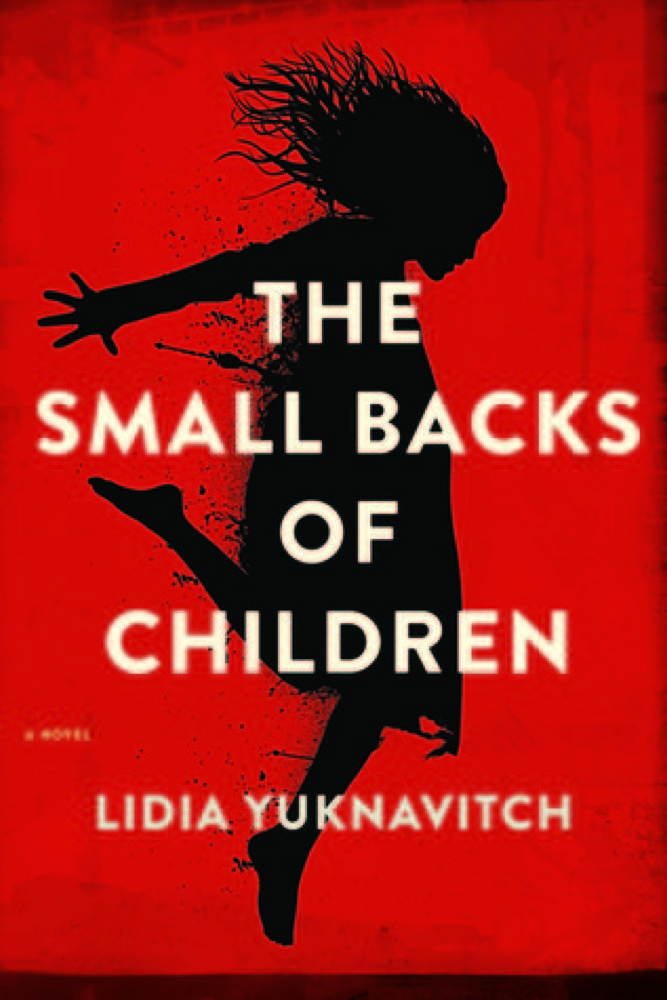 The Small Backs of Children
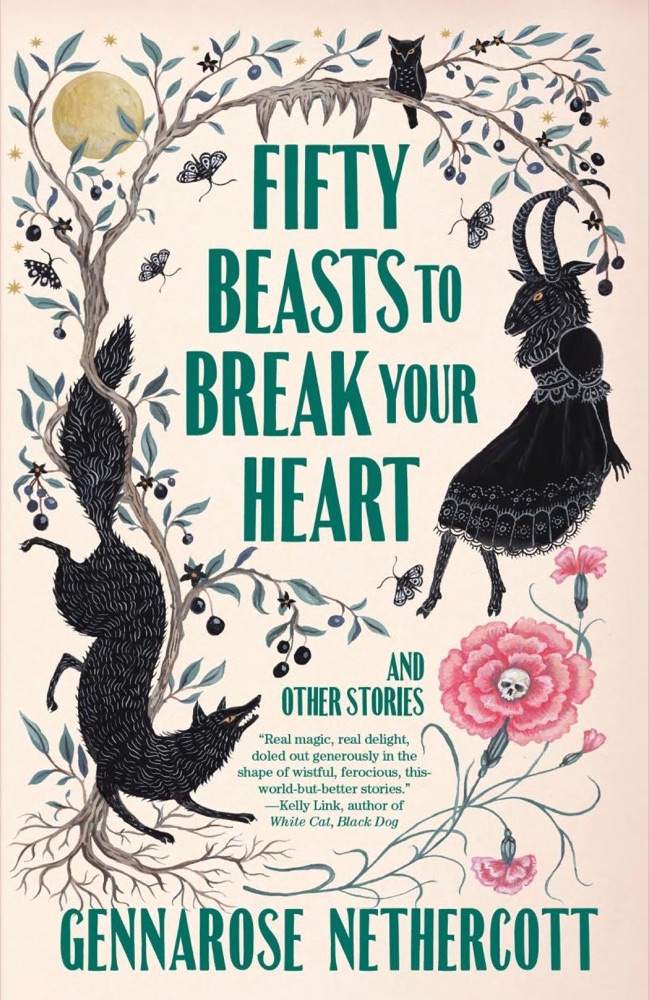 Fifty Beasts to Break Your Heart: And Other Stories
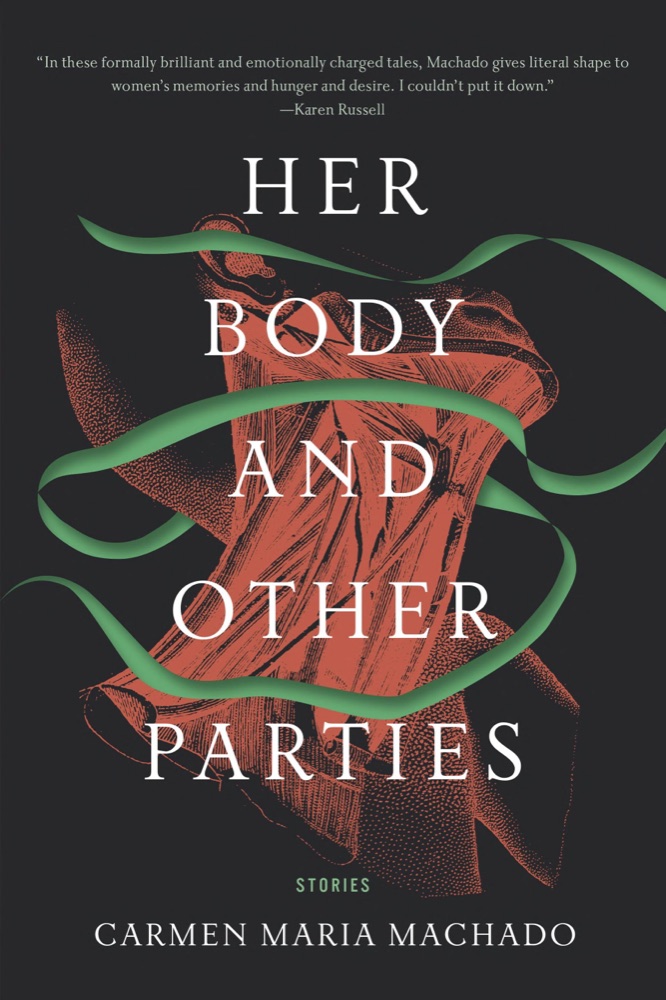 Her Body and Other Parties
 Nightwood
 How We Are Hungry
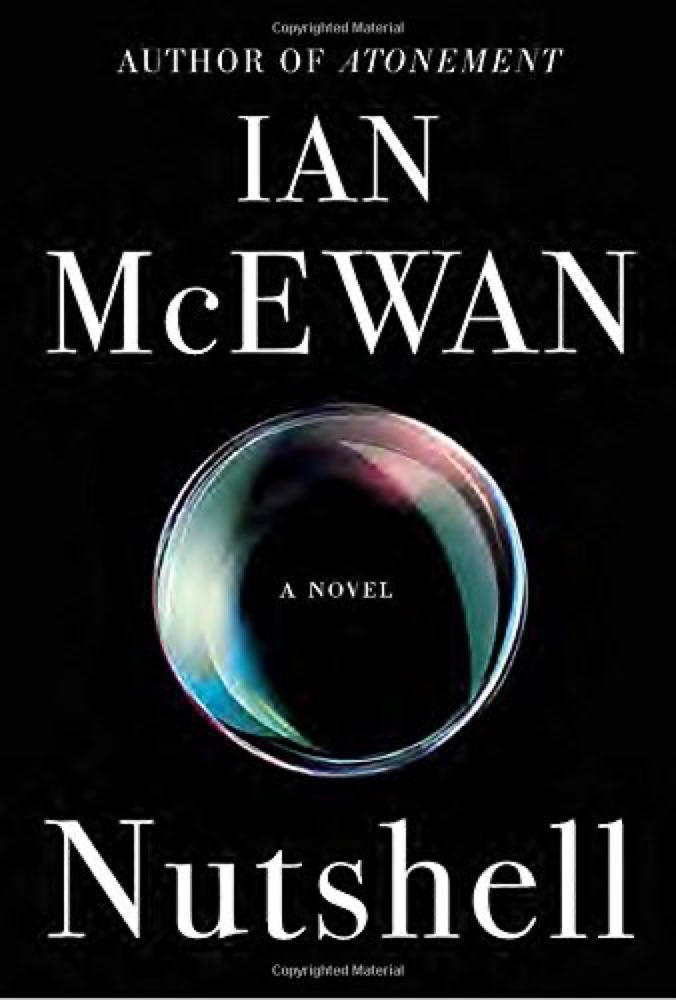 Nutshell
 Future Home of the Living God
 Egg & Spoon
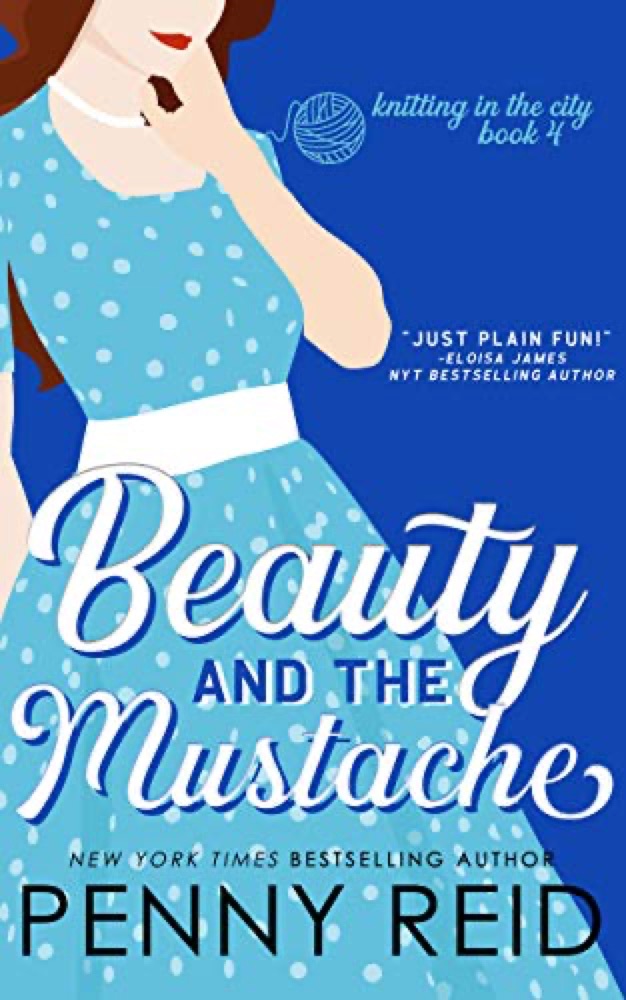 Beauty and the Mustache
 House of Leaves
 Betty
Betty
 Sexing the Cherry
 House of Hunger
 The Burning World
 Sexus
Sexus
 Millennium Approaches
 A Manual for Cleaning Women: Selected Stories
 Split Tooth
 Art and Lies
 Perennials
 What Kind of Woman: Poems
 The People Look Like Flowers at Last
 Beautiful Creatures
 Sword & Citadel
 Abarat
 Dear Medusa
 In the Dream House
 Red Doc>
 Stepsister
 White Oleander
 Poems New and Collected
 House of Chains
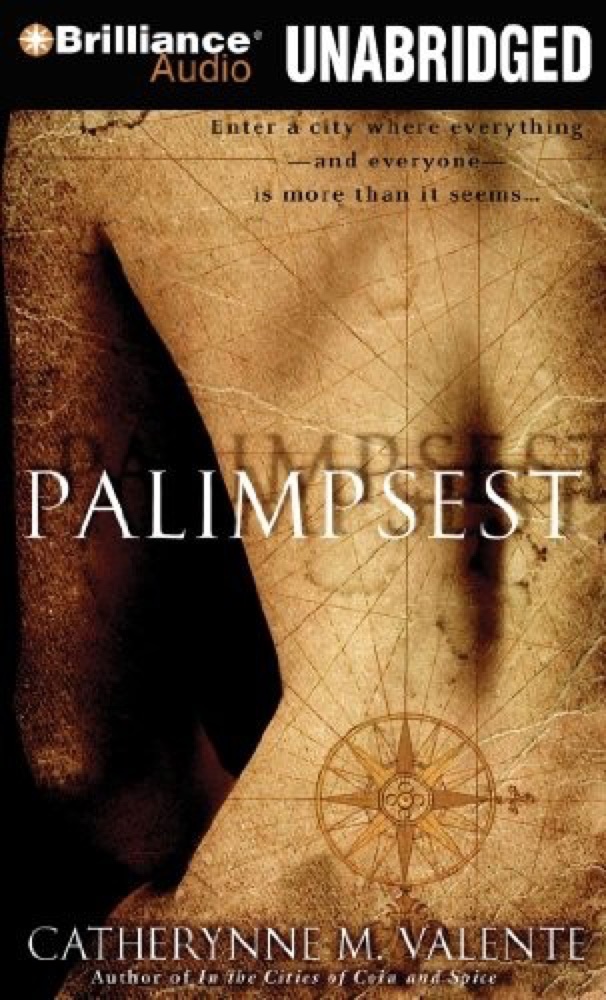 Palimpsest
 In the Heart of the Heart of the Country and Other Stories
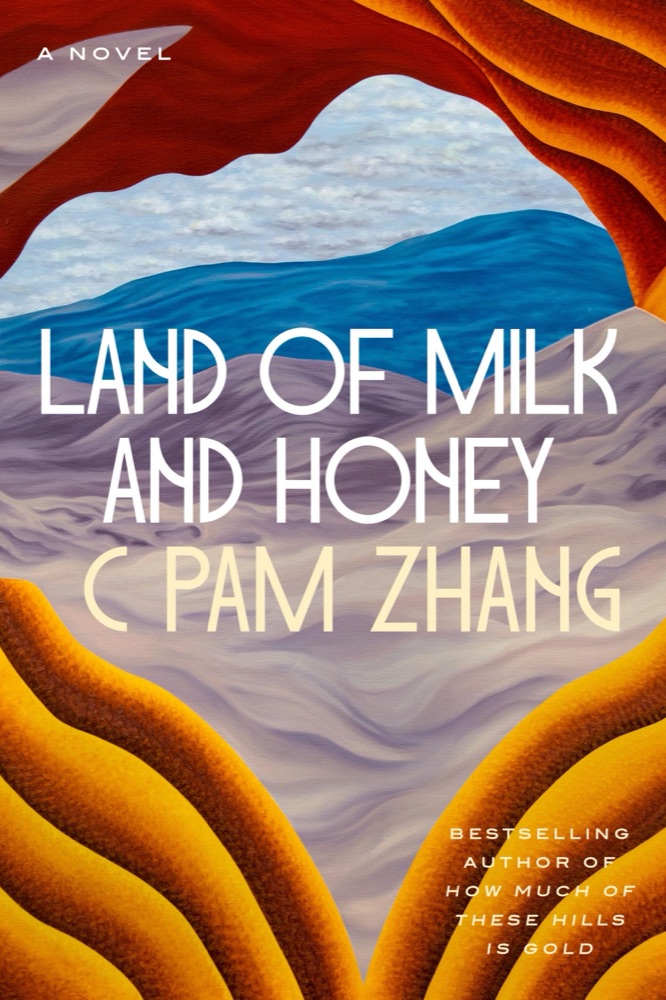 Land of Milk and Honey
 Written on the Body
 Tropic of Cancer
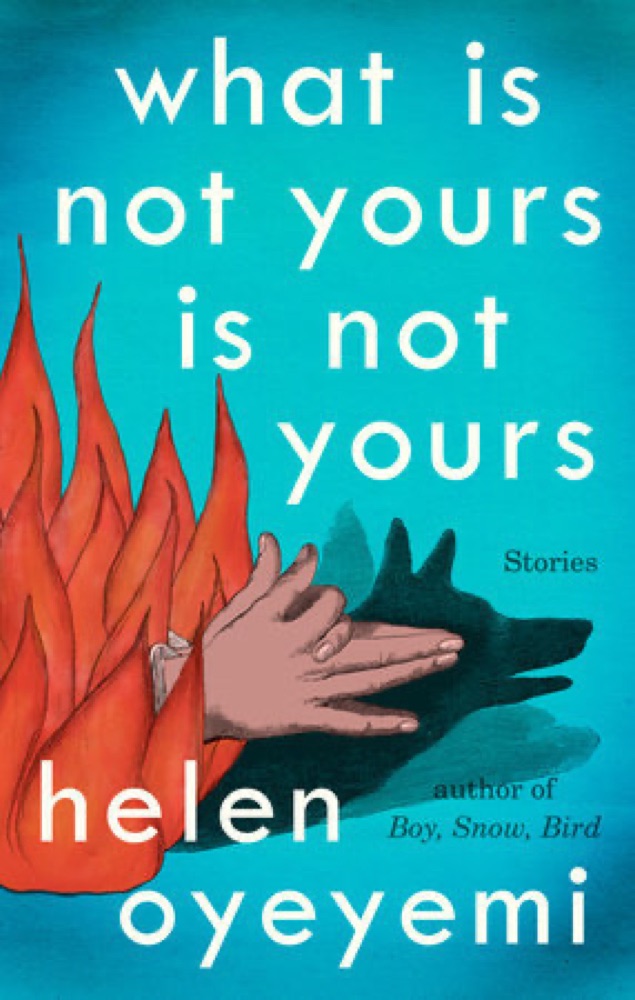 What Is Not Yours Is Not Yours
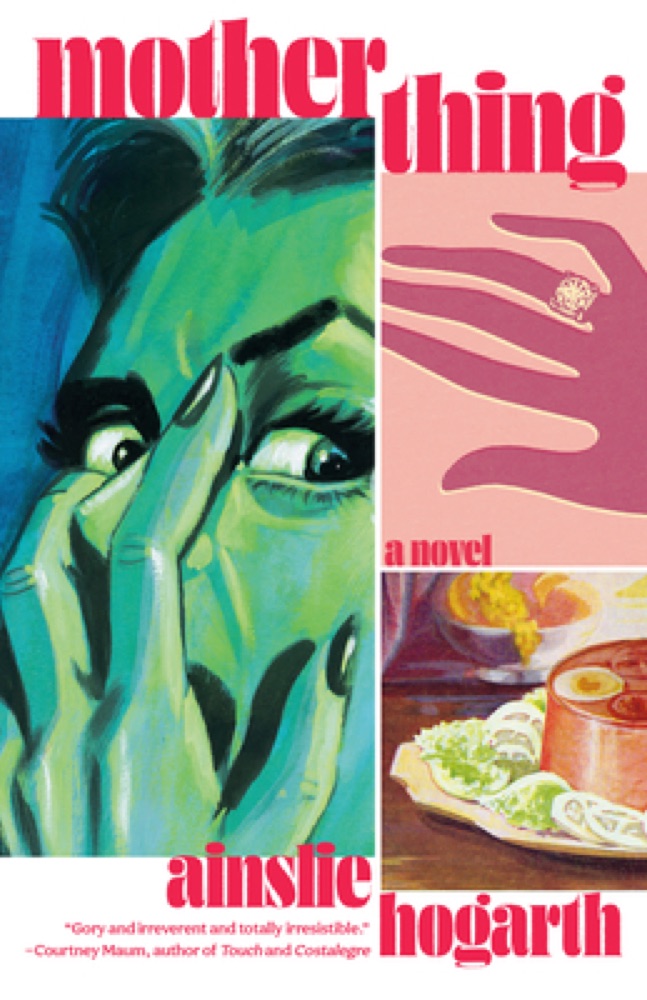 Motherthing
 Tricks
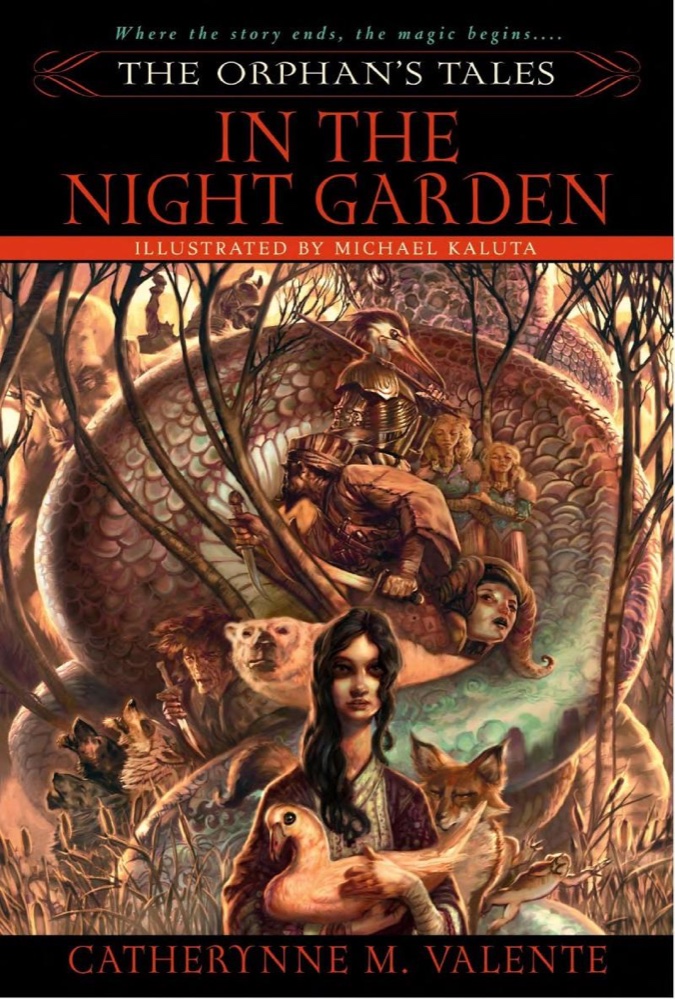 In the Night Garden
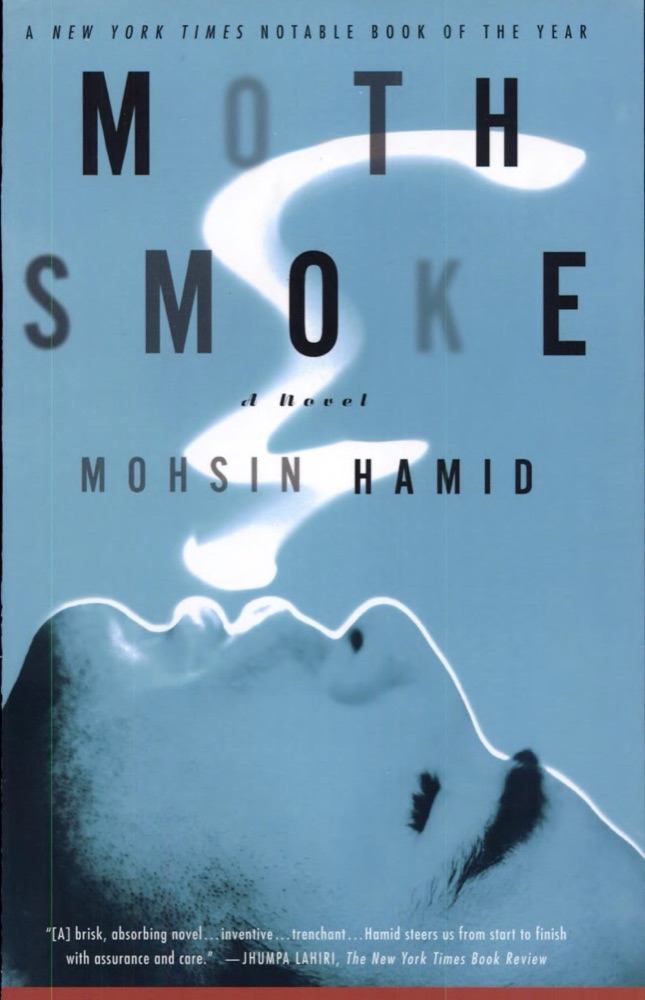 Moth Smoke
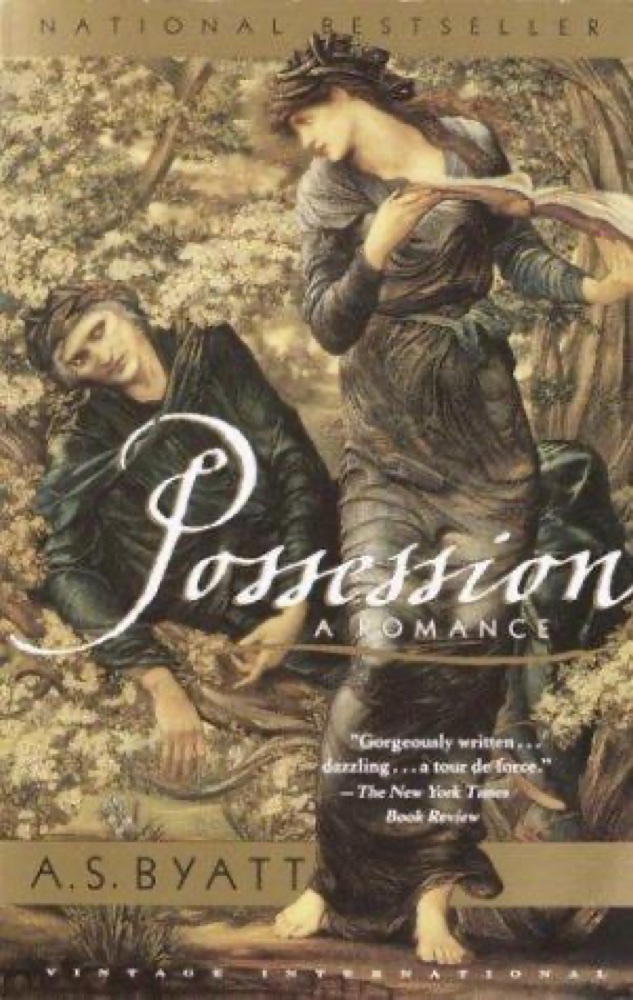 Possession
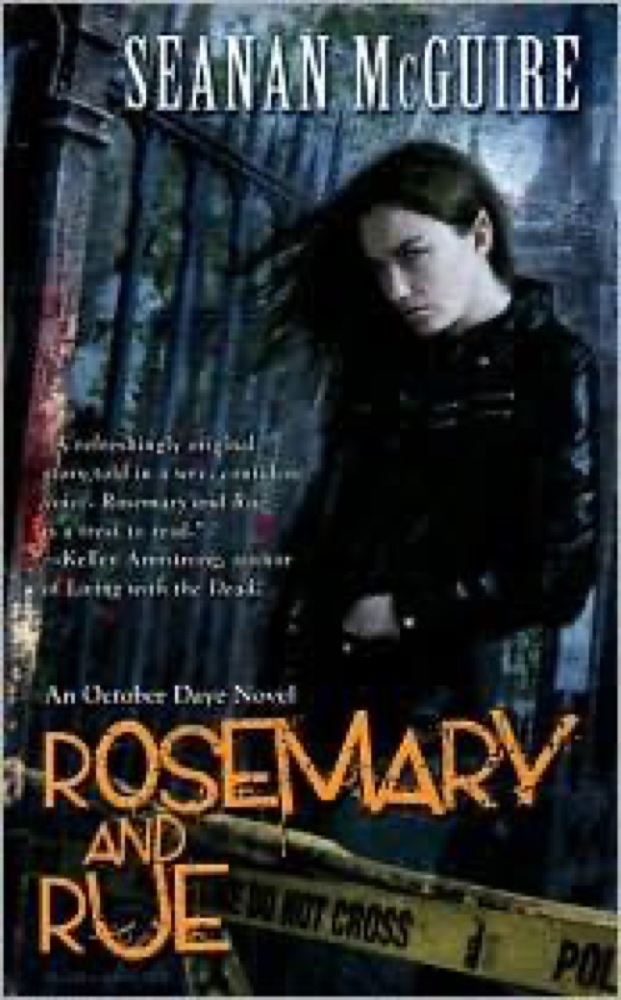 Rosemary and Rue
 The Name of the Wind
 Poems, 1962-2012
 Take Me With You
 Revolution
 The Complete Poems
 Inferno
 Something Wicked This Way Comes