
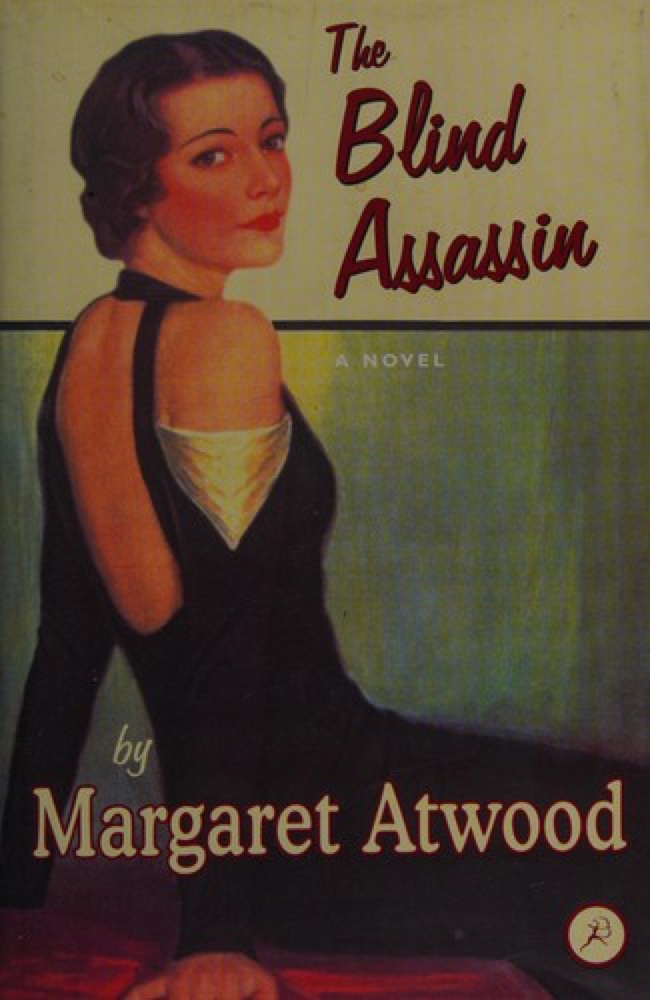
 The Blind Assassin
Quotes from the Book
Don't let the bastards grind you down.
Ignoring isn’t the same as ignorance, you have to work at it.
Nolite te bastardes carborundorum. Don't let the bastards grind you down.
But who can remember pain, once it’s over? All that remains of it is a shadow, not in the mind even, in the flesh. Pain marks you, but too deep to see. Out of sight, out of mind.
We were the people who were not in the papers. We lived in the blank white spaces at the edges of print. It gave us more freedom. We lived in the gaps between the stories.
Better never means better for everyone... It always means worse, for some.
Falling in love, we said; I fell for him. We were falling women. We believed in it, this downward motion: so lovely, like flying, and yet at the same time so dire, so extreme, so unlikely. God is love, they once said, but we reversed that, and love, like heaven, was always just around the corner. The more difficult it was to love the particular man beside us, the more we believed in Love, abstract and total. We were waiting, always, for the incarnation. That word, made flesh. And sometimes it happened, for a time. That kind of love comes and goes and is hard to remember afterwards, like pain. You would look at the man one day and you would think, I loved you, and the tense would be past, and you would be filled with a sense of wonder, because it was such an amazing and precarious and dumb thing to have done; and you would know too why your friends had been evasive about it, at the time. There is a good deal of comfort, now, in remembering this.
When we think of the past it's the beautiful things we pick out. We want to believe it was all like that.
You can only be jealous of someone who has something you think you ought to have yourself.
A rat in a maze is free to go anywhere, as long as it stays inside the maze.
There is more than one kind of freedom," said Aunt Lydia. "Freedom to and freedom from. In the days of anarchy, it was freedom to. Now you are being given freedom from. Don't underrate it.
What I need is perspective. The illusion of depth, created by a frame, the arrangement of shapes on a flat surface. Perspective is necessary. Otherwise there are only two dimensions. Otherwise you live with your face squashed up against a wall, everything a huge foreground, of details, close-ups, hairs, the weave of the bedsheet, the molecules of the face. Your own skin like a map, a diagram of futility, criscrossed with tiny roads that lead nowhere. Otherwise you live in the moment. Which is not where I want to be.
But remember that forgiveness too is a power. To beg for it is a power, and to withhold or bestow it is a power, perhaps the greatest. Maybe none of this is about control. Maybe it isn't really about who can own whom, who can do what to whom and get away with it, even as far as death. Maybe it isn't about who can sit and who has to kneel or stand or lie down, legs spread open. Maybe it's about who can do what to whom and be forgiven for it. Never tell me it amounts to the same thing.
The moment of betrayal is the worst, the moment when you know beyond any doubt that you've been betrayed: that some other human being has wished you that much evil
But people will do anything rather than admit that their lives have no meaning. No use, that is. No plot.
We thought we had such problems. How were we to know we were happy?
You can think clearly only with your clothes on.
Night falls. Or has fallen. Why is it that night falls, instead of rising, like the dawn? Yet if you look east, at sunset, you can see night rising, not falling; darkness lifting into the sky, up from the horizon, like a black sun behind cloud cover. Like smoke from an unseen fire, a line of fire just below the horizon, brushfire or a burning city. Maybe night falls because it’s heavy, a thick curtain pulled up over the eyes. Wool blanket.
I am not your justification for existence.
I want to be held and told my name. I want to be valued, in ways that I am not; I want to be more than valuable. I repeat my former name; remind myself of what I once could do, how others saw me. I want to steal something.
It's impossible to say a thing exactly the way it was, because of what you say can never be exact, you always have to leave something out, there are too many parts, sides, crosscurrents, nuances; too many gestures, which could mean this or that, too many shapes which can never be fully described, too many flavors, in the air or on the tongue, half-colors, too many.
I feel like the word shatter.
If it's a story I'm telling, then I have control over the ending... But if it's a story, even in my head, I must be telling it to someone. You don't tell a story only to yourself. There's always someone else. Even when there is no one.
All you have to do, I tell myself, is keep your mouth shut and look stupid. It shouldn't be that hard.
We yearned for the future. How did we learn it, that talent for insatiability?
Maybe the life I think I'm living is a paranoid delusion...Sanity is a valuable possession; I hoard it the way people once hoarded money. I save it, so I will have enough, when the time comes.
Truly amazing, what people can get used to, as long as there are a few compensations.
Knowing was a temptation. What you don't know won't tempt you.
I want everything back, the way it was. But there is no point to it, this wanting.
Did you know?
- Margaret Atwood has said she included nothing in the novel that had not already happened somewhere in human history.
- The novel won the first-ever Arthur C. Clarke Award in 1987.
- It won the Canadian Governor General's Award for English-language fiction in 1985.
- Handmaids in Gilead are forbidden to read, and shop signs are replaced with pictures instead of words.
- Women in Gilead are categorized by color-coded clothing that reflects their social and reproductive role.
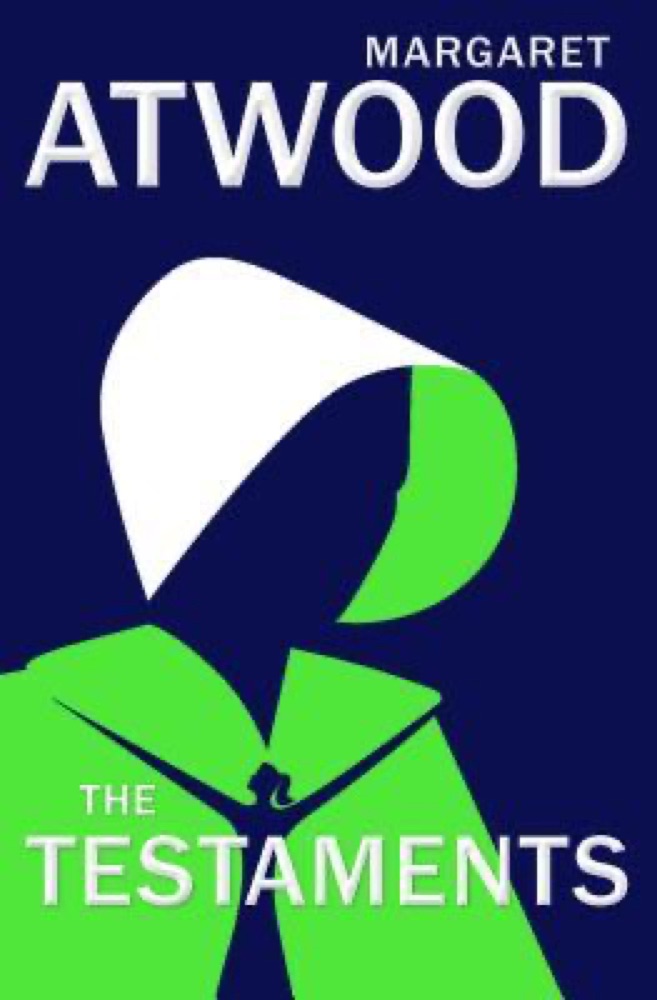
- Atwood published a sequel, The Testaments, in 2019, set years after the events of the first novel.
About Margaret Atwood
Margaret Atwood is a Canadian author, poet, and critic, widely regarded as one of the most important living writers in English. She is known for speculative and dystopian fiction, including The Handmaid's Tale and its sequel The Testaments.
More about the author →More by Margaret Atwood
All books by Margaret Atwood →
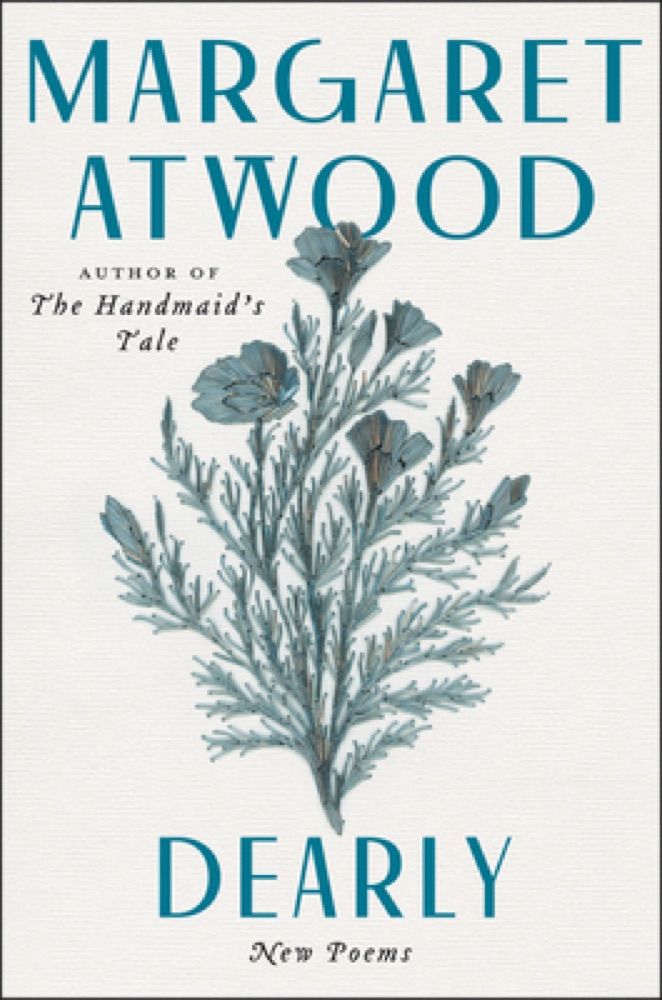
About the book
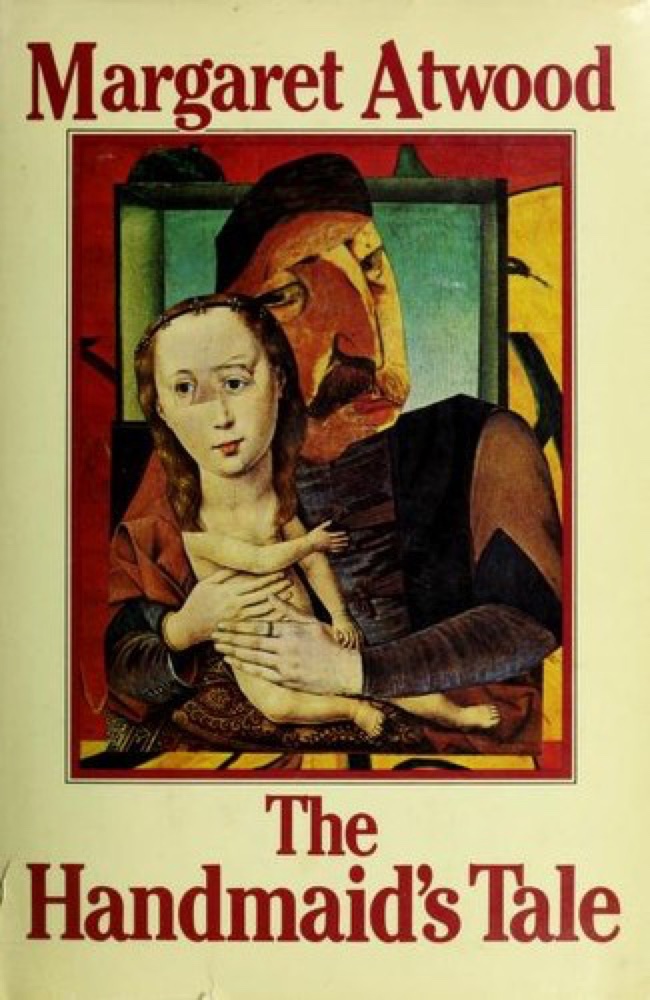
The Handmaid's Tale is Margaret Atwood's 1985 dystopian novel set in the Republic of Gilead, a totalitarian theocracy that has overthrown the United States government. Amid a fertility crisis, the regime forces the few remaining fertile women into reproductive servitude as "Handmaids," assigning them to elite households to bear children for powerful Commanders and their wives. The story is narrated by Offred, a Handmaid stripped of her former name, family, and freedom, who recalls the ordinary life she lost as she navigates the rituals and dangers of her new existence.
Atwood explores themes of power, gender, reproductive control, and the weaponization of religion to justify oppression. Women in Gilead are sorted into rigid categories signaled by color-coded clothing, forbidden to read, work, or hold money, and subjected to constant surveillance. Through Offred's fragmented, interior narration, the novel examines how authoritarian systems deform both those who suffer under them and those who enforce them, and how memory and small acts of resistance persist under repression.
Widely regarded as a landmark of speculative and feminist fiction, the book won the Governor General's Award in 1985 and the inaugural Arthur C. Clarke Award in 1987. Atwood has stated that she included nothing in the novel that had not already happened somewhere in human history. Its enduring cultural resonance has been renewed by numerous adaptations, and it remains a frequently taught and frequently debated cornerstone of modern dystopian literature.
Key characters
- OffredThe narrator and protagonist, a Handmaid stripped of her real identity
- The CommanderThe powerful official to whose household Offred is assigned
- Serena JoyThe Commander's wife, a former televangelist
- OfglenOffred's shopping partner, connected to the resistance
- NickThe Commander's driver, with whom Offred becomes involved
- LukeOffred's husband from before Gilead, remembered in flashbacks
- MoiraOffred's rebellious friend from before Gilead
Book details
- First published
- 1985
- Length
- 311 pages
- Reading time
- 19 hours
- Author
- Margaret Atwood
- Genre
- Classics
- Goodreads rating
- 4.15 (2.5M ratings) →
- First line
- “We slept in what had once been the gymnasium.”
Series & reading order
- 1 The Handmaid's Tale
- 2 The Testaments
Movie & TV adaptations
- IMDb
- IMDb
- IMDb
If you liked this, read…
- 1Nineteen Eighty-FourA foundational dystopia about totalitarian control and surveillance
- 2The TestamentsAtwood's own sequel returning to the world of Gilead
- 3Never Let Me GoA quietly devastating dystopia about bodies controlled by society
Keep reading
 Choke
Choke
 The Testaments
 A Fraction of the Whole
 Oranges Are Not the Only Fruit
 The Likeness
 Hard-Boiled Wonderland and the End of the World
 The Golden Notebook
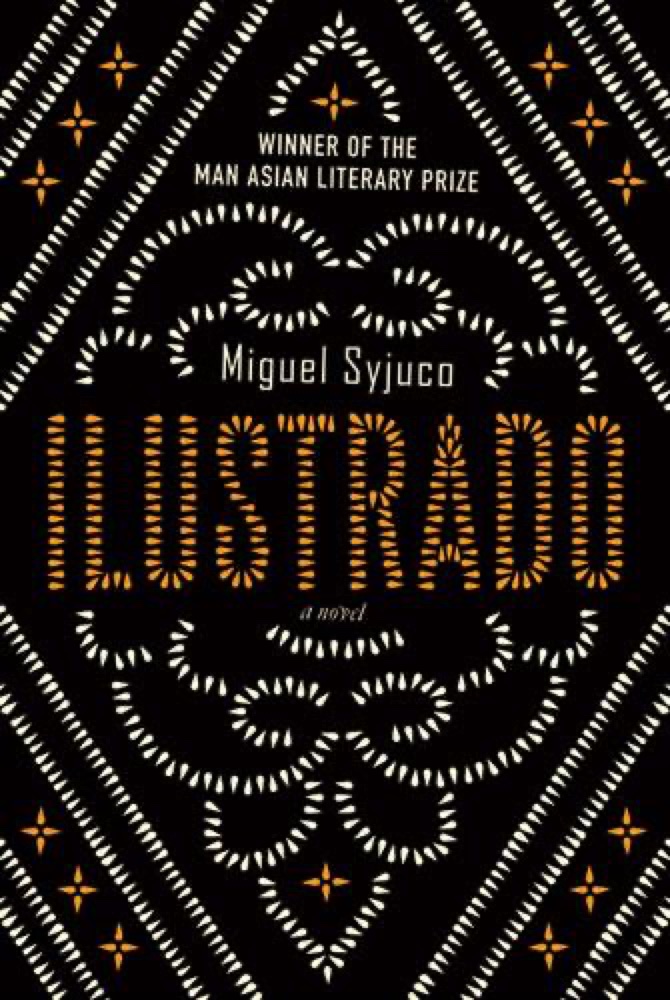 Ilustrado
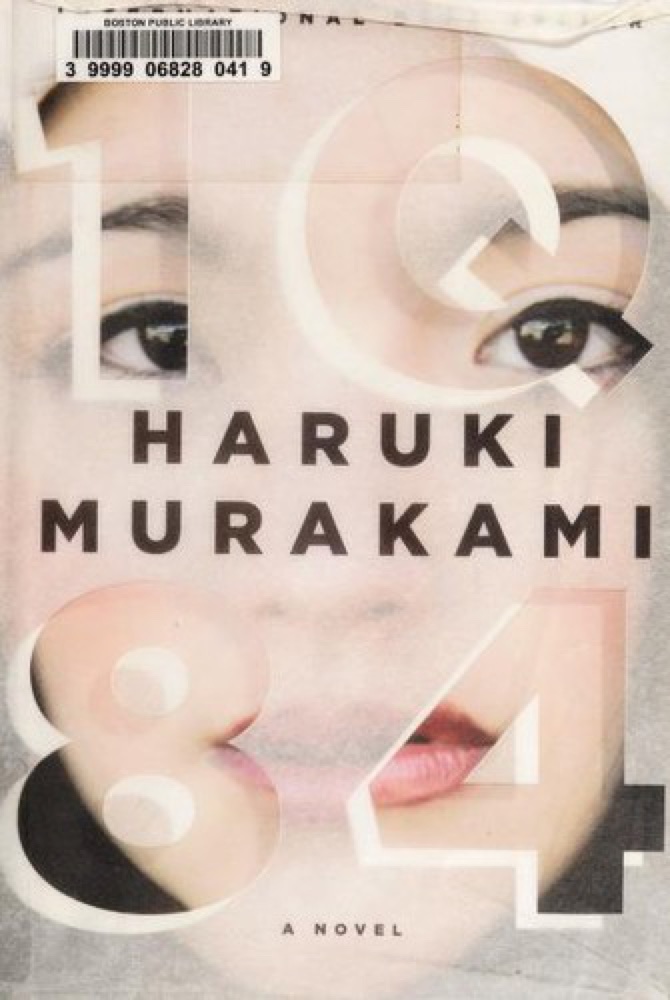 1Q84
1Q84
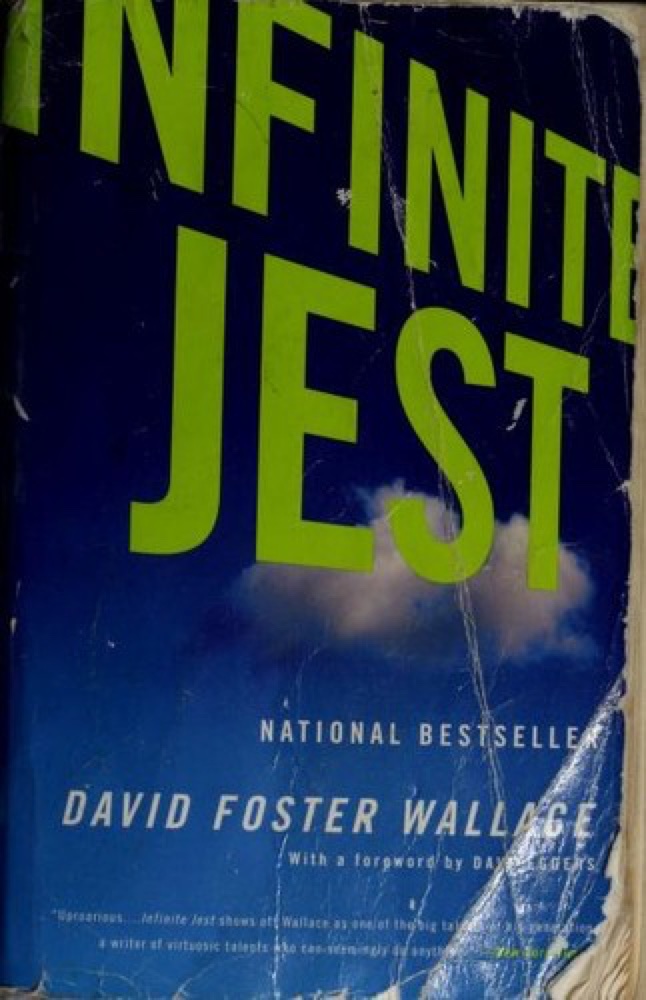 Infinite Jest
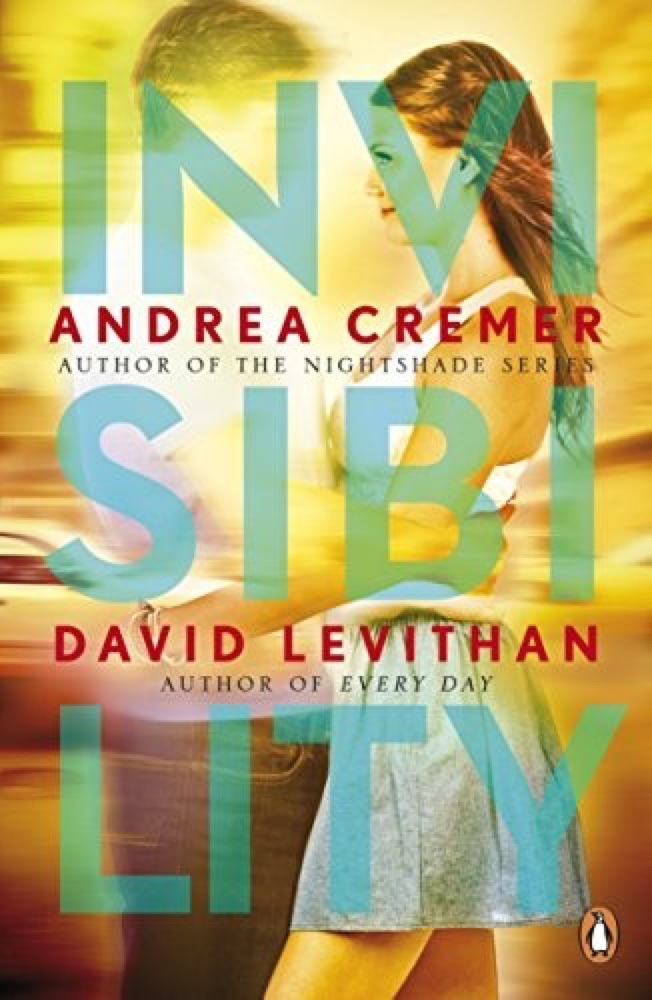 Invisibility
 The Poisonwood Bible
 The Beginning of Everything
 The Unbound
 Thirteen Reasons Why
 The Winter of Our Discontent
 Duma Key
 Turtles All the Way Down
 The Kite Runner
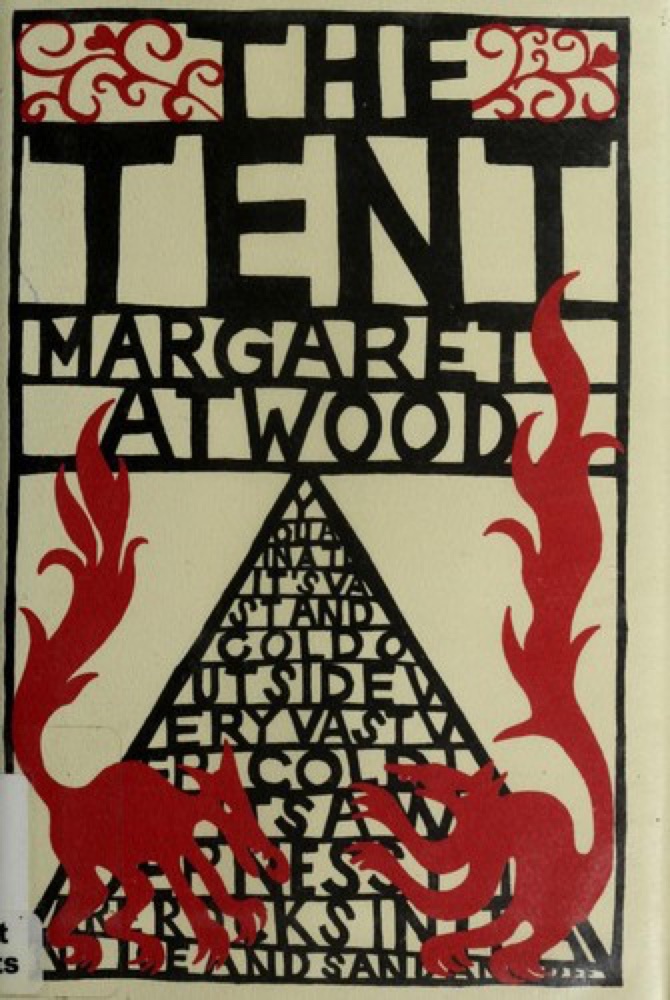 The Tent
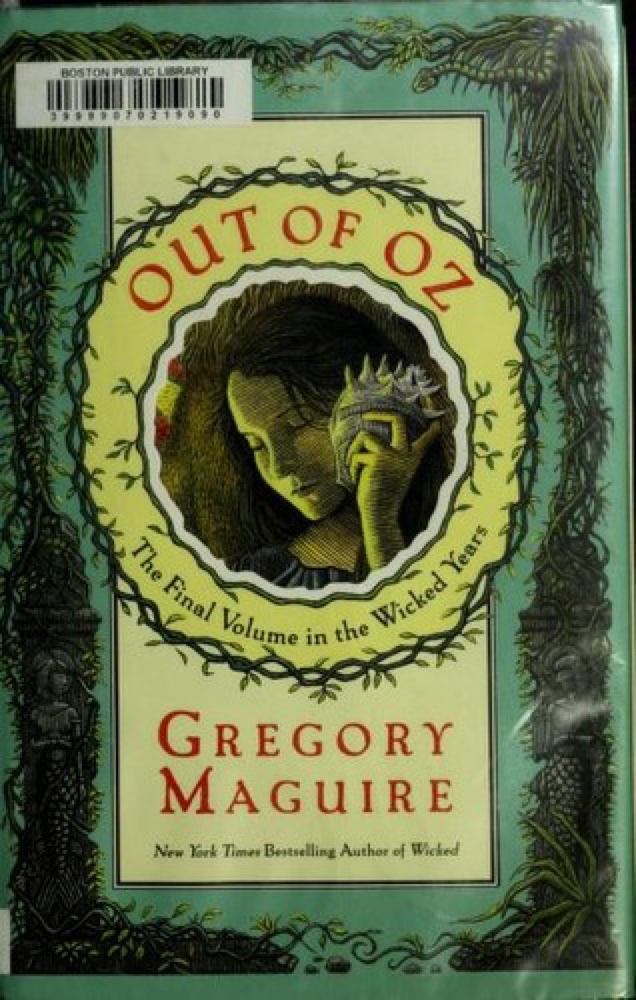 Out of Oz
 In Time
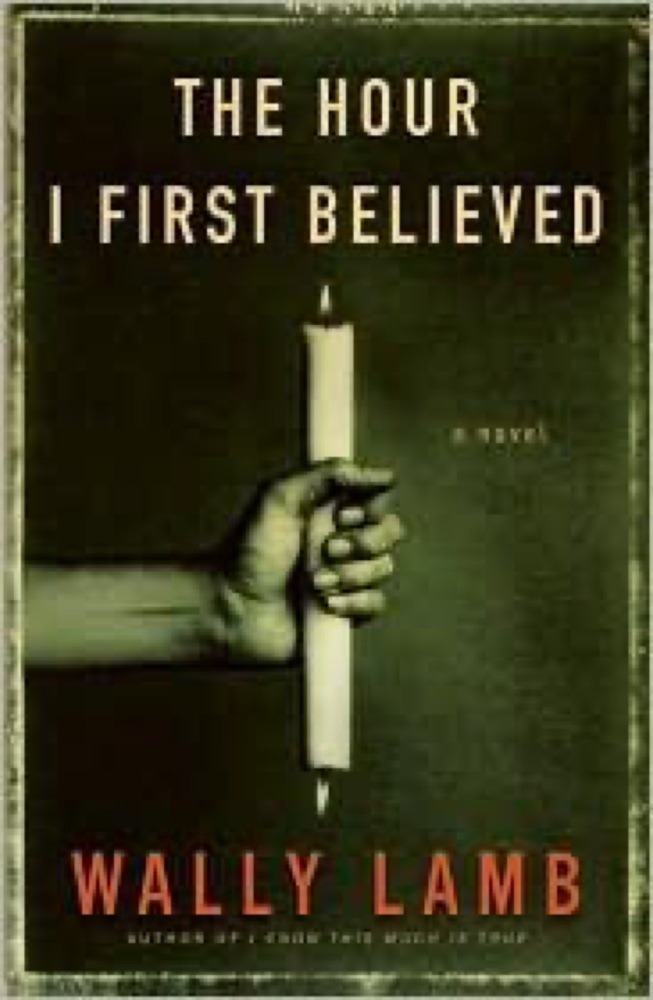 The Hour I First Believed
 A Great and Terrible Beauty
 Embers
 Fragments
 Revolution
 Stay
Stay
 Hold Tight
 The Resistance
 The City in the Middle of the Night
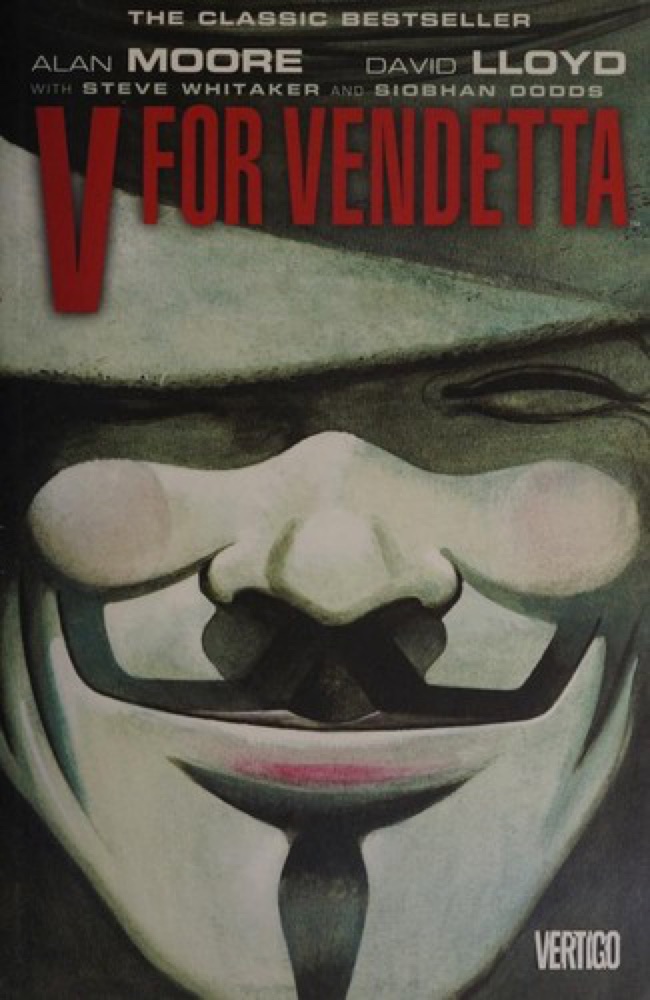 V for Vendetta
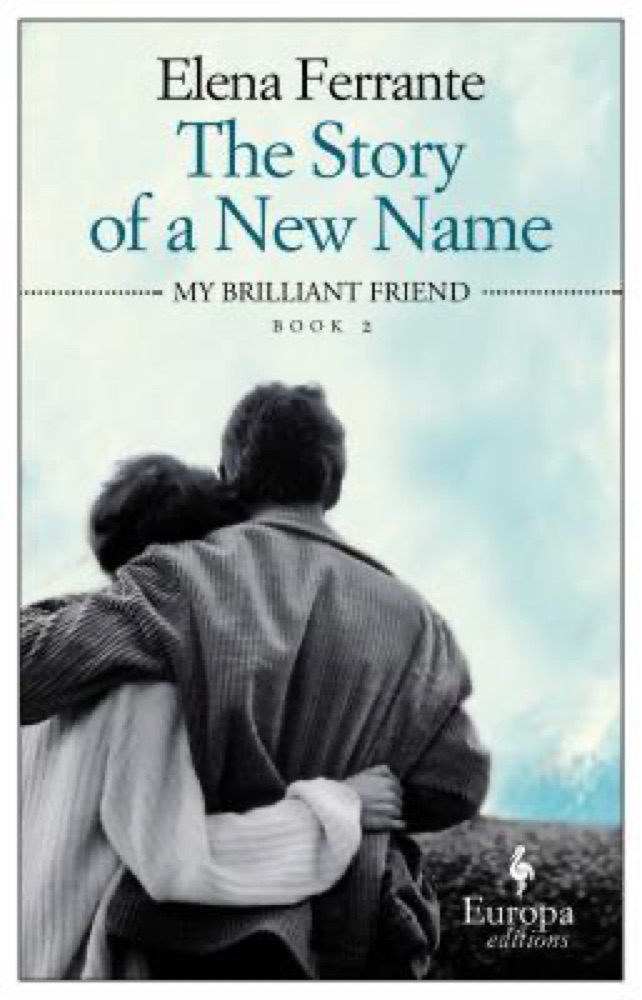 The Story of a New Name
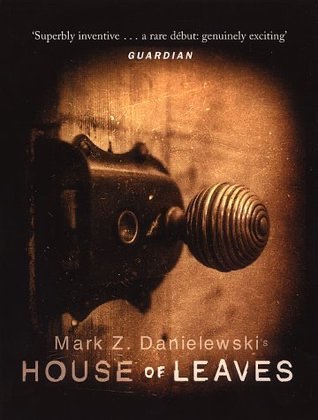 House of Leaves
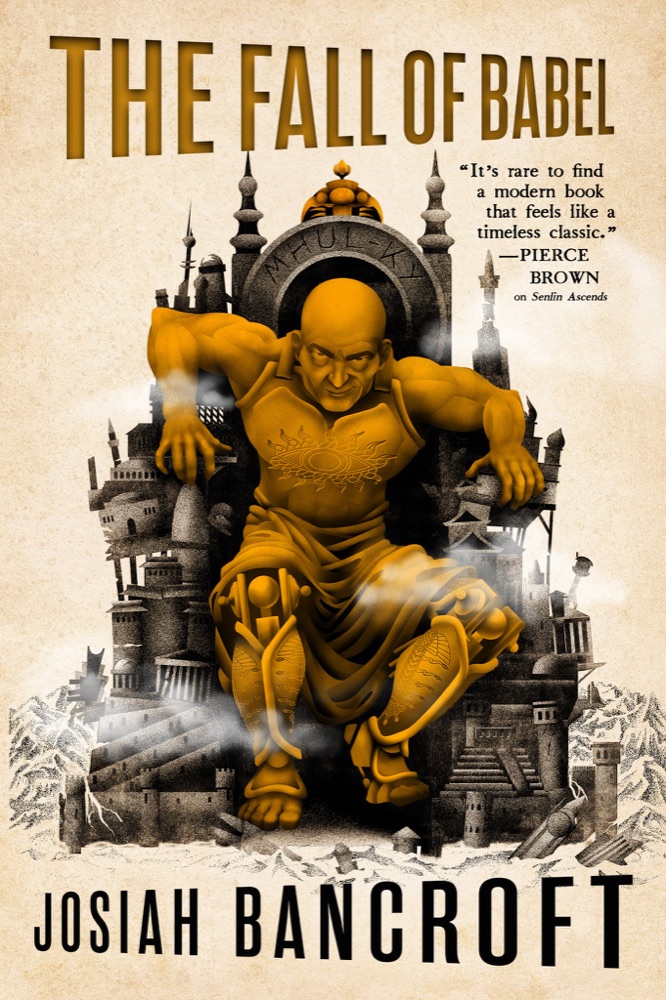 The Fall of Babel
 The Mime Order
 Haunted
 Children of the Mind
The Blind Assassin
Children of the Mind
The Blind Assassin
 The Graveyard Book
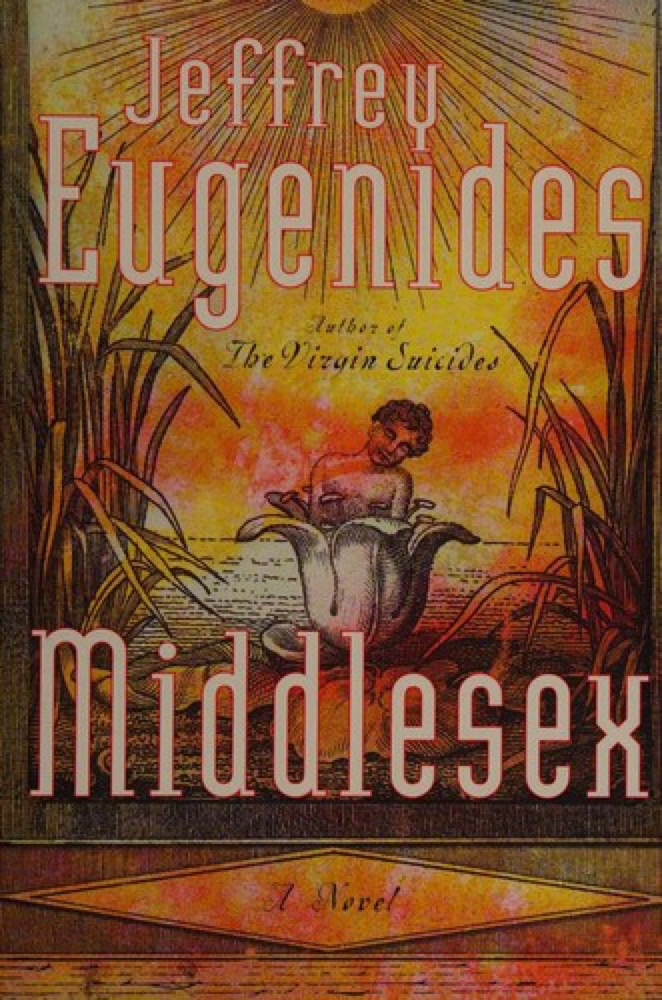 Middlesex
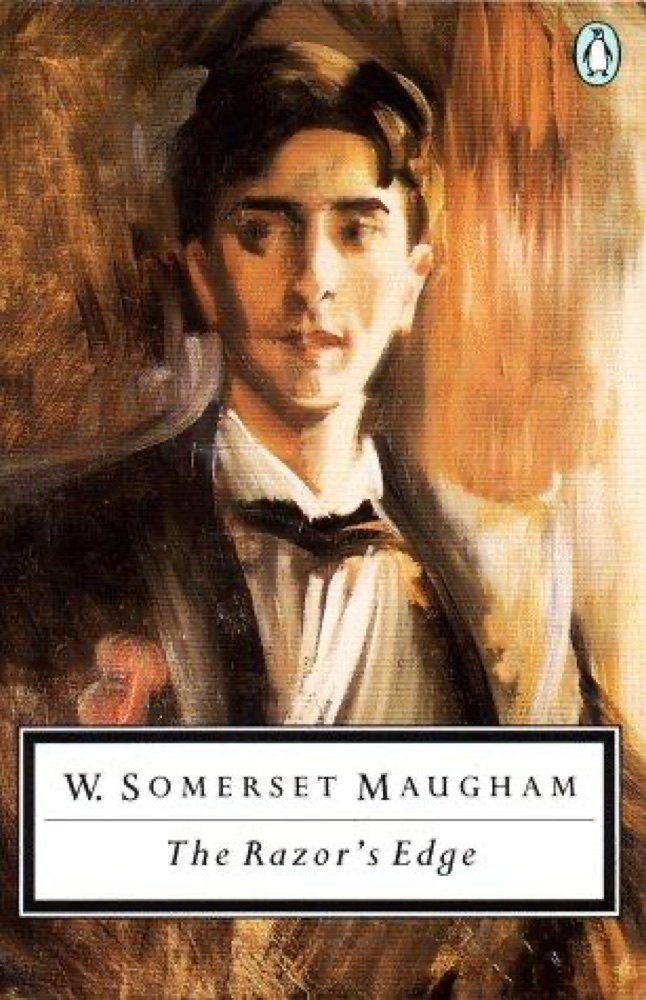 The Razor's Edge
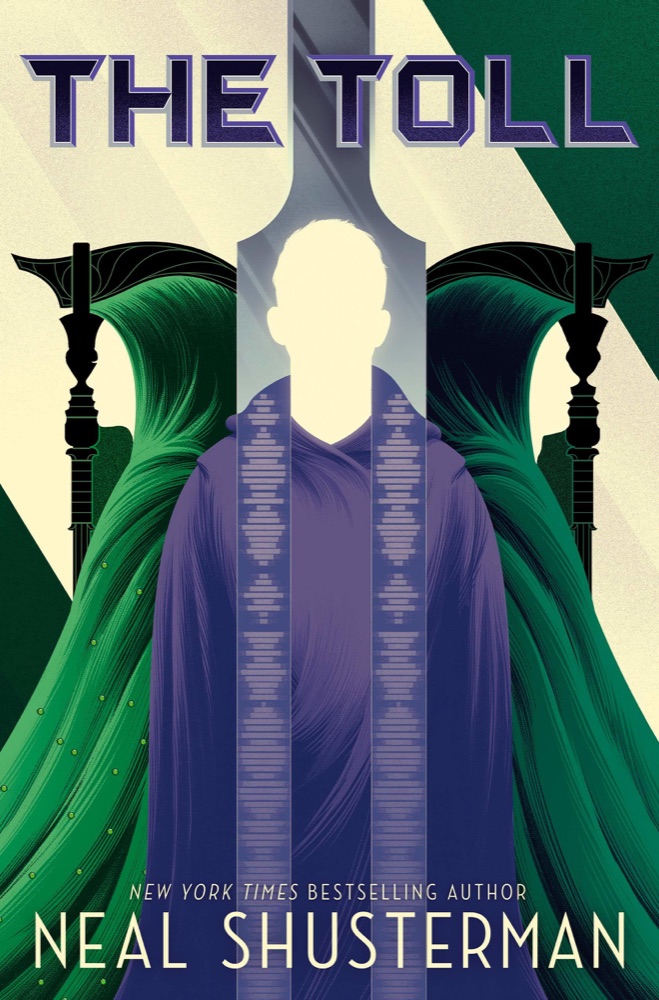 The Toll
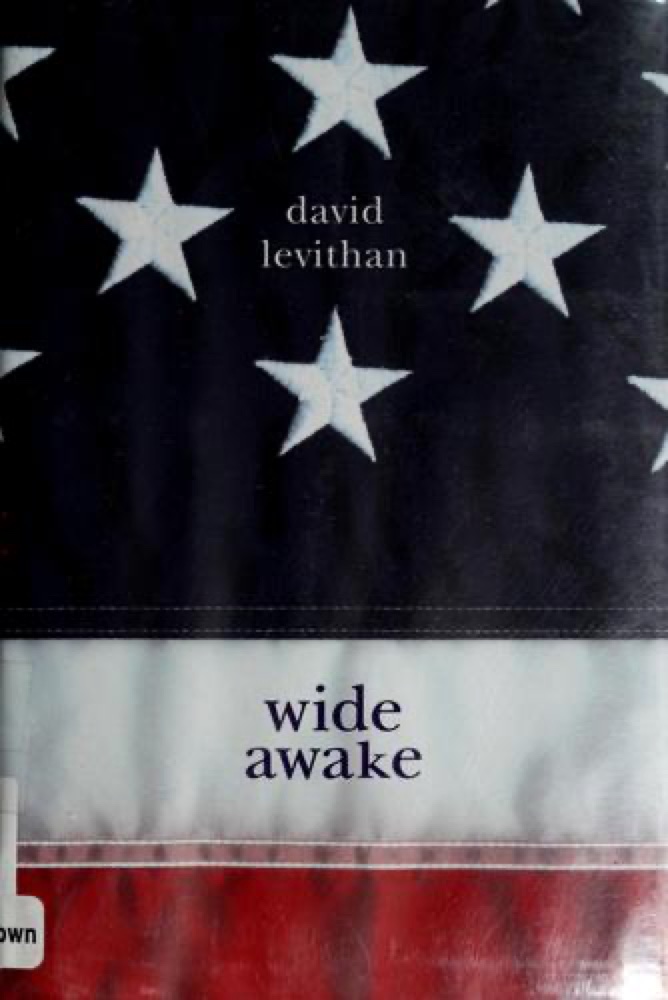 Wide Awake
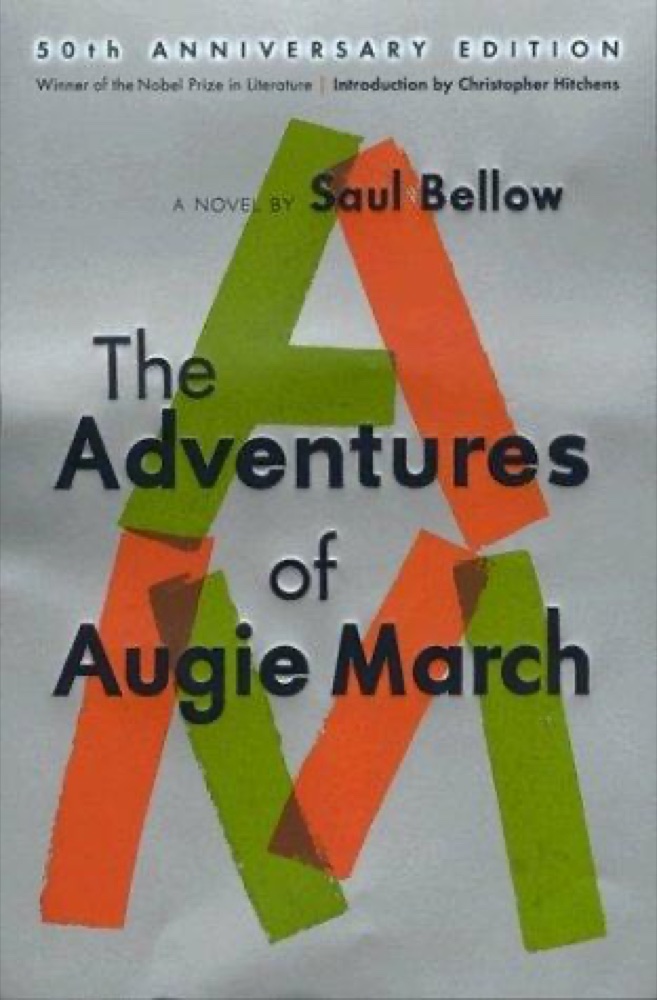 The Adventures of Augie March
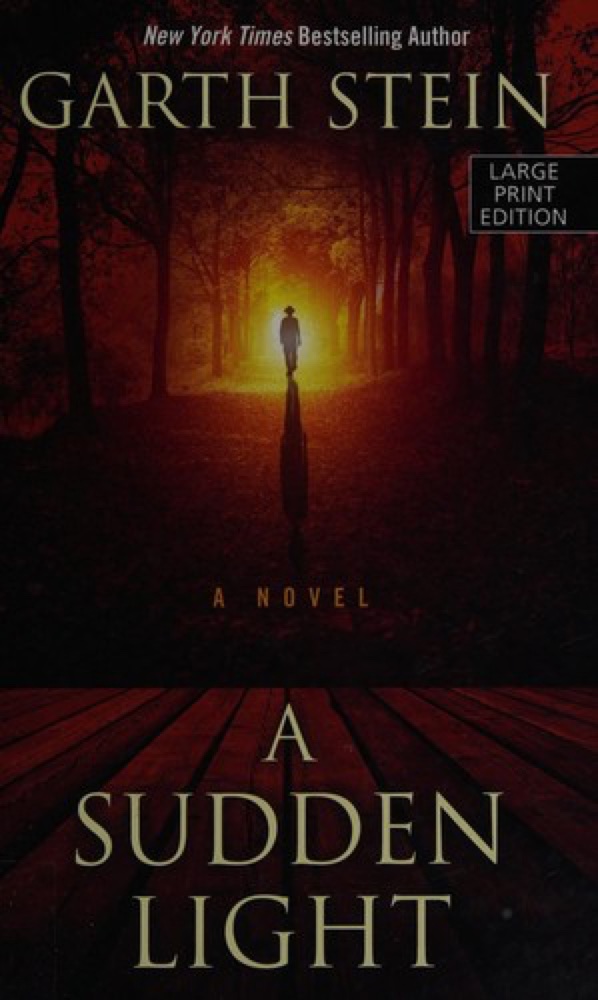 A Sudden Light
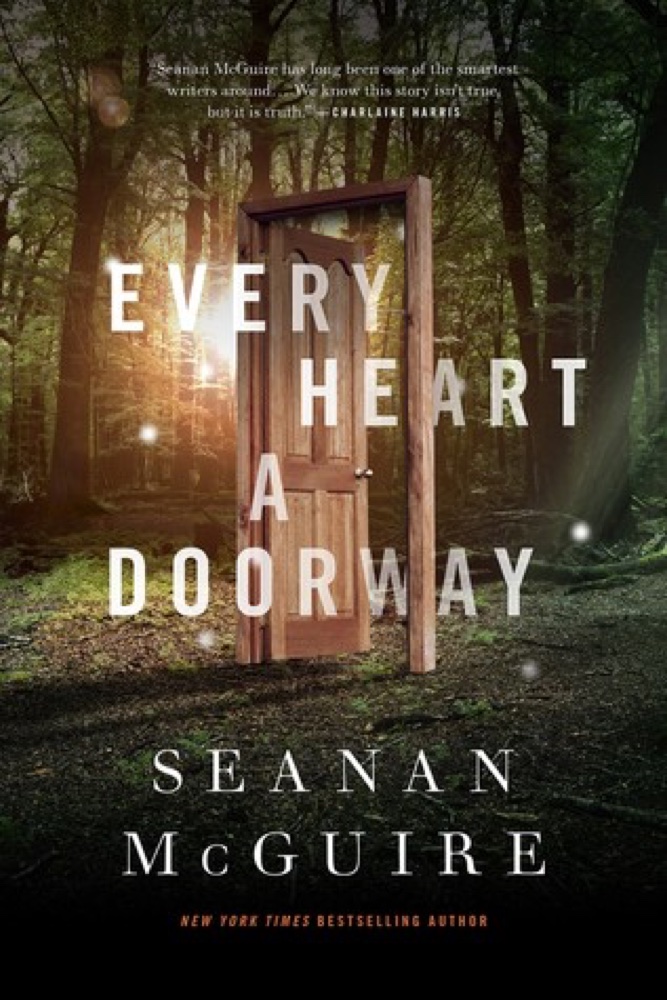 Every Heart a Doorway
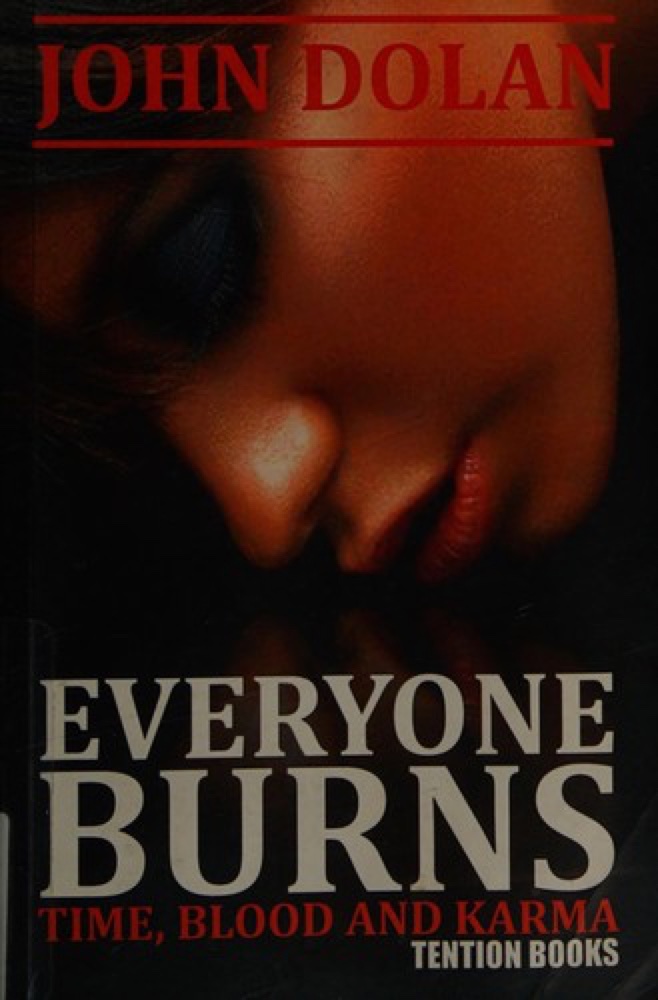 Everyone Burns
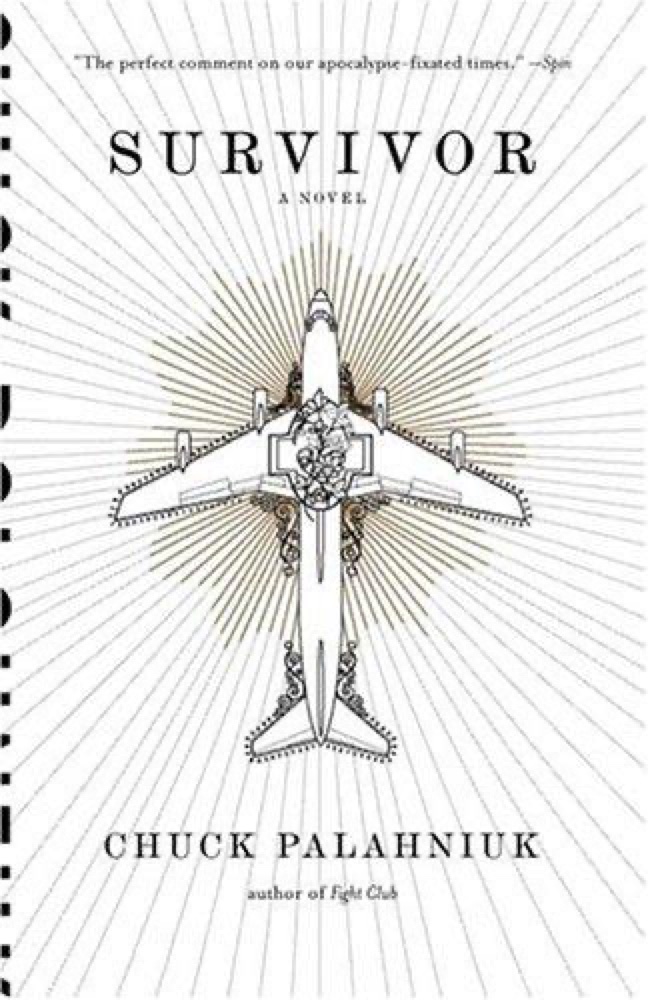 Survivor
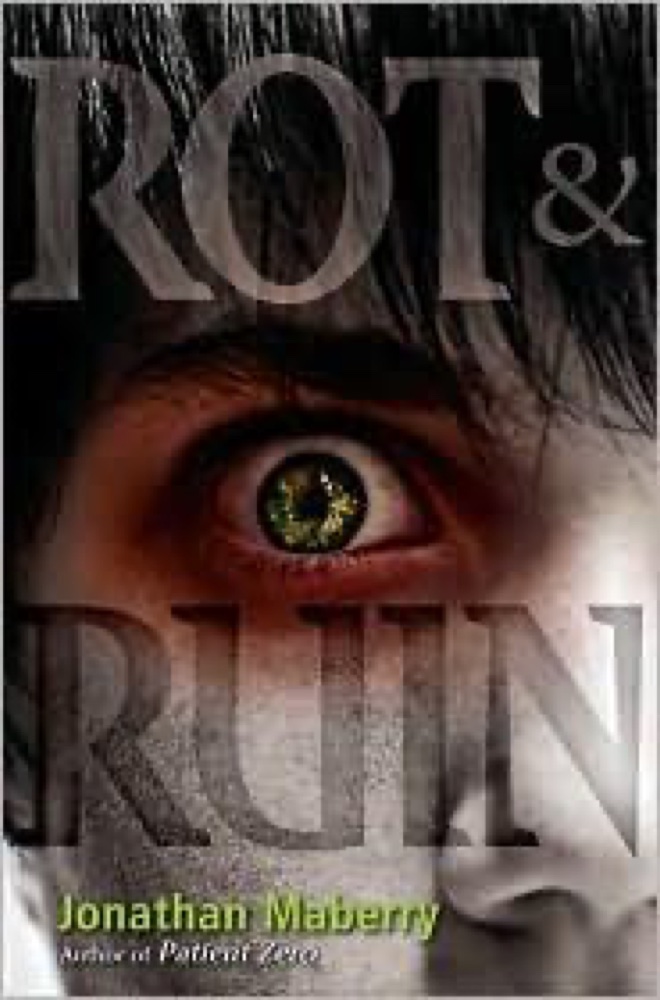 Rot & Ruin
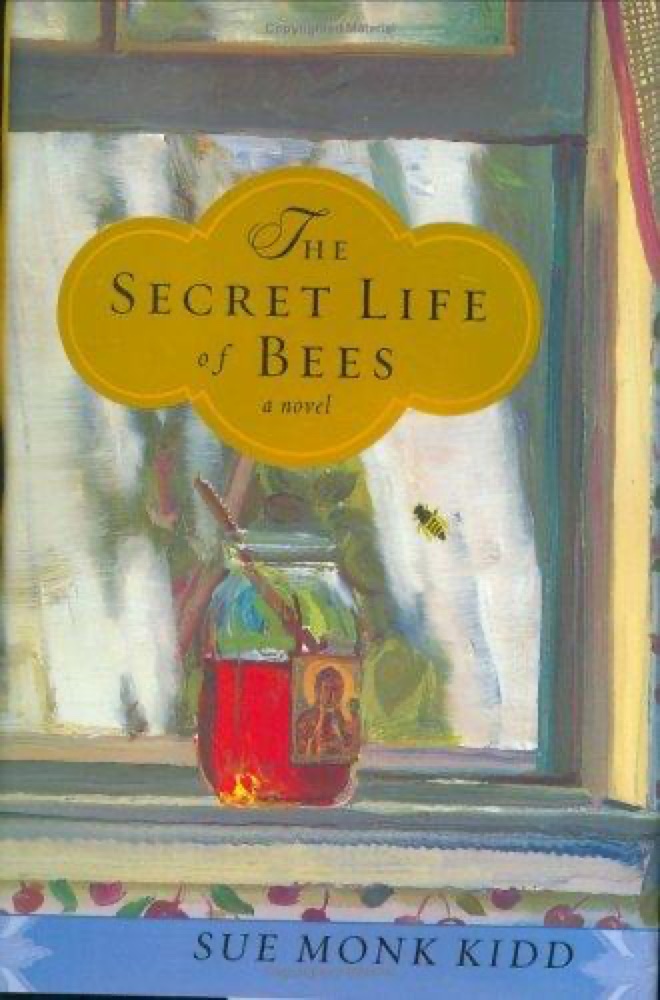 The Secret Life of Bees
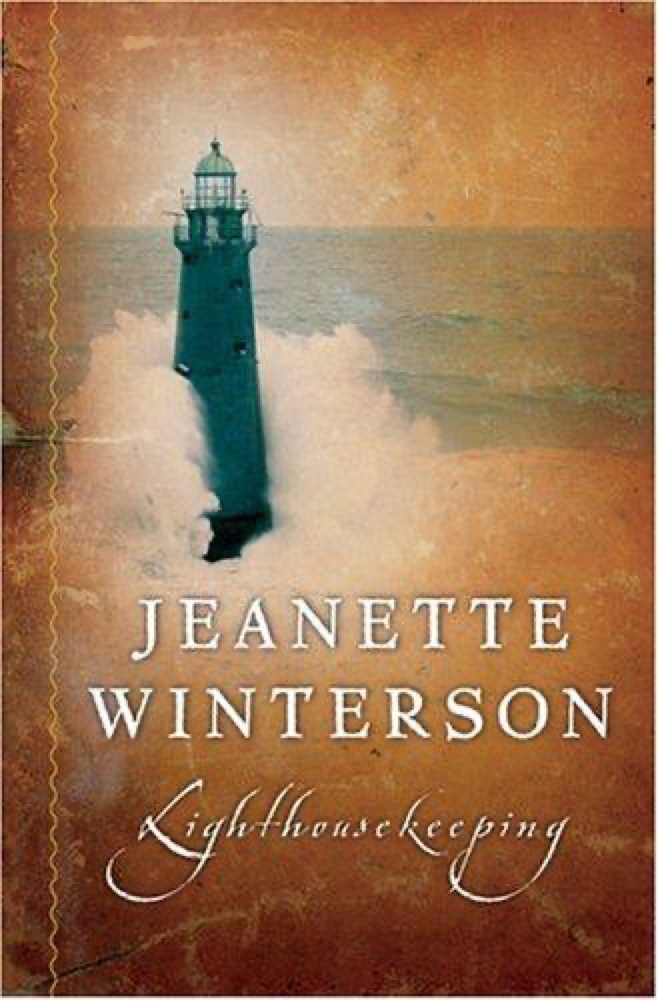 Lighthousekeeping
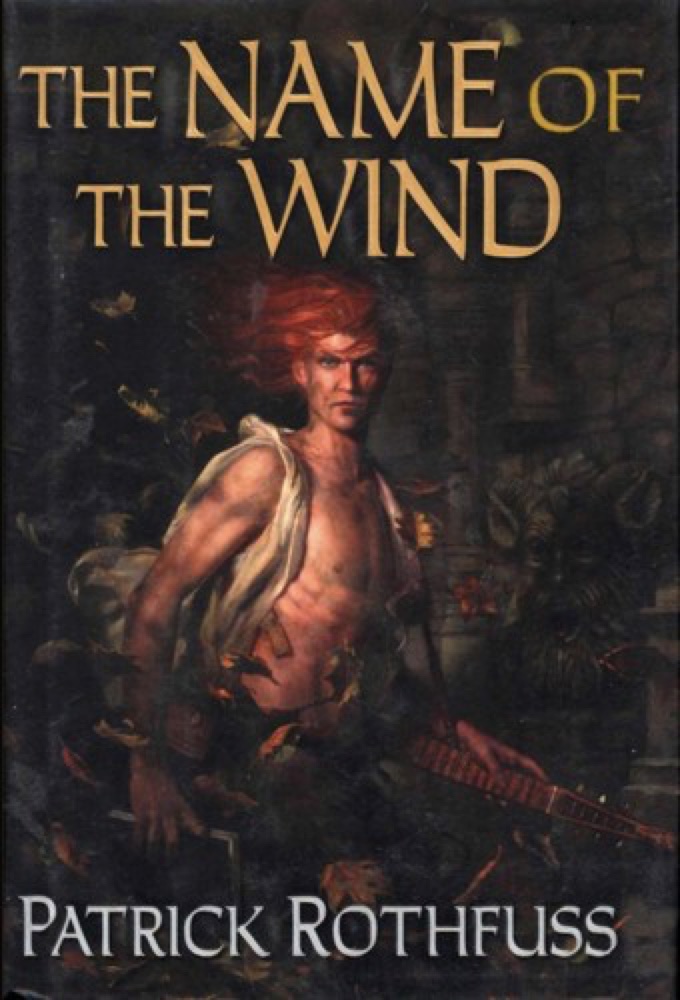 The Name of the Wind
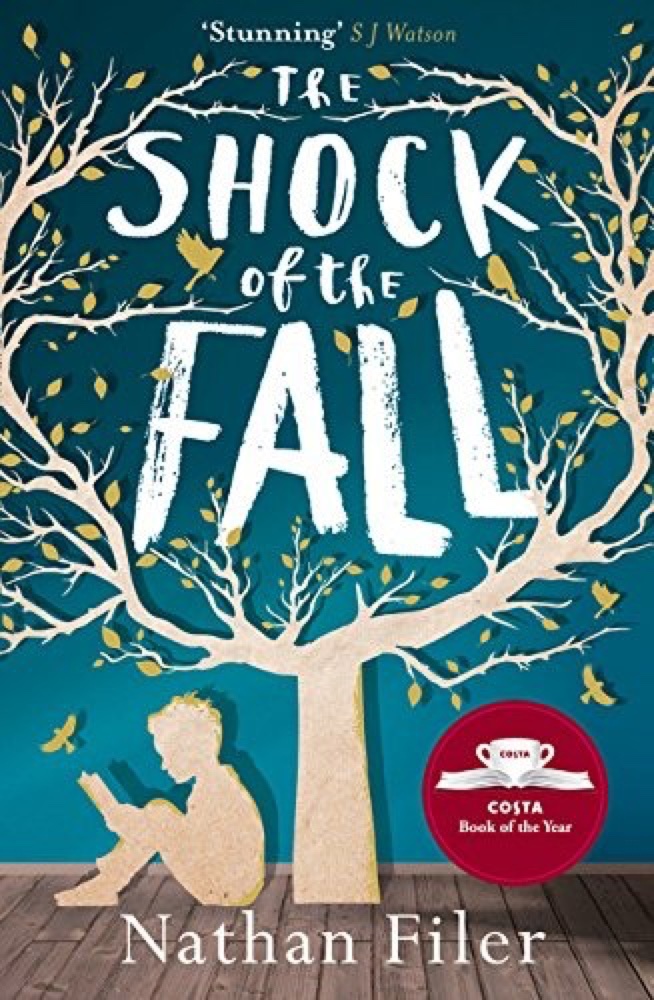 The Shock of the Fall
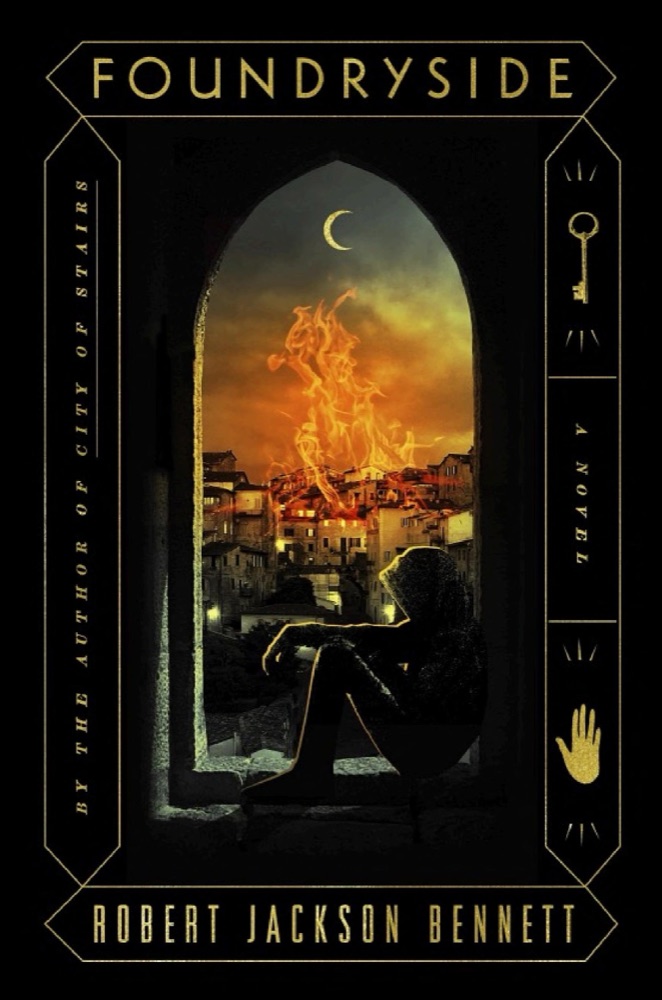 Foundryside
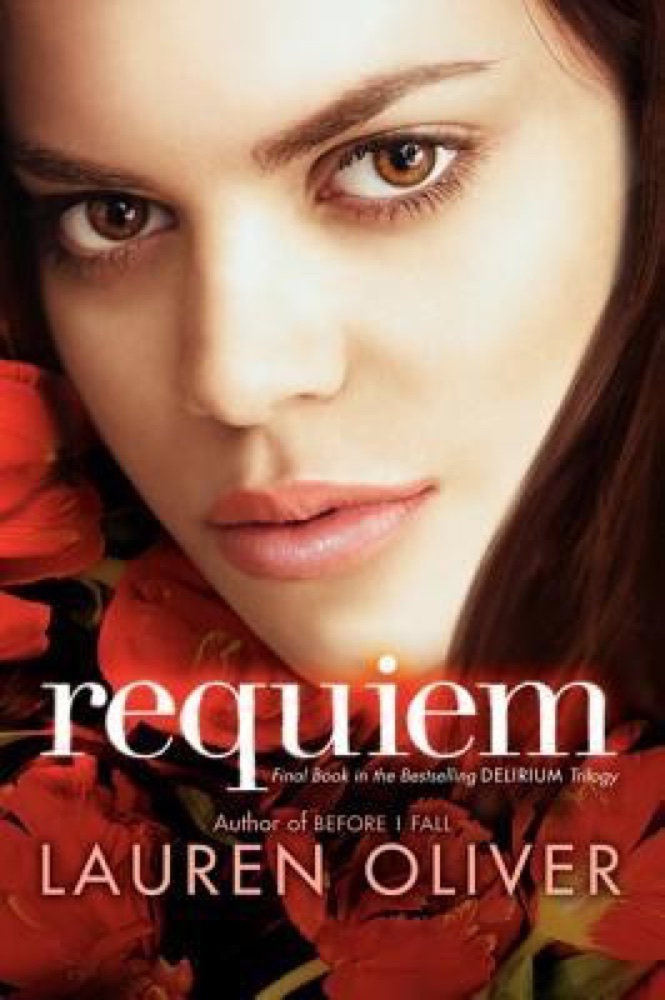 Requiem
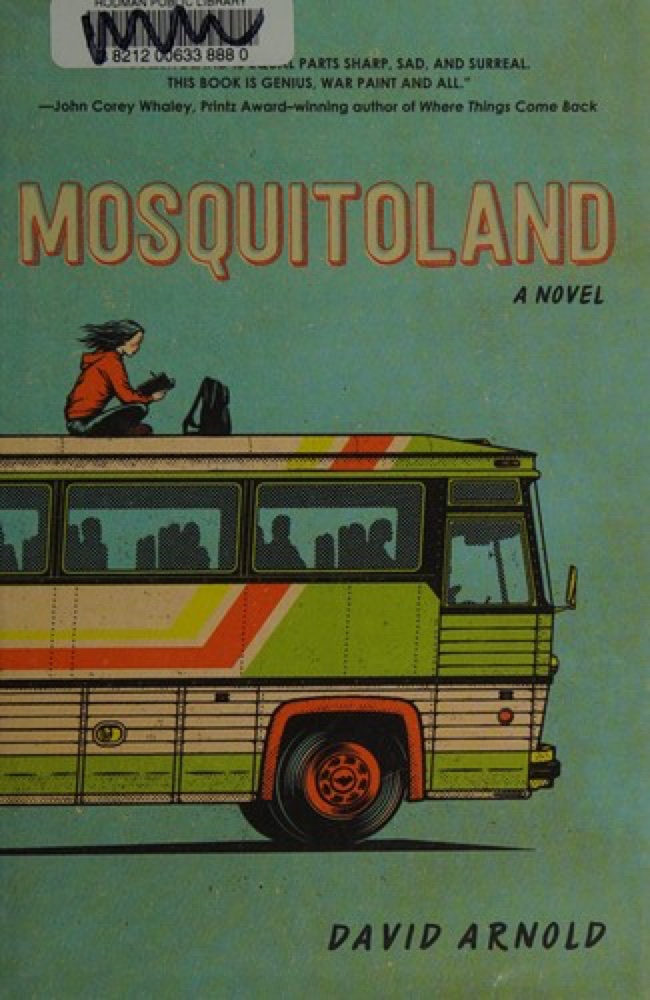 Mosquitoland
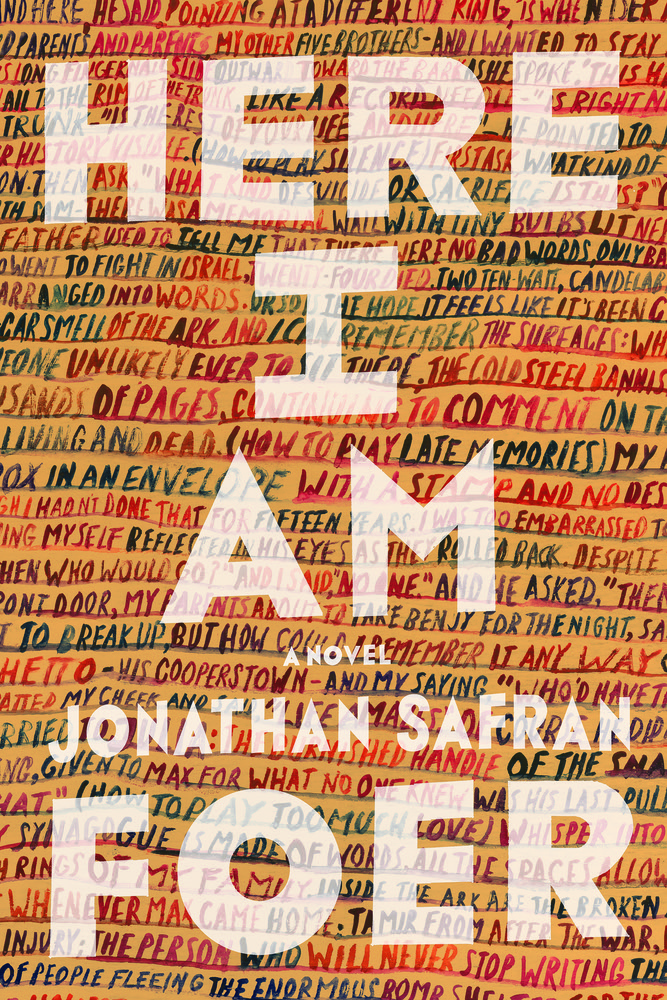 Here I Am
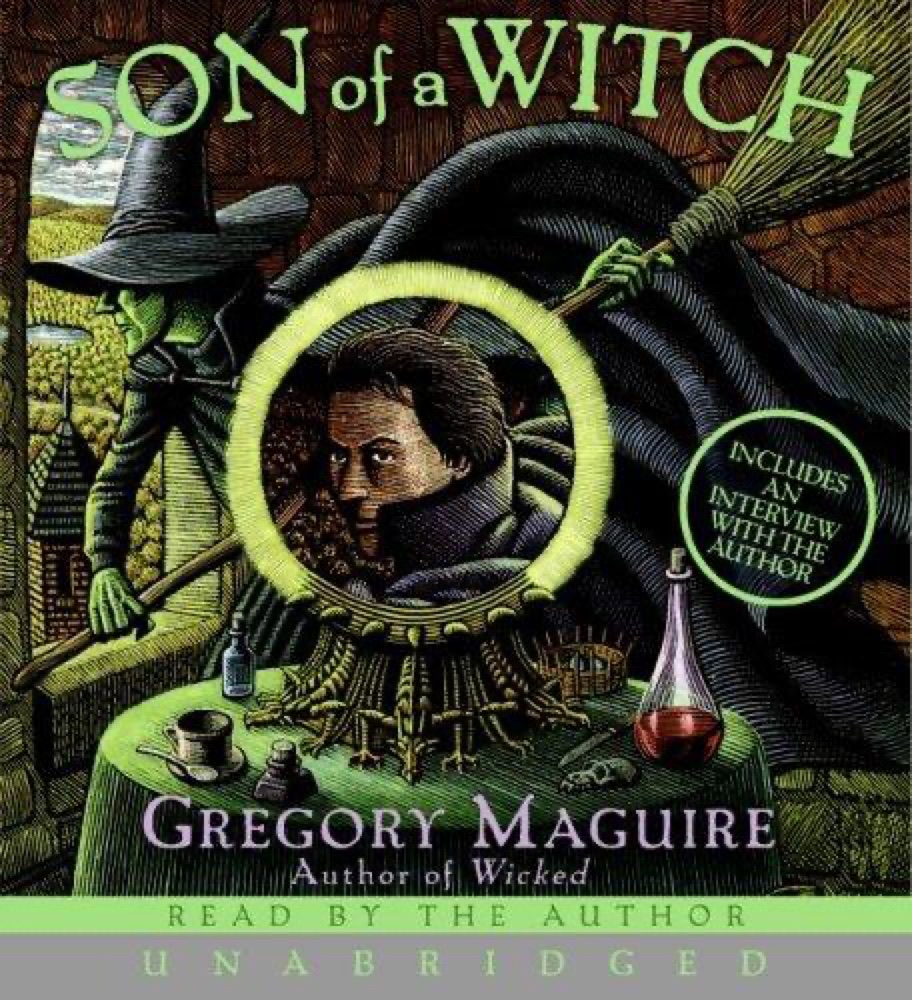 Son of a Witch
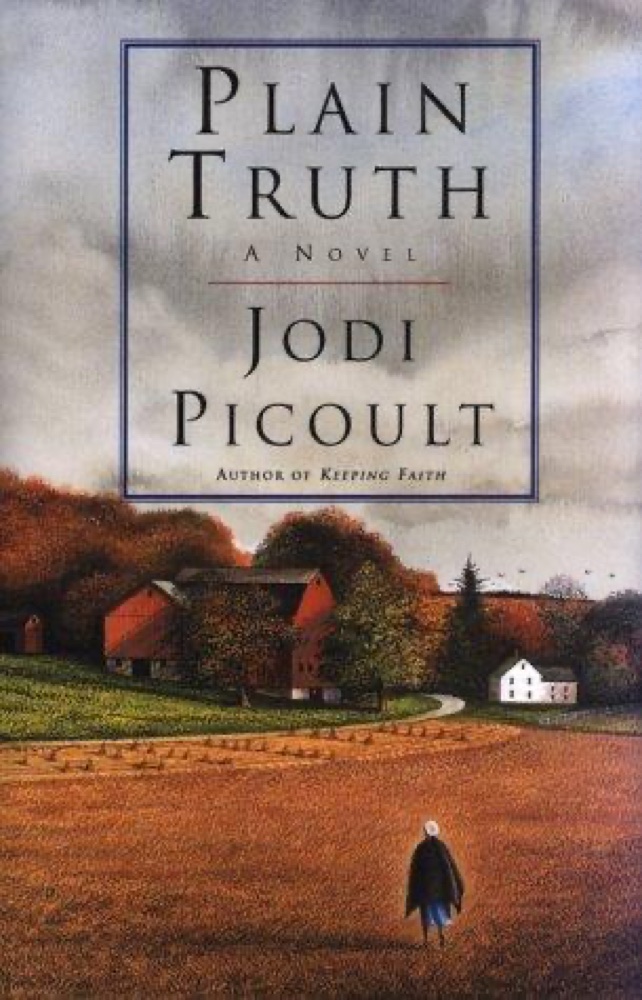 Plain Truth