
 The Storied Life of A.J. Fikry
Quotes from the Book
What is a game?" Marx said. "It's tomorrow, and tomorrow, and tomorrow. It's the possibility of infinite rebirth, infinite redemption. The idea that if you keep playing, you could win. No loss is permanent, because nothing is permanent, ever.
910
The way to turn an ex-lover into a friend is to never stop loving them, to know that when one phase of a relationship ends it can transform into something else. It is to acknowledge that love is both a constant and a variable at the same time.
617
And what is love, in the end?" Alabaster said. "Except the irrational desire to put evolutionary competitiveness aside in order to ease someone else's journey through life?
615
We are all living, at most, half of a life, she thought. There was the life you lived, which consisted of the choices you made. And then, there was the other life, the one that was the things you hadn't chosen.
486
Why wouldn’t you tell someone you loved them? Once you loved someone, you repeated it until they were tired of hearing it. You said it until it ceased to have meaning. Why not? Of course, you goddamn did.
411
Sam's doctor said to him, "The good news is that the pain is in your head." But I am in my head, Sam thought.
378
If you're always aiming for perfection, you won't make anything at all.
343
This is what time travel is. It’s looking at a person, and seeing them in the present and the past, concurrently. And that mode of transport only worked with those one had known a significant time.
334
But it is worth noting that to be good at something is not quite the same as loving it.
315
Sadie, do you see this? This is a persimmon tree! This is my favorite fruit." Marx picked a fat orange persimmon from the tree, and he sat down on the now termite-free wooden deck, and he ate it, juice running down his chin. "Can you believe our luck?" Max said. "We bought a house with a tree that has my actual favorite fruit!" Sam used to say that Marx was the most fortunate person he had ever met - he was lucky with lovers, in business, in looks, in life. But the longer Sadie knew Marx, the more she thought Sam hadn't truly understood the nature of Marx's good fortune. Marx was fortunate because he saw everything as if it were a fortuitous bounty. It was impossible to know - were persimmons his favorite fruit, or had hey just now become his favorite fruit because there they were, growing in his own backyard? He had certainly never mentioned persimmons before.
311
It isn’t a sadness, but a joy, that we don’t do the same things for the length of our lives.
277
There are no ghosts, but up here”—she gestured toward her head—“it’s a haunted house.
235
There is a time for any fledgling artist where one's taste exceeds one's abilities. The only way to get through this period is to make things anyway.
232
To allow yourself to play with another person is no small risk. It means allowing yourself to be open, to be exposed, to be hurt. It is the human equivalent of the dog rolling on its back---I know you won't hurt me, even though you can. It is the dog putting its mouth around your hand and never biting down. To play requires trust and love. Many years later, as Sam would controversially say in an interview with the gaming website Kotaku, "There is no more intimate act than play, even sex." The internet responded: no one who had had good sex would ever say that, and there must be something seriously wrong with Sam.
225
What's everyone talking about?" "The end of The Iliad." "That's the best part," Marx said. "Why is it the best part?" Sadie asked. "Because it's perfect," Marx said. "'Tamer of horses' is an honest profession. The lines mean that one doesn't have to be a god or a king for your life to have meaning.
215
To Marx, it seemed foolish not to love as many things as you could.
192
It was never worth worrying about someone you didn’t love. And it wasn’t love if you didn’t worry.
166
He loved the intimacy of being in a tight group of people who had come together, miraculously, for a brief period in time, for the purpose of making art.
143
When they had been deciding what to call their company all those years ago, Marx had argued for calling it Tomorrow Games, a name Sam and Sadie instantly rejected as "too soft." Marx explained that the name referenced his favorite speech in Shakespeare, and that it wasn't soft at all. "Do you have any ideas that aren't from Shakespeare?" Sadie said. To make his case, Marx jumped up on a kitchen chair and recited the "Tomorrow" speech for them, which he knew by heart: Tomorrow, and tomorrow, and tomorrow, Creeps in this petty pace from day to day, To the last syllable of recorded time; And all our yesterdays have lighted fools The way to dusty death. Out, out, brief candle! Life's but a walking shadow, a poor player, That struts and frets his hour upon the stage, And then is heard no more. It is a tale Told by an idiot, full of sound and fury, Signifying nothing. "That's bleak," Sadie said. "Why start a game company? Let's go kill ourselves," Sam joked. "Also," Sadie said, "What does any of that have to do with games?" "Isn't it obvious?" Marx said. It was not obvious to Sam or to Sadie. "What is a game?" Marx said. "It's tomorrow, and tomorrow, and tomorrow. It's the possibility of infinite rebirth, infinite redemption. The idea that if you keep playing, you could win. No loss is permanent, because nothing is permanent, ever." "Nice try, handsome," Sadie said. "Next.
131
The alternative to appropriation is a world in which artists only reference their own cultures." "That's an oversimplification of the issue." "The alternative to appropriation is a world where white European people make art about white European people with only white European references in it. Swap African or Asian or Latin or whatever culture you want for European. A world where everyone is blind and deaf to any culture or experience that is not their own. I hate that world don't you? I'm terrified of that world and I don't want to live in a that world, and as a mixed race person, I literally don't exist in it. My dad, who I barely knew, was Jewish. My mom was an American-born Korean. I was raised by Korean immigrant grandparents in Korea Town Los Angeles and as any mixed race person will tell you-- to be half of two things is to be whole of nothing.
126
Why do you keep coming?" she asked. "Because," he said. Click on this word, he thought, and you will find links to everything it means. Because you are my oldest friend. Because, once, when I was at my lowest, you saved me. Because I might have died without you or ended up in a children's psychiatric hospital. Because I owe you. Because, selfishly, I see a future where we make fantastic games together, if you can manage to get out of bed. "Because," he repeated.
121
Every time I run into you for the rest of our lives, I'll ask you to make a game with me. There's some groove in my brain that insists it is a good idea." "Isn't that the definition of insanity? Doing the same thing over and over but expecting a different result." "That's a game character's life, too," Sam said. "The world of infinite restarts. Start again at the beginning, this time you might win. And it's not as if all our results were bad. I love the things we made. We were a great team." Sam offered Sadie his hand, and she shook it. She pulled him into her, and she kissed Sam on the cheek. "I love you, Sadie," Sam said. "I know, Sam. I love you, too.
111
This life is filled with inescapable moral compromises. We should do what we can to avoid the easy ones.
107
Long relationships might be richer, but relatively brief, relatively uncomplicated encounters with interesting people could be lovely as well. Every person you knew, every person you loved even, did not have to consume you for the time to have been worthwhile.
105
Zweisamkeit’ is the feeling of being alone even when you’re with other people.” Simon turned to look in his husband’s eyes. “Before I met you, I felt this constantly. I felt it with my family, my friends, and every boyfriend I ever had. I felt it so often that I thought this was the nature of living. To be alive was to accept that you were fundamentally alone.” Simon’s eyes were moist. “I know I’m impossible, and I know you don’t care about German words or marriage. All I can say is, I love you and thank you for marrying me anyway.
105
Friendship,” Marx said, “is kind of like having a Tamagotchi.
102
There's no game without the NPCs. There's just some bullshit hero, wandering around with no one to talk to and nothing to do.
98
Memory, you realized long ago, is a game that a healthy-brained person can play all the time, and the game of memory is won or lost on one criterion: Do you leave the formation of memories to happenstance, or do you decide to remember?
94
Sadie walked under the gates, one by one by one. At first, she felt nothing, but as she kept moving ahead, she began to feel an opening and a new spaciousness in her chest. She realized what a gate was: it was an indication that you had left one space and were entering another. She walked through another gate. It occurred to Sadie: She had thought after Ichigo that she would never fail again. She had thought she arrived. But life was always arriving. There was always another gate to pass through. (Until, of course, there wasn't.) She walked through another gate. What was a gate, anyway? A doorway, she thought. A portal. The possibility of a different world. The possibility that you might walk through the door and reinvent yourself as something better than you had been before. By the time she reached the end of the torii gate pathway, she felt resolved. Both Sides had failed, but it didn't have to be the end. The game was one in a long line of spaces between gates.
85
To build a world for someone seems a romantic thing from where I stand." Dov shook his head. "Sam Masur, that fucked-up, romantic kid.
83
Did you know?
- The title is taken from Macbeth's 'Tomorrow, and tomorrow, and tomorrow' soliloquy, not from anything to do with video games.
- The novel was a Goodreads Choice Award winner for Fiction in 2022.
- It was named to The New York Times Notable Books list for 2022 and later ranked #76 on the paper's 100 Best Books of the 21st Century in 2024.
- Paramount Pictures acquired the film rights, with the adaptation in development.
- The story spans roughly three decades and is set largely in Cambridge, Massachusetts and Los Angeles.
About Gabrielle Zevin
Gabrielle Zevin (born 1977) is an American novelist and screenwriter who studied English at Harvard. She is also the author of the international bestseller The Storied Life of A.J. Fikry.
More about the author →More by Gabrielle Zevin
All books by Gabrielle Zevin →
About the book
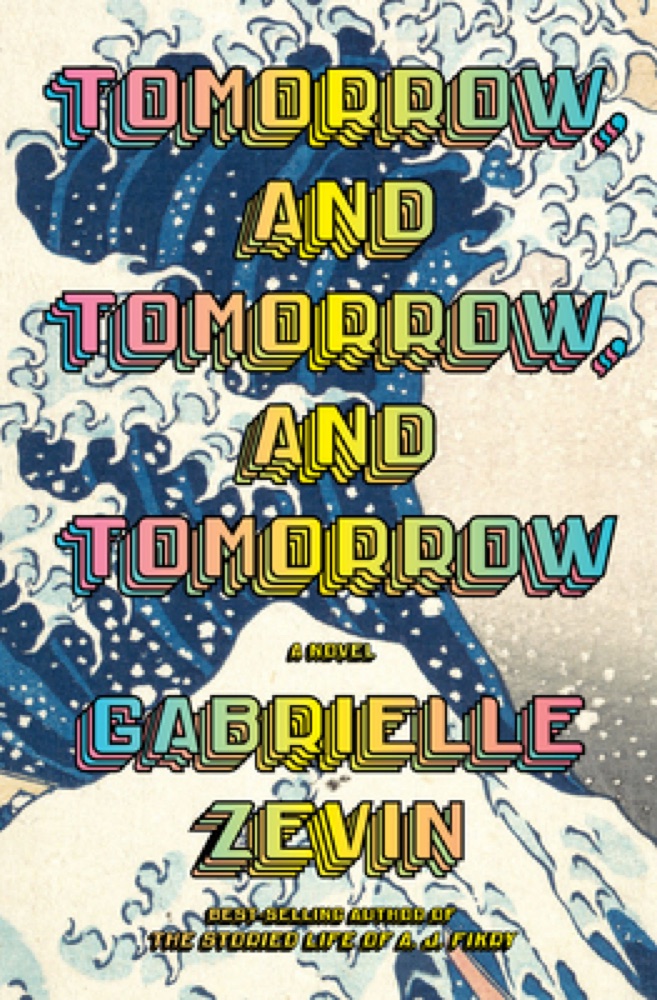
Tomorrow, and Tomorrow, and Tomorrow follows Sam Masur and Sadie Green, childhood friends who reconnect as college students in Cambridge, Massachusetts, and decide to make a video game together. Along with Sam's roommate and producer Marx Watanabe, they found a game studio, and the novel traces their creative partnership over roughly three decades, moving from Cambridge to Los Angeles as success, fame, and conflict reshape their lives.
At its heart the book is about a deep, non-romantic relationship and the strain of making art with someone you love. Zevin explores collaboration and rivalry, disability and pain, identity and reinvention, and the way games offer endless restarts that life does not. The title comes from Macbeth's soliloquy on the meaninglessness of life, which Zevin reframes as a meditation on play, second chances, and renewal.
Published by Knopf in July 2022, the novel became a major bestseller and one of the most talked-about literary books of the year. It won the 2022 Goodreads Choice Award for Fiction, drew strong reviews from outlets including NPR and The Washington Post, and was later ranked among The New York Times' 100 Best Books of the 21st Century. A feature film adaptation is in development at Paramount Pictures.
Key characters
- Sam MasurVideo game designer and mathematician; reconnects with Sadie to make games
- Sadie GreenGifted game programmer and Sam's creative partner
- Marx WatanabeSam's college roommate who becomes the studio's producer
Book details
- First published
- 2022
- Length
- 401 pages
- Reading time
- 12 hours
- Author
- Gabrielle Zevin
- Genre
- Fiction
- Goodreads rating
- 4.11 (1.4M ratings)
- First line
- “Before Mazer invented himself as Mazer, he was Samson Mazer, and before he was Samson Mazer, he was Samson Masur—a change of two letters that transformed him from a nice, ostensibly Jewish boy to a Professional Builder of Worlds.”
Critical reception
- NPR's Maureen Corrigan praised the novel for placing a non-romantic relationship at its center.
- Ron Charles of The Washington Post gave it a rave, noting the title comes from Shakespeare rather than Nintendo and praising its moral complexity.
- Kirkus Reviews said it is 'sure to enchant even those who have never played a video game in their life.'
- It won the 2022 Goodreads Choice Award for Fiction and was later included among The New York Times' 100 Best Books of the 21st Century.
The buzz
- NPR'Tomorrow, and Tomorrow, and Tomorrow' review: This video game novel is a winner2022Maureen Corrigan on the book's non-romantic central friendship
- The Washington PostTomorrow and Tomorrow and Tomorrow by Gabrielle Zevin book review2022Ron Charles's rave on the novel's Shakespearean title and moral complexity
Keep reading
 The Book of Love
 The Last Song
 Less Is Lost
 Someday
 NW
NW
 Summer Days and Summer Nights: Twelve Love Stories
 The Great Believers
 No One Writes Back
 Panenka
 The Post-Birthday World
 Our Tragic Universe
 Children of the Mind
 A Little Life
 The Rescue
 Here I Am
 Arch of Triumph
 At the Edge of the Universe
 The Coincidence Makers
 This Is Where the World Ends
 The Art of Fielding
 Intermezzo
 Just Above My Head
 The Atlas Complex
 Hard-Boiled Wonderland and the End of the World
 The Bridge Across Forever: A True Love Story
 We All Looked Up
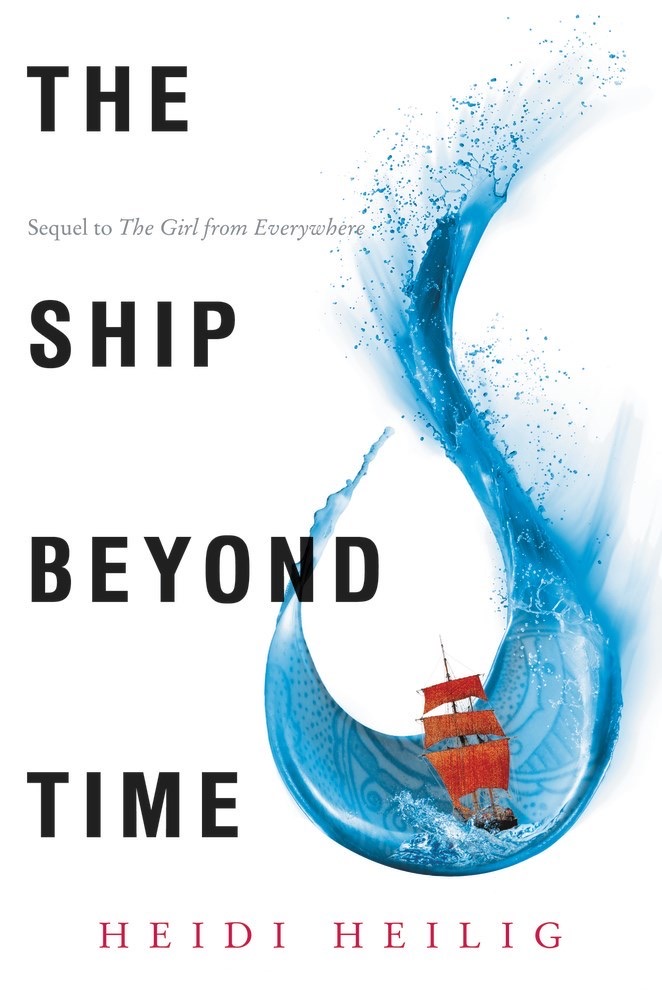 The Ship Beyond Time
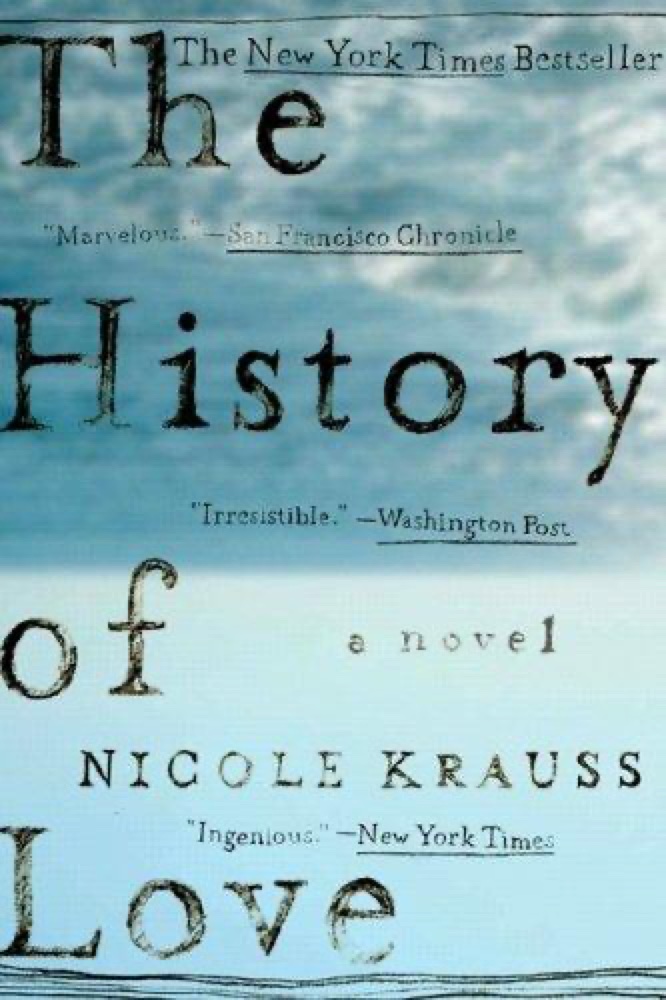 The History of Love
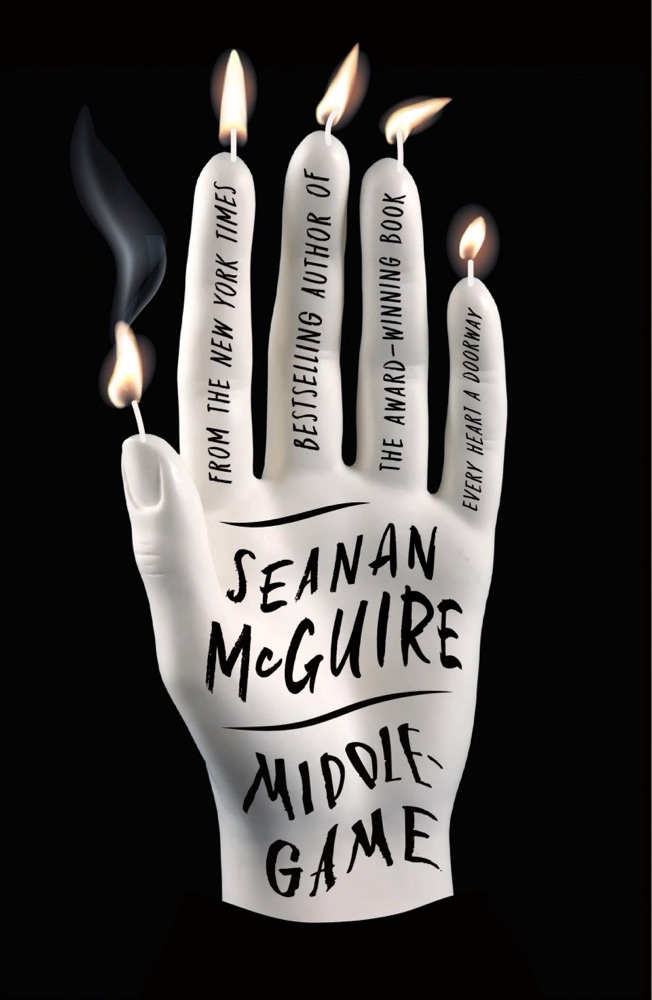 Middlegame
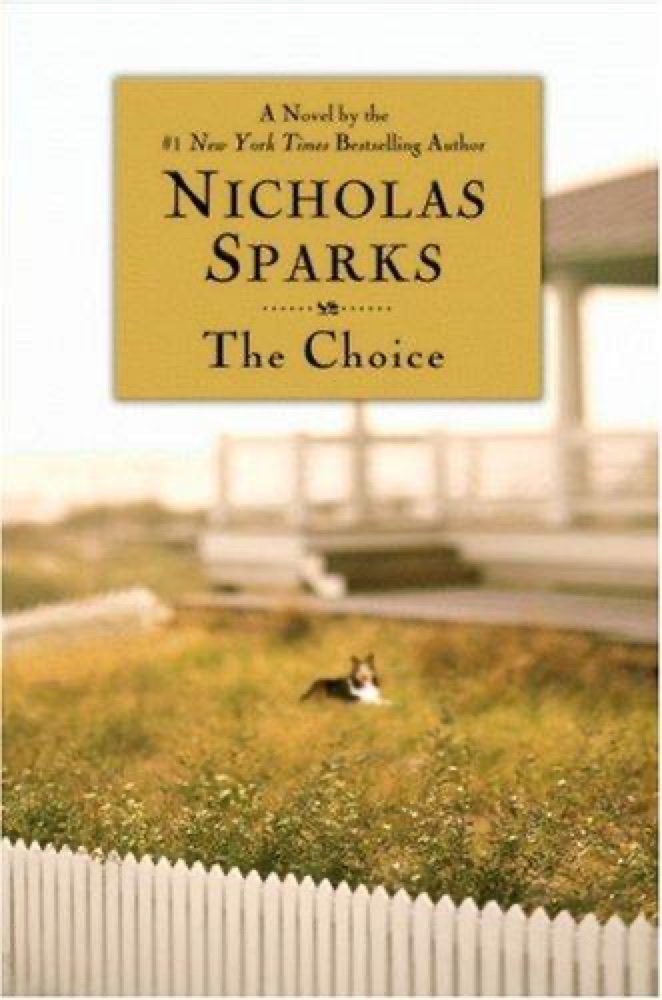 The Choice
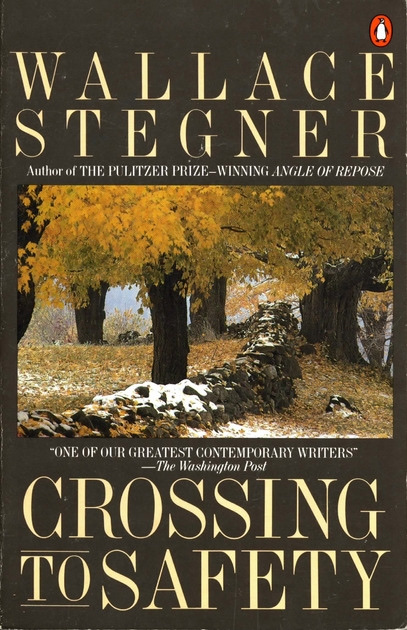 Crossing to Safety
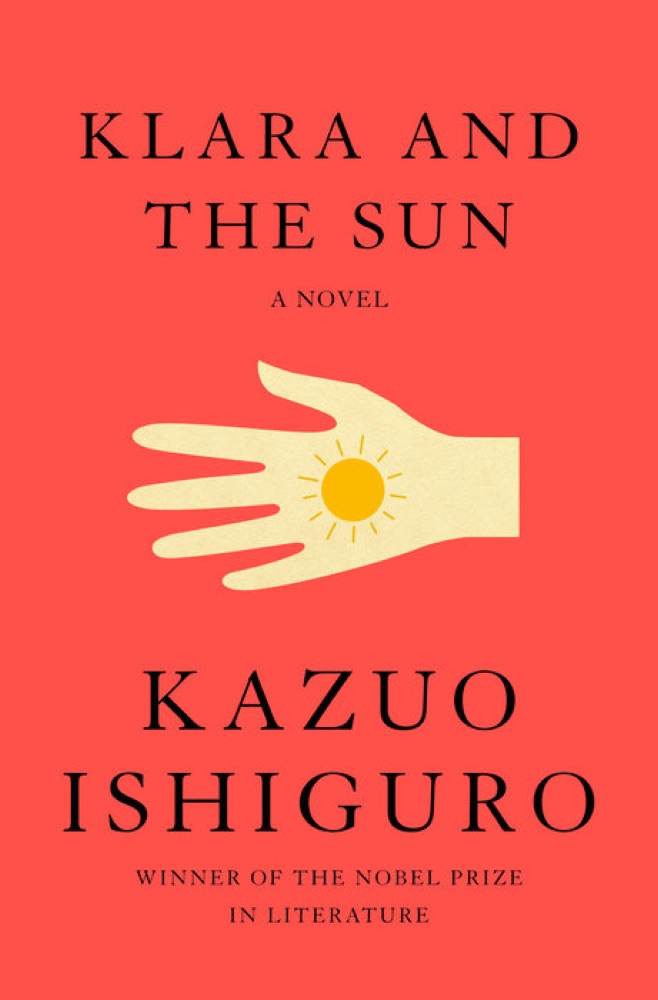 Klara and the Sun
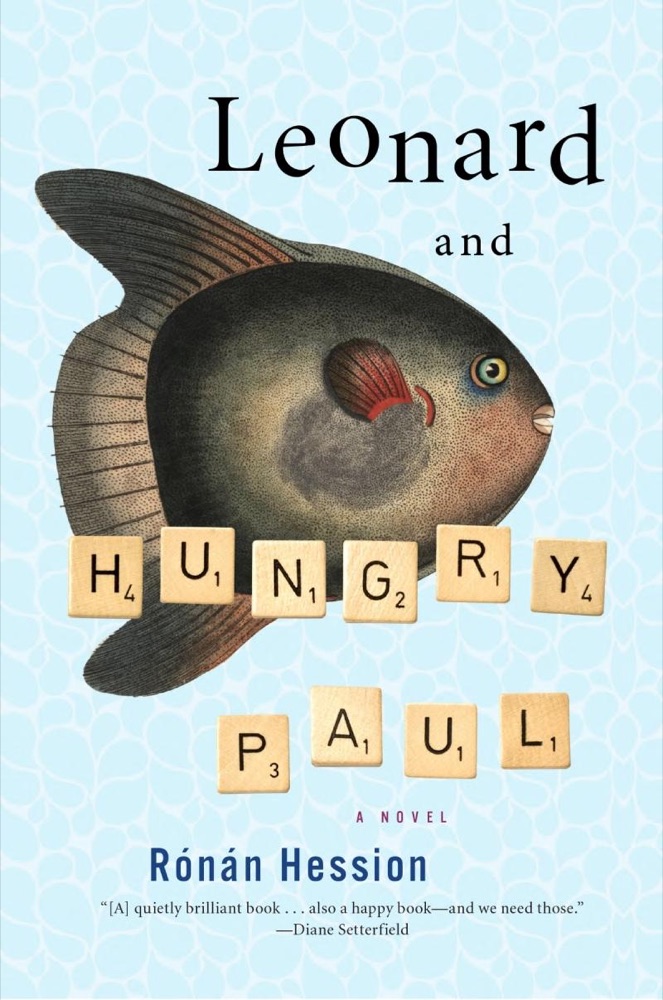 Leonard and Hungry Paul
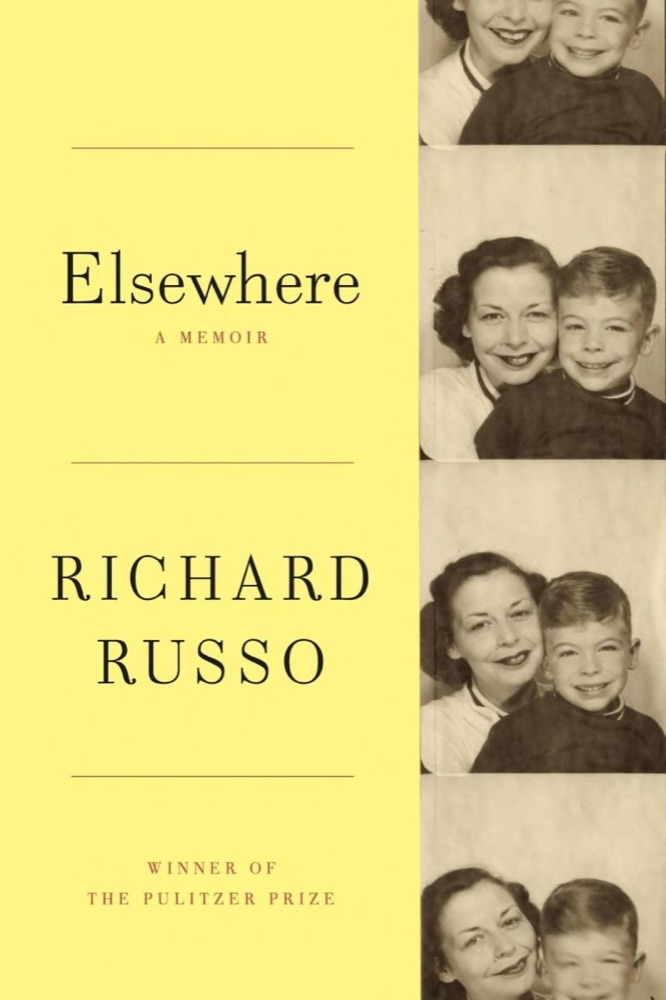 Elsewhere
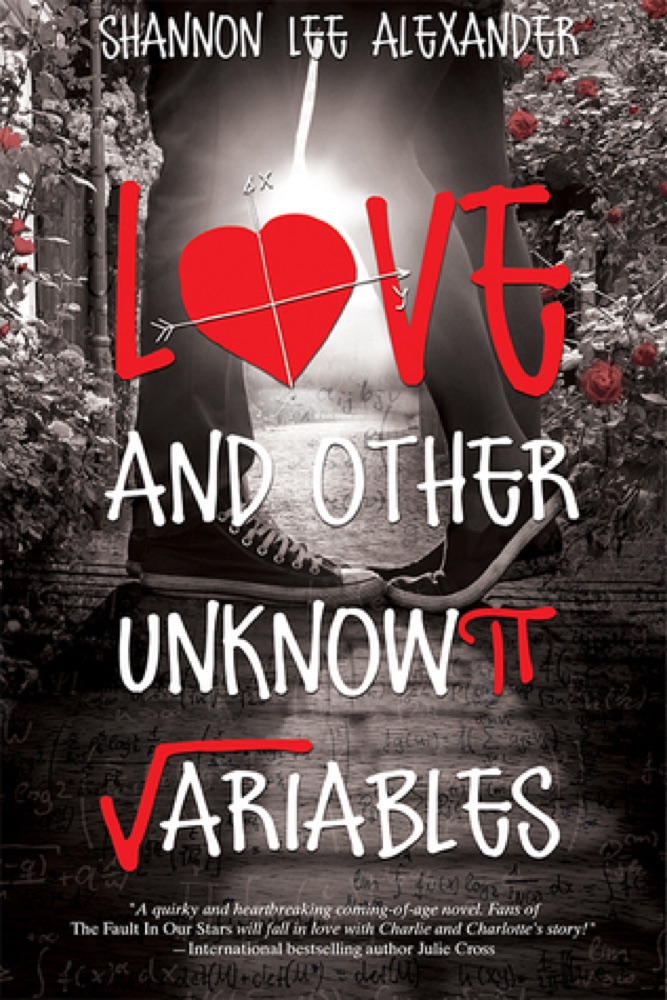 Love and Other Unknown Variables
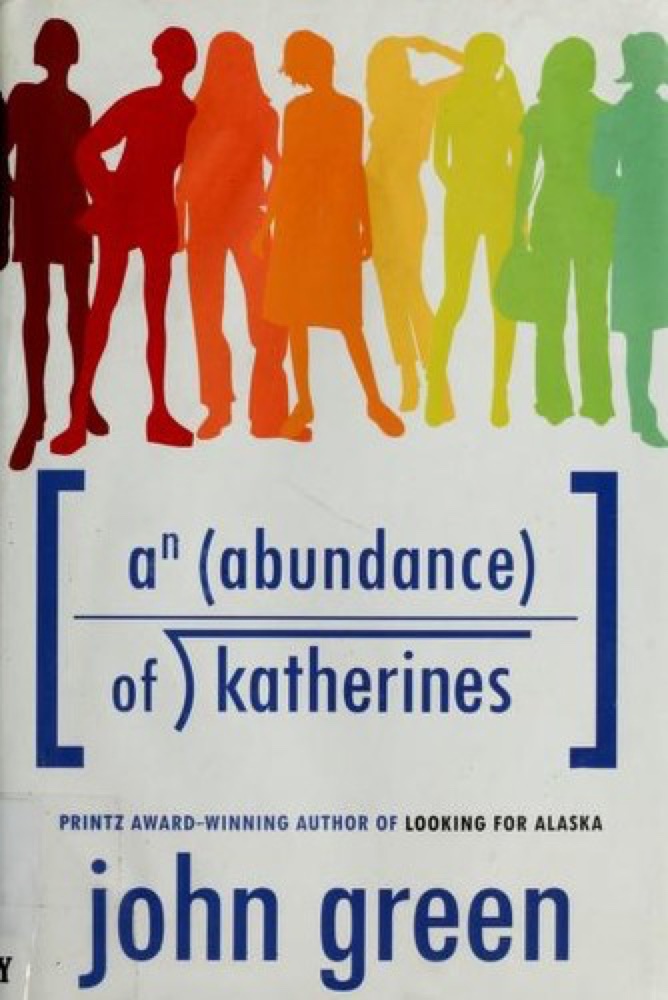 An Abundance of Katherines
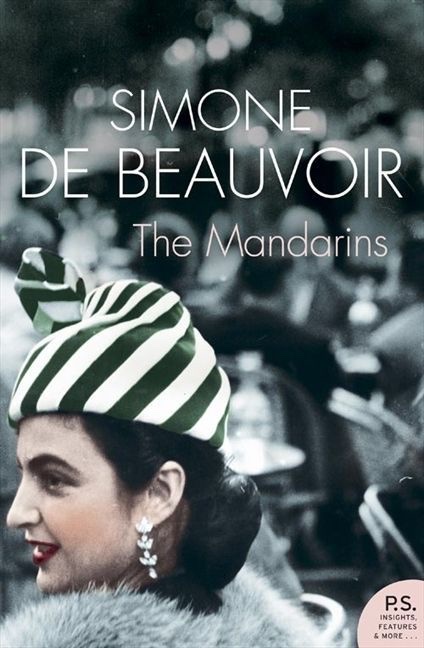 The Mandarins
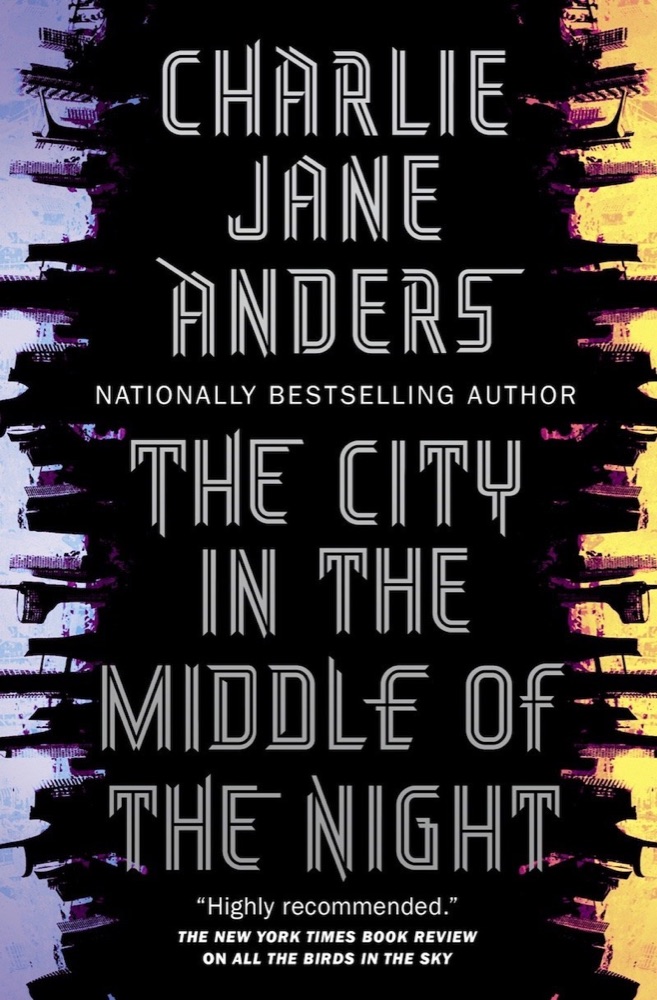 The City in the Middle of the Night
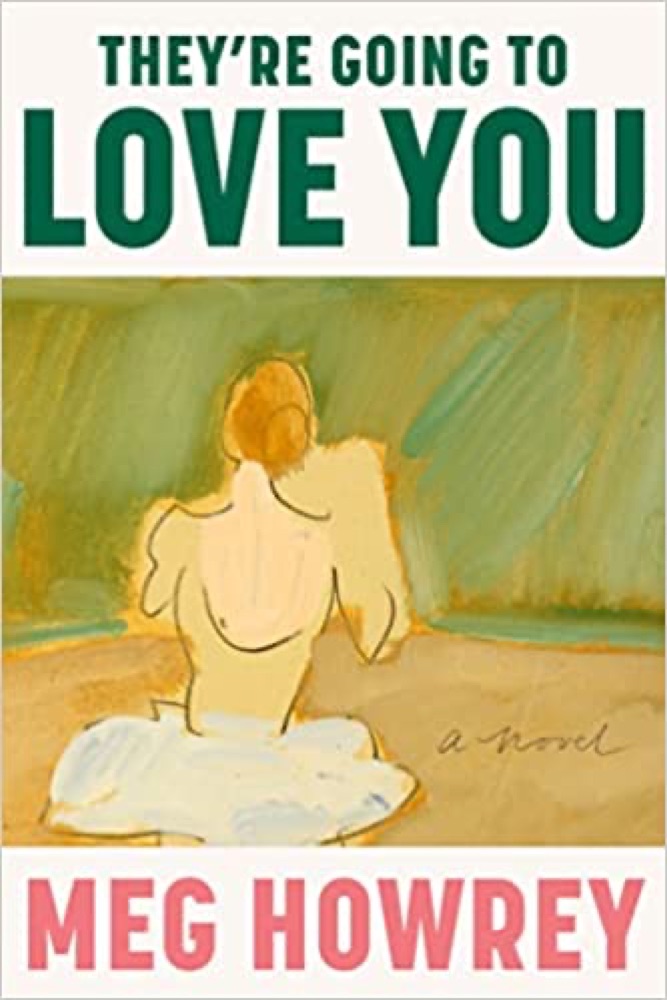 They're Going to Love You
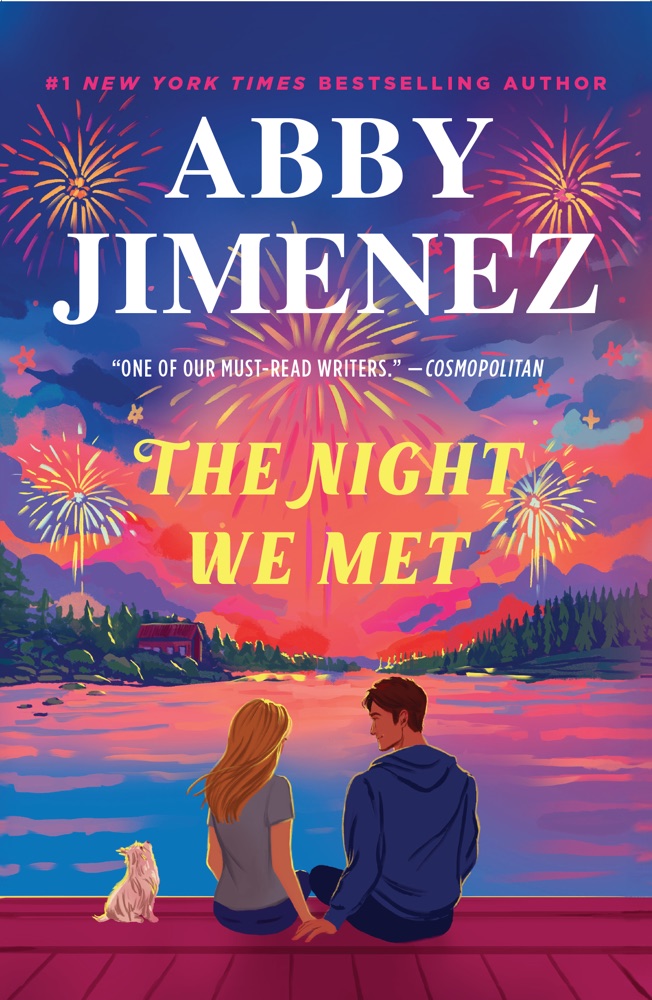 The Night We Met
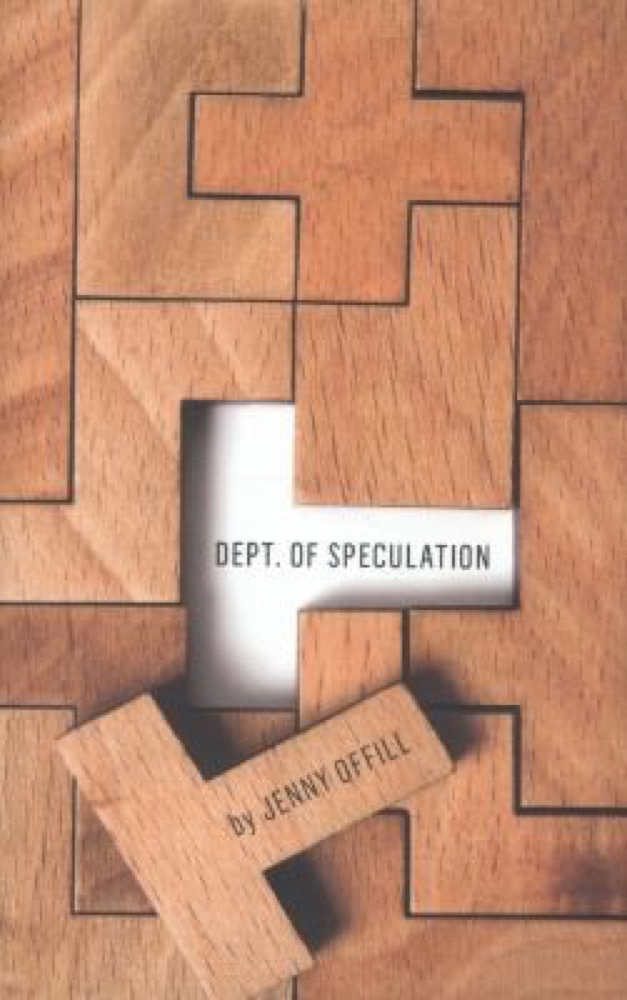 Dept. of Speculation
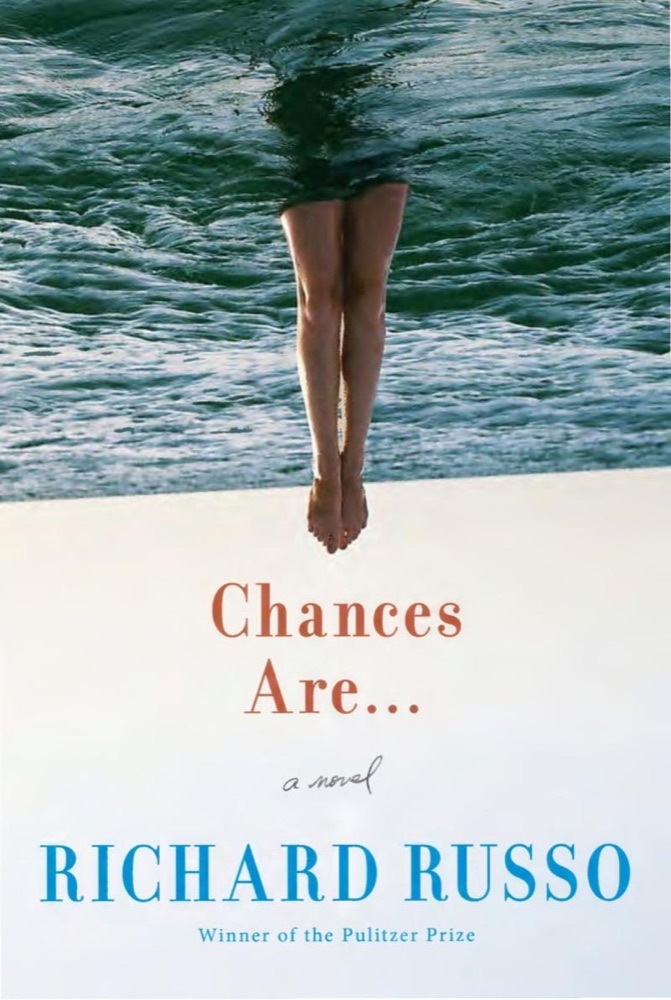 Chances Are...
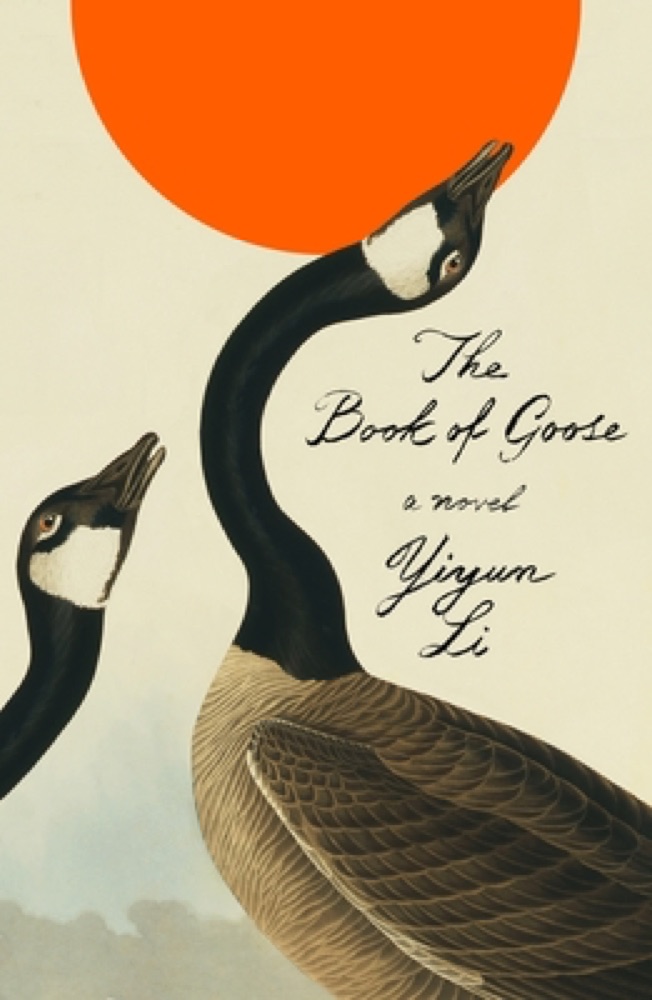 The Book of Goose
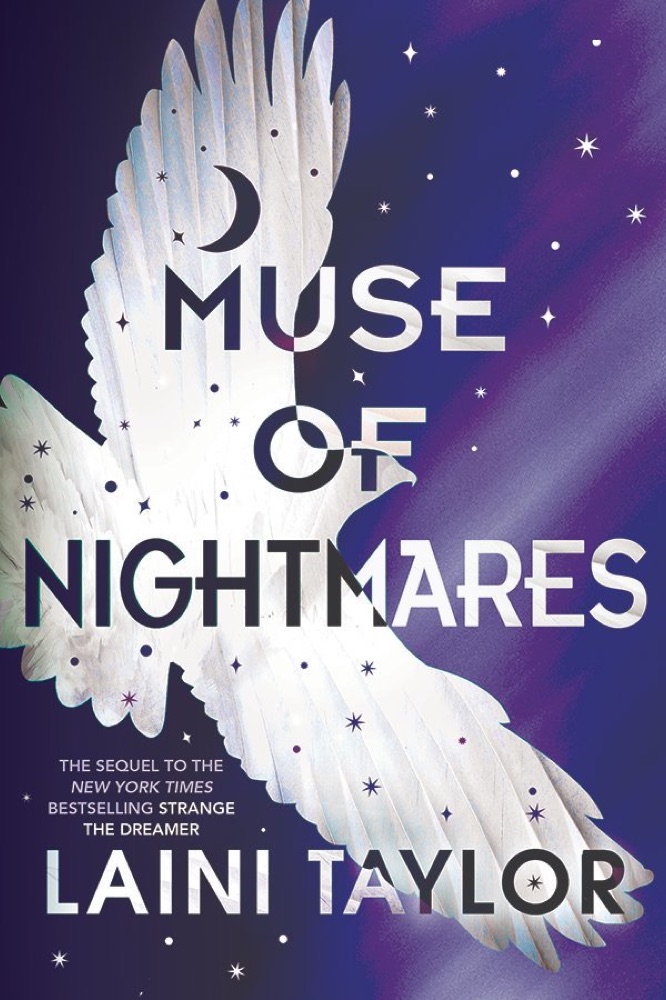 Muse of Nightmares
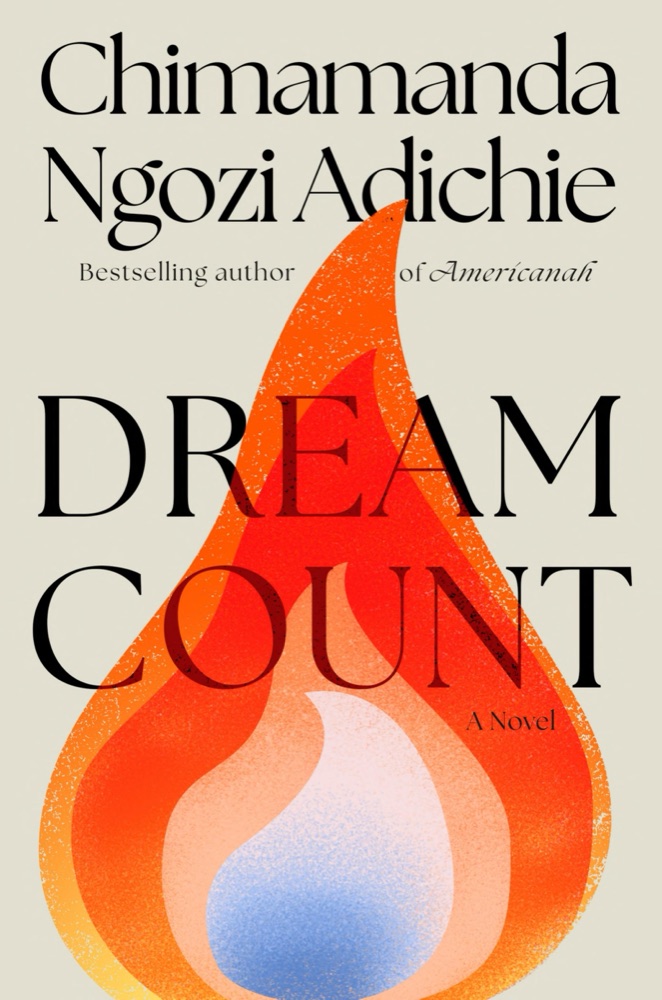 Dream Count
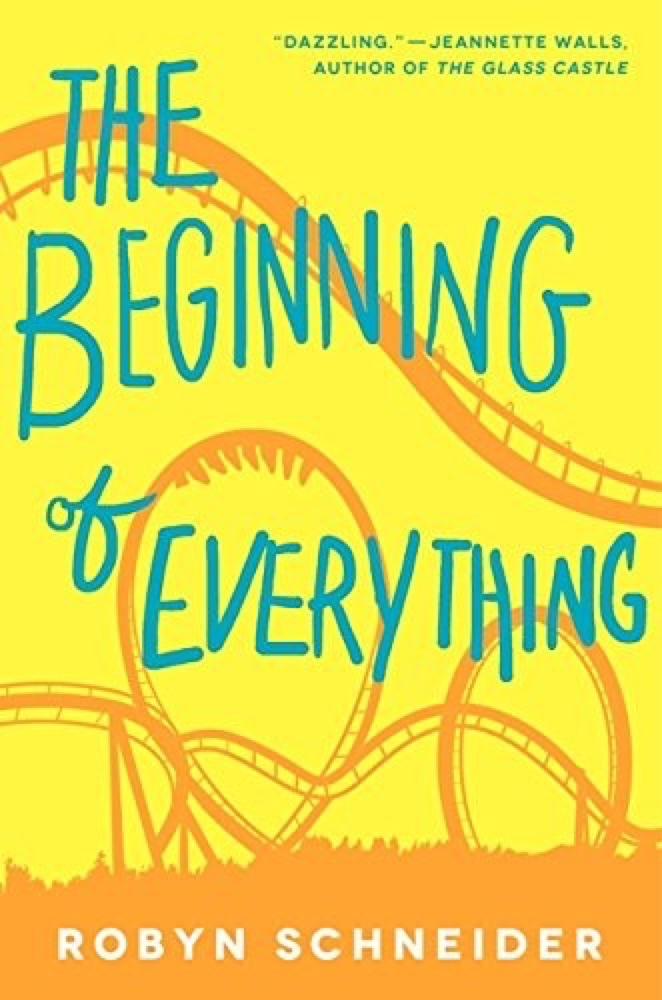 The Beginning of Everything
 The Dream of Perpetual Motion
 Girl with Curious Hair
 The Impossible Lives of Greta Wells
 Opposite of Always
 The Museum of Intangible Things
 The Best Kind of Magic
 Rainshadow Road
 First Person Singular: Stories
 The Probability of Miracles
 Eleven Minutes
 The Last Little Blue Envelope
 Britt-Marie Was Here
 Ruins
Ruins
 Utopia Avenue