
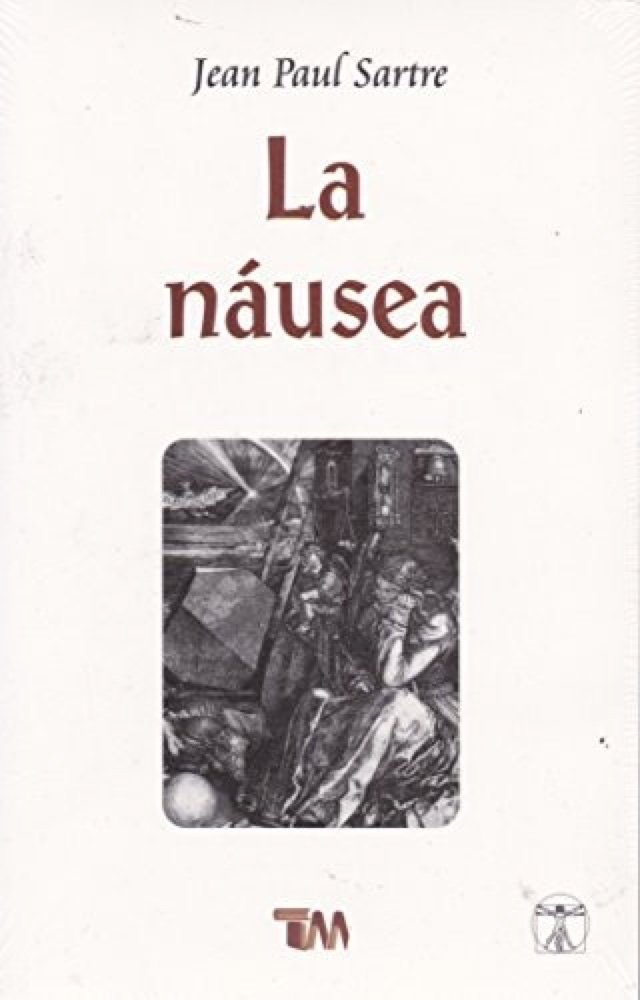
 Nausea
Quotes from the Book
Man is nothing else but what he makes of himself.
418
man is condemned to be free. Condemned, because he did not create himself, in other respect is free; because, once thrown into the world, he is responsible for everything he does. The Existentialist does not believe in the power of passion. He will never agree that a sweeping passion is a ravaging torrent which fatally leads a man to certain acts and is therefore an excuse. He thinks that man is responsible for his passion.
118
I can always choose, but I ought to know that if I do not choose, I am still choosing.
45
There is no human nature, since there is no god to conceive it.
31
Someone will say, "I did not ask to be born." This is a naive way of throwing greater emphasis on our facticity. I am responsible for everything, in fact, except for my very responsibility, for I am not the foundation of my being. Therefore everything takes place as if I were compelled to be responsible. I am abandoned in the world, not in the sense that I might remain abandoned and passive in a hostile universe like a board floating on the water, but rather in the sense that I find myself suddenly alone and without help, engaged in a world for which I bear the whole responsibility without being able, whatever I do, to tear myself away from this responsibility for an instant. For I am responsible for my very desire of fleeing responsibilities. To make myself passive in the world, to refuse to act upon things and upon Others is still to choose myself, and suicide is one mode among others of being-in-the-world. Yet I find an absolute responsibility for the fact that my facticity (here the fact of my birth) is directly inapprehensible and even inconceivable, for this fact of my birth never appears as a brute fact but always across a projective reconstruction of my for-itself. I am ashamed of being born or I am astonished at it or I rejoice over it, or in attempting to get rid of my life I affirm that I live and I assume this life as bad. Thus in a certain sense I choose being born.
8
If people throw up to us our works of fiction in which we write about people who are soft, weak, cowardly, and sometimes even downright bad, it's not be. cause these people are soft, weak, cowardly, or bad; because if we were to say, as Zola did, that they are that way because of heredity, the workings of environment, society, because of biological or psychological determinism, people would be reassured. They would say, "Well, that's what we're like, no one can do anything about it." But when the existentialist writes about a coward, he says that this coward is responsible for his cowardice. He's not like that because he has a cowardly heart or lung or brain; he's not like that on account of his physiological make-up; but he's like that because he has made himself a coward by his acts. There's no such thing as a cowardly constitution; there are nervous constitutions; there is poor blood, as the common people say, or strong constitutions. But the man whose blood is poor is not a coward on that account, for what makes cowardice is the act of renouncing or yielding. A constitution is not an act; the coward is defined on the basis of the acts he performs. People feel, in a vague sort of way, that this coward we're talking about is guilty of being a coward, and the thought frightens them. What people would like is that a coward or a hero be born that way.
6
Existentialism's first move is to make every man aware of what he is and to make the full responsibility of his existence rest on him.
6
Man is nothing else but what he makes of himself. Such is the first principle of existentialism.
6
Every man ought to say to himself, "Am I really the kind of man who has the right to act in such a way that humanity might guide itself by my actions?
4
Those who hide their complete freedom from themselves out of a spirit of seriousness or by means of deterministic excuses, I shall call cowards; those who try to show that their existence was necessary, when it is the very contingency of man’s appearance on earth, I shall call stinkers. But cowards or stinkers can be judged only from a strictly unbiased point of view.
2
Dostoevsky said, “If God didn’t exist, everything would be possible.” That is the very starting point of existentialism. Indeed, everything is permissible if God does not exist, and as a result man is forlorn, because neither within him nor without does he find anything to cling to. He can’t start making excuses for himself
2
When we speak of forlornness, a term Heidegger was fond of, we mean only that God does not exist and that we have to face all the consequences of this. The existentialist is strongly opposed to a certain kind of secular ethics which would like to abolish God with the least possible expense. About 1880, some French teachers tried to set up a secular ethics which went something like this: God is a useless and costly hypothesis; we are discarding it; but, meanwhile, in order for there to be an ethics, a society, a civilization, it is essential that certain values be taken seriously and that they be considered as having an a priori existence. It must be obligatory, a priori, to be honest, not to lie, not to beat your wife, to have children, etc., etc. So we’re going to try a little device which will make it possible to show that values exist all the same, inscribed in a heaven of ideas, though otherwise God does not exist.
2
What is meant by the term existentialism? Most people who use the word would be rather embarrassed if they had to explain it, since, now that the word is all the rage, even the work of a musician or painter is being called existentialist. A gossip columnist in Clartés signs himself The Existentialist, so that by this time the word has been so stretched and has taken on so broad a meaning, that it no longer means anything at all.
2
The only being which can be called free is the being which nihilates its being.
2
If existence really does precede essence, there is no explaining things away by reference to a fixed and given human nature. In other words, there is no determinism, man is free, man is freedom. On the other hand, if God does not exist, we find no values or commands to turn to which legitimize our conduct. So, in the bright realm of values, we have no excuse behind us, nor justification before us. We are alone, with no excuses.
2
Existentialism isn’t so atheistic that it wears itself out showing that God doesn’t exist. Rather, it declares that even if God did exist, that would change nothing
1
That is the idea I shall try to convey when I say that man is condemned to be free. Condemned, because he did not create himself, yet, in other respects is free; because, once thrown into the world, he is responsible for everything he does
1
Thus I eat the pink as I see the sugary.
1
Watch on YouTube
About Jean-Paul Sartre
We have collected 180 quotes from 10 books by Jean-Paul Sartre on BookQuoters.
More about the author →More by Jean-Paul Sartre
All books by Jean-Paul Sartre →
About the book
This rare and vintage book is a perfect addition to any bibliophile's collection
Book details
- First published
- 1957
- Author
- Jean-Paul Sartre
- Genre
- Philosophy
- Goodreads rating
- 3.81 (5k ratings)
Keep reading
 The Ethics of Ambiguity
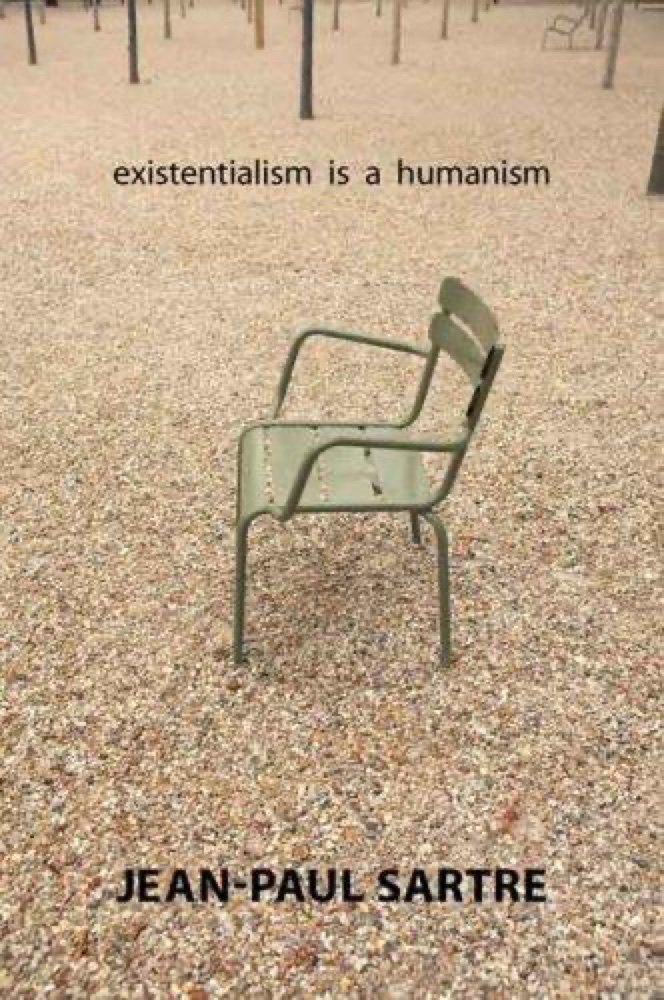 Existentialism Is a Humanism
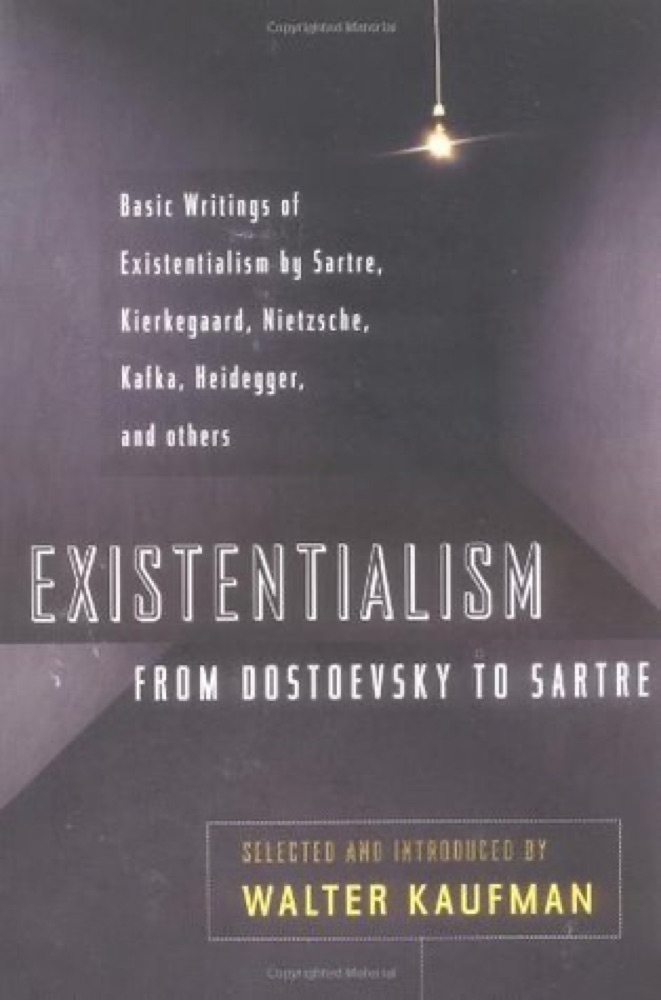 Existentialism from Dostoevsky to Sartre
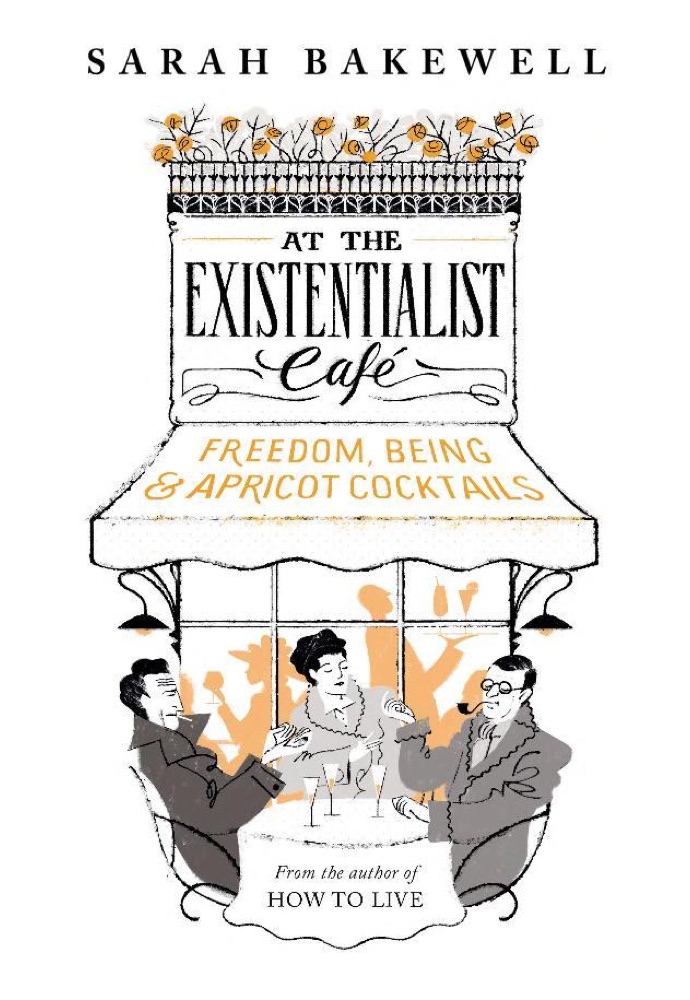 At the Existentialist Café
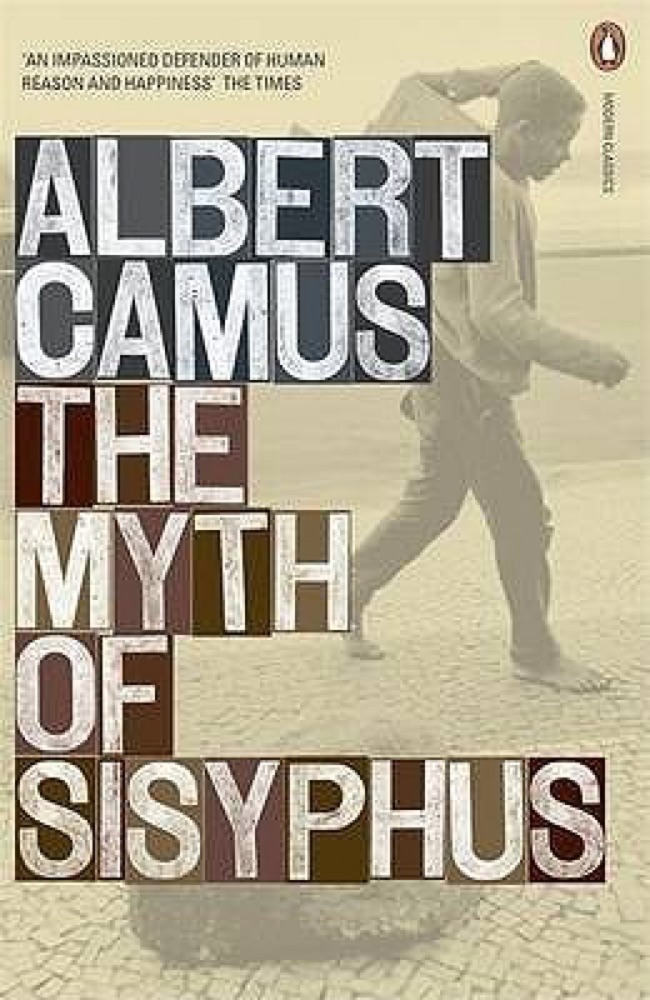 The Myth of Sisyphus
 Irrational Man: A Study in Existential Philosophy
 Man's Search for Meaning
 Immortality
 Philosophy: Who Needs It
 The Myth of Sisyphus and Other Essays
 The Ego and Its Own
 Twilight of the Idols
 Twilight of the Idols/The Anti-Christ
 The Virtue of Selfishness: A New Concept of Egoism
 The Will to Power
 The Perennial Philosophy
 The Man Without Qualities
 The World as Will and Representation, Vol 1
 Tragic Sense of Life
 The Fall
 The Book: On the Taboo Against Knowing Who You Are
 Why I Am An Atheist: An Autobiographical Discourse
 Pensées
 Atlas Shrugged
 The Sane Society
 Man's Search for Ultimate Meaning
 The Human Condition
 The Denial of Death
 Six Characters in Search of an Author
 Notes from Underground
 On the Heights of Despair
 Ethics
 Gravity and Grace
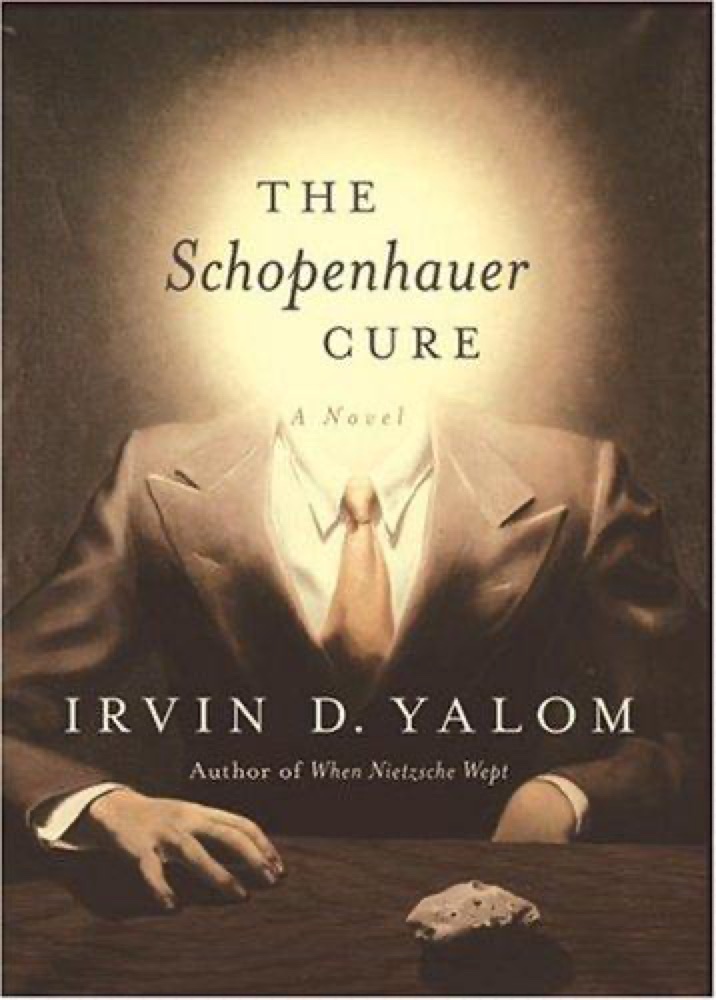 The Schopenhauer Cure
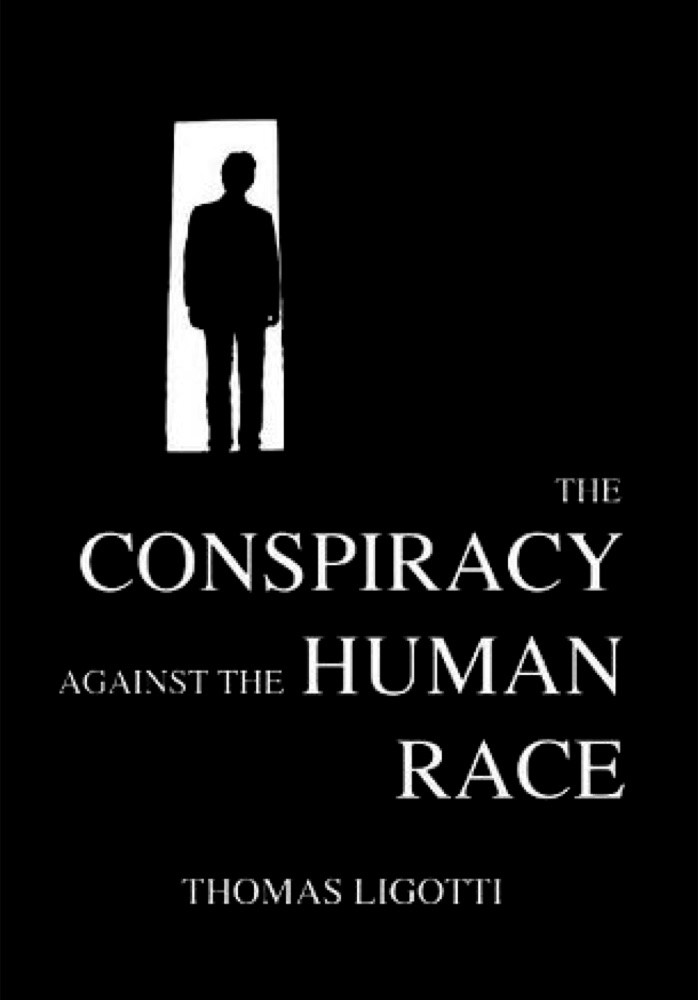 The Conspiracy Against the Human Race
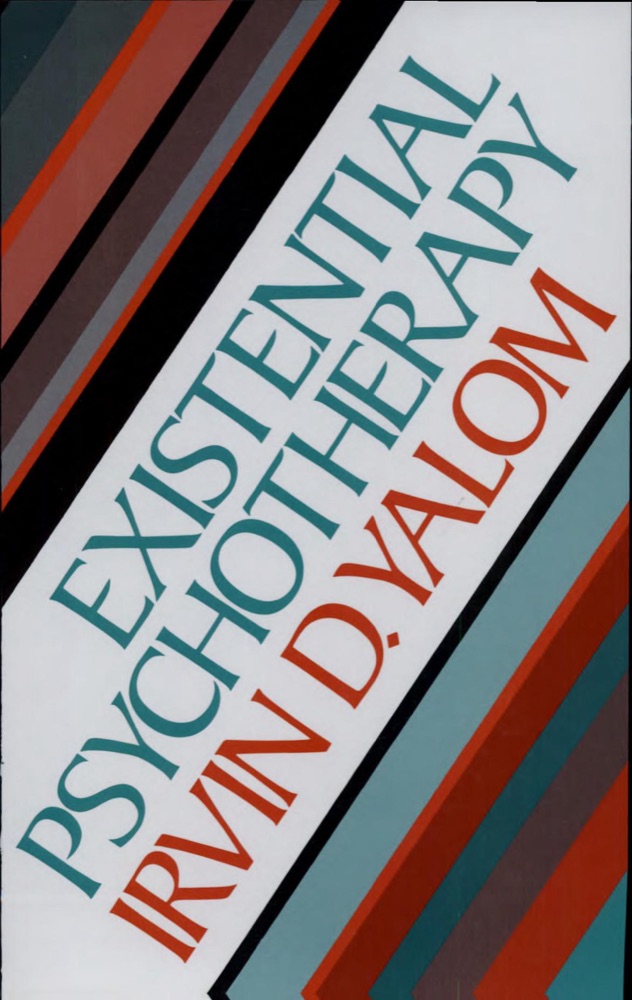 Existential Psychotherapy
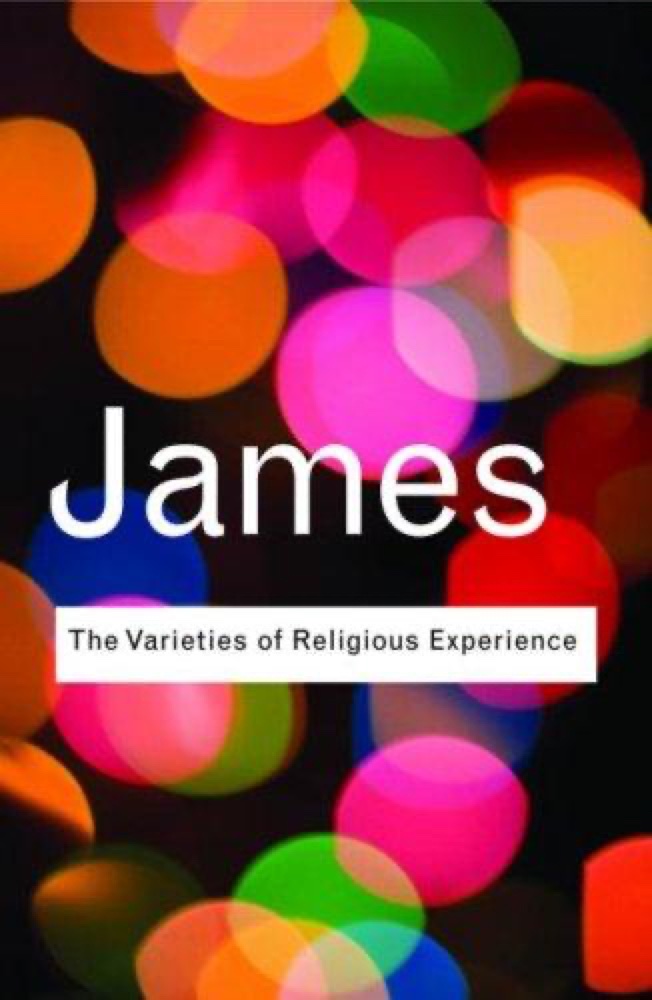 The Varieties of Religious Experience
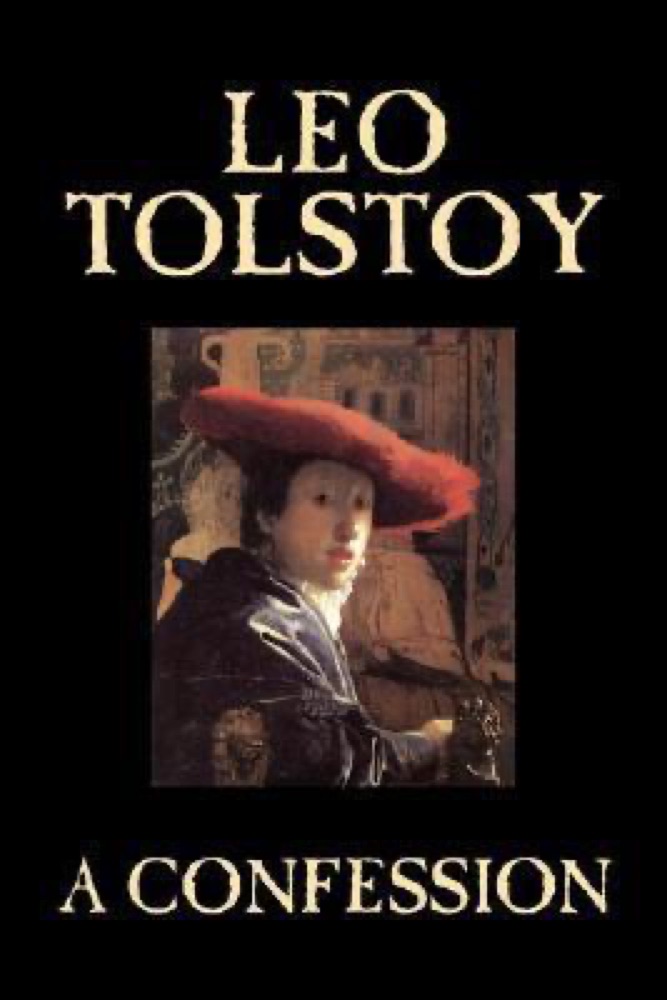 A Confession
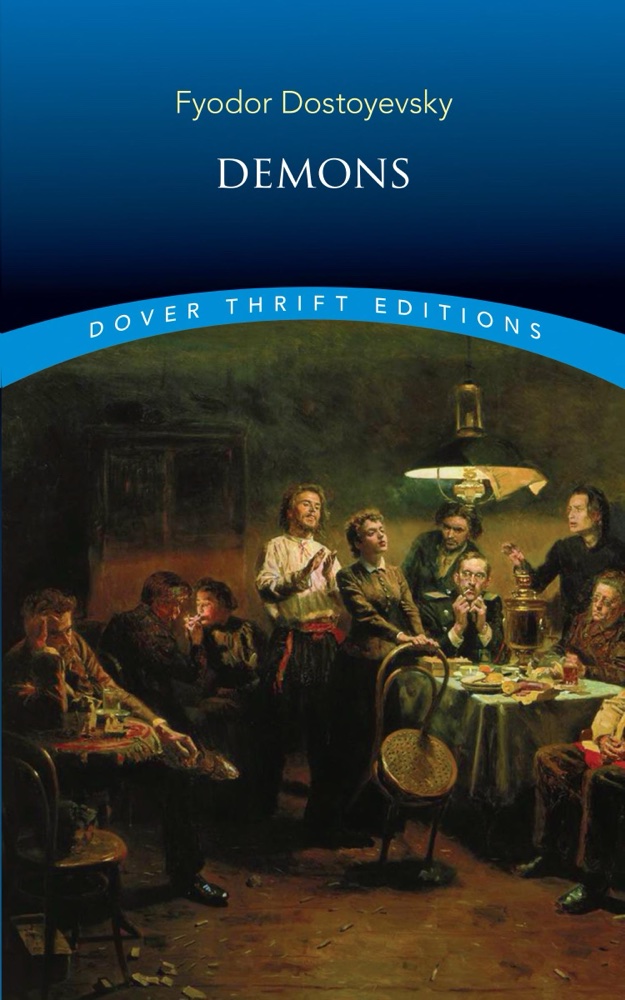 Demons
 Eyeless in Gaza
 Heretics
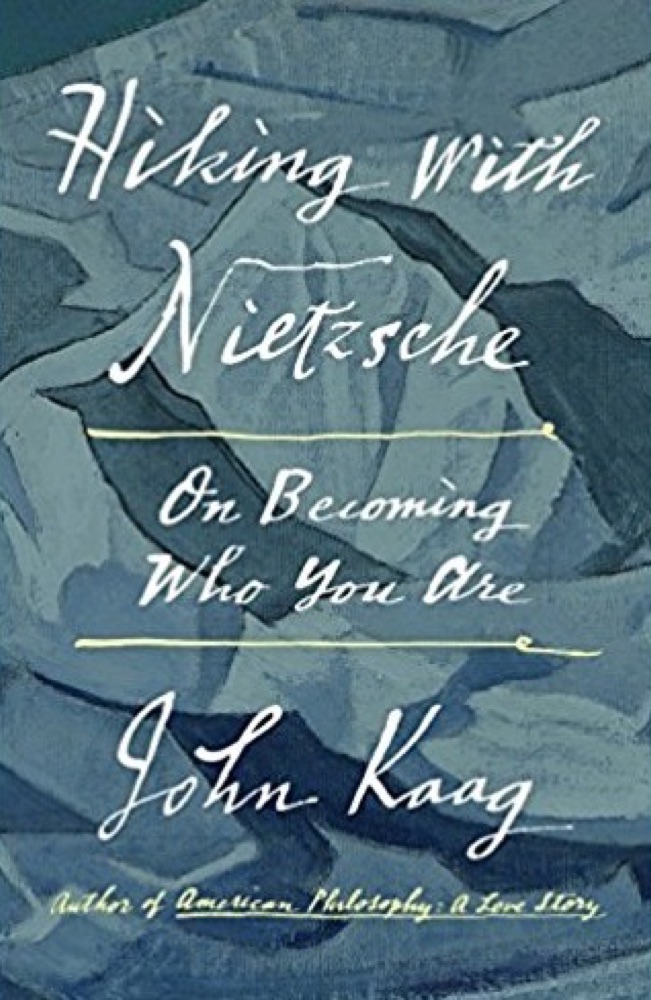 Hiking with Nietzsche: On Becoming Who You Are
 The Story of My Experiments With Truth
 East of Eden
 The World As I See It
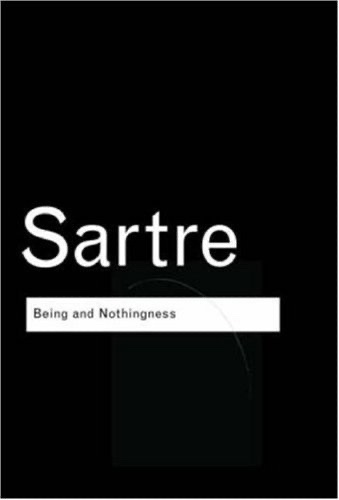 Being and Nothingness
 The Wisdom of Life
 Demian
 Stand Still Like the Hummingbird
 Self-Reliance: An Excerpt from Collected Essays, First Series
 The Temptation to Exist
 The Everlasting Man
 Modern Man in Search of a Soul
 The Art of Being
 When Nietzsche Wept
 The Essential Kierkegaard
 Tears and Saints
 The Metaphysics of Morals
 Total Freedom: The Essential Krishnamurti