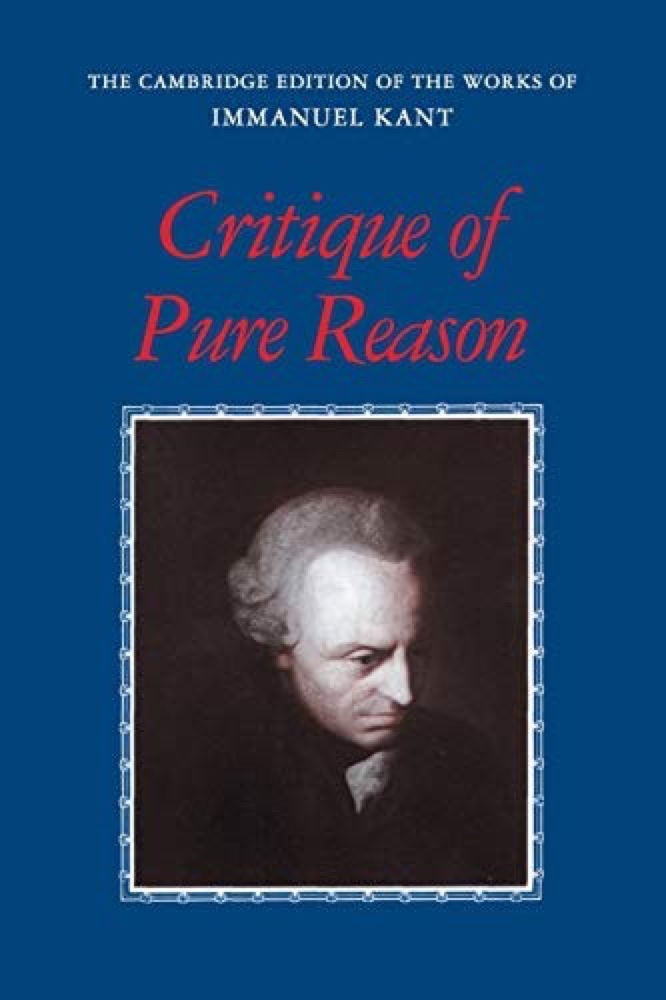
 Critique of Pure Reason
Quotes from the Book
Only the descent into the hell of self-knowledge can pave the way to godliness.
44
Innocence is indeed a glorious thing, only, on the other hand, it is very sad that it cannot well maintain itself, and is easily seduced.
9
....Happiness is not an ideal of reason but of imagination, resting solely on empirical grounds, and it is vain to expect that these should define an action by which one could attain the totality of a series of consequences which is really endless.
7
What then is it which justifies virtue or the morally good disposition, in making such lofty claims? It is nothing less than the privilege it secures to the rational being of participating in the giving of universal laws, by which it qualifies him to be a member of a possible kingdom of ends, a privilege to which he was already destined by his own nature as being an end in himself, and on that account legislating in the kingdom of ends; free as regards all laws of physical nature, and obeying those only which he himself gives, and by which his maxims can belong to a system of universal law, to which at the same time he submits himself. For nothing has any worth except what the law assigns it.
4
Now I say: man and generally any rational being exists as an end in himself, not merely as a means to be arbitrarily used by this or that will, but in all his actions, whether they concern himself or other rational beings, must always be regarded at the same time as an end.
3
But freedom is a mere Idea, the objective reality of which can in no wise be shown according to the laws of nature, and consequently not in any possible experience; and for this reason it can never be comprehended or understood, because we cannot support it by any sort of example or analogy.
2
For now we see that when we conceive ourselves as free we transfer ourselves into the world of understanding as members of it, and recognise the autonomy of the will with its consequence, morality; whereas, if we conceive ourselves as under obligation we consider ourselves as belonging to the world of sense, and at the same time to the world of understanding.
2
It is a remark which needs no subtle reflection to make, but which we may assume that even the commonest understanding can make, although it be after its fashion by an obscure discernment of judgment which it calls feeling, that all the 'ideas' that come to us involuntarily (as those of the senses) do not enable us to know objects otherwise than as they affect us; so that what they may be in themselves remains unknown to us, and consequently that as regards 'ideas' of this kind even with the closest attention and clearness that the understanding can apply to them, we can by them only attain to the knowledge of appearances, never to that of things in themselves.
2
Happiness is not an ideal of reason, but of imagination.
1
Watch on YouTube
About Immanuel Kant
We have collected 98 quotes from 5 books by Immanuel Kant on BookQuoters.
More about the author →More by Immanuel Kant
About the book
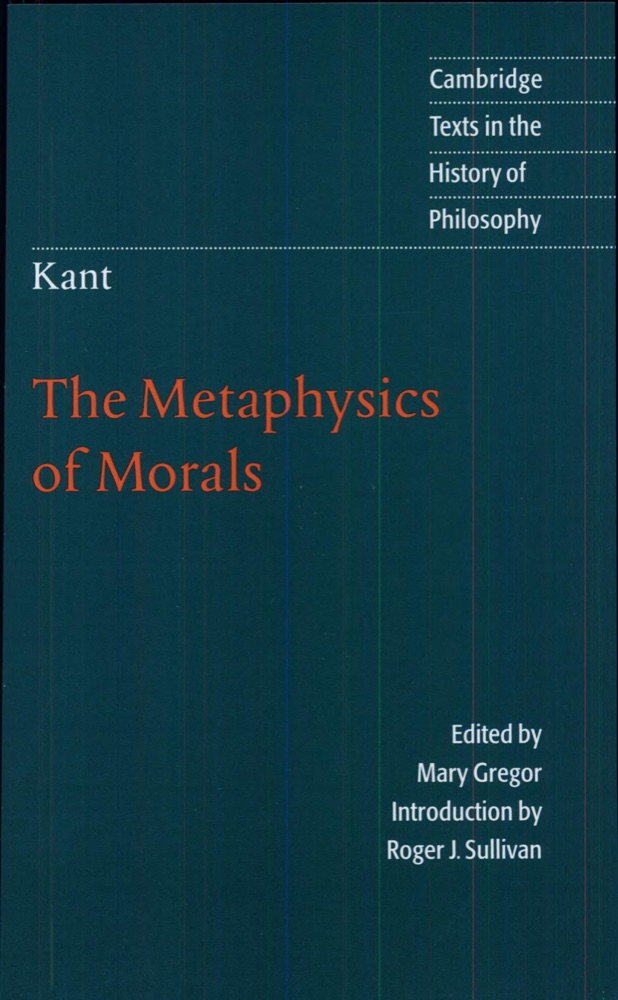
The Metaphysics of Morals is Kant's major work in applied moral philosophy in which he deals with the basic principles of rights and of virtues. It comprises two parts: the "Doctrine of Right," which deals with the rights that people have or can acquire, and the "Doctrine of Virtue," which deals with the virtues they ought to acquire. Mary Gregor's translation, revised for publication in Cambridge Texts in the History of Philosophy, is the only complete translation of the whole text. It includes extensive annotation on Kant's difficult and sometimes unfamiliar vocabulary. A new introduction by Roger Sullivan sets the work in its historical and philosophical context.
Book details
- First published
- 1797
- Author
- Immanuel Kant
- Genre
- Philosophy
- Goodreads rating
- 3.94 (3k ratings)
Keep reading
 The World as Will and Representation, Vol 1
 Groundwork of the Metaphysics of Morals
 The Ethics of Ambiguity
 Critique of Judgment
 Elements of the Philosophy of Right
 Ethics
 An Essay Concerning Human Understanding
 A Treatise of Human Nature
 The Will to Power
 Irrational Man: A Study in Existential Philosophy
 The Perennial Philosophy
Critique of Pure Reason
The Perennial Philosophy
Critique of Pure Reason
 Modern Man in Search of a Soul
 On the Genealogy of Morals
 An Enquiry Concerning Human Understanding
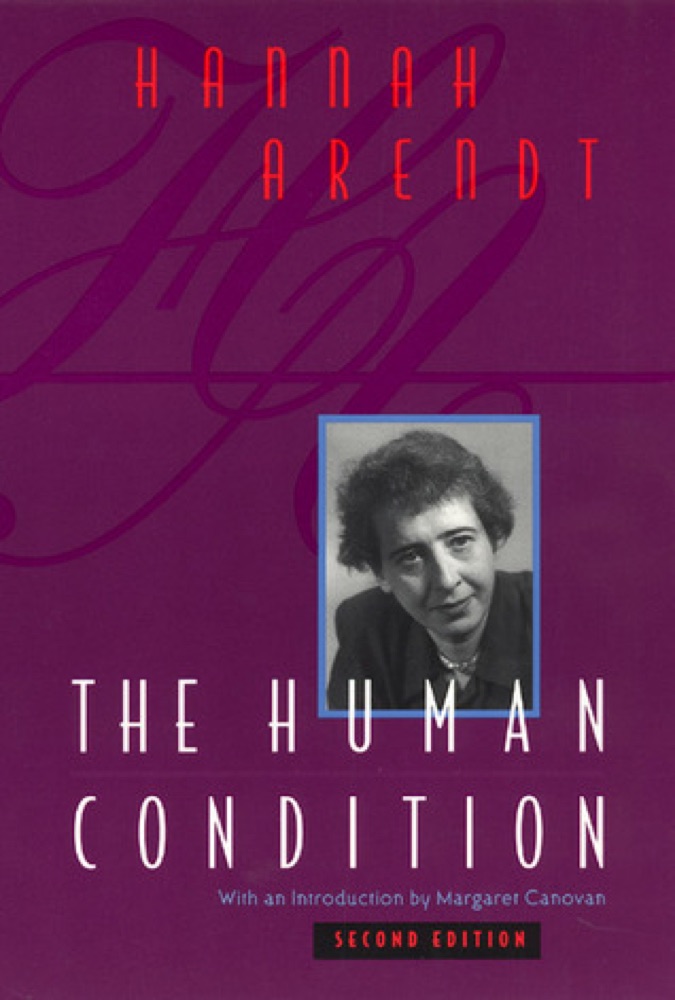 The Human Condition
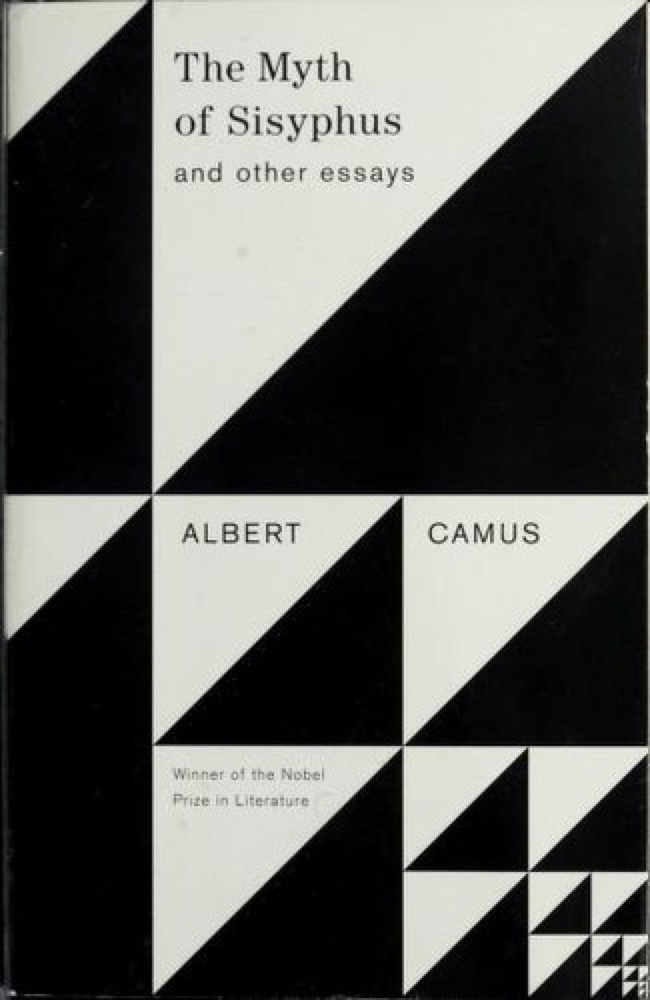 The Myth of Sisyphus and Other Essays
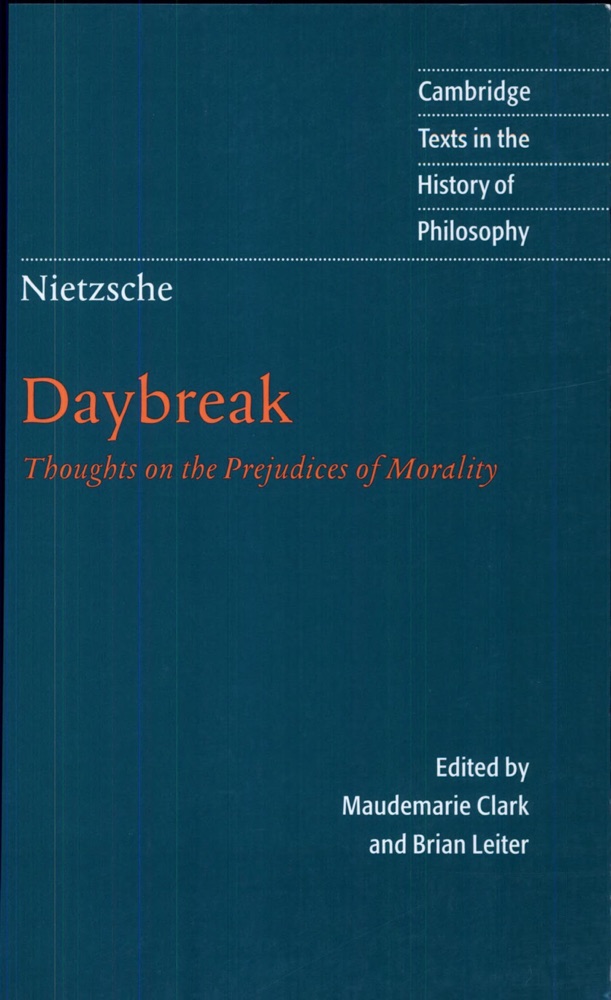 Daybreak: Thoughts on the Prejudices of Morality
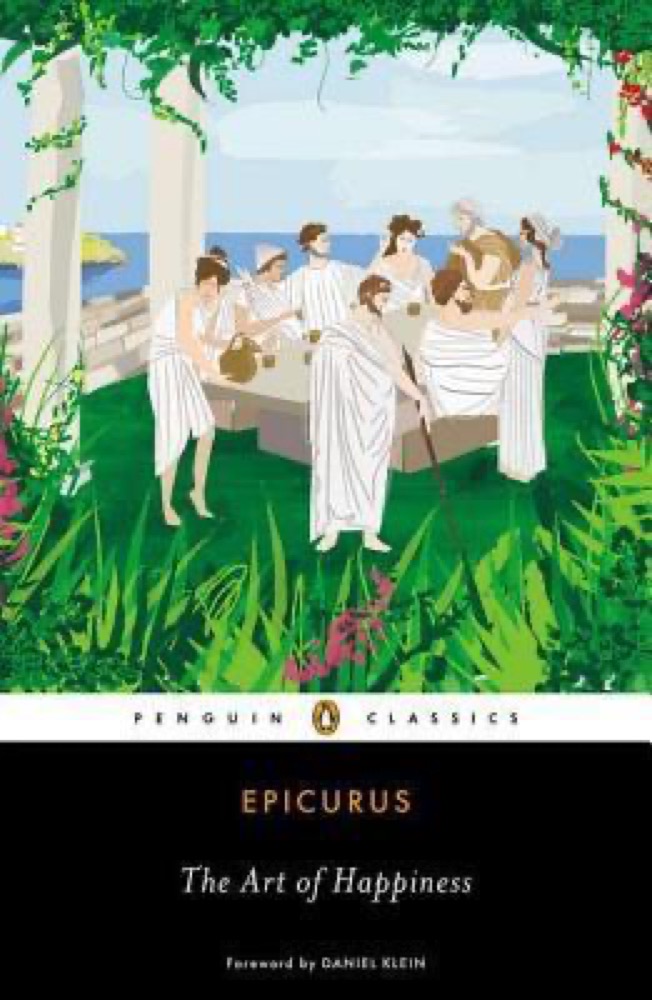 The Art of Happiness
 The Varieties of Religious Experience
 A History of Western Philosophy
 The Book: On the Taboo Against Knowing Who You Are
 The Wisdom of Life
 On the Suffering of the World
 The Myth of Sisyphus
 The Nicomachean Ethics
 The Consolations of Philosophy
 Phenomenology of Spirit
 The Science of Mind
 The Consolation of Philosophy
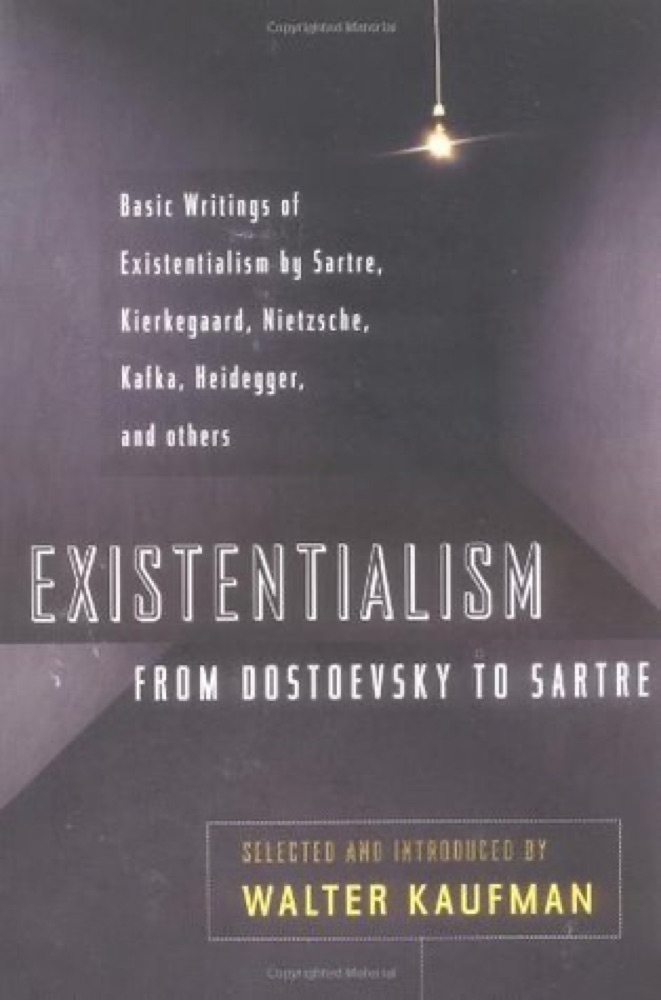 Existentialism from Dostoevsky to Sartre
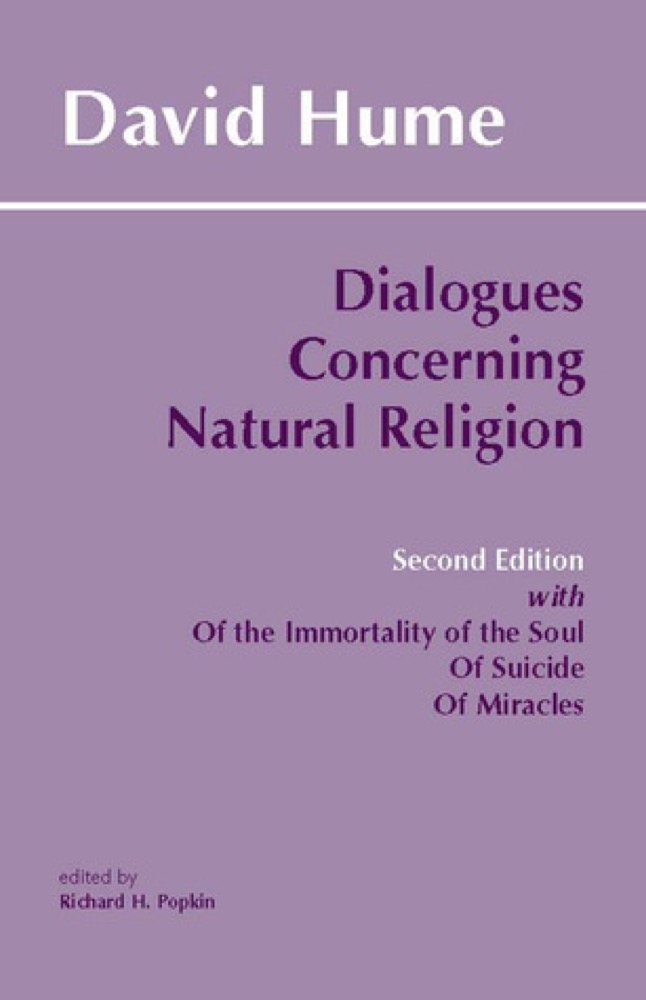 Dialogues Concerning Natural Religion
 The Abolition of Man
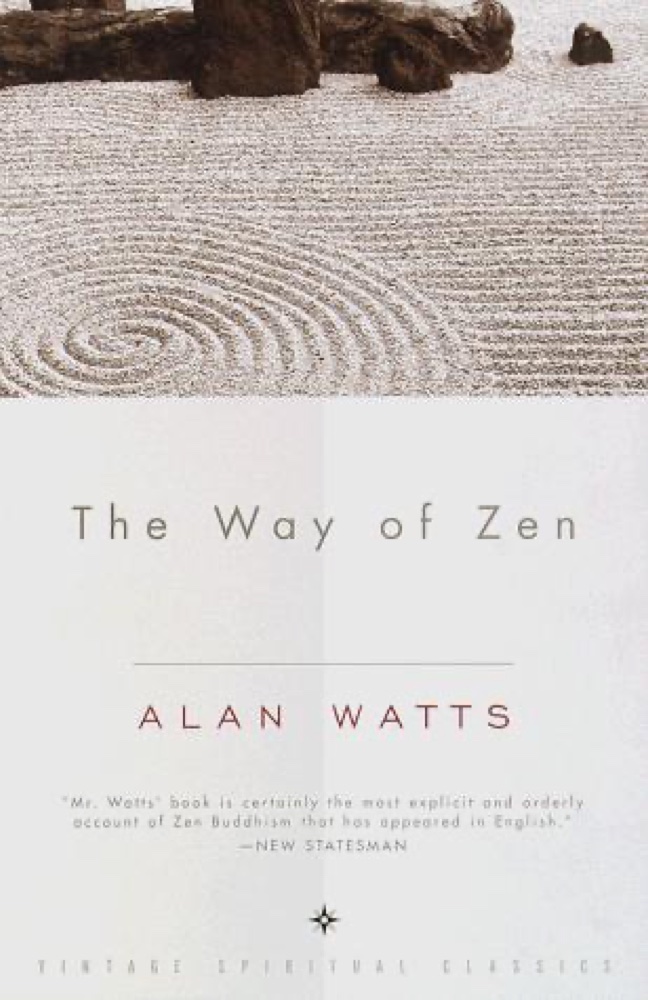 The Way of Zen
 Man's Search for Meaning
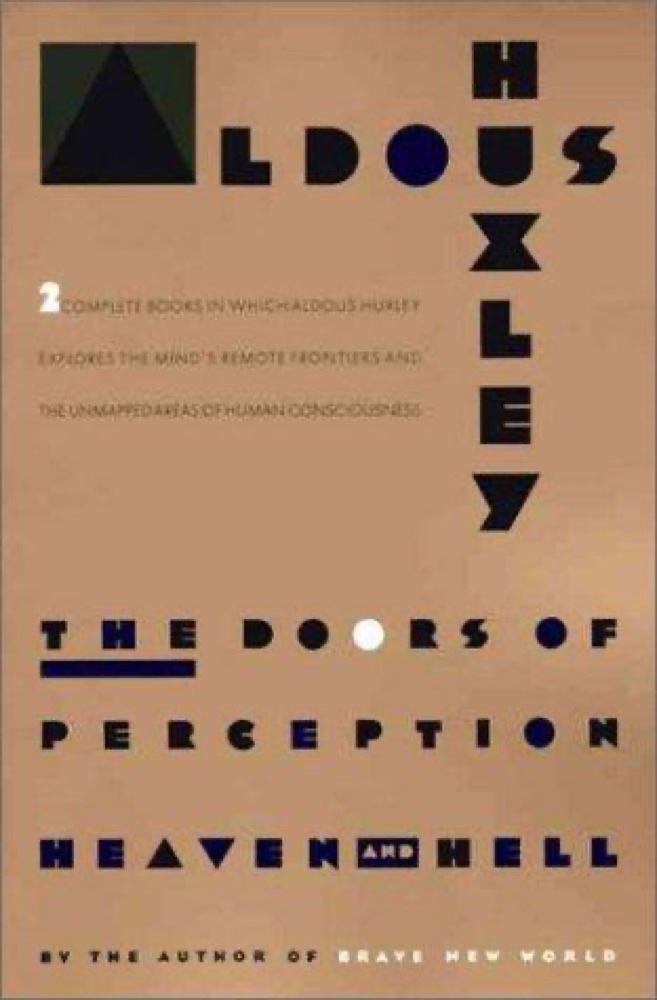 The Doors of Perception & Heaven and Hell
 After Virtue
 The Republic
 The Essential Writings of Ralph Waldo Emerson
 The Problems of Philosophy
 Dialectic of Enlightenment: Philosophical Fragments
 The Man Without Qualities
 Metaphysics
 Emile or On Education
 Philosophical Dictionary
 Gravity and Grace
 Think: A Compelling Introduction to Philosophy
 Utilitarianism
 The Closing of the American Mind
 Pensées
 The Ego and Its Own
 Truth and Method
 The Schopenhauer Cure
 The God Who Weeps: How Mormonism Makes Sense of Life
 The Discovery of India
 On Liberty
 The World As I See It
 What I Believe
 The Laws of Plato