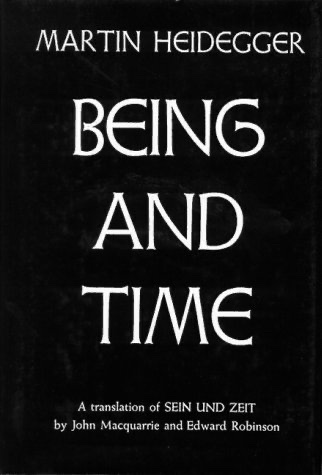
 Being and Time
Quotes from the Book
To think is to confine yourself to a single thought that one day stands still like a star in the world's sky.
90
Anxiety is there. It is only sleeping. Its breath quivers perpetually through Dasein, only slightly in those who are jittery, imperceptibly in the 'Oh, yes' and the 'Oh, no' of men of affairs; but most readily in the reserved, and most assuredly in those who are basically daring. But those daring ones sustained by that on which they expend themselves—in order thus to preserve the ultimate grandeur of existence.
35
Language is the house of Being. In its home man dwells.
10
Man is the shepherd of Being. Man loses nothing in this "less"; rather, he gains in that he attains the truth of Being. He gains the essential poverty of the shepherd, whose dignity consists in being called by Being itself into the preservation of Being's truth. The call comes as the throw from which the thrownness of Da-sein derives. In his essential unfolding within the history of Being, man is the being whose Being as ek-sistence consists in his dwelling in the nearness of Being. Man is the neighbor of Being.
8
Sartre expresses the basic tenet of existentialism in this way: Existence precedes essence. In this statement he is taking existentia and essentia according to their metaphysical meaning, which from Plato's time on has said that essentia precedes existentia. Sartre reverses this statement. But the reversal of a metaphysical statement remains a metaphysical statement. With it he stays with metaphysics in oblivion of the truth of Being.
8
The essence of truth reveals itself as freedom.
7
In its essence, language is not the utterance of an organism; nor is it the expression of a living thing. Nor can it ever be thought in an essentially correct way in terms of its symbolic character, perhaps not even in terms of the character of signification. Language is the clearing-concealing advent of Being itself.
4
A building, a Greek temple, portrays nothing. It simply stands there in the middle of the rock-cleft valley. The building encloses the figure of the god, and in this concealment lets it stand out into the holy precinct through the open portico. By means of the temple, the god is present in the temple. This presence of the god is in itself the extension and delimitation of the precinct as a holy precinct. The temple and its precinct, however, do not fade away into the indefinite. It is the temple-work that first fits together and at the same time gathers around itself the unity of those paths and relations in which birth and death, disaster and blessing, victory and disgrace, endurance and decline acquire the shape of destiny for human being.
3
The essence of technology is by no means anything technological.
3
The temple, in its standing there, first gives to things their look and to men their outlook on themselves. This view remains open as long as the work is a work, as long as the god has not fled from it. It is the same with the sculpture of the god, a votive offering of the victor in the athletic games. It is not a portrait whose purpose is to make it easier to realize how the god looks; rather, it is a work that lets the god himself be present and thus is the god himself. The same holds for the linguistic work. In the tragedy nothing is staged or displayed theatrically, but the battle of the new gods against the old is being fought. The linguistic work, originating in the speech of the people, does not refer to this battle; it transforms the people's saying so that now every living word fights the battle and puts up for decision what is holy and what unholy, what lofty and what flighty, what master and what slave.
As ek-sisting, man sustains Da-sein in that he takes the Da, the clearing of Being, into "care.
Watch on YouTube
About Martin Heidegger
We have collected 47 quotes from 4 books by Martin Heidegger on BookQuoters.
More about the author →More by Martin Heidegger
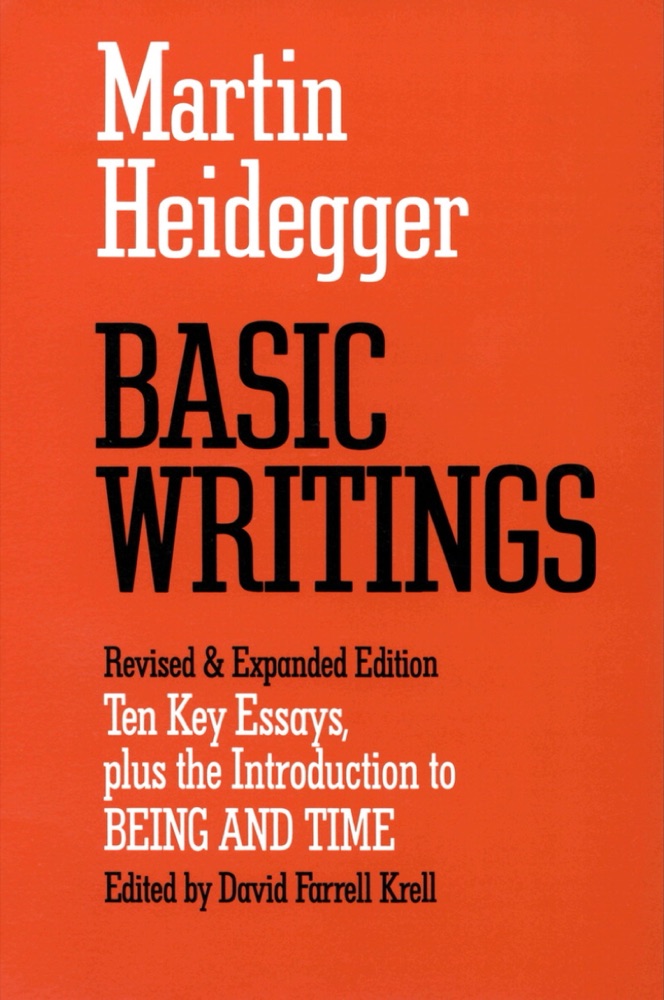
About the book
Few philosophers have had more influence on the shape of western philosophy after 1900 than Martin Heidegger. Basic Writings offers a full range of this profound and controversial thinker's writings in one volume, including:
The Origin of the Work of Art The introduction to Being and Time What Is Metaphysics? Letter on Humanism The Question Concerning Technology The Way to Language The End of Philosophy
Book details
- First published
- 1964
- Author
- Martin Heidegger
- Genre
- Philosophy
- Goodreads rating
- 4.07 (5k ratings)
Keep reading
 Irrational Man: A Study in Existential Philosophy
 Phenomenology of Perception
Being and Time
Phenomenology of Perception
Being and Time
 On Truth and Lies in a Nonmoral Sense
 Myths to Live By
 The Perennial Philosophy
 The World as Will and Representation, Vol 1
 The Upanishads
 The Yoga Sutras of Patanjali
 The Essential Writings of Ralph Waldo Emerson
 The Way of Zen
 Phenomenology of Spirit
 The Myth of Sisyphus and Other Essays
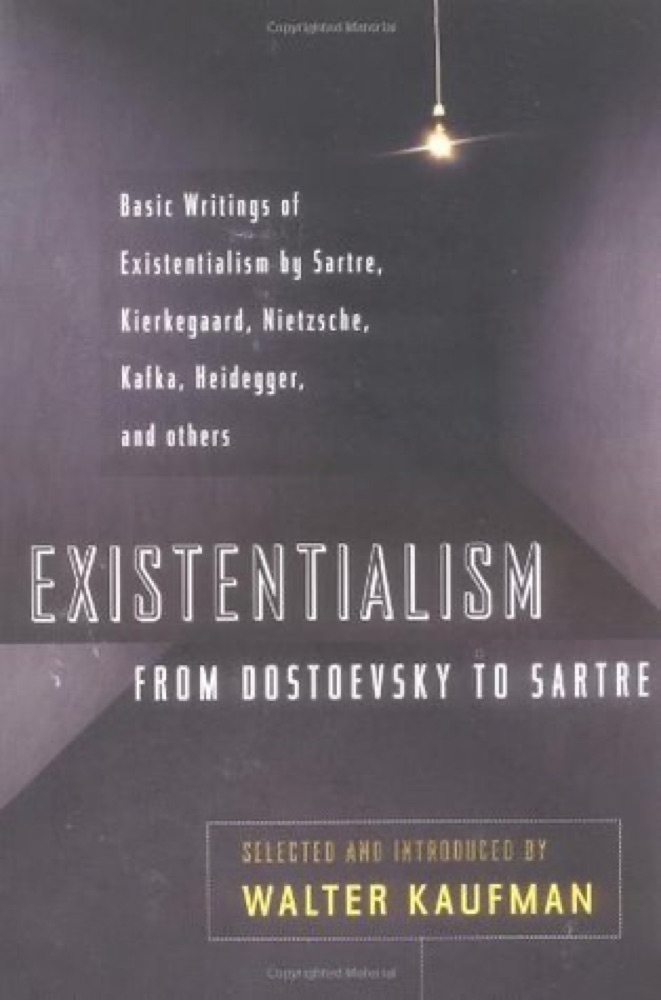 Existentialism from Dostoevsky to Sartre
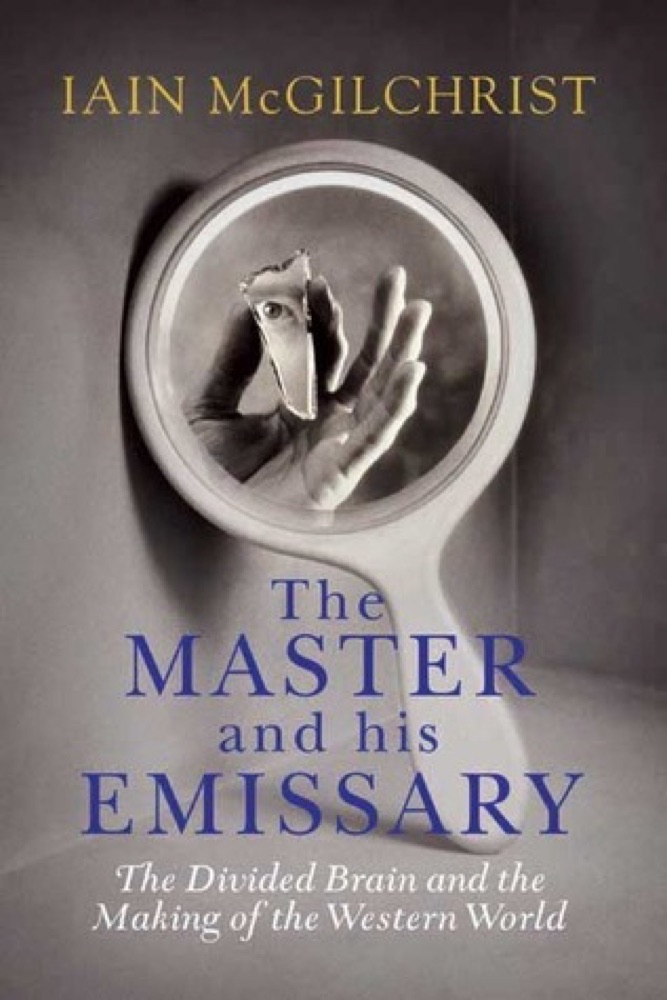 The Master and His Emissary: The Divided Brain and the Making of the Western World
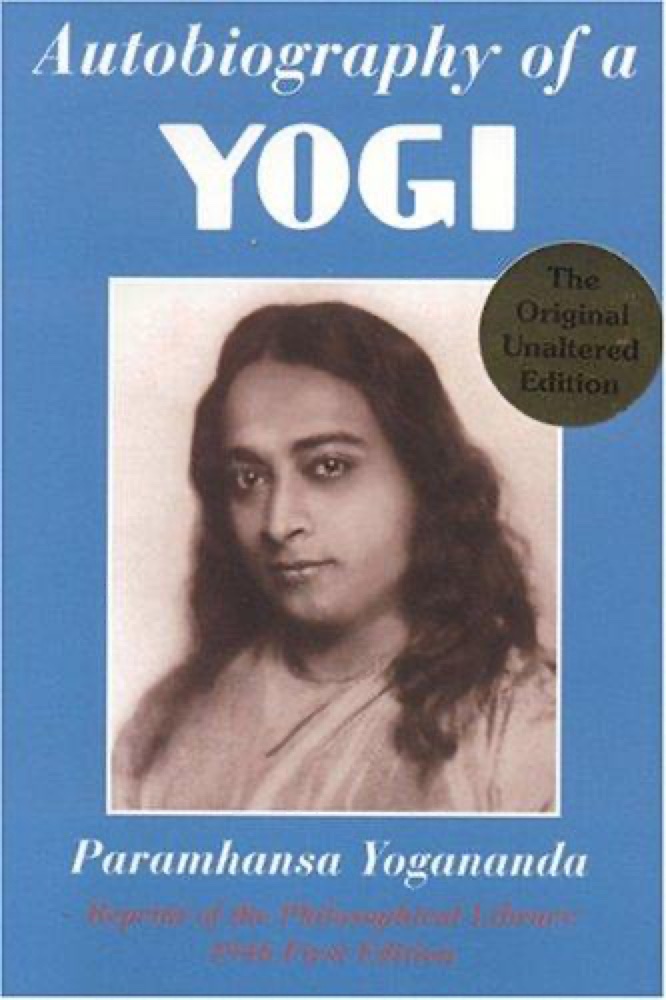 Autobiography of a Yogi
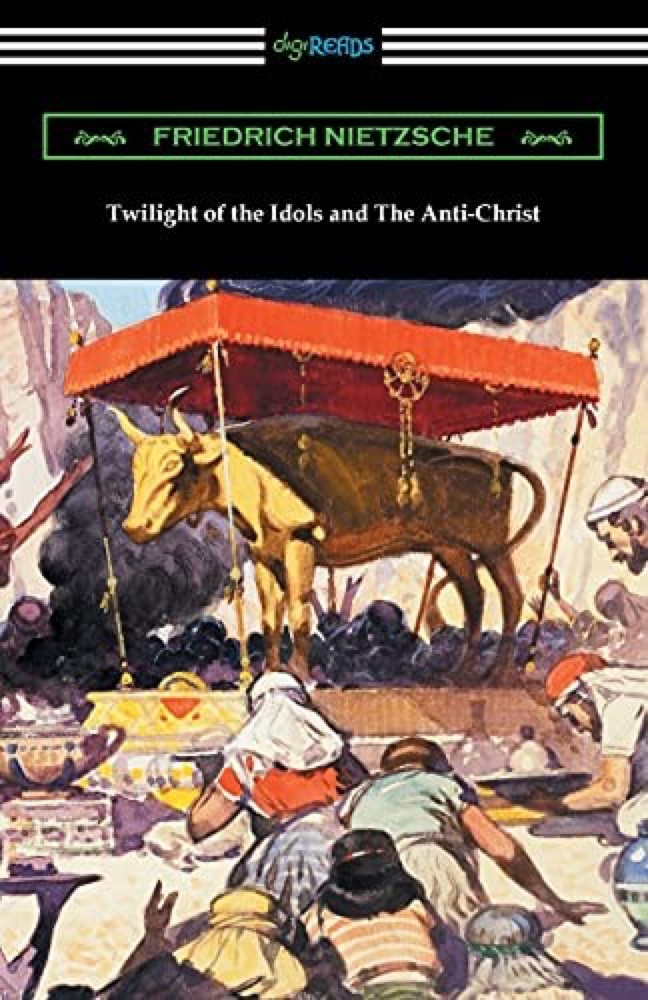 Twilight of the Idols/The Anti-Christ
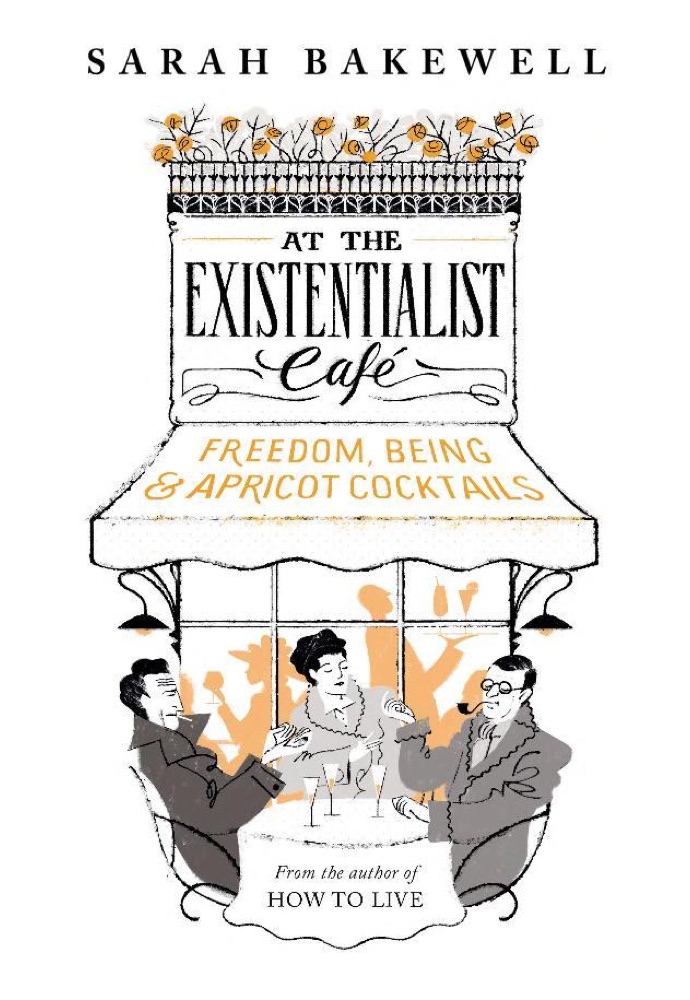 At the Existentialist Café
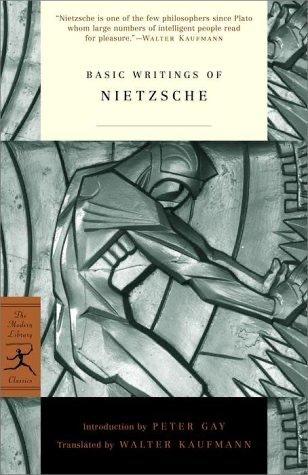 Basic Writings of Nietzsche
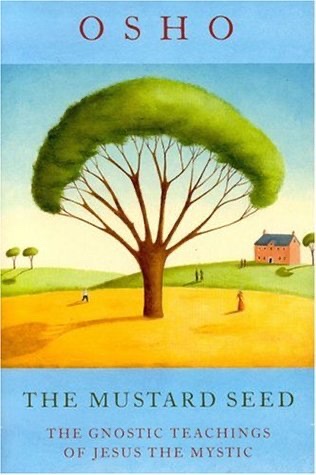 The Mustard Seed: The Gnostic Teachings of Jesus The Mystic
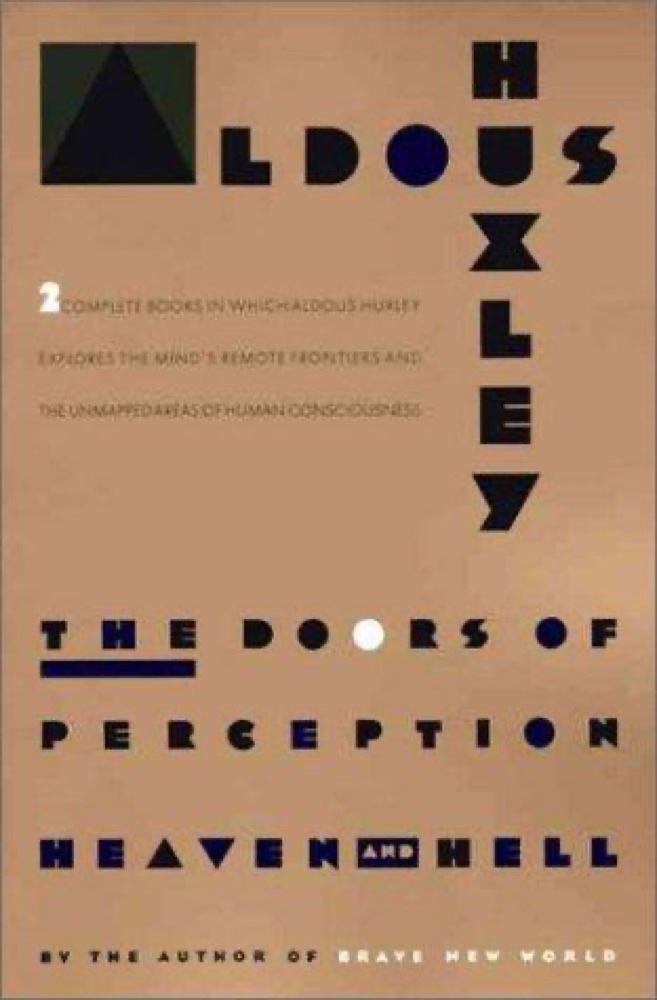 The Doors of Perception & Heaven and Hell
 Tao: The Watercourse Way
 What the Buddha Taught
 The Mind of the Maker: Dorothy L. Sayers' Witty Classic on the Trinity, Christianity, and Human Creativity
 The Origin of Consciousness in the Breakdown of the Bicameral Mind
 Phaedrus
 The Invention of Solitude
 The Human Condition
 The Ethics of Ambiguity
 The Everlasting Man
 Pensées
 The Question Concerning Technology and Other Essays
 Philosophical Investigations
 Freedom from the Known
 Total Freedom: The Essential Krishnamurti
 The Secret Teachings of All Ages
 Buddhism Plain & Simple: The Practice of Being Aware, Right Now, Every Day
 The Varieties of Religious Experience
 The Story of Philosophy: The Lives and Opinions of the World's Greatest Philosophers
 Truth and Method
 Tractatus Logico-Philosophicus
 The Science of Mind
 Discourse on Method and Meditations on First Philosophy
 The Way Things Are
 Gravity and Grace
 The Essays of Ralph Waldo Emerson
 Leisure: The Basis of Culture
 The Myth of Sisyphus
 Man and His Symbols
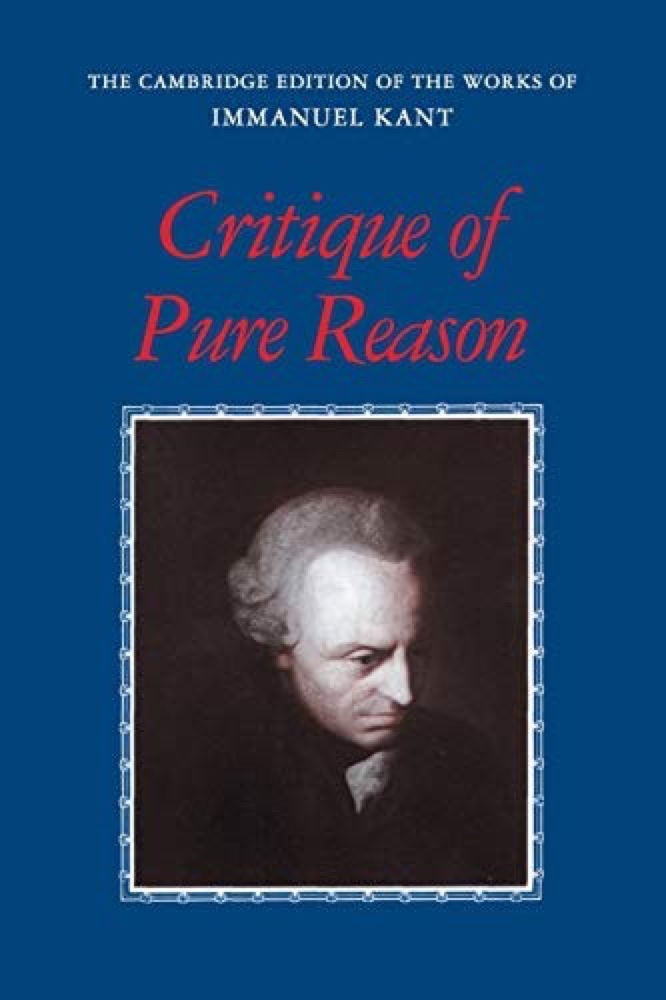 Critique of Pure Reason
 A History of Western Philosophy
 The Big Picture: On the Origins of Life, Meaning, and the Universe Itself
 Metaphysics
 The Intellectual Life: Its Spirit, Conditions, Methods
 Striking Thoughts: Bruce Lee's Wisdom for Daily Living
 Modern Man in Search of a Soul
 The World's Religions
 The Glass Bead Game