
 Origin
Quotes from the Book
Great minds are always feared by lesser minds.
Google' is not a synonym for 'research'.
To live in the world without becoming aware of the meaning of the world is like wandering about in a great library without touching the books.
The only difference between you and God is that you have forgotten you are divine.
Open your minds, my friends. We all fear what we do not understand.
Sometimes all it takes is a tiny shift of perspective to see something familiar in a totally new light.
The power of human thought grows exponentially with the number of minds that share that thought.
Wide acceptance of an idea is not proof of its validity.
Knowledge grows exponentially. The more we know, the greater our ability to learn, and the faster we expand our knowledge base.
Imagine how different a world might be if more leaders took time to ponder the finality of death before racing off to war.
Time is a river...and books are boats. Many volumes start down that stream, only to be wrecked and lost beyond recall in its sands. Only a few, a very few, endure the testings of time and live to bless the ages following.
Truth has power. And if we all gravitate toward similar ideas, maybe we do so because those ideas are true...written deep within us. And when we hear the truth, even if we don't understand it, we feel that truth resonate within us...vibrating with our unconscious wisdom. Perhaps the truth is not learned by us, but rather, the truth is re-called...re-membered...-re-cognized...as that which is already inside us.
Knowledge is a tool, and like all tools, its impact is in the hands of the user.
The more man learned, the more he realized he did not know.
We all fear what we do not understand.
Sometimes a legend that endures for centuries... endures for a reason.
Angels and demons were identical--interchangeable archetypes--all a matter of polarity. The guardian angel who conquered your enemy in battle was perceived by your enemy as a demon destroyer.
the strange ideas we derive today will one day be our celebrated truths
He thought about science, about faith, about man. he thought about how every culture, in every country, in every time, had always shared one thing. We all had the Creator. We used different names, different faces, and different prayers, but God was the universal constant for man. God was the symbol we all shared...the symbol of all the mysteries of life that we could not understand. The ancients had praised God as a symbol of our limitless human potential, but that ancient symbol had been lost over time. Until now.
Sometimes a change of perspective is all it takes to see the light.
Don't show it and don't panic. Do like the ducks; on the surface stay calm, and below it paddle lile hell
TRUTH." "Maybe there is a universal truth embedded in everyone's soul. Maybe we all have the same story hiding inside, like a shared constant in our DNA. Maybe this collective TRUTH is responsible for the similarity in all of our stories." "Truth has power. And if we all gravitate toward similar ideas, mabe we do so because those ideas are true...written deep within us. And when we hear the truth, even if we don't understand it, we feel that truth resonate within us...vibrating with our unconscious wisdom.Perhaps the truth is not learned by us, but rather, the truth is re-called...re-membered...re-cognized...as that which is already inside us.
The act of tattooing one's skin was a tranformative declaration of power, an announcment to the world: I am in control of my own flesh.
Throughout history, every period of enlightenment has been accompanied by darkness, pushing in opposition. Such are laws of nature and balance.
Open your minds, my friends. We all fear what we don't understand.
Did you know?
- It is the third novel in Dan Brown's Robert Langdon series, following Angels & Demons and The Da Vinci Code.
- The story is set in Washington, D.C., and centers on Freemasonry.
- On its first day of release it sold one million copies in hardcover and e-book across the U.S., U.K., and Canada, making it the fastest-selling adult novel in history at the time.
- It was released on September 15, 2009.
- Katherine Solomon's storyline draws on the fictionalized field of noetic science.
- Philosopher Slavoj Zizek dismissed the book as 'a candidate for the worst novel ever.'
About Dan Brown
Dan Brown is an American author best known for his thriller novels featuring Harvard symbologist Robert Langdon, including the internationally bestselling The Da Vinci Code. His books blend history, art, codes, and religious symbolism into fast-paced mysteries.
More about the author →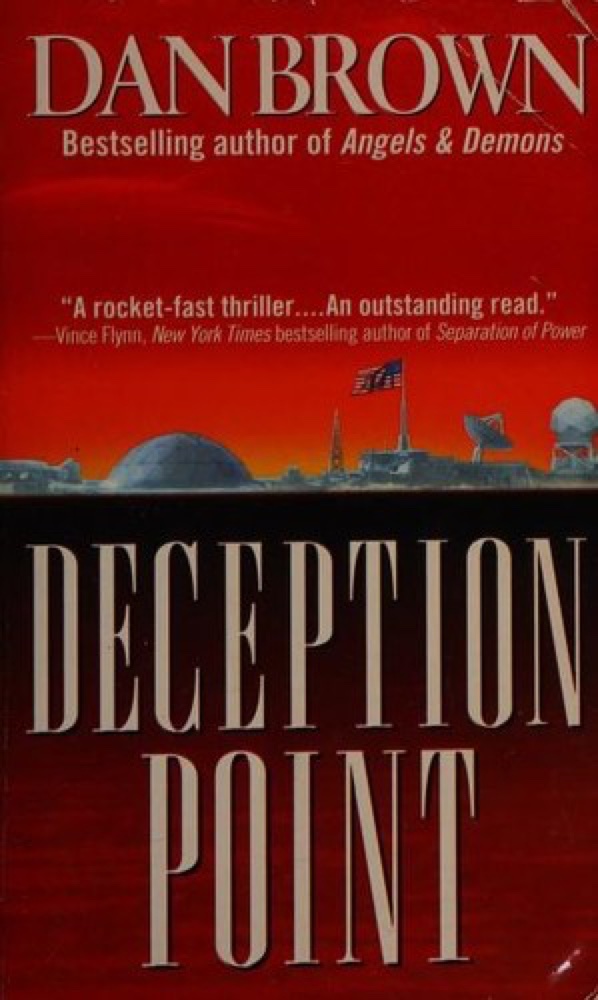
About the book
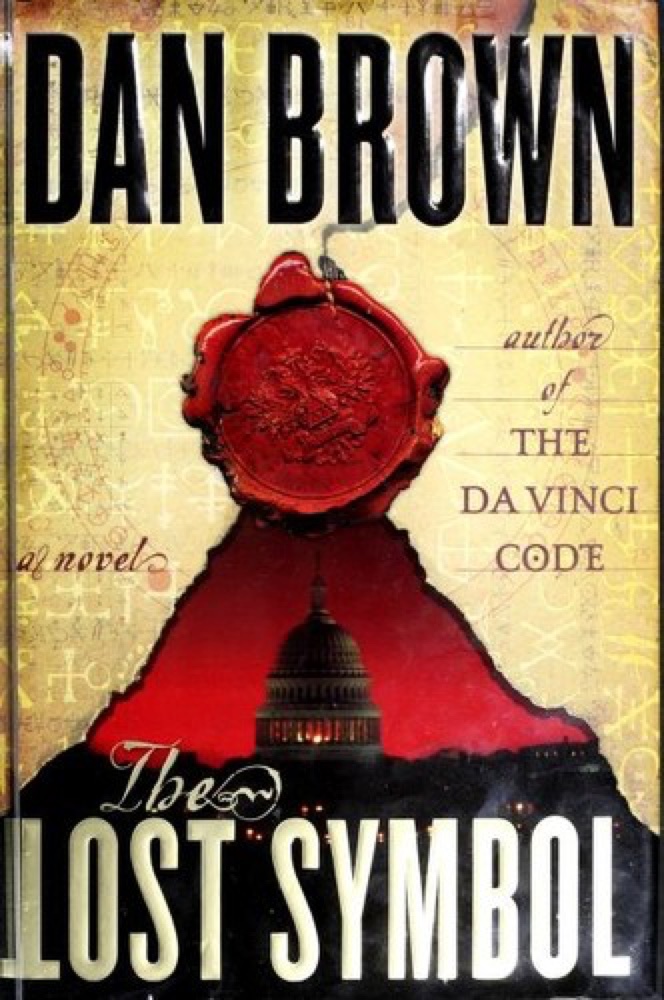
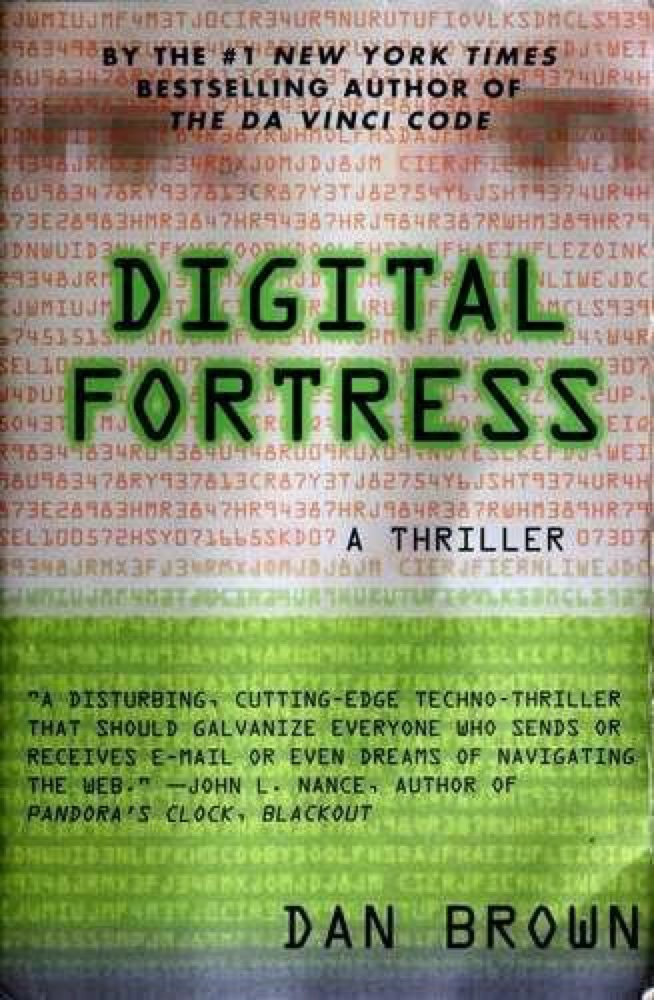
The Lost Symbol is a 2009 thriller by Dan Brown and the third novel to feature Harvard symbologist Robert Langdon, following Angels & Demons and The Da Vinci Code. Set in Washington, D.C., it opens when Langdon is lured to the U.S. Capitol under false pretenses, only to discover that his friend and mentor, the Masonic leader Peter Solomon, has been kidnapped by a tattooed antagonist known as Mal'akh. To save Solomon, Langdon must race through the monuments and hidden chambers of the capital to locate a legendary Masonic pyramid and the ancient 'Lost Word' it is said to conceal.
Like Brown's earlier books, the novel weaves puzzles, ciphers, and real-world landmarks into a single overnight chase. Freemasonry supplies both the recurring theme and the major characters, while Katherine Solomon's research into noetic science gives the story a strand exploring the power of the mind and the boundary between ancient wisdom and modern discovery. Beneath the codes and near-death escapes, the book returns to Brown's familiar preoccupations: hidden knowledge, the reconciliation of science and faith, and the idea that great secrets have long been encoded in symbols hiding in plain sight.
The Lost Symbol arrived as one of the most anticipated novels of its era and became, on its first day, the fastest-selling adult novel in history, moving a million hardcover and e-book copies across the U.S., U.K., and Canada. Critical reactions were mixed, ranging from praise for its page-turning momentum to complaints about coincidence and heavy exposition. Its cultural footprint continued beyond print, and it was later adapted into a television series. The book cemented Robert Langdon as a fixture of popular fiction and paved the way for the later entries Inferno and Origin.
Key characters
- Robert LangdonHarvard symbologist and protagonist drawn into the mystery
- Peter SolomonLangdon's kidnapped friend and a Masonic leader
- Katherine SolomonPeter's sister, a researcher in noetic science
- Mal'akhTattooed antagonist who orchestrates the kidnapping
- Inoue SatoCIA official pursuing the case
- Warren BellamyArchitect of the Capitol and a Freemason who aids Langdon
Book details
- First published
- 2009
- Length
- 528 pages
- Reading time
- 10 hours
- Author
- Dan Brown
- Genre
- Fiction
- Goodreads rating
- 3.77 (668k ratings) →
Series & reading order
- 1 Angels & Demons
- 2 The Da Vinci Code
- 3 The Lost Symbol
- 4 Inferno
- 5 Origin
Movie & TV adaptations
- IMDb
If you liked this, read…
- 1The Da Vinci CodeThe preceding Robert Langdon thriller by the same author
- 2Angels & DemonsThe first Langdon novel, with the same symbology-driven puzzle structure
- 3InfernoThe next Langdon adventure, continuing the code-and-landmark formula
Keep reading
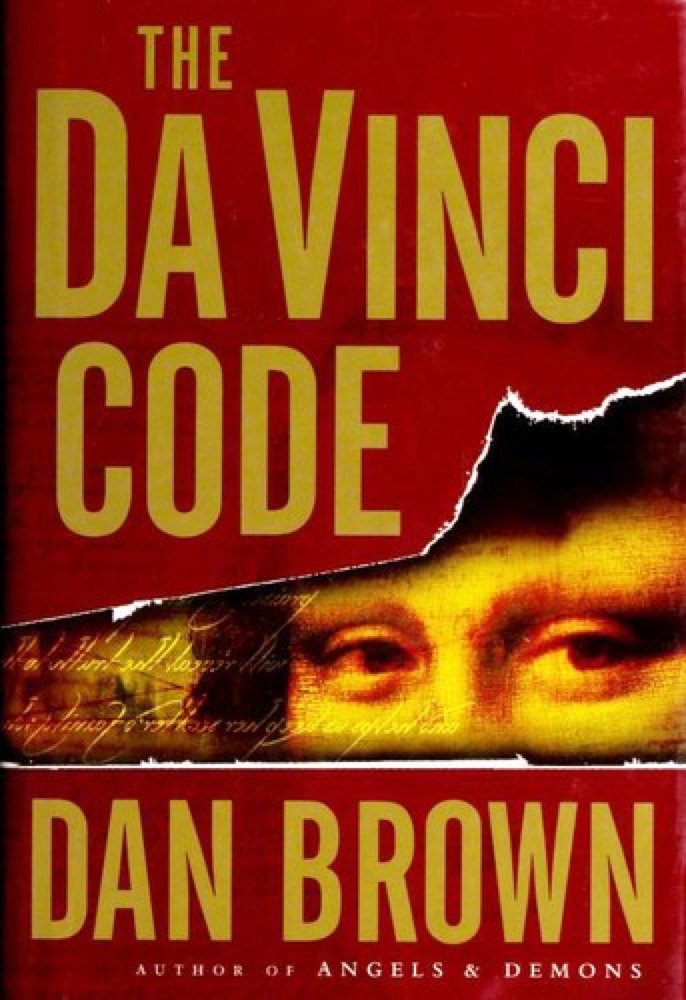 The Da Vinci Code
 Genesis
 The Darkness That Comes Before
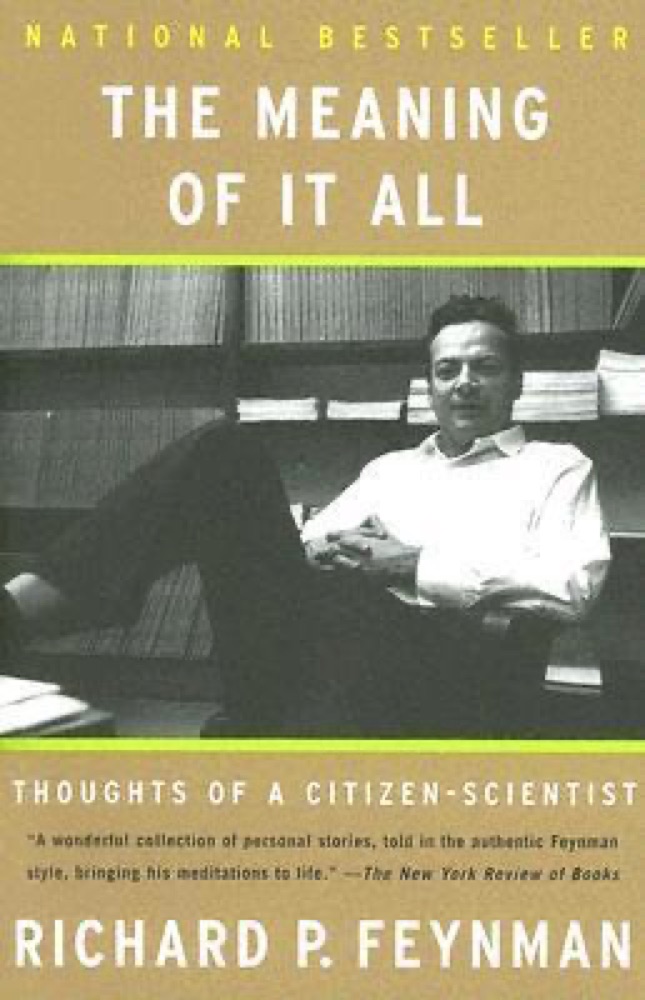 The Meaning of It All: Thoughts of a Citizen-Scientist
Origin
The Meaning of It All: Thoughts of a Citizen-Scientist
Origin
 Dune
Dune
 The Fall
 Libra
Libra
 The Gay Science
 Inferno
 Acceptance
 Julian
 The Power of Myth
 House Corrino
 What Do You Care What Other People Think?
 Children of Dune
 The Secret History
 Tao Te Ching
 In the Light of What We Know
 The Left Hand of Darkness
 Hunters of Dune
 Pensées
 The Republic
 The Wisdom of Insecurity: A Message for an Age of Anxiety
 Arm of the Sphinx
 Rationality: From AI to Zombies
 Foucault's Pendulum
 When Women Were Dragons
 Genome
 Why Fish Don’t Exist: A Story of Loss, Love, and the Hidden Order of Life
 The Abundance
 Myths to Live By
 The Magic Mountain
 Blindsight
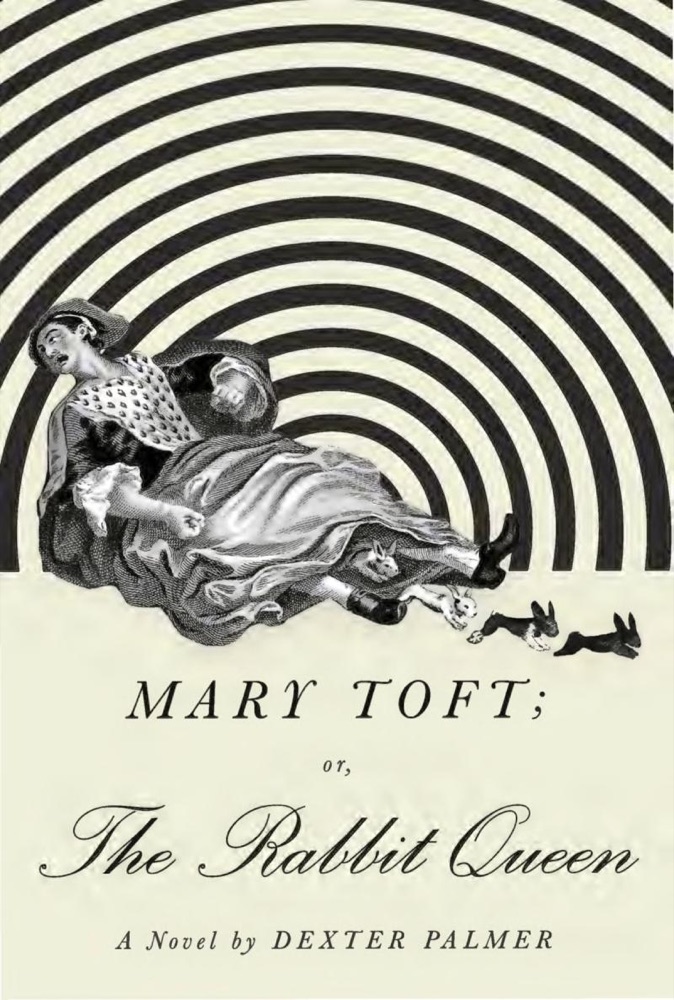 Mary Toft; or, The Rabbit Queen
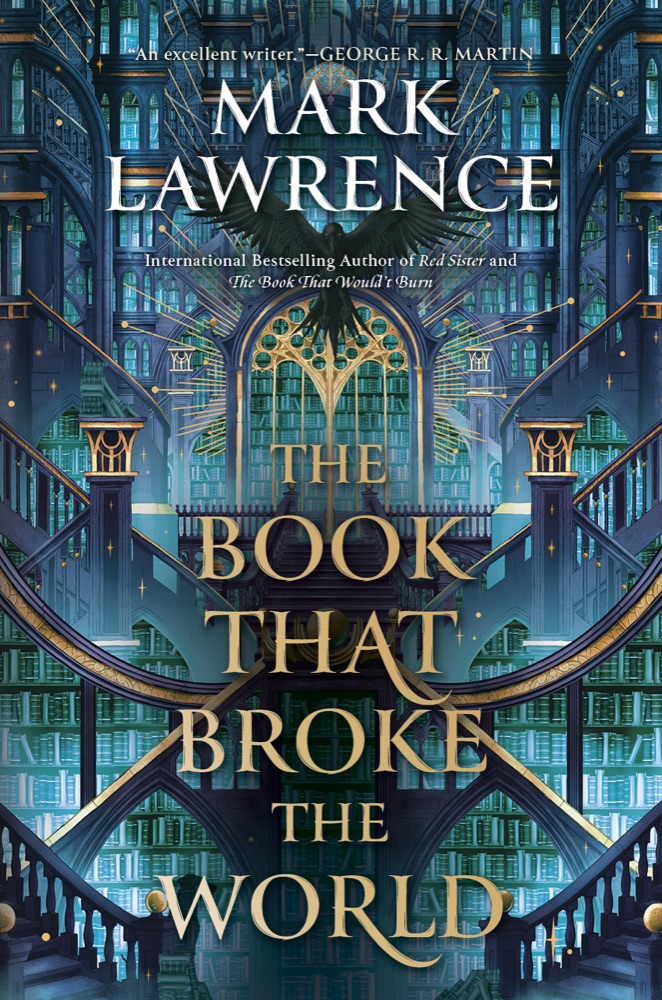 The Book That Broke the World
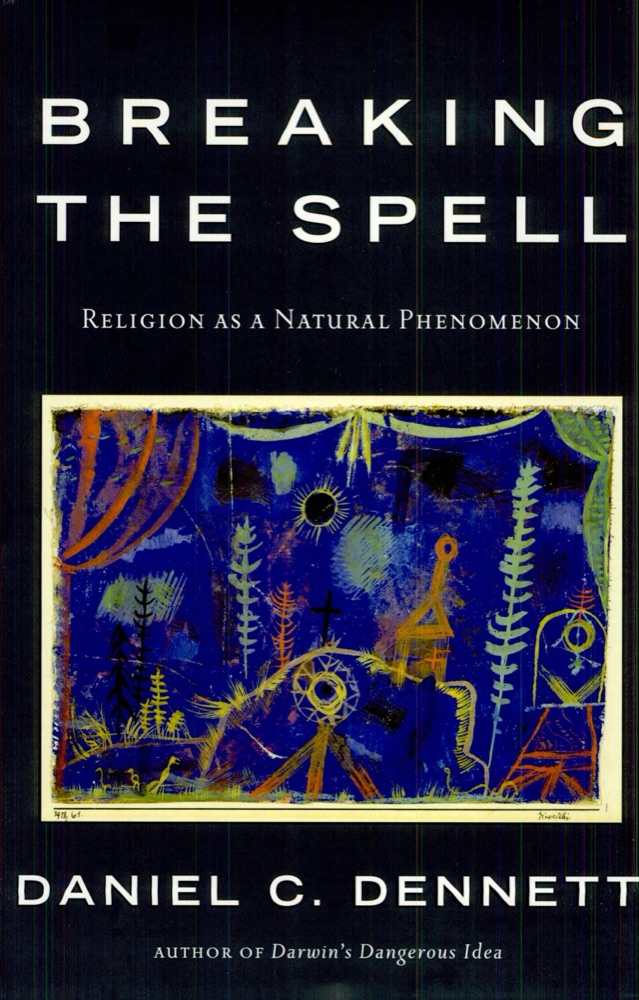 Breaking the Spell: Religion as a Natural Phenomenon
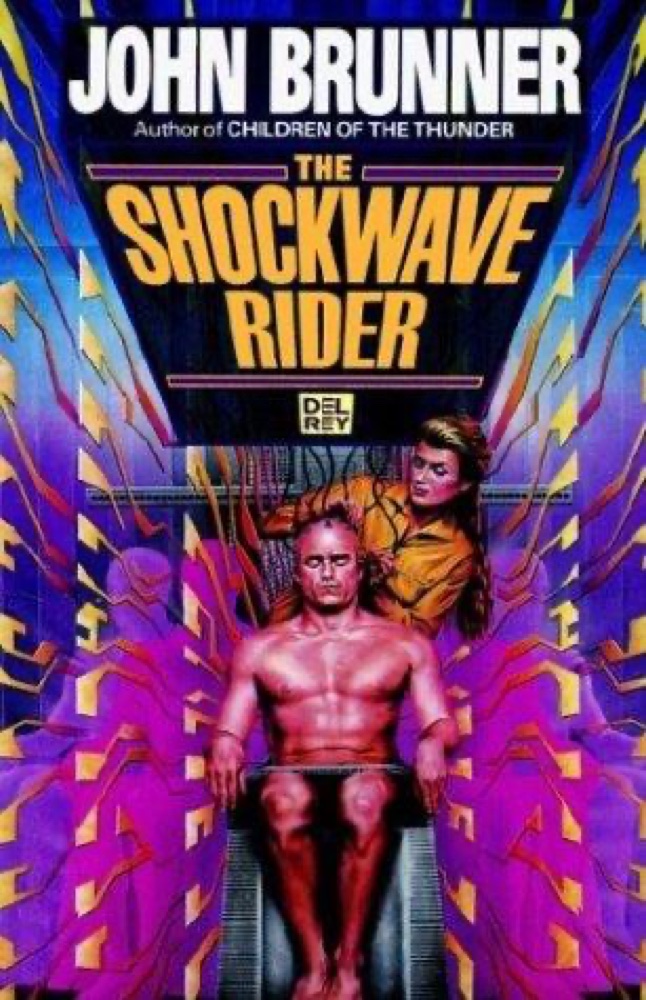 The Shockwave Rider
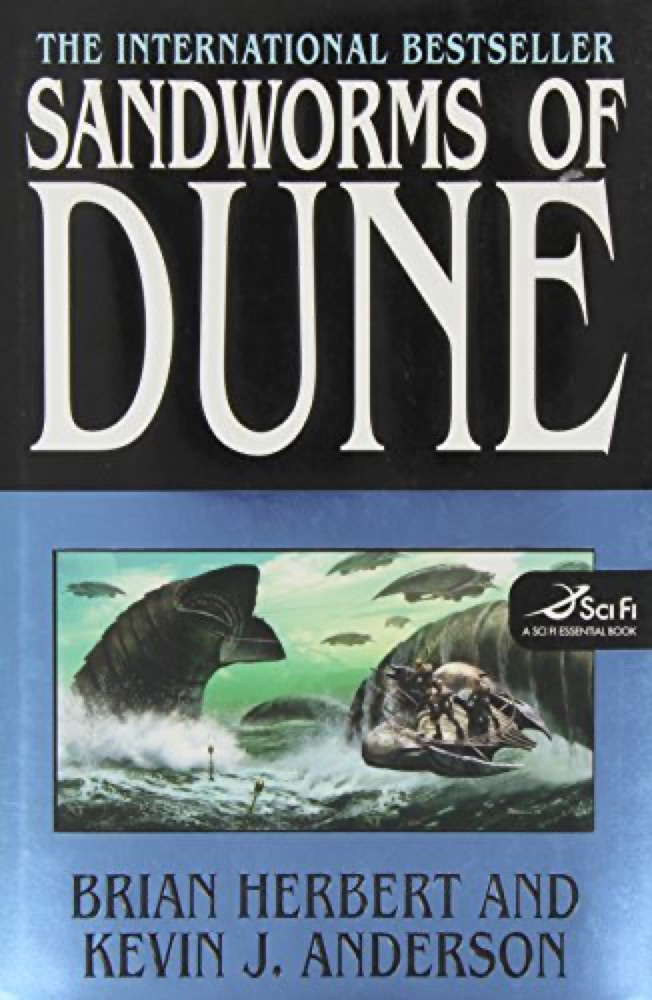 Sandworms of Dune
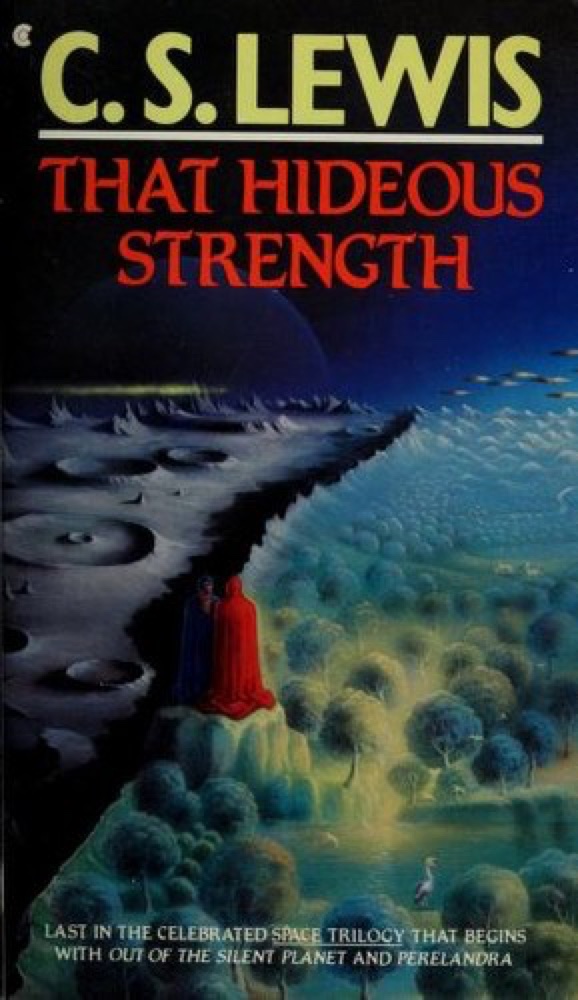 That Hideous Strength
 Daniel Deronda
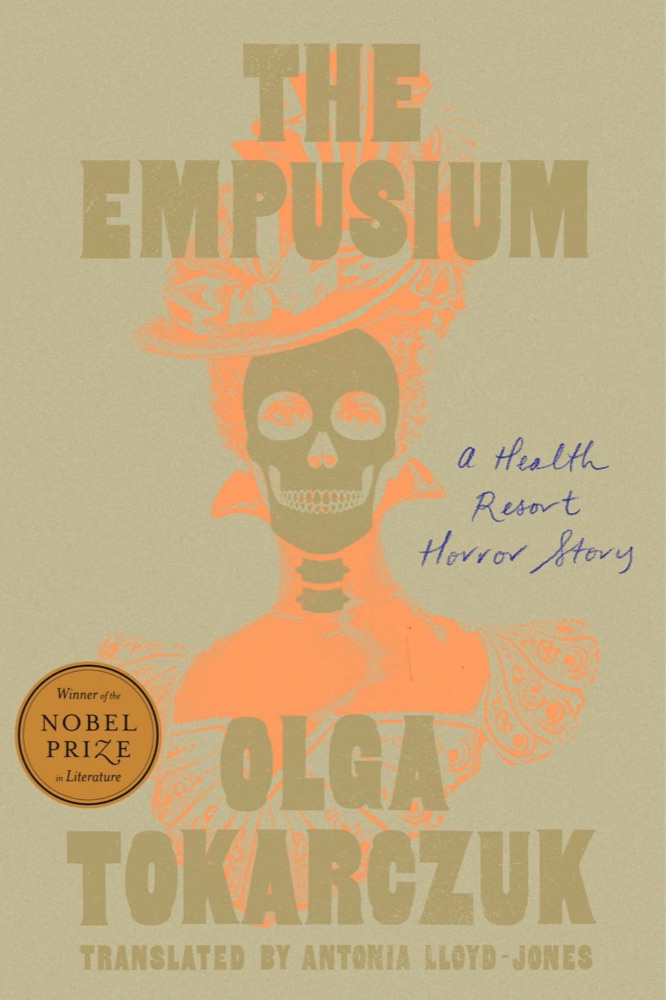 The Empusium
 The Fall of Babel
 A Sudden Light
 The Boy on the Bridge
 The Lost World
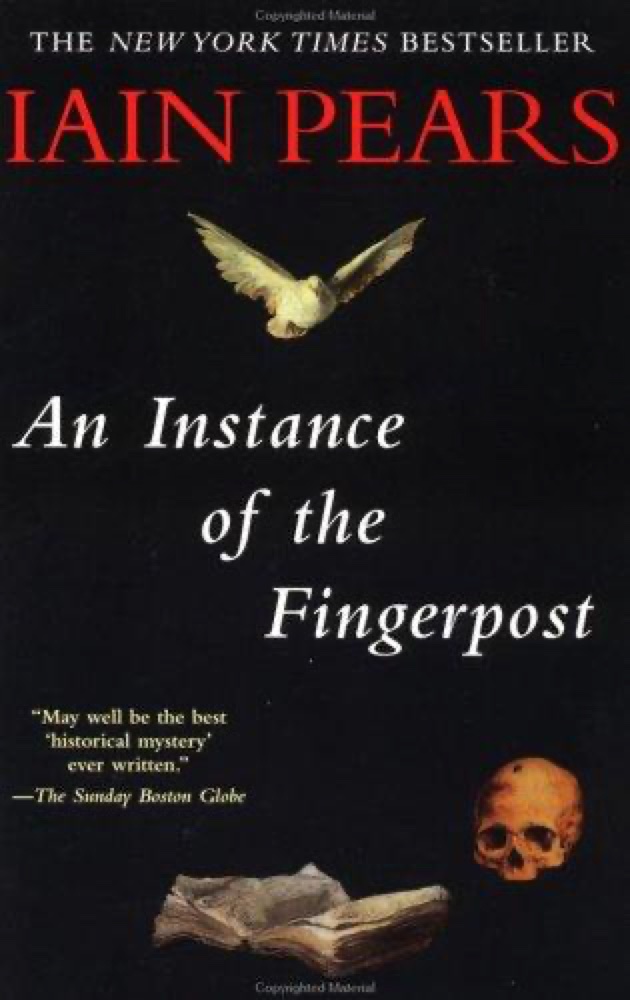 An Instance of the Fingerpost
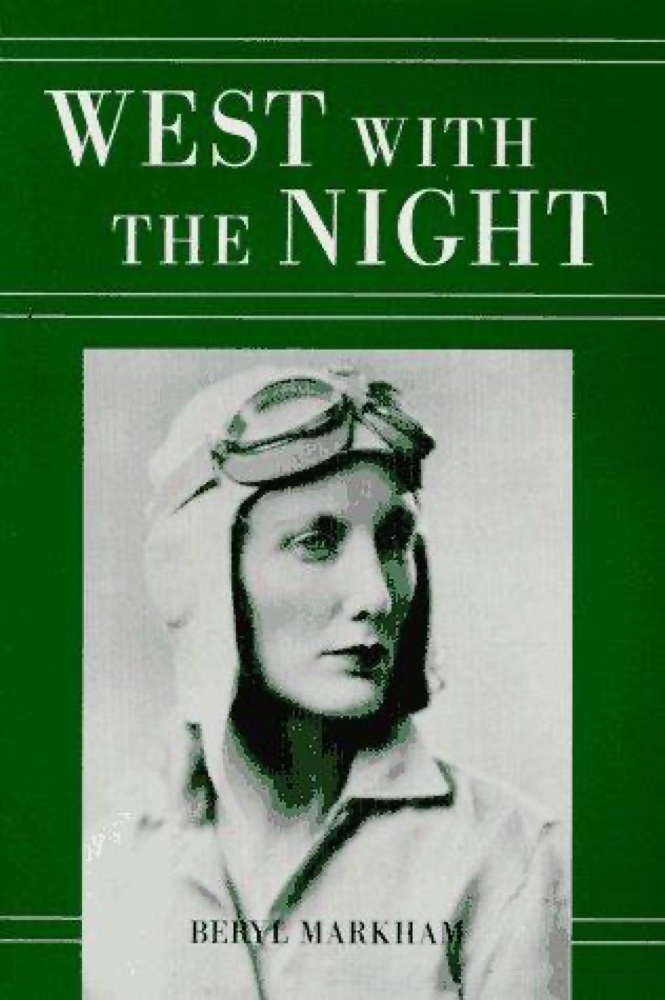 West with the Night
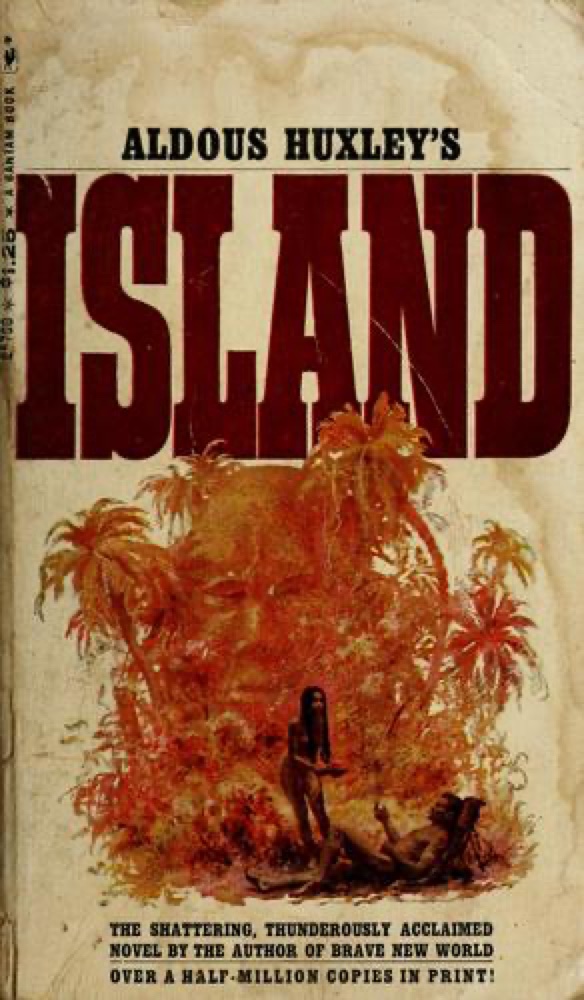 Island
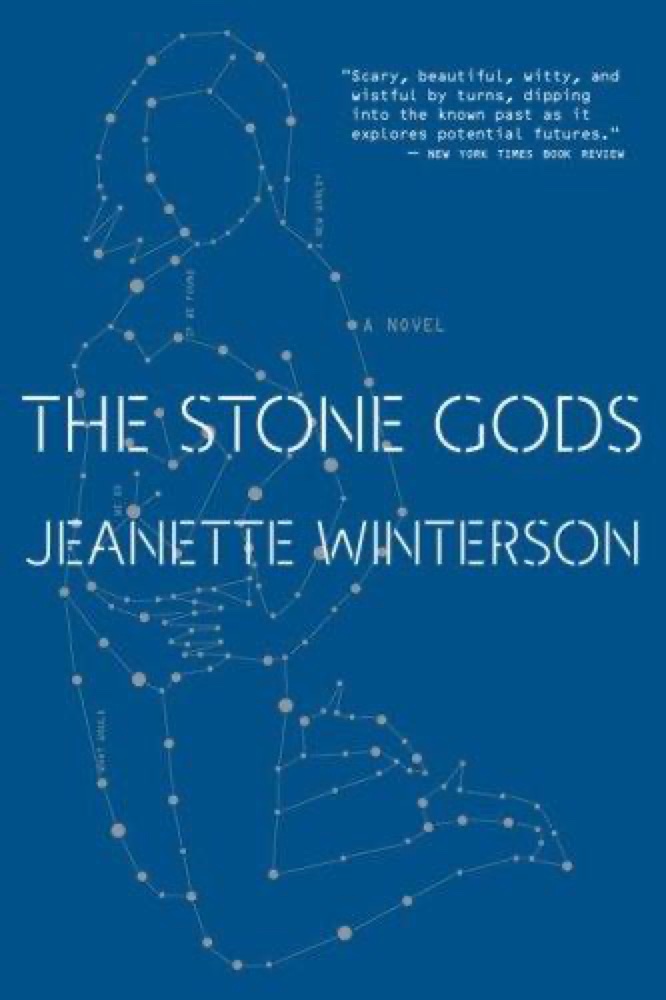 The Stone Gods
 The Fifth Science
 The Resistance
 The Golden Compass
 The Name of the Rose
 The Story of B: An Adventure of the Mind and Spirit
 The Tao of Wu
 The Ground Beneath Her Feet
 The Essays of Ralph Waldo Emerson
 Two Years Eight Months and Twenty-Eight Nights
 Hyperion