
 But What If We're Wrong? Thinking About the Present As If It Were the Past
Quotes from the Book
These are dangerous times. Never have so many people had so much access to so much knowledge and yet have been so resistant to learning anything
21
No, the bigger problem is that we’re proud of not knowing things. Americans have reached a point where ignorance, especially of anything related to public policy, is an actual virtue. To reject the advice of experts is to assert autonomy, a way for Americans to insulate their increasingly fragile egos from ever being told they’re wrong about anything.
18
Of course, there’s also the basic problem that some people just aren’t very bright. And as we’ll see, the people who are the most certain about being right tend to be the people with the least reason to have such self-confidence.
14
At the root of all this is an inability among laypeople to understand that experts being wrong on occasion about certain issues is not the same thing as experts being wrong consistently on everything. The fact of the matter is that experts are more often right than wrong, especially on essential matters of fact. And yet the public constantly searches for the loopholes in expert knowledge that will allow them to disregard all expert advice they don’t like. In
10
if college graduates can no longer be counted on to lead reasoned debate and discussion in American life, and to know the difference between knowledge and feeling, then we’re indeed in the kind of deep trouble no expert can fix.
9
Accessing the Internet can actually make people dumber than if they had never engaged a subject at all. The very act of searching for information makes people think they’ve learned something, when in fact they’re more likely to be immersed in yet more data they do not understand. This happens because after enough time surfing, people no longer can distinguish between things that may have flashed before their eyes and things they actually know. Seeing words on a screen is not the same as reading or understanding them.
7
It is a new Declaration of Independence: No longer do we hold these truths to be self-evident, we hold all truths to be self-evident, even the ones that aren’t true. All things are knowable and every opinion on any subject is as good as any other.
7
When feelings matter more than rationality or facts, education is a doomed enterprise. Emotion
7
the bigger problem is that we’re proud of not knowing things. Americans have reached a point where ignorance, especially of anything related to public policy, is an actual virtue. To reject the advice of experts is to assert autonomy, a way for Americans to insulate their increasingly fragile egos from ever being told they’re wrong about anything
6
More important and more relevant to the death of expertise, however, is that conspiracy theories are deeply attractive to people who have a hard time making sense of a complicated world and who have no patience for less dramatic explanations. Such theories also appeal to a strong streak of narcissism: there are people who would choose to believe in complicated nonsense rather than accept that their own circumstances are incomprehensible, the result of issues beyond their intellectual capacity to understand, or even their own fault.
6
We no longer have those principled and informed arguments. The foundational knowledge of the average American is now so low that it has crashed through the floor of “uninformed,” passed “misinformed” on the way down, and is now plummeting to “aggressively wrong.” People don’t just believe dumb things; they actively resist further learning rather than let go of those beliefs.
5
Anti-intellectualism is itself a means of short-circuiting democracy, because a stable democracy in any culture relies on the public actually understanding the implications of its own choices.
5
As it turns out, however, the more specific reason that unskilled or incompetent people overestimate their abilities far more than others is because they lack a key skill called “metacognition.” This is the ability to know when you’re not good at something by stepping back, looking at what you’re doing, and then realizing that you’re doing it wrong.
5
Never have so many people had access to so much knowledge, and yet been so resistant to learning anything
4
The growth of this kind of stubborn ignorance in the midst of the Information Age cannot be explained away as merely the result of rank ignorance. Many of the people who campaign against established knowledge are otherwise adept and successful in their daily lives. In some ways, it is all worse than ignorance: it is unfounded arrogance, the outrage of an increasingly narcissistic culture that cannot endure even the slightest hint of inequality of any kind.
4
But science is a process, not a conclusion. Science subjects itself to constant testing by a set of careful rules under which theories can only be displaced by better theories.
4
The death of expertise is not just a rejection of existing knowledge. It is fundamentally a rejection of science and dispassionate rationality, which are the foundations of modern civilization.
4
Most causes of ignorance can be overcome, if people are willing to learn. Nothing, however, can overcome the toxic confluence of arrogance, narcissism, and cynicism that Americans now wear like full suit of armor against the efforts of experts and professionals.
4
The modern media, with so many options tailored to particular views, is a huge exercise in confirmation bias. This means that Americans are not just poorly informed, they’re misinformed.
4
There is a cult of ignorance in the United States, and there always has been. The strain of anti-intellectualism has been a constant thread winding its way through our political and cultural life, nurtured by the false notion that democracy means that “my ignorance is just as good as your knowledge.” Isaac Asimov
4
Americans no longer distinguish the phrase “you’re wrong” from the phrase “you’re stupid.” To disagree is to disrespect. To correct another is to insult. And to refuse to acknowledge all views as worthy of consideration, no matter how fantastic or inane they are, is to be closed-minded. The
4
We are supposed to “agree to disagree,” a phrase now used indiscriminately as little more than a conversational fire extinguisher. And if we insist that not everything is a matter of opinion, that some things are right and others are wrong … well, then we’re just being jerks, apparently. It
4
Too often, those who denigrate the liberal arts are in reality advocating for nothing less than turning colleges into trade schools. Art history majors always take the cheap shots here, even though many people don’t realize that a lot of art history majors go on to some pretty lucrative careers. In any case, I don’t want to live in a civilization where there are no art history majors or, for that matter, film studies, philosophy, or sociology majors.
3
Americans now believe that having equal rights in a political system also means that each person’s opinion about anything must be accepted as equal to anyone else’s.
3
The relationship between experts and citizens is not “democratic.” All people are not, and can never be, equally talented or intelligent. Democratic societies, however, are always tempted to this resentful insistence on equality, which becomes oppressive ignorance if given its head.
3
Worse, what I find so striking today is not that people dismiss expertise, but that they do so with such frequency, on so many issues, and with such anger. Again, it may be that attacks on expertise are more obvious due to the ubiquity of the Internet, the undisciplined nature of conversation on social media, or the demands of the twenty-four-hour news cycle. But there is a self-righteousness and fury to this new rejection of expertise that suggest, at least to me, that this isn’t just mistrust or questioning or the pursuit of alternatives: it is narcissism, coupled to a disdain for expertise as some sort of exercise in self-actualization. This
3
The Dunning-Kruger Effect, in sum, means that the dumber you are, the more confident you are that you’re not actually dumb.
2
Maybe conversations and arguments fail because one—or both—of the parties is just stupid. These are fighting words. No one likes to be called stupid: it’s a judgmental, harsh word that implies not only a lack of intelligence, but a willful ignorance almost to the point of moral failure. (I have used it, more than I should. So have you, most likely.)
2
Plugging words into a browser window isn't research: it's asking questions of programmable machines that themselves cannot actually understand human beings.
2
Watch on YouTube
About Thomas M. Nichols
We have collected 29 quotes from 1 book by Thomas M. Nichols on BookQuoters.
More about the author →About the book
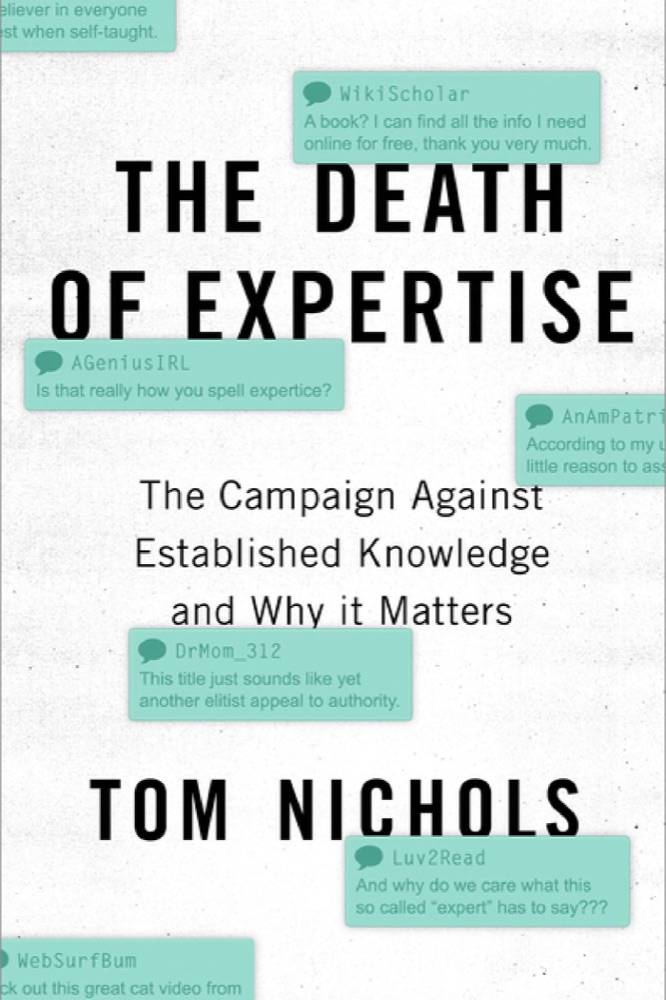
The rise of the internet and other technology has made information more easily-accessible than ever before. While this has had the positive effect of equalizing access to knowledge, it also has lowered the bar on what depth of knowledge is required to consider oneself an "expert." A cult of anti-expertise sentiment has coincided with anti-intellectualism, resulting in massively viral yet poorly informed debates ranging from the anti-vaccination movement to attacks on GMOs. This surge in intellectual egalitarianism has altered the landscape of debates-all voices are equal, and "fact" is a subjective term. Browsing WebMD puts one on equal footing with doctors, and Wikipedia allows all to be foreign policy experts, scientists, and more. As Tom Nichols shows in The Death of Expertise, there are a number of reasons why this has occurred-ranging from easy access to Internet search engines to a
Book details
- First published
- 2017
- Author
- Thomas M. Nichols
- Genre
- Nonfiction
- Goodreads rating
- 3.82 (10k ratings)
Keep reading
But What If We're Wrong? Thinking About the Present As If It Were the Past
 Parasitic Mind: How Infectious Ideas Are Killing Common Sense
 You Are Now Less Dumb: How to Conquer Mob Mentality, How to Buy Happiness, and All the Other Ways to Outsmart Yourself
 What's Our Problem?: A Self-Help Book for Societies
 Think Again: The Power of Knowing What You Don't Know
 The Meaning of It All: Thoughts of a Citizen-Scientist
 You Are Not So Smart
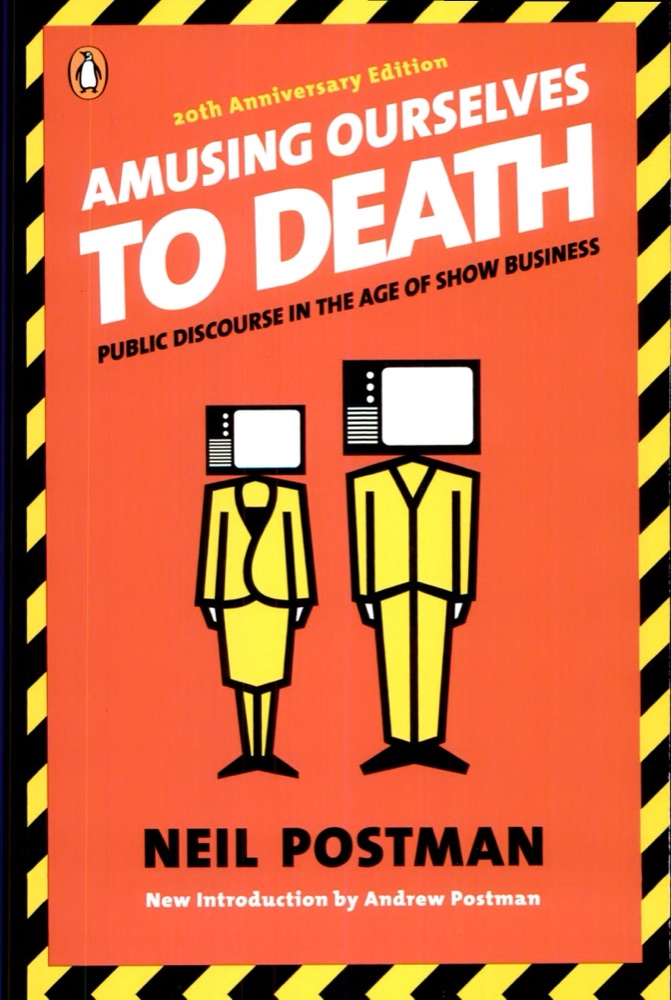 Amusing Ourselves to Death: Public Discourse in the Age of Show Business
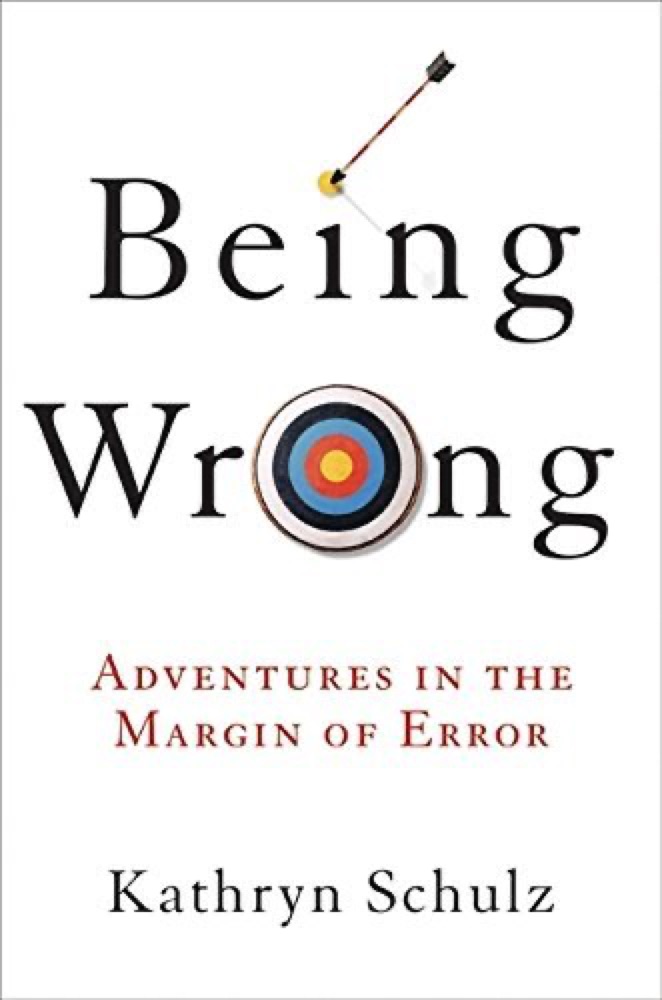 Being Wrong: Adventures in the Margin of Error
 Curious: The Desire to Know and Why Your Future Depends On It
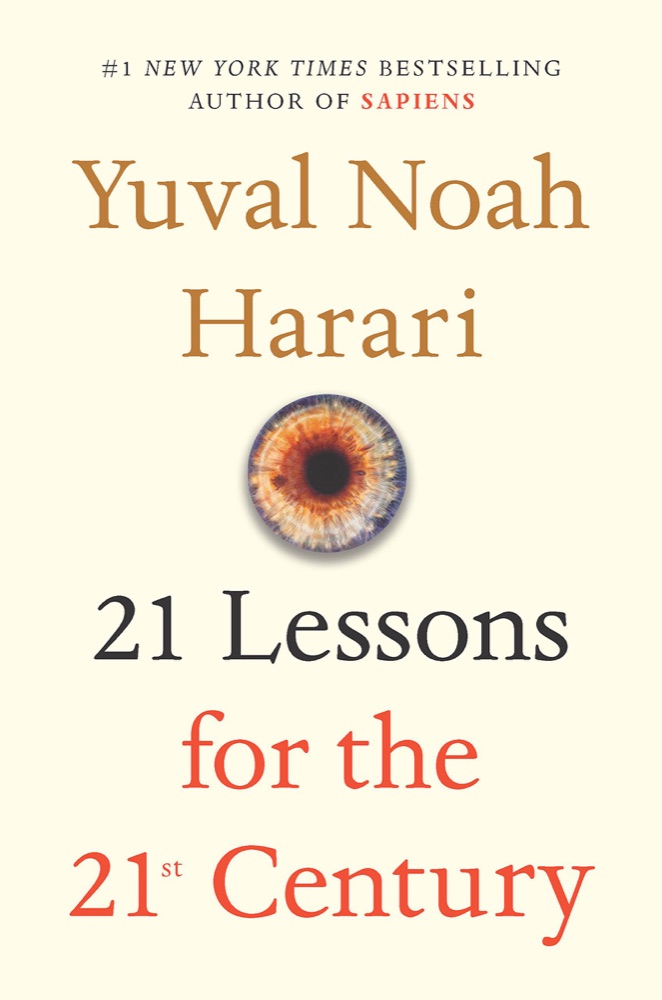 21 Lessons for the 21st Century
 Understanding Power: The Indispensable Chomsky
 The Demon-Haunted World: Science as a Candle in the Dark
 Rationality: From AI to Zombies
 The Influencing Machine: Brooke Gladstone on the Media
 The Age of Magical Overthinking: Notes on Modern Irrationality
 Mistakes Were Made (But Not by Me): Why We Justify Foolish Beliefs, Bad Decisions, and Hurtful Acts
 The Closing of the American Mind
 The View From Flyover Country: Essays by Sarah Kendzior
 What Do You Care What Other People Think?
 Misbelief: What Makes Rational People Believe Irrational Things
 Technopoly: The Surrender of Culture to Technology
 Black Box Thinking: Why Some People Never Learn from Their Mistakes - But Some Do
 The Art of Thinking Clearly
 The Lost World
 The Black Swan: The Impact of the Highly Improbable
 Genesis
 Brave New World Revisited
 Enlightenment Now: The Case for Reason, Science, Humanism, and Progress
 Walden Two
 Against Method
 Bad Science
 The Madness of Crowds: Gender, Race and Identity
 Letters to a Young Contrarian
 Superforecasting: The Art and Science of Prediction
 The Blank Slate: The Modern Denial of Human Nature
 Eating the Dinosaur
 Think Like a Freak
 Alchemy: The Surprising Power of Ideas That Don't Make Sense
 God's Debris: A Thought Experiment
 Humankind: A Hopeful History
 Starry Messenger: Cosmic Perspectives on Civilization
 Behold a Pale Horse
 State of Fear
 The Undoing Project: A Friendship That Changed Our Minds
 Empire of Illusion: The End of Literacy and the Triumph of Spectacle
 Only Human
 The Coddling of the American Mind: How Good Intentions and Bad Ideas Are Setting up a Generation for Failure
 Science and Sanity: An Introduction to Non-Aristotelian Systems and General Semantics
 Merchants of Doubt: How a Handful of Scientists Obscured the Truth on Issues from Tobacco Smoke to Global Warming
 The Shockwave Rider
 Antifragile: Things That Gain from Disorder
 Echopraxia
 You Are Not a Gadget
 The Elephant in the Brain: Hidden Motives in Everyday Life
 Anti-Intellectualism in American Life
 What Unites Us: Reflections on Patriotism
 The Evolution of Everything: How New Ideas Emerge
 Fooled by Randomness: The Hidden Role of Chance in Life and in the Markets