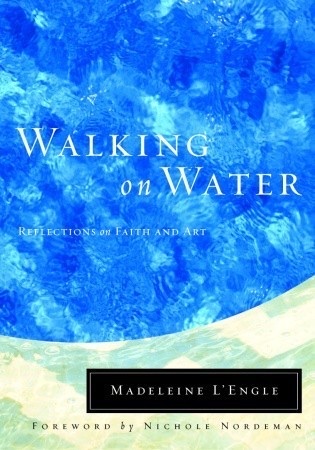
 Walking on Water: Reflections on Faith and Art
Quotes from the Book
When I look at the old painter’s reimagining of the scene, to my eye he doesn’t seem to want to show us the spectacle of the temple when Simeon held Jesus, or what he can do with it as a painter. After a life filled with suffering and sorrow, he just seems to want to hold Jesus.
2
Louis Évely wrote, “A tortured heart committed to the Father is the most living image of the Redeemer.”32 To suffer well is not to have our faith shattered but rather to have it strengthened because, through it, the object of our confidence becomes clearer and more focused. The blessing of suffering is that it strips away any pretense of not needing God or others. It frees us from “this exhausting comedy”33 of having to pretend that we’re fine on our own.
2
Art shows us back to ourselves, and the best art doesn’t flinch or look away. Rather, it acknowledges the complexity of struggles like poverty, weariness, and grief while defiantly holding forth beauty—reminding us that beauty is both scarce and everywhere we look.
2
it is far too easy to perceive our suffering as a kind of failure in life rather than as a means of grace—as an obstacle to get over and around as quickly as possible rather than as an occasion for the broken beauty of Christ to be slowly but surely formed in us.
2
Frederick Buechner once wrote: “Here is the world. Beautiful and terrible things will happen. Don’t be afraid.
1
Norman Rockwell reminds us that in those same tenement houses are also many homes in which the safe return of a soldier son—insignificant droplet in the military ocean—sets off an explosion of a joy magnificent in its power and purity.
1
The kind of thing I like to do, I know it isn’t the highest form of art. There’s no doubt in the world about that, and I know it better than anybody else. I love to tell stories in pictures—the story is the first thing and the last thing. That isn’t what a fine art man goes for, but I go for it, and I just love to do it that way.
1
G. K. Chesterton said of fairy tales that they “do not give the child the idea of the evil or the ugly; that is in the child already, because it is in the world already. Fairy tales do not give the child his first idea of the bogey. What fairy tales give the child is his first clear idea of the possible defeat of the bogey.
1
Find an artist you connect with and then pay attention to them for the rest of your life. Read articles and books about them. Go visit them in museums. When you do, they will introduce you to their friends and mentors—the others hanging beside them in the gallery and the artists they mention in the descriptions on the wall beside the paintings, some of whom may be just down the hall themselves. Soon you’ll get to know their colleagues and heroes too. Do this, and you won’t just get to know their art; you’ll get to know them.
1
Think about the physiology of growing old. If the Lord grants us many years, the way to eternal glory will include the dimming of our vision, the slowing of our bodies, the dulling of our minds, and the diminishing of our appetites. It’s a path that requires us to loosen our grip on this world, preparing us to leave it before we leave it. Is this not mercy? (p. 136).
The goal of suffering well is to move us not only beyond the stick figures, but also from a place of pride to one of intimacy and familiarity with our Lord. It is to move us not from crude to eloquent, but from unfamiliar to intimate. This is why we practice spiritual disciplines (p. 50).
Our sorrows are ultimately hallowed by the One who enters fully into the painful stories of our own lives in order to show us that our suffering matters, while also becoming the place from which the Spirit enables us to become agents of God’s healing grace to those who find themselves lost and alone in their griefs (p. xi)
What comes out of this life is his business, but what I do will never be what makes me who I am. Because this is so, when suffering comes, it doesn’t have the power to unravel God’s design. Instead, the suffering becomes part of the fabric (p. 155).
They remind us not just that this world can wound us, but that wounds can heal. They remind us to hope (p. 10)
I do not want to simply endure the afflictions that come my way; I want to look for God in them. I want to experience them. I sat down with Jimmy Abegg in his studio to talk about this. He said, “I can’t see the future. I’m not a prophet, but I can see God moving, and as a result of that, something new is going on in me. I don’t know what glory is, but I might be in the front door right now, you know. I mean it’s so incredible. I am able to observe how special things are. Even you being here in my studio with me right now.”31 As he said this, he leaned in close to my face until we were eye to eye, almost nose to nose. As he moved toward me, he said, “I’ll tell you when I can see you. I have to get eight inches from you to see your eyes. I don’t look at this as a hardship now. I see it as an opportunity to connect.” As he leaned in, I thought about how when I first saw Jimmy, he was a stranger a hundred yards away on a stage. Now I was in his home, and he was less than a foot from my face, and my friend.
When I was young, I thought my spiritual life would unfold as a plane ascending ever upward to some greater station of maturity with an ever-deepening faith. I would make mistakes and learn from them. I would gather information I lacked and move forward with an understanding of what to do and how to be. I would read my Bible and pray, and the God on the other side would come to life in greater definition and power. I thought the same would be true of my vocational life. I would find a role someplace where I was able to contribute, grow in experience and skill, and eventually rise to some level of mastery that would bring opportunity, satisfaction, and maybe, after thirty years, a gold watch. Spiritually and vocationally—if I was faithful, I thought—I would be able to look back and see a straight line, more or less, leading me from there to here. Ever upward, fairly clean. I also thought my spiritual and vocational journeys would run on parallel tracks—near each other, but separate. Then affliction hit—the kind that would require me to release my hold on this world. After that, loss—the kind that would take from me people and things I never expected to lose. And after that, grief that would circle back in the most unexpected ways at the most unexpected times until I began to realize that the God I had put my faith in when I was younger wasn’t who I thought he was. It wasn’t that I felt he wasn’t real or that he had somehow failed me. No, the unraveling I experienced seemed to prove to me more than ever just how real, good, and loving he was. But he wasn’t who I thought he was. He was more. So much more. When I was young, I thought my life would be about what I could accomplish—the good I could do in the world. But when affliction came, I felt like I was watching my vocational and spiritual life merge into one thing. Since then, I’ve come to believe they’ve always been one, never separate. Who I am to God is who I am. What comes out of this life is his business, but what I do will never be what makes me who I am. Because this is so, when suffering comes, it doesn’t have the power to unravel God’s design. Instead, the suffering becomes part of the fabric.
I am not who I was twenty years ago. Neither are you. We change, and the world changes too. Will you allow yourself the freedom to change your perspective on this world? On yourself? On your complicity with injustice? Rockwell’s body of work unfolded as history revealed new insights into what was happening around him. And inside of him. He said, “For 47 years, I portrayed the best of all possible worlds—grandfathers, puppy dogs—things like that. That kind of stuff is dead now, and I think it’s about time.”27 Rockwell knew he had changed, and the world with him. He learned as he went and showed America back to us. Beautiful and terrible things happen all around us. And in us. Long to know the story, and as you learn it, tell the truth.
Jenna Varner said Murder in Mississippi, also known as Southern Justice (which was the name of the article the painting accompanied), “received a great deal of animosity after Look published the piece, due in part by the ‘un-American’ values it portrayed. But wasn’t that a key factor in the 1960s? Wasn’t Rockwell, in fact, continuing to represent America’s values during this time by bringing the realities to America’s doorsteps? . . . [Rockwell] took the horrors that everyone was talking about that had been taking place in the South and presented them in a visual format.
So when the stories of Emmett Till, a black teenager who was brutally lynched and whose mother insisted on an open-casket funeral so the world would be compelled to see what racial hatred did to her son, and Brown v. the Board of Education (1954), an early initiative to desegregate schools to create a more equitable education and future for black students, appeared in the paper that same year, Rockwell paid attention. This was, after all, his America, and he was one of her illustrators.
All his life, Simeon hoped he would catch a glimpse of the Christ, but God had something better in mind. Simeon got to hold him. He took the boy in his arms and sang a song of praise: O Lord, my God! Father of all blessing and honor and praise, you have been so good to your servant. I hold in my arms your salvation, which you have prepared in the presence of a dark but watching world. He will be the light by which the Gentiles will see you and come to know you, and the light by which your people Israel will again see the glory of how you have loved them with a love that has not let them go. O great and glorious King, Shepherd of my soul, Captain of my guard, I have kept my post. I have not turned my eyes from the horizon because you have promised that your Messiah would come on my watch. I have seen him. I have held him. Now let your servant go in peace. Honorably retire your watchman, O great and glorious King, and bring me home.
Helga Kuenzel wrote, “Numerous students now flocked to Rembrandt’s studio, but in fact the painter had been taking pupils since he was twenty and must have been an outstandingly good teacher, because he knew how to develop the individual talents of each student without oppressing or stifling him with his own genius.
German art historian Wilhelm von Bode quipped, “Rembrandt painted about 700 pictures in his lifetime. Of these, 3,000 are still in existence.
No one ever told me that grief felt so like fear. I am not afraid, but the sensation is like being afraid. The same fluttering in the stomach, the same restlessness, the yawning. I keep on swallowing. At other times it feels like being mildly drunk, or concussed. There is a sort of invisible blanket between the world and me. I find it hard to take in what anyone says. Or perhaps, hard to want to take it in. It is so uninteresting. Yet I want the others to be about me. I dread the moments when the house is empty. If only they would talk to one another and not to me.
We spend our lives collecting stories. As people made in the image of our Creator, we are, by nature, creative beings. We have an eye for detail. We are not mere collectors of data, nor are we mere appliers of lessons. We gather stories and use them to make sense of the world.
is far too easy to perceive our suffering as a kind of failure in life rather than as a means of grace—as an obstacle to get over and around as quickly as possible rather than as an occasion for the broken beauty of Christ to be slowly but surely formed in us.
Did you know?
- The book is a companion to Russ Ramsey's earlier book Rembrandt Is in the Wind: Learning to Love Art through the Eyes of Faith.
- Its chapters profile artists including Vincent van Gogh, Leonardo da Vinci, Rembrandt, Artemisia Gentileschi, J.M.W. Turner, Norman Rockwell, Paul Gauguin, and Edgar Degas.
- Ramsey, the author, is the lead pastor of Christ Presbyterian Church's Cool Springs location in the Nashville area.
- The audiobook edition is narrated by Kaleo Griffith.
- The book was published by Zondervan in October 2024.
Watch on YouTube
About Russ Ramsey
Russ Ramsey is an author and pastor with a passion for uniting art and faith. He has served in vocational ministry for more than twenty years and is the lead pastor of Christ Presbyterian Church's Cool Springs location, and he previously wrote Rembrandt Is in the Wind.
More about the author →About the book
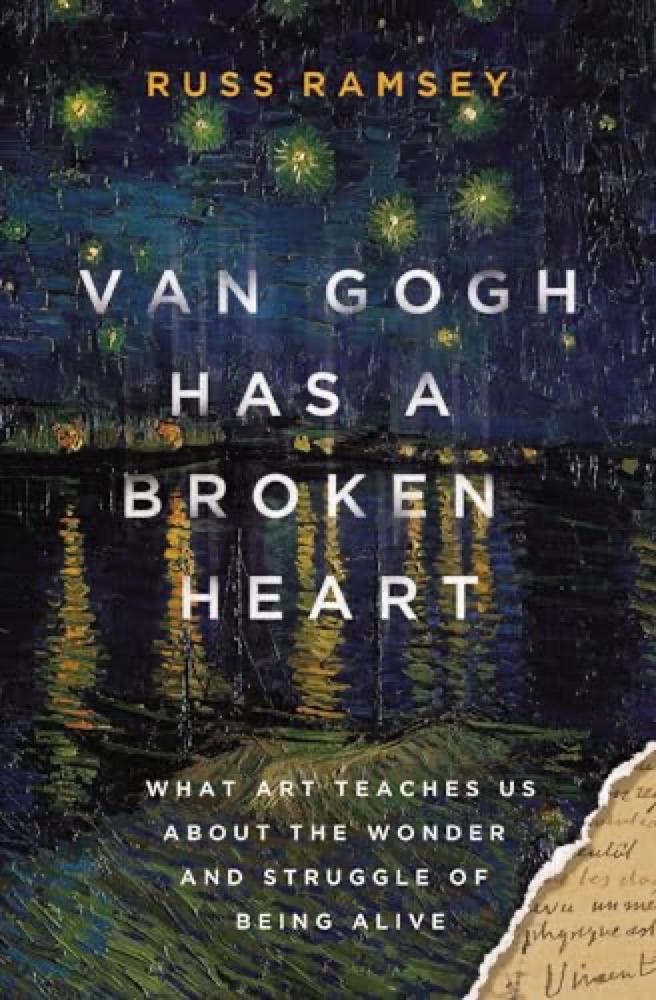
In Van Gogh Has a Broken Heart, pastor and author Russ Ramsey turns to the lives and masterpieces of great visual artists to explore what art can teach us about being human. Across a series of chapters, he tells the stories of figures such as Vincent van Gogh, Leonardo da Vinci, Rembrandt, Artemisia Gentileschi, J.M.W. Turner, the painters of the Hudson River School, Norman Rockwell, Paul Gauguin, and Edgar Degas, mining their work and biographies for insight into beauty, suffering, and meaning.
The book is organized around the tension between wonder and struggle that runs through both art and ordinary life. Ramsey writes for newcomers to art as well as longtime students of art history, connecting the brokenness and longing in these artists' stories to questions of faith, grief, change, and resilience, and inviting readers to hold sorrow and transcendent beauty together rather than choosing between them.
A companion to Ramsey's earlier Rembrandt Is in the Wind, the book was published by Zondervan in 2024 and drew positive notice for its accessible, pastoral approach to art appreciation. Reviewers praised Ramsey's generous curiosity and storytelling, while some art historians noted that its devotional framing favors human connection over deep historical analysis. It was also released as an audiobook narrated by Kaleo Griffith.
Book details
- First published
- 2024
- Length
- 244 pages
- Reading time
- 4 hours
- Author
- Russ Ramsey
- Genre
- Nonfiction
- Goodreads rating
- 4.29 (2k ratings)
Critical reception
- Reviewed in Current by Elissa Yukiko Weichbrodt, who praised Ramsey's pastoral, humanizing approach while noting it favors human connection over deep art-historical context.
- The audiobook, narrated by Kaleo Griffith, was reviewed by AudioFile Magazine, which highlighted its balance of journalistic flair and storytelling.
- Reviewers generally praised the book for making art accessible to newcomers while remaining rewarding for longtime art lovers.
The buzz
- CurrentVan Gogh Might Break Your Heart Too2024Art historian Elissa Yukiko Weichbrodt weighs Ramsey's pastoral approach to art.
- AudioFile MagazineVan Gogh Has a Broken Heart by Russ Ramsey, Read by Kaleo Griffith2024Review of the audiobook narration and storytelling.
If you liked this, read…
- 1Rembrandt Is in the WindRamsey's earlier companion book on loving art through the eyes of faith.
Keep reading
Walking on Water: Reflections on Faith and Art
 The Gift of Asher Lev
 Jayber Crow
 Adorning the Dark: Thoughts on Community, Calling, and the Mystery of Making
 The Museum of Modern Love
 Art as Therapy
 The Seven Storey Mountain
 The Three-Cornered World
 The Artist's Way
 The God Who Weeps: How Mormonism Makes Sense of Life
 The Goldfinch
 Tattoos on the Heart: The Power of Boundless Compassion
 Stitches: A Handbook on Meaning, Hope, and Repair
 In Search of Lost Time
 The Letters of Vincent van Gogh
 These Precious Days: Essays
 Faith, Hope and Carnage
 All the Beauty in the World: The Metropolitan Museum of Art and Me
 Knife: Meditations After an Attempted Murder
 A Soldier of the Great War
 Of Mess and Moxie: Wrangling Delight Out of This Wild and Glorious Life
 No Man Is an Island
 The Book of Awakening: Having the Life You Want by Being Present to the Life You Have
 Waking the Dead: The Glory of a Heart Fully Alive
 The Color of Everything: A Journey to Quiet the Chaos Within
 Kitchen Table Wisdom: Stories that Heal
 Hallelujah Anyway: Rediscovering Mercy
 The Etched City
 Notes From The Tilt-A-Whirl: Wide-Eyed Wonder in God's Spoken World
 WayMaker: Finding the Way to the Life You’ve Always Dreamed Of
 The Sea Keeper's Daughters
 The Lincoln Highway
 Somewhere Towards the End
 The High Mountains of Portugal
 Pure Colour
 Reflections on the Psalms
 Prayer in the Night: For Those Who Work or Watch or Weep
 A Sudden Light
 This Here Flesh: Spirituality, Liberation, and the Stories That Make Us
 Things in Nature Merely Grow
 The Cloister Walk
 Mystery and Manners: Occasional Prose
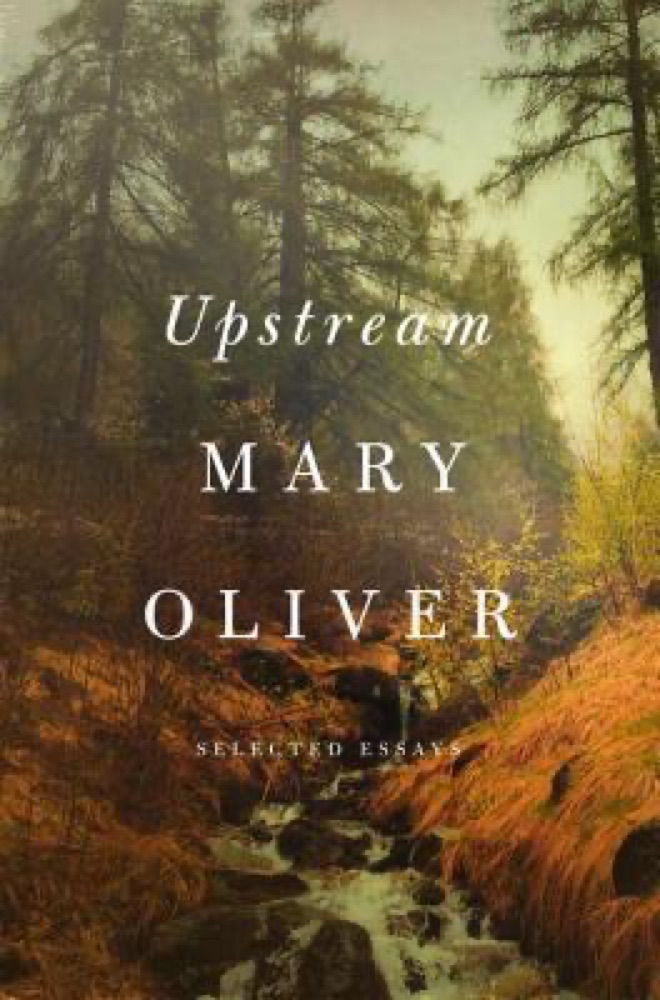 Upstream: Selected Essays
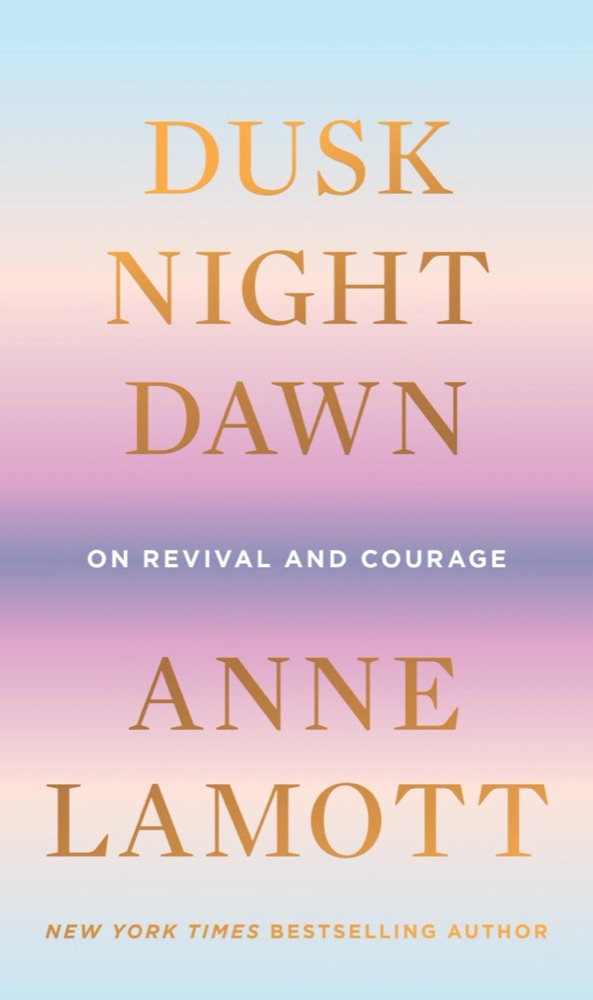 Dusk, Night, Dawn: On Revival and Courage
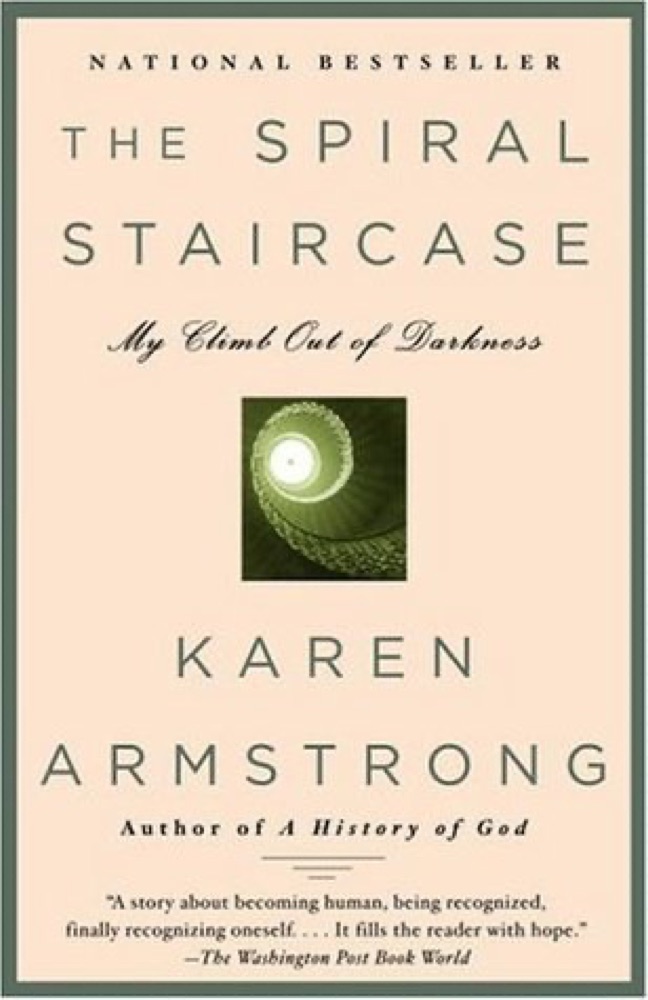 The Spiral Staircase: My Climb Out of Darkness
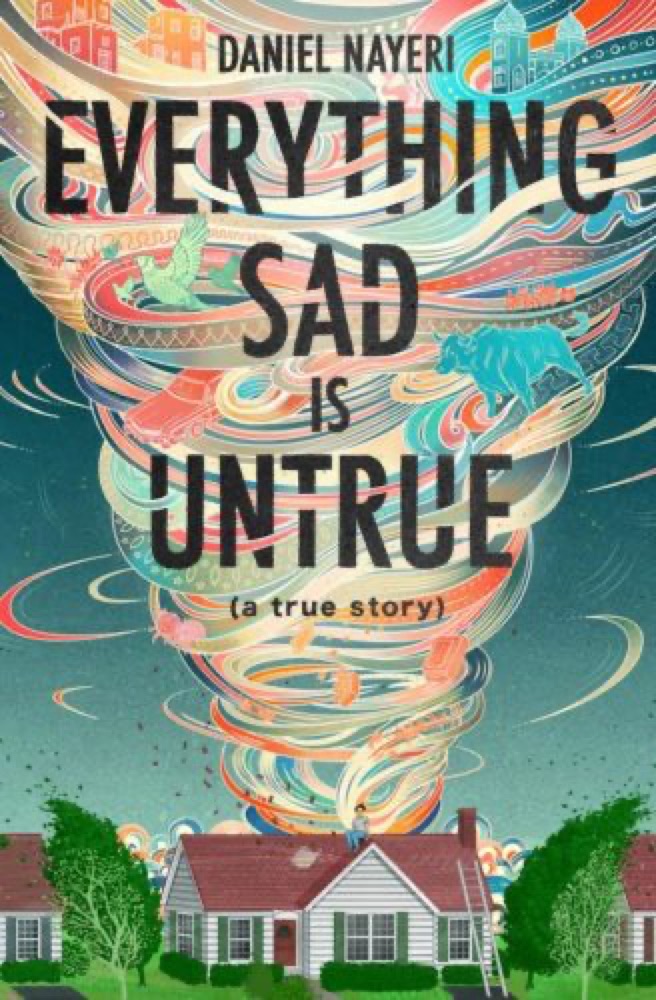 Everything Sad Is Untrue
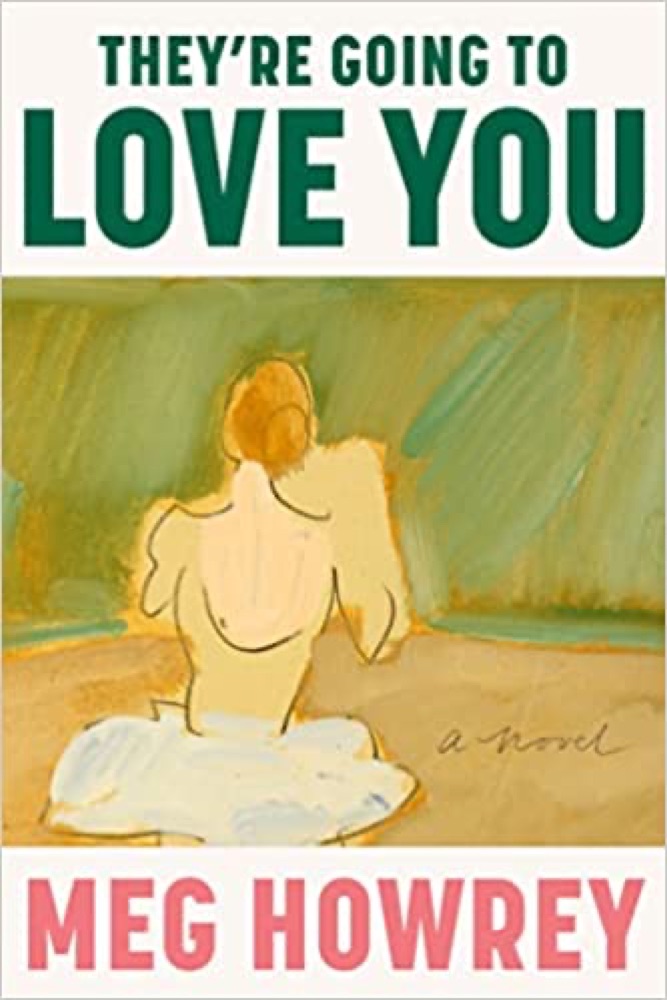 They're Going to Love You
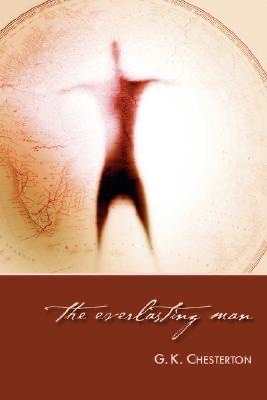 The Everlasting Man
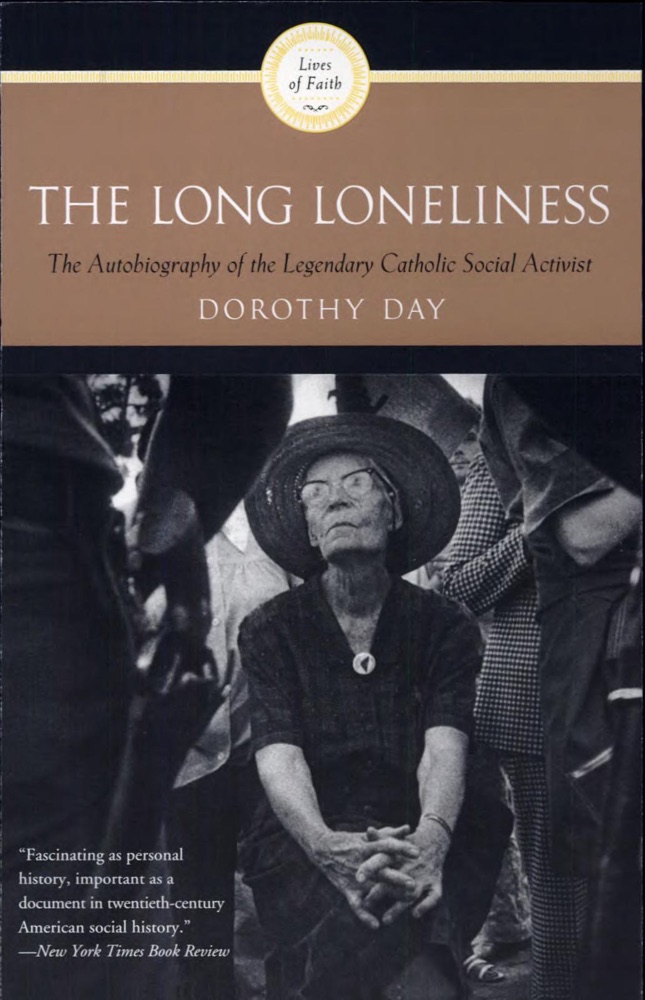 The Long Loneliness: The Autobiography of the Legendary Catholic Social Activist ― A Memoir about the Worker Movement and Spiritual Conversion
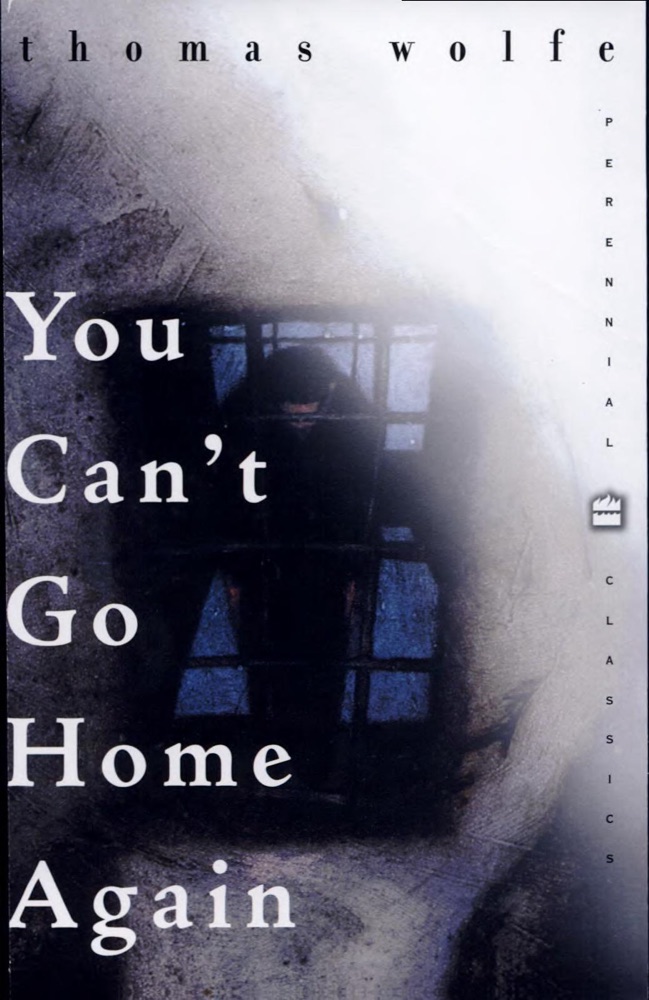 You Can't Go Home Again
 The Zahir
 Becoming Wise: An Inquiry into the Mystery and Art of Living
 Letters and Papers from Prison
 Children of God
 Born to Run
 The Agony and the Ecstasy
 Wholehearted Faith
 The Wounded Healer
 The Source of Self-Regard: Selected Essays, Speeches, and Meditations