 Experience and Education
Quotes from the Book
Like the soil, mind is fertilized while it lies fallow, until a new burst of bloom ensues.
25
Every art communicates because it expresses. It enables us to share vividly and deeply in meanings… For communication is not announcing things… Communication is the process of creating participation, of making common what had been isolated and singular… the conveyance of meaning gives body and definiteness to the experience of the one who utters as well as to that of those who listen.
16
Since the artist cares in a peculiar way for the phase of experience in which union is achieved, he does not shun moments of resistance and tension. He rather cultivates them, not for their own sake but because of their potentialities, bringing to living consciousness an experience that is unified and total.
3
It is mere ignorance that leads then to the supposition that connection of art and esthetic perception with experience signifies a lowering of their significance and dignity.
1
In an experience, flow is from something to something. As one part leads into another and as one part carries on what went before, each gains distinctness in itself. The enduring whole is diversified by successive phases that are emphases of its varied colors.
Although recognition of the fact still halts, because of traditions established before the power of art was adequately recognized, science itself is but a central art auxiliary to the generation and utilization of other arts.*
Art is the living and concrete proof that man is capable of restoring consciously, and thus on the plane of meaning, the union of sense, need, impulse and action characteristic of the live creature. The intervention of consciousness adds regulation, power of selection, and redisposition. Thus it varies the arts in ways without end. But its intervention also leads in time to the idea of art as a conscious idea—the greatest intellectual achievement in the history of humanity.
Experience in the degree in which it is experience is heightened vitality. Instead of signifying being shut up within one’s own private feelings and sensations, it signifies active and alert commerce with the world; at its height it signifies complete interpenetration of self and the world of objects and events.
But the live creature adopts its past; it can make friends with even its stupidities, using them as warnings that increase present wariness. Instead of trying to live upon whatever may have been achieved in the past, it uses past successes to inform the present. Every living experience owes its richness to what Santayana well calls “hushed reverberations.
The rhythm of loss of integration with environment and recovery of union not only persists in man but becomes conscious with him; its conditions are material out of which he forms purposes. Emotion is the conscious sign of a break, actual or impending. The discord is the occasion that induces reflection. Desire for restoration of the union converts mere emotion into interest in objects as conditions of realization of harmony. With the realization, material of reflection is incorporated into objects as their meaning.
Watch on YouTube
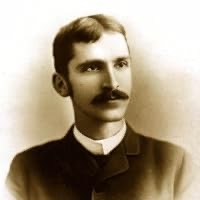
About John Dewey
We have collected 28 quotes from 2 books by John Dewey on BookQuoters.
More about the author →More by John Dewey
Experience and Education
About the book
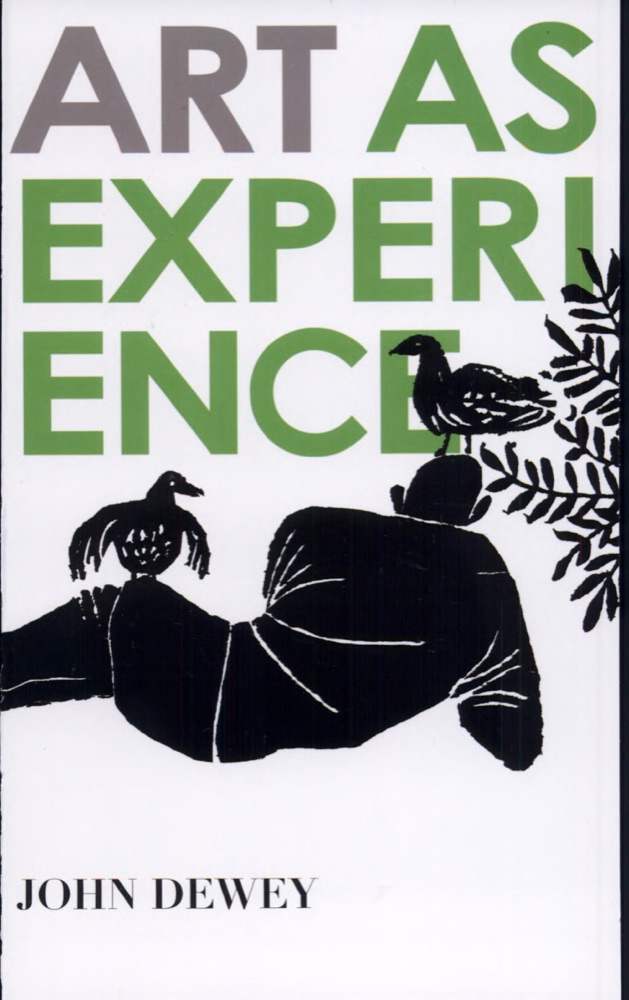
Based on John Dewey's lectures on esthetics, delivered as the first William James Lecturer at Harvard in 1932, Art as Experience has grown to be considered internationally as the most distinguished work ever written by an American on the formal structure and characteristic effects of all the arts: architecture, sculpture, painting, music, and literature.
Book details
- First published
- 1934
- Author
- John Dewey
- Genre
- Philosophy
- Goodreads rating
- 3.94 (6k ratings)
Keep reading
 What Is Art?
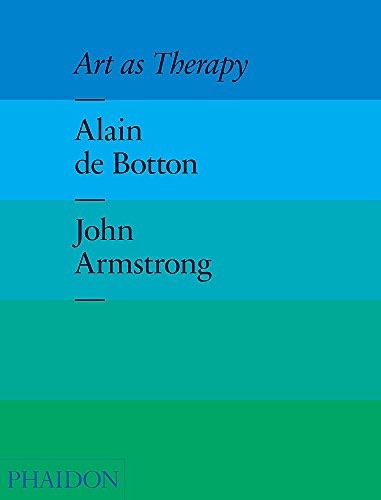 Art as Therapy
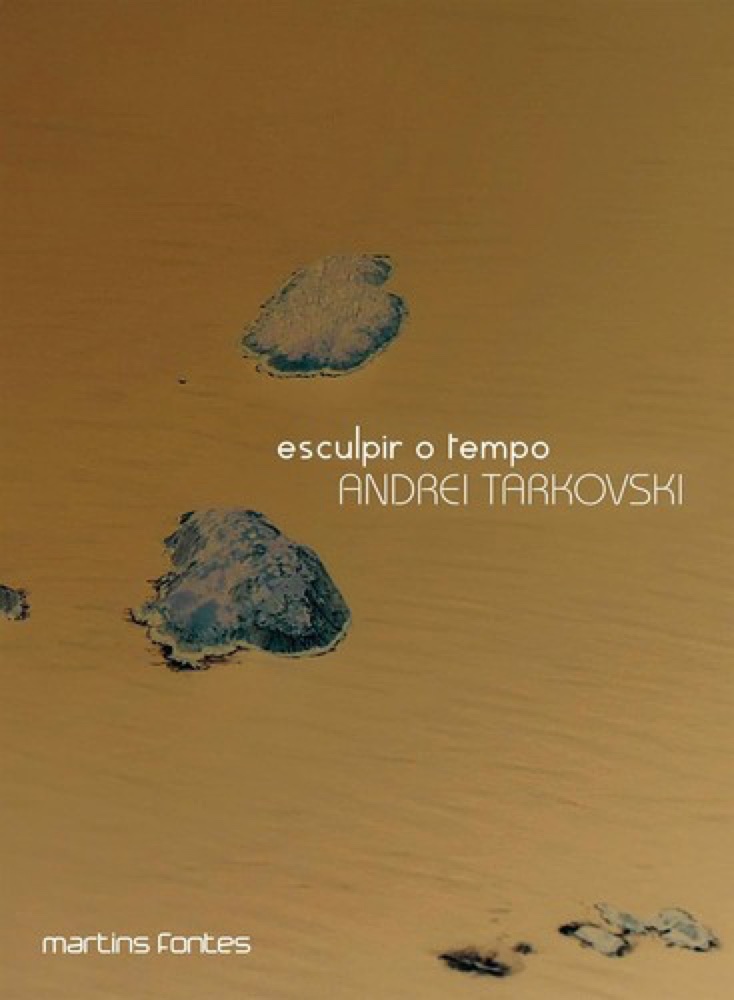 Sculpting in Time
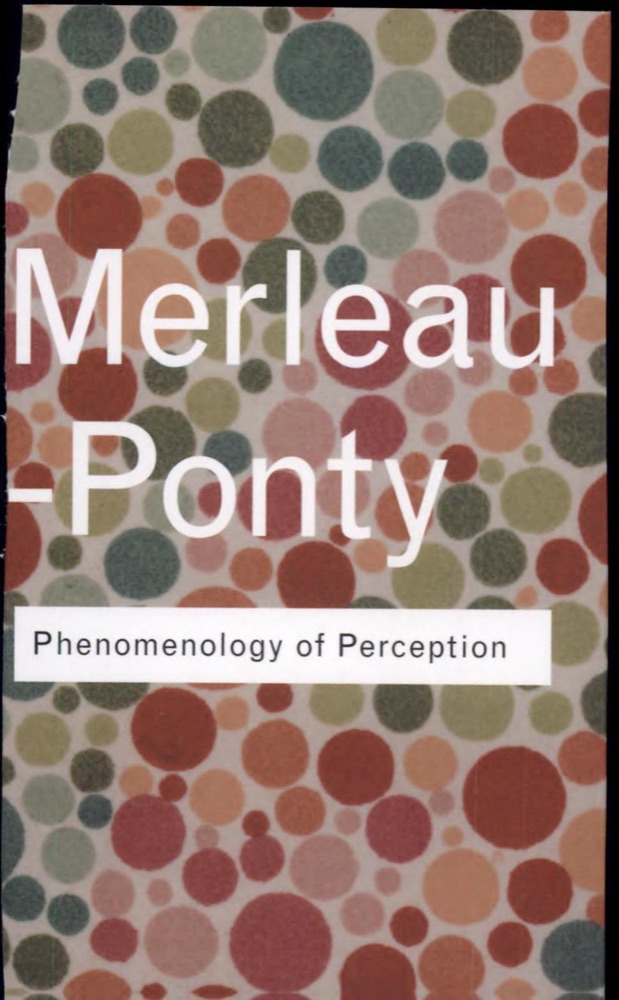 Phenomenology of Perception
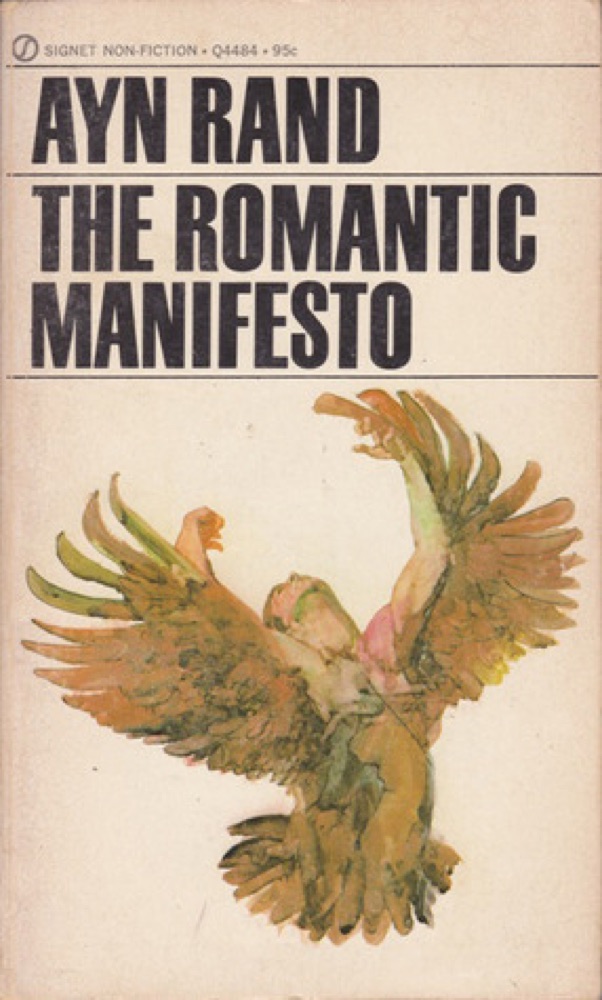 The Romantic Manifesto
 The Courage to Create
 A Philosophical Enquiry into the Origin of Our Ideas of the Sublime and Beautiful
 The Master and His Emissary: The Divided Brain and the Making of the Western World
 Creativity: Flow and the Psychology of Discovery and Invention
 The Medium is the Massage
 Truth and Method
 Irrational Man: A Study in Existential Philosophy
 Phenomenology of Spirit
 Understanding Media: The Extensions of Man
 Illuminations: Essays and Reflections
 Time Regained
 Basic Writings
 Figuring
 The Joy of Living: Unlocking the Secret and Science of Happiness
 The Origin of Consciousness in the Breakdown of the Bicameral Mind
 The Doors of Perception & Heaven and Hell
 The Spell of the Sensuous: Perception and Language in a More-Than-Human World
 The Poetics of Space
 The Shock of the New
 On Truth and Lies in a Nonmoral Sense
 Beauty
 Myths to Live By
 The Artist's Way
 Critique of Judgment
 The World as Will and Representation, Vol 1
 Silence: Lectures and Writings
 Maps of Meaning: The Architecture of Belief
 The Birth of Tragedy
 The Hero's Journey: Joseph Campbell on His Life & Work
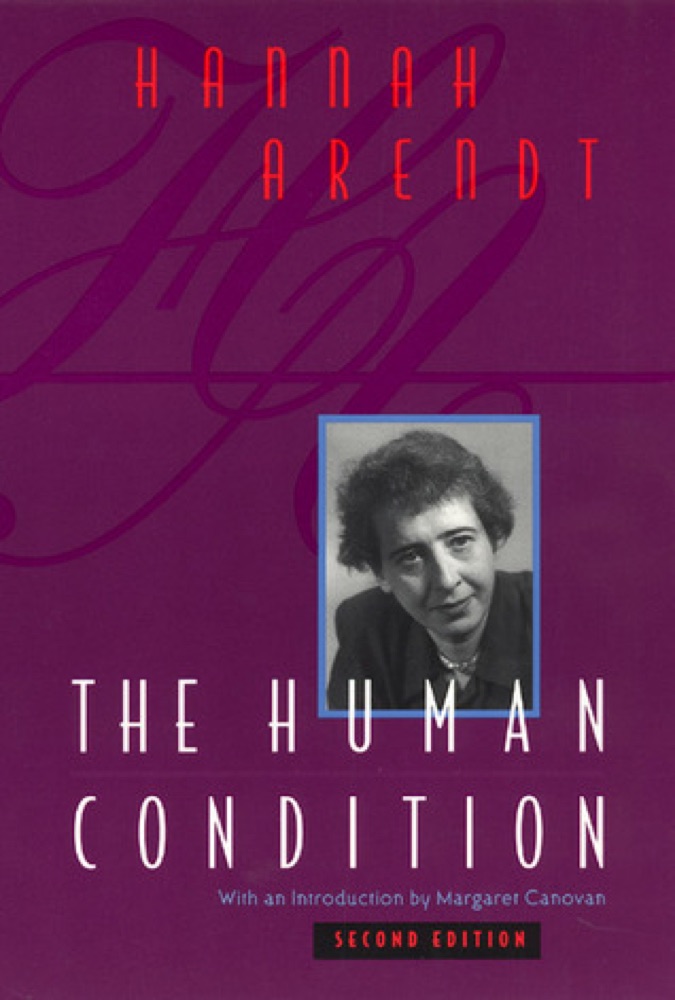 The Human Condition
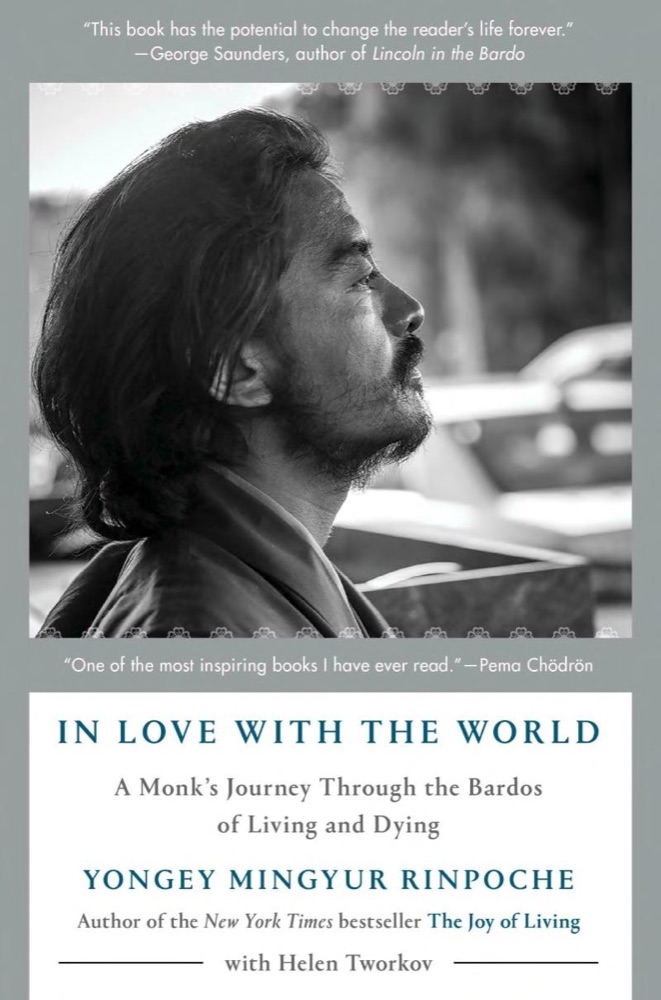 In Love with the World: A Monk's Journey Through the Bardos of Living and Dying
 Create Dangerously
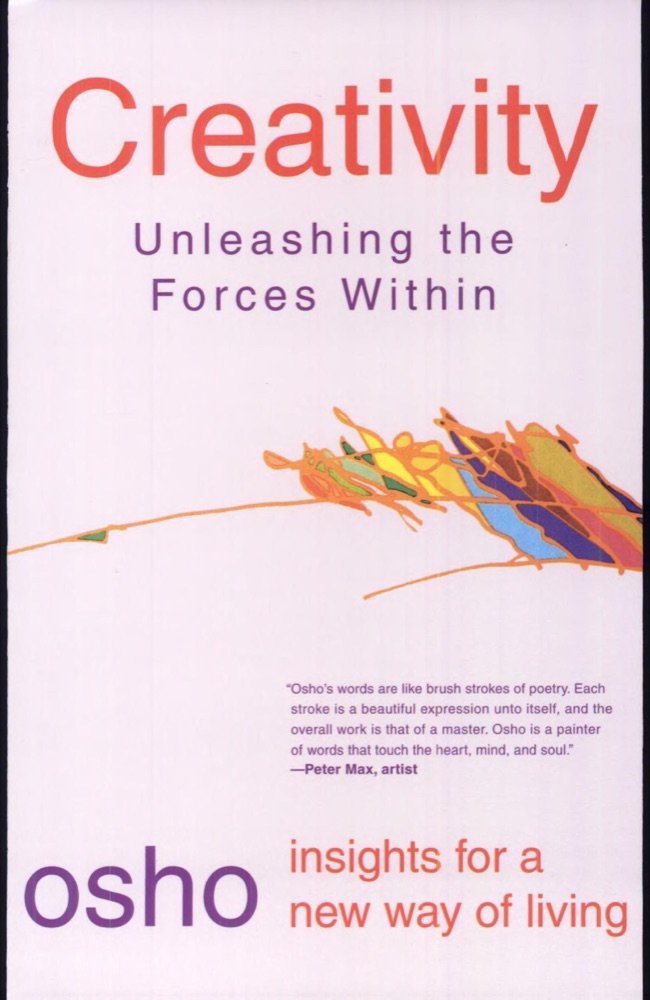 Creativity: Unleashing the Forces Within
 Art and Fear: Observations on the Perils (and Rewards) of Artmaking
 Death in Venice and Other Tales
 Total Freedom: The Essential Krishnamurti
 The Big Picture: On the Origins of Life, Meaning, and the Universe Itself
 How to Know Higher Worlds: A Modern Path of Initiation
 Mastery
 The Well-Gardened Mind: The Restorative Power of Nature
 The Book: On the Taboo Against Knowing Who You Are
 The Glass Bead Game
 The Way of Zen
 The Intellectual Life: Its Spirit, Conditions, Methods
 Tao: The Watercourse Way
 Madness, Rack, and Honey: Collected Lectures
 How to Change Your Mind: The New Science of Psychedelics
 Gathering Moss: A Natural and Cultural History of Mosses
 Modern Man in Search of a Soul
 The Yoga Sutras of Patanjali
 Reality Hunger: A Manifesto
 The Occult
 An Enquiry Concerning Human Understanding
 The Social Animal: The Hidden Sources of Love, Character, and Achievement