
 The Bean Trees
Quotes from the Book
The changes we dread most may contain our salvation.
What we lose in our great human exodus from the land is a rooted sense, as deep and intangible as religious faith, of why we need to hold on to the wild and beautiful places that once surrounded us.
Maybe life doesn't get any better than this, or any worse, and what we get is just what we're willing to find: small wonders, where they grow.
A flower is a plant's way of making love.
There can be no greater spiritual accomplishment than to come through brutal trials and then look back and see that mean times did not render us mean spirits.
God is frightful, God is great--you pick. I choose this: God is in the details, the completely unnecessary miracles sometimes tossed up as stars to guide us. They are the promise of good fortune in a cloudless day, and the animals in the clouds; look hard enough, and you'll see them. Don't ask if they're real.
What you hold in your hands right now, beneath these words, is consecrated air and time and sunlight and, first of all, a place.
Looking out on a clean plank of planet earth, we can get shaken right down to the bone by the bronze-eyed possibility of lives that are not our own.
Sometimes I've survived anger only one minute at a time, by saying to myself again and again that the best kind of revenge is some kind of life beyond this, some kind of goodness. And I can lay no claim to goodness until I can prove that mean people have not made me mean.
It's the same struggle for each of us, and the same path out: the utterly simple, infinitely wise ultimately defiant act of loving one thing and then another, loving our way back to life... Maybe being perfectly happy is not really the point. Maybe that is only some modern American dream of the point, while the truer measure of humanity is the distance we must travel in our lives, time and again, "twixt two extremes of passion--joy and grief," as Shakespeare put it. However much I've lost, what remains to me is that I can still speak to name the things I love. And I can look for safety in giving myself away to the world's least losable things.
What a rich wisdom it would be, and how much more bountiful a harvest, to gain pleasure not from achieving personal perfection but from understanding the inevitability of imperfection and pardoning those who also fall short of it.
Oh, how can I say this: People need wild places. Whether or not we think we do, we do. We need to be able to taste grace and know once again that we desire it. We need to experience a landscape that is timeless, whose agenda moves at the pace of speciation and glaciers. To be surrounded by a singing, mating, howling commotion of other species, all of which love their lives as much as we do ours, and none of which could possibly care less about our economic status or our running day calendar. Wildness puts us in our place. It reminds us that our plans are small and somewhat absurd. It reminds us why, in those cases in which our plans might influence many future generations, we ought to choose carefully. Looking out on a clean plank of planet earth, we can get shaken right down to the bone by the bronze-eyed possibility of lives that are not our own.
Questioning our government’s actions does not violate the principles of liberty, equality, and freedom of speech; it exercises them, and by exercise we grow stronger. I have read enough of Thomas Jefferson to feel sure
Man against Nature...Of all the possible conflicts, that was the one that was hopeless. Even a slim education had taught her this much: Man loses.
What is new is that we know so very much about the world, or at least the part of it that is most picturesquely exploding on any given day, that we're left with a desperate sense that all of it is exploding, all the time. As far as I can tell, that is the intent and purpose of television news. We see so much, understand so little, and are simultaneously told so much about What We Think, as a populace polled minute by minute, that is begins to feel like an extraneous effort to listen at all to our hearts.
We were not made for this killing thing, I swear. Back up. Big mistake.
I do understand that they fall when I'm least able to pay attention because poems fall not from a tree, really, but from the richly pollinated boughs of an ordinary life, buzzing, as lives do, with clamor and glory. They are easy to miss but everywhere: poetry just is, whether we revere it or try to put it in prison. It is elementary grace, communicated from one soul to another.
It’s a fact of our culture that the loudest mouths get the most airplay, and the loudmouths are saying that in times of crisis it’s treasonous to question our leaders.
As a dinner guest I gratefully eat just about anything that's set before me, because graciousness among friends is dearer to me than any other agenda.
To stomp about the world ignoring cultural differences is arrogant, to be sure, but perhaps there is another kind of arrogance in the presumption that we may ever really build a faultless bridge from one shore to another, or even know where the mist has ceded to landfall.
Borders crumble; they won’t hold together on their own; we have to shore them up constantly. They are fortified and patrolled by armed guards, these fences that divide a party of elegant diners on one side from the children on the other whose thin legs curve like wishbones, whose large eyes peer through the barbed wire at so much food—there is no wall high enough to make good in such a neighborhood. For this, of course, is what the fences divide.
Engineered genes don’t play by the rules that have organized life for three billion years (or, if you prefer, 4,004). And in this case, winning means loser takes all.
Small change, small wonders—these are the currency of my endurance and ultimately of my life. It’s a workable economy.
Religion has no place in the science classroom, where it may abridge students’ opportunities to learn the methods, discoveries, and explanatory hypotheses of science. Rather, its place is in the hearts of the men and women who study and then practice scientific exploration. Ethics can’t influence the outcome of an experiment, but they can serve as a useful adjunct to the questions that get asked in the first place, and to the applications thereafter.
Eating is a genuine need, continuous from our first day to our last, amounting over time to our most significant statement of what we are made of and what we have chosen to make of our connection to home ground.
It is widely rumored, and also true, that I wrote my first novel in a closet.
In our darkest hours we may find comfort in the age-old slogan from the resistance movement, declaring that we shall not be moved. But we need to finish that sentence. Moved from where? Are we anchoring to the best of what we've believed in, throughout our history, or merely to an angry new mode of self-preservation? The American moral high ground can't possibly be an isolated mountaintop from which we refuse to learn anything at all to protect ourselves from monstrous losses.
I’d like to ask those who favor this position if they would be willing to go to Littleton and explain to some mothers what constitutes an acceptable risk. Really. Because in a society that embraces violence, this is what “our way of life” has come to mean. The question can’t be why but only “Why yours and not mine?” We have taught our children in a thousand ways, sometimes with flag-waving and sometimes with a laugh track, that the bad guy deserves to die. But we easily forget a crucial component of this formula: “Bad” is defined by the aggressor. Any of our children may someday be, in someone’s mind, the bad guy.
It is possible to establish zero tolerance for murder as a solution to anything
Watch on YouTube
About Barbara Kingsolver
We have collected 331 quotes from 12 books by Barbara Kingsolver on BookQuoters.
More about the author →More by Barbara Kingsolver
All books by Barbara Kingsolver →
Book details
- Author
- Barbara Kingsolver
- Genre
- Nonfiction
- Goodreads rating
- 4.03 (11k ratings) →
Keep reading
 Gilead
 The Sea, the Sea
 Why Fish Don’t Exist: A Story of Loss, Love, and the Hidden Order of Life
 East of Eden
 A Sudden Light
 The Secret Scripture
 Surrender: 40 Songs, One Story
 One
One
 Origin
 Brother Odd
 West with the Night
 The Gone-Away World
 The Resistance
 The Magic Mountain
 Peace Like a River
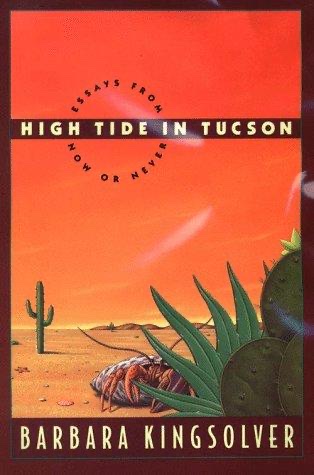 High Tide in Tucson
 Sometimes a Great Notion
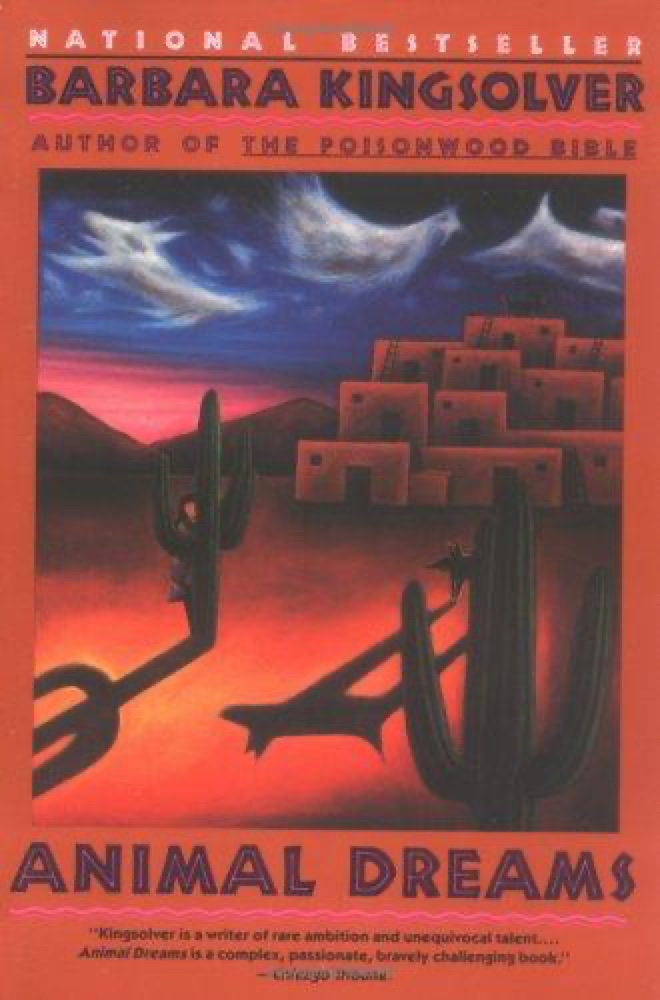 Animal Dreams
 Wide Awake
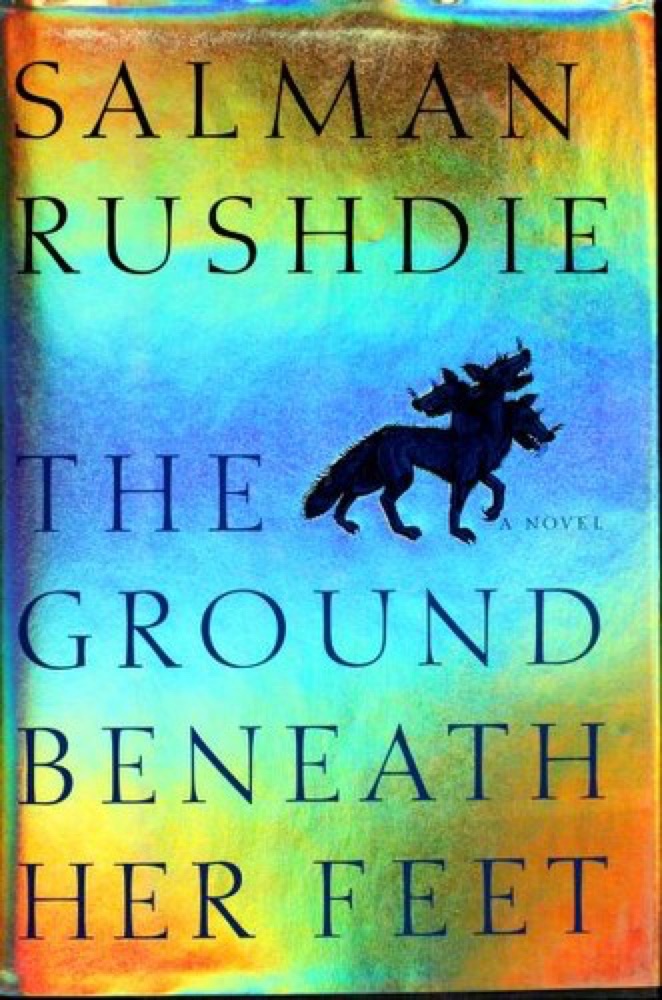 The Ground Beneath Her Feet
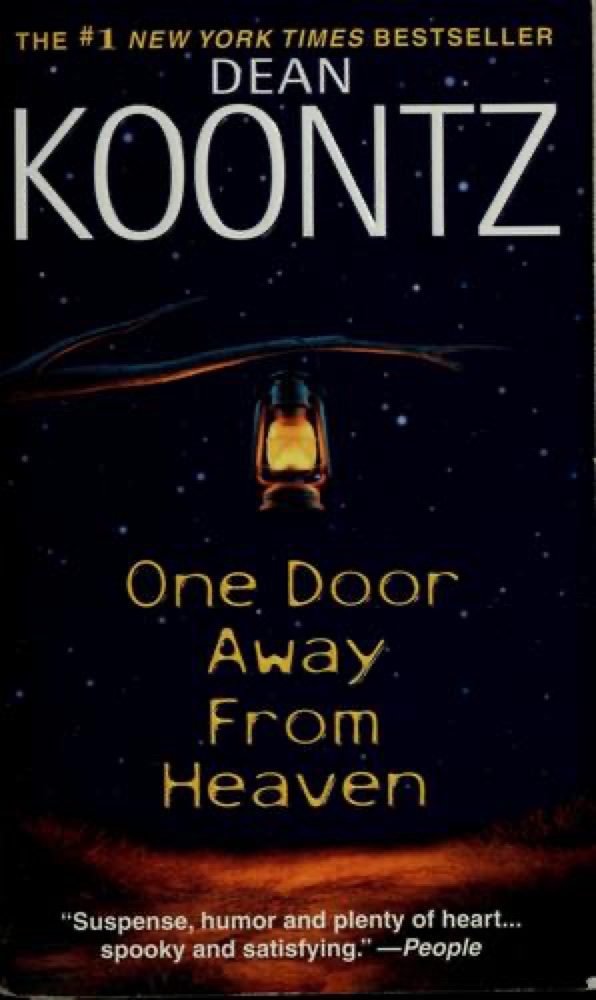 One Door Away from Heaven
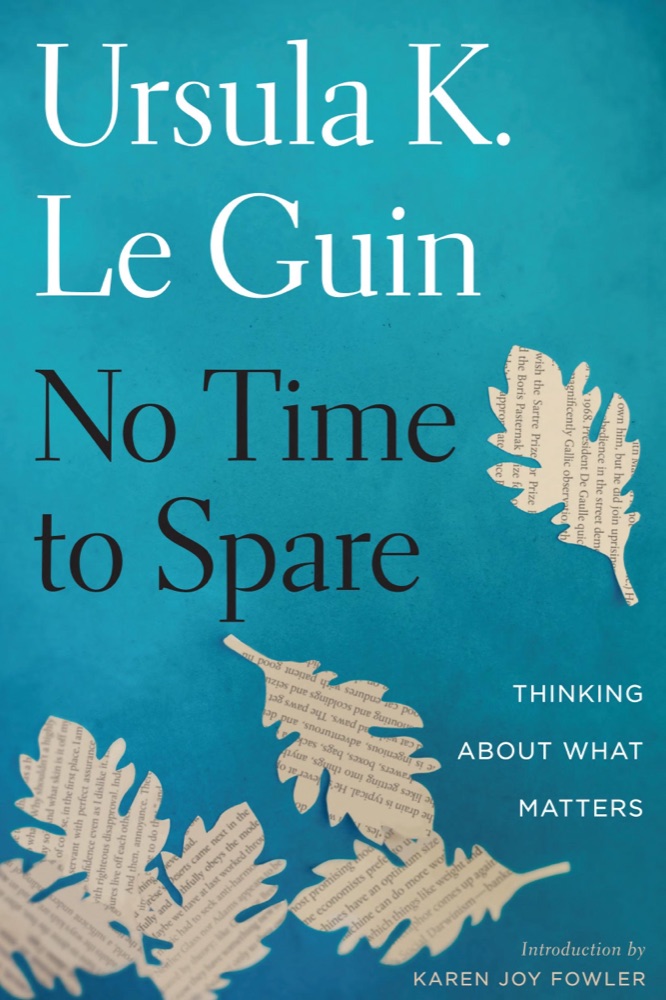 No Time To Spare: Thinking About What Matters
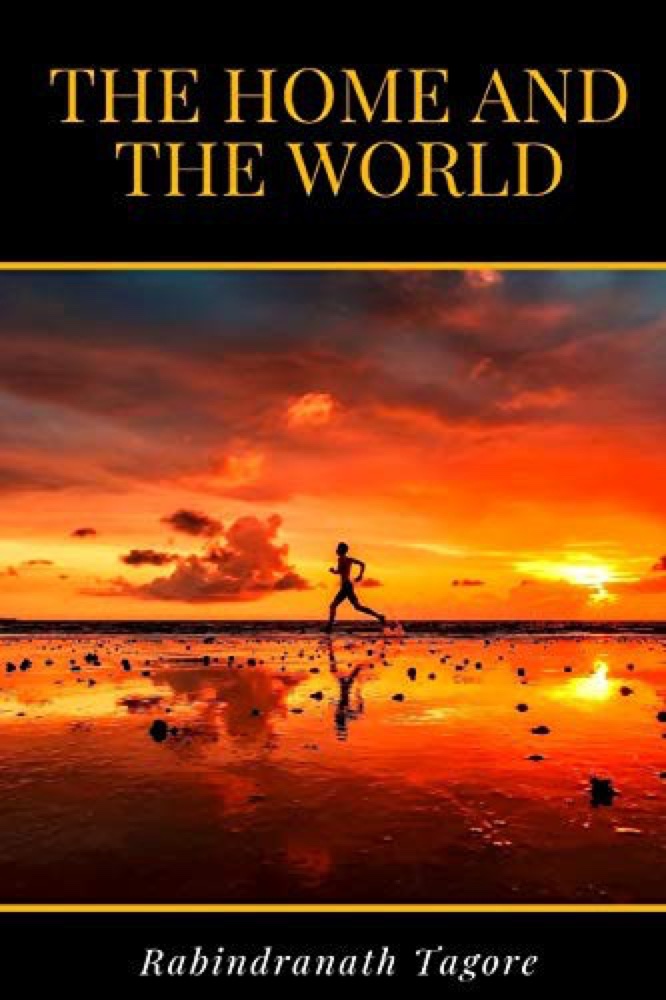 The Home and the World
 Out of Oz
 The Razor's Edge
 Walden & Civil Disobedience
 The Fall of Babel
 We the Living
 Year of Wonders
 Crossing to Safety
 The Gay Science
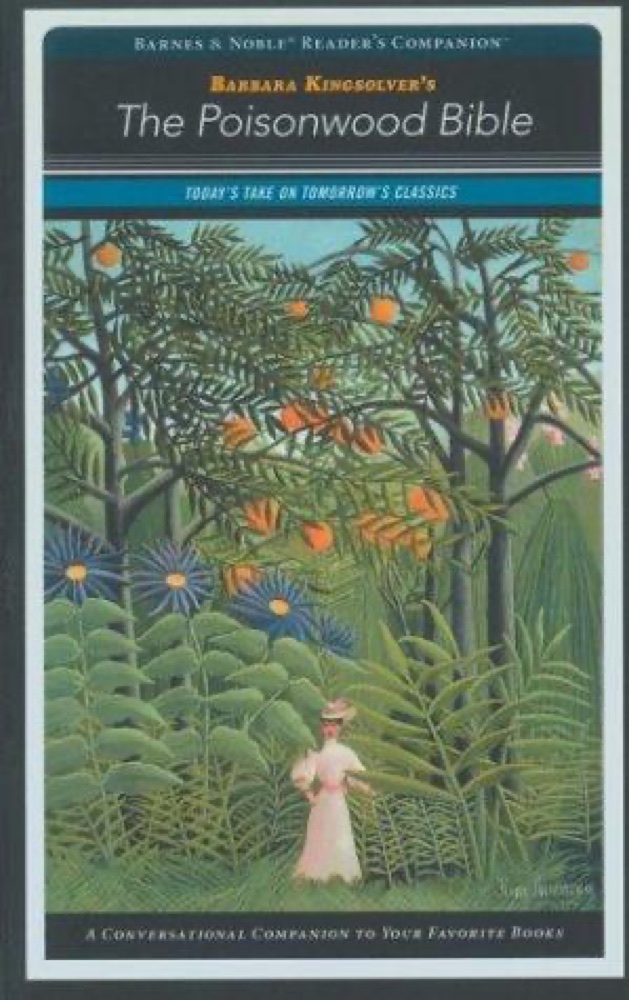 The Poisonwood Bible
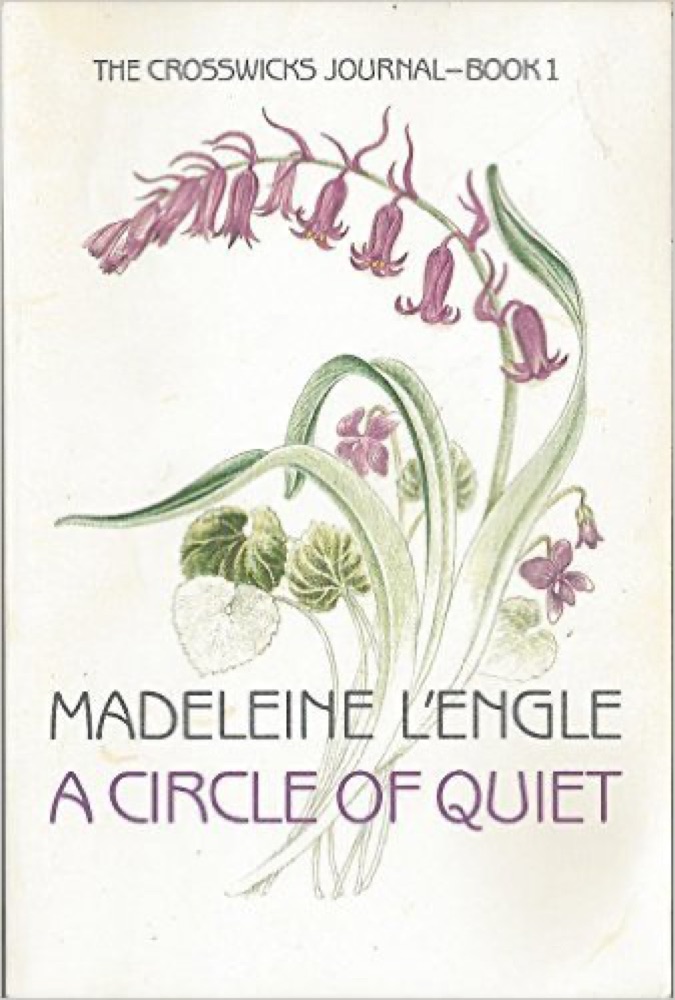 A Circle of Quiet
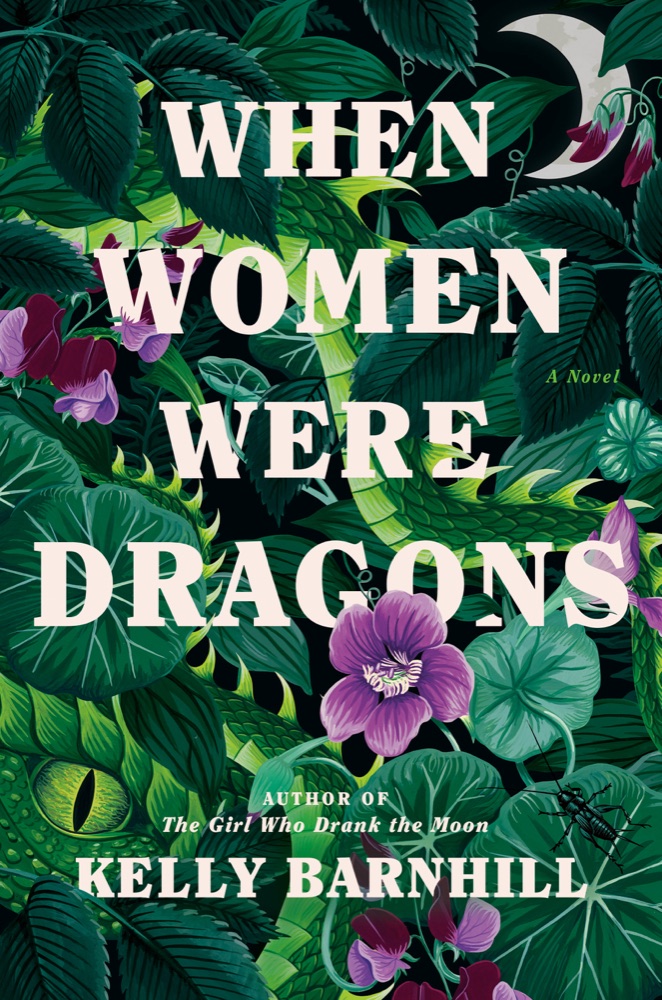 When Women Were Dragons
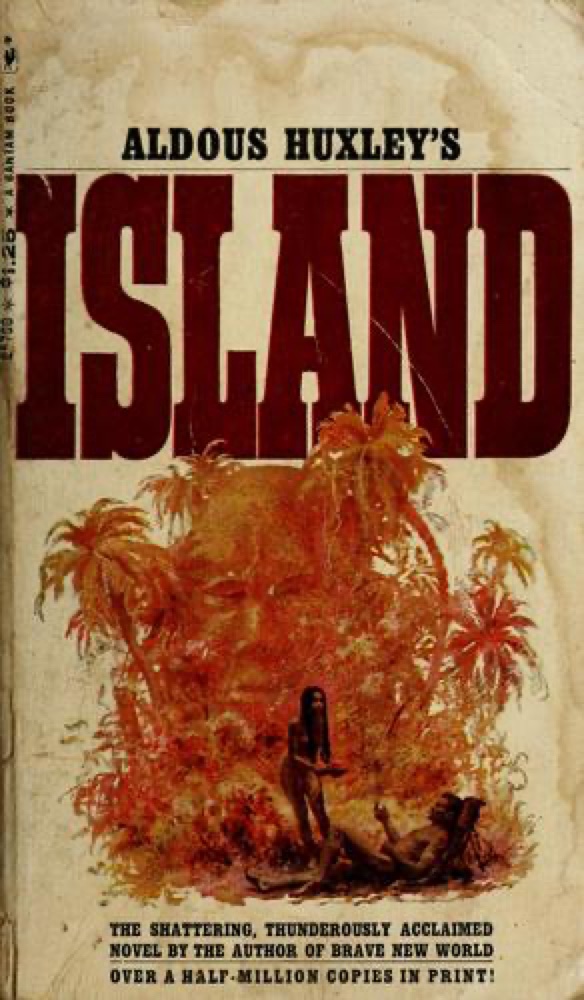 Island
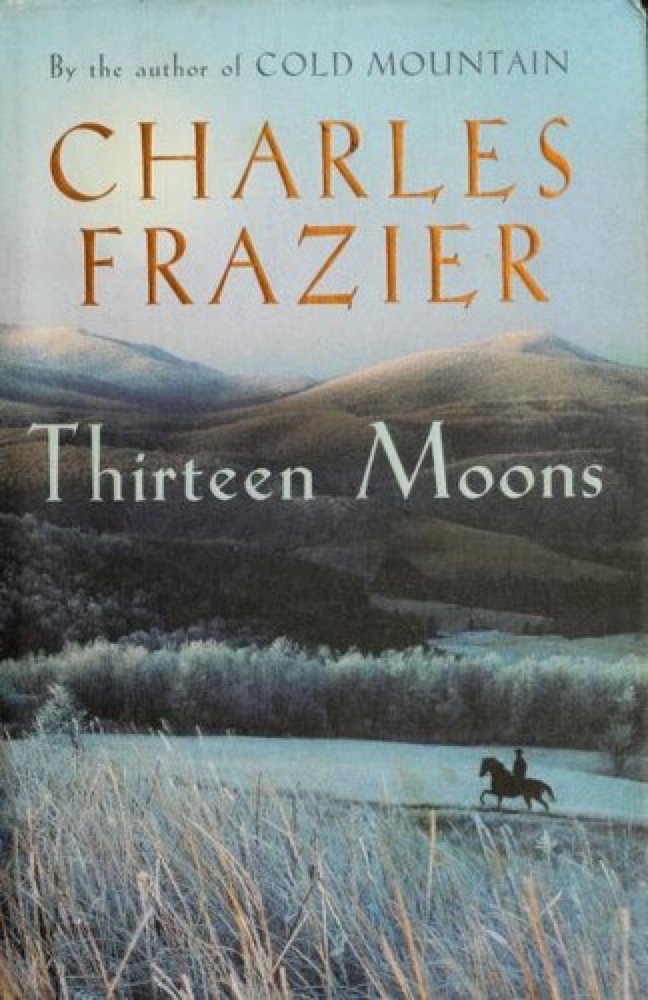 Thirteen Moons
 Surprised by Joy: The Shape of My Early Life
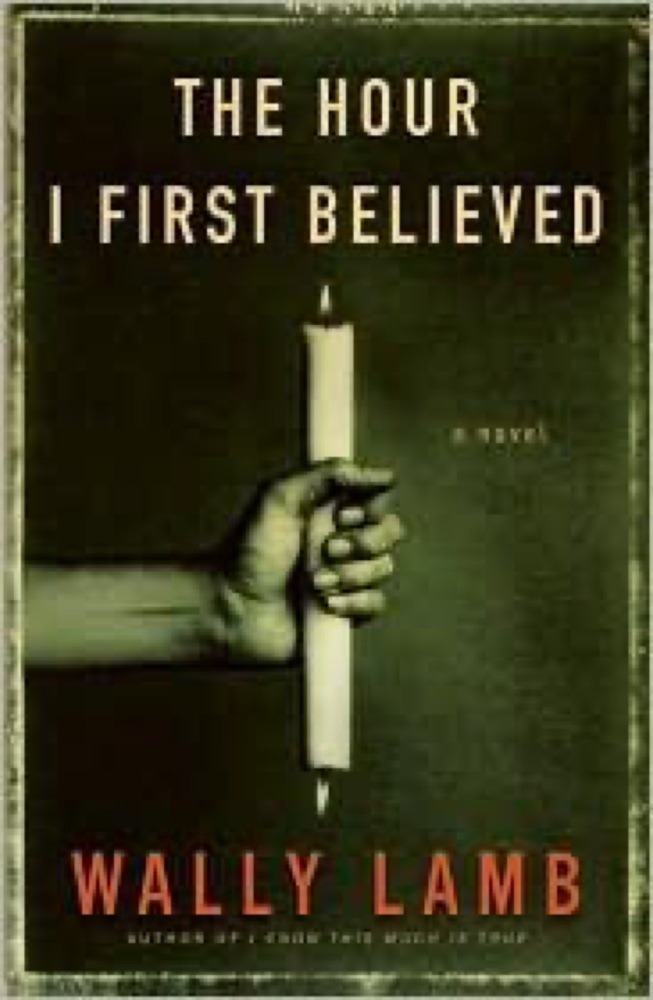 The Hour I First Believed
 A Room with a View
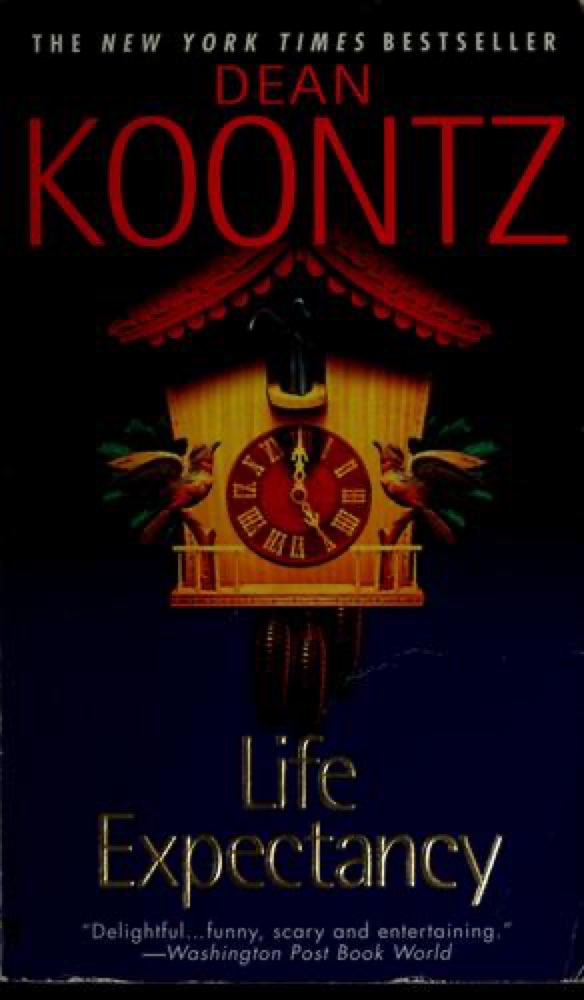 Life Expectancy
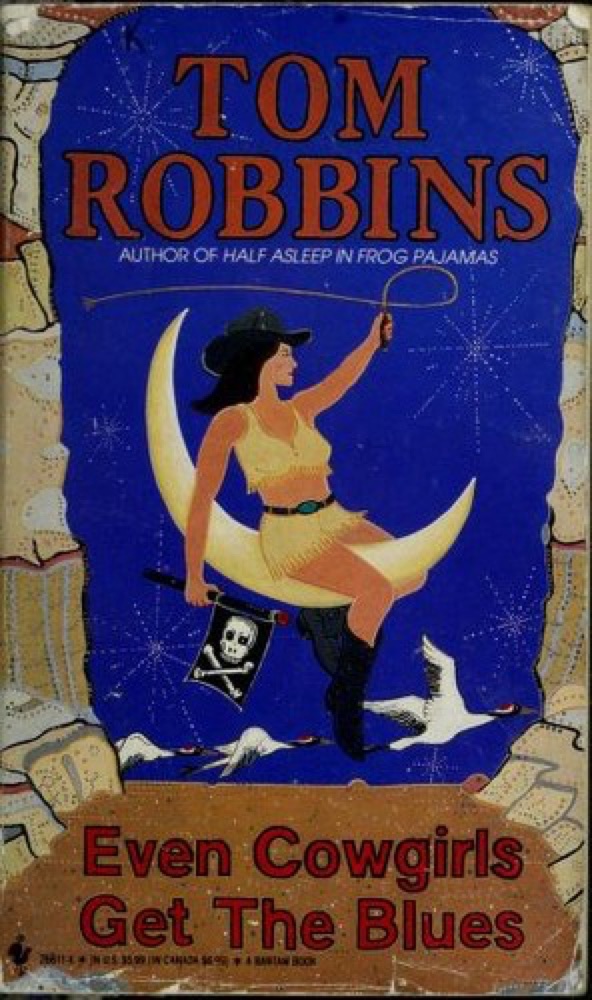 Even Cowgirls Get the Blues
 Chasing Fireflies: A Novel of Discovery
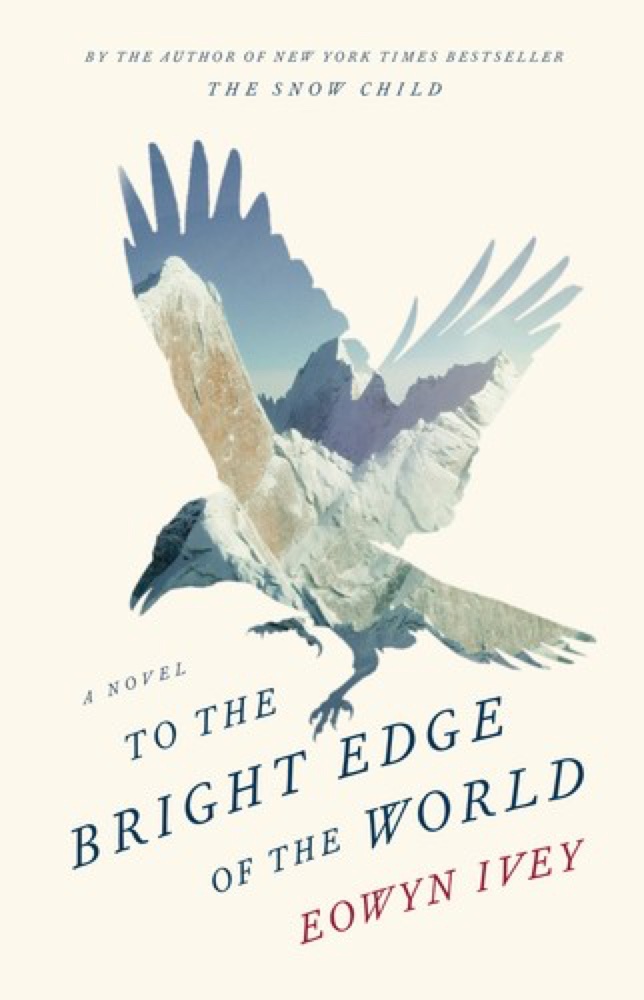 To The Bright Edge of the World
 The Adventures of Augie March
 The Rebel Angels
 The State of the Art
 Travels with Charley: In Search of America
 The Good Luck of Right Now
 Letter to My Daughter
 Let the Great World Spin
 Hard-Boiled Wonderland and the End of the World
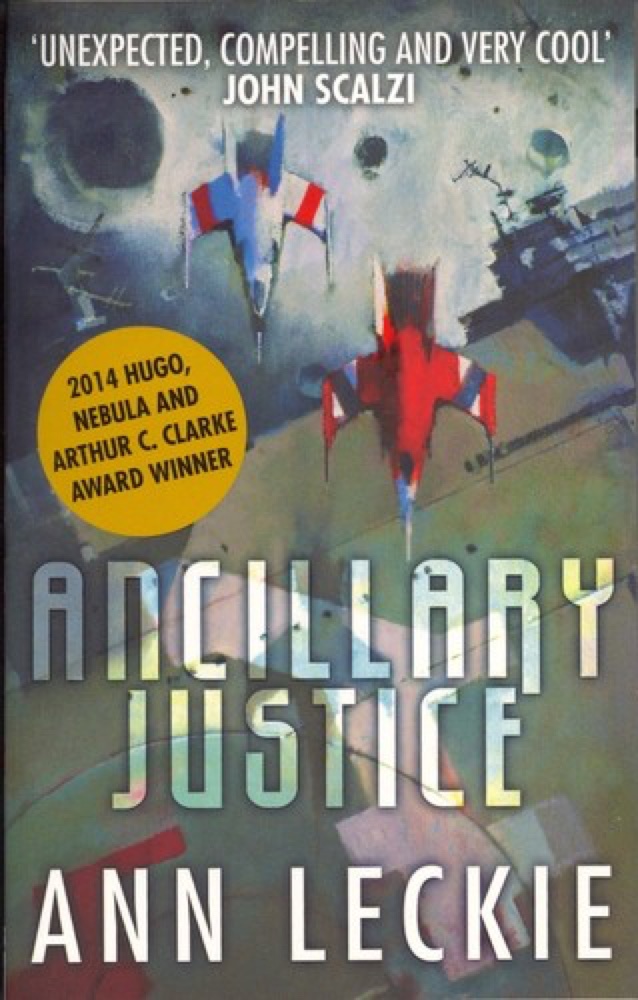 Ancillary Justice
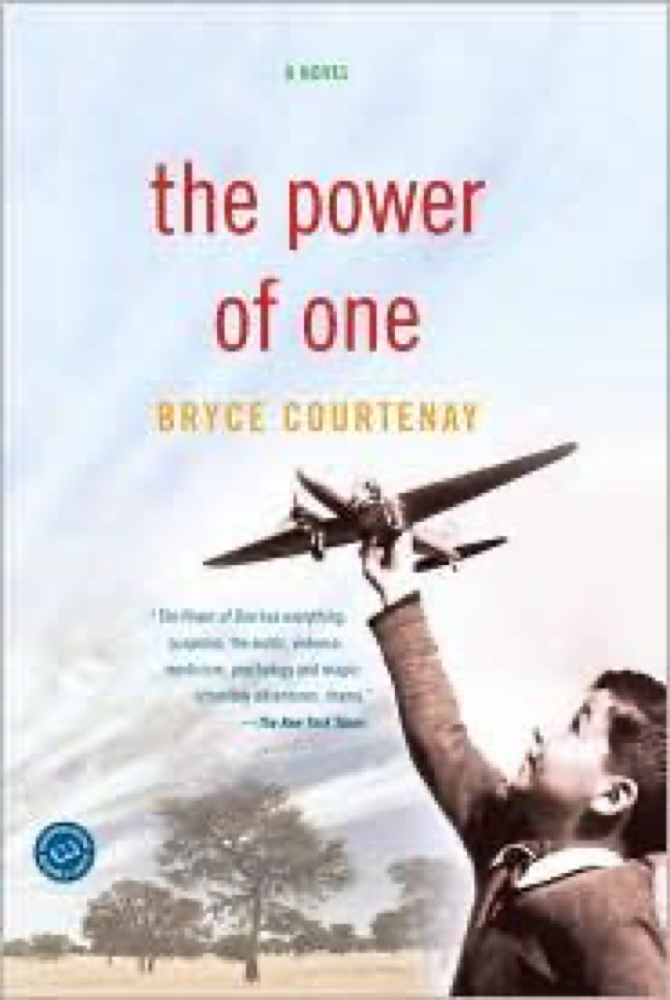 The Power of One
 Embers
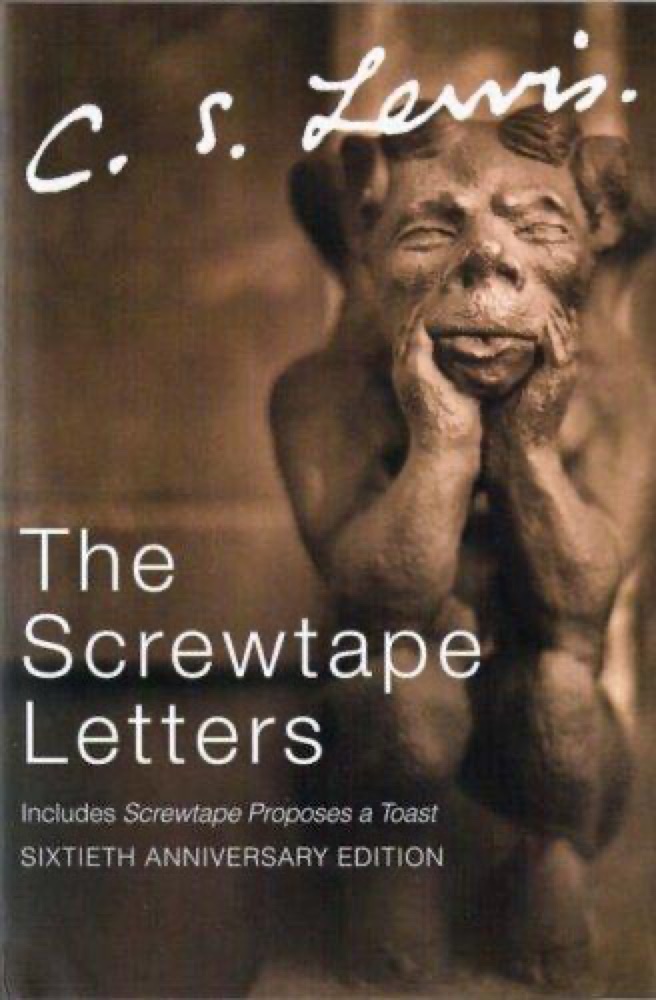 The Screwtape Letters
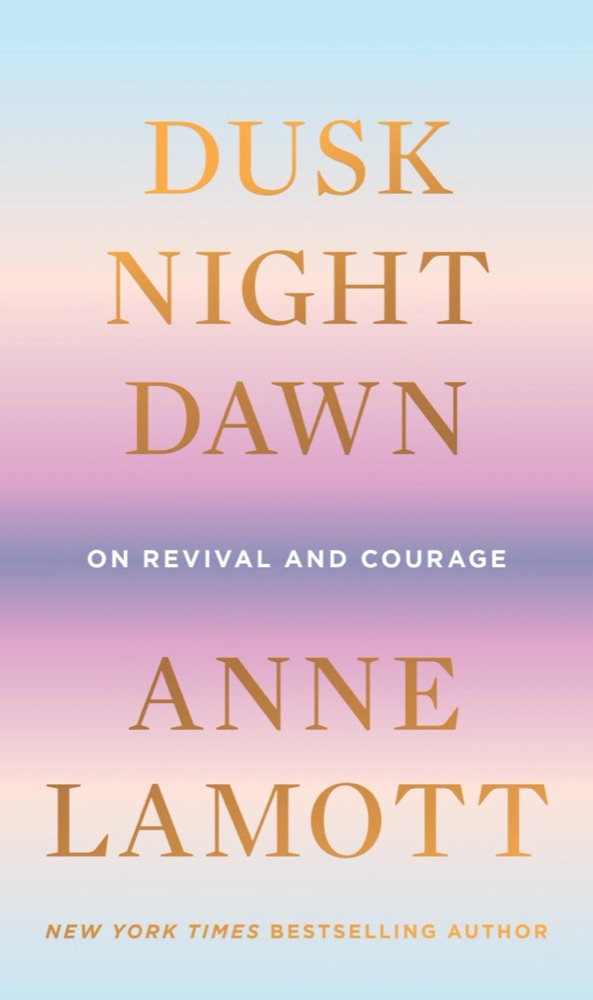 Dusk, Night, Dawn: On Revival and Courage
 The Stone Gods
 All I Really Need to Know I Learned in Kindergarten
 Outrun the Moon
 The Sea Keeper's Daughters