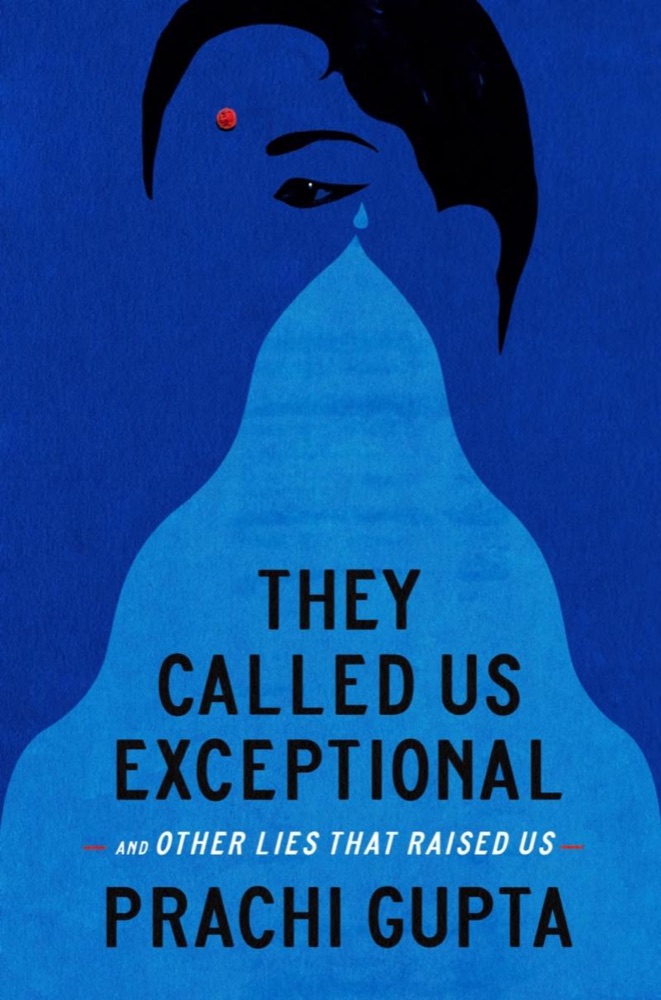

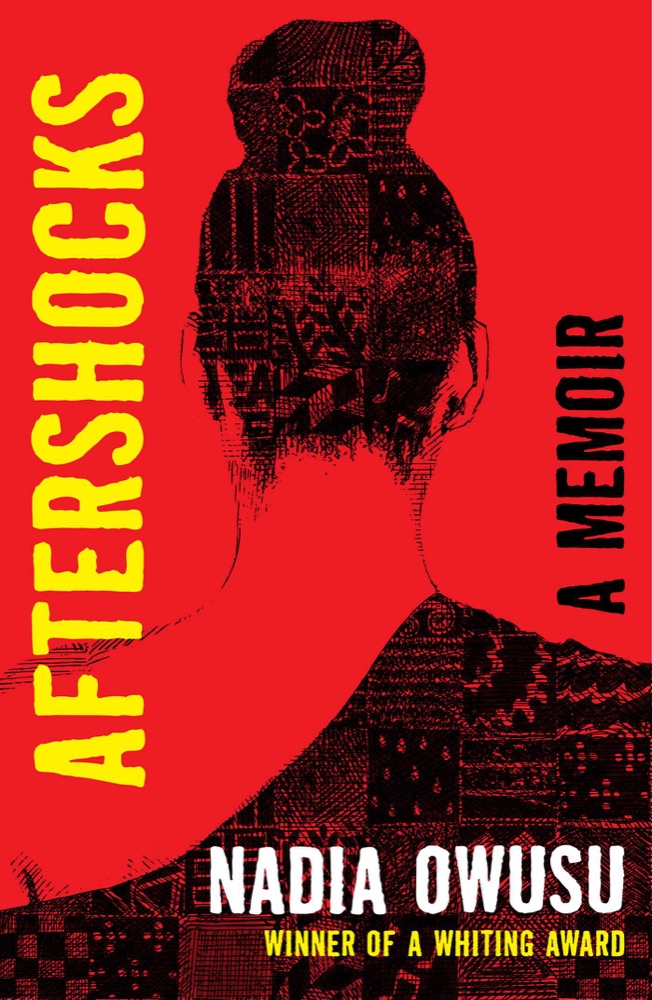
 Aftershocks
Quotes from the Book
The myth forces our minds to forget that which our bodies cannot: that belonging is always conditional.
5
It’s a strange thing to miss someone who is right there. When I talk to you is when I miss you the most, because I am confronted by what I cannot have.
5
A man who forces you to prove your worth is a man incapable of seeing it,
5
Yush said that Papa had a “wartime personality” Yush thought this was a good thing to have, particularly when leading a battle, as someone who needed to make tough decisions for the betterment of the group. I agreed with Yush in theory, but I was also confused. The problem with that kind of personality was that when everything was peaceful, one had to create wars to feel useful or important.
5
I had once thought that I came from a line of Gods, and I had punished myself for failing to be Godlike. But we were not Gods, and I was not the avatar for our family’s unraveling. I was just another product of inherited trauma, unresolved grief, and reactive survival mechanisms, like everyone else who came before me. We were mortals who felt ashamed when we failed to appear omnipotent. Now I see that my job was to release my ancestors from this burden, to allow those who come next the freedom to be ordinary.
4
In our family, we learned to love one another for how well we were able to conform to the story they wrote for us—not as who we really are.
4
Now I think of memories as haphazard blots of ink in a Rorschach test that we assemble along the spine of the story we are told about who we are.
4
We had each been raised to believe that every unknown could be resolved through willpower and intellect, a message reinforced by America’s rigid conception of who we are supposed to be. The truth is, society doesn’t raise people to aspire to be kind or compassionate or happy. It pressures adults to achieve and accomplish. It teaches people that what matters more than their character or how they treat others or how they feel about themselves is how much money they can hoard, who they know, how famous they can get, and how much power they wield over others. Emotions have no basis in this framework. They are a nuisance, a hindrance, a distraction, a weakness.
3
Until I felt the tenuousness of my own safety net, I didn’t understand that most don’t have access to basic healthcare, savings or stable familial support. I’d been raised to believe that comfort was the result of hard work or innate intellect, but I was starting to understand that fulfillment of these basic human needs was tied to a person’s body, bloodline, and the origins of their birth. Papa’s wealth had made me feel entitled to a level of security that no one is owed or guaranteed. I had a simplistic understanding of the world and how it worked because it worked well enough for me, and it was only when it stopped working for me that I began to think about the ways in which it failed to work for others.
3
In a capitalist society, the measure of wellness isn’t a person’s actual health or happiness but how far one can rise or how much wealth one can accumulate. Somebody seen as “unwell” is unable to produce and to achieve. To seek mental healthcare as an immigrant was to threaten one’s security and chance to succeed, to suggest bad parenting or to imply that one’s ethnic culture caused their children’s problems
3
My loneliness humbled me. It sounds embarrassingly ignorant now, but until I felt the tenuousness of my own safety net, I didn’t understand that most don’t have access to basic healthcare, savings, or stable familial support. I’d been raised to believe that comfort was the result of hard work or innate intellect, but I was starting to understand that fulfillment of these basic human needs was tied to a person’s body, bloodline, and the origins of their birth. Papa’s wealth had made me feel entitled to a level of security that no one is owed or guaranteed. I had a simplistic understanding of the world and how it worked because it worked well enough for me, and it was only when it stopped working for me that I began to think about the ways in which it failed to work for others. —
2
You had now lived outside India longer than you lived in it. Your relationship with your motherland was complex, so much so that I think you struggled to talk about it. It must have been so bittersweet and even painful for you to visit, catching a glimpse of a parallel universe that held both your past and your alternate present in one view; a place that, like you, had changed so much that neither of you could fully recognize the other anymore; yet simultaneously a place that saw and loved you in a way that your other, permanent home never could. Your grief, like all grief, forced you to hold contradictory emotions at once: longing and repulsion, relief and agitation, freedom and entrapment.
2
Art kept my spirit alive. Expressing myself, whether by drawing, writing or dancing, was an assertion of my existence that enabled me to connect to something deeper than simply what I was expected to produce in the world. Later, when I felt too blocked to create, consuming art broke my sense of isolation and helped me see parts of myself in work created by others. When I forgot who I was, creating art helped me find my way back. Art was my entry point to learning how to love myself.
2
An Indian woman’s act of political protest was rewritten as hysteria, her sense of duty perceived as desire. In this construct, an Indian woman’s feelings and expressions were never her own; she experienced her womanhood as pathology.
2
I saw that learning how to love myself was my salvation, a rebellious act of refusing to believe I was what white institutions or Papa had wanted to reduce me to. To love myself was to accept myself as I am and to live in away that honored my feelings, aligned with my values and trusted my senses even when the outside world wanted me to doubt or shrink myself. Therapy became a place not for repair but for the formation of a relationship with someone who helped me see that I am already whole.
2
I had wanted to think that fame and wealth- conventional notions of success- didn’t matter to me anymore. But they did. I didn’t get approval from you or Papa or Yush, and the desire to be validated was so deep in me that now I sought it on an even larger stage: the whole world, demanding that everyone look at the very thing that no one in our home could acknowledge- my perspective. But now I could see that, while the world loved what I did, it still didn’t love me. I didn’t know what to do with my ugly desire for validation or the world’s ugly response to it.
2
The sense that he could express care only when he could play the hero.
2
Like him, I was hot-tempered, stubborn and highly critical. I insisted that the world exist the way I wanted it to, and when it failed to meet my expectations, I got righteously angry. It was only in not lashing out that I was able to prove to myself that I wasn’t the same.
2
I was trying to get in touch with the part of myself that could express, but after a childhood of learning how to suppress, I didn’t know how to do that.
2
The world we live in, which demands perfection and achievement, teaches us we cannot love ourselves as we are. The myth teaches us to think greatness always resides outside us instead of within us. We must become stronger, taller, richer, thinner, smarter, prettier - and perhaps then, we think, we may be worthy of love. Yet we cannot love ourselves and we cannot love each other well so long as we are preoccupied by the desire to leave ourselves, to abandon ourselves in search of something beyond ourselves. Serving the myth teaches us how to belong but severs our ability to connect.
2
We abide by their story because we think that is how we gain acceptance in America. But we cannibalize our bodies, our spirits and our minds to feed a hunger that never abates. We struggle under a weight that the world tells us does not exist. We serve a story that will never serve us, and I fear that the next generation will seek to do the same.
2
At school, Dadaji learned Sanskrit, English, and history—but not the history of his people. “History was all what the British viceroys did,” he said. “We were taught about that which had no meaning to us.” I wonder now how this shaped his psyche and spirit: When, even in his own country, his people’s stories did not matter, he was forced to study his oppressor’s greatness, and learned to deny his own.
1
The familiar sensation of numbness, the armor I wore to shield myself as a girl, returned.
1
The America I knew had died, a painful feeling underscored by the rising awareness that it had never really existed, except in my mind. I had been so invested in wanting a certain idea of America to be true, despite all the evidence that it wasn’t.
1
Everywhere I went, people saw me as Indian. But India was the only place in the world I felt American.
1
I relied on the boost I received when a white man wanted me, even if he couldn’t fully understand me, even if when he saw me, he saw conquest or submission or exoticism or domesticity. For a long time that didn’t matter to me because I was using him to perpetuate a fantasy too.
1
You taught us the most valuable thing of all: how to love and how to allow love in. You taught me that kindness in the world exists, and when I started to lose faith in that, memories of your love reminded me that there are people who are pure of heart. You are one of them.
1
It was a clumsy expression of anger over how mother was raising daughter to learn that to be good is to betray oneself, to forever contort oneself to fit into impossible, contradictory expectations of womanhood that felt stifling.
1
South Asian men from the west who sought South Asian brides in the East, often played out the orientalist fantasies of a demure, subservient woman who could restore the brown masculinity robbed by white men in the West- as colonialism advertises.
1
Watch on YouTube
About Prachi Gupta
We have collected 29 quotes from 1 book by Prachi Gupta on BookQuoters.
More about the author →About the book
An Indian American daughter reveals how the dangerous model minority myth fractured her family in this searing, brave memoir.
How do we understand ourselves when the story about who we are supposed to be is stronger than our sense of self? What do we stand to gain—and lose—by taking control of our narrative? These questions propel Prachi Gupta’s heartfelt memoir and can feel particularly fraught for immigrants and their children who live under immense pressure to belong in America.
Prachi Gupta’s family embodied the American a doctor father and a nurturing mother who raised two high-achieving children with one foot in the Indian American community, the other in Pennsylvania’s white suburbia. But their belonging was predicated on a powerful that Asian Americans have perfected the alchemy of middle-class life, raising tight-knit, ambitious families that are immune to hardship. Mold
Book details
- First published
- 2023
- Author
- Prachi Gupta
- Genre
- Biography
- Goodreads rating
- 4.34 (8k ratings)
Keep reading
Aftershocks
 The Girl Who Smiled Beads: A Story of War and What Comes After
 Love, Loss, and What We Ate: A Memoir
 Dream Count
 We Were Dreamers: An Immigrant Superhero Origin Story
 The House of Hidden Meanings
 How We Fight For Our Lives
 Heart Berries
 Dreams from My Father: A Story of Race and Inheritance
 Family Life
 Selfie: How the West Became Self-Obsessed
 Joan Is Okay
 Educated
 Heavy
Heavy
 Anthropology of an American Girl
 Inside Out
 Somebody's Daughter
 We Have Always Been Here: A Queer Muslim Memoir
 Becoming
 Managing Expectations: A Memoir in Essays – A Poignant Collection of Personal Stories on Acting, Failure, and Motherhood's Joy
 Never Stop Walking: A Memoir of Finding Home Across the World
 The Office of Historical Corrections
 Hollywood Park
 Finding My Way: A Memoir
 The Crane Wife: A Memoir in Essays
 Autobiography of a Face
 Sigh, Gone: A Misfit's Memoir of Great Books, Punk Rock, and the Fight to Fit In
 The Story of the Lost Child
 Men We Reaped
 Afterparties
 Notes of a Crocodile
 Unicorn: The Memoir of a Muslim Drag Queen
 The Harder I Fight the More I Love You: A Memoir
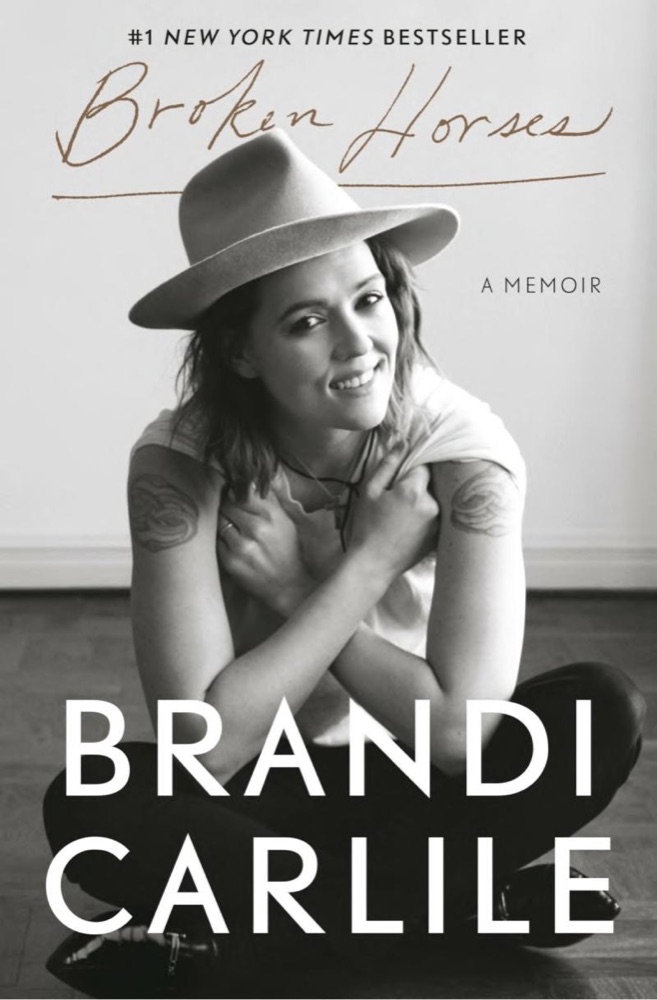 Broken Horses
 Milk Fed
 The Story of a New Name
 Dyscalculia: A Love Story of Epic Miscalculation
 The Examined Life: How We Lose and Find Ourselves
 Wild Game: My Mother, Her Lover, and Me
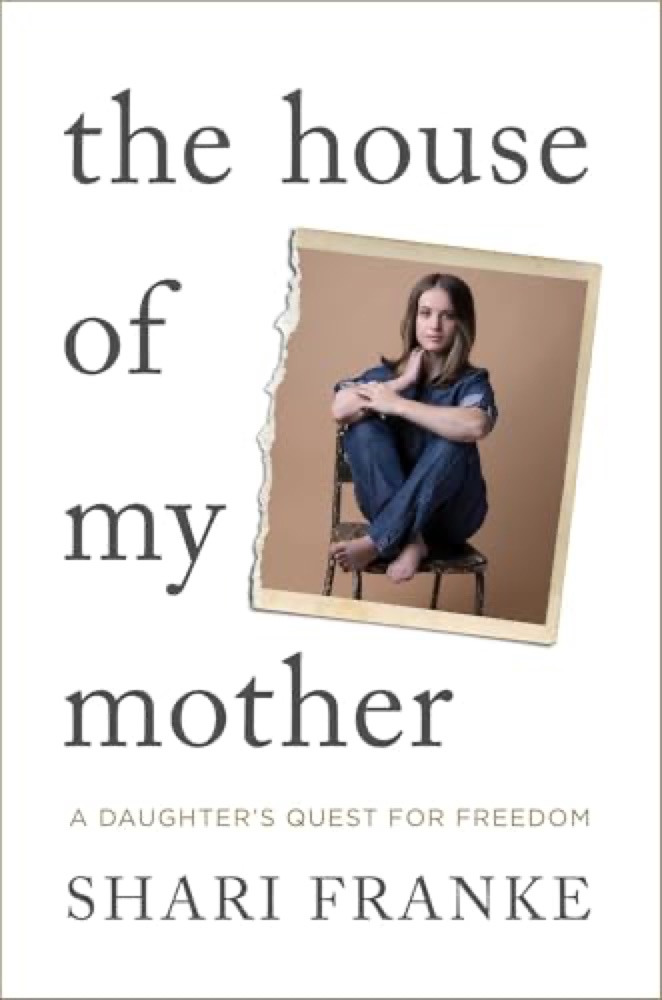 The House of My Mother: A Daughter's Quest for Freedom
 Transit
 All Fours
 Make It Scream, Make It Burn
 Women We Buried, Women We Burned: A Memoir
 Uncultured: A Memoir
 The Beauty of Living Twice
 Minor Feelings: An Asian American Reckoning
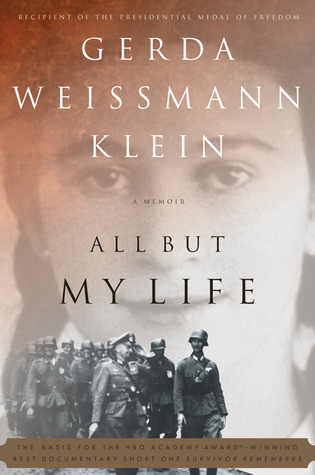 All But My Life: A Memoir
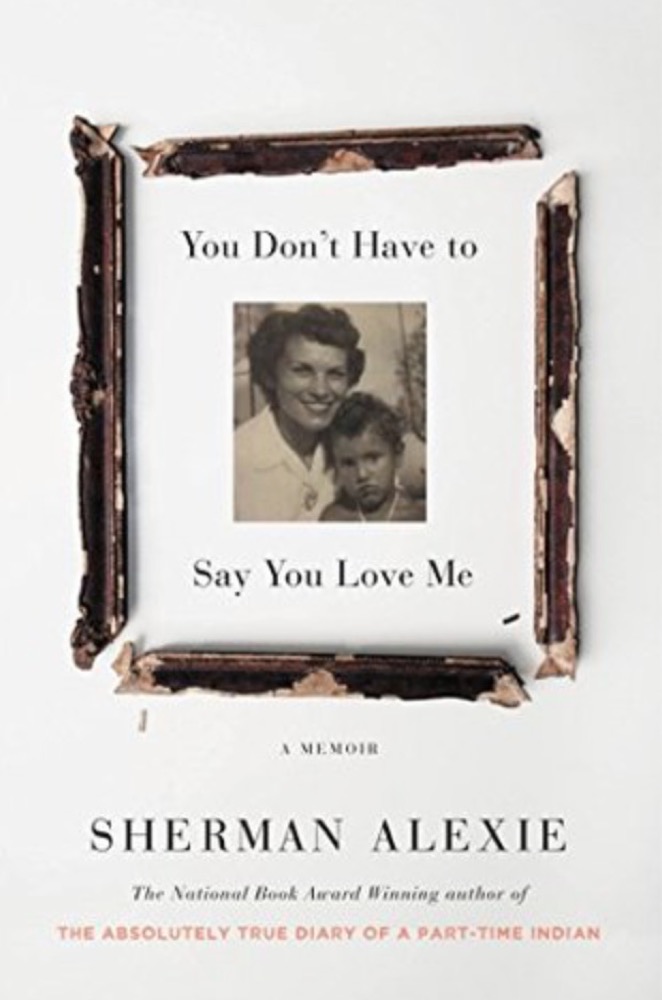 You Don't Have to Say You Love Me
 Like Streams to the Ocean: Notes on Ego, Love, and the Things That Make Us Who We Are
 In the Dream House
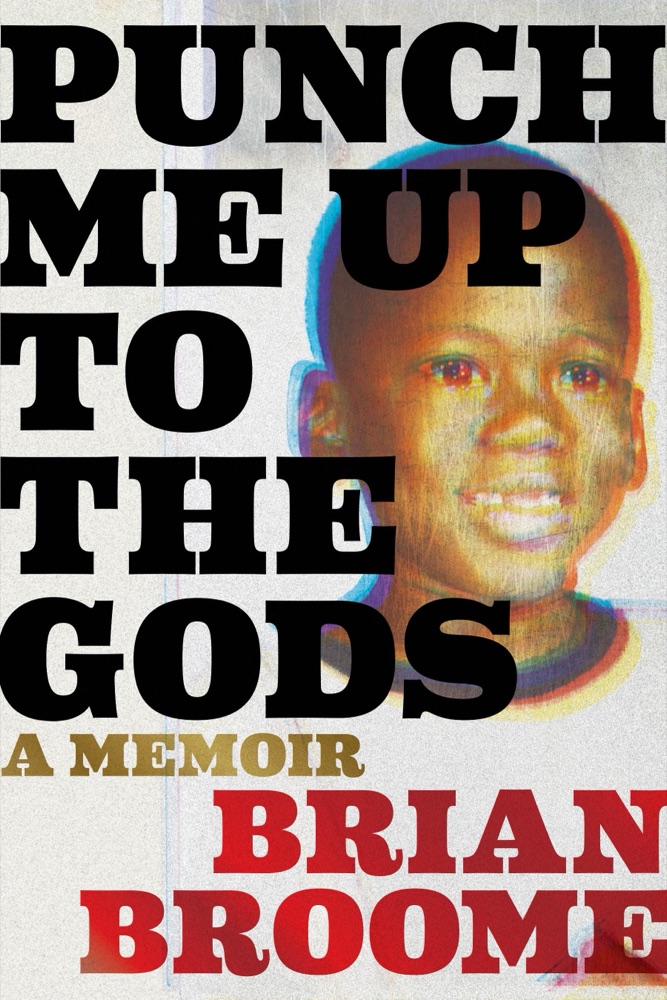 Punch Me Up to the Gods
 Em and The Big Hoom
 Reckoning: A Memoir
 One's Company
 A Living Remedy: A Memoir – A Daughter's Narrative of Adoption, Class Inequality, and Grief in America
 Those Who Leave and Those Who Stay
 A Mind Spread Out on the Ground
 Inheritance: A Memoir of Genealogy, Paternity, and Love
 Skin: Talking About Sex, Class And Literature