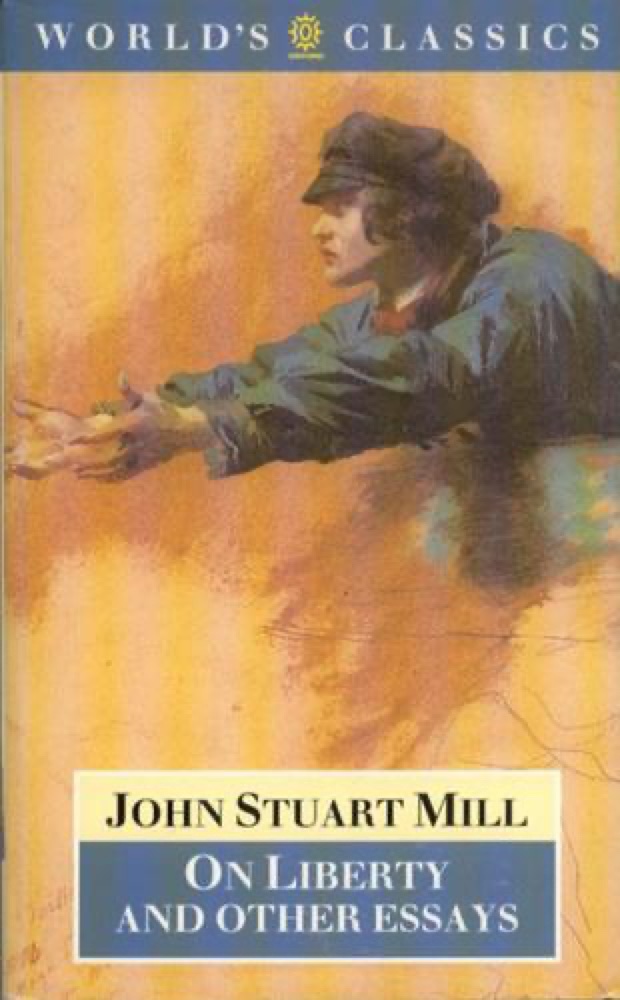
 On Liberty
Quotes from the Book
Protection, therefore, against tyranny of the magistrate is not enough: there needs protection also against the tyranny of the prevailing opinion and feeling; against the tendency of society to impose, by other means than civil penalties, its own ideas and practices as rules of conduct on those who dissent from them; to fetter the development, and, if possible, prevent the formation, of any individuality not in harmony with its ways, and compel all characters to fashion themselves upon the model of its own.
But reflecting persons perceived that when society is itself the tyrant—society collectively, over the separate individuals who compose it—its means of tyrannizing are not restricted to the acts which it may do by the hands of its political functionaries. Society can and does execute its own mandates: and if it issues wrong mandates instead of right, or any mandates at all in things with which it ought not to meddle, it practises a social tyranny more formidable than many kinds of political oppression, since, though not usually upheld by such extreme penalties, it leaves fewer means of escape, penetrating much more deeply into the details of life, and enslaving the soul itself.
On the average, a person who cares for other people, for his country, or for mankind, is a happier man than one who does not; but of what use is it to preach this doctrine to a man who cares for nothing but his own ease, or his own pocket? He cannot care for other people if he would. It is like preaching to the worm who crawls on the ground, how much better it would be for him if he were an eagle.
Governments must be made for human beings as they are, or as they are capable of speedily becoming.
is the absolute and essential importance of human development in its richest diversity.
Watch on YouTube
About John Stuart Mill
We have collected 78 quotes from 4 books by John Stuart Mill on BookQuoters.
More about the author →More by John Stuart Mill

Book details
- Author
- John Stuart Mill
- Genre
- Classics
- Goodreads rating
- 4.06 (7k ratings) →
Keep reading
On Liberty
 The Constitution of Liberty
 Rights of Man
 Ameritopia: The Unmaking of America
 The Road to Serfdom
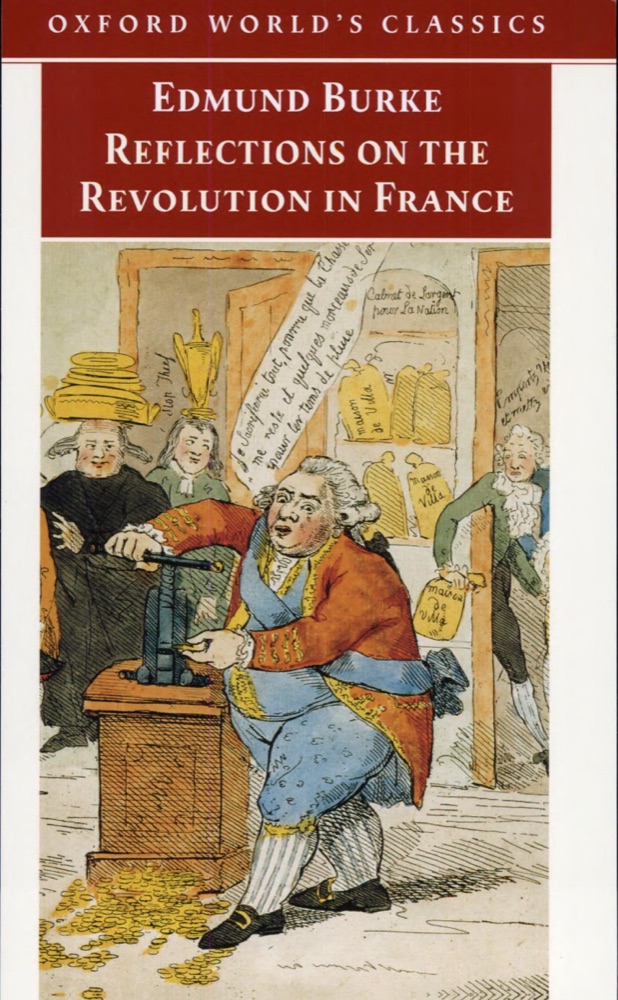 Reflections on the Revolution in France
 Democracy in America
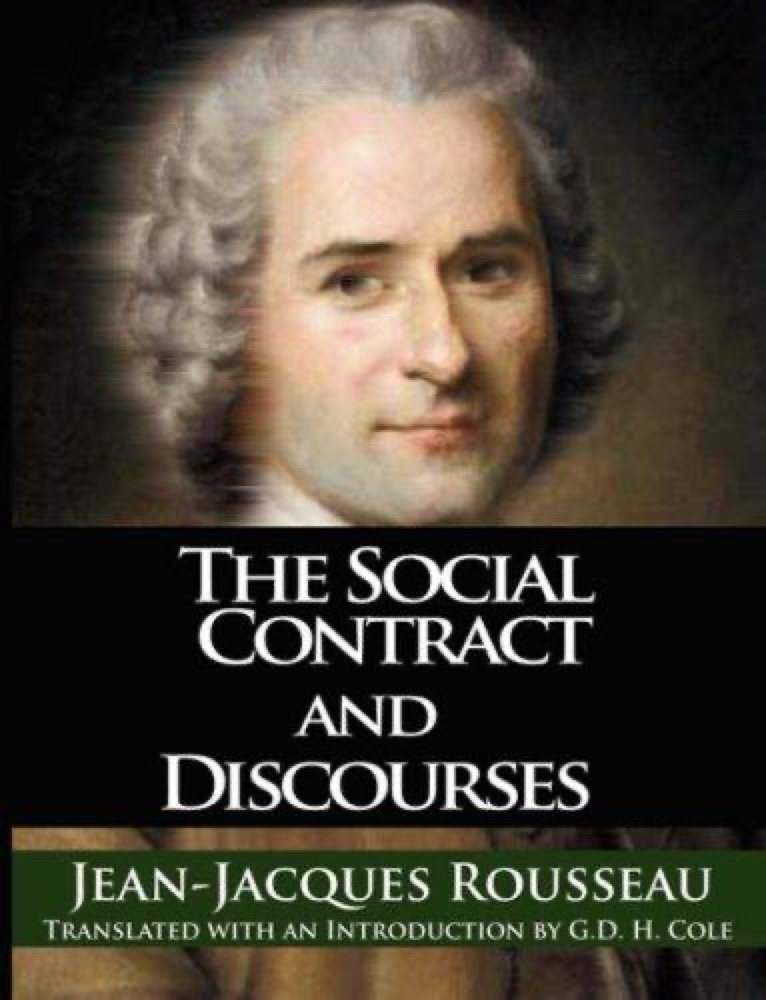 The Social Contract
 The Federalist Papers
 Chomsky On Anarchism
 Capitalism: The Unknown Ideal
 On the Republic / On the Laws
 Civil Disobedience
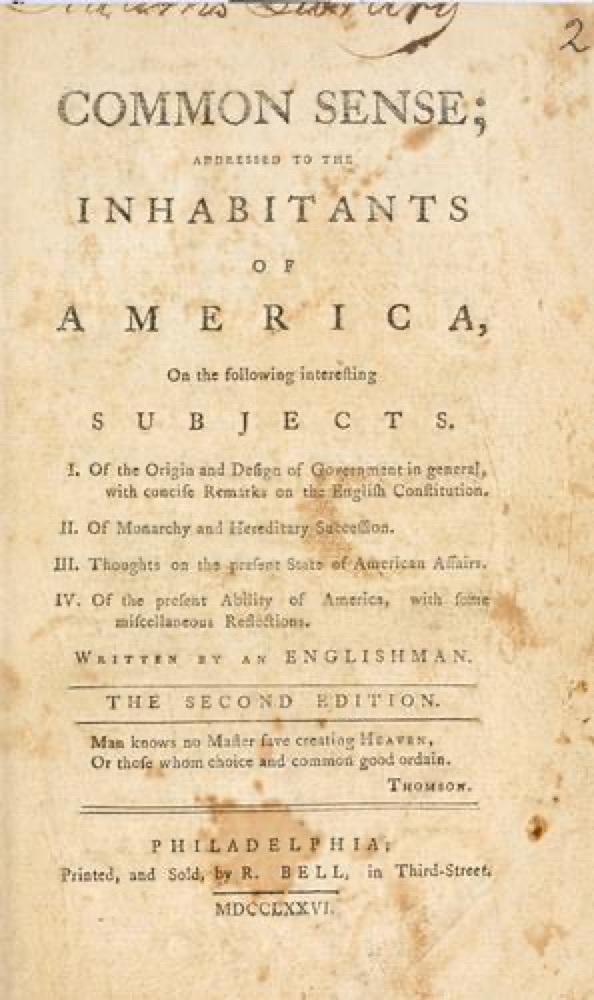 Common Sense
 A Theory of Justice
 The 5000 Year Leap: A Miracle That Changed the World
 The Soul of Man Under Socialism
 Civil Disobedience and Other Essays
 Justice: What's the Right Thing to Do?
 Politics
 The Spirit of the Laws
 Liberalism: The Classical Tradition
 The Human Condition
 Freedom
 Discourse on the Origin of Inequality
 Anarchy, State, and Utopia
 Ill Fares the Land
 The Machiavellians: Defenders of Freedom
 Brave New World Revisited
 The Ethics of Ambiguity
 A People's History of the United States
 One-Dimensional Man: Studies in the Ideology of Advanced Industrial Society
 Human Action: A Treatise on Economics
 Capitalism and Freedom
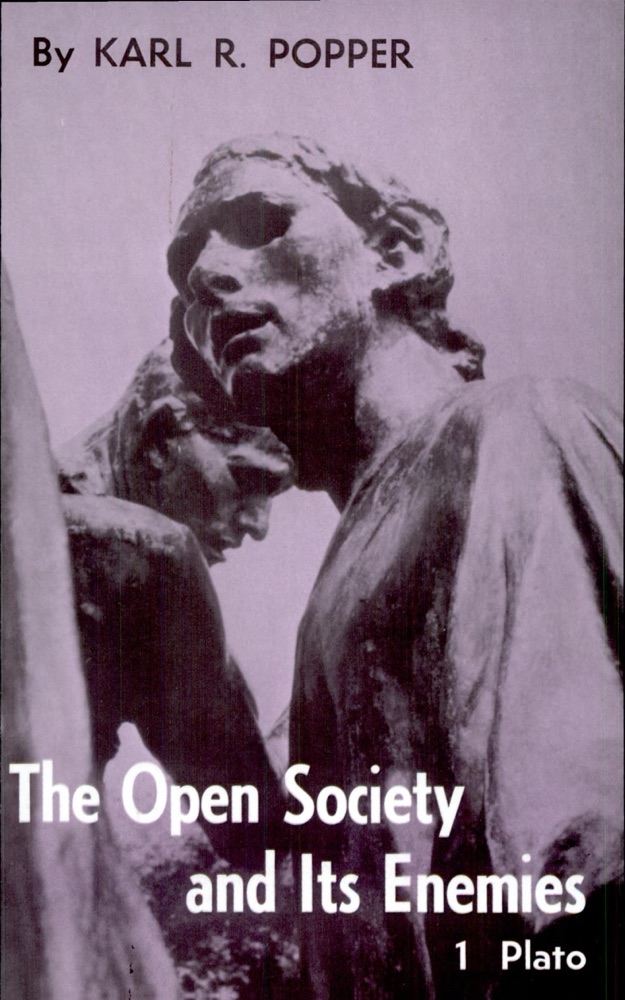 The Open Society and Its Enemies - Volume One: The Spell of Plato
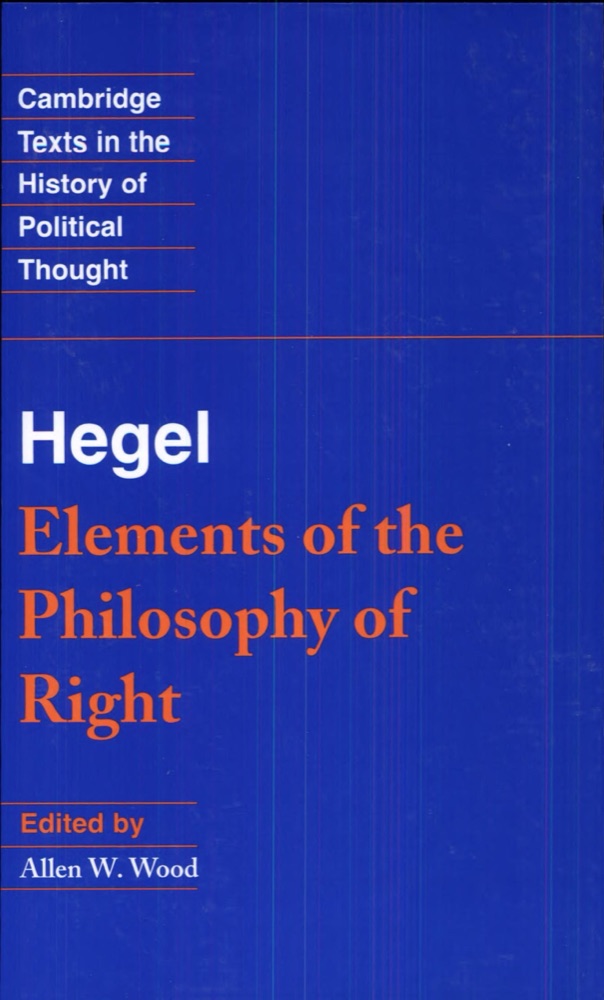 Elements of the Philosophy of Right
 Humankind: A Hopeful History
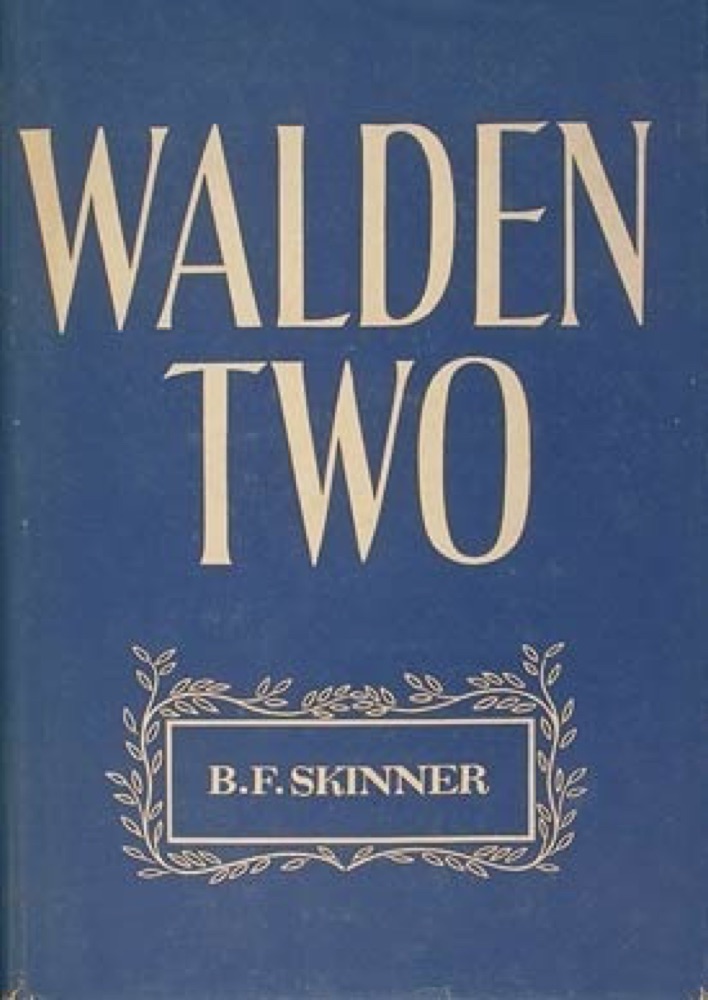 Walden Two
 What Kind of Creatures Are We?
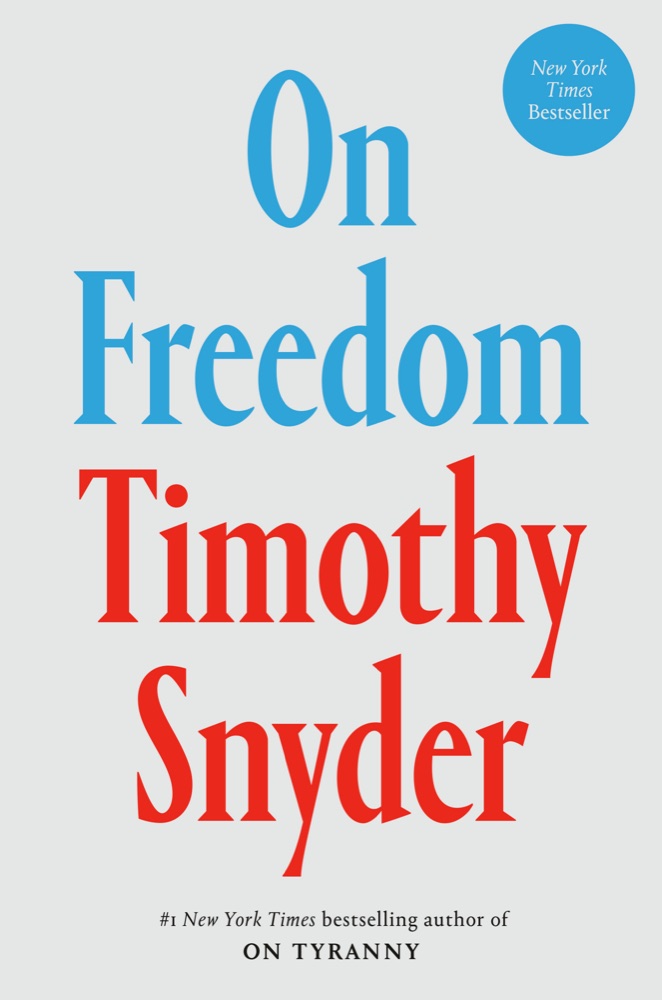 On Freedom
 The Subjection of Women
 The Fatal Conceit: The Errors of Socialism
 Political Theology: Four Chapters on the Concept of Sovereignty
 Liberty Defined: 50 Essential Issues That Affect Our Freedom
 Rules for Radicals: A Pragmatic Primer for Realistic Radicals
 The Sane Society
 The Discourses
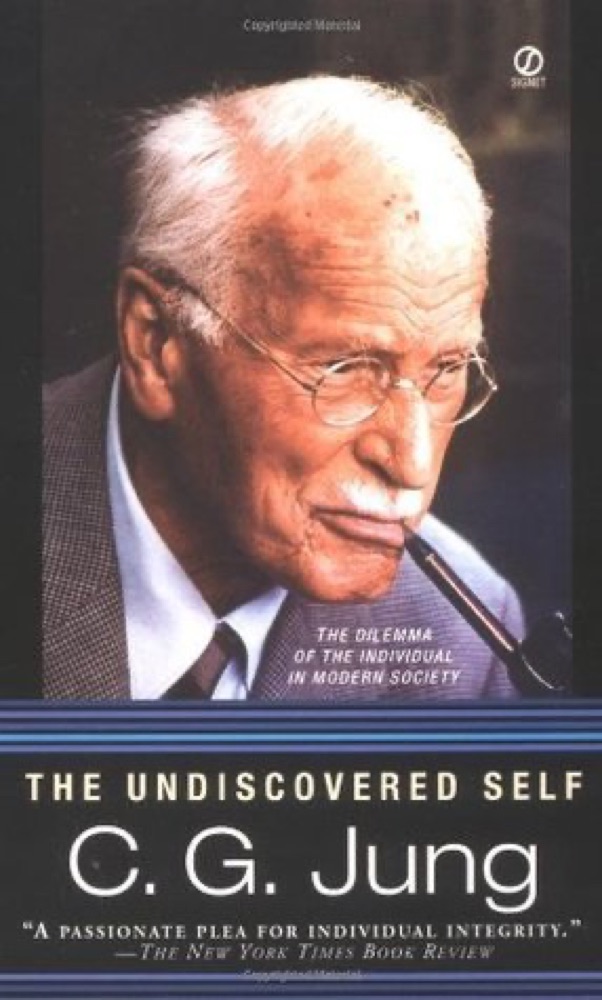 The Undiscovered Self
 A Conflict of Visions: Ideological Origins of Political Struggles
 Selections from the Prison Notebooks
 The Chomsky-Foucault Debate: On Human Nature
 The Accursed Share: An Essay on General Economy, Volume I: Consumption
 Humanity
 The Nicomachean Ethics
 The Lessons of History
 After Virtue
 You Can't Be Neutral on a Moving Train: A Personal History of Our Times
 Pedagogy of the Oppressed
 Second Treatise of Government
 The Revolution: A Manifesto