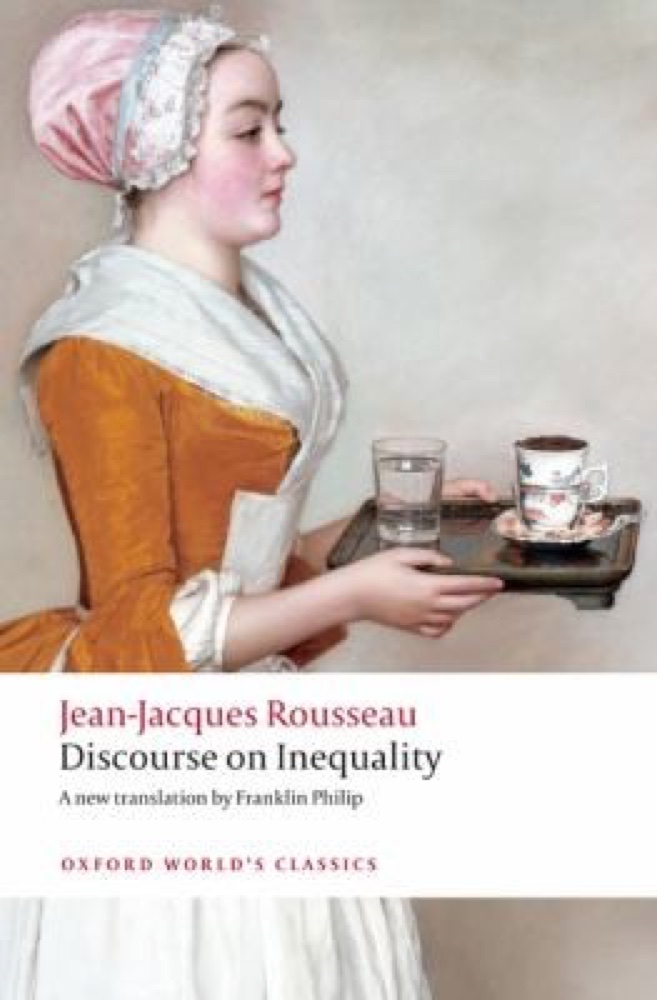
 Discourse on the Origin of Inequality
Quotes from the Book
Every man having been born free and master of himself, no one else may under any pretext whatever subject him without his consent. To assert that the son of a slave is born a slave is to assert that he is not born a man.
...in respect of riches, no citizen shall ever be wealthy enough to buy another, and none poor enough to be forced to sell himself.
In truth, laws are always useful to those with possessions and harmful to those who have nothing; from which it follows that the social state is advantageous to men only when all possess something and none has too much.
As soon as any man says of the affairs of the State "What does it matter to me?" the State may be given up for lost.
The word ‘slavery’ and ‘right’ are contradictory, they cancel each other out. Whether as between one man and another, or between one man and a whole people, it would always be absurd to say: "I hereby make a covenant with you which is wholly at your expense and wholly to my advantage; I will respect it so long as I please and you shall respect it as long as I wish.
It is easier to conquer than to administer. With enough leverage, a finger could overturn the world; but to support the world, one must have the shoulders of Hercules.
A born king is a very rare being.
In a well governed state, there are few punishments, not because there are many pardons, but because criminals are rare; it is when a state is in decay that the multitude of crimes is a guarantee of impunity.
To renounce liberty is to renounce being a man, to surrender the rights of humanity and even its duties.
If there were a nation of Gods, it would govern itself democratically. A government so perfect is not suited to men.
There is no evildoer who could not be made good for something.
The social pact, far from destroying natural equality, substitutes, on the contrary, a moral and lawful equality for whatever physical inequality that nature may have imposed on mankind; so that however unequal in strength and intelligence, men become equal by covenant and by right.
To renounce freedom is to renounce one's humanity, one's rights as a man and equally one's duties.
The people of England regards itself as free; but it is grossly mistaken; it is free only during the election of members of parliament. As soon as they are elected, slavery overtakes it, and it is nothing.
To discover the rules of society that are best suited to nations, there would need to exist a superior intelligence, who could understand the passions of men without feeling any of them, who had no affinity with our nature but knew it to the full, whose happiness was independent of ours, but who would nevertheless make our happiness his concern, who would be content to wait in the fullness of time for a distant glory, and to labour in one age to enjoy the fruits in another. Gods would be needed to give men laws.
What, then, is the government? An intermediary body established between the subjects and the sovereign for their mutual communication, a body charged with the execution of the laws and the maintenance of freedom, both civil and political.
MAN is born free; and everywhere he is in chains. One thinks himself the master of others, and still remains a greater slave than they.
There is no subjection so perfect as that which keeps the appearance of freedom.
Liberty may be gained, but can never be recovered." (Bk2:8)
Our will is always for our own good, but we do not always see what that is; the people is never corrupted, but it is often deceived..." (Bk2:3)
If force compels obedience, there is no need to invoke a duty to obey, and if force ceases to compel obedience, there is no longer any obligation.
Usurpers always bring about or select troublous times to get passed, under cover of the public terror, destructive laws, which the people would never adopt in cold blood. The moment chosen is one of the surest means of distinguishing the work of the legislator from that of the tyrant.
There is peace in dungeons, but is that enough to make dungeons desirable?
Since men cannot create new forces, but merely combine and control those which already exist, the only way in which they can preserve themselves is by uniting their separate powers in a combination strong enough to overcome any resistance, uniting them so that their powers are directed by a single motive and act in concert.
Man’s first law is to watch over his own preservation; his first care he owes to himself; and as soon as he reaches the age of reason, he becomes the only judge of the best means to preserve himself; he becomes his own master.
[T]he mere impulse of appetite is slavery, while obedience to a law which we prescribe to ourselves is liberty.
Watch on YouTube
About Jean-Jacques Rousseau
We have collected 128 quotes from 5 books by Jean-Jacques Rousseau on BookQuoters.
More about the author →More by Jean-Jacques Rousseau
Discourse on the Origin of Inequality
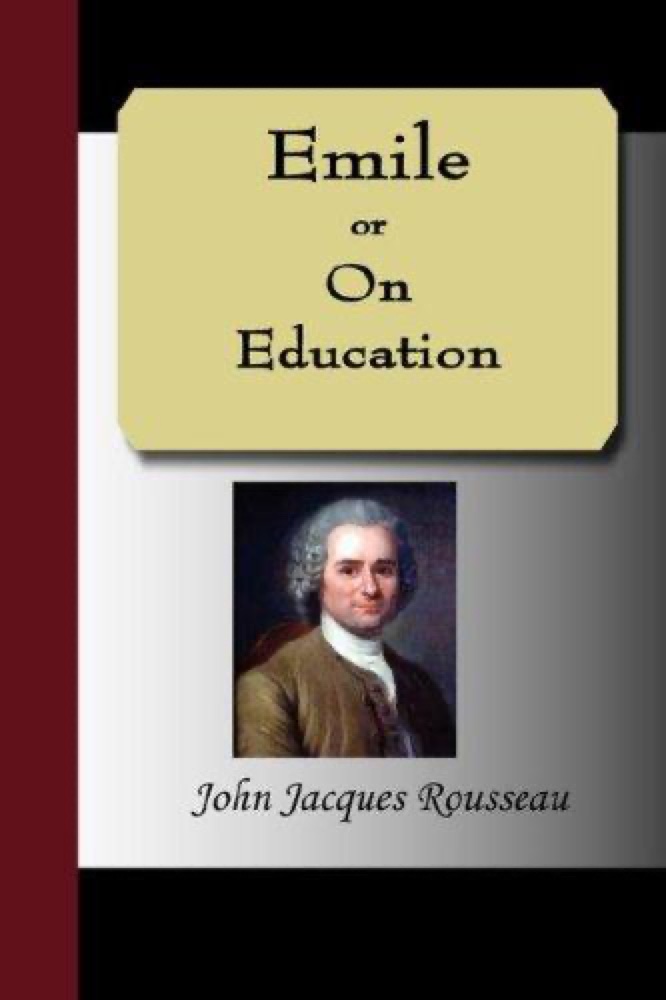 Emile or On Education
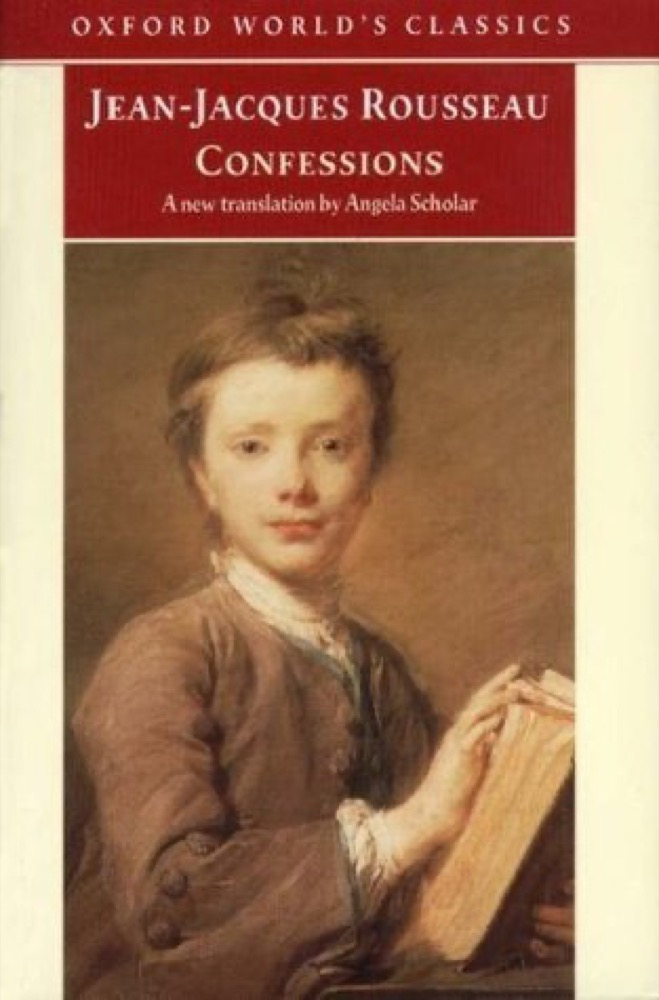 Confessions
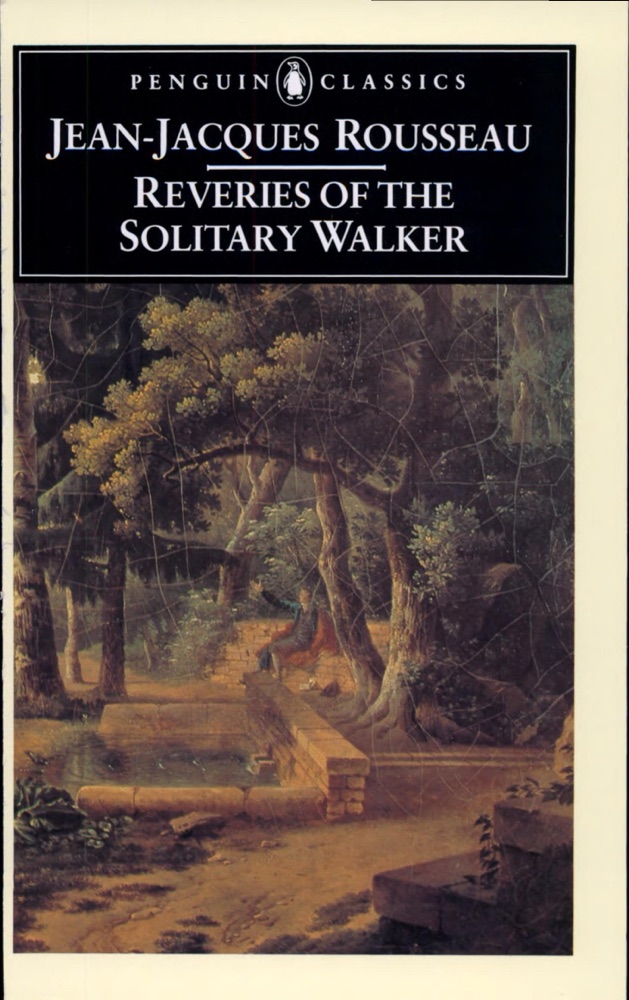 Reveries of the Solitary Walker
Book details
- Author
- Jean-Jacques Rousseau
- Genre
- Classics
- Goodreads rating
- 3.78 (59k ratings) →
Keep reading
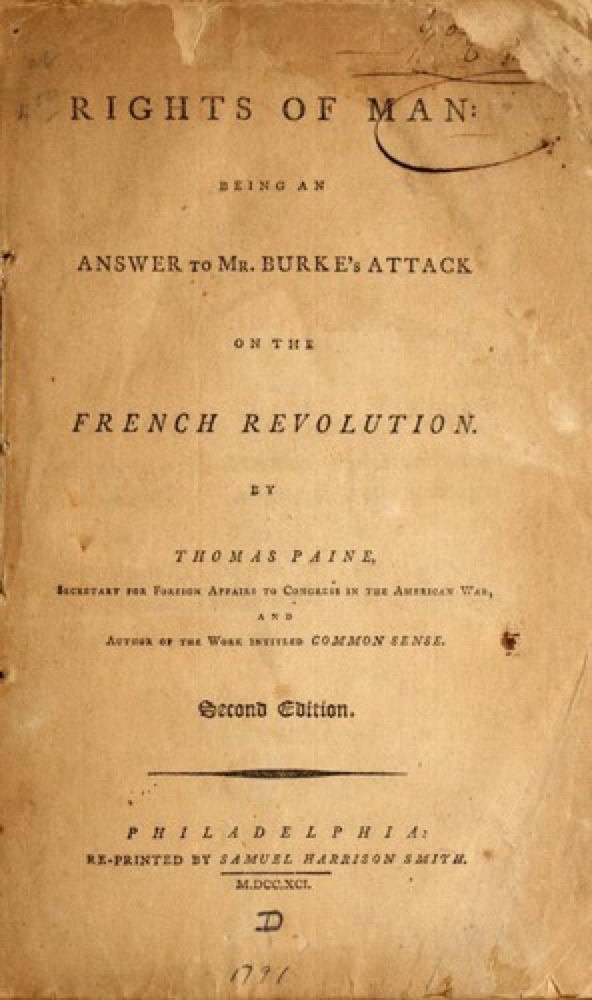 Rights of Man
 On Liberty
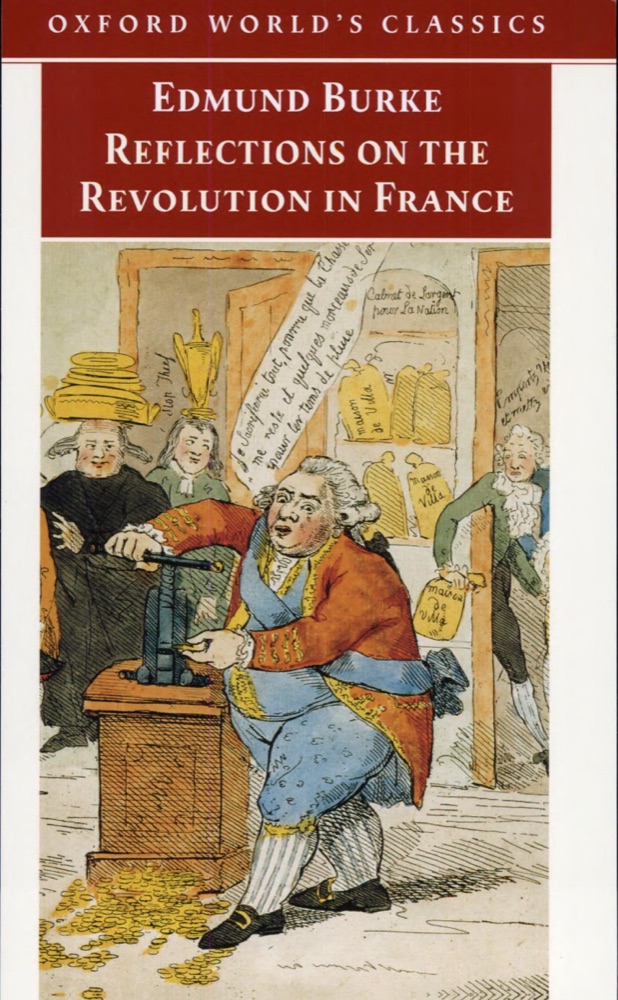 Reflections on the Revolution in France
 On the Republic / On the Laws
 Common Sense
 Civil Disobedience
 Politics
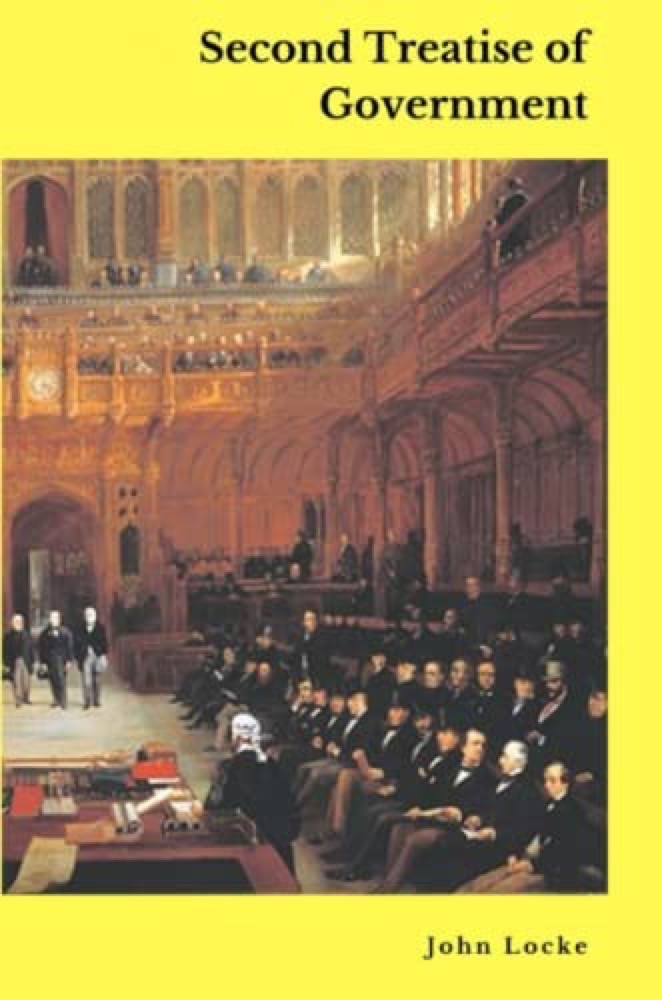 Second Treatise of Government
 Democracy in America
 Freedom
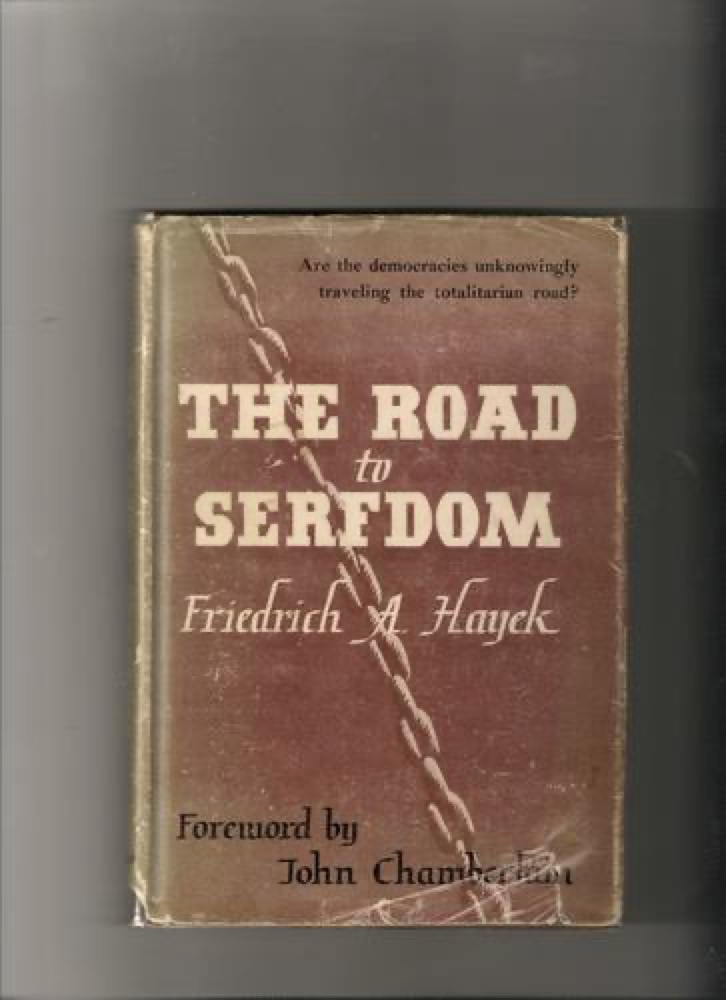 The Road to Serfdom
 The Constitution of Liberty
 Utopia
 Civil Disobedience and Other Essays
 Theological-Political Treatise
 Capitalism: The Unknown Ideal
 The Federalist Papers
 The 5000 Year Leap: A Miracle That Changed the World
 The Law
 Leviathan
 The Discourses
 A Theory of Justice
 The Subjection of Women
 The Laws of Plato
 Anarchy, State, and Utopia
 The Virtue of Selfishness: A New Concept of Egoism
 The Republic
 Children of Dune
 The Nicomachean Ethics
 Elements of the Philosophy of Right
 Justice: What's the Right Thing to Do?
 The Spirit of the Laws
 Sacred Hunger
Discourse on the Origin of Inequality
Sacred Hunger
Discourse on the Origin of Inequality
 Naked Empire
 Liberalism: The Classical Tradition
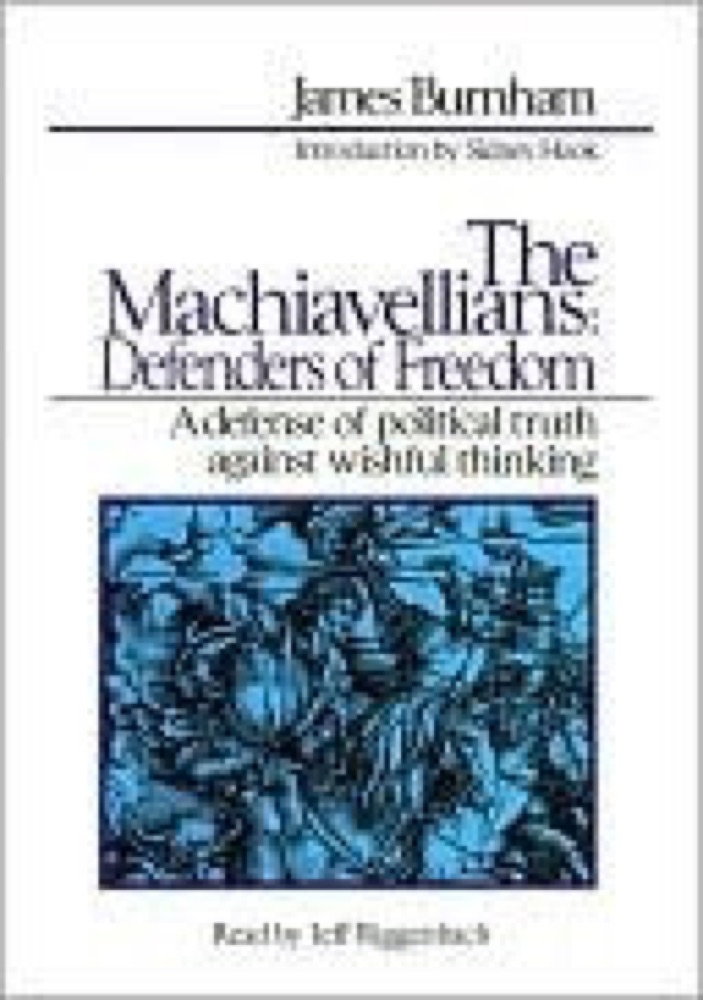 The Machiavellians: Defenders of Freedom
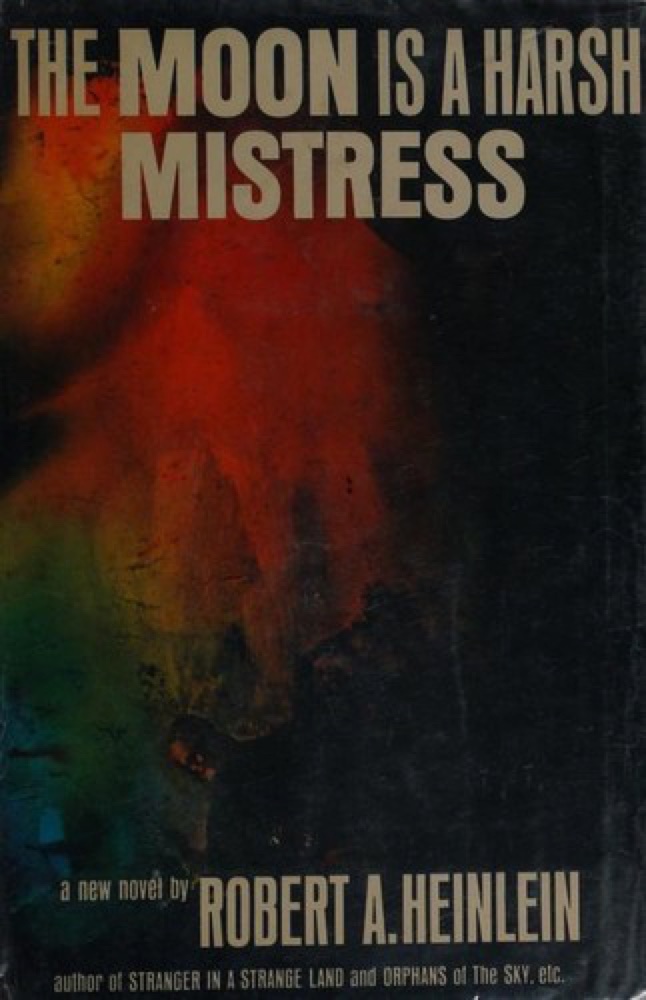 The Moon is a Harsh Mistress
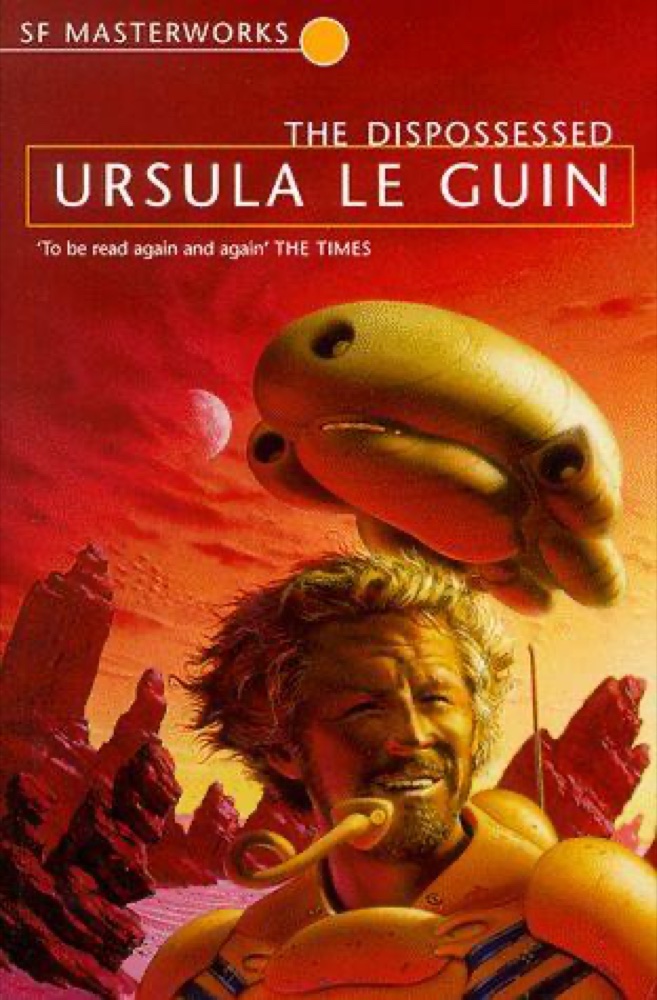 The Dispossessed
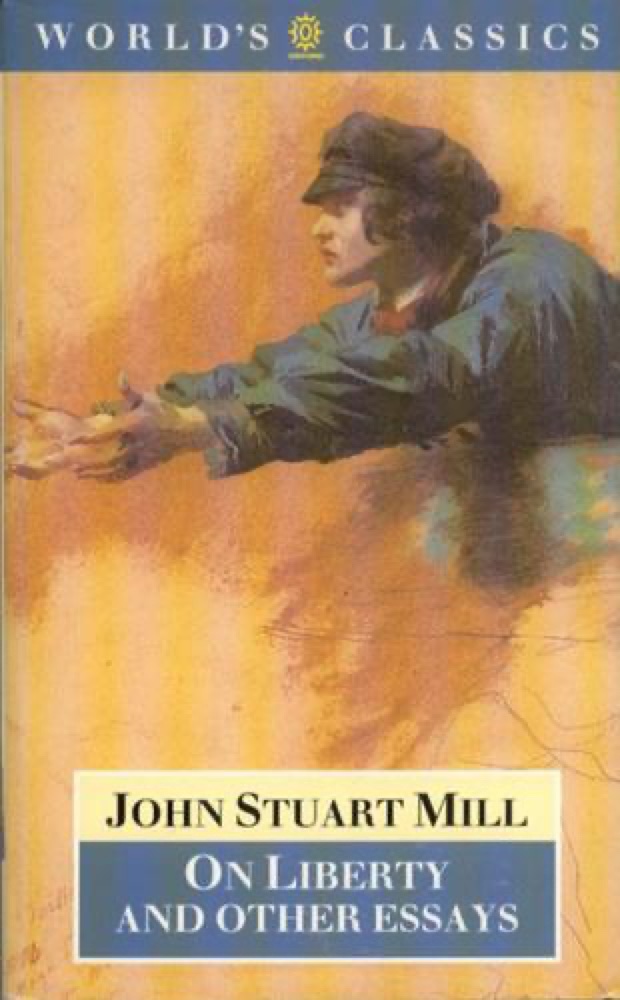 On Liberty and Other Essays
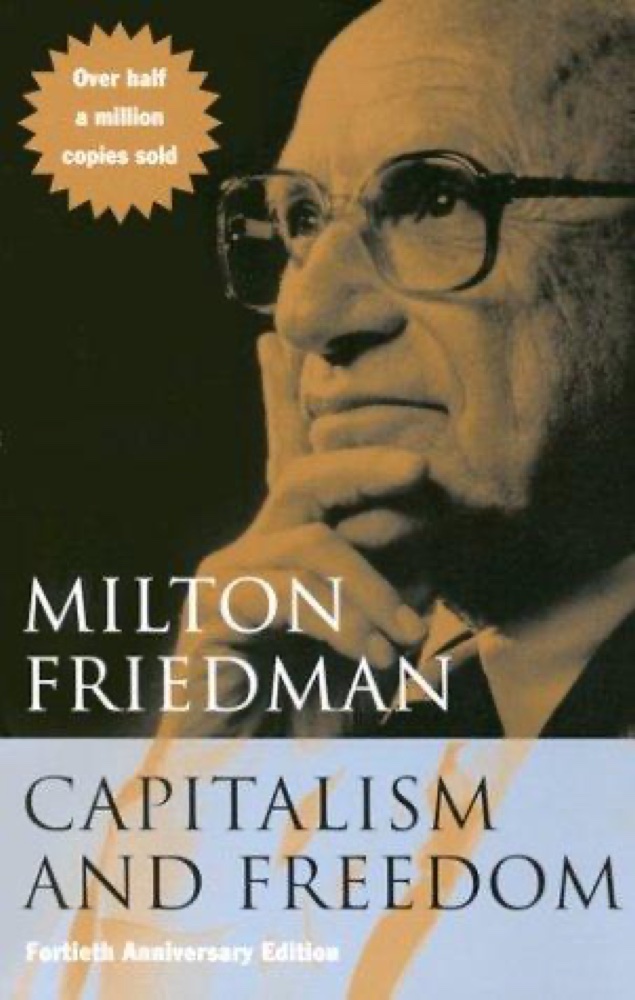 Capitalism and Freedom
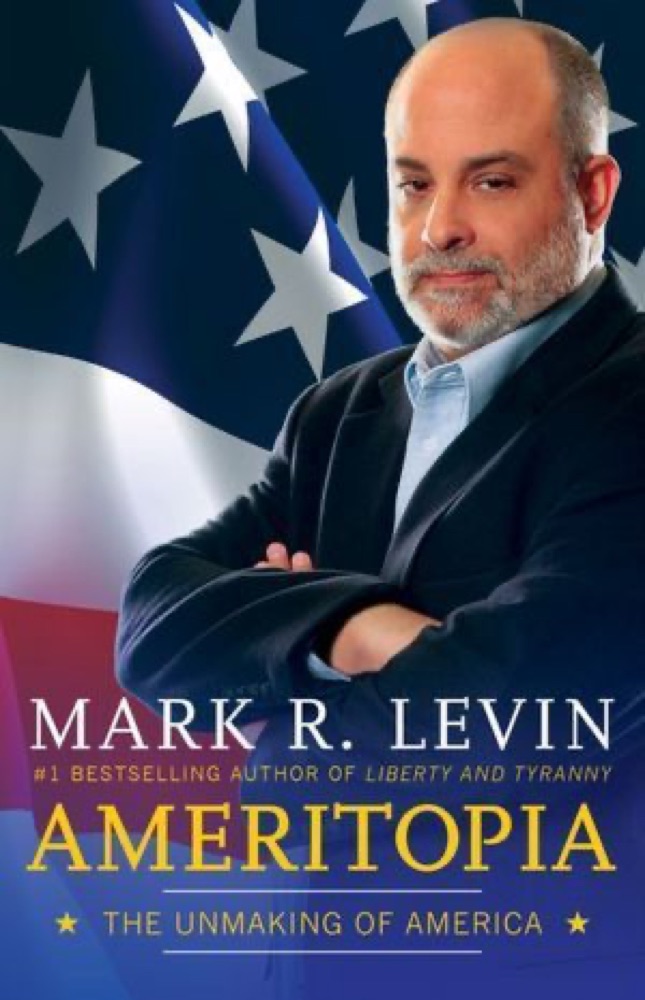 Ameritopia: The Unmaking of America
 Groundwork of the Metaphysics of Morals
 The Soul of Man Under Socialism
 The First Circle
 God Emperor of Dune
 The Grand Inquisitor
 Starship Troopers
 The Human Condition
 The Accursed Share: An Essay on General Economy, Volume I: Consumption
 On Freedom
 Faith of the Fallen
 The Prince
 The Revolution: A Manifesto
 Escape from Freedom
 The Muqaddimah: An Introduction to History
 Ethics
 The Iron Heel
 Behold a Pale Horse
 On the Genealogy of Morals