
 Social Intelligence: The New Science of Human Relationships
Quotes from the Book
Parents who discipline their child by discussing the consequences of their actions produce children who have better moral development , compared to children whose parents use authoritarian methods and punishment.
104
empathy is like a universal solvent. Any problem immersed in empathy becomes soluble.
19
I remember sitting in the Beth Shalom synagogue in Cambridge on the night of Kol Nidre. Peter Lipton, a friend and an atheist philosopher, was giving a sermon on the theme of “atonement:” “If we treat another person as essentially bad, we dehumanize him or her. If we take the view that every human being has some good in them, even if it is only 0.1 percent of their makeup, then by focusing on their good part, we humanize them. By acknowledging and attending to and rewarding their good part, we allow it to grow, like a small flower in a desert.
17
We all know the kinds of short-term states we can enter that can compromise our empathy. These include being drunk, tired, impatient, or stressed, during which we might say or do the wrong thing to someone else and later regret it. The feeling of regret is a sign of our empathy circuit coming back on, but the fact that we say or do the wrong thing is nevertheless—at that moment—a fluctuation in our empathy circuit.
9
The challenge is to explain, without resorting to the all-too-easy concept of evil, how people are capable of causing extreme hurt to one another. So let’s substitute the term “evil” with the term “empathy erosion.” Empathy erosion can arise because of corrosive emotions, such as bitter resentment, or desire for revenge, or blind hatred, or a desire to protect. In theory these are transient emotions, the empathy erosion reversible. But empathy erosion can be the result of more permanent psychological characteristics.
9
When our empathy is switched off, we are solely in the “I” mode. In such a state we relate only to things or to people as if they were just things. Most of us are capable of doing this occasionally
1
Italian neuroscientists led by Giacomo Rizzolatti at the University of Parma...
Watch on YouTube
About Simon Baron-Cohen
We have collected 7 quotes from 1 book by Simon Baron-Cohen on BookQuoters.
More about the author →About the book
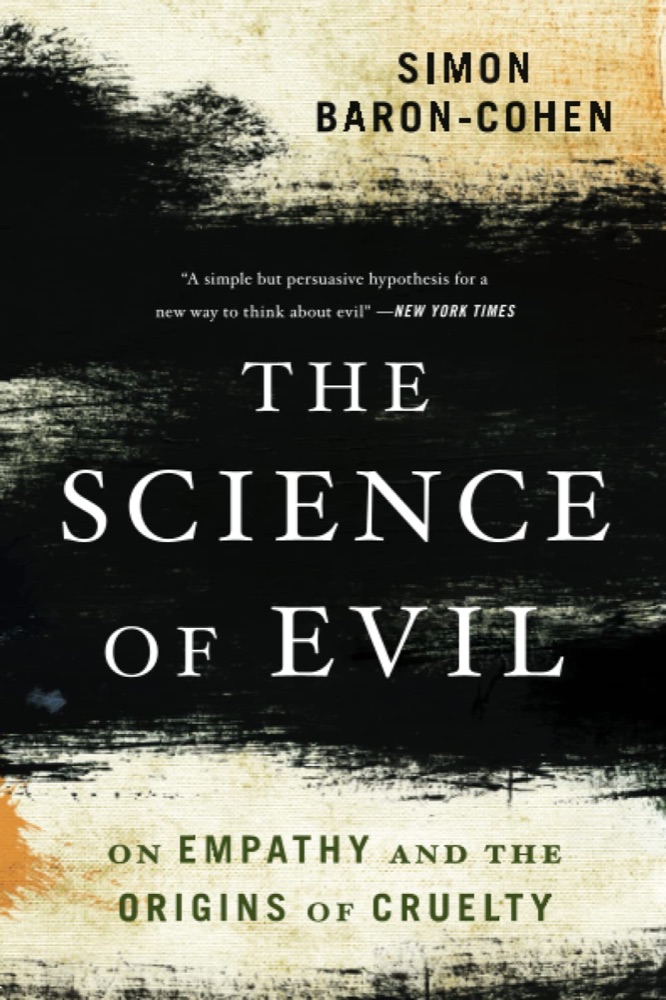
An award-winning psychologist draws on years of research to unveil “a simple but persuasive hypothesis for a new way to think about evil” (New York Times).
How can we explain both cruelty and kindness? To award-winning psychologist Simon Baron-Cohen, the explanation for cruelty is low levels of empathy, and the explanation for kindness is high levels of empathy. In The Science of Evil, Baron-Cohen draws on decades of research to develop a new, brain-based theory of human cruelty and kindness. He explores the social and biological factors that can influence our empathy levels, explains the key distinction between cognitive and affective forms of empathy, and shows how low empathy can lead to dehumanizing behavior.
Updated with a new introduction by the author, The Science of Evil will continue to challenge our understanding of human cruelty. Borderline personality disorder, autism,
Book details
- First published
- 2011
- Author
- Simon Baron-Cohen
- Genre
- Nonfiction
- Goodreads rating
- 3.76 (7k ratings)
Keep reading
Social Intelligence: The New Science of Human Relationships
 Mama's Last Hug: Animal Emotions and What They Tell Us about Ourselves
 Behave: The Biology of Humans at Our Best and Worst
 Scattered Minds: The Origins and Healing of Attention Deficit Disorder
 The Empathy Exams
 The War for Kindness: Building Empathy in a Fractured World
 The Lucifer Effect: Understanding How Good People Turn Evil
 Nonviolent Communication: A Language of Life
 Psych: The Story of the Human Mind
 Descartes' Error: Emotion, Reason and the Human Brain
 The Laws of Human Nature
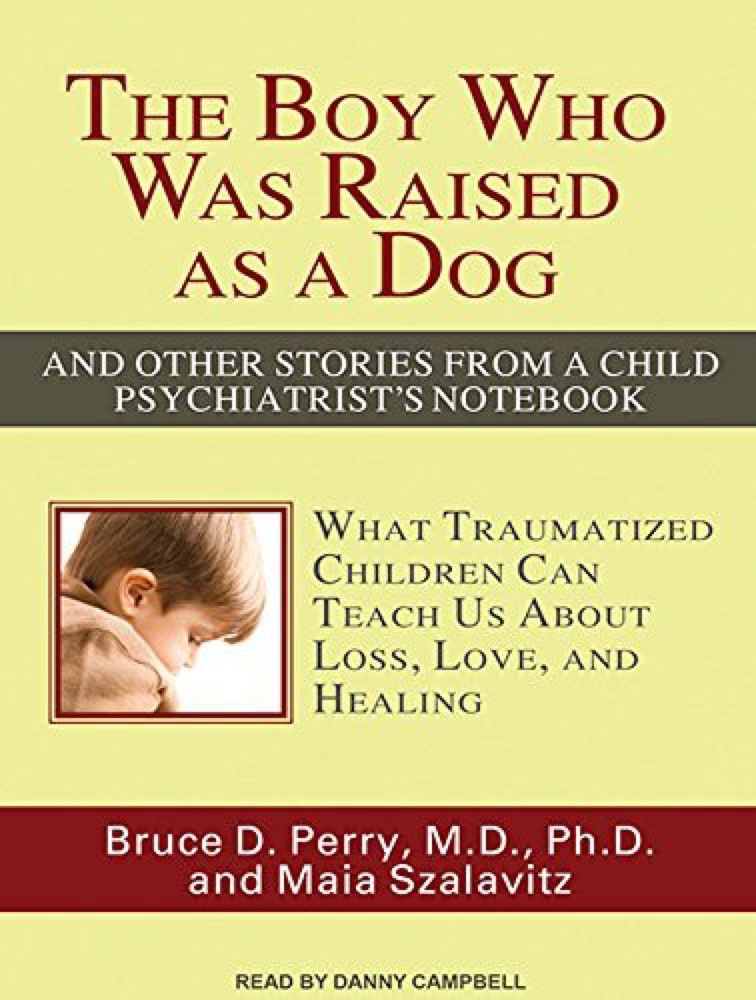 The Boy Who Was Raised as a Dog: And Other Stories from a Child Psychiatrist's Notebook
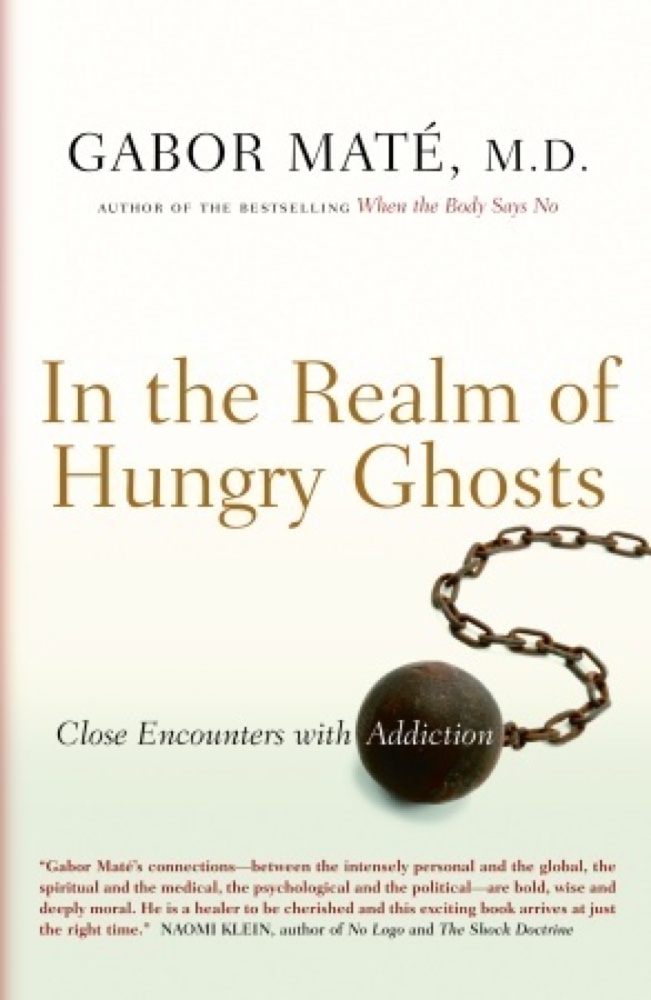 In the Realm of Hungry Ghosts: Close Encounters with Addiction
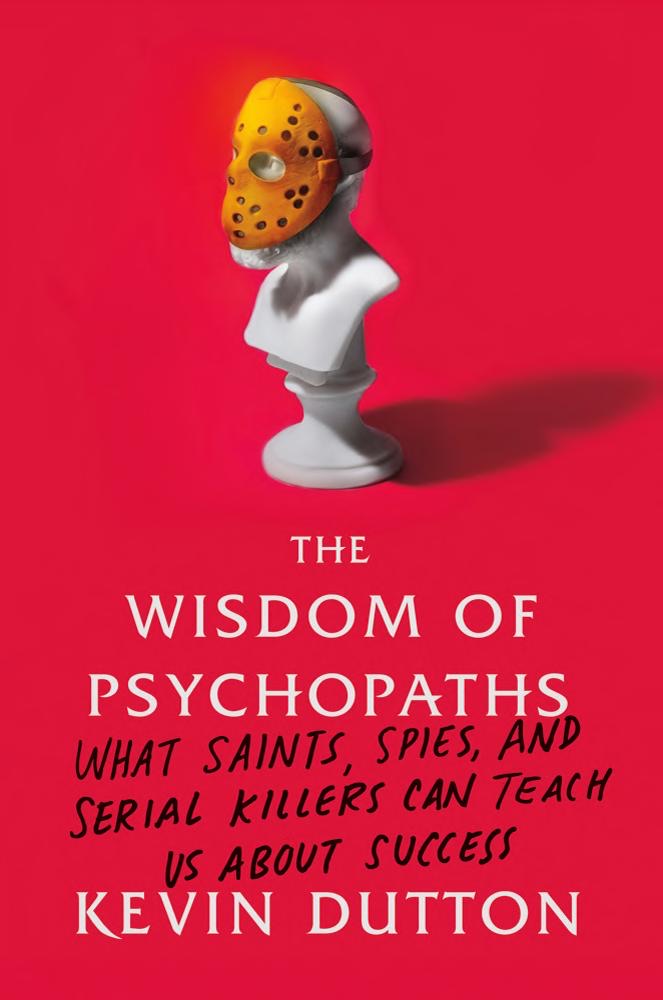 The Wisdom of Psychopaths: What Saints, Spies, and Serial Killers Can Teach Us About Success
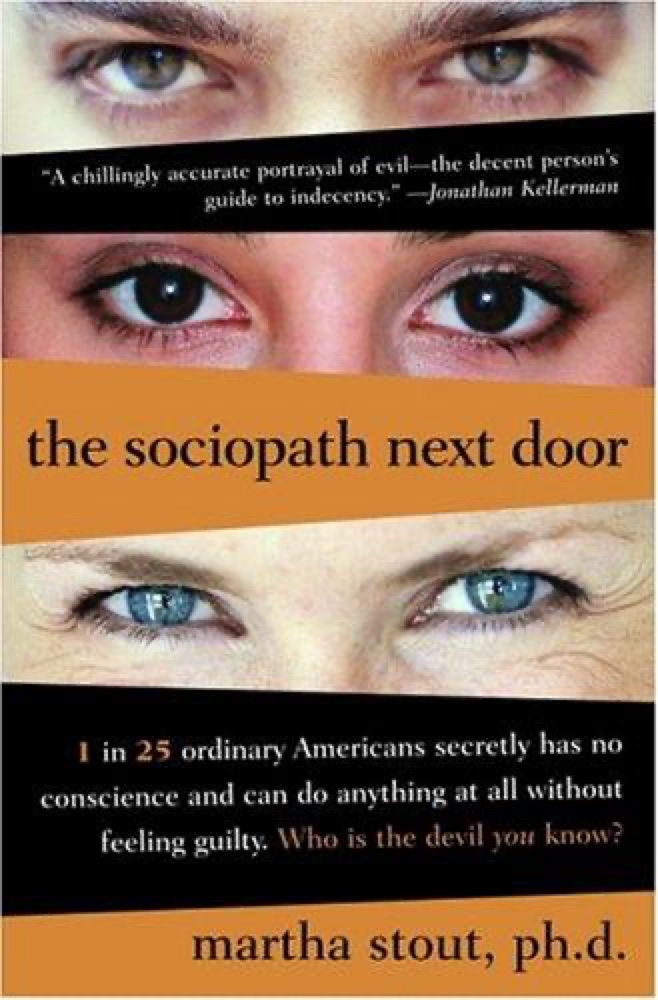 The Sociopath Next Door
 Atlas of the Heart: Mapping Meaningful Connection and the Language of Human Experience
 Buddha's Brain: The Practical Neuroscience of Happiness, Love, and Wisdom
 Letting Go: The Pathway To Surrender
 A General Theory of Love
 Emotional Intelligence: Why It Can Matter More Than IQ
 In an Unspoken Voice: How the Body Releases Trauma and Restores Goodness
 Confessions of a Sociopath: A Life Spent Hiding in Plain Sight
 All Is Not Forgotten
 Twelve Steps to a Compassionate Life
 For Your Own Good: Hidden Cruelty in Child-Rearing and the Roots of Violence
 Maps of Meaning: The Architecture of Belief
 Humankind: A Hopeful History
 Good Reasons for Bad Feelings: Insights from the Frontier of Evolutionary Psychiatry
 How to Fight
 How We Decide
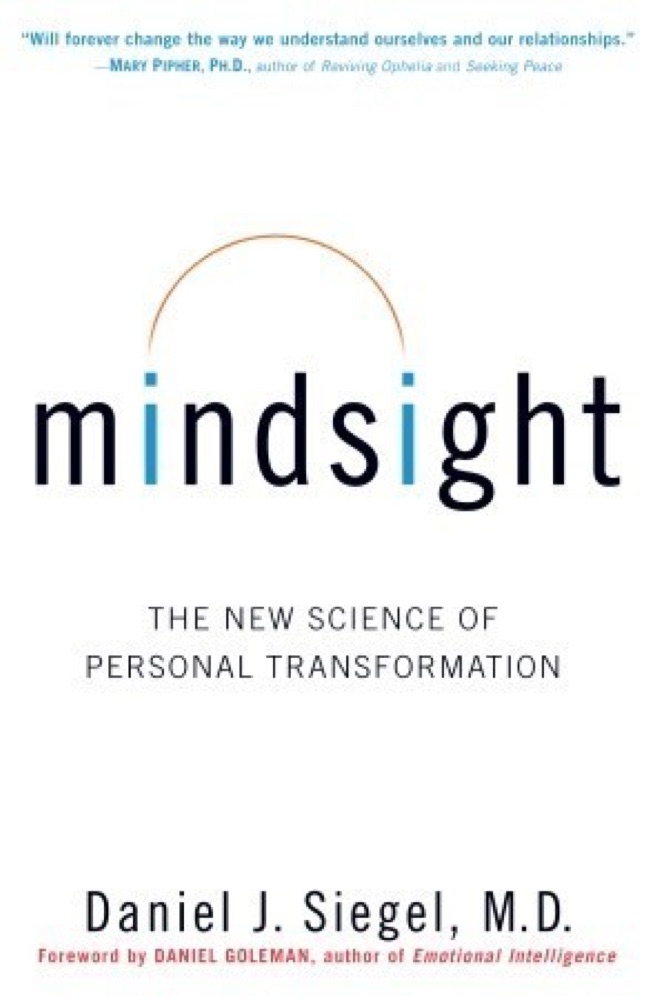 Mindsight: The New Science of Personal Transformation
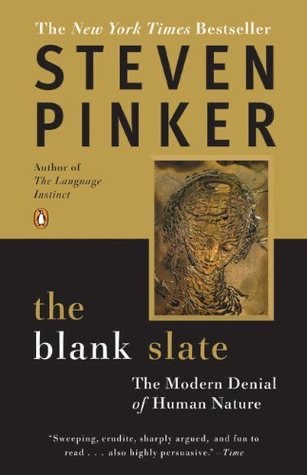 The Blank Slate: The Modern Denial of Human Nature
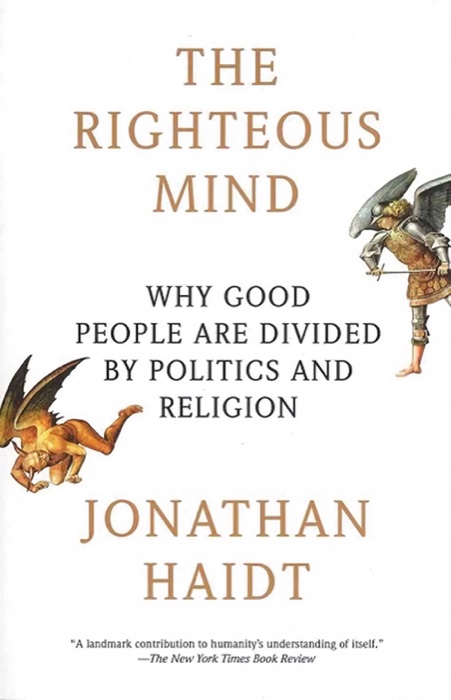 The Righteous Mind: Why Good People Are Divided by Politics and Religion
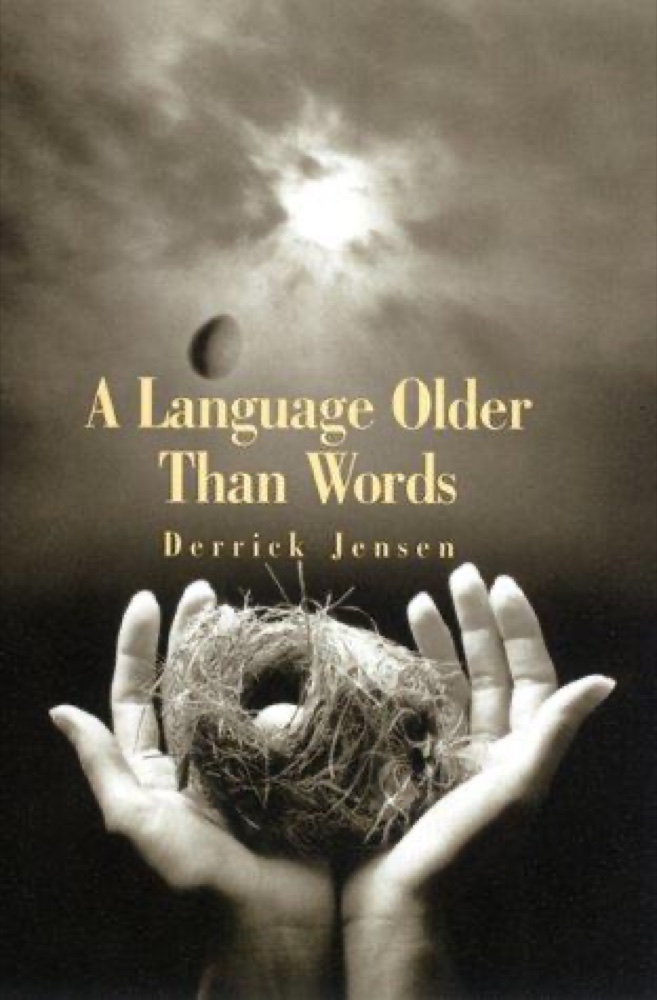 A Language Older Than Words
 The Happiness Hypothesis: Finding Modern Truth in Ancient Wisdom
 Us: Getting Past You and Me to Build a More Loving Relationship
 The Social Animal: The Hidden Sources of Love, Character, and Achievement
 The Elephant in the Brain: Hidden Motives in Everyday Life
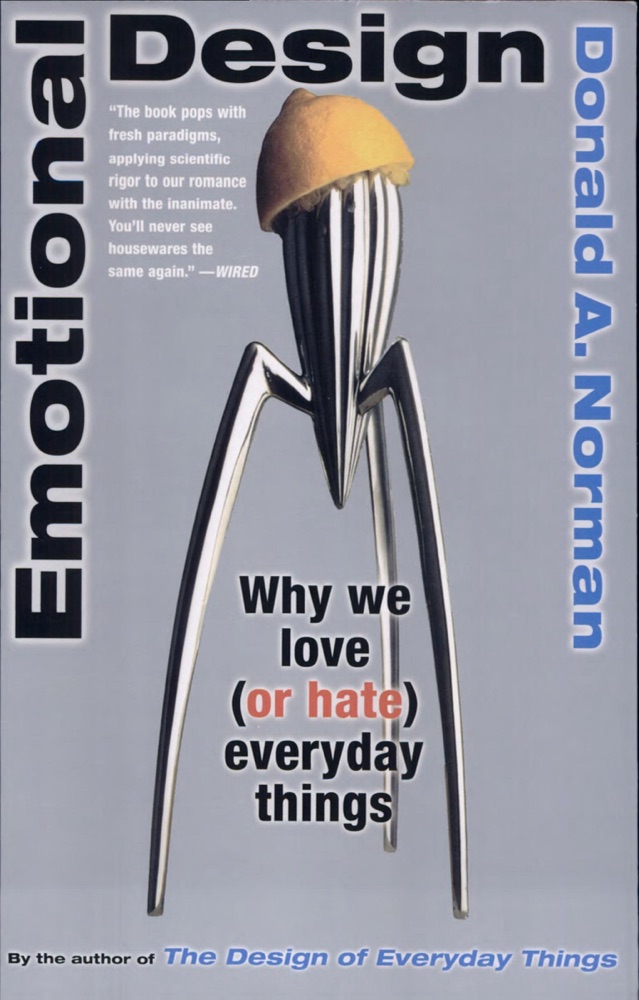 Emotional Design: Why We Love (or Hate) Everyday Things
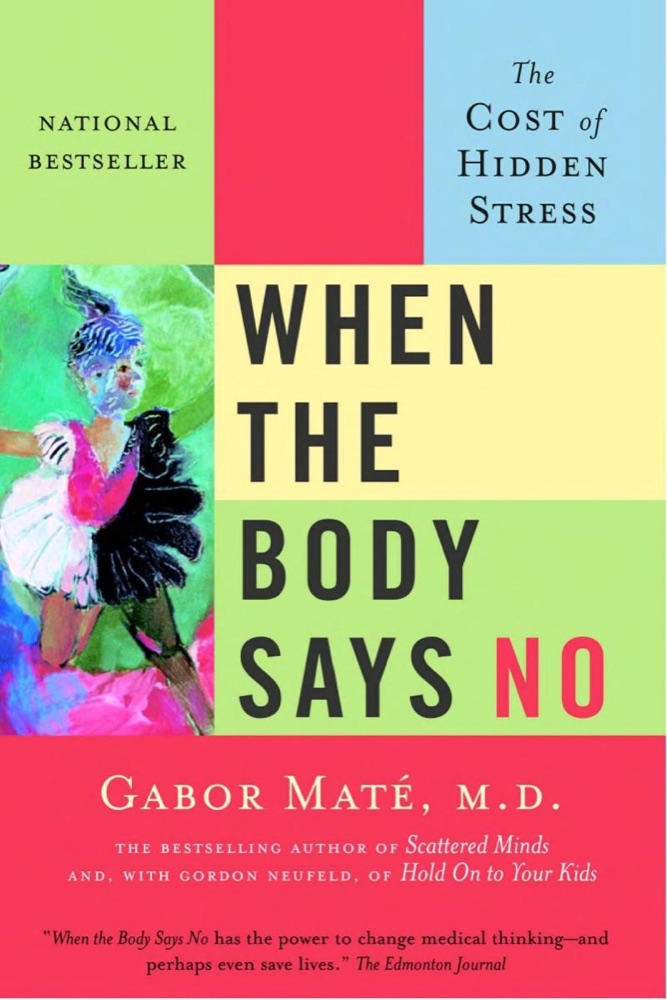 When the Body Says No: The Cost of Hidden Stress
 My Stroke of Insight: A Brain Scientist's Personal Journey
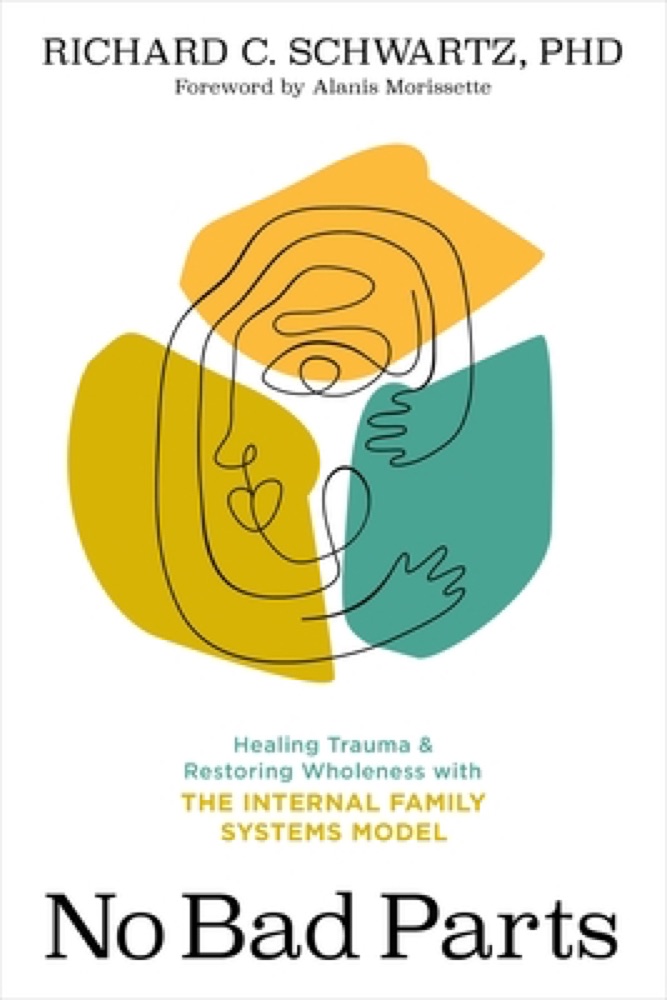 No Bad Parts: Healing Trauma & Restoring Wholeness with the Internal Family Systems Model
 Complex PTSD: From Surviving to Thriving
 The Moral Animal: Why We Are the Way We Are - The New Science of Evolutionary Psychology
 We Learn Nothing
 How to Know a Person: The Art of Seeing Others Deeply and Being Deeply Seen
 Good Morning, Monster: A Therapist Shares Five Heroic Stories of Emotional Recovery
 The Master and His Emissary: The Divided Brain and the Making of the Western World
 The Wise Heart: A Guide to the Universal Teachings of Buddhist Psychology
 How the Mind Works
 See No Stranger: A Memoir and Manifesto of Revolutionary Love
 Drive Your Plow Over the Bones of the Dead
 An Anthropologist on Mars
 Moral Tribes: Emotion, Reason, and the Gap Between Us and Them
 The Fourth Way
 Self-Compassion: The Proven Power of Being Kind to Yourself
 What Happened To You?: Conversations on Trauma, Resilience, and Healing
 My Spiritual Journey: Personal Reflections, Teachings, and Talks
 A User's Guide to the Brain: Perception, Attention, and the Four Theaters of the Brain