
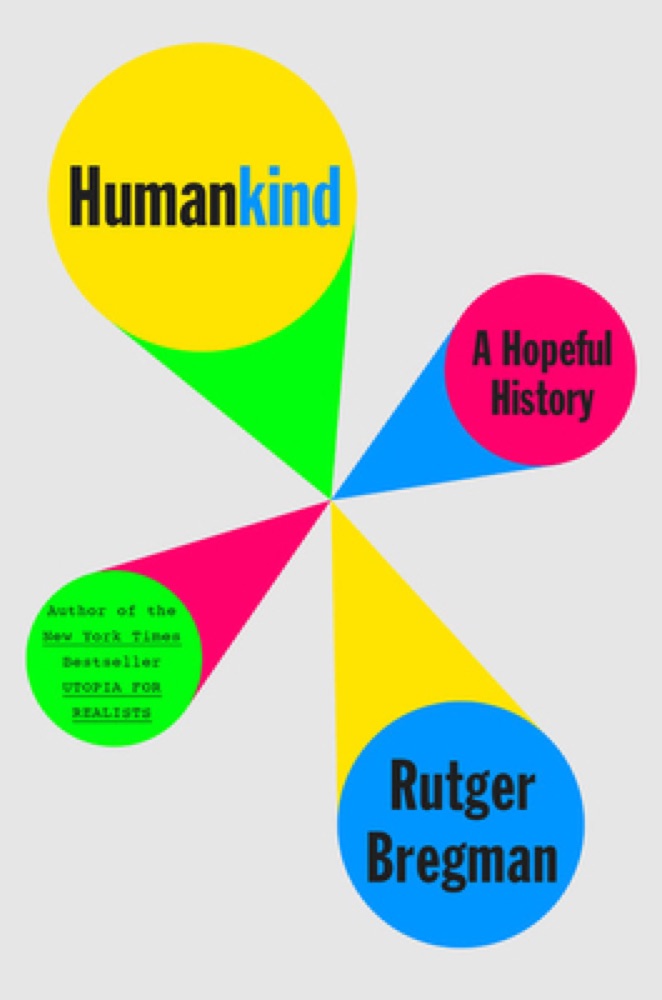
 Humankind: A Hopeful History
Quotes from the Book
As the great psychologist and Holocaust survivor Victor Frankl writes, “A man who becomes conscious of the responsibility he bears toward a human being…will never be able to throw his life away. He knows the ‘why’ for his existence, and will be able to bear almost any ‘how.
7
Fiction is empathy's gateway drug. It helps us feel for others when real-world caring is too difficult, complicated or painful. Because of this, it can restore bonds between people even when that seems impossible.
6
Novels and stories give people the chance to experience countless lives.
4
Bring people together, and they'll awaken to their common humanity. A similar thought led Mark Twain to quip, "Travel is fatal to prejudice, bigotry, and narrow-mindedness, and many of our people need it sorely on these accounts.
4
People who believe in themselves do things that give them even more reason to believe. They adopt habits of mind that work over the long term.
3
In his magnum opus, The Nature of Prejudice, Allport reasoned that bigotry often boils down to a lack of acquaintance. Its antidote was just as simple: Bring people together, and they’ll awaken to their common humanity. A similar thought led Mark Twain to quip, “Travel is fatal to prejudice, bigotry, and narrow-mindedness, and many of our people need it sorely on these accounts.” In psychology, this idea came to be known as “contact theory,” and it caught fire. Allport’s book, published in 1954, became a bestseller; he delighted in spotting it at airports and malls alongside beach novels. Thanks to him, optimists everywhere came to believe that hatred was a misunderstanding and that contact could fix it.
2
In his Pale Blue Dot, Carl Sagan... writes "Look again at that dot. That's here. That's home. On it, everyone you love, everyone you know, everyone you ever heard of, every human being who ever was, loved out their lives. The aggregate of our joy and suffering, thousands of confident religions, ideologies, and economic doctrines, every hunter and forager, every hero and coward, every creator and destroyer of civilization, every king and peasant, every young couple in love, every mother and father, hopeful child, inventor and explorer, every teacher of morals, every corrupt politician, every 'superstar', every 'supreme leader', every saint and sinner in the history of our species lived there- on a mote of dust suspended in a sunbeam.
The Stoic philosopher Epictetus believed that emotions were a product of thinking. "It is not events that disturb people," he wrote. "It is their judgments concerning them." This was an empowering view, because it meant by changing how we think, we could change our feelings as well.
According to the Roddenberry hypothesis, empathy is a trait, locked away and impervious to our efforts. This idea jibes with common sense. Of course some people care more than others; that’s why we have saints and psychopaths.
A man who becomes conscious of the responsibility he bears toward a human being…will never be able to throw his life away. He knows the ‘why’ for his existence, and will be able to bear almost any ‘how.’
Watch on YouTube
About Jamil Zaki
About the book
"In this masterpiece, Jamil Zaki weaves together the very latest science with stories that will stay in your heart forever."--Angela Duckworth, author of Grit
Don't miss Jamil Zaki's TED Talk, "We're experiencing an empathy shortage, but we can fix it together," online now.
Empathy is in short supply. We struggle to understand people who aren't like us, but find it easy to hate them. Studies show that we are less caring than we were even thirty years ago. In 2006, Barack Obama said that the United States was suffering from an "empathy deficit." Since then, things seem to have only gotten worse.
It doesn't have to be this way. In this groundbreaking book, Jamil Zaki shares cutting-edge research, including experiments from his own lab, showing that empathy is not a fixed trait--something we're born with or not--but rather a skill that can be strengthened through effort. He also te
Book details
- First published
- 2019
- Author
- Jamil Zaki
- Genre
- Nonfiction
- Goodreads rating
- 3.92 (3k ratings)
The buzz
- NPRReview in NPRprofessional review (via Book Marks)
- Kirkus ReviewsReview in Kirkus Reviewsprofessional review (via Book Marks)
- BooklistReview in Booklistprofessional review (via Book Marks)
Keep reading
Humankind: A Hopeful History
 The Happiness Hypothesis: Finding Modern Truth in Ancient Wisdom
 Psych: The Story of the Human Mind
 The Social Animal: The Hidden Sources of Love, Character, and Achievement
 How to Know a Person: The Art of Seeing Others Deeply and Being Deeply Seen
 United: Thoughts on Finding Common Ground and Advancing the Common Good
 Twelve Steps to a Compassionate Life
 The Book of Hope: A Survival Guide for Trying Times
 How to Be Perfect: The Correct Answer to Every Moral Question
 The World According to Mister Rogers: Important Things to Remember
 Social Intelligence: The New Science of Human Relationships
 Enlightenment Now: The Case for Reason, Science, Humanism, and Progress
 Almost Everything: Notes on Hope
 The School of Life: An Emotional Education
 Becoming Wise: An Inquiry into the Mystery and Art of Living
 Drive Your Plow Over the Bones of the Dead
 The Laws of Human Nature
 The Wise Heart: A Guide to the Universal Teachings of Buddhist Psychology
 The Spinoza Problem
 Tribe: On Homecoming and Belonging
 The Braindead Megaphone
 The Science of Evil: On Empathy and the Origins of Cruelty
 How Do You Live?
 We Learn Nothing
 21 Lessons for the 21st Century
 Homo Deus: A History of Tomorrow
 These Precious Days: Essays
 The Humans
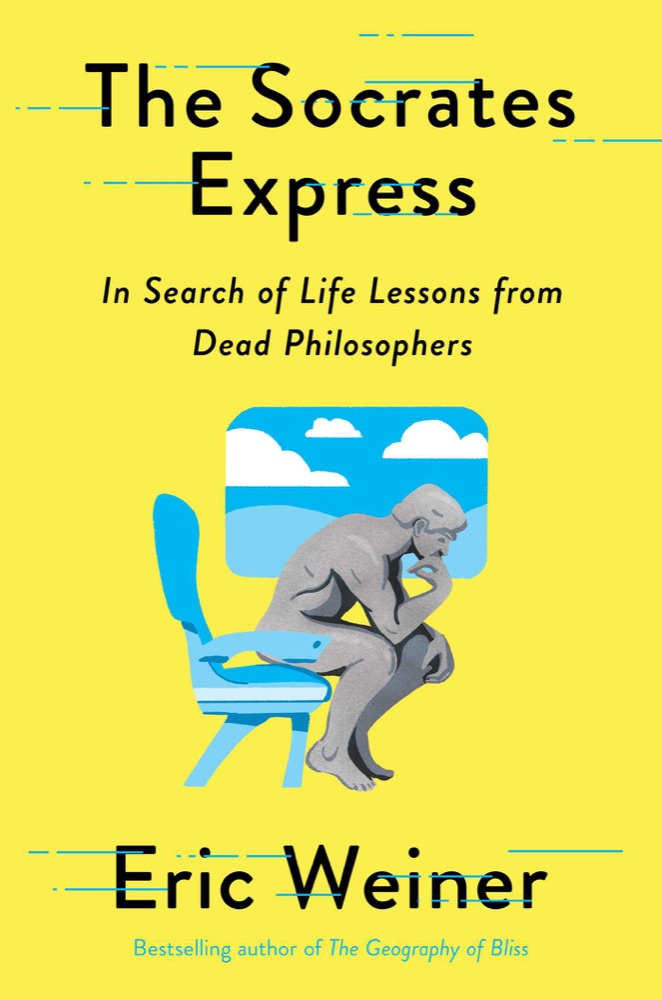 The Socrates Express: In Search of Life Lessons from Dead Philosophers
 When I Was a Child I Read Books
 The Source of Self-Regard: Selected Essays, Speeches, and Meditations
 Selfie: How the West Became Self-Obsessed
 Figuring
 See No Stranger: A Memoir and Manifesto of Revolutionary Love
 Knife: Meditations After an Attempted Murder
 Atlas of the Heart: Mapping Meaningful Connection and the Language of Human Experience
 Aphorisms on Love and Hate
 Ethics for the New Millennium
 The Consolations of Philosophy
 Kitchen Table Wisdom: Stories that Heal
 How to Stay Sane in an Age of Division
 In the Light of What We Know
 The Sane Society
 Toward a Psychology of Being
 Strangers Drowning: Grappling with Impossible Idealism, Drastic Choices, and the Overpowering Urge to Help
 Everything Is F*cked: A Book About Hope
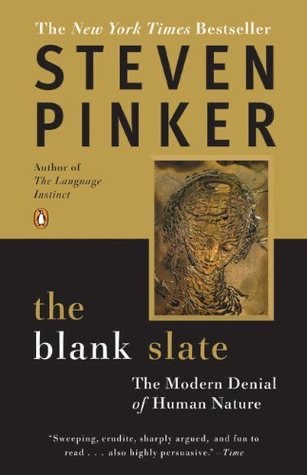 The Blank Slate: The Modern Denial of Human Nature
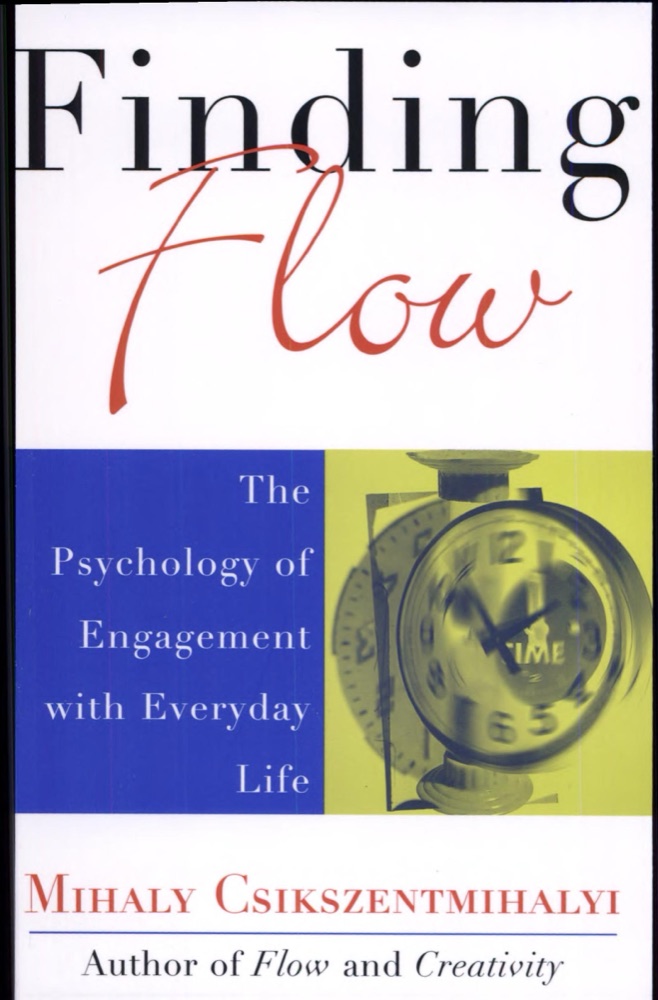 Finding Flow: The Psychology of Engagement with Everyday Life
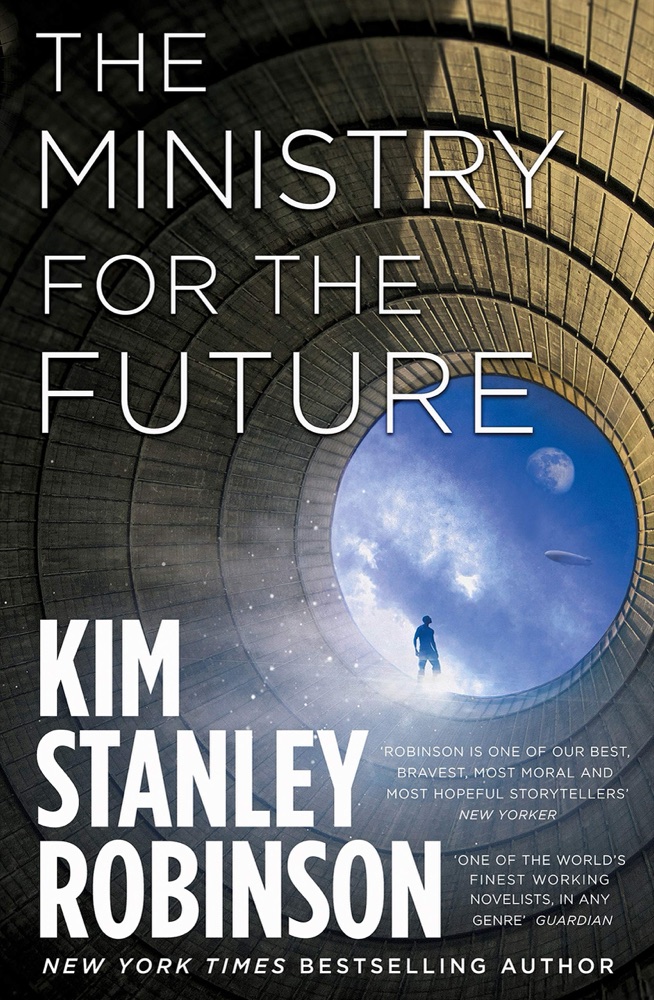 The Ministry for the Future
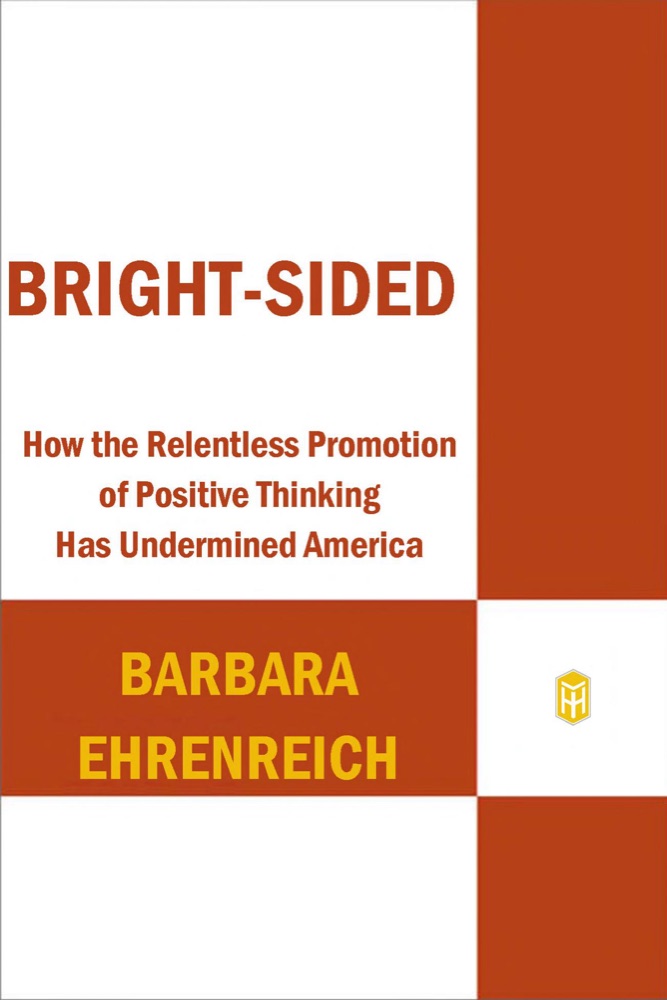 Bright-Sided: How the Relentless Promotion of Positive Thinking Has Undermined America
 The Second Mountain
 Here for It; Or, How to Save Your Soul in America: Essays
 On Connection
 A Calendar of Wisdom: Daily Thoughts to Nourish the Soul
 Of Mess and Moxie: Wrangling Delight Out of This Wild and Glorious Life
 Make It Scream, Make It Burn
 Becoming Human
 The Righteous Mind: Why Good People Are Divided by Politics and Religion
 The Mother of All Questions