
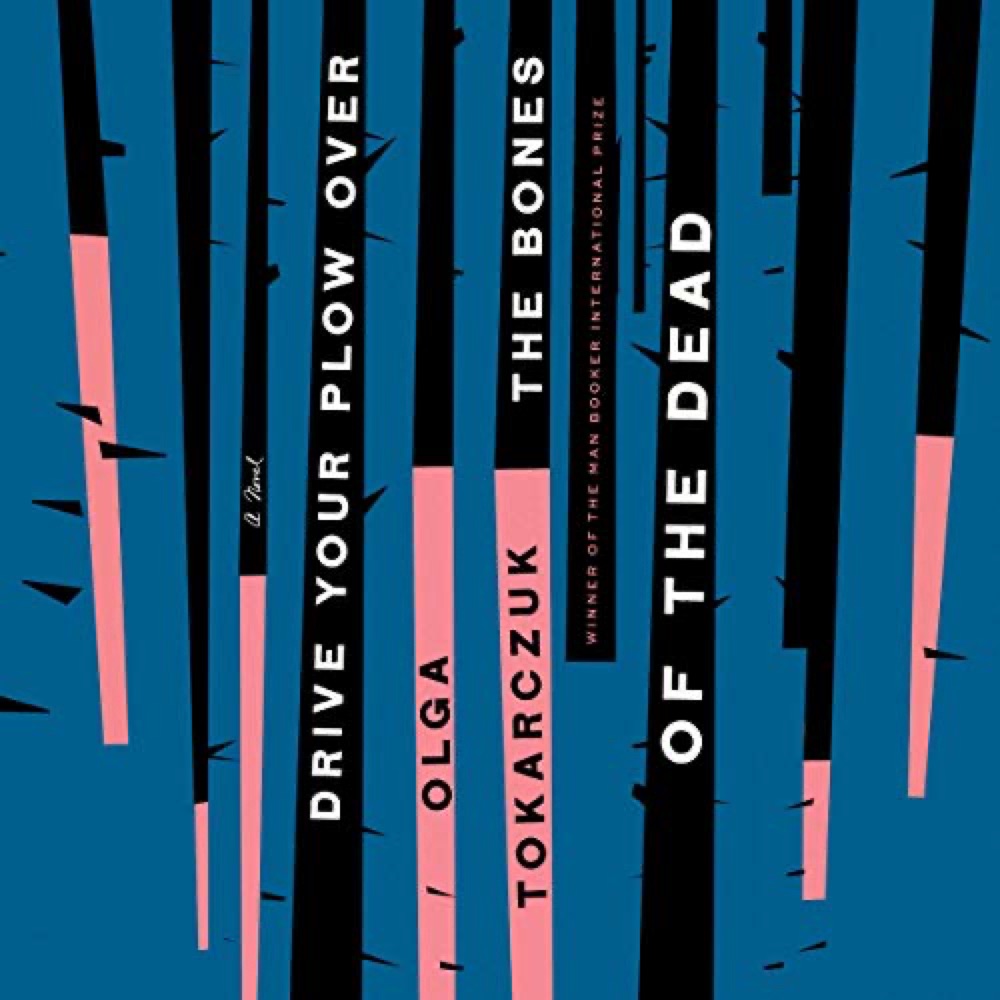
 Drive Your Plow Over the Bones of the Dead
Quotes from the Book
Below the mill the rivers merge. First they flow close beside each other, undecided, overawed by their longed-for intimacy, and then they fall into each other and get lost in one another. The river that flows out of this melting pot by the mill is no longer either the White or the Black, but it is powerful and effortlessly drives the mill wheel that grinds the grain for bread. Primeval lies on both the White and Black rivers and also on the third one, formed out of their mutual desire. The river arising from their confluence below the mill is called The River, and it flows on calm and contented.
12
People think they live more intensely than animals, than plants, and especially than things. Animals sense that they live more intensely than plants and things. Plants dream that they live more intensely than things. But things last, and this lasting is more alive than anything else.
7
There are two kinds of learning, from the inside and from the outside. The fist is regarded as the best, or even the only kind. And so people learn through distant journeys, watching, reading, universities and lectures — they learn from what is happening outside them. Man is a stupid creature who had to learn. So he tacks knowledge onto himself, he gathers it like a bee, gaining more and more of it, putting it to use and processing it. But the thing inside that is "stupid" and needs learning doesn't change. Cornspike learned by absorbing things from the outside to the inside. Knowledge that is only grown on the outside changes nothing inside a man, or merely changes him on the surface, as one garment is changed for another. But he who learns by taking things inside himself undergoes constant transformation, because he incorporates what he learns into his being. So by taking the stinking, dirty peasants from Primeval and the district into herself, Cornspike became just like them, was drunk just like them, frightened by the war just like them, and aroused just like them. What's more, by taking them into herself in the bushes behind the inn, Cornspike also took in their wives, their children, and their stuffy, stinking wooden cottages around Maybug Hill. In a way she took the entire village into herself, every pain in the village, and every hope.
7
It is strange that God, who is beyond the limits of time, manifests Himself within time and its transformations. If you don’t know “where” God is – and people sometimes ask such questions – you have to look at everything that changes and moves, that doesn’t fit into a shape, that fluctuates and disappears: the surface of the sea, the dances of the sun’s corona, earthquakes, the continental drift, snows melting and glaciers moving, rivers flowing to the sea, seeds germinating, the wind that sculpts mountains, a foetus developing in its mother’s belly, wrinkles near the eyes, a body decaying in the grave, wines maturing, or mushrooms growing after a rain. God is present in every process. God is vibrating in every transformation. Now He is there, now there is less of Him, but sometimes He is not there at all, because God manifests Himself even in the fact that He is not there. People – who themselves are in fact a process – are afraid of whatever is impermanent and always changing, which is why they have invented something that doesn’t exist – invariability, and recognised that whatever is eternal and unchanging is perfect. So they have ascribed invariability to God, and that was how they lost the ability to understand Him.
6
Ludzie myślą, że żyją bardziej intensywnie niż zwierzęta, niż rosliny, a tym bardziej - niż rzeczy. Zwierzeta przeczuwają, że żyją bardziej intensywnie niż rośliny i rzeczy. Rośliny śnią, że żyją bardziej intensywnie niż rzeczy. A rzeczy trwają, i to trwanie jest bardziej życiem niż cokolwiek innego.
6
If you take a close look at an object, with your eyes closed to avoid being deceived by the appearances that things exude around themselves, if you allow yourself to be mistrustful, you can see their true faces, at least for a moment. Things are beings steeped in another reality, where there is no time or motion. Only their surface can be seen. The rest, hidden elsewhere, defines the significance and meaning of each material object. A coffee grinder, for example. The grinder is just such a piece of material infused with the concept of grinding. Grinders grind, and that is why they exist. But no one knows what the grinder means in general. Perhaps the grinder is a splinter off some total, fundamental law of transformation, a law without which this world could not go round or would be completely different. Perhaps coffee grinders are the axis of reality, around which everything turns and unwinds, perhaps they are more important for the world than people. And perhaps Misia’s one single grinder is the pillar of what is called Primeval.
4
Imagination is essentially creative; it is a bridge reconciling matter and spirit. Especially when it is done intensely and often. Then the image turns into a drop of matter, and joins the currents of life. Sometimes along the way something in it gets distorted and changes. Therefore, if they are strong enough, all human desires come true — but not always entirely as expected.
4
Izydor couldn't care less about either the Party or going to church. Now he needed time for thinking, remembering Ruta, for reading, for learning German, for writing letters, collecting stamps, staring at his skylight, and gradually, idly sensing the order of the universe.
3
Youth in its intensity, in its full force, tires itself out. One night or one morning a man crosses a boundary, reaches his peak and takes his first step downwards, towards death. Then the question arises: should he descend proudly with his face turned towards the darkness, or should he turn around towards what was, keep up an appearance and pretend it isn't darkness, but just that the light in the room has been extinguished?
3
Meanwhile the sight of the red glove emerging from under the dirty snow convinced the squire that the greatest deception of youth is optimism of any kind, a persistent faith in the idea that something will change or improve, or that there is progress in everything. So now the vessel had broken inside him, full of the despair he had always carried within him like hemlock. The squire looked around him and saw suffering, death, and decay, which were widespread as dirt.
1
God-the-man has more important matters in his head: wars, catastrophes, conquests, and distant journeys … Women take care of the food.
1
For it is God’s business to create, and people’s business to name.
1
And he who has once seen the world's borders will suffer his imprisonment most painfully of all.
1
Come back to me. The world is terrible and it can kill you. Look at the earthquakes, the volcanic eruptions, the fires and the floods,” He thundered from the rain clouds. “Oh, come on, I’ll manage,” man replied, and was gone.
1
Then for a brief moment he saw everything completely differently. Open space, empty and endless, stretched away in all “directions. Everything within this dead expanse, every living thing was helpless and alone. Things were happening by accident, and when the accident failed, automatic law appeared – the rhythmical machinery of nature, the cogs and pistons of history, conformity with the rules that was rotting from the inside and crumbling to dust. Cold and sorrow reigned everywhere. Every creature was trying to huddle up to something, to cling to something, to things, to each other, but all that resulted was suffering and despair. The quality of what Izydor saw was temporality. Under a colourful outer coating everything was merging in collapse, decay, and destruction.
1
The Word has become gibberish. So has the world, which arose from the Mind and the Word. The sky is cracking like desiccated wood, the earth has decayed in places and now falls apart under the feet of animals and people. The edges of the world are fraying and turning to dust.
El juego es una especie de camino a lo largo del cual se suceden repetidamente diversas posibilidades de elección. Las posibles opciones se cumplen automáticamente, pero a veces el jugador tiene la sensación de que toma decisiones de forma razonada y consciente.
He learned how to forget, and forgetting brought him relief.
Mensen denken dat ze intenser leven dan dieren, dan planten en zeker dan dingen. Dieren vermoeden dat ze intenser leven dan planten en dingen. Planten dromen dat ze intenser leven dan dingen. En dingen duren voort en in dat voortduren zit meer leven dan in al het andere.
Las personas -que también son en sí mismas un proceso- tienen miedo de todo lo inestable y mutable. Por eso, imaginaron algo que no existe -la inmutabilidad- y decretaron que todo lo eterno e inmutable es perfecto. Le atribueron la inmutabilidad a Dios. Y de esta forma perdieron la capacidad de comprenderlo
Watch on YouTube
About Olga Tokarczuk
We have collected 130 quotes from 5 books by Olga Tokarczuk on BookQuoters.
More about the author →More by Olga Tokarczuk
About the book
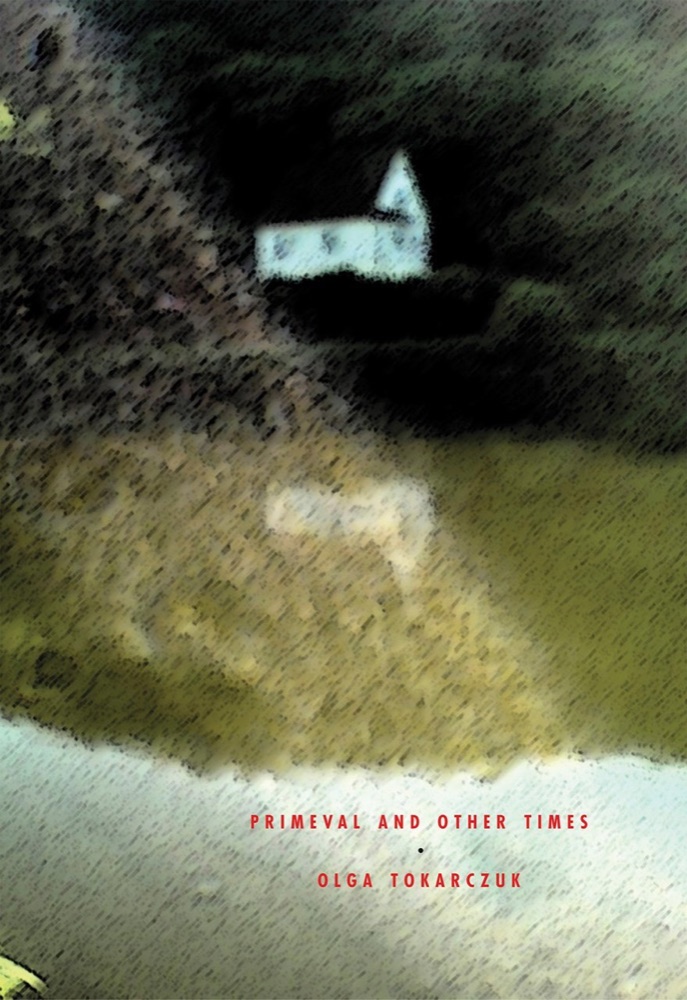
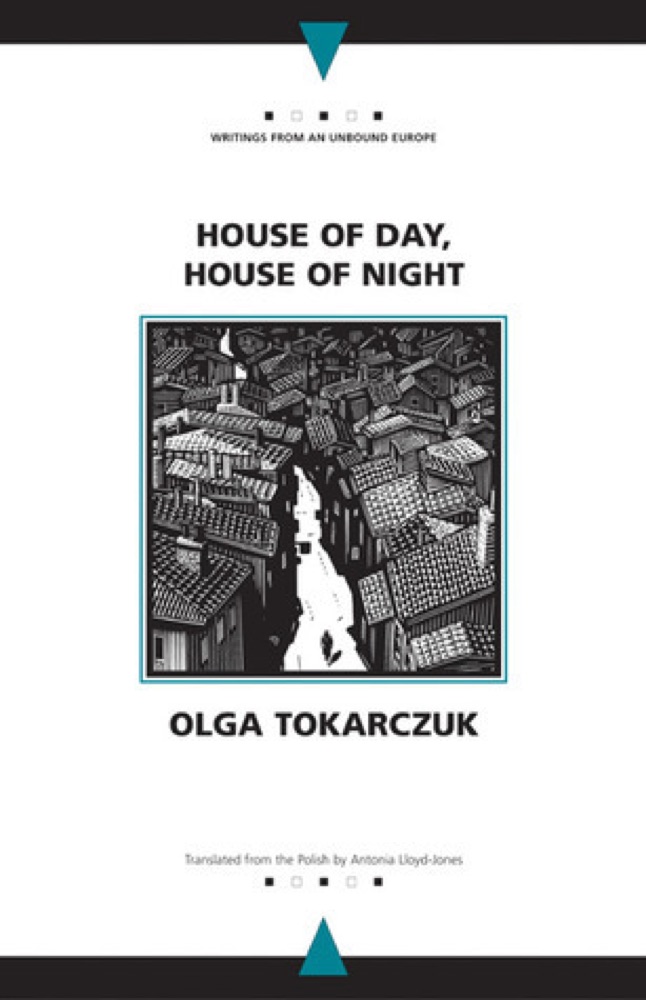
Set in the mythical Polish village of Primeval, a microcosm of the world populated with eccentric, archetypal characters and guarded by four archangels, this novel from Nobel Prize winner Olga Tokarczuk chronicles the lives of the inhabitants over the course of the feral 20th century in prose that is forceful, direct, and the stylistic cousin of the magic realism in Gabriel García Márquez's One Hundred Years of Solitude. Told in short bursts of "Time," the narrative takes the form of a stylized fable, an epic allegory about the inexorable grind of time and the clash between modernity (the masculine) and nature (the feminine) in which Poland's tortured political history from 1914 to the contemporary era and the episodic brutality visited on ordinary village life is played out. A novel of universal dimension that does not dwell on the parochial, Primeval and Other Times was hailed as a con
Book details
- First published
- 1996
- Author
- Olga Tokarczuk
- Genre
- Fiction
- Goodreads rating
- 4.27 (19k ratings)
Keep reading
 The Empusium
 The Fairy Tales of Hermann Hesse
 Man and His Symbols
 The Everlasting Man
 The Enchantress of Florence
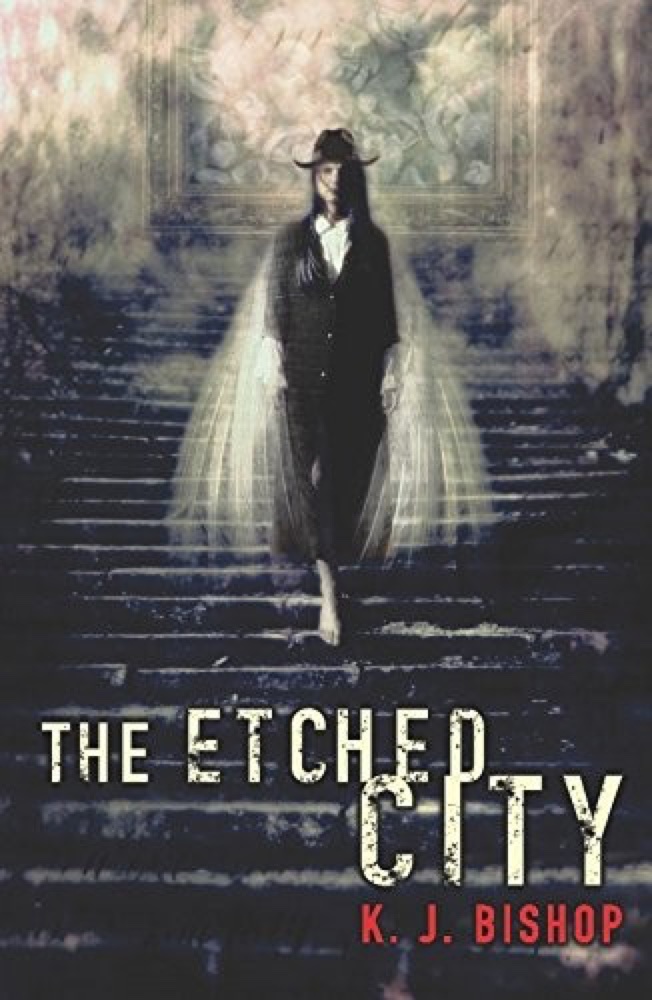 The Etched City
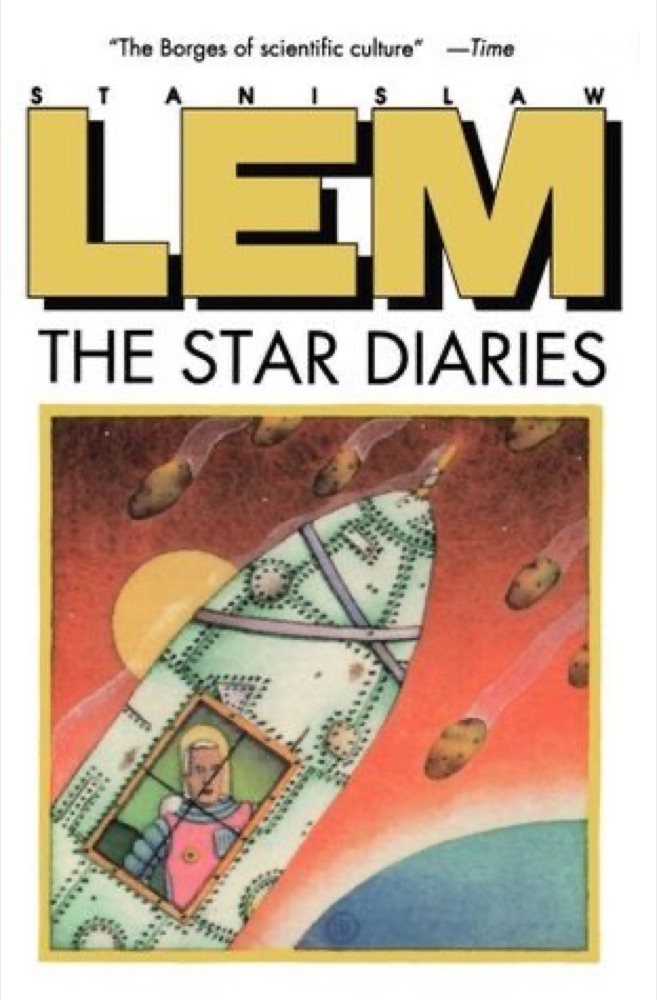 The Star Diaries
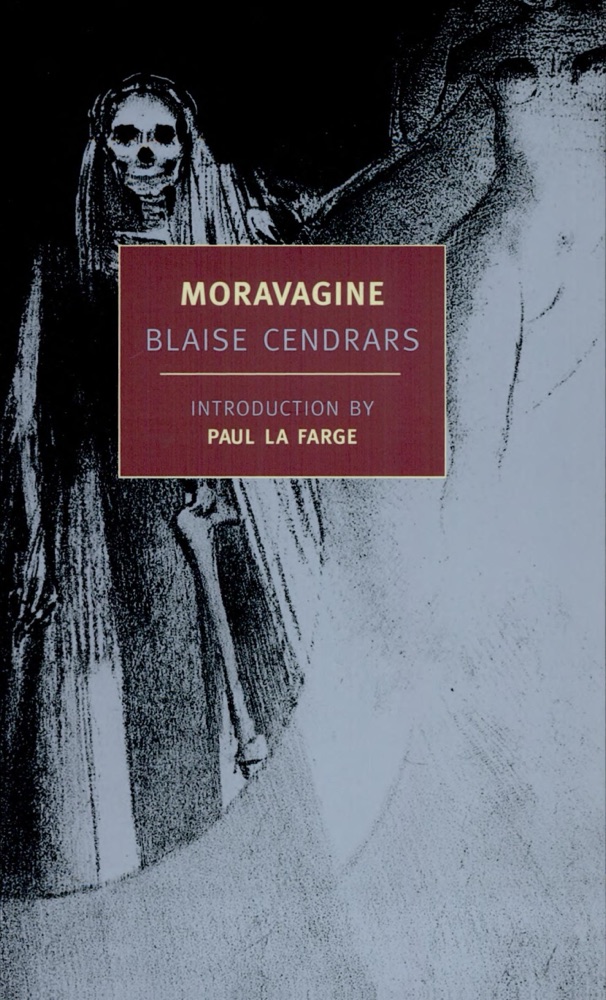 Moravagine
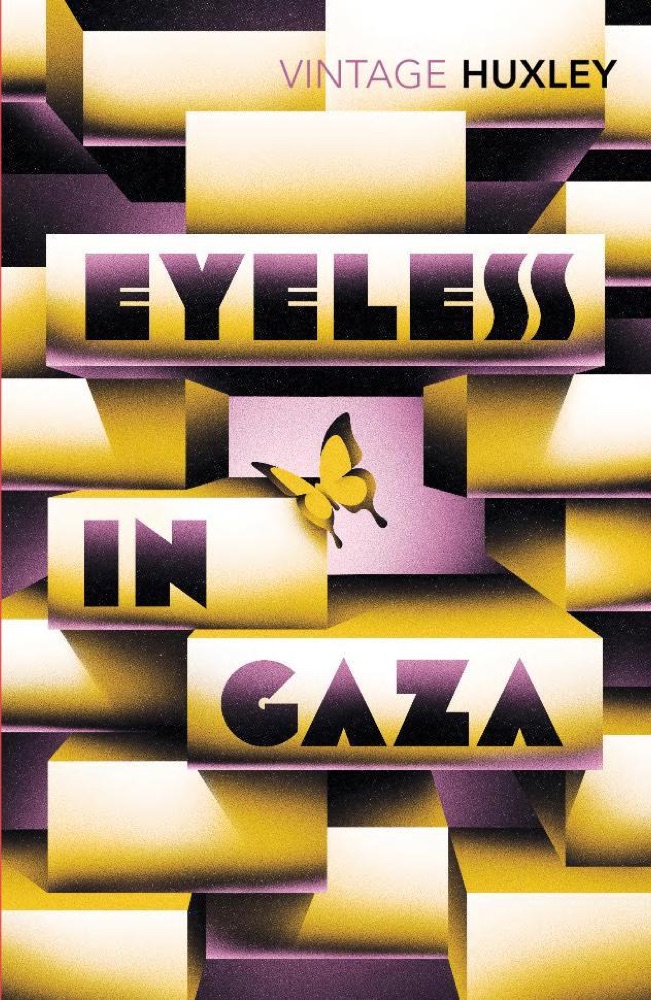 Eyeless in Gaza
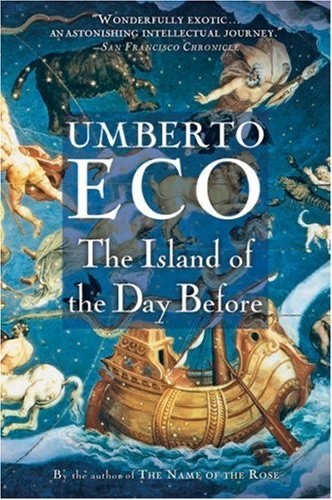 The Island of the Day Before
 Flights
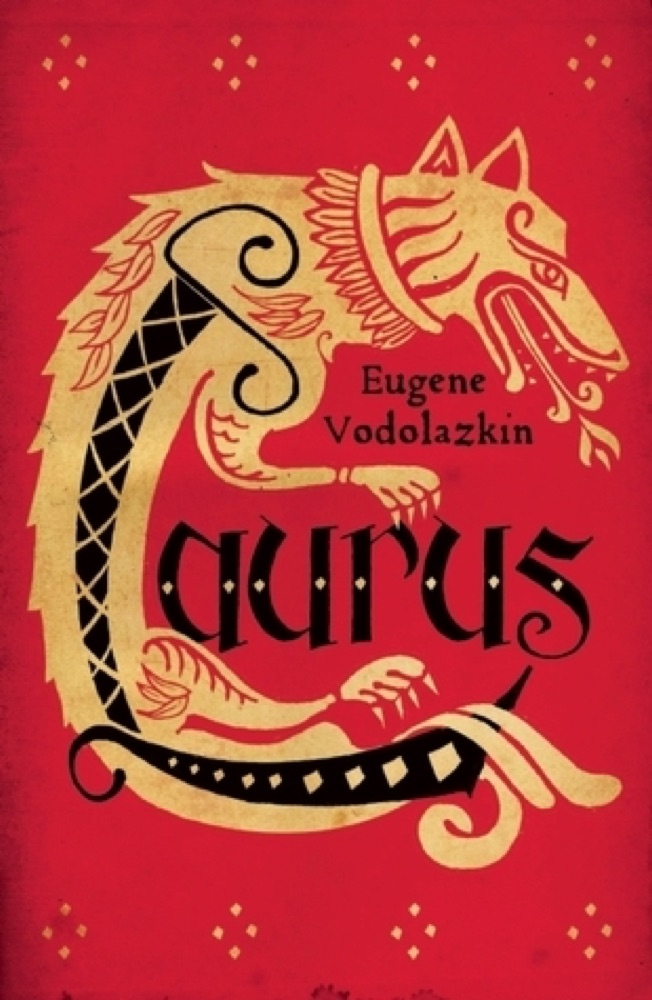 Laurus
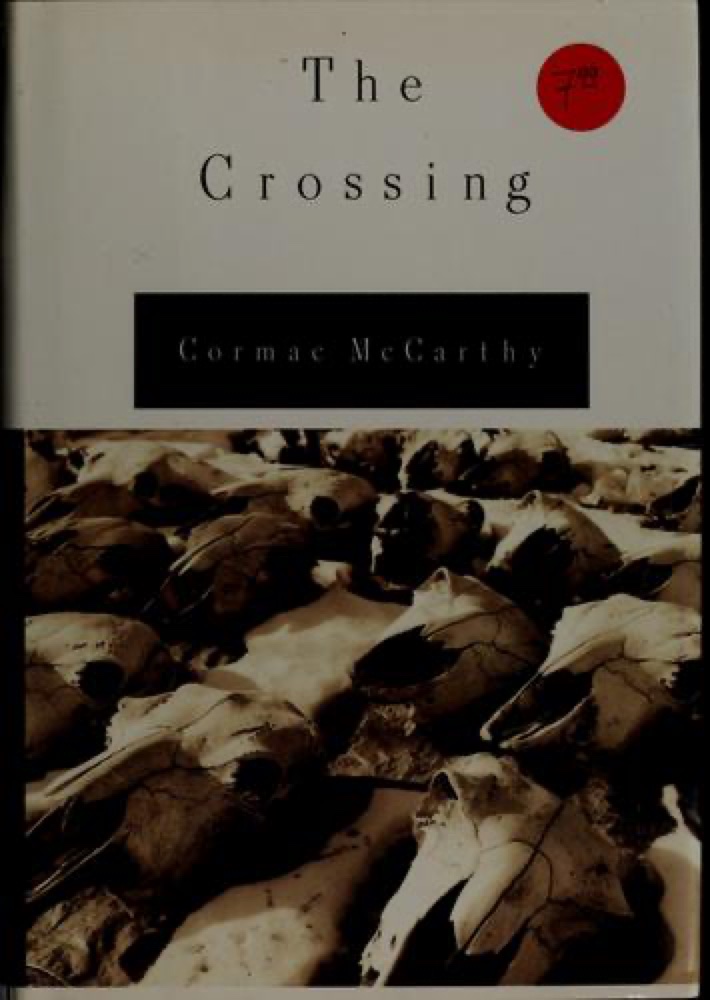 The Crossing
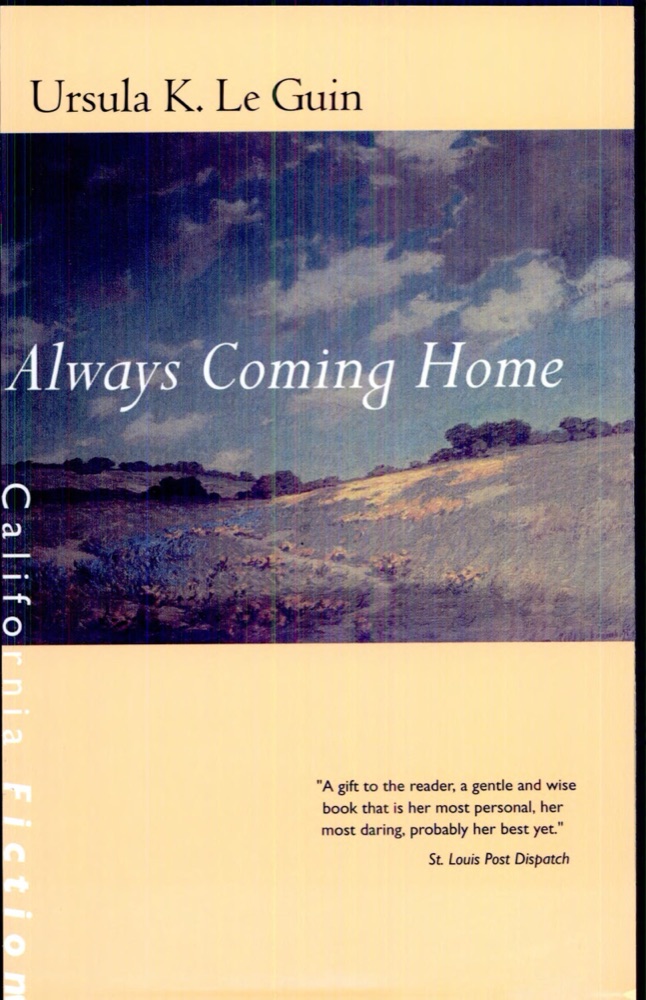 Always Coming Home
 In Search of Lost Time
Drive Your Plow Over the Bones of the Dead
In Search of Lost Time
Drive Your Plow Over the Bones of the Dead
 The High Mountains of Portugal
 You Can't Go Home Again
 The Zürau Aphorisms
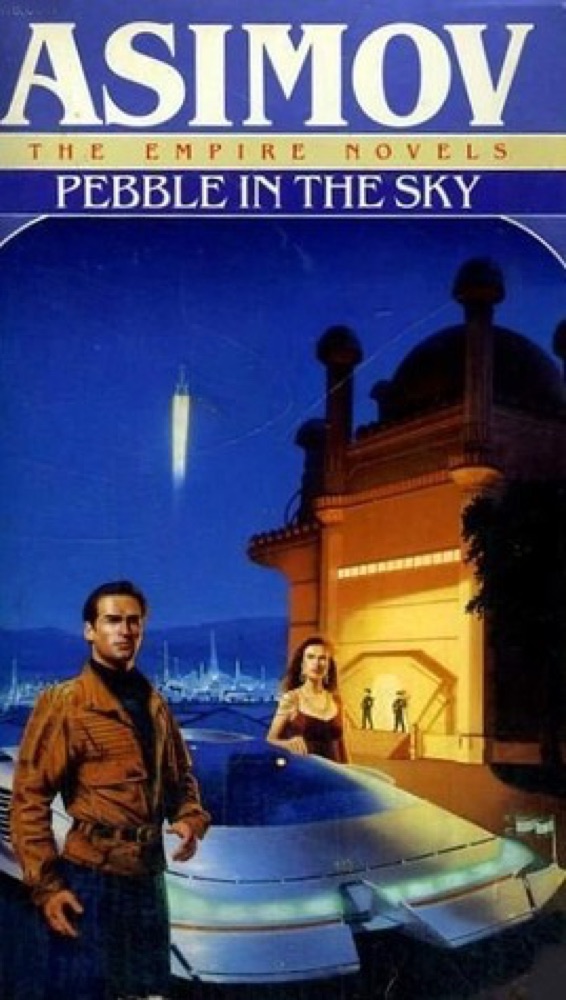 Pebble in the Sky
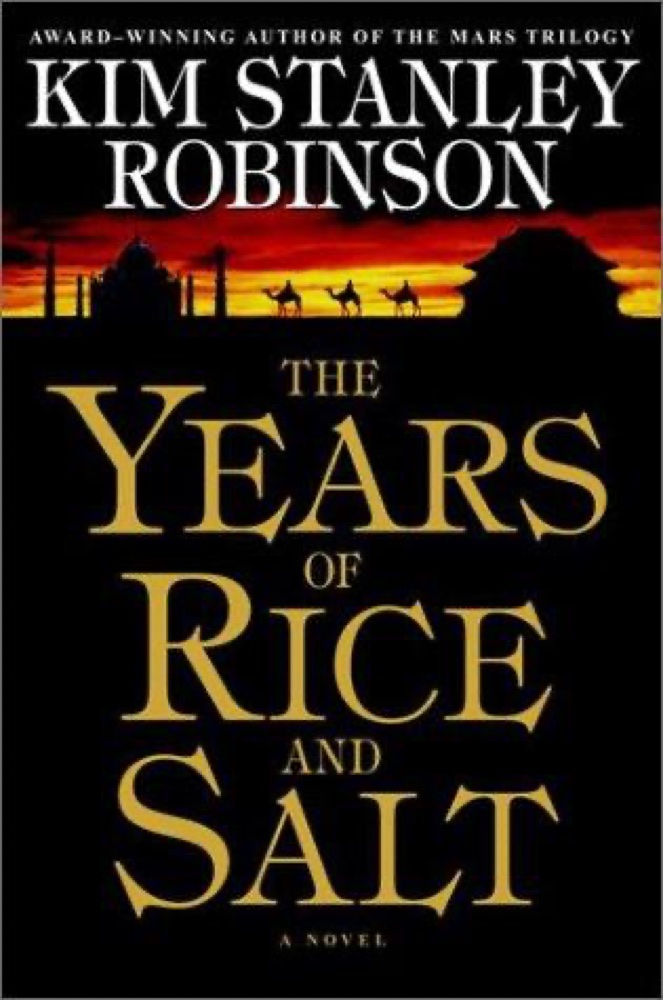 The Years of Rice and Salt
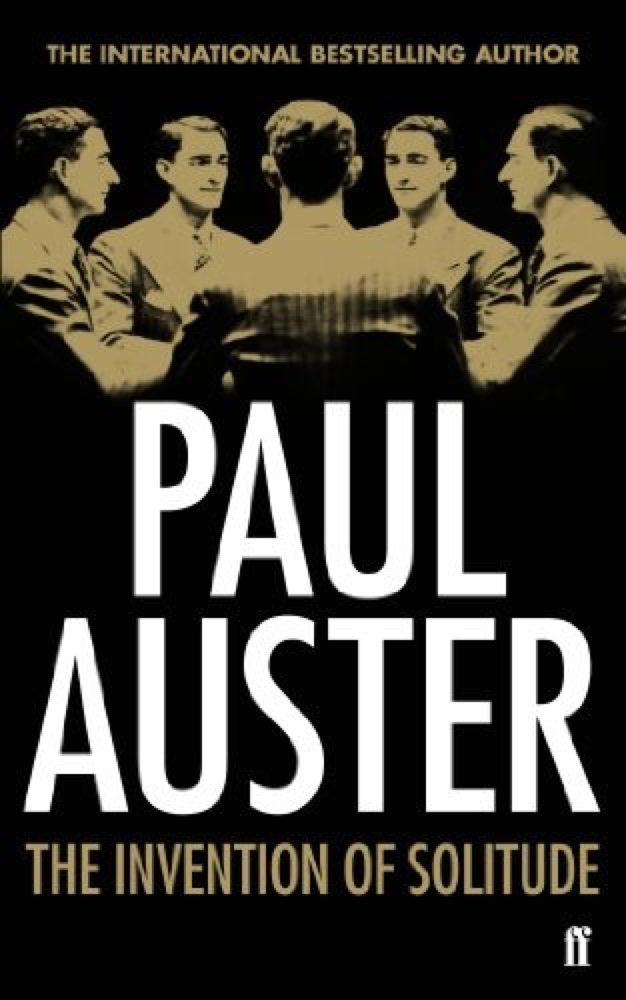 The Invention of Solitude
 Plainwater: Essays and Poetry
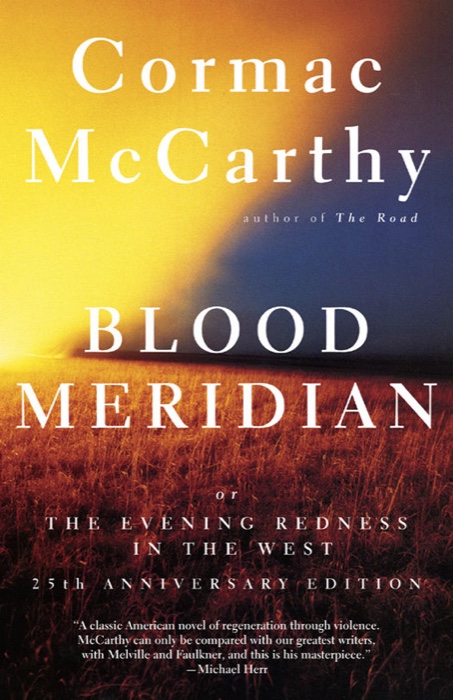 Blood Meridian: Or the Evening Redness in the West
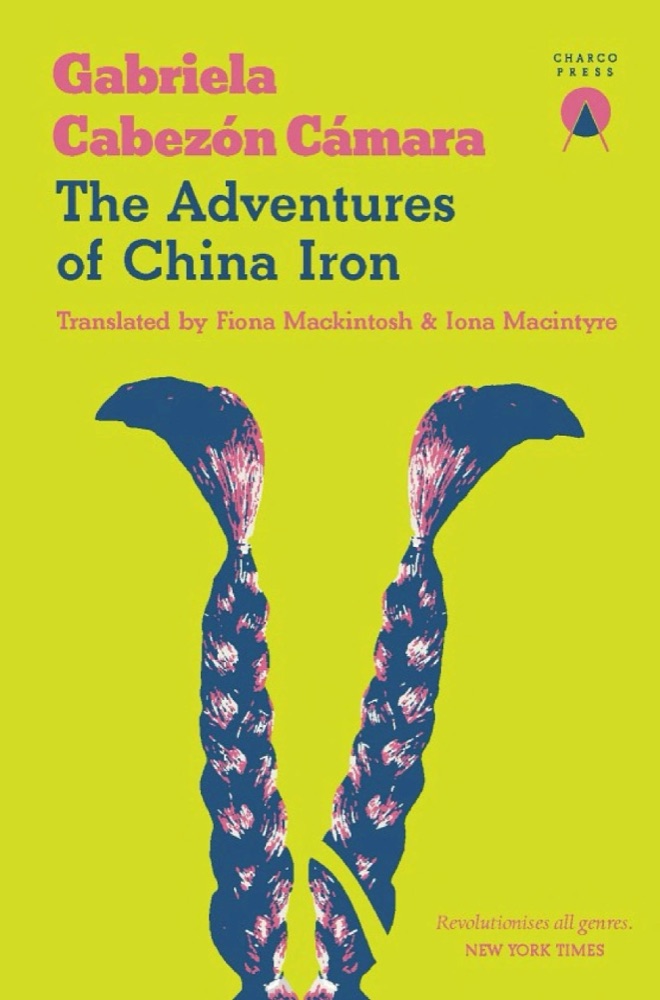 The Adventures of China Iron
 Winter
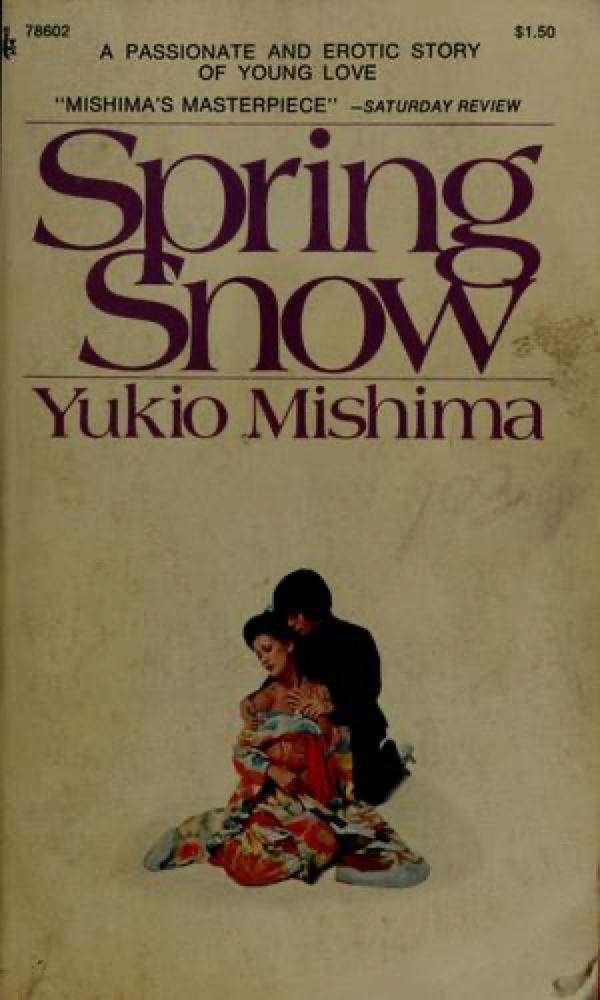 Spring Snow
 The Castle of Crossed Destinies
 The Man in the High Castle
 Sexus
Sexus
 The Fall of Hyperion
 The Elementary Particles
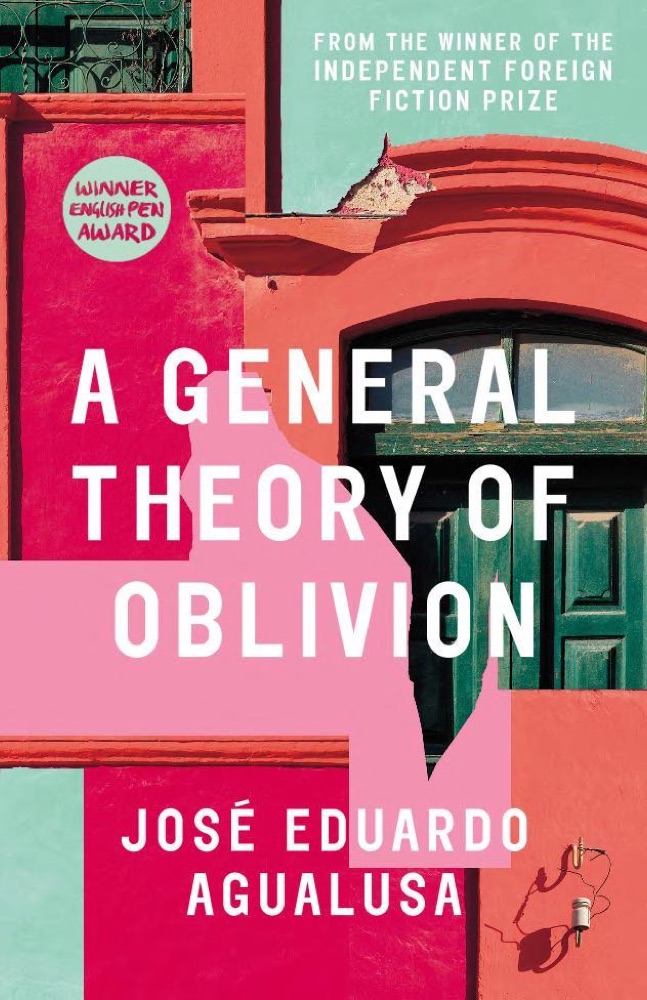 A General Theory of Oblivion
 Blood Meridian, or the Evening Redness in the West
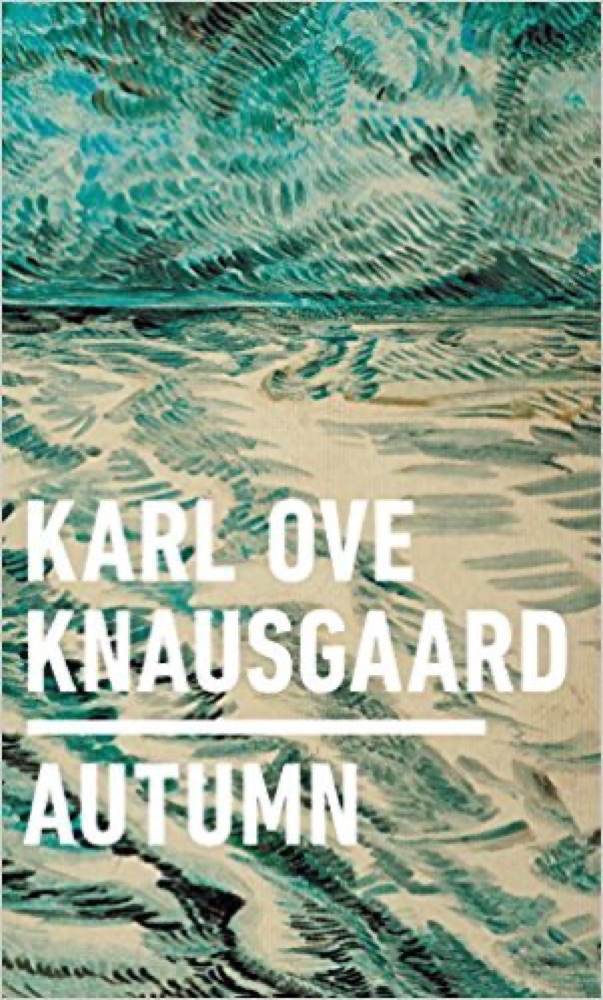 Autumn
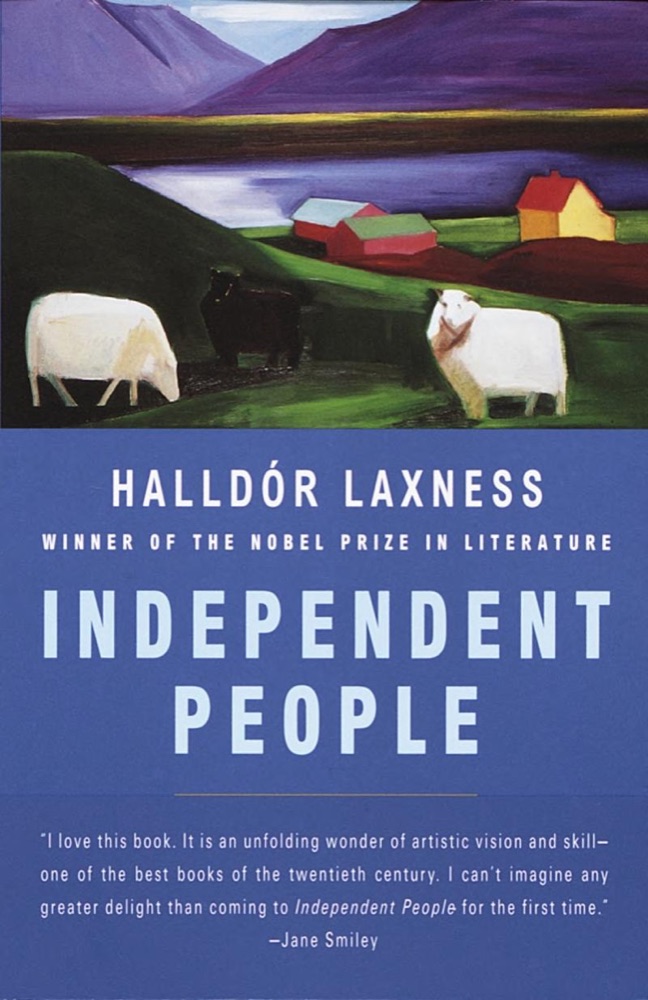 Independent People
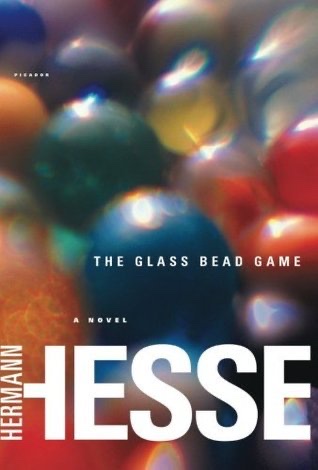 The Glass Bead Game
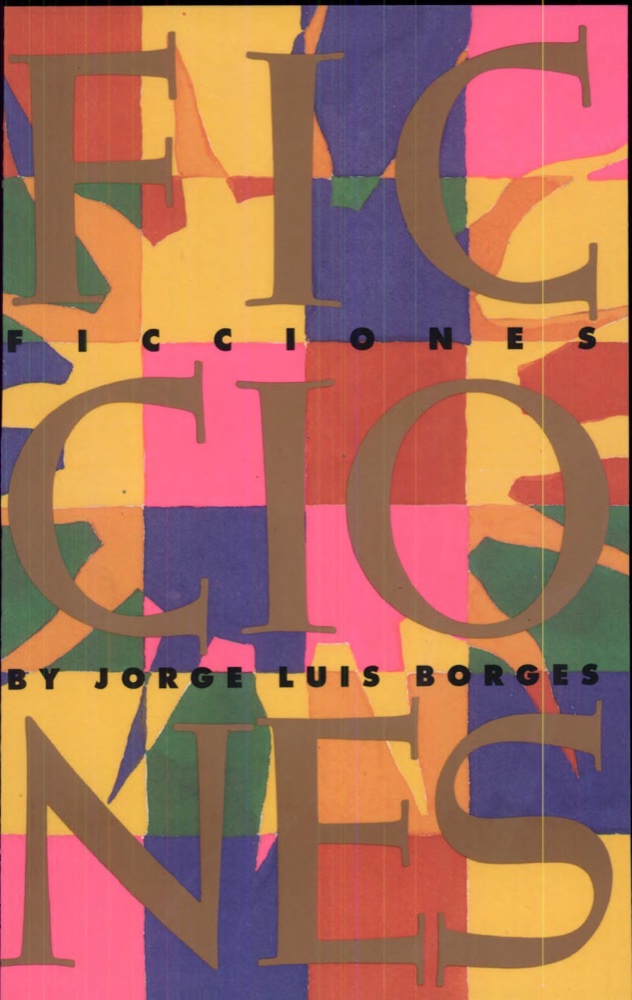 Ficciones
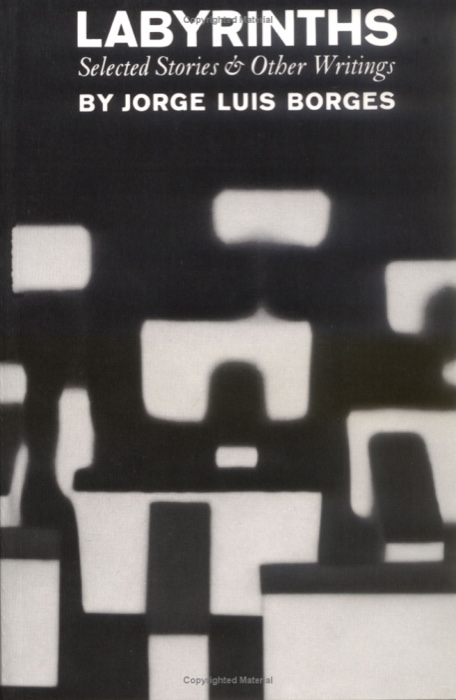 Labyrinths: Selected Stories and Other Writings
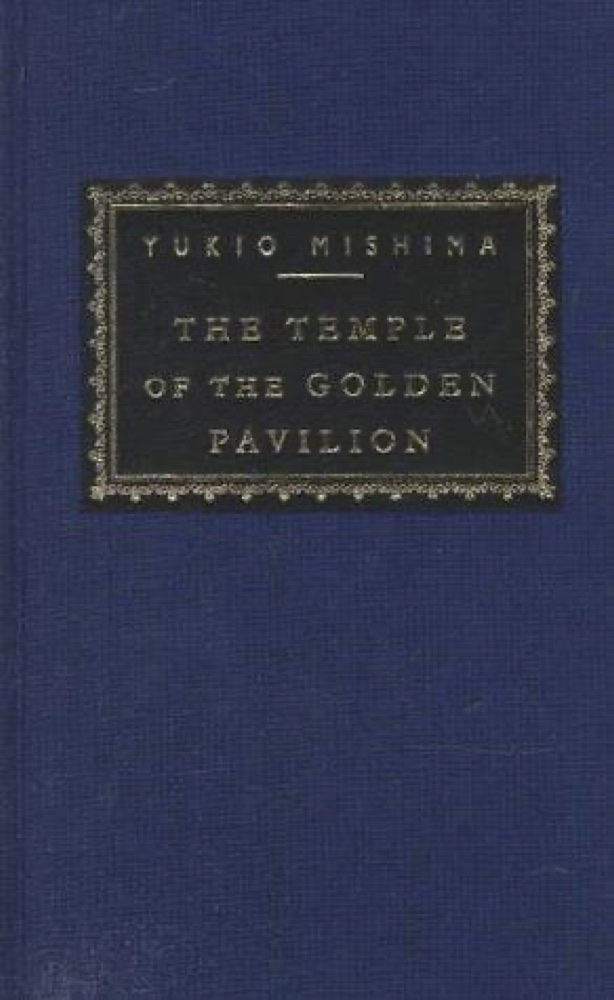 The Temple of the Golden Pavilion
 The Discovery of Heaven
 The Notebooks of Malte Laurids Brigge
 The Broken God
 The Man Without Qualities
 Memories, Dreams, Reflections
 The Occult
 Soul Mountain
 The Aleph and Other Stories
 Two Years Eight Months and Twenty-Eight Nights
 Kolyma Tales
 The Myth of Sisyphus
 A Luminous Republic
 The Abundance
 Oblomov
 Empire of Silence
 The World as Will and Representation, Vol 1
 The Dark Forest
 The Divine Invasion
 Broken Stars: Contemporary Chinese Science Fiction in Translation
 Another Roadside Attraction