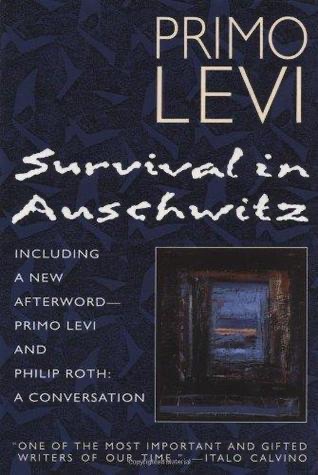
 Survival in Auschwitz
Quotes from the Book
Perfection belongs to narrated events, not to those we live.
597
This cell belongs to a brain, and it is my brain, the brain of me who is writing; and the cell in question, and within it the atom in question, is in charge of my writing, in a gigantic minuscule game which nobody has yet described. It is that which at this instant, issuing out of a labyrinthine tangle of yeses and nos, makes my hand run along a certain path on the paper, mark it with these volutes that are signs: a double snap, up and down, between two levels of energy, guides this hand of mine to impress on the paper this dot, here, this one.
59
Our ignorance allowed us to live, as you are in the mountains, and your rope is frayed and about to break, but you don't know it and feel safe.
42
If it is true that there is no greater sorrow than to remember a happy time in a state of misery, it is just as true that calling up a moment of anguish in a tranquil mood, seated quietly at one's desk, is a source of profound satisfaction.
41
We are not dissatisfied with our choices and with what life has given us, but when we meet we both have a curious and not unpleasant impression that a veil, a breath, a throw of the dice deflected us onto two divergent paths, which were not ours.
24
...better not to do than to do, better to meditate than to act, better his astrophysics, the threshold of the Unknowable, than my chemistry, a mess compounded of stenches, explosions and small futile mysteries. I thought of another moral, more down to earth and concrete, and I believe that every militant chemist can confirm it: that one must distrust the almost-the-same (sodium is almost the same as potassium, but with sodium nothing would have happened_, the practically identical, the approximate, the or-even, all surrogates, and all patchwork. the difference can be small, but they can lead to radically different consequences, like a railroad's switch points; the chemist's trade consists in good part in being aware of these differences, knowing them close up, and foreseeing their effects. And not only the chemist's trade.
17
Today I know that it is a hopeless task to try to dress a man in words, make him alive again on the printed page, especially a man like Sandro. He was not the sort of person you can tell stories about, nor to whom one erects monuments--he who laughed at monuments: he lived completely in his deeds, and when they were over nothing of him remains--nothing but words, precisely.
14
Liquids require receptacles. This is the great problem of packaging, which every experienced chemist knows: and it was well known to God Almighty, who solved it brilliantly, as he is wont to, with cellular membranes- eggshells, the multiple peel of oranges, and our own skin, because after all we too are liquids. Now, at that time, there did not exist polyethylene, which would have suited me perfectly since it is flexible, light, and splendidly impermeable: but it is also a bit too incorruptible, and not by chance God Almighty himself, although he is a master of polymerization, abstained from patenting it: He does not like incorruptible things.
12
That the nobility of Man, acquired in a hundred centuries of trial and error, lay in making himself the conquerer of matter, and that I had enrolled in chemistry because I wanted to maintain faithful to that nobility. That conquering matter is to understand it, and understanding matter is necessary to understanding the universe and ourselves: and that therefore Mendeleev’s Periodic Table, which just during those weeks we were laboriously learning to unravel, was poetry, loftier and more solemn than all the poetry we had swallowed doen in liceo; and come to think of it, it even rhymed! … [T]he chemistry and physics on which we fed, besides being in themselves nourishments vital in themselves, were the antidotes to Fascism … because they were clear and distinct and verifiable at every step, and not a tissue of lies and emptiness like the radio and newspapers.
12
He spoke grudgingly about his exploits. He did not belong to that species of persons who do things in order to talk about them (like me).
10
... and finally there came the customer we'd always dreamed of, who wanted us as consultants. To be a consultant is the ideal work, the sort from which you derive prestige and money without dirtying your hands, or breaking your backbone, or running the risk of ending up roasted or poisoned: all you have to do is take off your smock, put on your tie, listen in attentive silence to the problem, and then you'll feel like the Delphic oracle. You must then weigh your reply very carefully and formulate it in convoluted, vague language so that the customer also considers you an oracle, worthy of his faith and the rates set by the Chemists' Society.
8
Dissention, diversity, the grain of salt and mustard are needed: Fascism does not want them, forbids them, and that's why you are not a Fascist; it wants everybody to be the same, but you are not.
7
Chemistry, for me, had stopped being such a source. It led to the heart of Matter, and Matter was our ally precisely because the Spirit, dear to Fascism, was our enemy; but, having reached the fourth year of Pure Chemistry, I could no longer ignore the fact that chemistry itself, or at least that which we were being administered, did not answer my questions. To prepare phenyl bromide according to Gatterman was amusing, even exhilarating, but not very different from following Artusi's recipes. Why in that particular way and not in another? After having been force fed in liceo the truths revealed by Fascist Doctrine, all revealed, unproven truths either bored me stiff or aroused my suspicion. Did chemistry theorems exist? No; therefore you had to go further, not be satisfied with the quia go back to the origins, to mathematics and physics. The origins of chemistry were ignoble, or at least equivocal: the dens of the alchemists, their abominable hodgepodge of ideas and language, their confessed interest in gold, their Levantine swindles typical of charlatans or magicians; instead, at the origin of physics lay the strenuous clarity of the West – Archimedes and Euclid.
7
She lived with the doctor on Via Po, in a gloomy, dark apartment, barely warmed in winter by just a small Franklin stove, and she no longer threw out anything, because everything might eventually come in handy: not even the cheese rinds or the foil on chocolates, with which she made silver balls to be sent to missions to “free a little black boy.
7
I am the impurity that makes the zinc react, I am the grain of salt or mustard.
6
Here at this point I remembered that all languages are fill of images and metaphors whose origin is being lost, together with the art from which they were drawn: horsemanship having declined to the level of an expensive sport, such expressions as ‘belly to the ground’ and ‘taking the bit in ones teeth’ are unintelligible and sound odd […] and even mysterious today. In the same way, since Nature is conservative, we carry in our coccyx what remains of a vanished tail.
6
Chi per mestiere compra o vende si riconosce facilmente: ha l'occhio vigile e il volto teso, teme la frode o la medita, e sta in guardia come un gatto all'imbrunire.
6
Alongside the liberating relief of the veteran who tells us his story, I now felt in the writing a complex, intense, and new pleasure, similar to that I felt as a student when penetrating the solemn order of differentials calculus. It was exalting to search and find, or create, the right word, that is, commensurate, concise, and strong; to dredge up events from my memory and describe them with the greatest rigor and the least clutter.
6
che occorre diffidare del quasi uguale (il sodio è quasi uguale al potassio: ma col sodio non sarebbe successo nulla), del paranoicamente identico, del pressapoco, dell'oppure, di tutti i surrogati e di tutti i rappezzi. Le differenze possono essere piccole, ma portare a conseguenze radicalmente diverse, come gli aghi degli scambi; il mestiere del chimico consiste in buona parte nel quadrassi da queste differenze, nel conoscerle da vicino, nel prevederne gli effetti. Non solo il mestiere del chimico
6
But formulas are holy as prayers, decree-laws, and dead languages, and not an iota in them can be changed. And so my ammonium chloride, the twin of a happy love and a liberating book, by now completely useless and a bit harmful, is religiously ground into the chromate anti-rust paint on the short of that lake, and nobody knows why anymore.
5
Caselli was a modest, taciturn man, in whose sad but proud eyes could be read: - He is a great scientist, and as his 'famulus', I am also a little great; - I, though humble, know things that he does not know; - I know him better than he knows himself; I foresee his acts; - I have power over him; I defend and protect him; - I can say bad things about him because I love him; that is not granted to you
5
It is a pretty structure, isn’t it? It makes you think of something solid, stable, well linked. In fact it happens in chemistry as in architecture that ‘beautiful’ edifices, that is symmetrical and simple, are also the most sturdy: in short, the same thing happens with molecules as with the cupolas of cathedrals of the arches of bridges. And it is also possible that the explanation is neither remote nor metaphysical: to say ‘beautiful’ is to say ‘desirable’, and ever since man has built he has wanted to build at the smallest expense and in the most durable fashion, and the aesthetic enjoyment he experiences when contemplating his work comes afterward. Certainly, it has not always been this way: there have been centuries in which ‘beauty’ was identified with adornment, the superimposed, the frills; but it is probable that they were deviant epochs and that the true beauty, in which every century recognises itself, is found in upright stones, ships’ hulls, the blade of an axe, the wing of a plane.
4
Watch on YouTube
About Primo Levi
We have collected 106 quotes from 5 books by Primo Levi on BookQuoters.
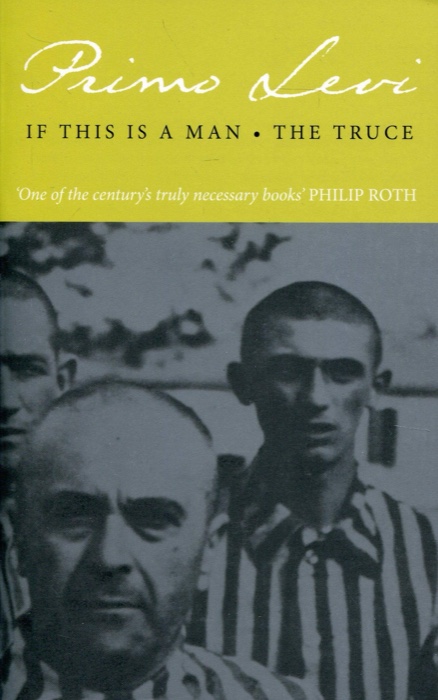
More about the author →More by Primo Levi
About the book
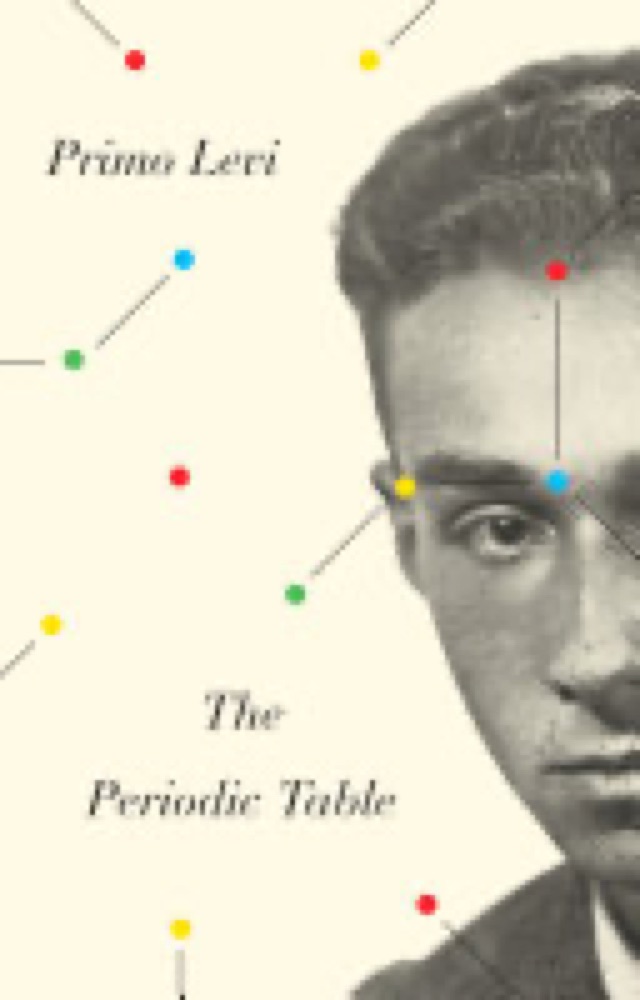
The Periodic Table by Primo Levi is an impassioned response to the Holocaust: Consisting of 21 short stories, each possessing the name of a chemical element, the collection tells of the author's experiences as a Jewish-Italian chemist before, during, and after Auschwitz in luminous, clear, and unfailingly beautiful prose. It has been named the best science book ever by the Royal Institution of Great Britain, and is considered to be Levi's crowning achievement.
Book details
- First published
- 1975
- Author
- Primo Levi
- Genre
- Nonfiction
- Goodreads rating
- 4.14 (20k ratings)
Keep reading
 The Futurological Congress: From the Memoirs of Ijon Tichy
 Stories of Your Life and Others
 The Star Diaries
 Moravagine
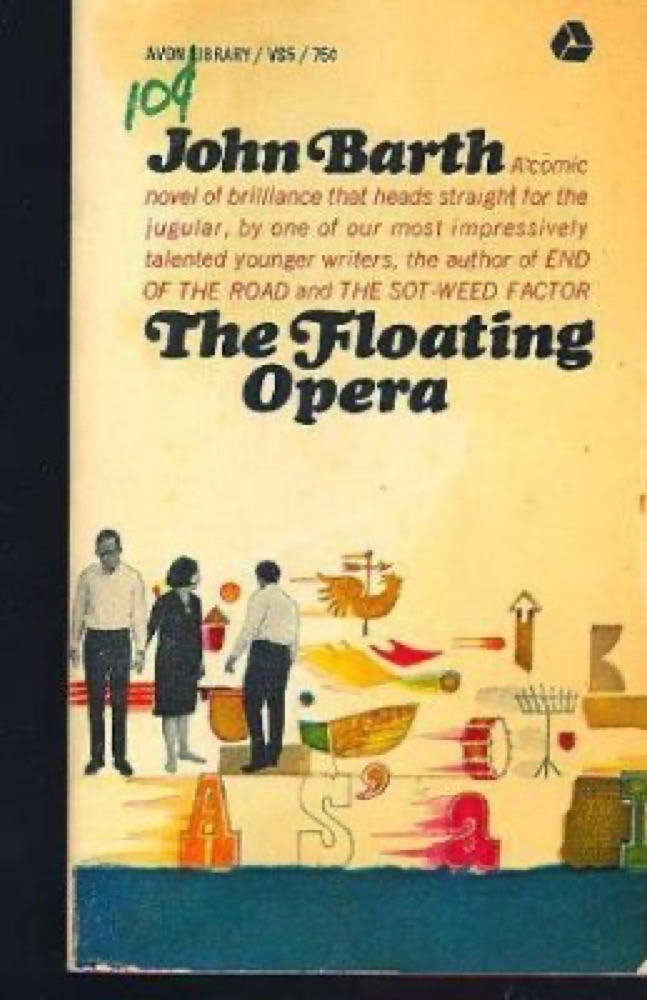 The Floating Opera
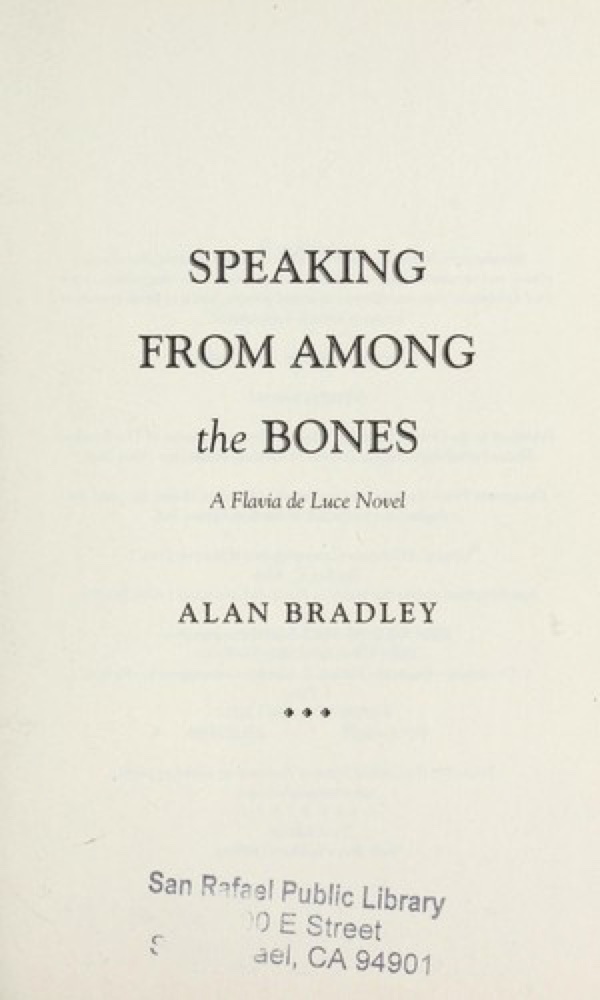 Speaking from Among the Bones
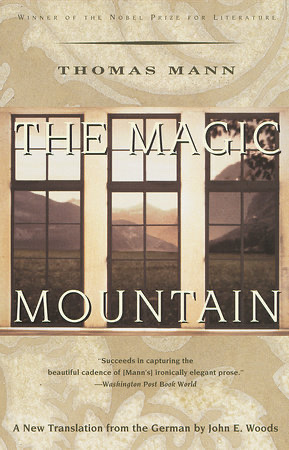 The Magic Mountain
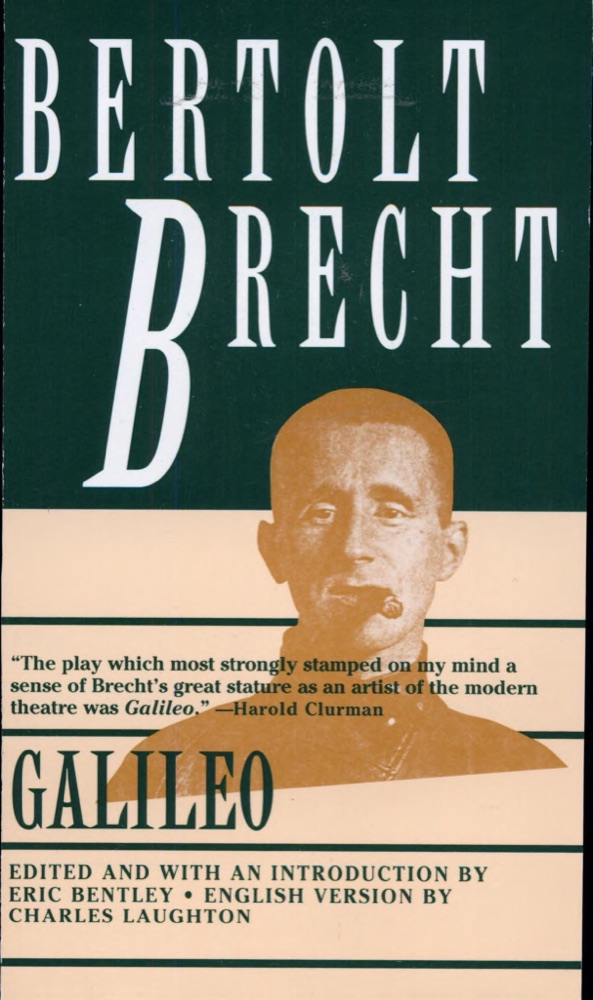 Galileo
 Sexus
Sexus
 Cocaine
 Drive Your Plow Over the Bones of the Dead
 Another Roadside Attraction
 The Empusium
 Shadow & Claw
 Uncle Tungsten
 Eyeless in Gaza
 Selected Stories
 The Recognitions
 Quicksilver
 Arm of the Sphinx
 The Gay Science
 The Notebooks of Malte Laurids Brigge
 The Tunnel
 A Soldier of the Great War
 That Hideous Strength
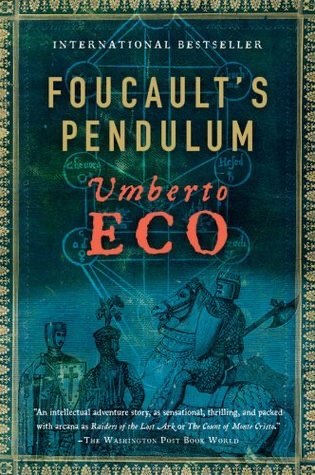 Foucault's Pendulum
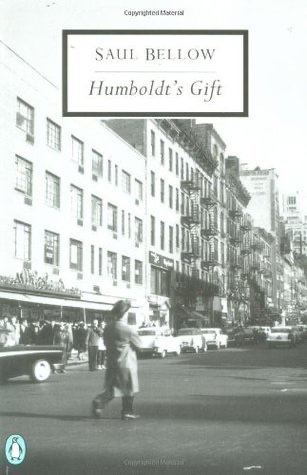 Humboldt's Gift
 Too Like the Lightning
 The Manticore
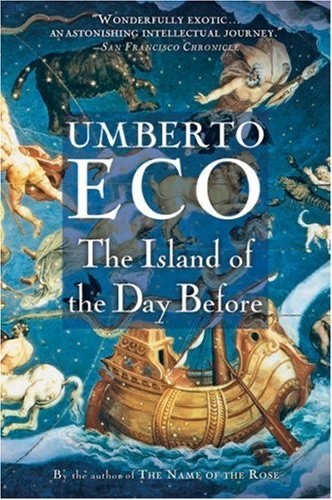 The Island of the Day Before
 Labyrinths: Selected Stories and Other Writings
 All That I Am
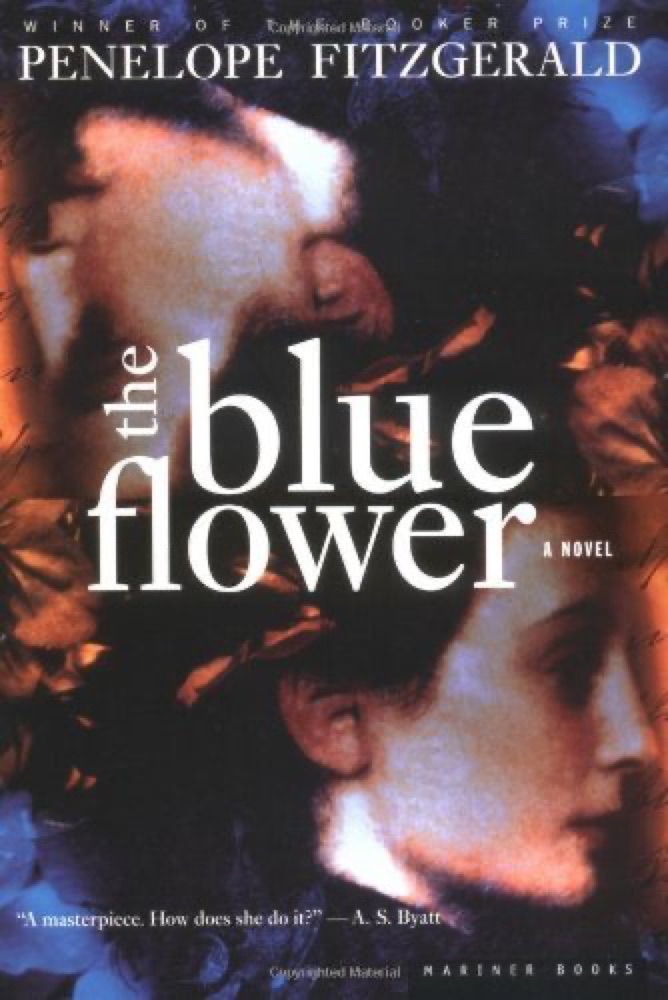 The Blue Flower
 Underworld
 Maldoror and the Complete Works
 One Man's Meat
 The Star Rover
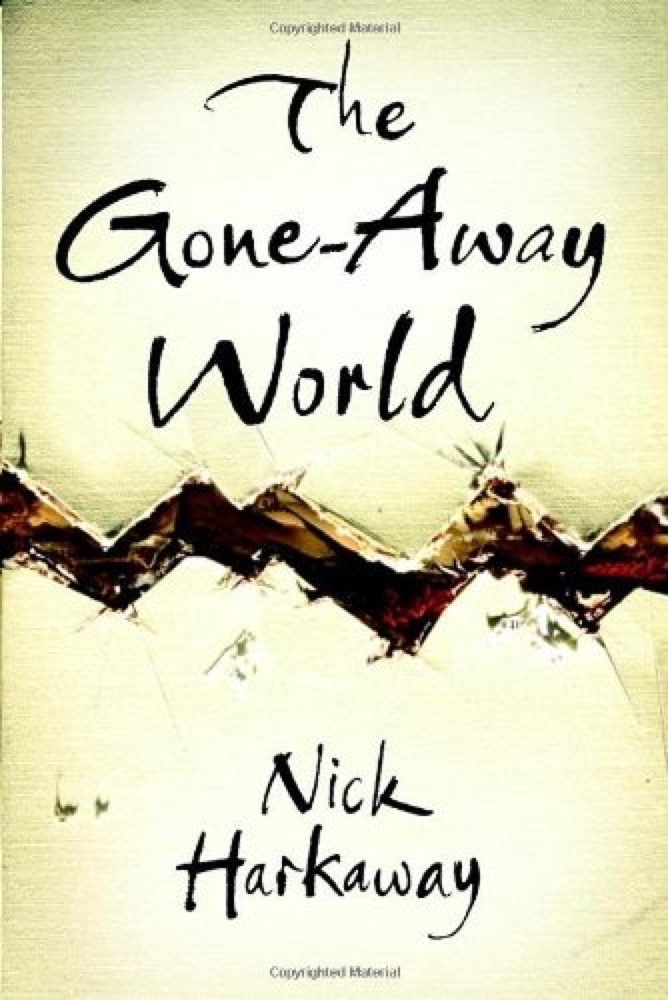 The Gone-Away World
 Embers
 People of the Book
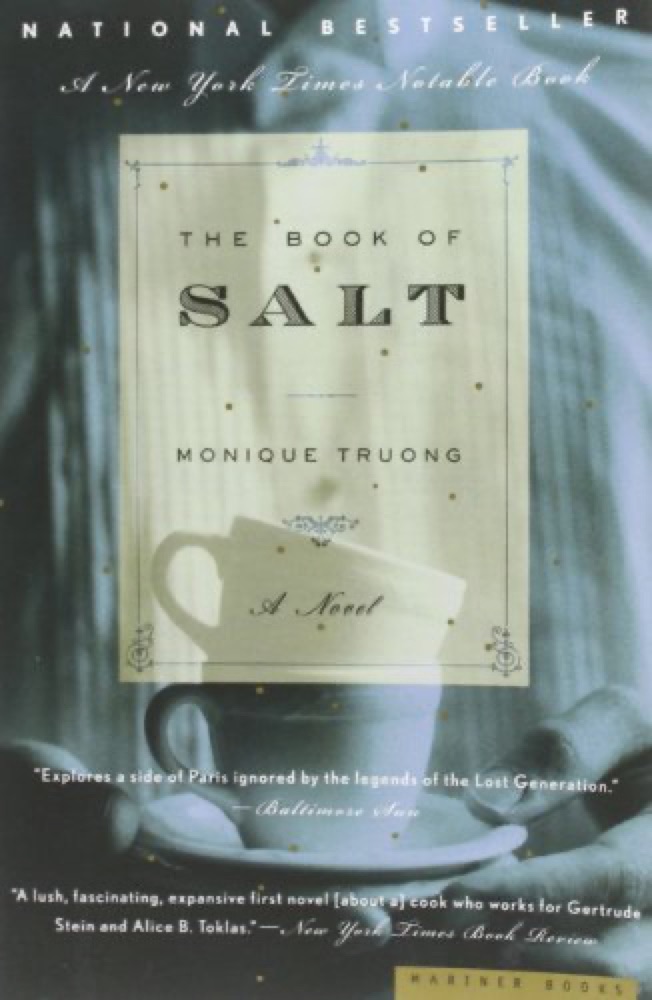 The Book of Salt
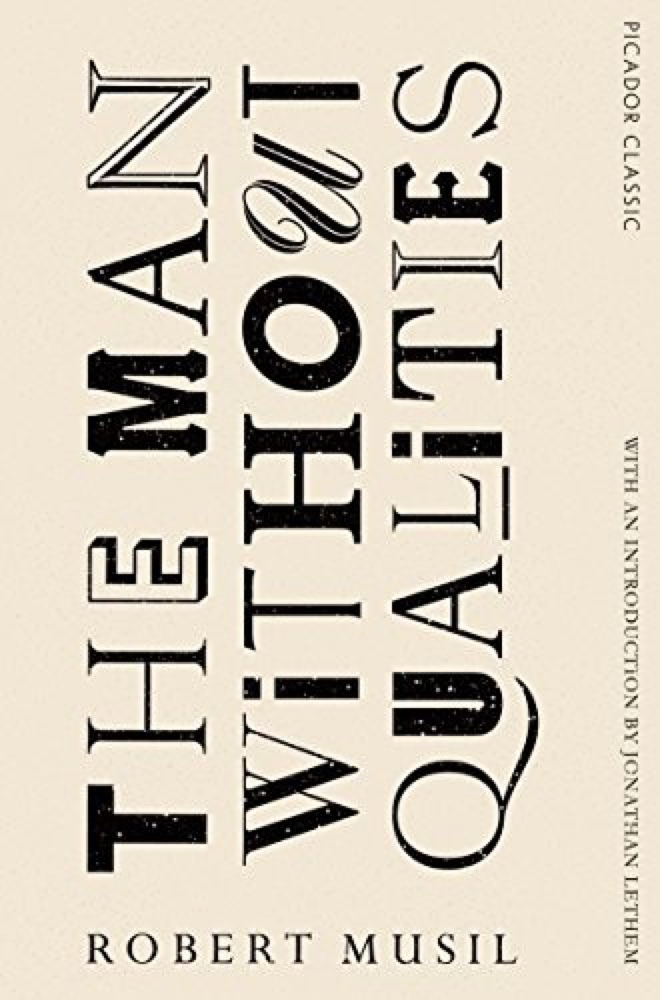 The Man Without Qualities
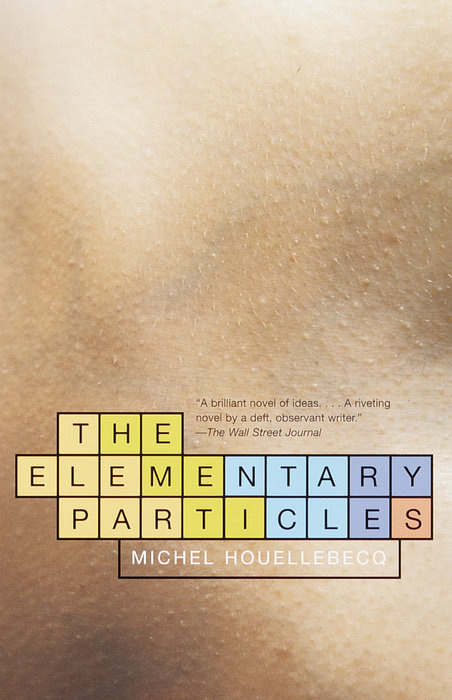 The Elementary Particles
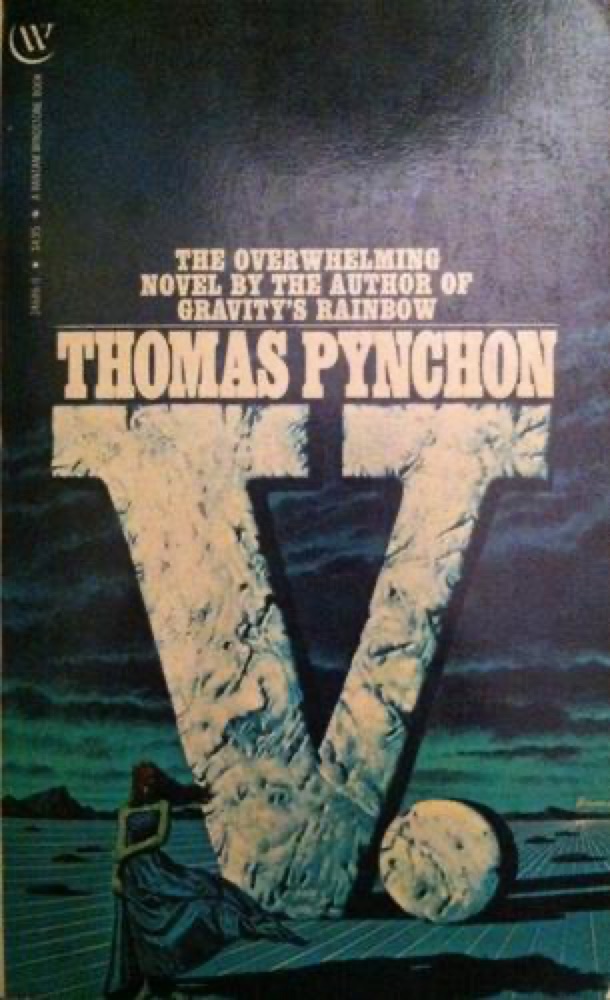 V.
V.
 The Abundance
 Art and Lies
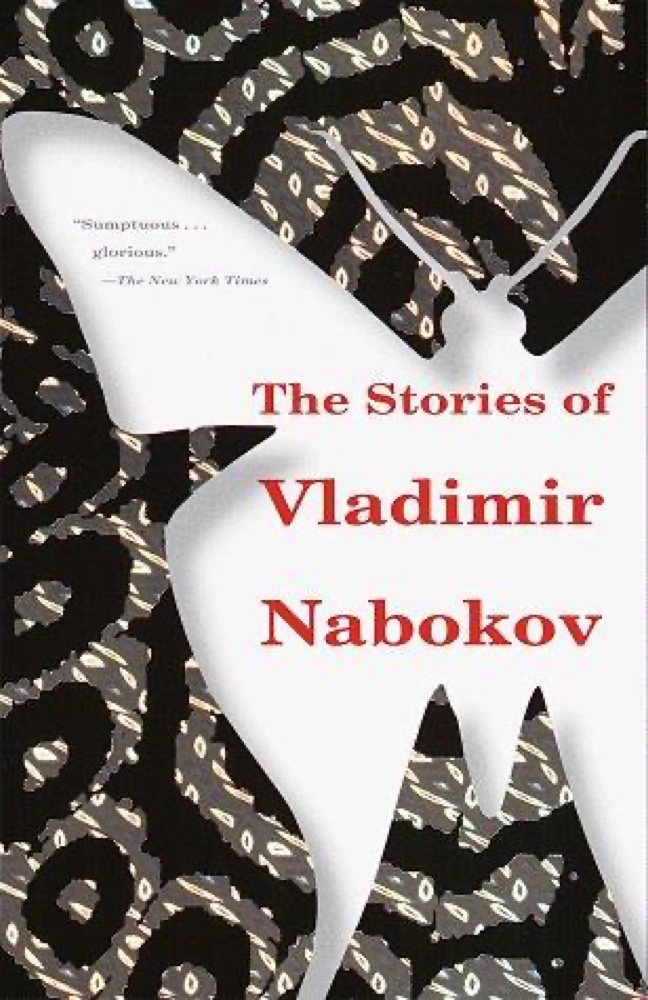 The Stories of Vladimir Nabokov
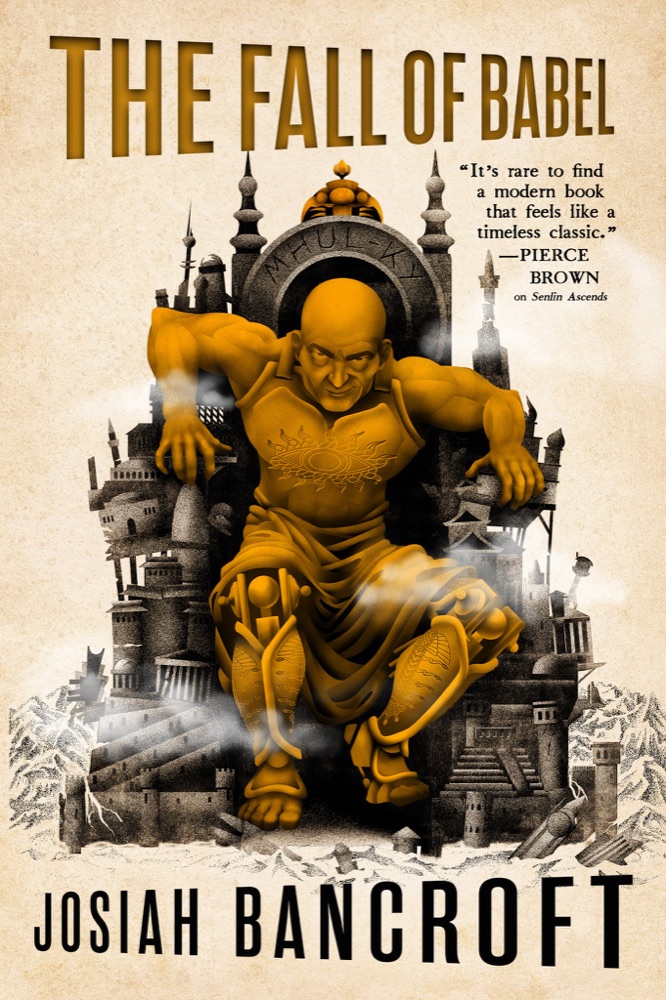 The Fall of Babel
 In the Light of What We Know
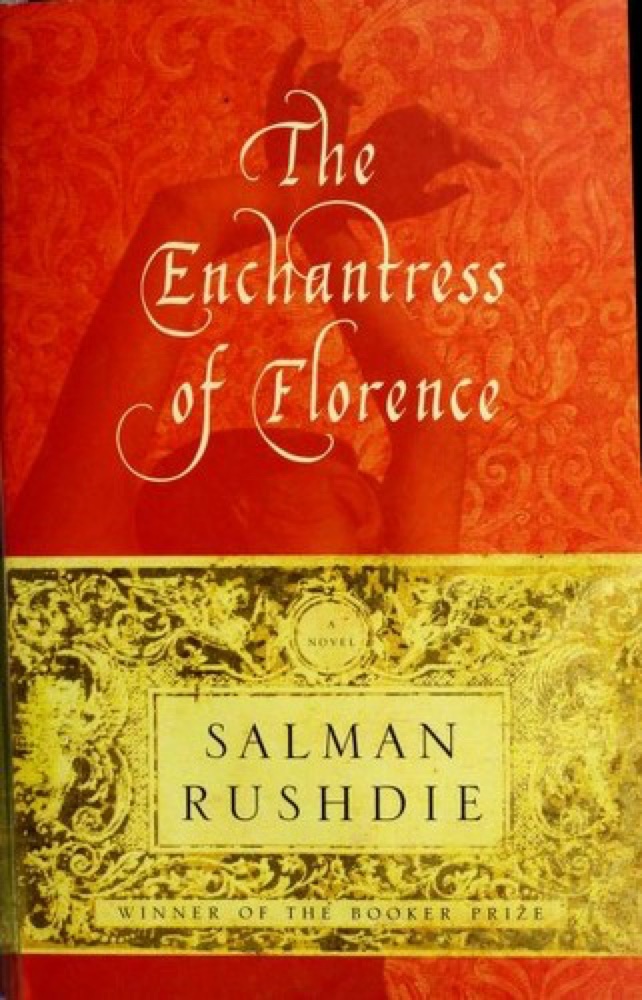 The Enchantress of Florence
 Empire of Silence
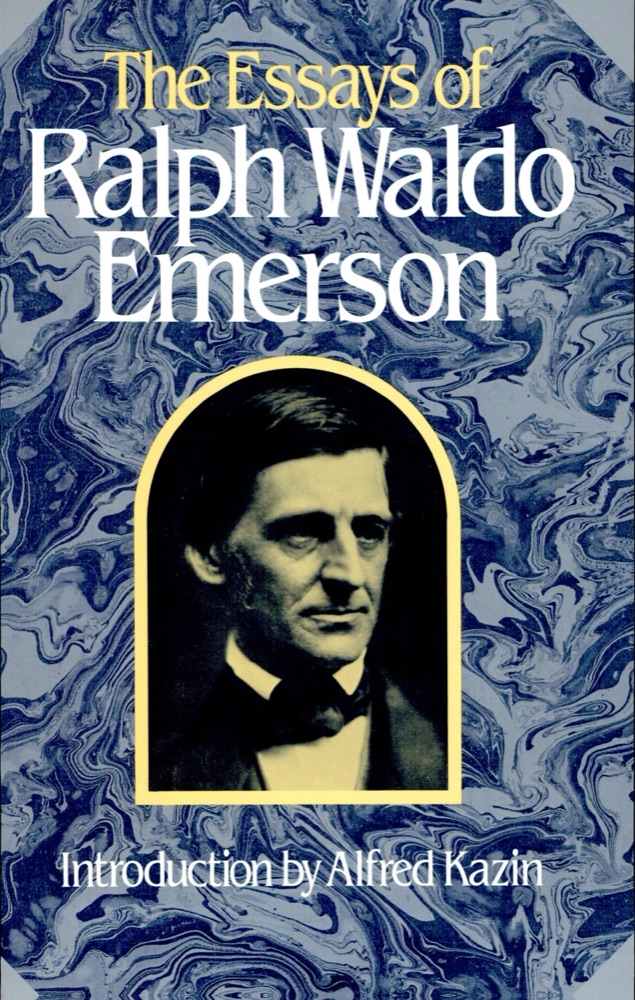 The Essays of Ralph Waldo Emerson
 Doctor Faustus
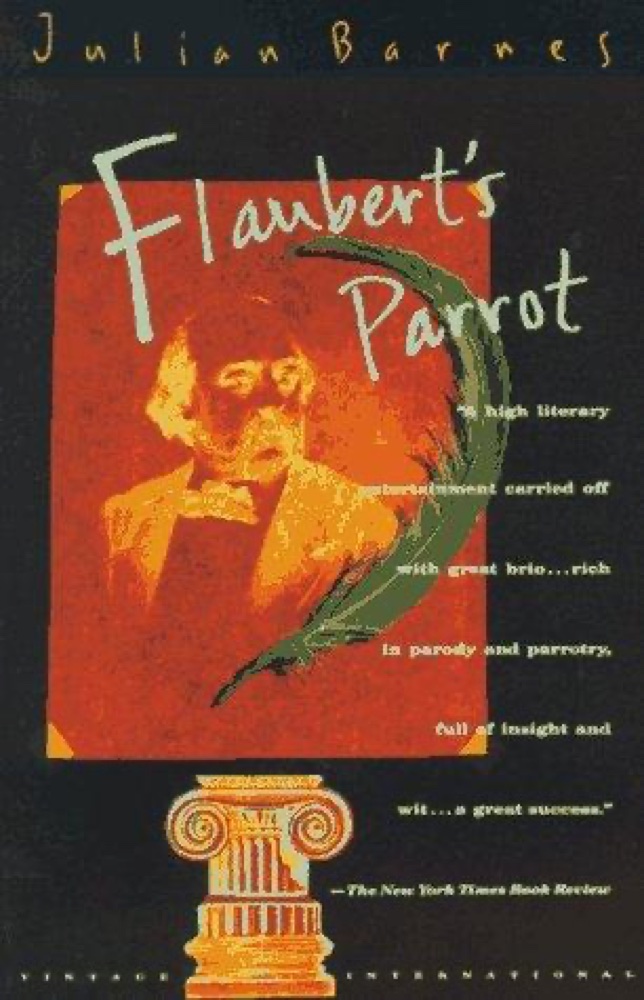 Flaubert's Parrot
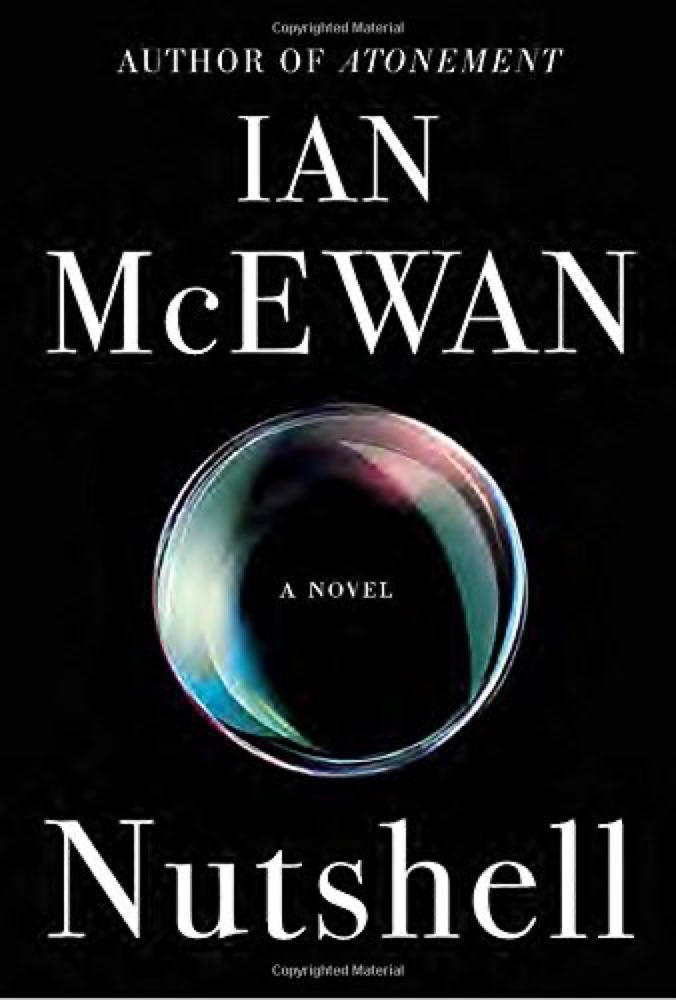 Nutshell
 The Secret History
 Fifth Business
 The Fifth Science
 The Golden Tresses of the Dead
 Dust Tracks on a Road