
 The Bookshop
Quotes from the Book
A word of advice. If, as a young man, student, you are tormented by a desire for women, it is best to get out into the fresh air as much as possible.
9
He said, aloud, 'The external world is the world of shadows. It throws its shadows into the kingdom of light. How different they will appear when this darkness is gone and the shadow-body has passed away. The universe, after all, is within us. The way leads inward, always inwards.
2
Mathematics is human reason itself in a form everyone can recognise. Why should poetry, reason and religion not be higher forms of Mathematics? All that is needed is a grammar of their common language.
1
But time giving to wishing for what can't be is not only spent, but wasted, and for all that we waste we shall be accountable.
1
Opportunity, after all, is only another word for temptation.
1
The Freifrau, meanwhile, struggled with the demon of timidity.
But there is something else which I have written and which I want to read to you while I still have time,’ Fritz told Karoline. ‘It will not truly exist until you have heard it.’ ‘Is
think, indeed, that women have a better grasp on the whole business of life than we men have. We are morally better than they are, but they can reach perfection, we can’t. And that is in spite of the fact that they particularise, we generalise.
Luck has its rules, if you can understand them, and then it is scarcely luck.
Sink, he told his hopes, with a kind of satisfaction, sink like a corpse dropped into the river. I am rejected, not for being unwelcome, not even for being ridiculous, but for being nothing.
. . . in every created thing, whether it is alive or whether is what we usually call inanimate, there is an attempt to communicate, even among the totally silent. There is a question being asked, a different question for every entity, which for the most part will never be put into words, even by those who can speak.
Llevar una oficina no es tan difícil, le dijo Just. Básicamente consiste en saber, en primer lugar, que entra; en segundo lugar, qué queda pendiente; en tercer lugar, qué asuntos han sido gestionados y están listos para salir; y en cuarto lugar, qué es lo que ya ha salido. Todos los asuntos deben encontrarse en una de estas cuatro etapas, y de este modo no se puede poner la excusa de que se ha traspapelado algún documento. Para cada transacción debe haber un registro, y de ese registro tienes que poder obtener inmediatamente una copia escrita. El mundo civilizado no podria existir sin su cohorte de escribientes, y estos a su vez no podrían existir si la civilización no requiriese tanto papeleo. - Yo no resistiria la vida si tuviera que que trabajar de escribiente, le dijo Fritz. - No debería existir ese tipo de trabajo. - Ni una revolución acabaría con él, le dijo Coelestin Just. - Habría escribientes al pie de la guillotina.
But he also saw himself as a geognost, a natural scientist, who, as he put it, had come ‘to an entirely new land, and dark stars’. The mining industry, it seemed to him, was not a science, but an art.
Watch on YouTube
About Penelope Fitzgerald
We have collected 38 quotes from 2 books by Penelope Fitzgerald on BookQuoters.
More about the author →More by Penelope Fitzgerald
The Bookshop
About the book
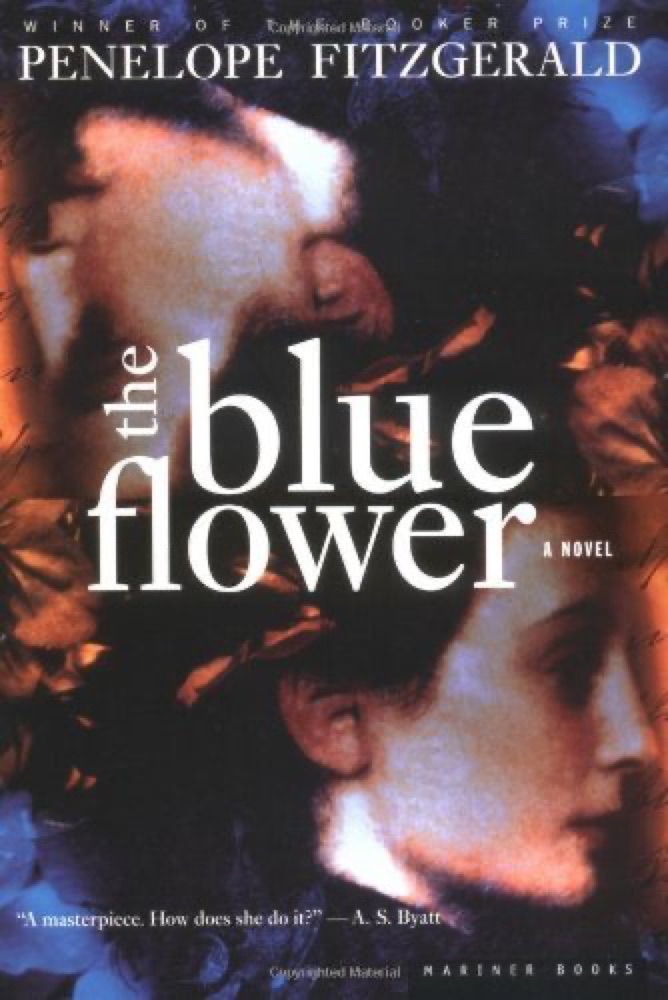
This is the story of Friedrich von Hardenberg--Fritz, to his intimates--a young man of the late 18th century who is destined to become one of Germany's great romantic poets. In just over 200 pages, Fitzgerald creates a complete world of family, friends and lovers, but also an exhilarating evocation of the romantic era in all its political turmoil, intellectual voracity, and moral ambiguity. A profound exploration of genius, The Blue Flower is also a charming, wry, and witty look at domestic life. Fritz's family--his eccentric father and high-strung mother; his loving sister, Sidonie; and brothers Erasmus, Karl, and the preternaturally intelligent baby of the family, referred to always as the Bernhard--are limned in deft, sure strokes, and it is in his interactions with them that the ephemeral quality of genius becomes most tangible. Even his unlikely love affair with young Sophie von Küh
Book details
- First published
- 1995
- Author
- Penelope Fitzgerald
- Genre
- Fiction
- Goodreads rating
- 3.44 (7k ratings)
Keep reading
 Daniel Deronda
 Humboldt's Gift
 The Gay Science
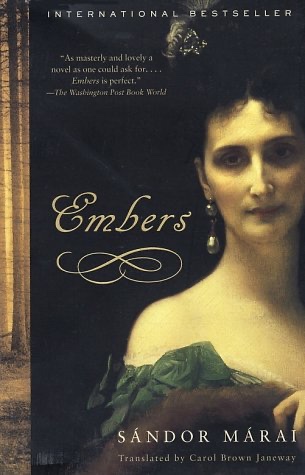 Embers
 Flaubert's Parrot
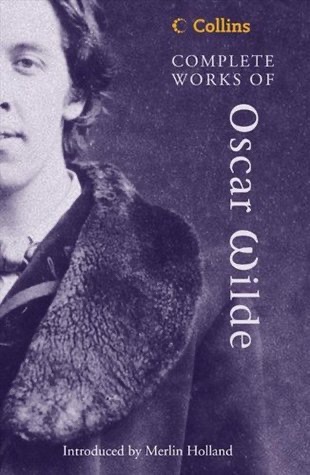 Complete Works of Oscar Wilde
 The Magic Mountain
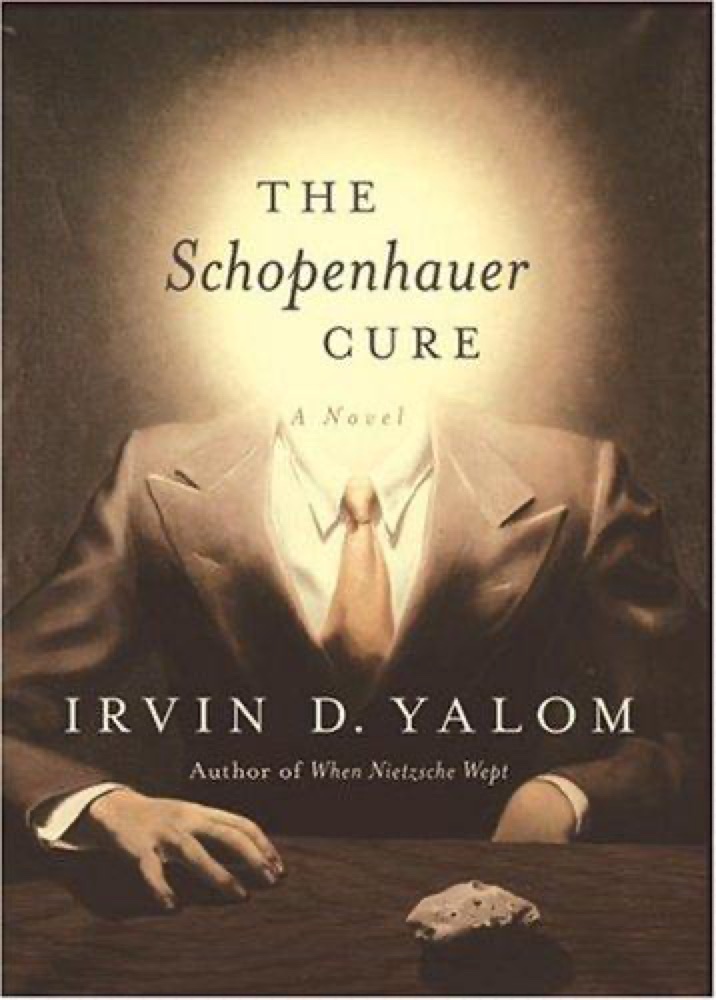 The Schopenhauer Cure
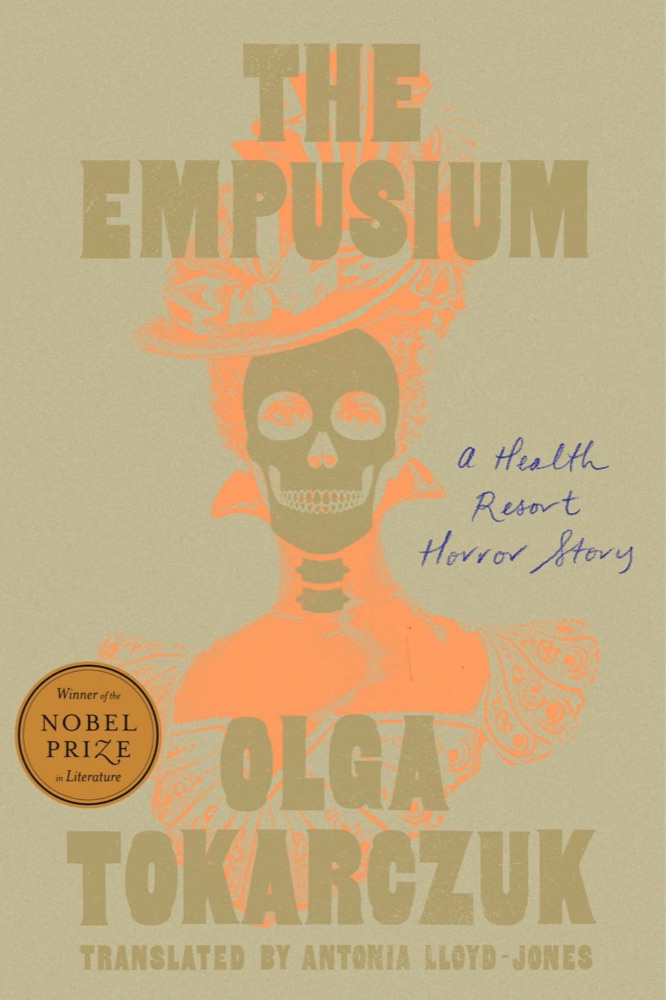 The Empusium
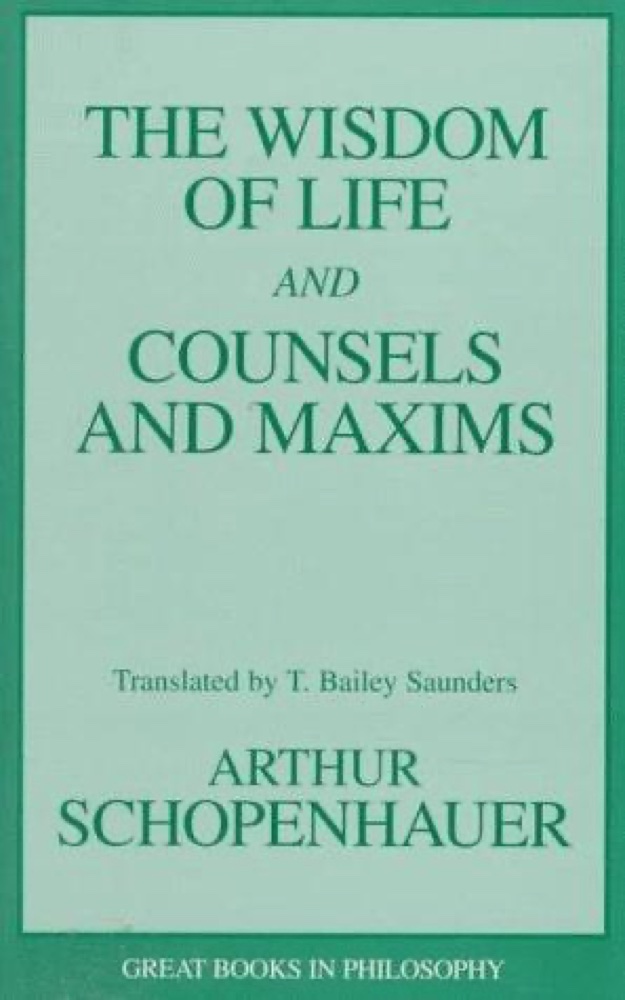 The Wisdom of Life
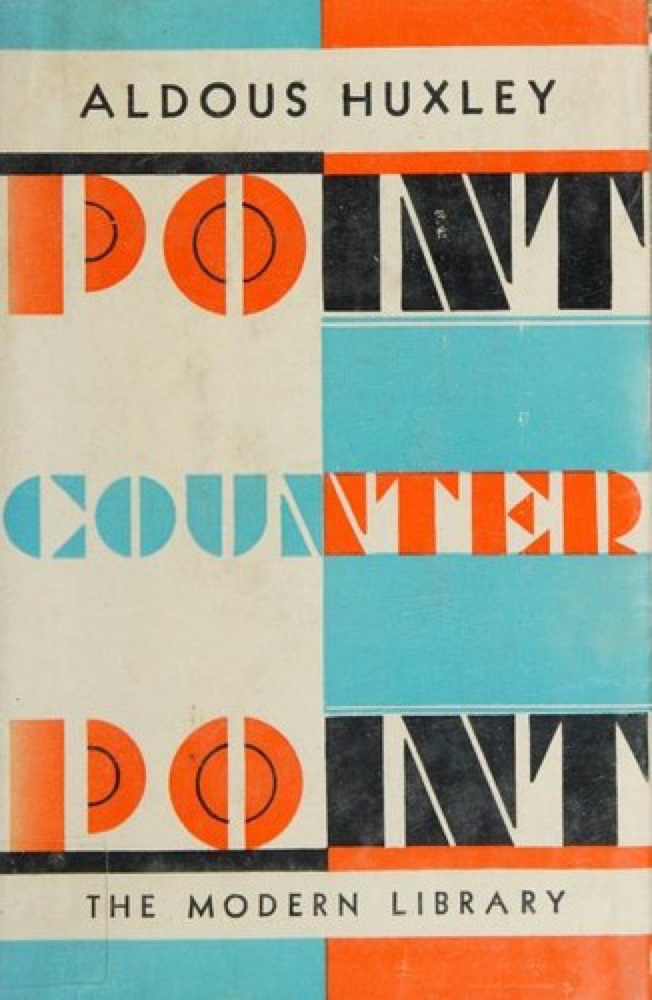 Point Counter Point
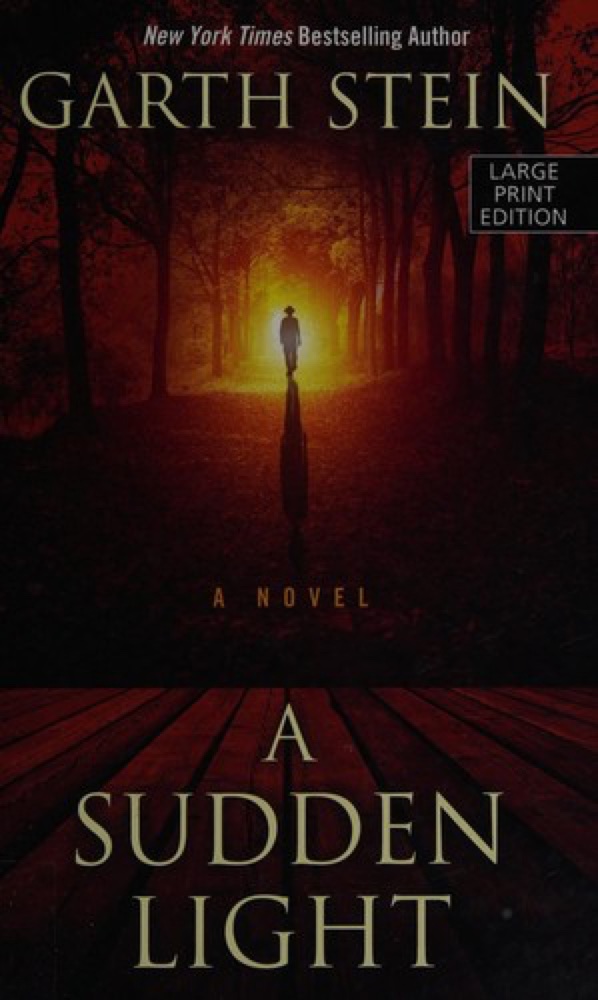 A Sudden Light
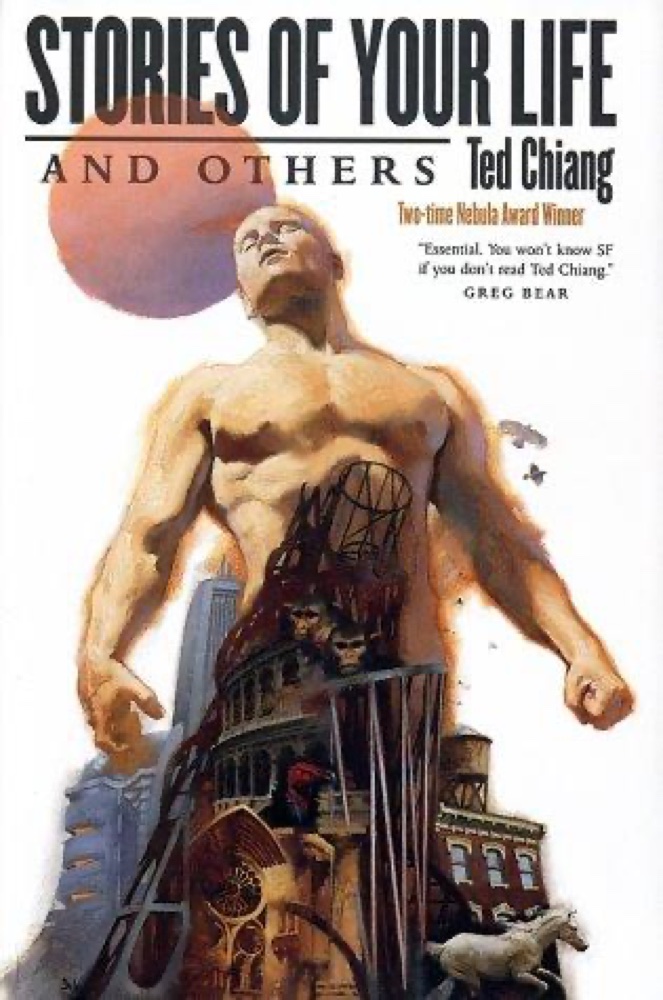 Stories of Your Life and Others
 The Wolf Gift
 A Room with a View
 Sexing the Cherry
 The Story of My Experiments With Truth
 The Adolescent
 East of Eden
 The Home and the World
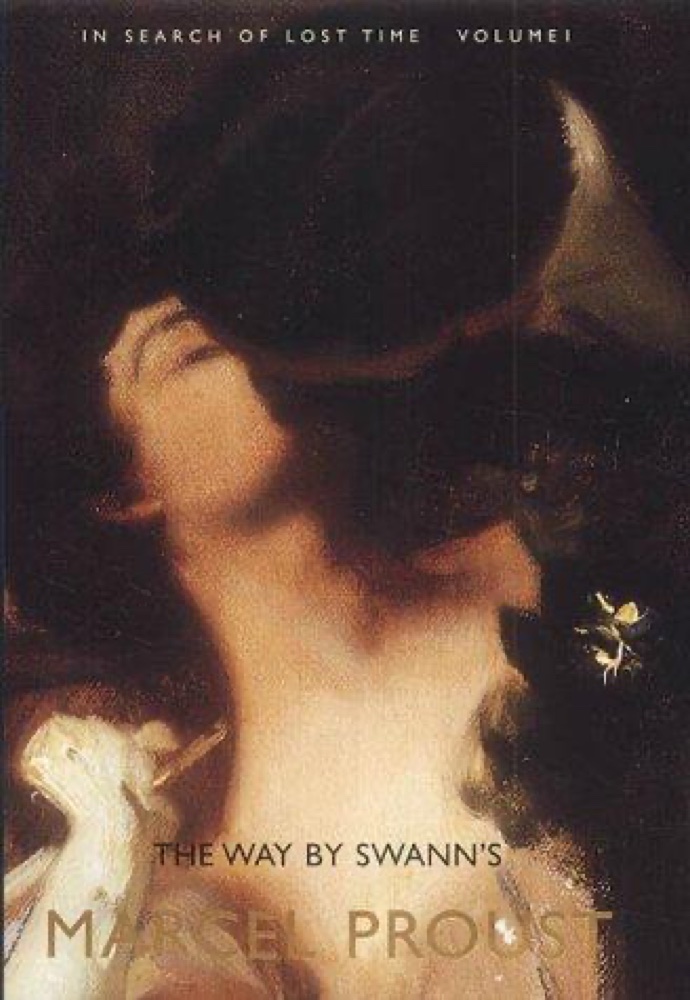 In Search of Lost Time
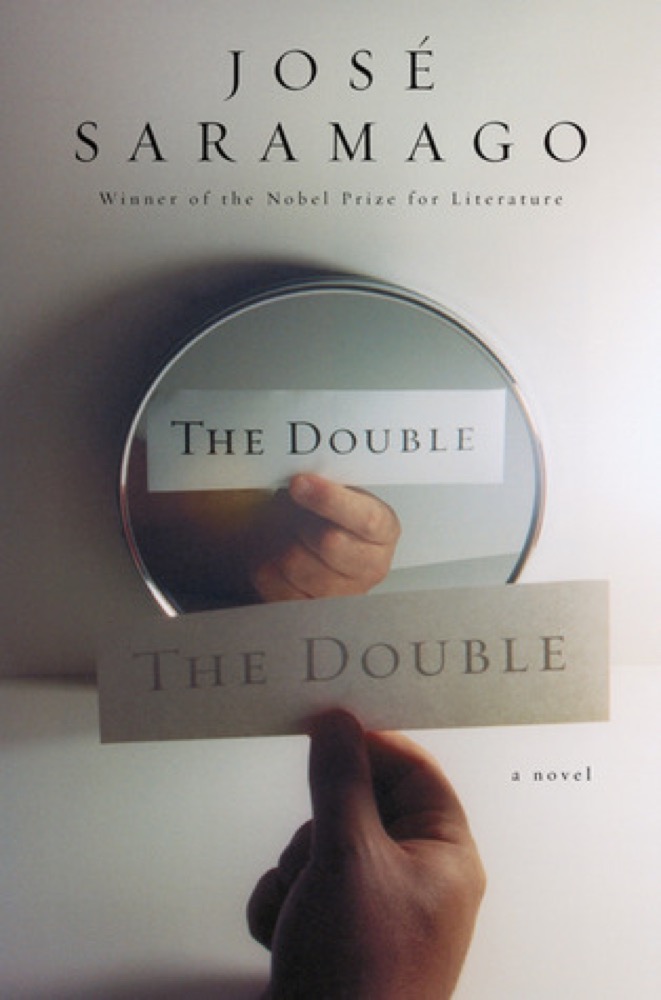 The Double
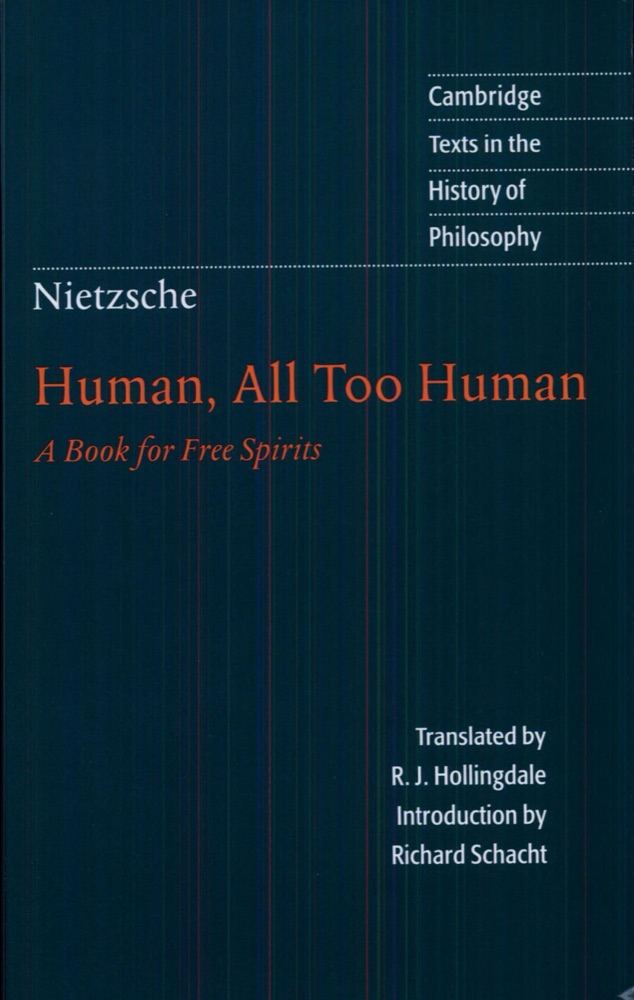 Human, All Too Human
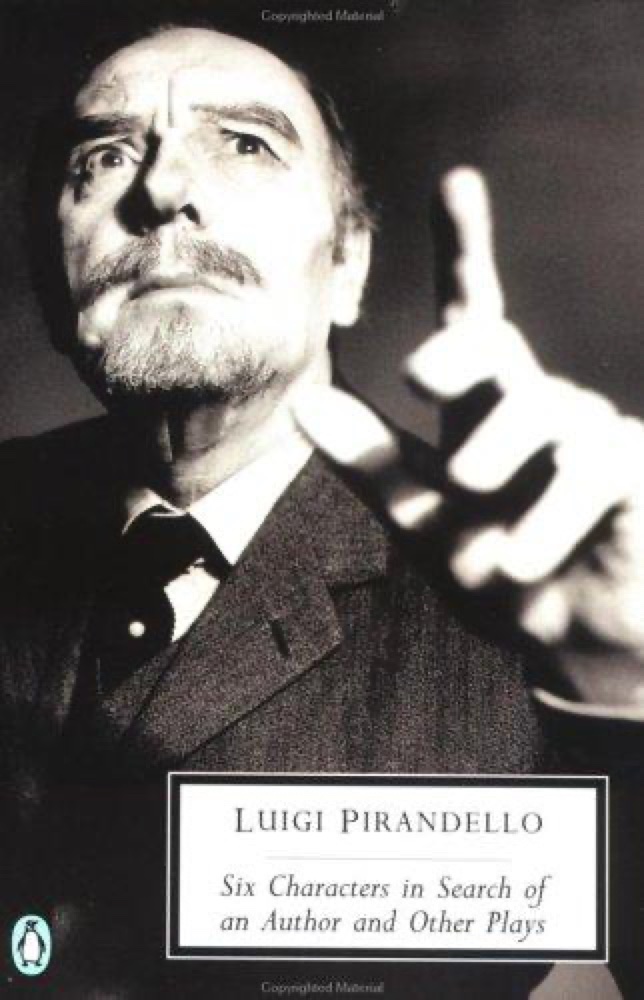 Six Characters in Search of an Author
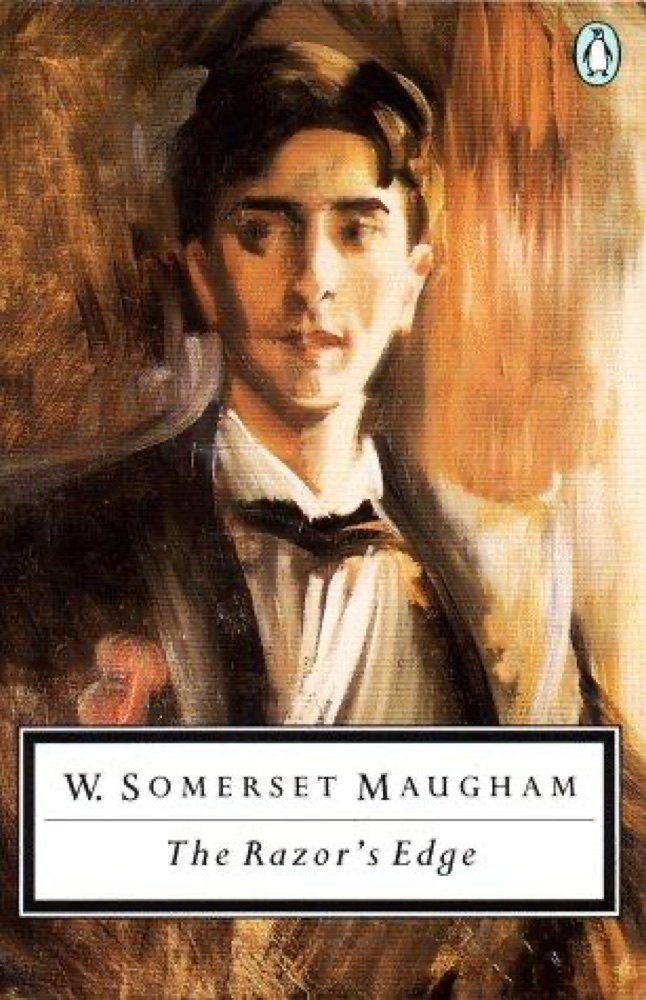 The Razor's Edge
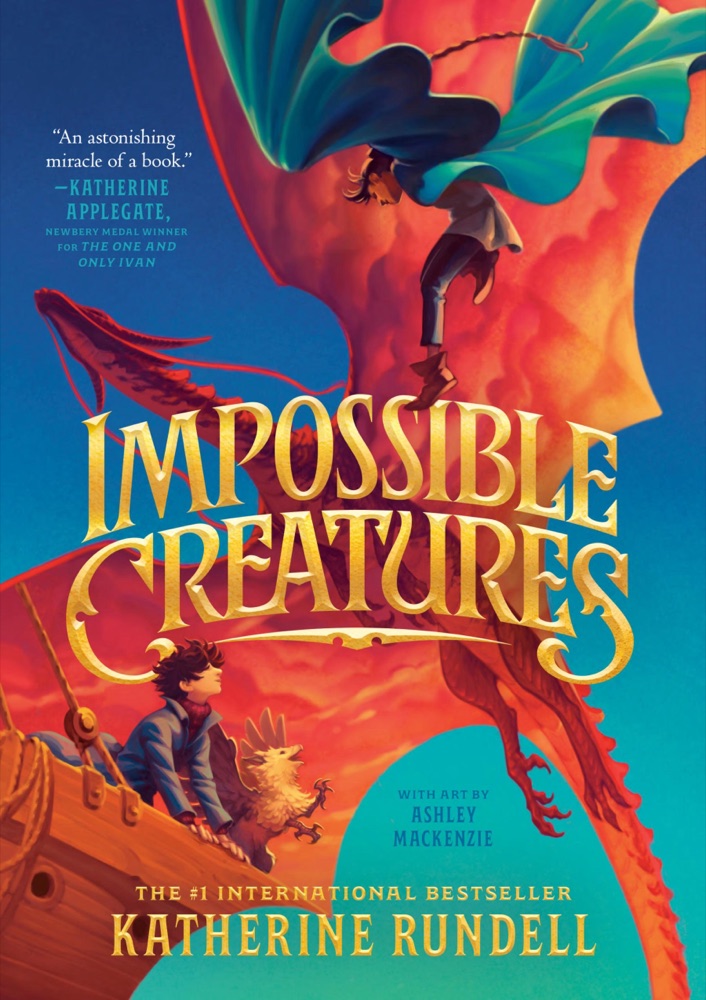 Impossible Creatures
 Arm of the Sphinx
 The Rebel Angels
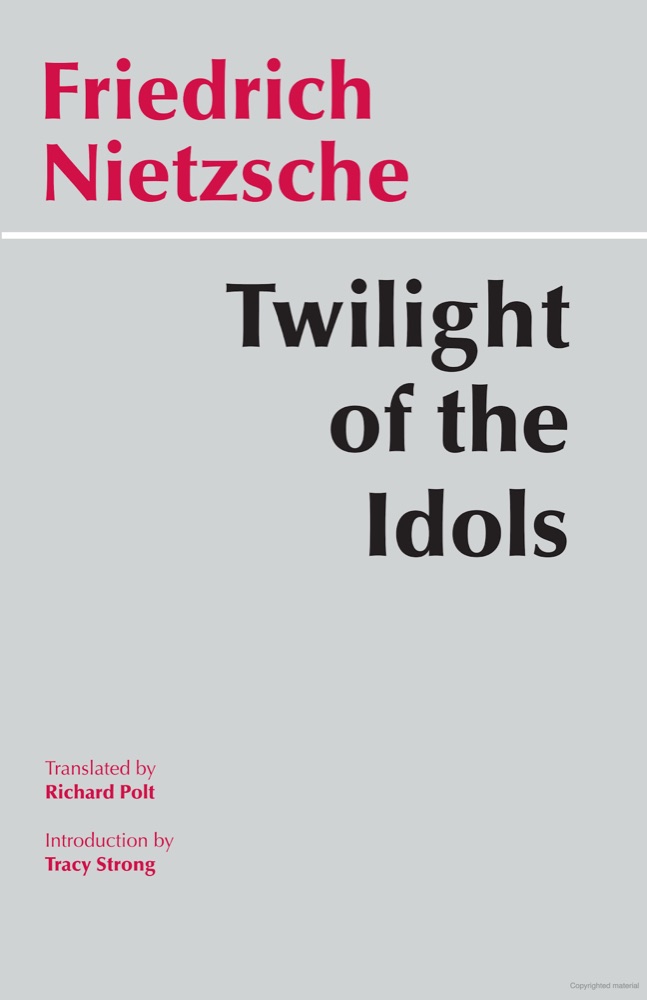 Twilight of the Idols
 Asymmetry
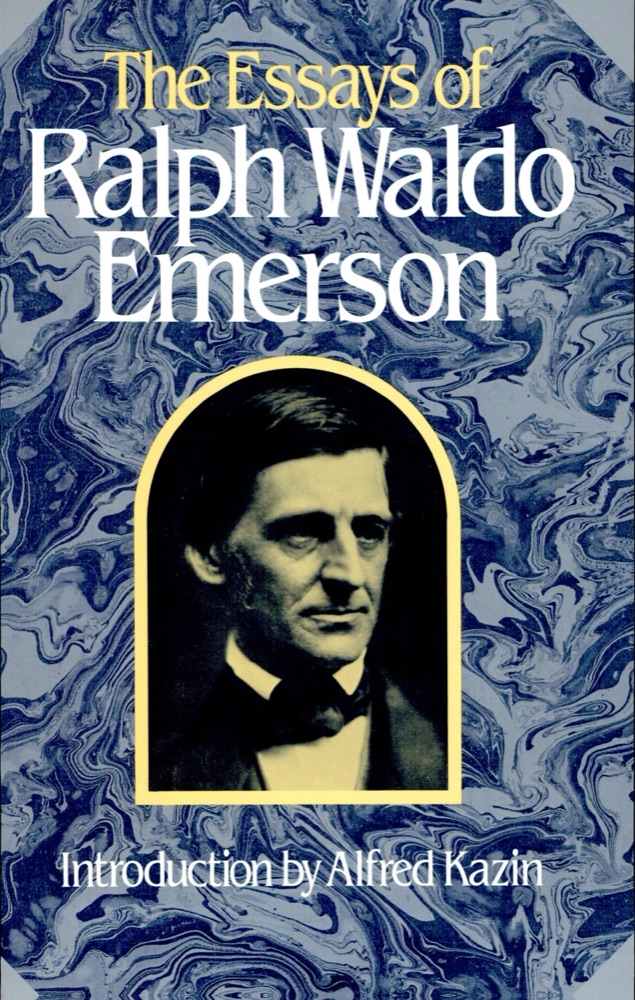 The Essays of Ralph Waldo Emerson
 The Secret History
 Narcissus and Goldmund
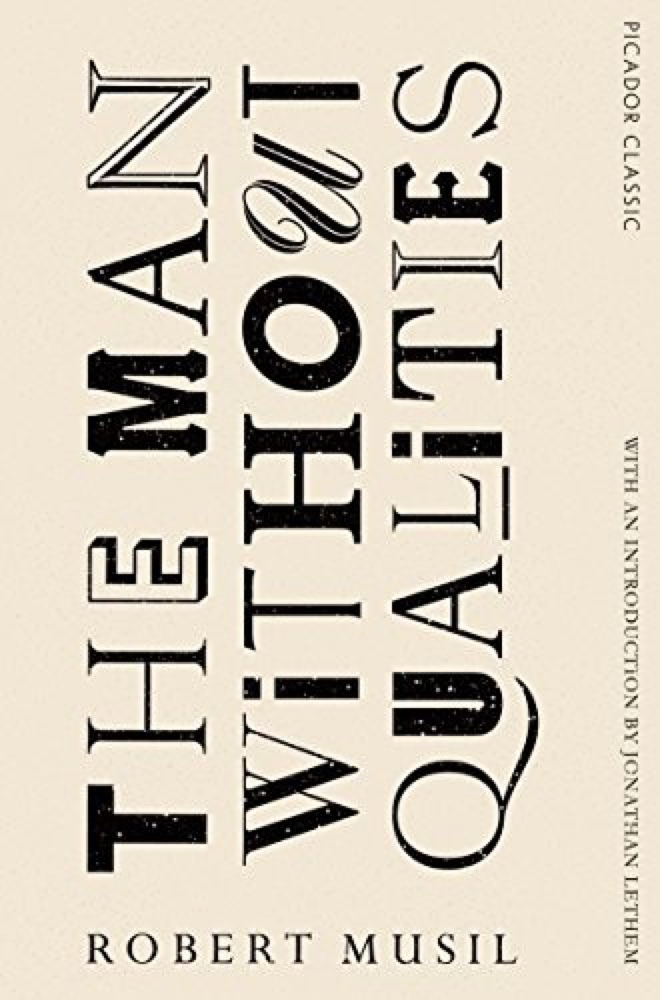 The Man Without Qualities
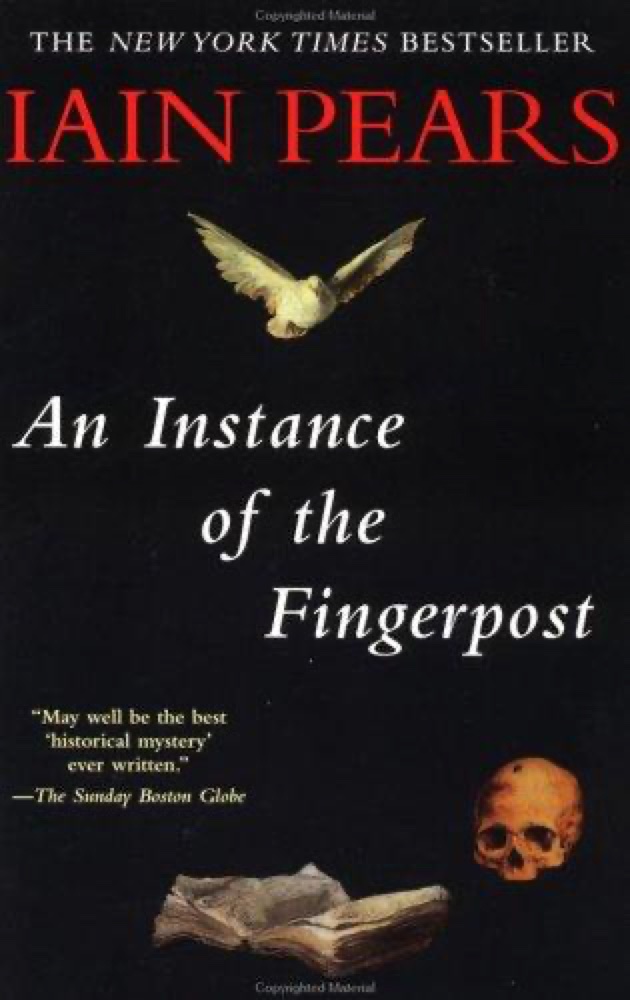 An Instance of the Fingerpost
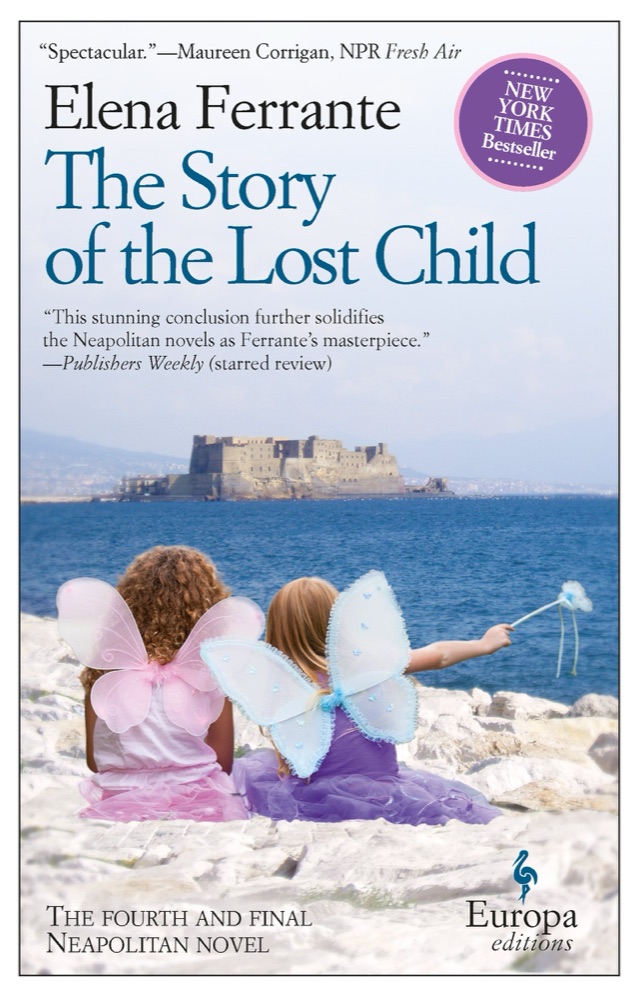 The Story of the Lost Child
 The World as Will and Representation, Vol 1
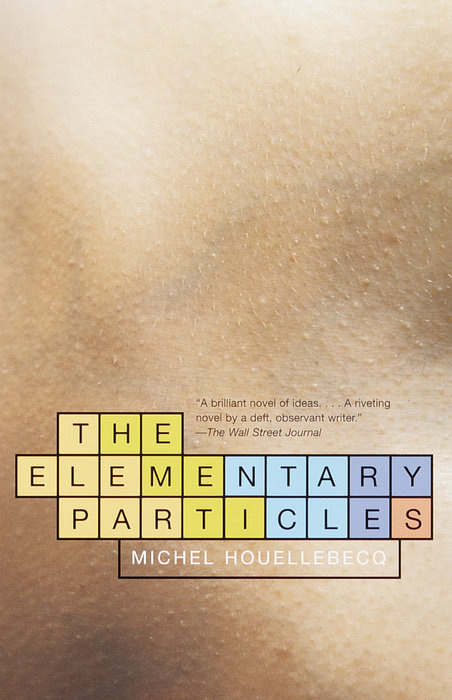 The Elementary Particles
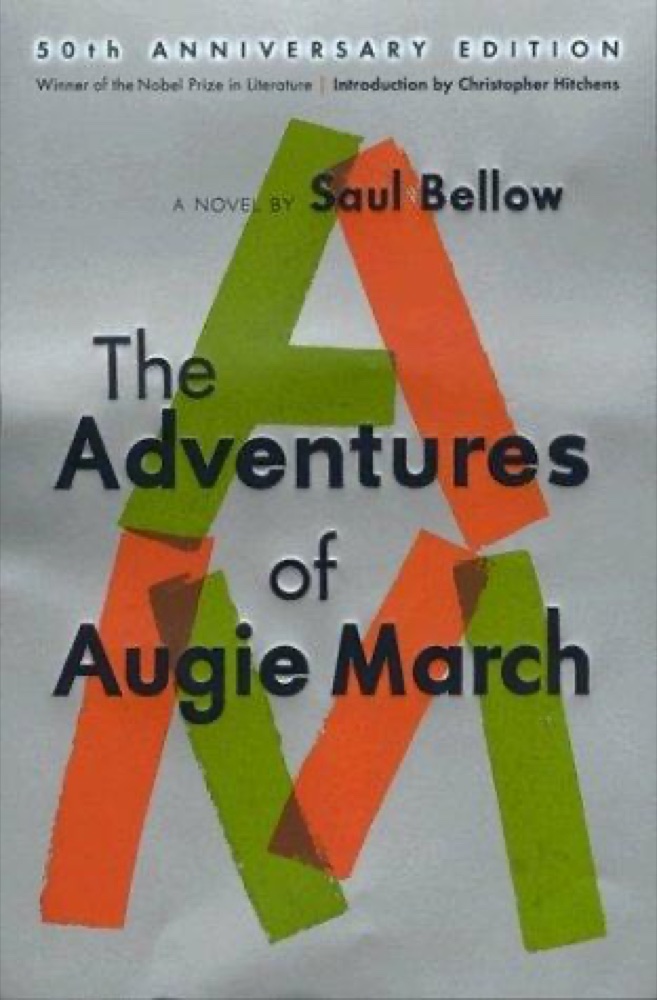 The Adventures of Augie March
 The Fall of Babel
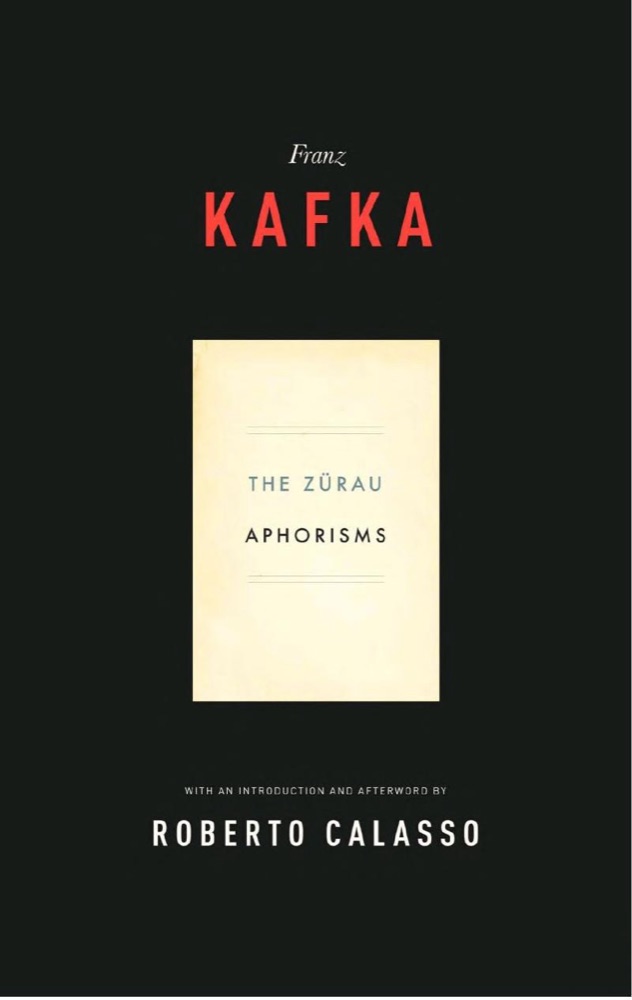 The Zürau Aphorisms
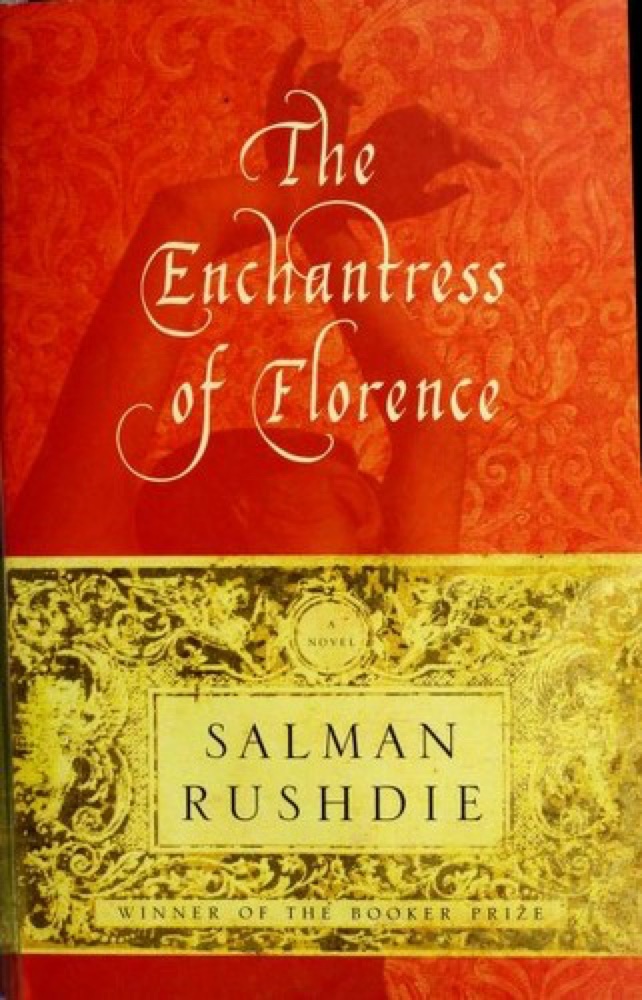 The Enchantress of Florence
 The Complete Essays
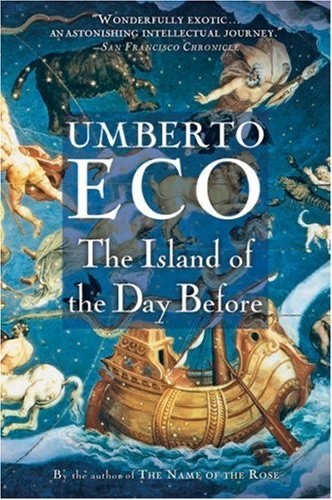 The Island of the Day Before
 The Recognitions
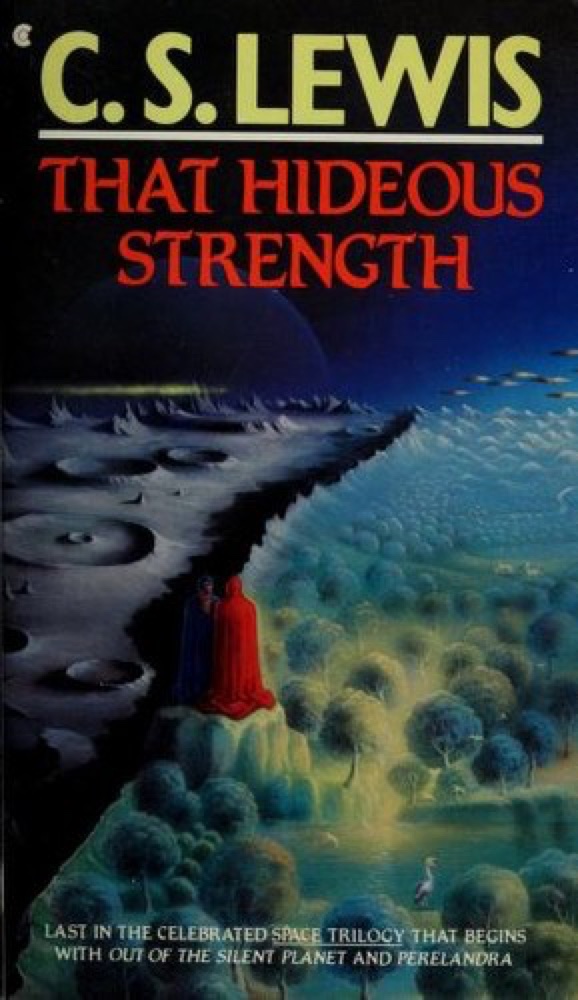 That Hideous Strength
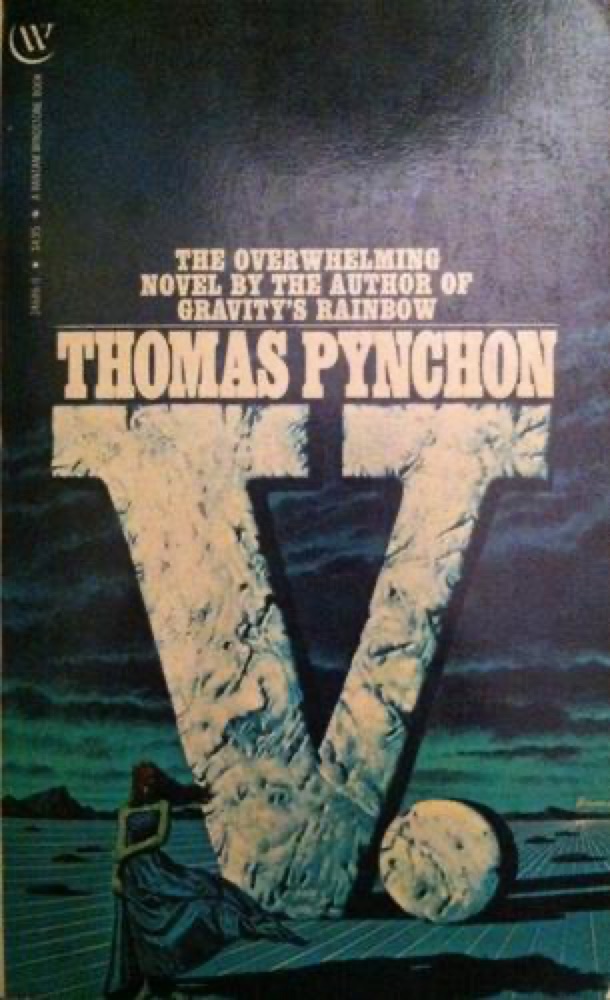 V.
V.
 Summertime
 The Rule of Four
 Disgrace
 The Myth of Sisyphus and Other Essays
 Eifelheim
 Selected Stories
 Foundation and Empire
 The Screwtape Letters
 The Etched City
 Anthills of the Savannah
 Antic Hay
 Two Years Eight Months and Twenty-Eight Nights
 West with the Night