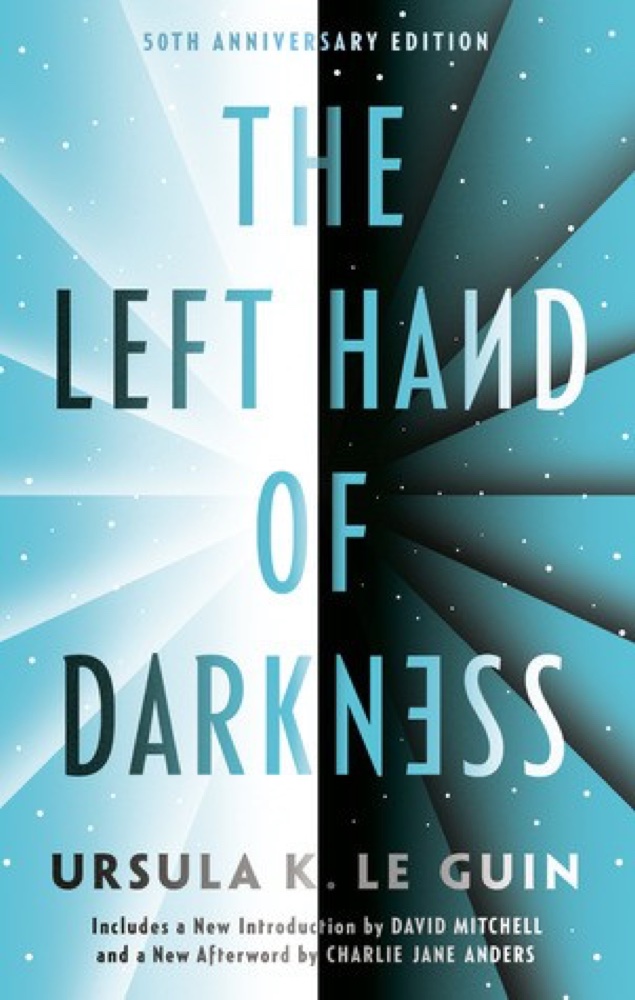
 The Left Hand of Darkness
Quotes from the Book
Belief is the wound that knowledge heals.
341
To learn a belief without the belief is to sing a song without the tune.
50
I know who you are," she said. "You're my enemy. The true believer. The righteous man with the righteous mission. The one that jails people for reading and burns the books. That persecutes people who do exercises the wrong way. That dumps out the medicine and pisses on it. That pushes the button that sends the drones to drop the bombs. And hides behind a bunker and doesn't get hurt. Shielded by God. Or the state. Or whatever lie he uses to hide his envy and self-interest and cowardice and lust for power. It took me a while to see you, though. You saw me right away. You knew I was your enemy. Was unrighteous. How did you know it?
14
We're not outside the world... We are the world. We're its language. So we live and it lives. You see? If we don't say the words, what is their in our world?
12
There’s a Hainish parable of the Mirror. If the glass is whole, it reflects the whole world, but broken, it shows only fragments, and cuts the hand that holds it.
8
But I liked the writing better. I could make it look beautiful. I could keep it. The spoken words just went out like the wind, and you always had to say them all over again to keep them alive. But the writing stayed, and you could learn to make it better. More beautiful.
8
But nobody in one lifetime could read more than a fragment of what was here, this broken labyrinth of words, this shattered, interrupted story of a people and a world through the centuries, the millennia.
8
If nobody teaches us the words, the thoughts, we stay ignorant. If nobody shows a little child, two, three years old, how to look for the way, the signs of the path, the landmarks, then it gets lost in the mountain, doesn't it? And dies in the night, in the cold.
6
...but they did not know anything holier than the world, they did not seek a power greater than nature.
5
What is sacredness? What is true is sacred. What has been suffered. What is beautiful. So the Telling tries to find the truth in events or the pain, or the beauty? No need to try to find it, said Unroy. The sacredness is there. In the truth, the pain, the beauty. So that the telling of it is sacred.
5
It’s all we have. You see? It’s the way we have the world. Without the telling, we don’t have anything at all. The moment goes by like the water of the river. We’d tumble and spin and be helpless if we tried to live in the moment. We’d be like a baby. A baby can do it, but we’d drown. Our minds need to tell, need the telling. To hold. The past has passed, and there’s nothing in the future to catch hold of. The future is nothing yet. How could anybody live there? So what we have is the words that tell what happened and what happens. What was and is.
4
But belief is the wound that knowledge heals, and death begins the Telling of our life
4
Where my guides lead me in kindness I follow, follow lightly, and there are no footprints in the dust behind us.
3
Most civilisations, perhaps, look shinier in general terms and from several light-years away.
3
All stories are long,” he murmured. The Fertiliser had said something like that once. Short stories are only pieces of the long one, he had said.
3
The margin between collusion and respect can be narrow,” Tong said.
3
She knew too many poets. She knew more poets, more poetry, she knew more grief, she knew more than anybody needed to know. So she had sought to be ignorant. To come to a place where she didn't know anything. She had succeeded beyond all expectation.
2
Hate eats the hater,” she quoted from a familiar text of the Telling.
2
Honorifics and meaningless ritual phrases of greeting, leave-taking, permission-asking, and false gratitude, please, thank you, you're welcome, goodbye, fossil relics of primitive hypocrisy—all were stumbling blocks to truthfulness between producer-consumers.
2
And she told me the same thing, she said that when I came back in the winter, she was going to miss missing me....
2
And there are no footprints in the dust behind us. . . .
1
What's the end of a story? When you begin telling it.
1
The people of the old way placidly accepted new technologies and products, so long as they worked better than the old ones and so long as using them did not require changing one’s life in any important way. To Sutty this seemed a profound but reasonable conservatism. But to an economy predicated on endless growth, it was anathema.
1
He had a straight back and good features, though ambition, anxiety, authority had made his face hard, tight. Nobody starts out that way, Sutty thought. There are no hard babies.
1
Brief presence and long absence, that was all she and they had ever had. And made the best of it.
1
Elyed used that word often, unreasonable, in a literal sense: what cannot be understood by thinking. Once when Sutty was trying to find a coherent line of thought connecting several different tellings, Elyed said, “What we do is unreasonable, yoz.” “But there is a reason for it.” “Probably.” “What I don’t understand is the pattern. The place, the importance of things in the pattern. Yesterday you were telling the story about Iaman and Deberren, but you didn’t finish it, and today you read the descriptions of the leaves of the trees of the grove at the Golden Mountain. I don’t understand what they have to do with each other. Or is it that on certain days a certain kind of material is proper? Or are my questions just stupid?” “No,” the maz said, and laughed her small laugh that had no teeth to show. “I get tired remembering. So I read. It doesn’t matter. It’s all the leaves of the tree.” “So . . . anything—anything that’s in the books is equally important?” Elyed considered. “No,” she said. “Yes.” She drew a shaky breath. She tired quickly when she could not rest in the stream of ritual act and language, but she never dismissed Sutty, never evaded her questions. “It’s all we have. You see? It’s the way we have the world. Without the telling, we don’t have anything at all. The moment goes by like the water of the river. We’d tumble and spin and be helpless if we tried to live in the moment. We’d be like a baby. A baby can do it, but we’d drown. Our minds need to tell, need the telling. To hold. The past has passed, and there’s nothing in the future to catch hold of. The future is nothing yet. How could anybody live there? So what we have is the words that tell what happened and what happens. What was and is.” “Memory?” Sutty said. “History?” Elyed nodded, dubious, not satisfied by these terms. She sat thinking for some time and finally said, “We’re not outside the world, yoz. You know? We are the world. We’re its language. So we live and it lives. You see? If we don’t say the words, what is there in our world?
1
To bury pain so deep, so deep you never need feel it. Bury it under anything, everything. Be a good son. A good girl. Walk over the graves and never look down. Keep far the Dog that’s friend to men. . . .
1
Watch on YouTube
About Ursula K. Le Guin
We have collected 635 quotes from 30 books by Ursula K. Le Guin on BookQuoters.
More about the author →More by Ursula K. Le Guin
The Left Hand of Darkness
 A Wizard of Earthsea
 The Ones Who Walk Away from Omelas
 The Tombs of Atuan
About the book
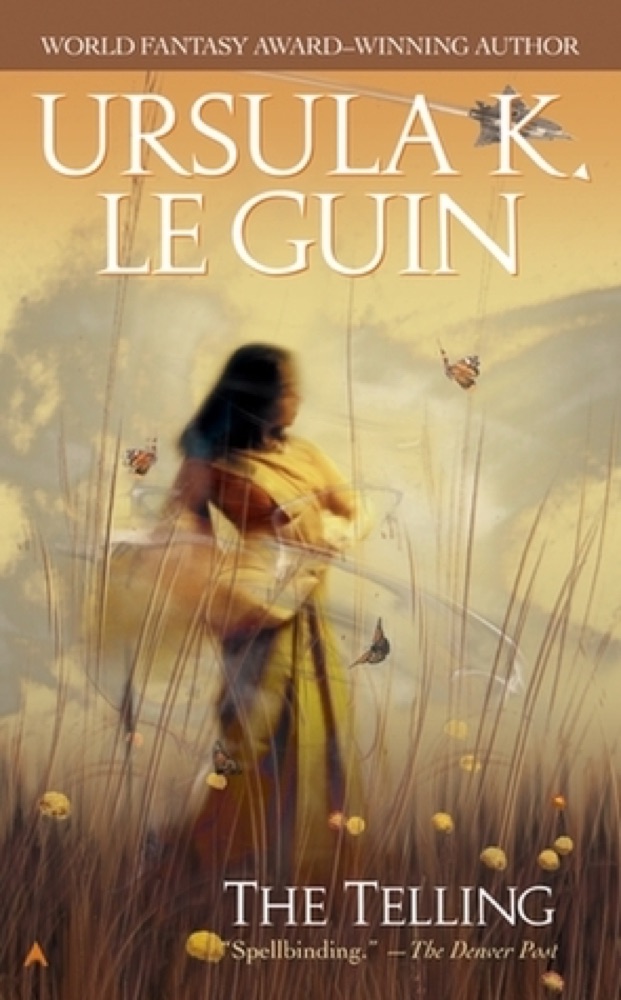
Die junge Linguistin Sutty wird von der Ökumene der Welten als Beobachterin auf den Planeten Aka entsandt. Dort herrscht ein autoritäres, fortschrittsgläubiges Regime, das sich rühmt, alle Spuren einer großen kulturellen Vergangenheit ausgerottet zu haben. Doch im unzugänglichen Bergland stößt Sutty auf die Überreste einer alten Kultur, die von einer verfolgten Kaste von Erzählern durch mündliche Überlieferung am Leben erhalten wird... (Klappentext)
Book details
- First published
- 2000
- Author
- Ursula K. Le Guin
- Genre
- Science Fiction
- Goodreads rating
- 3.99 (10k ratings)
Keep reading
 Four Ways to Forgiveness
 Plainwater: Essays and Poetry
 Out of Oz
 Always Coming Home
 The Ground Beneath Her Feet
 The Book That Broke the World
 The Stone Gods
 Possession
 The Enchantress of Florence
 Hyperion
 There but for the
 The Signature of All Things
 Two Years Eight Months and Twenty-Eight Nights
 Embassytown
 Embers
 Arm of the Sphinx
 The Wolf Gift
 The Secret History
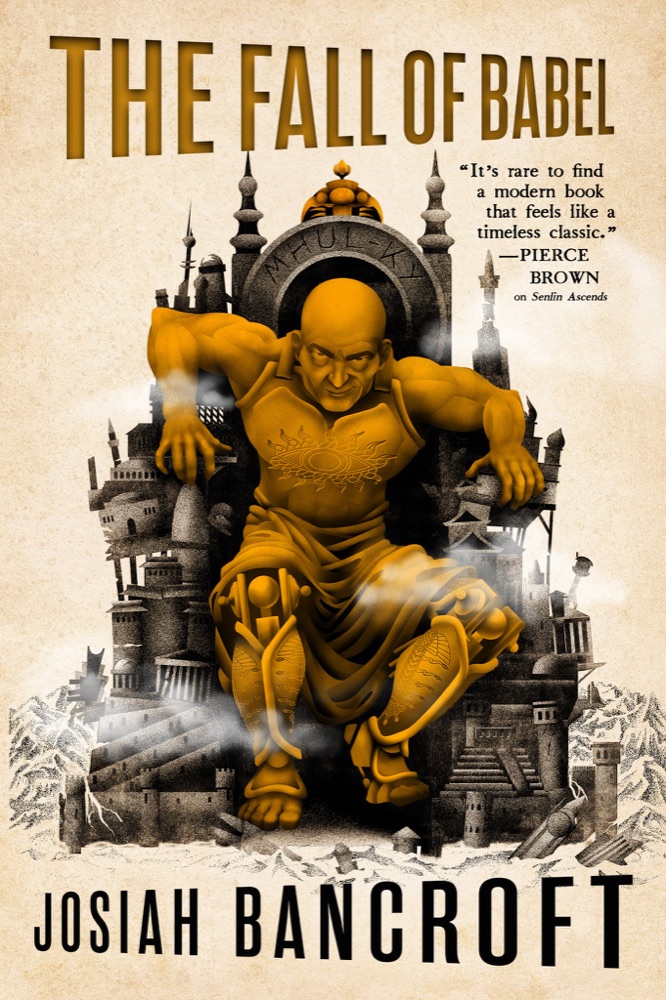 The Fall of Babel
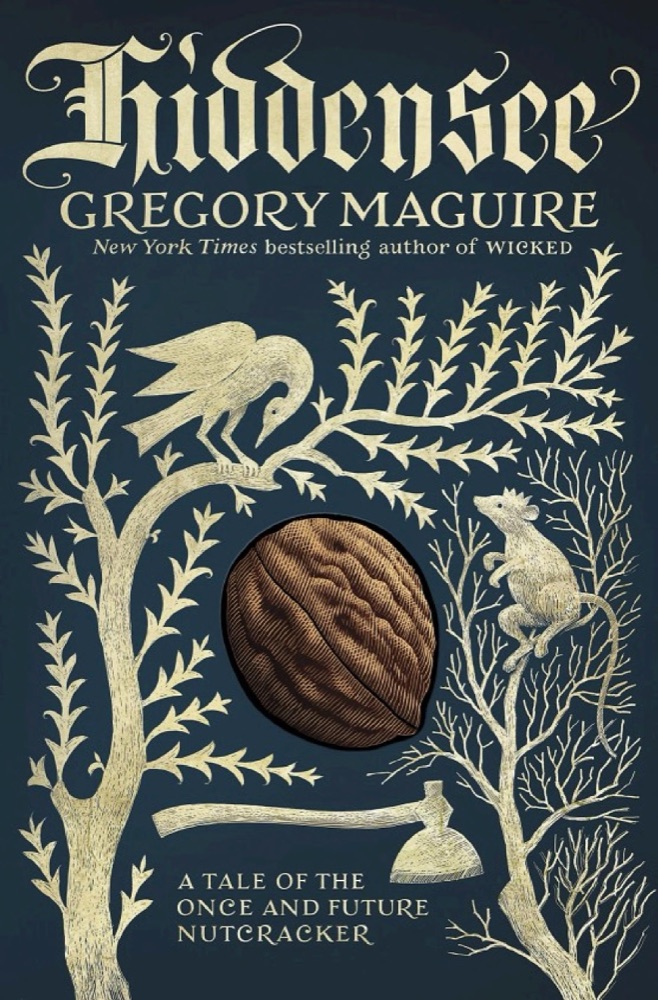 Hiddensee: A Tale of the Once and Future Nutcracker
 Light Years
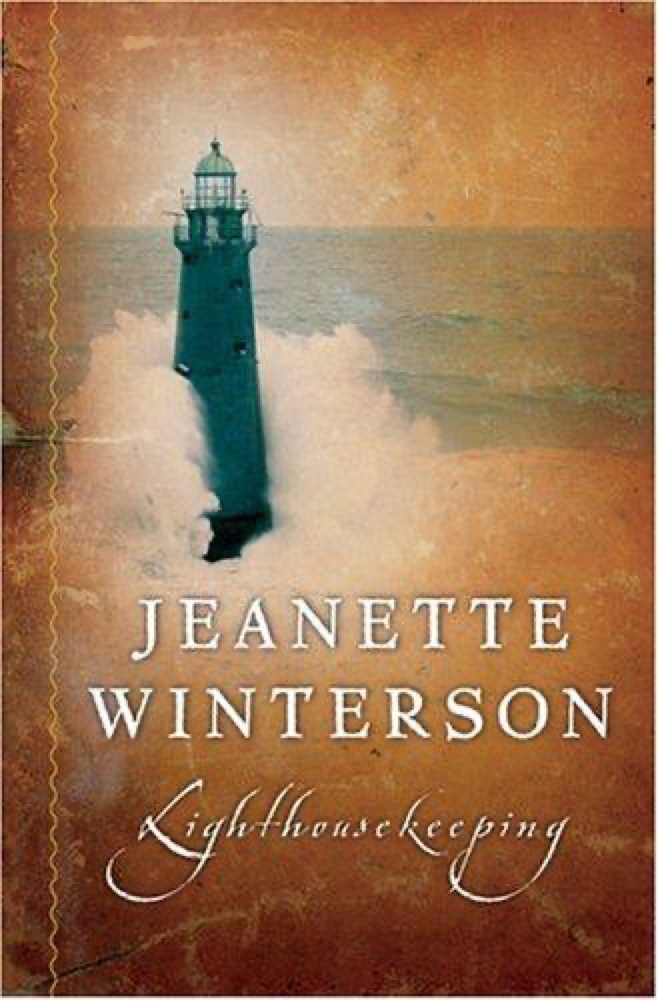 Lighthousekeeping
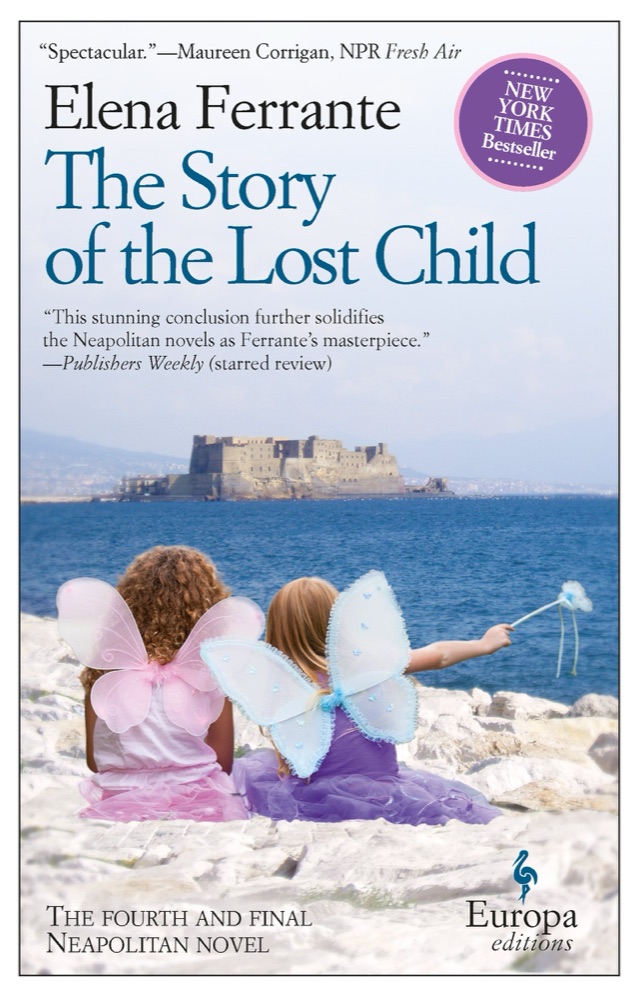 The Story of the Lost Child
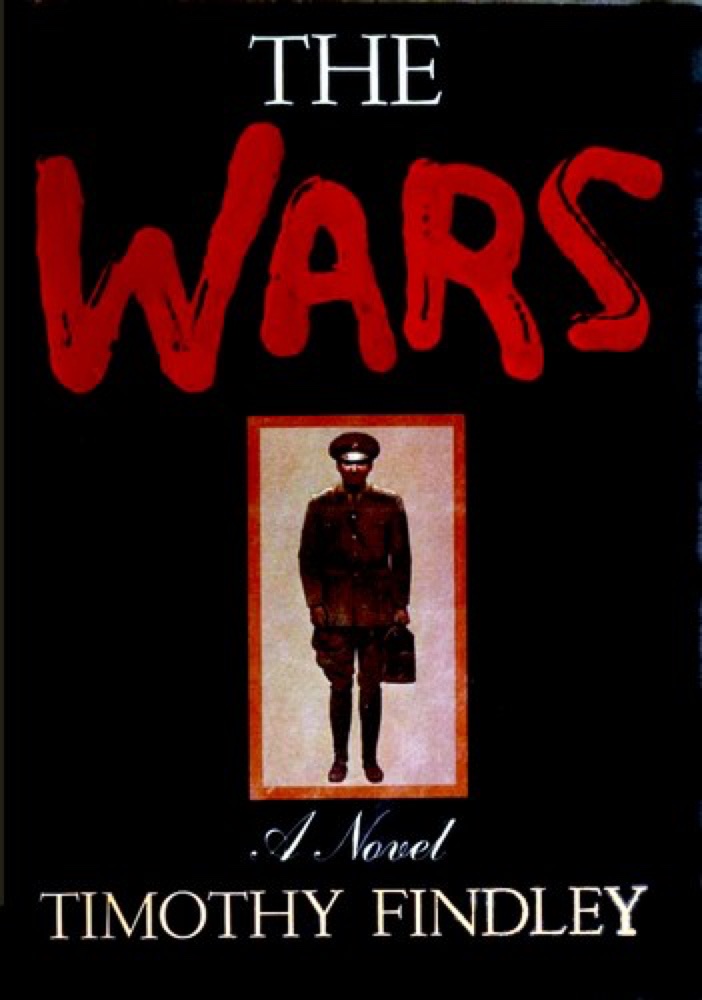 The Wars
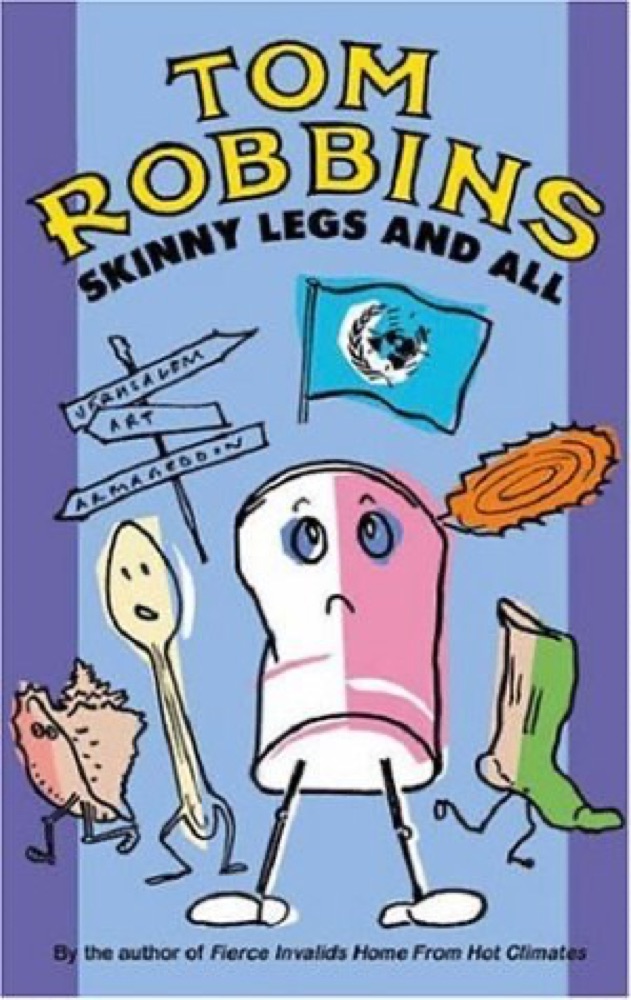 Skinny Legs and All
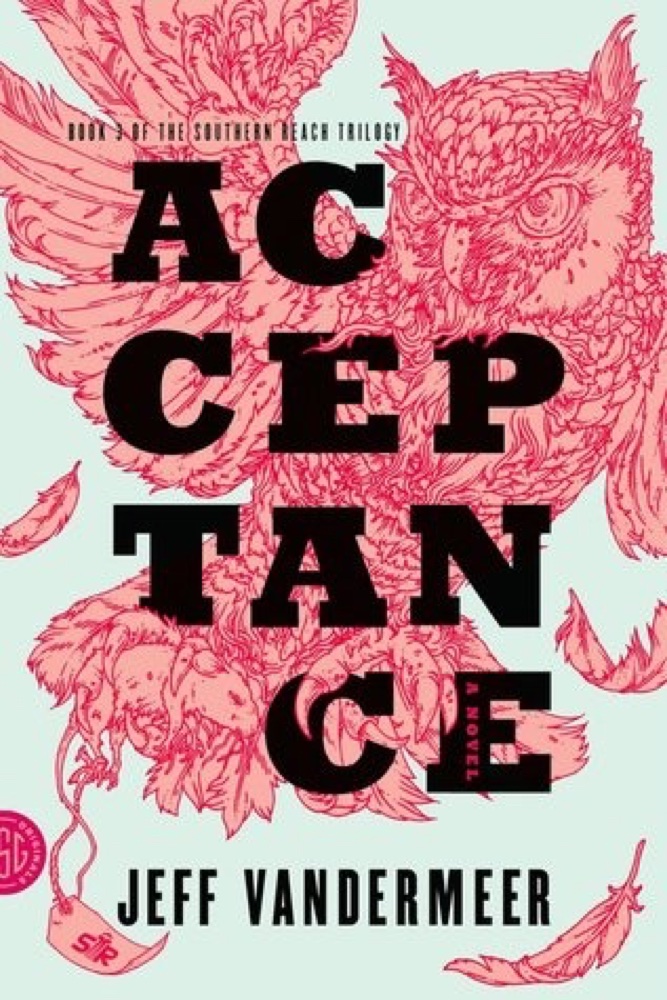 Acceptance
 That Hideous Strength
 The Beauty
 Selected Poems
 When Women Were Dragons
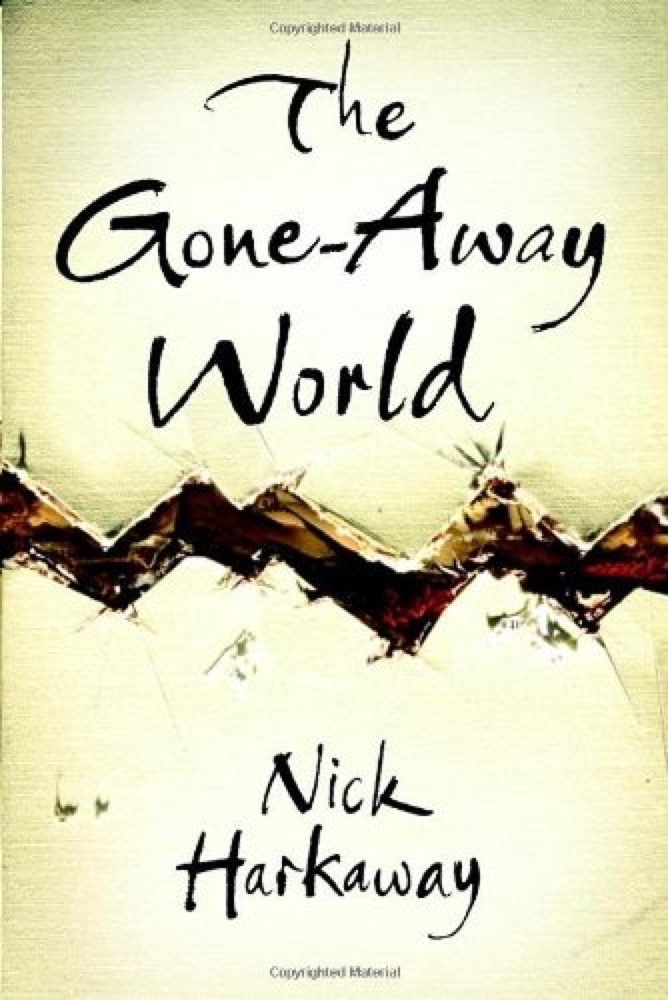 The Gone-Away World
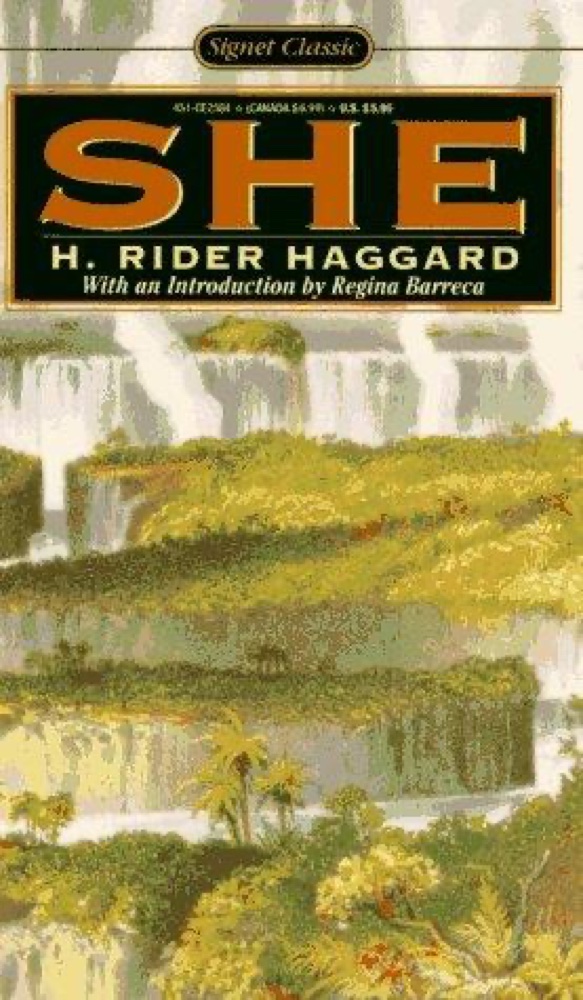 She
She
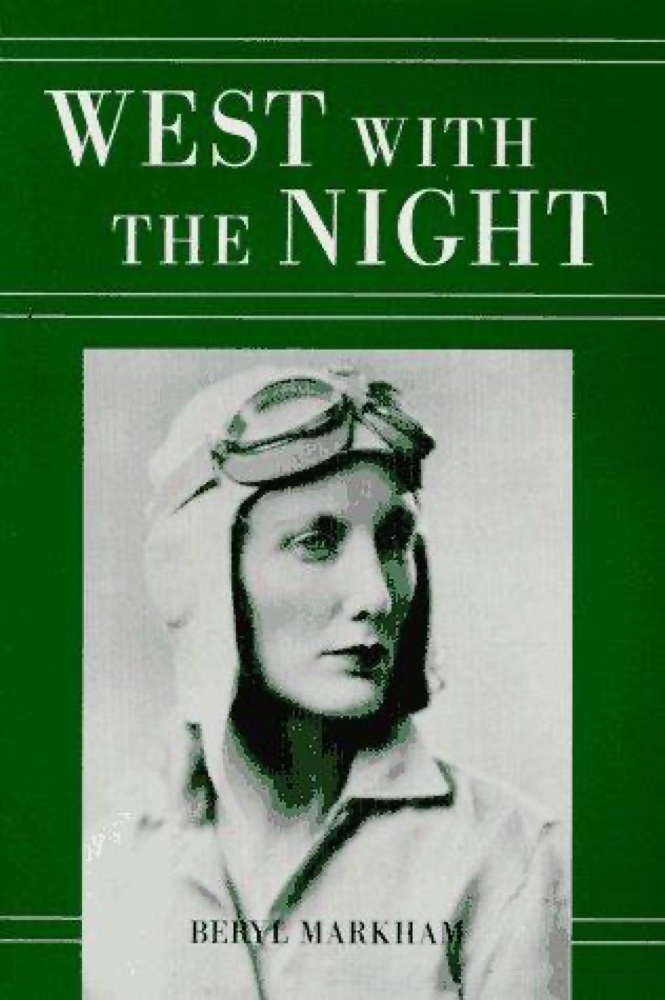 West with the Night
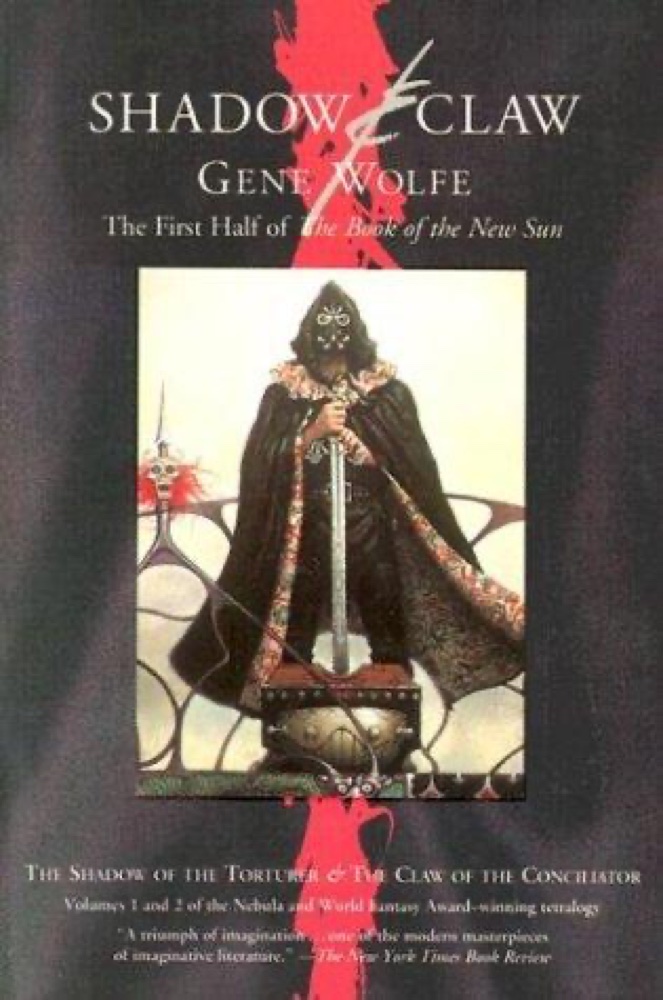 Shadow & Claw
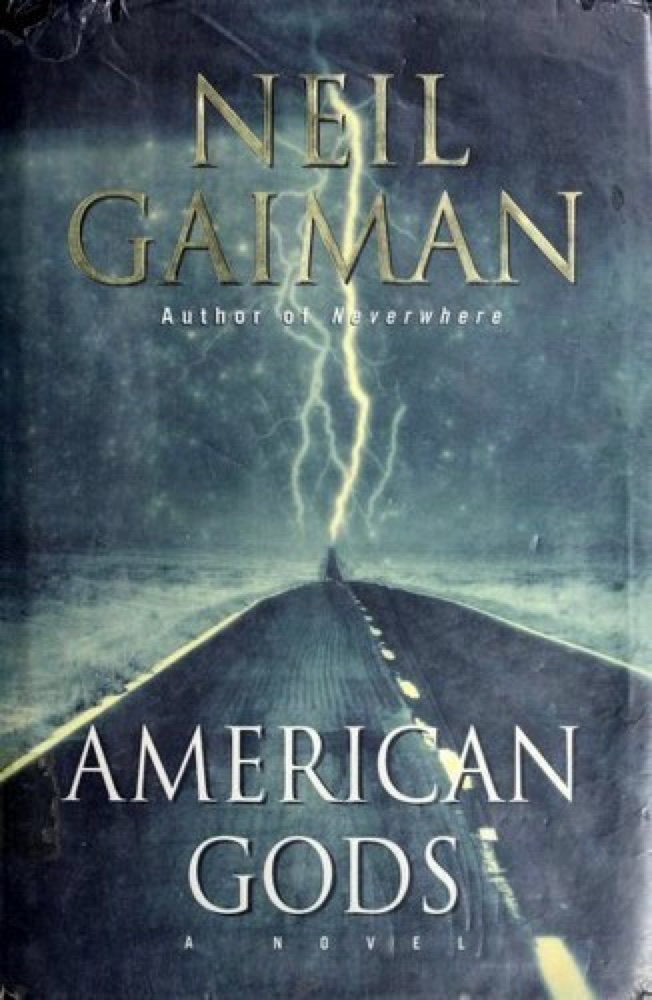 American Gods
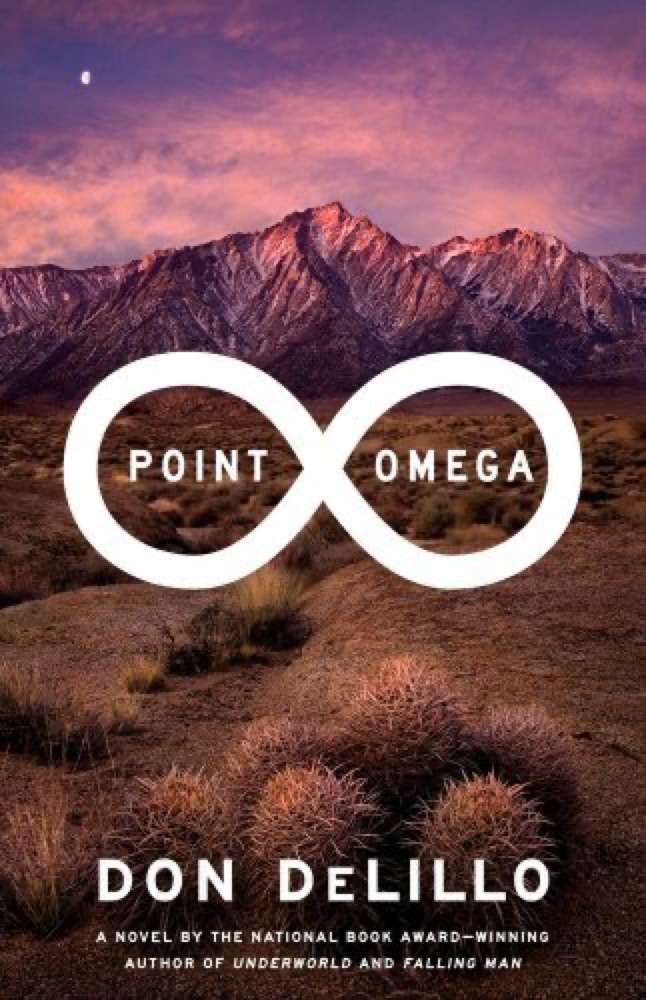 Point Omega
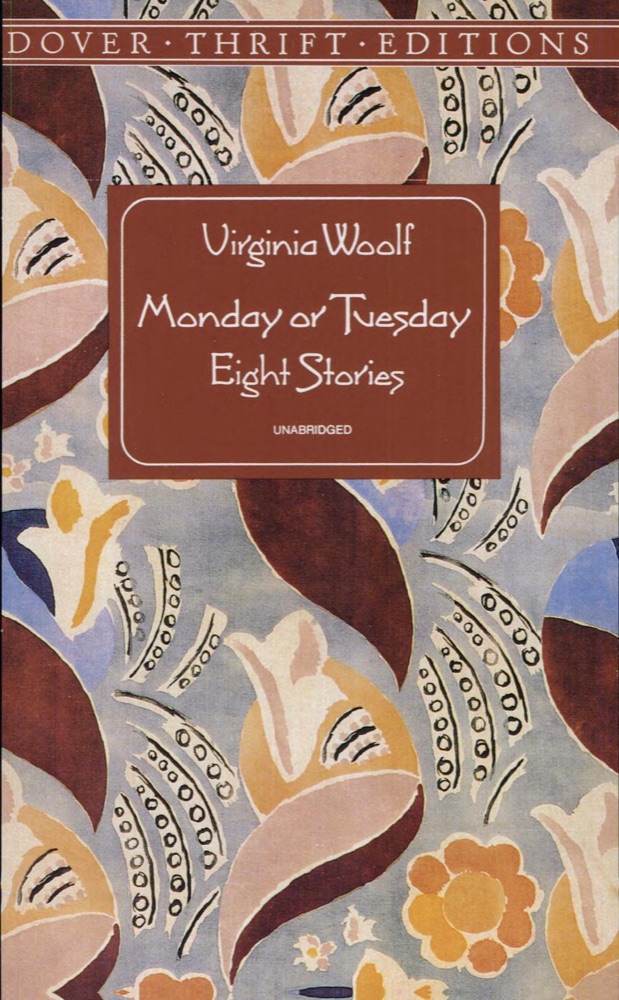 Monday or Tuesday
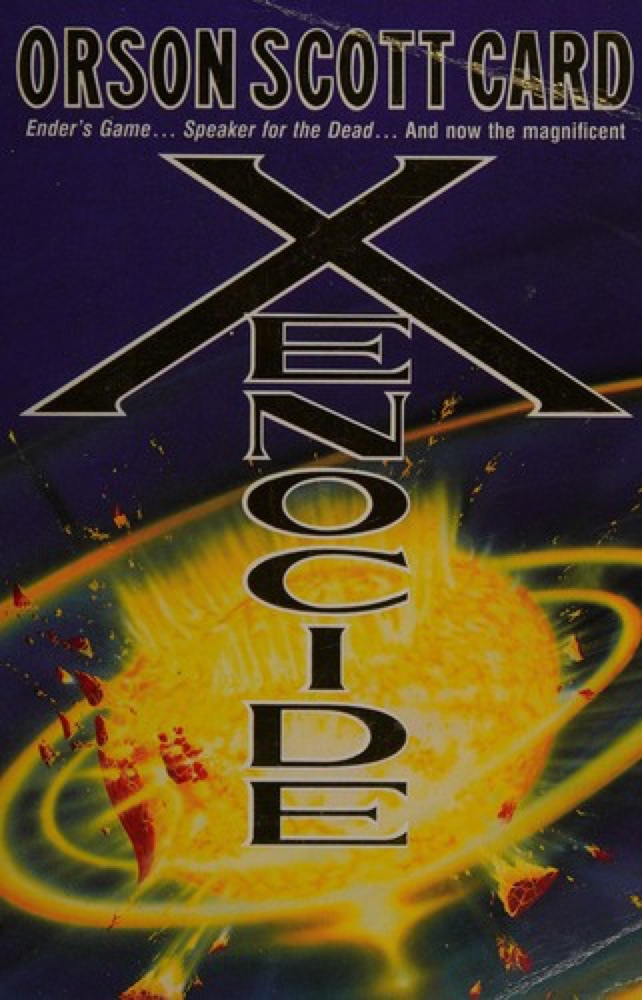 Xenocide
 Toll the Hounds
 The Names
 Sexing the Cherry
 Sword & Citadel
 Children of the Mind
 The Ministry of Utmost Happiness
 Absalom, Absalom!
 City of Stairs
 Winter
 Empire of Silence
 Speaking Bones
 Nutshell
 Babel
Babel
 Daniel Deronda
 The Magic Mountain
 Deadhouse Gates
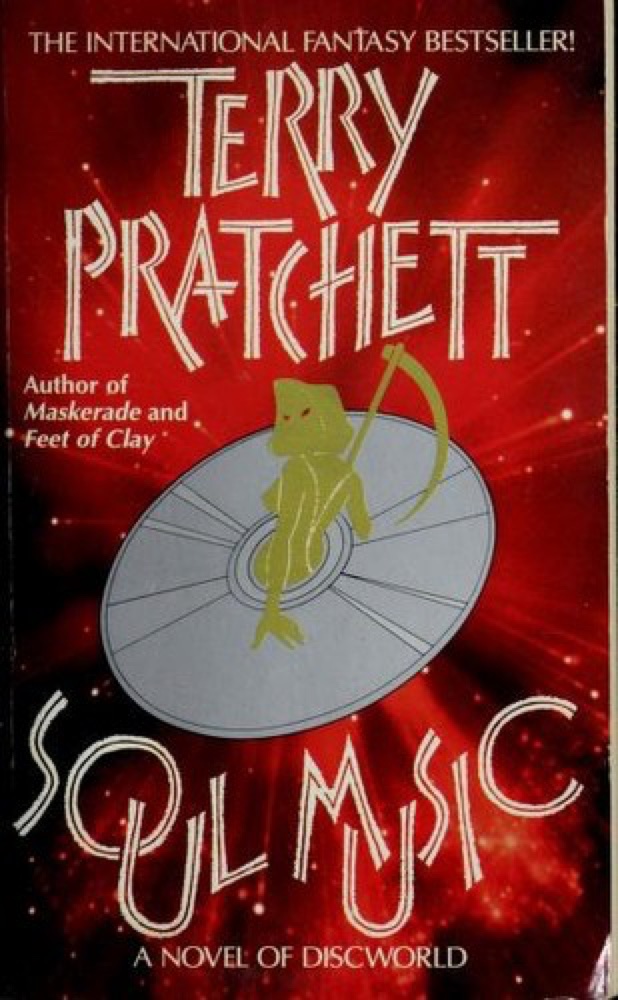 Soul Music
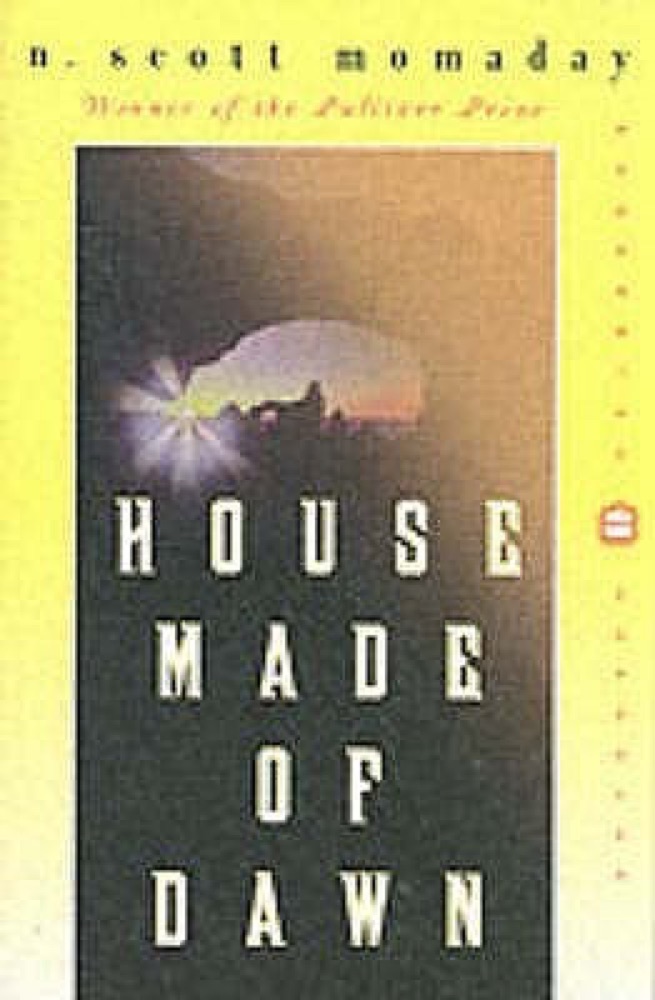 House Made of Dawn
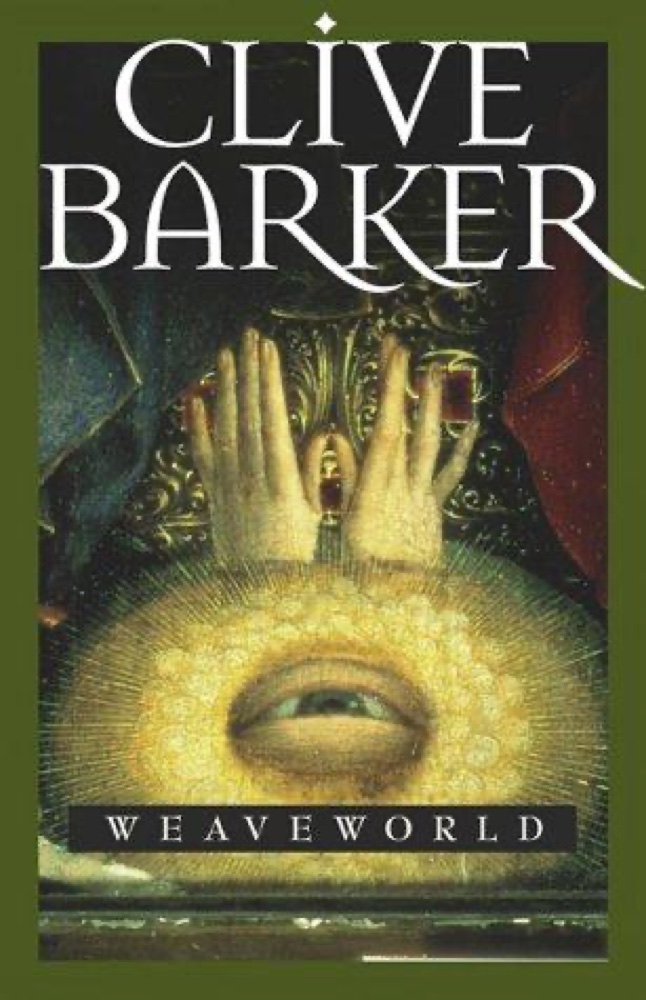 Weaveworld
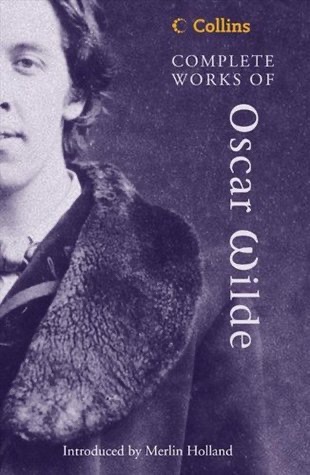 Complete Works of Oscar Wilde
 Drive Your Plow Over the Bones of the Dead
 Old Babes in the Wood: Stories