
 Ficciones
Quotes from the Book
I do not write for a select minority, which means nothing to me, nor for that adulated platonic entity known as ‘The Masses’. Both abstractions, so dear to the demagogue, I disbelieve in. I write for myself and for my friends, and I write to ease the passing of time.
The years go by, and I've told the story so many times that I'm not sure anymore whether I actually remember it or whether I just remember the words I tell it with.
.....a miracle has the right to impose conditions.
We forget that we are all dead men conversing with dead men.
To see a thing one has to comprehend it. An armchair presupposes the human body, its joints and limbs; a pair of scissors, the act of cutting. What can be said of a lamp or a car? The savage cannot comprehend the missionary’s Bible; the passenger does not see the same rigging as the sailors. If we really saw the world, maybe we would understand it.
There is nothing but quotations left for us. Our language is a system of quotations.
Halfway through his reclusion, Arredondo experienced more than once that almost timeless time. In the first of the house’s three patios there was cistern with a frog in it. It never occurred to Arredondo to think that the frog’s time, which borders on eternity, was what he himself sought.
El comedor y la biblioteca de mis recuerdos eran ahora, derribada la pared medianera, una sola gran pieza desmantelada, con uno que otro mueble. No trataré de describirlos, porque no estoy seguro de haberlos visto, pese a la despiadada luz blanca. Me explicaré. Para ver una cosa hay que comprenderla. El sillón presupone el cuerpo humano, sus articulaciones y partes; las tijeras, el acto de cortar. ¿Qué decir de una lámpara o de un vehículo? El salvaje no puede percibir la biblia del misionero; el pasajero no ve el mismo cordaje que los hombres de a bordo. Si viéramos realmente el universo, tal vez lo entenderíamos. " Extracto del relato THERE ARE MORE THINGS
I clarified that I myself was Colombian. "What is 'being Colombian'?" "I'm not sure," I replied. "It's an act of faith." "Like being Norwegian," she said, nodding. I can recall nothing further of what was said that night.
Where are we, then, if not for paradise?" he asked. "Do you believe that the deity is able to create a place that is not paradise? Do you believe the Fall is something ther than not realizing that we are in paradise?
Las palabras son símbolos que postulan una memoria compartida. La que ahora quiero historiar es mía solamente; quienes la compartieron han muerto. Los místicos invocan una rosa, un beso, un pájaro que es todos los pájaros, un sol que es todas las estrellas y el sol, un cántaro de vino, un jardín o el acto sexual. De esas metáforas ninguna me sirve para esa larga noche de júbilo, que nos dejó, cansados y felices, en los linderos de la aurora. Casi no hablamos, mientras las ruedas y los cascos retumbaban sobre las piedras. (...)
« Dans nos écoles on nous enseigne le doute et l’art d’oublier. Avant tout l’oubli de ce qui est personnel et localisé. » « — Personne ne peut lire deux mille livres. Depuis quatre siècles que je vis je n’ai pas dû en lire plus d’une demi-douzaine. D’ailleurs ce qui importe ce n’est pas de lire mais de relire. L’imprimerie, maintenant abolie, a été l’un des pires fléaux de l’humanité, car elle a tendu à multiplier jusqu’au vertige des textes inutiles. — De mon temps à moi, hier encore, répondis-je, triomphait la superstition que du jour au lendemain il se passait des événements qu’on aurait eu honte d’ignorer. » « — À cent ans, l’être humain peut se passer de l’amour et de l’amitié. Les maux et la mort involontaire ne sont plus une menace pour lui. Il pratique un art quelconque, il s’adonne à la philosophie, aux mathématiques ou bien il joue aux échecs en solitaire. Quand il le veut, il se tue. Maître de sa vie, l’homme l’est aussi de sa mort[30]. — Il s’agit d’une citation ? lui demandai-je. — Certainement. Il ne nous reste plus que des citations. Le langage est un système de citations. » Extrait de: Borges,J.L. « Le livre de sable. » / Utopie d’un homme qui est fatigué
Watch on YouTube
About Jorge Luis Borges
We have collected 245 quotes from 14 books by Jorge Luis Borges on BookQuoters.
More about the author →More by Jorge Luis Borges
Ficciones
 Labyrinths: Selected Stories and Other Writings
 The Aleph and Other Stories
 Collected Fictions
Book details
- First published
- 1957
- Author
- Jorge Luis Borges
- Genre
- Classics
- Goodreads rating
- 4.09 (17k ratings) →
Keep reading
The Aleph and Other Stories
Ficciones
 The Island of the Day Before
 Plainwater: Essays and Poetry
 Always Coming Home
 Selected Poems
 Elizabeth Costello
 The Telling
 The Sound of Things Falling
 Identity
 The Notebooks of Malte Laurids Brigge
 A General Theory of Oblivion
 The Black Book
 Foe
Foe
 Arm of the Sphinx
 The Book of Laughter and Forgetting
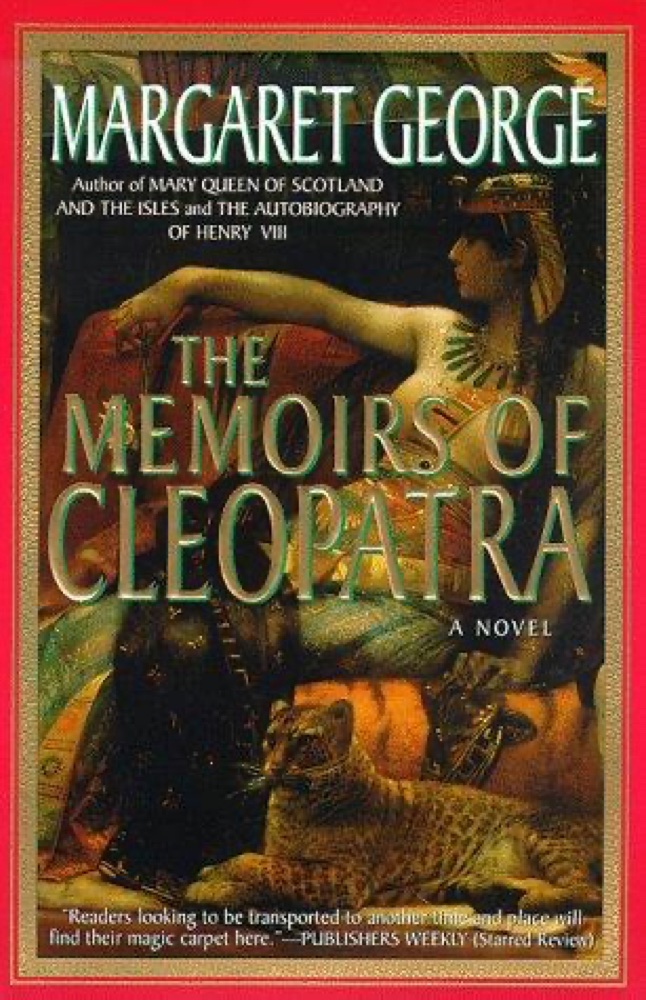 The Memoirs of Cleopatra
 Soul Mountain
 Shame
Shame
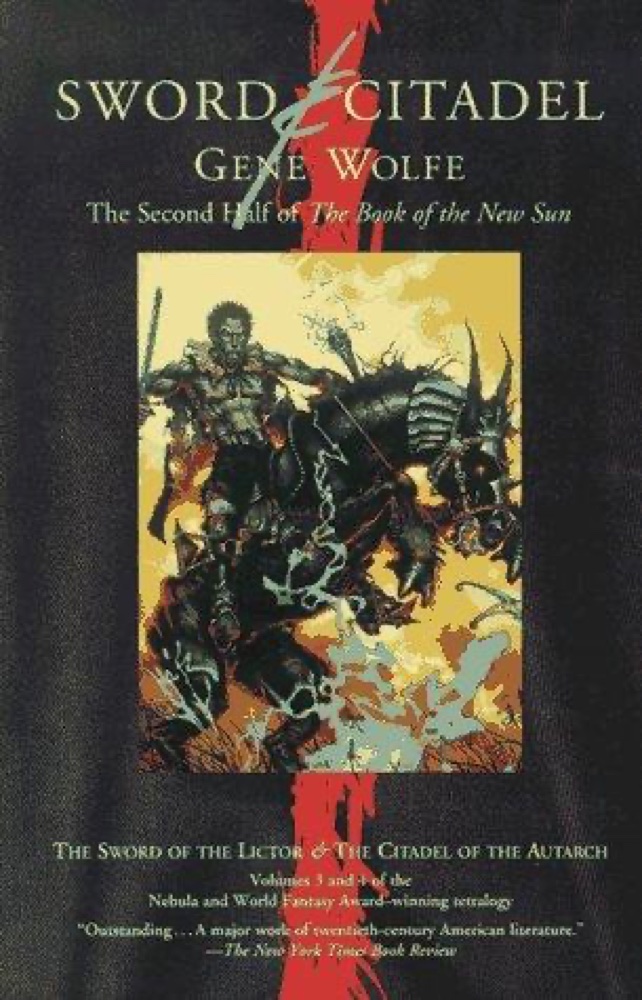 Sword & Citadel
 Greek Lessons
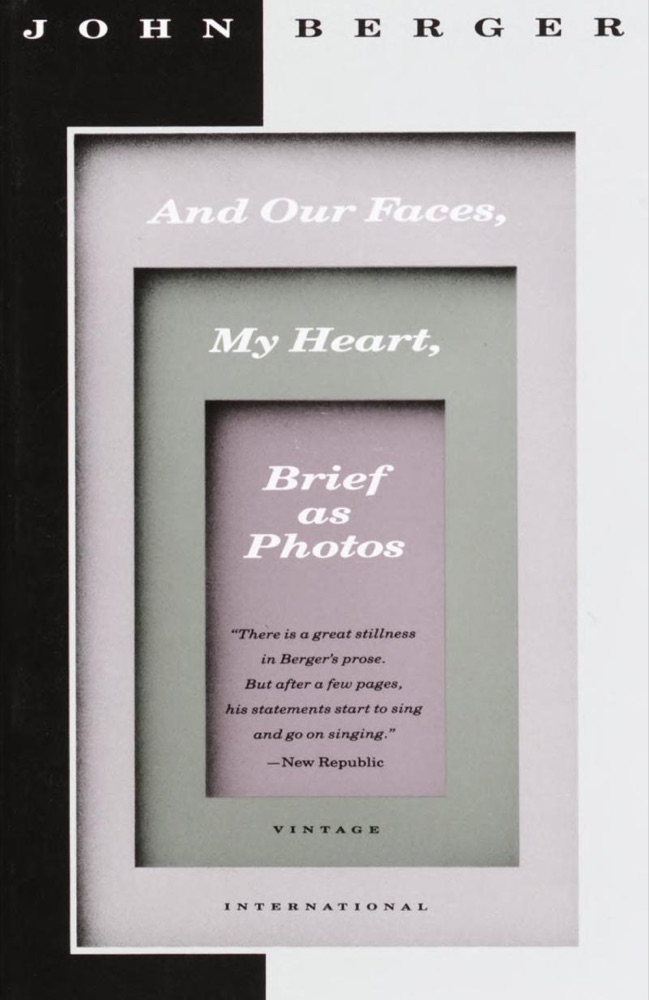 And Our Faces, My Heart, Brief as Photos
 The Enchantress of Florence
 Travels With My Aunt
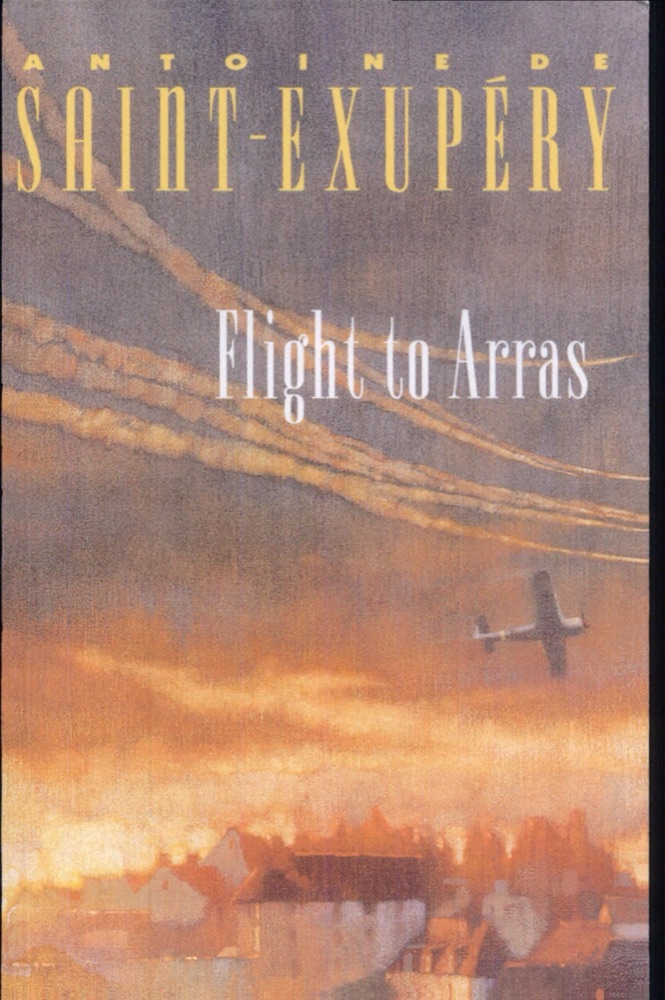 Flight To Arras
 The Star Diaries
 The Book That Broke the World
 Monday or Tuesday
 The Crossing
 Arcadia
 The Names
 Laurus
 Summertime
 Incidental Inventions
 Divisadero
 The Fencing Master
 The Charioteer
 Two Years Eight Months and Twenty-Eight Nights
 The Book of Salt
 The Summer Without Men
 The Recognitions
 My Last Sigh
 People of the Book
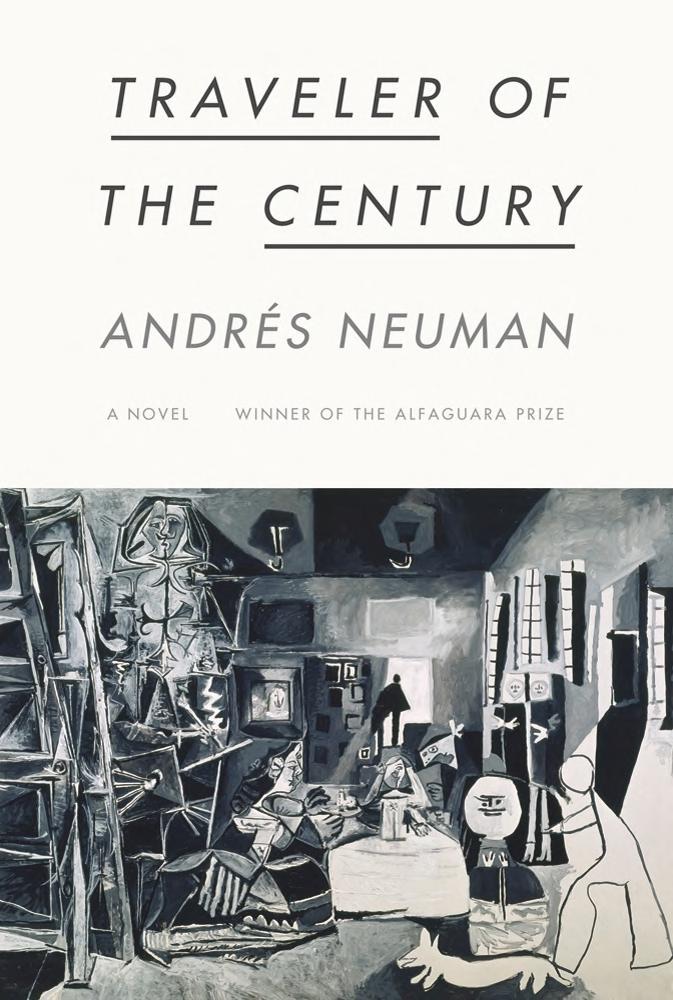 Traveler of the Century
 Sexus
Sexus
 Daniel Deronda
 A Luminous Republic
 The Gospel According to Jesus Christ
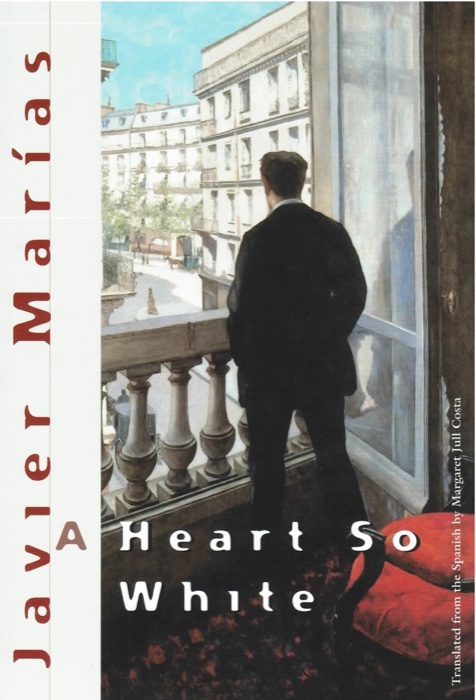 A Heart So White
 Brodeck
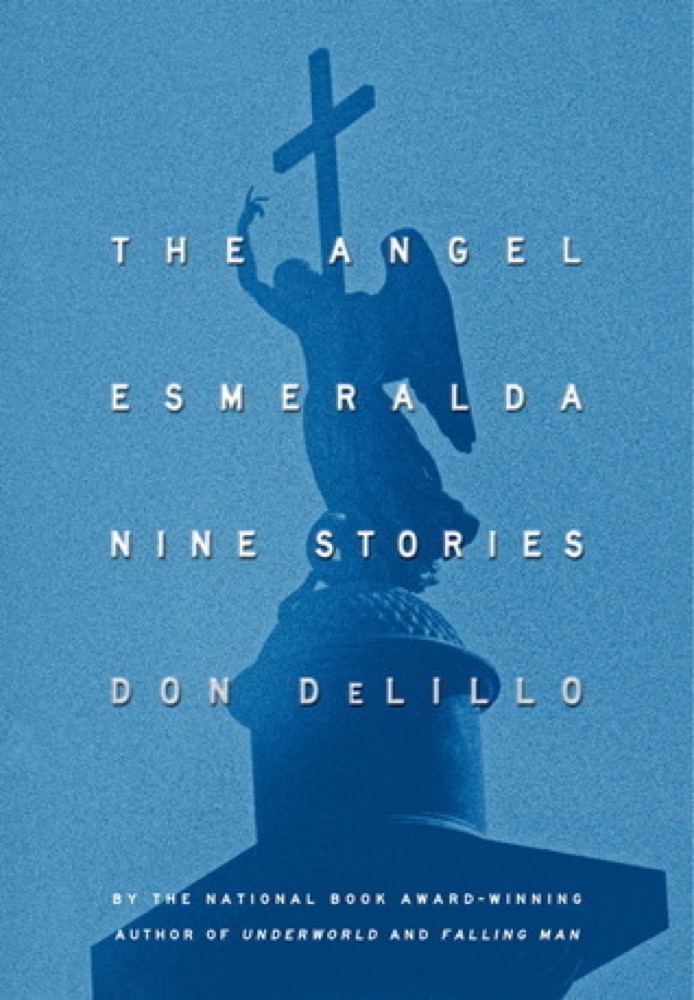 The Angel Esmeralda
 Memories, Dreams, Reflections
 The Club Dumas
 The Sandman: Endless Nights
 The Joke
 The Everlasting Man
 The House of the Spirits
 The Divine Invasion
 The Book of Chameleons
 The Book of Lost Things