

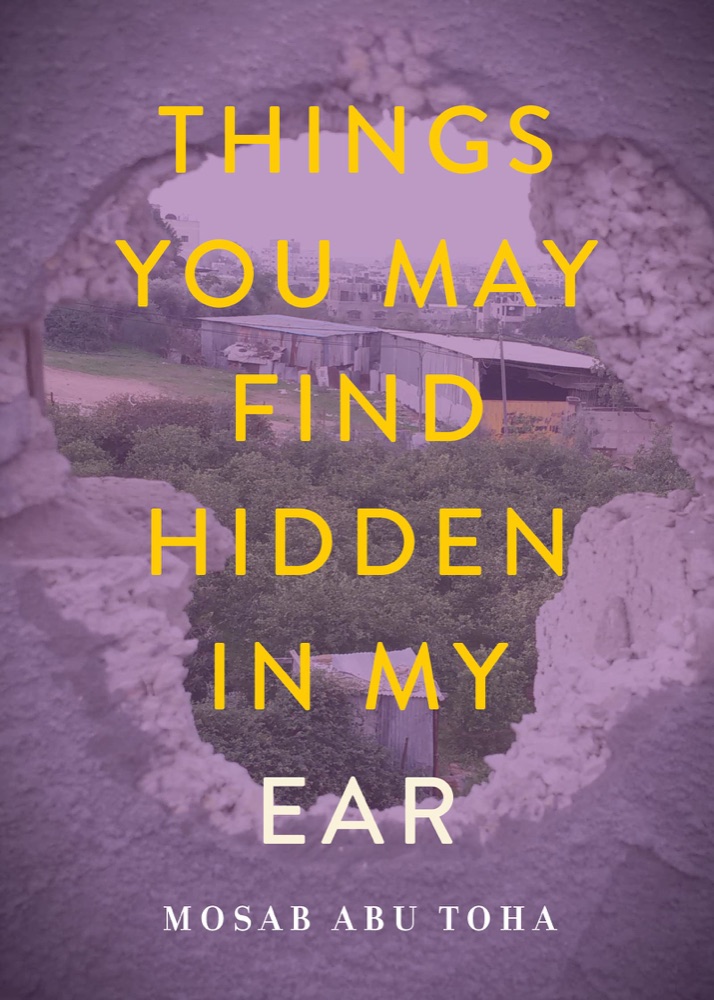
 Things You May Find Hidden in My Ear: Poems from Gaza
Quotes from the Book
Besides, sometimes it’s inevitable for the past to be forgotten, especially if the present is no less horrific;
85
Man, not the tank, shall prevail.
30
take a deep breath. Well, no going back now, not after crossing so many borders, military ones, geographical ones, physical ones, psychological ones, mental ones.
26
By the way, I hope I didn’t cause any awkwardness when I mentioned the incident with the soldier, or the checkpoint, or when I reveal that we are living under occupation here.
23
The borders imposed between things here are many. One must pay attention to them, and navigate them, which ultimately protects everyone from perilous consequences.
15
And again, a group of soldiers capture a girl, rape her, then kill her, twenty-five years to the day before I was born; this minor detail, which others might not give a second thought, will stay with me
14
there are some who consider this way of seeing, which is to say, focusing intently on the most minor details, like dust on the desk or fly shit on a painting, as the only way to arrive at the truth and definitive proof of its existence.
13
Once I realized that I inevitably fail whenever I try to navigate borders, I decided to stay within the confines of my house as much as possible. And since this house has many windows, through which the neighbours and their children can easily see me, and catch me trespassing borders even when I’m in my own house, I hung the curtains, although I’ll inevitably forget to close them sometimes.
12
Then I ask him if, as a Palestinian, I can enter these museums and archives? And he responds, before putting down the receiver, that he doesn’t see what would prevent me. And I don’t see what would prevent me either, except for my identity card.
8
Solitude is so forgiving of trespassed borders;
8
But since I do not love my life in particular, nor life in general, and at present any efforts on my part are solely channeled toward staying alive, I doubt that a diagnosis of narcissism would fully apply to me here.
6
Loneliness gradually turns to anxiety, as the sunlight fades and night begins to fall.
5
open the Israeli map, and again study the route that Israelis usually take to the coast. So, after descending to the bottom of the valley on Highway 50, one must turn right onto Highway 1, and stay on it for a long time, without turning right or left. I examine the area along Highway 1, which, according to the map, appears to be primarily populated by settlements. The only two visible Palestinian villages are Abu Ghosh and Ein Rafa. I go back and open the map, which depicts Palestine until 1948, and let my eyes wander over it, moving between the names of the many Palestinian villages that were destroyed after the expulsion of their inhabitants that year.
5
And the situation has been like this for such a long time that there aren’t many people alive today who remember little details about what life was like before all this, like the detail about the wilting lettuce in an otherwise closed vegetable market, for example.
4
On hearing that, my colleague offers to lend me her blue identity card, since we’re all brothers and sisters in the end, and we look similar too, at least in the eyes of the soldiers at the checkpoint.
4
Here, some might think that my dedication to work reflects a desire to cling to life, or a love for life despite the occupation’s attempts to destroy it, or the insistence that we have on this earth what makes life worth living. Well, I certainly cannot speak for anyone else, but in my case it’s rather that I am unable to evaluate situations rationally, and I don’t know what should or should not be done.
3
I keep listening, my ears trained to the sound of repeated bombings, and I feel a strange closeness with Gaza, as well as a desire to hear the shelling from nearby, and to touch motes of dust from the buildings being bombed. The absence of dust brings an awareness of how profoundly far I am from anything familiar, and how impossible it will be to return.
3
There are other maps lying under the one I’ve tossed there, including ones that show Palestine as it was until 1948, but I don’t open them this time. I’m acquainted with enough people who are originally from this area to have a sense of how many villages and cities there used to be between Yafa and Askalan, before they were wiped from the earth’s face not long ago.
3
hope I didn’t cause any awkwardness 60when I mentioned the incident with the soldier, or the checkpoint, or when I reveal that we are living under occupation here. Gunshots and military vehicle sirens, and sometimes the sound of helicopters, warplanes and shelling, the subsequent wail of ambulances; not only do these noises precede breaking news reports, but now they have to compete with the dog’s barking, too. And the situation has been like this for such a long time that there aren’t many people alive today who remember little details about what life was like before all this,
3
I see how mercilessly the wind is pulling at the grasses and trees, shaking their branches in every direction, while the leaves tremble and writhe back and forth, nearly ripping off as the wind viciously toys with them.
3
But the words do not emerge from my mouth. The silence between us stretches on, as vast as nature’s silence expanding around us, and tightens its grip,
3
suddenly fear descends on me. Or maybe it’s been inside me this entire time and simply strikes whenever it wants, like now, for instance,
2
It’s been a long time since I’ve passed through here, and wherever I look, all the changes constantly reassert the absence of anything Palestinian: the names of cities and villages on road signs, billboards written in Hebrew, new buildings, even vast fields abutting the horizon on my left and right.
2
He replies that one day, during a patrol, they found the body of a young Bedouin girl in a nearby well, and explains to me that when Arabs are suspicious about a girl’s behavior, they kill her and throw her body in a well.
2
The brand is called “Must,” made by the Sinokrot company in al-Khalil.
2
But despite this, there are some who consider this way of seeing, which is to say, focusing intently on the most minor details, like dust on the desk or fly shit on a painting, as the only way to arrive at the truth and definitive proof of its existence. There are even art historians who make these same claims. All right, they don’t exactly claim to notice fly shit on a painting, but they do make a point of focusing on the least significant details, not the most significant ones, in order to determine, for example, whether a painting is an original or a copy. According to them, when art forgers imitate a painting, they pay attention to major, significant details, like the roundness of the subject’s face or the position of the body, and these they reproduce precisely. However, they rarely pay attention to little details like earlobes or fingernails or toenails, which is why they ultimately fail to perfectly replicate the painting.
1
He lifted his gaze to the stars scattered across the sky, then to the peaks of the hills, and to the moon carving a path between them, toward the dark line of the western horizon.
1
again, a group of soldiers capture a girl, rape her, then kill her, twenty-five years to the day before I was born; this minor detail, which others might not give a second thought, will stay with me forever; in spite of myself and how hard I try to forget it, the truth of it will never stop chasing me, given how fragile I am,
1
Watch on YouTube
About Adania Shibli
We have collected 28 quotes from 1 book by Adania Shibli on BookQuoters.
More about the author →About the book
Minor Detail begins during the summer of 1949, one year after the war that the Palestinians mourn as the Nakba – the catastrophe that led to the displacement and expulsion of more than 700,000 people – and the Israelis celebrate as the War of Independence. Israeli soldiers capture and rape a young Palestinian woman, and kill and bury her in the sand.
Many years later, a woman in Ramallah becomes fascinated to the point of obsession with this 'minor detail' of history.
A haunting meditation on war, violence and memory, Minor Detail cuts to the heart of the Palestinian experience of dispossession, life under occupation, and the persistent difficulty of piecing together a narrative in the face of ongoing erasure and disempowerment.
Book details
- First published
- 2017
- Author
- Adania Shibli
- Genre
- Fiction
- Goodreads rating
- 4.17 (47k ratings)
The buzz
- The GuardianReview in The Guardianprofessional review (via Book Marks)
- Publishers WeeklyReview in Publishers Weeklyprofessional review (via Book Marks)
- LA Review of BooksReview in LA Review of Booksprofessional review (via Book Marks)
- AsymptotejournalReview in Asymptotejournalprofessional review (via Book Marks)
- 4ColumnsReview in 4Columnsprofessional review (via Book Marks)
- Full StopReview in Full Stopprofessional review (via Book Marks)
Keep reading
Things You May Find Hidden in My Ear: Poems from Gaza
 The Wars
 The Yellow Birds
 Gaza Writes Back (#1)
 The Blind Man's Garden
 Girl at War
 The Wasted Vigil
 The Postcard
 The Refugees
 A Bend in the River
 Against the Day
 The Kite Runner
 Red Dust: A Path Through China
 Wayward
 The Reluctant Fundamentalist
 Apeirogon
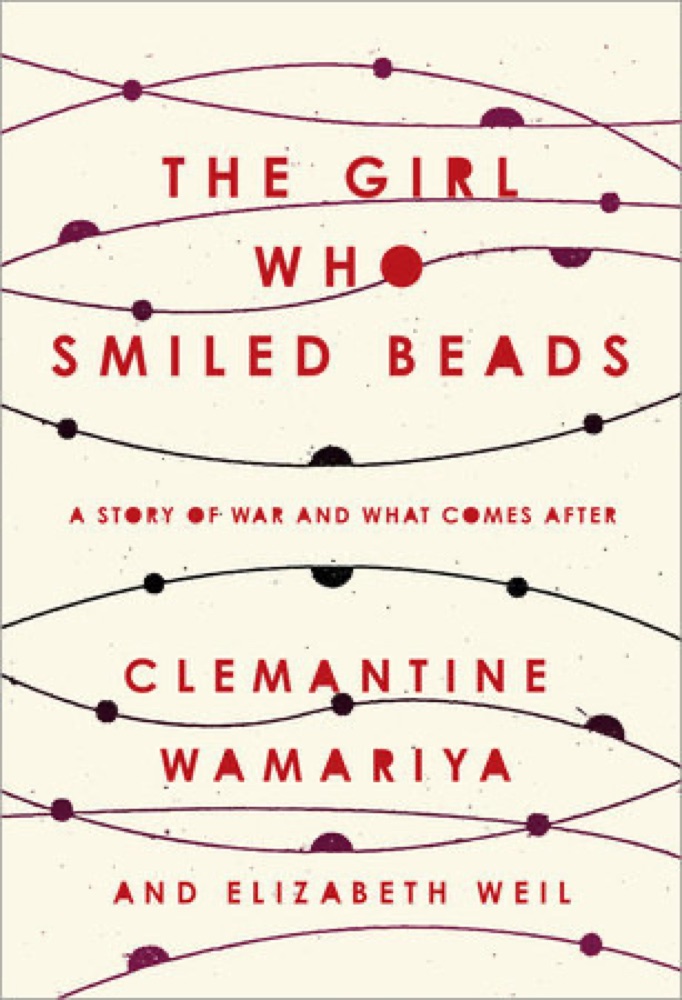 The Girl Who Smiled Beads: A Story of War and What Comes After
 The Road Back
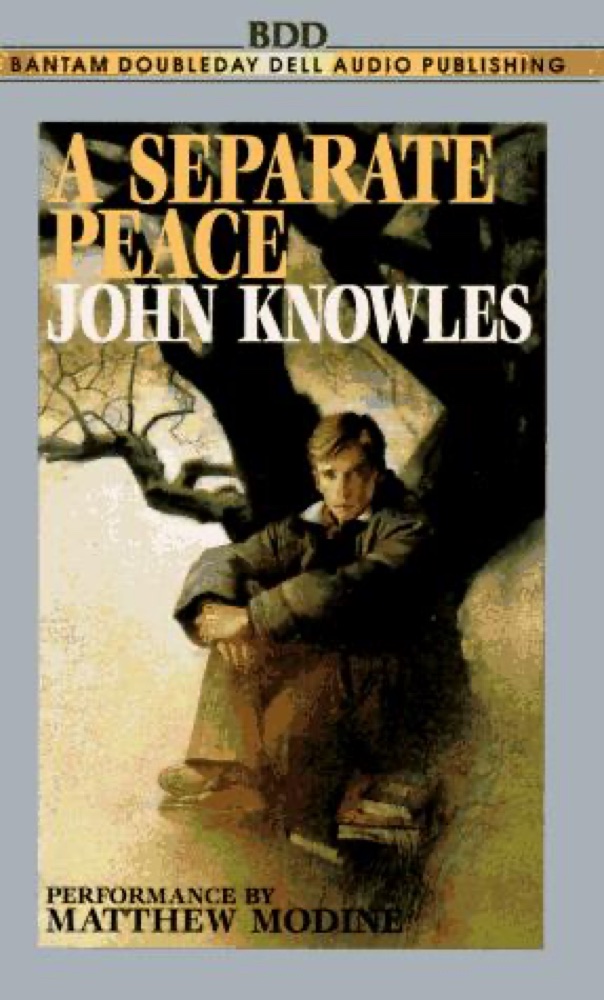 A Separate Peace
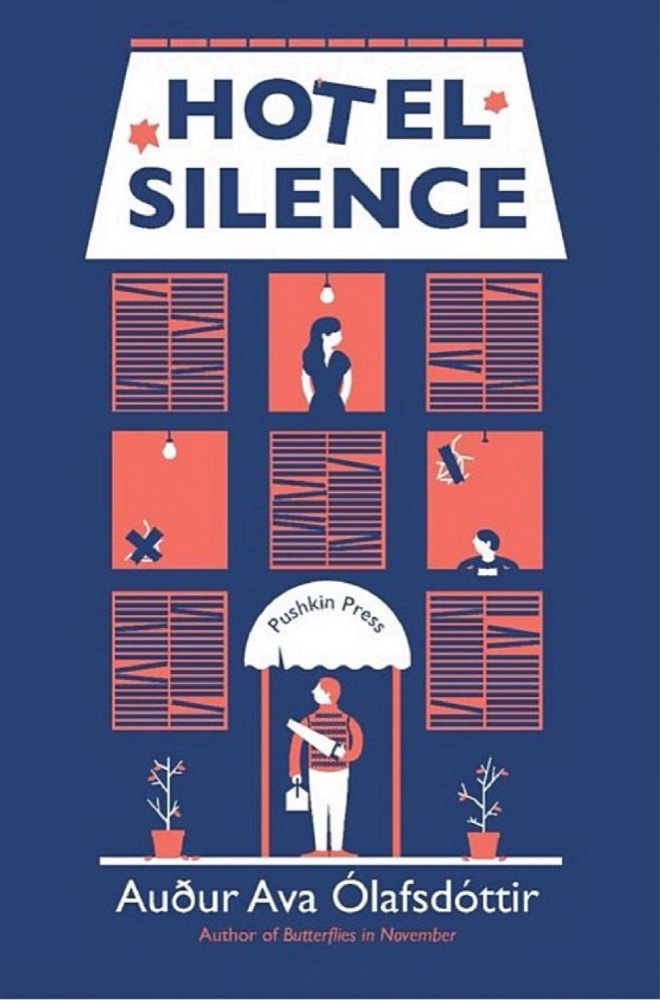 Hotel Silence
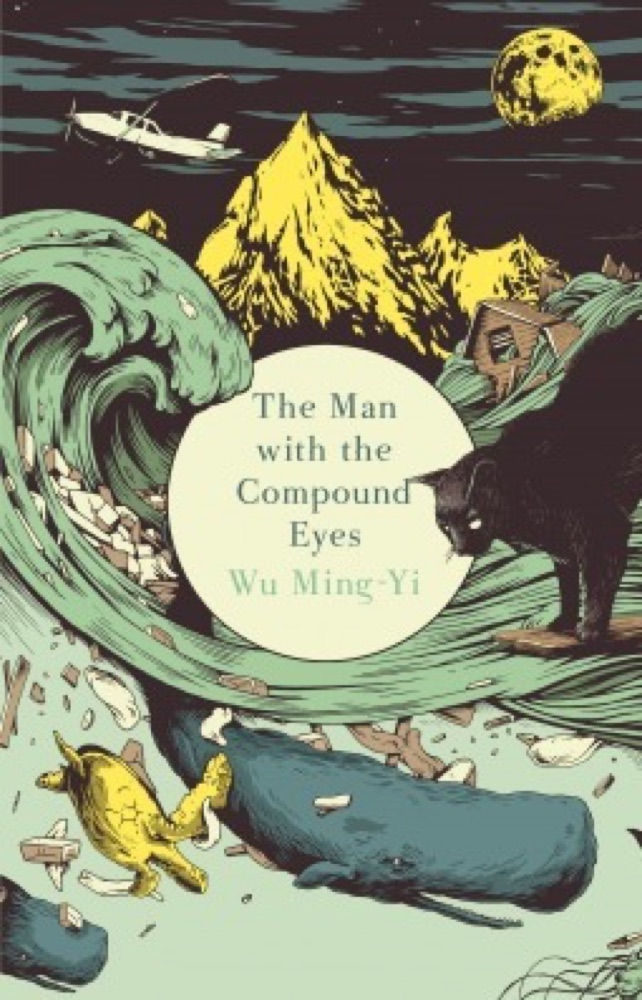 The Man with the Compound Eyes
 Underworld
 I Will Bear Witness 1933-41 A Diary of the Nazi Years
 Open City
 Norwegian by Night
 A House in the Sky
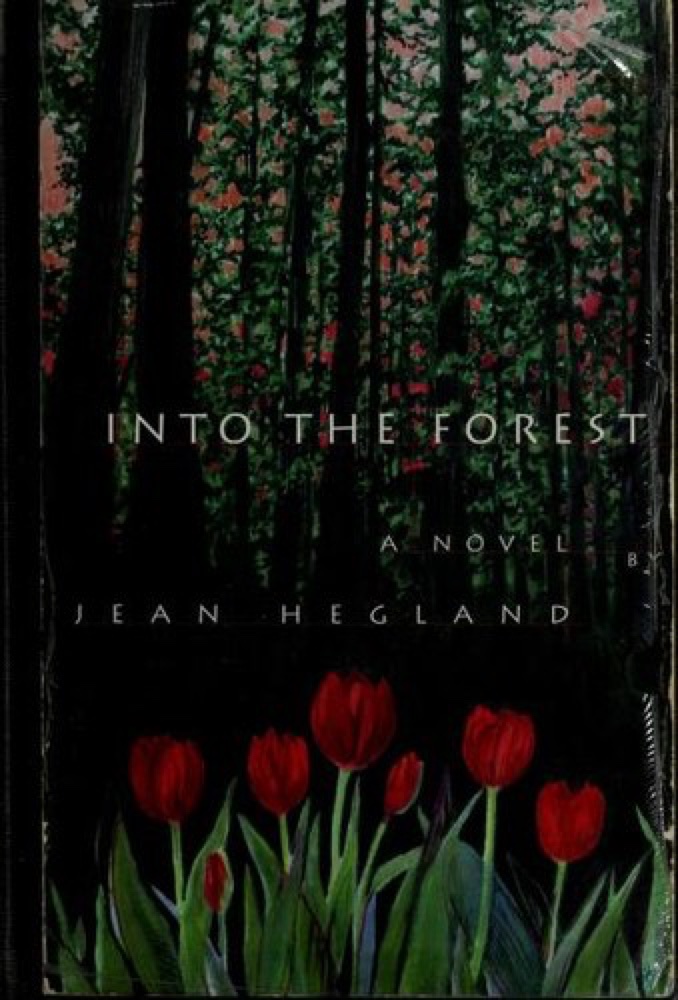 Into the Forest
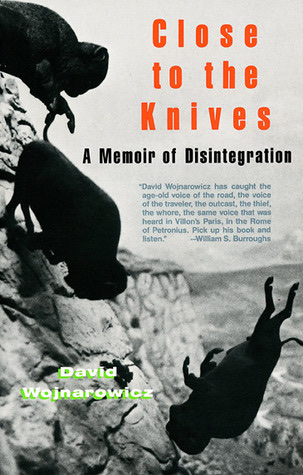 Close to the Knives: A Memoir of Disintegration
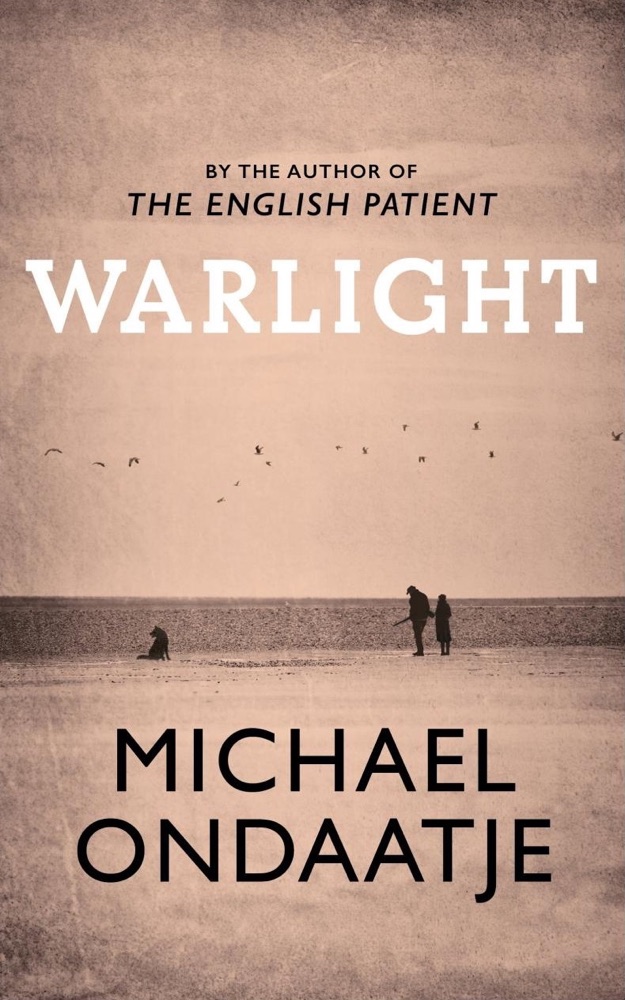 Warlight
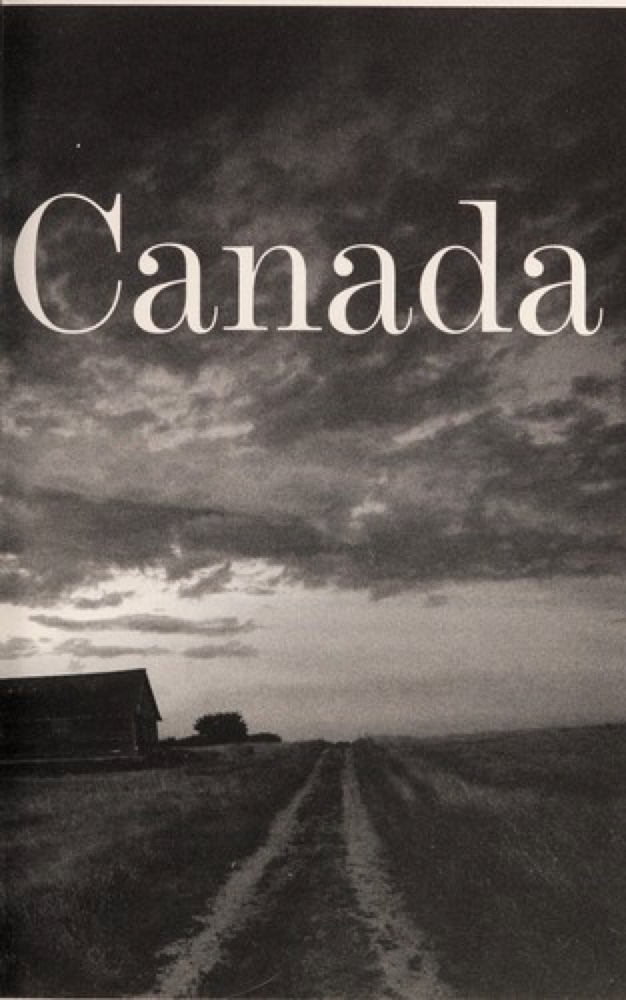 Canada
 The Hour I First Believed
 From Beirut to Jerusalem
 What Strange Paradise
 The Time in Between
 The Shadow Land
 Night
Night
 A Thousand Acres
 Universal Harvester
 The Butterfly Garden
 Notes from No Man's Land
 The Ministry of Utmost Happiness
 The Black Obelisk
 Stasiland: Stories from Behind the Berlin Wall
 The Cat's Table
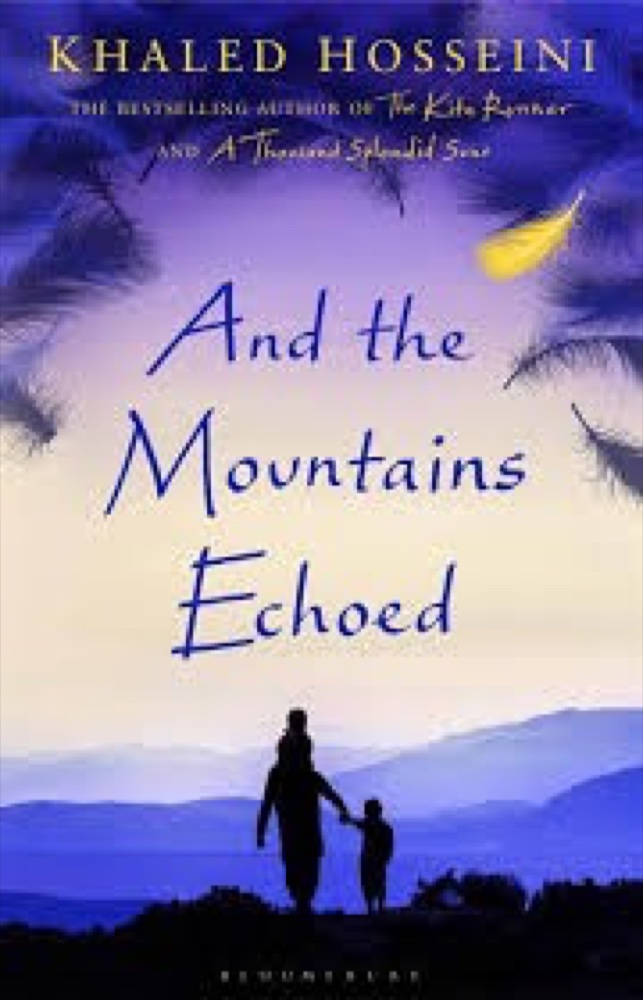 And the Mountains Echoed
 As Long as the Lemon Trees Grow
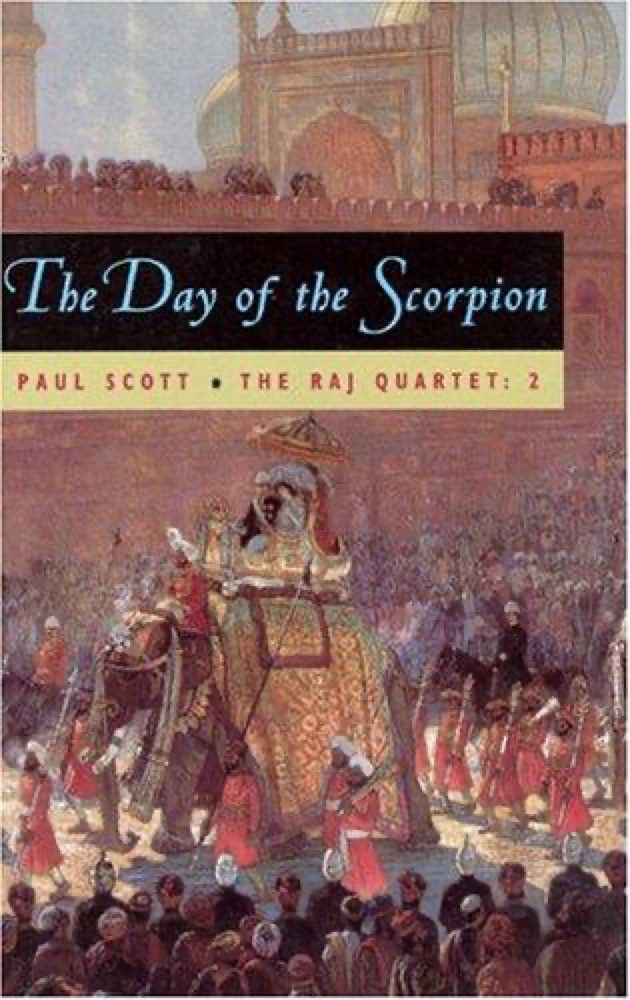 The Day of the Scorpion
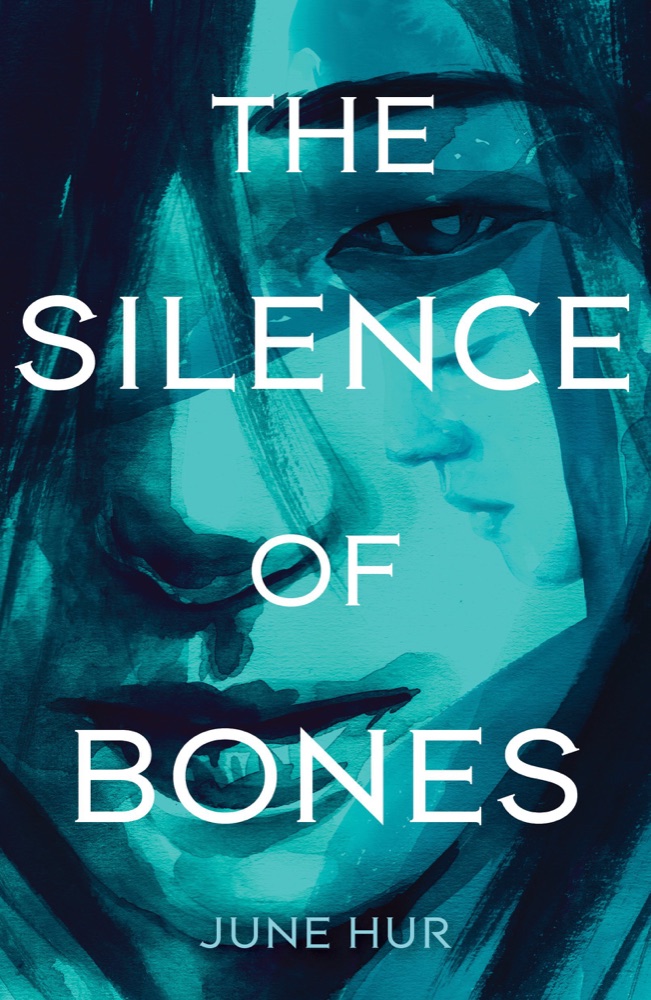 The Silence of Bones
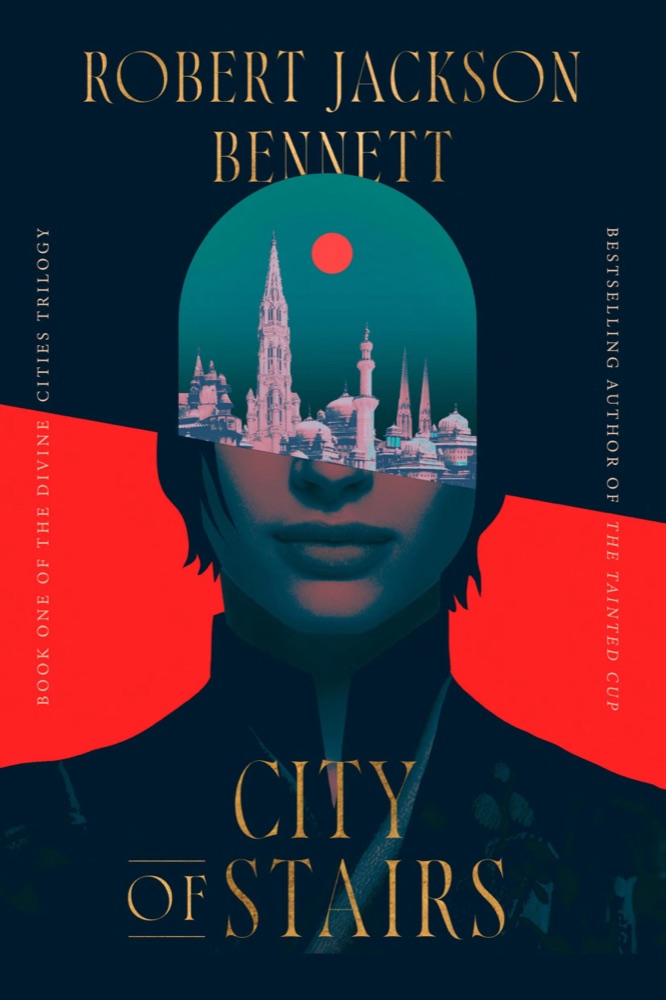 City of Stairs
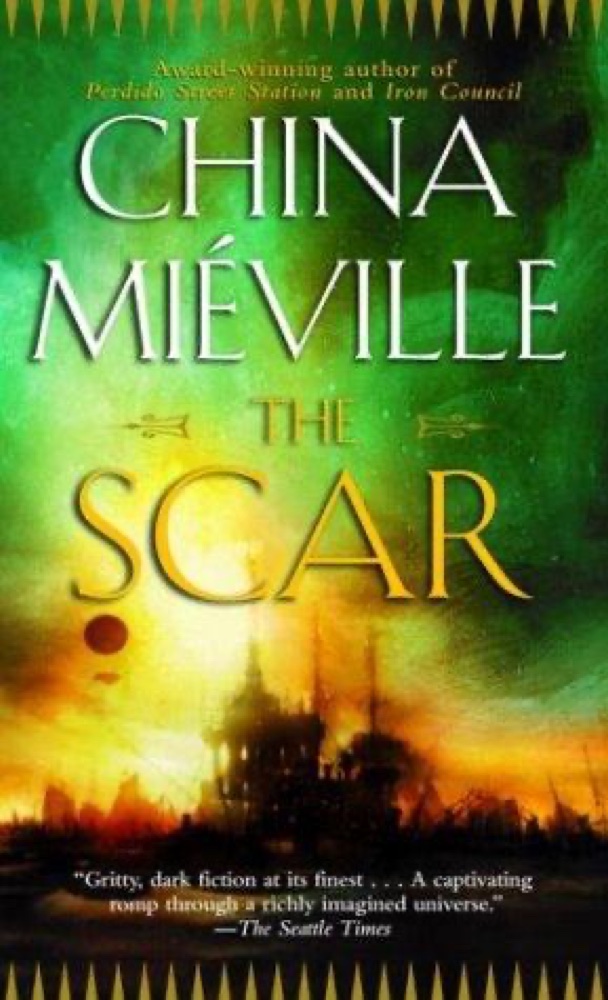 The Scar
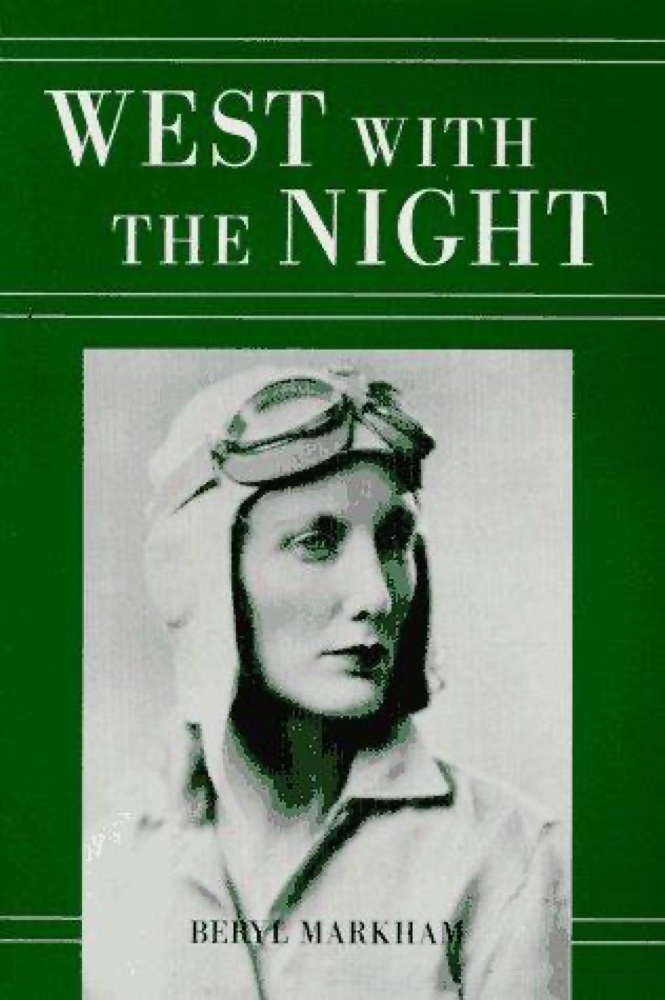 West with the Night
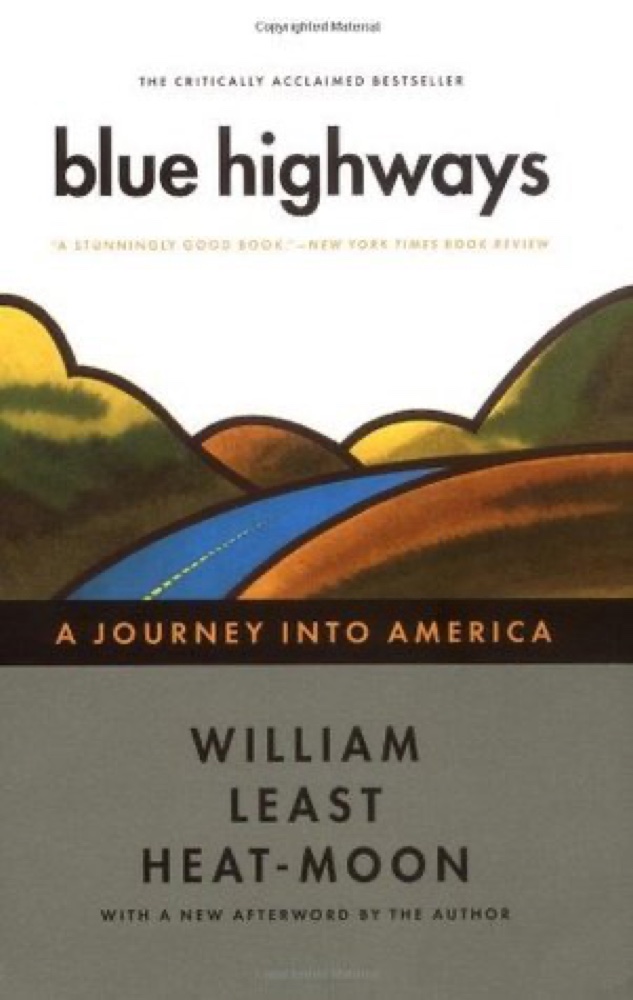 Blue Highways
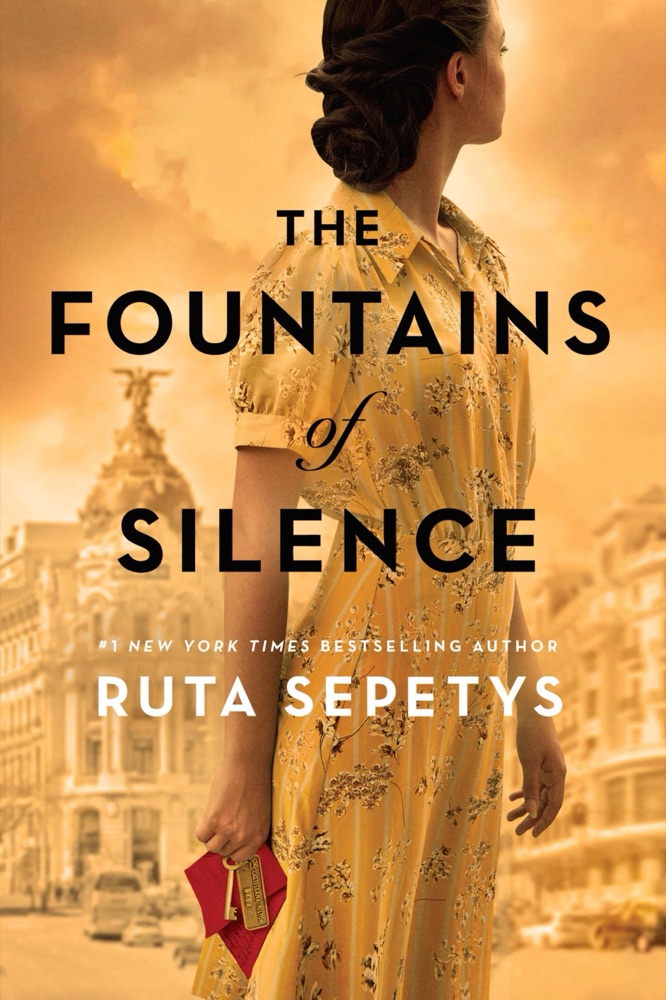 The Fountains of Silence
 Netherland
 What Is the What
 Annihilation
 Zinky Boys: Soviet Voices from the Afghanistan War
 Fugitive Pieces
 My Friends
 A Long Way Gone