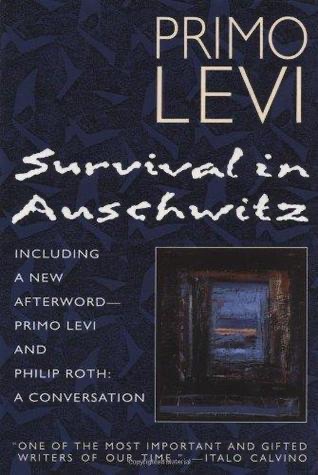
 Survival in Auschwitz
Quotes from the Book
If all men are good, there can be no Auschwitz.
What was money when one’s life was at stake? We had learned that nothing lasts and that no value is absolute. The only exception to that rule: freedom.
The bodies were cremated in twenty minutes. Each crematorium worked with fifteen ovens, and there were four crematoriums. This meant that several thousand people could be cremated in a single day. Thus for weeks and months—even years—several thousand people passed each day through the gas chambers and from there to the incineration ovens. Nothing but a pile of ashes remained in the crematory ovens. Trucks took the ashes to the Vistula, a mile away, and dumped them into the raging waters of the river. After so much suffering and horror there was still no peace, even for the dead.
the ordeal for more than two or three
While they sorted us out for transportation I had a chance to look around. In the light of the dying sun the image glimpsed earlier through the crack in the box car seemed to have changed, grown more eery and menacing. One object immediately caught my eye: an immense square chimney, built of red bricks, tapering towards the summit. It towered above a two-story building and looked like a strange factory chimney. I was especially struck by the enormous tongues of flame rising between the lightning rods, which were set at angles on the square tops of the chimney. I tried to imagine what hellish cooking would require such a tremendous fire. Suddenly I realized that we were in Germany, the land of the crematory ovens. I had spent ten years in this country, first as a student, later as a doctor, and knew that even the smallest city had its crematorium.
There are things which must cause one to lose one’s reason, or one has none to lose.
The uncompromising pride of the Third Reich had been broken by the world-wide collaboration of people not avid of conquest, but of freedom.
By a conservative estimate, twelve million people perished in the Nazi concentration camps. Most were murdered in cold blood, but countless others died by starvation, illness, and suicide.
. Those who seek to protect the body at all cost die many times over. Those who risk the body to survive as men have a good chance to live on
Twenty thousand men, fully capable of working and in the full flush of their youth, died in the gas chambers and were incinerated in the crematory ovens. It took 48 hours to exterminate them all.
that city, wherever it was, they had managed to create for themselves a pleasant, cultured way of life. And that was the cardinal sin for which they were now paying so dearly.
When I thought of the past, it often seemed to me that all this was merely a horrible dream. My only desire was to forget everything, to think of nothing.
The cold concrete steps descended and dissolved into darkness. These same steps where four million people, guilty of no crime, had bade life good-bye and descended to their death, knowing that even in death their tormented bodies would not be granted the sanctuary of a grave.
We had learned that nothing lasts and that no value is absolute. The only exception to that rule: freedom.
They were herded passively into the gas chambers. Weary of being hunted and persecuted, of living in constant fear, they dumbly awaited the hand of the sure physician, Death. For them life had lost all meaning and purpose. To prolong it would merely have prolonged their suffering.
The pyre was a ditch 50 yards long, six yards wide and three yards deep, a welter of burning bodies. SS soldiers, stationed at five-yard intervals along the pathway side of the ditch, awaited their victims. They were holding small caliber arms—six millimeters—used in the KZ for administering a bullet in the back of the neck. At the end of the pathway two Sonderkommando men seized the victims by the arms and dragged them for 15 or 20 yards into position before the SS. Their cries of terror covered the sound of the shots. A shot, then, immediately afterwards, even before he was dead, the victim was hurled into the flames.
without fighting back. The persecution of the Jews
Their cynicism was complete and terrible: details, like the lying signs outside the underground chambers of the crematoriums that announced in seven languages, “BATHS,” whereas in reality they were gas chambers; the boxes of cyclon gas,5 which were labeled, “POISON: FOR THE DESTRUCTION OF PARASITES,” the parasites being, of course, the untold thousands of innocent Jews murdered in the space of a few minutes. Who knows just how far the lie went?
Watch on YouTube
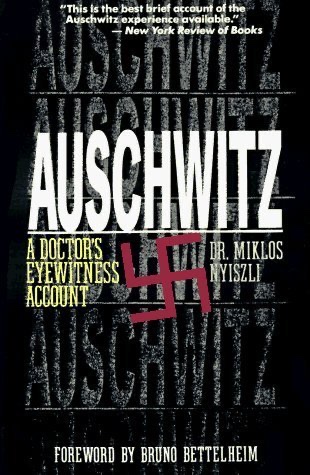
About Miklós Nyiszli
We have collected 18 quotes from 1 book by Miklós Nyiszli on BookQuoters.
More about the author →Book details
- Author
- Miklós Nyiszli
- Genre
- History
- Goodreads rating
- 4.32 (25k ratings) →
Keep reading
Survival in Auschwitz
 The Gulag Archipelago 1918-1956
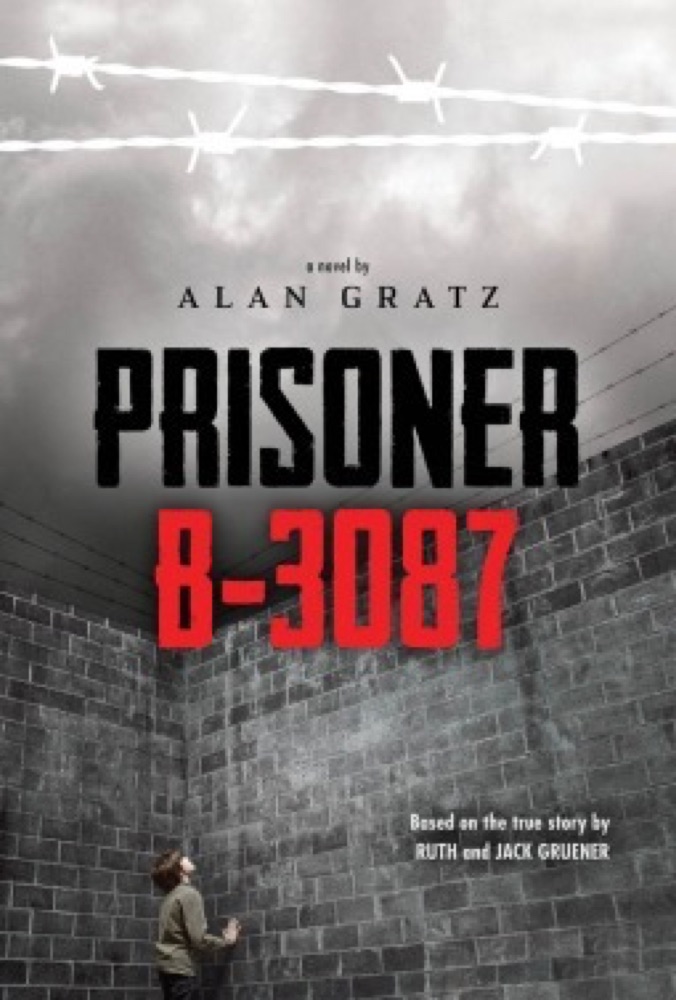 Prisoner B-3087
 Eichmann in Jerusalem: A Report on the Banality of Evil
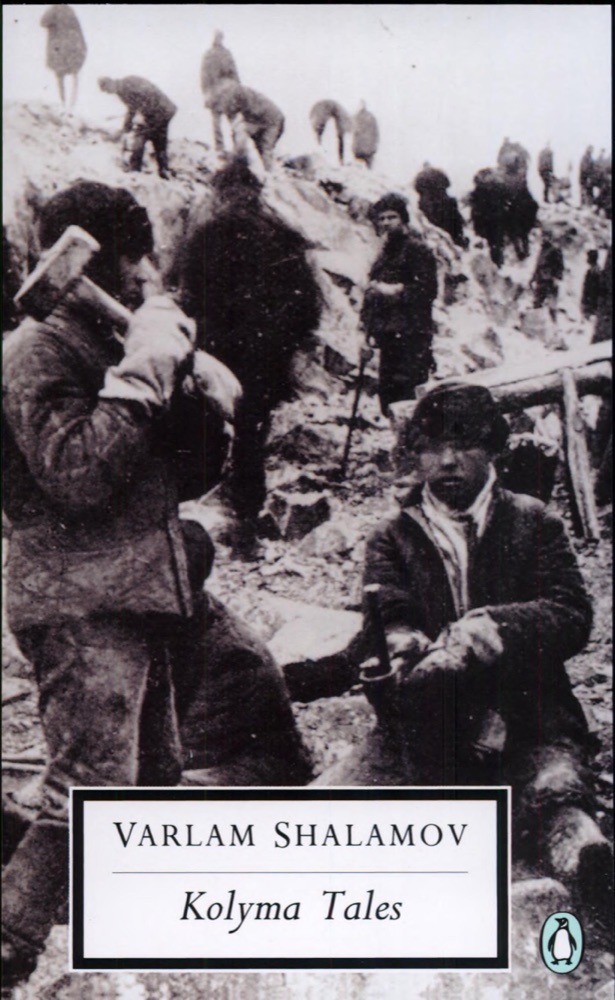 Kolyma Tales
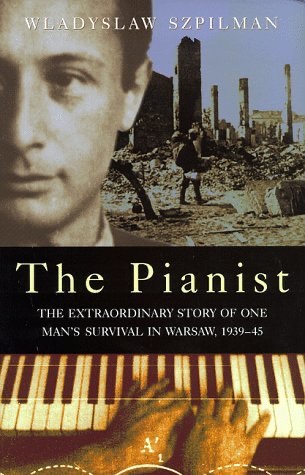 The Pianist: The Extraordinary Story of One Man's Survival in Warsaw, 1939–45
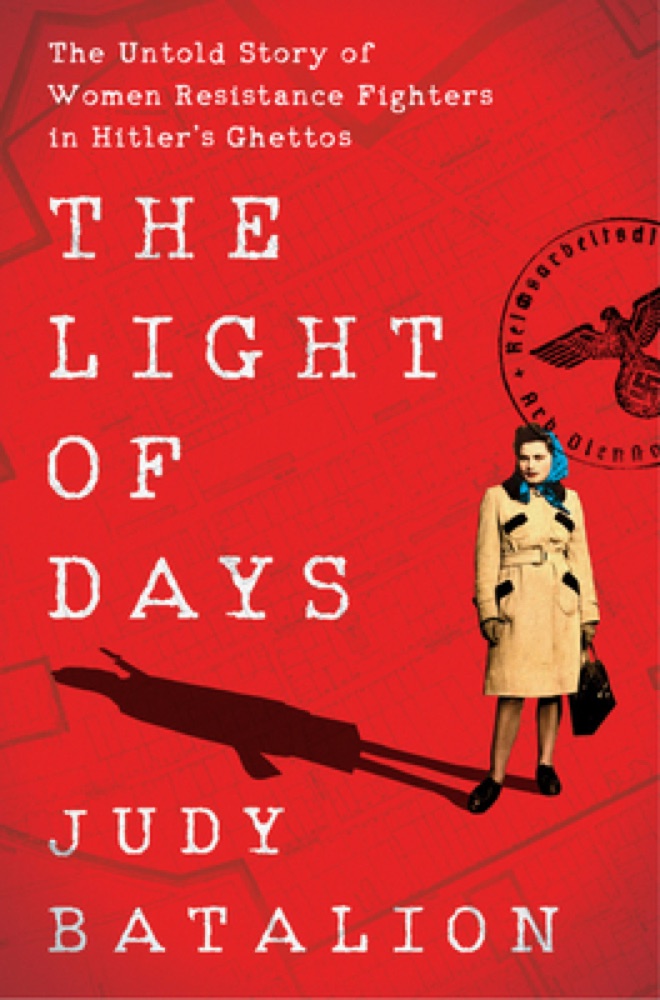 The Light of Days: The Untold Story of Women Resistance Fighters in Hitler's Ghettos
 Bloodlands: Europe Between Hitler and Stalin
 Surviving the Angel of Death: The True Story of a Mengele Twin in Auschwitz
 The Drowned and the Saved
 Still Alive: A Holocaust Girlhood Remembered
 If This Is a Man / The Truce
 The Betrayal of Anne Frank: A Cold Case Investigation
 Everything Flows
 Koba the Dread: Laughter and the Twenty Million
 A Rule Against Murder
 The Ministry of Fear
 Schindler's List
 The Forgotten Soldier
 The Postcard
 Outcry - Holocaust memoirs
 The Forgotten Highlander: My Incredible Story of Survival During the War in the Far East
 Resistance, Rebellion and Death: Essays
 The Rise and Fall of the Third Reich: A History of Nazi Germany
 The Eighth Life
 Childhood's End
 Night
Night
 The Burning Soul
 The Naked and the Dead
 Tree of Smoke
 Holocaust
 Life and Fate
 Cage of Souls
 The House of the Dead
 The Underground Railroad
 I Will Bear Witness 1933-41 A Diary of the Nazi Years
 The Auschwitz Escape
 Zone One
 Stasiland: Stories from Behind the Berlin Wall
 Darkness at Noon
 Dust
Dust
 Ghost Soldiers: The Epic Account of World War II's Greatest Rescue Mission
 The Association of Small Bombs
 Defying Hitler
 This Way for the Gas, Ladies and Gentlemen
 The Sympathizer
 Bury Your Dead
 No Name in the Street
 Sophie's Choice
 The Jungle
 They Thought They Were Free: The Germans 1933-45
 Regeneration
 The Monuments Men: Allied Heroes, Nazi Thieves, and the Greatest Treasure Hunt in History
 Matterhorn
 You Are My Sunshine
 The Teacher of Warsaw
 The Road Back
 The Wars
 TransAtlantic
 Glass Houses