
 How to Be Parisian Wherever You Are: Love, Style, and Bad Habits
Quotes from the Book
There are, in the genealogical tree, traumatized, unprocessed places that are eternally seeking relief. From these places, arrows are launched toward future generations. Anything that has not been resolved must be repeated and will affect someone else, a target located one or more generations in the future.
7
I search in the history books for the things I was never told. I can’t read enough; I always want to read. My hunger for knowledge is never sated.
6
Indifference is universal. Who are you indifferent toward today, right now? Ask yourself that. Which victims living in tents, or under overpasses, or in camps way outside the cities are your ‘invisible ones’? The Vichy regime set out to remove the Jews from French society. And they succeeded.
6
feel like some sense of memory makes us attracted to places our ancestors knew, celebrate dates that were important in the past, and become drawn to people whose family once crossed paths with ours without our even knowing it. Call it psychogenealogy, or cellular memory . . . all I know is, this isn’t just chance.
5
It’s incredible how much is still there in the archives, like an underground world, a parallel world, still alive. Like the embers of a fire . . . all you have to do is blow on them to rekindle the flame.
5
For almost forty years, I have tried to draw a shape that resembles me, but without success. Today, though, I can connect those disparate dots. I can see, in the constellation of fragments scattered over the page, a silhouette in which I recognize myself at last: I am the daughter, and the granddaughter, of survivors.
5
And the rest of the world goes about its business; we eat, we drink, we sleep, we attend to our needs, and that’s it. Oh yes, we know people are fighting somewhere. How do you expect me to feel about it—I, who have everything I need. No, but really, people are dying of hunger out there, we say, while stuffing ourselves with every kind of dish imaginable. I want music, and I turn the wireless dial, tuning out the news and replacing it with Tino Rossi’s beautiful voice, cooing about Barcelona again. There, that’s better. Indifferent. We are completely indifferent. Eyes closed, naïve and innocent, we do nothing but talk—we shout—we fight and make up—and all that time, men are dying.
4
It would be wrong to call them memories; they are moments of life, that man hat es erlebt- one has lived. They are inside me, part of me, branded into my skin, you might say - but they're not memories I want to live with, because there's no experience to be gained from them.
4
The uniqueness of this catastrophe lay in the paradox of its insidious slowness and its viciousness. Looking back, everyone wondered why they hadn’t reacted sooner, when there had been so much time to do so.
4
A true friend isn't the one who dries your tears. It's the one who never causes them to be shed.
3
I carry within me, inscribed in the very cells of my body, the memory of an experience of danger so violent that sometimes I think I really lived it myself, or that I'll be forced to relive it one day.
2
A whole crowd of people, and not one true human among them.
2
The salt water we put on the table on the evening of Pesach represents the tears of those who broke loose from their chains. And the bitter herbs remind us that the life of a free man is inherently painful. Listen carefully, son - the instant you feel the touch of honey on your lips, ask yourself: of what, of whom, am I a slave?
2
If your need is to refuse to abandon the past, you must recreate it.
1
Oh, yes. This was in the very early days of the post office. But you had the right to refuse any letter that was sent to you. And then, of course, you didn’t have to pay. So people came up with a code, so they wouldn’t have to pay twice. The positioning of the stamp on the envelope had a particular meaning. For example, if you put the stamp on one side, leaning to the right, it meant ‘illness.’ You see?” “Yes,” I said. “So there was no need to open the letter or pay the fee. The message was in the stamp. Right?” “Precisely. And people have assigned meaning to the position of stamps ever since. Even today, aristocrats affix stamps upside-down as a sign of protest or challenge. A way of saying ‘Death to the Republic.
1
That was precisely what Vicente loved about drugs: the surprise. The body's unexpected reactions. The chemical interactions between a living body and a substance that was also alive in a way, infinite number of physical experiences that could result, depending on the day, time, situation, dose, ambient temperature and what he had eating before ingesting the drug. He could talk about it for hours, with the expertise of a trained pharmacist. In this domain Vicente was a true scholar, with significant knowledge of chemistry, botany, anatomy, and psychology; he would have been among the highest scorers if there had been a competetive examen toxicology.
1
This manipulation of public opinion had consequences.
But take a good, hard look at yourselves and ask the question: isn't this feeling of being deeply anchored in France the same way French Jews felt in 1942? A lot of them had fought for this country in the First World War. And yet they were put on those trains.
In times of peace, it is the Ephraims who are the backbone of a people - because they have children and raise them with love, patience, and intelligence, day by day. They are the guarantors of a functioning society. But in times of chaos, it is the Emmanuels who save their people - because they refuse to submit to any rule and because they sow their oats in other countries, creating children they will never acknowledge... but who will survive them.
After the war, women in orthodox Jewish families had made it their mission to have as many children as possible to replenish the population -- and it seemed to me that the same was true for books. That subconscious drive to write as many books as possible, to fill those places left empty on the library shelves, not just by the books burned during the war, but by the ones whose authors had died before they could write them.
And so the weeks passed in that surreal, resolutely carefree atmosphere common to troubled times, the rumors of war impossibly distant, the large numbers of dead merely an abstraction.
Wasn’t there also a list of authors whose books were banned?
Jésus F. Criminologist, Expert in Handwriting and Documents Jésus and my mother were in agreement on this point.
Watch on YouTube
About Anne Berest
We have collected 53 quotes from 2 books by Anne Berest on BookQuoters.
More about the author →More by Anne Berest
How to Be Parisian Wherever You Are: Love, Style, and Bad Habits
About the book
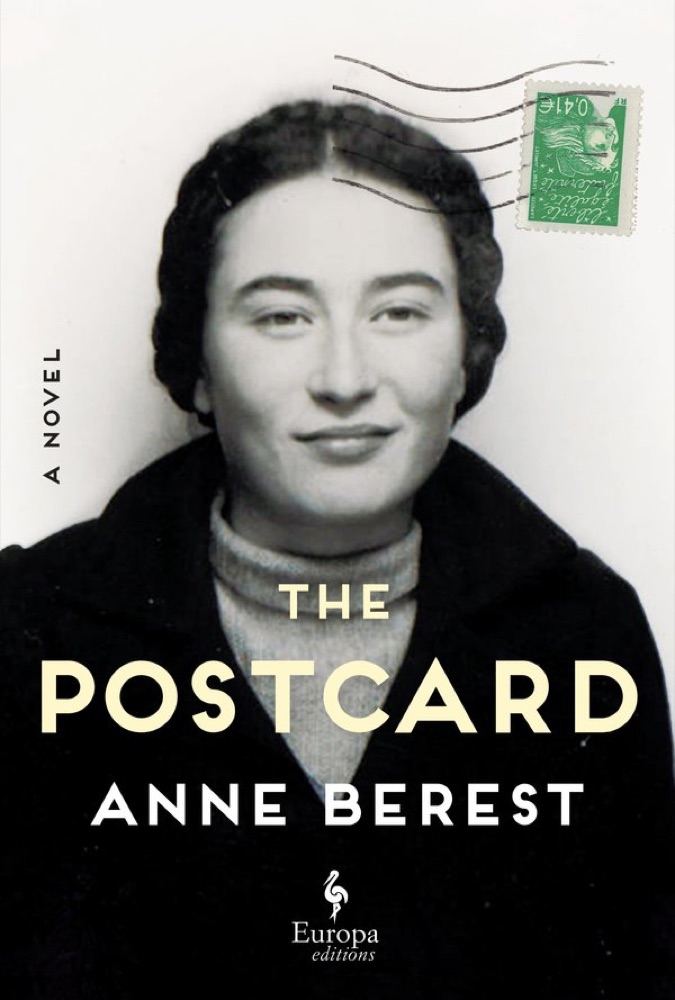
Winner of the Choix Goncourt Prize, Anne Berest’s The Postcard is a vivid portrait of twentieth-century Parisian intellectual and artistic life, an enthralling investigation into family secrets, and poignant tale of a Jewish family devastated by the Holocaust and partly restored through the power of storytelling.
January, 2003. Together with the usual holiday cards, an anonymous postcard is delivered to the Berest family home. On the front, a photo of the Opéra Garnier in Paris. On the back, the names of Anne Berest’s maternal great-grandparents, Ephraïm and Emma, and their children, Noémie and Jacques—all killed at Auschwitz.
Fifteen years after the postcard is delivered, Anne, the heroine of this novel, is moved to discover who sent it and why. Aided by her chain-smoking mother, family members, friends, associates, a private detective, a graphologist, and many others, she embarks
Book details
- First published
- 2021
- Author
- Anne Berest
- Genre
- Historical
- Goodreads rating
- 4.34 (42k ratings)
The buzz
- The New York TimesReview in The New York Timesprofessional review (via Book Marks)
- The Washington PostReview in The Washington Postprofessional review (via Book Marks)
- The Wall Street JournalReview in The Wall Street Journalprofessional review (via Book Marks)
- The GuardianReview in The Guardianprofessional review (via Book Marks)
- Kirkus ReviewsReview in Kirkus Reviewsprofessional review (via Book Marks)
- Publishers WeeklyReview in Publishers Weeklyprofessional review (via Book Marks)
Keep reading
 People of the Book
 The Fountains of Silence
 Still Alive: A Holocaust Girlhood Remembered
 Under the Same Stars
 Things I've Been Silent About
 The Lost: A Search for Six of Six Million
 The Wars
 The Book That Broke the World
 The Fall of Babel
 The Brutal Telling
 The Aosawa Murders
 The Secret History
 City of Stairs
 The Eighth Life
 Held
Held
 The Tunnel
 Arm of the Sphinx
 The Story of the Lost Child
 Varina
 The Island of Missing Trees
 Old Babes in the Wood: Stories
 The Kite Runner
 Imagine Me Gone
 Warlight
 All That I Am
 The Girl Who Smiled Beads: A Story of War and What Comes After
 When Women Were Dragons
 Disoriental
 Bury Your Dead
 Colorless Tsukuru Tazaki and His Years of Pilgrimage
 The Book of Goose
 Gnomon
 The Notebooks of Malte Laurids Brigge
 Aftershocks
 The Hare With Amber Eyes: A Family's Century of Art and Loss
 Shame
Shame
 Stasiland: Stories from Behind the Berlin Wall
 Embers
 Kafka on the Shore
 The Book That Held Her Heart
 The Clockmaker's Daughter
 The Many Daughters of Afong Moy
 Lost Children Archive
 Flights
 Underworld
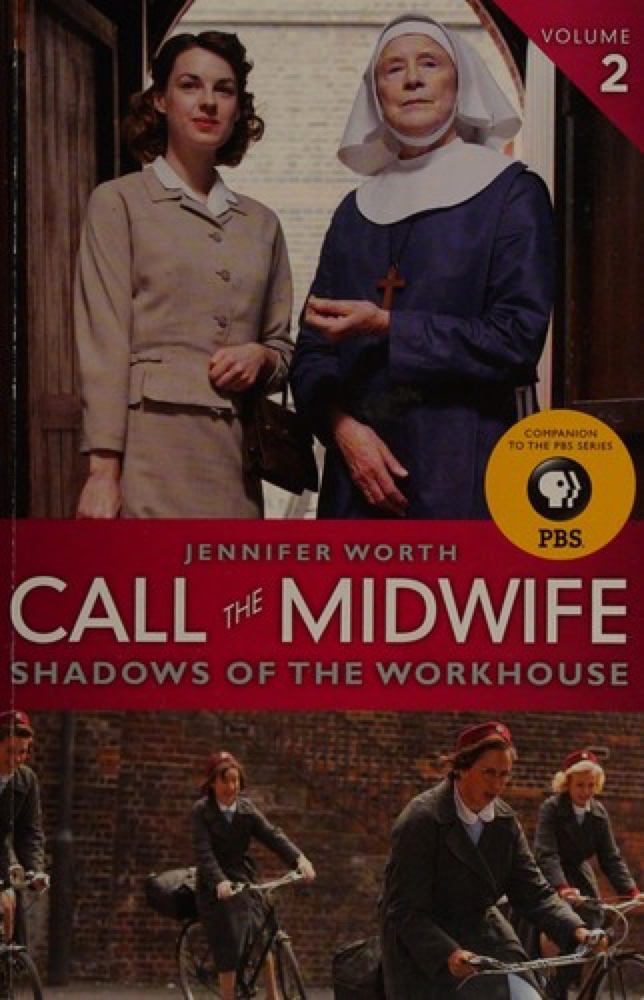 Shadows of the Workhouse
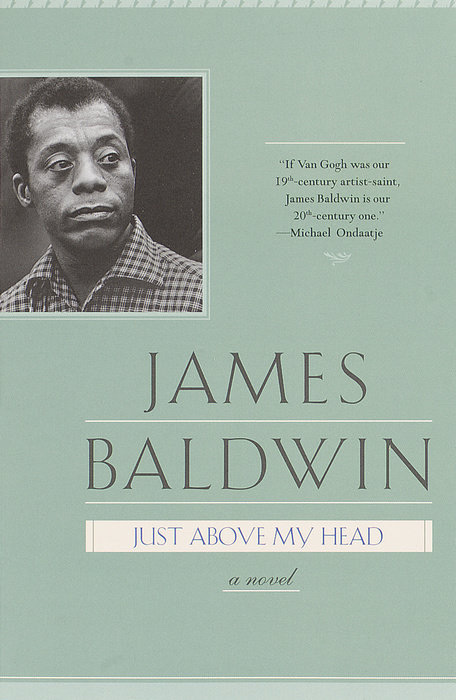 Just Above My Head
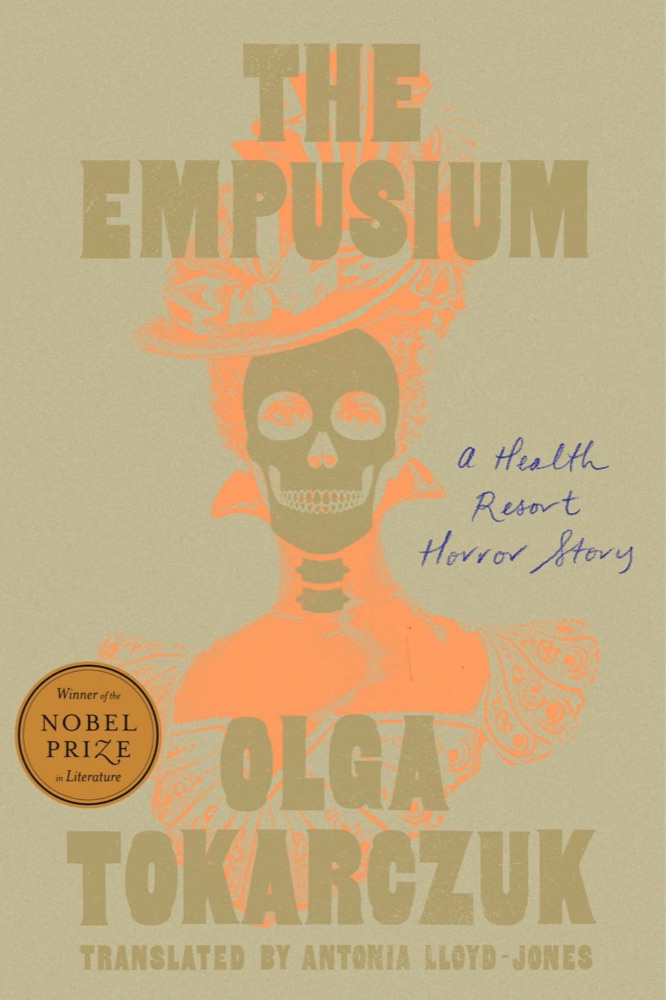 The Empusium
 The Book of My Lives
 Trigger Warning: Short Fictions and Disturbances
 War and Turpentine
 The Trauma Cleaner: One Woman's Extraordinary Life in the Business of Death, Decay, and Disaster
 Moments of Being: A Collection of Autobiographical Writing
 Travels With My Aunt
 Mao II
 A Woman in Berlin: Eight Weeks in the Conquered City: A Diary
 The Cat's Table
 Inheritance: A Memoir of Genealogy, Paternity, and Love
 Night
Night
 The Memoirs of Cleopatra