
 Stasiland: Stories from Behind the Berlin Wall
Quotes from the Book
It is deeply troubling to make laws about what historical narratives are allowed to be told—it shows a rulership interested in propaganda, not truth.
5
We made it, and the boys did not,” Vitka said, “because they were tired and we were tired, too, but the women were stronger than the men.
1
History needs to account for complexities; we must all confront our past honestly, face the ways we are both victims and aggressors. Otherwise, no one will believe the storyteller, and we will write ourselves out of any real conversation. Understanding does not have to mean forgiving, but it is a necessary step for self-possession and growth.
1
But man is made of iron, callous to suffering.
1
An old Jewish joke went - A man asks whether his town is now in Soviet or Polish territory. He's told, "This year we're in Poland." "Thank goodness!", the man exclaims. "I simply could not take another Russian winter.
1
Nazi culture was classically sexist, and women were not expected to be illicit operatives; why would that nice, young peasant girl have bulletins sewn into her skirt or a pistol inside of her teddy bear?
Zivia and her comrades knew that they were fighting to their deaths, but waited eagerly for the Nazis to arrive so they could do their damage and go down with honor.
Since its foundation, Poland was evolving. With ever-changing geographical boundaries, its ethnic composition varied as new communities folded into its borders. Medieval Jews migrated to Poland because it was a safe haven from western Europe, where they were persecuted and expelled. Jews were relieved to arrive in this tolerant land with economic opportunity. “Polin,” the Hebrew name for the country, comprises “Po” and “Lin,” and means “Here, we stay.” Polin offered relative freedom and safety. A future.
On the other hand, the government had just passed a law making it illegal to blame Poland for any crimes committed in the Holocaust, and that doing so could result in incarceration. After decades of Soviet repression and Nazi conquest before that, the Poles were in a new nationalist phase. Their own victim status in WWII was important. The Polish underground was hugely popular; its anchor symbol graffitied across Warsaw buildings. People wore T-shirts with sleeve decorations that mimicked the Resistance armbands.
The government want to criminalize all abortion and disallow in vitro fertilization because it produced wasted seed...My two companions were outraged at the misogyny, incensed by their government's unjust treatment of women. It sounds like the Poland I write about of the 1930s and 40s was more feminist than now. In some ways, it was.
The Nazis were particularly brutal with children, who represented the Jewish future. Boys and girls who were not useful for slave labor were some of the first Jews to be killed.
Renia read her own book in disbelief: How had she possibly done those things? All she recalled from that period was her confidence and her incredible desire for revenge. Her adult life was so different: happy, passionate, filled with beauty. Renia turned a new leaf, a thousand new leaves, a whole tree.
In one group’s battle, Nazi soldiers reentered the building waving a white flag, but the ZOB wasn’t fooled. Zippora Lerer leaned out the window and threw bottles of acid onto the Germans below. She heard them scream in disbelief: “Eine frau kampft!” “A woman is fighting!” They began to fire back at her, but she did not retreat.
The Nazis followed them—wearing gas masks. Then people started wailing and praying. Gendarmes pressed the gas button.
Nazi entered their room with a rifle and started searching. He found them all. But instead of killing them, he quietly gave them each a slice of bread. “Hide still until nightfall,” he urged them. He promised that their mother would return and escape with them. The children exploded with gratitude, and the Nazi laughed, then began to cry, patting them on their heads, saying that he was a father; that his heart would not allow him to kill children. At night, the city quiet as death, the youngsters emerged to find that their two-month-old baby sister had suffocated under the blanket where she was hidden, her body cold. The eldest girl, aged eleven, picked up little Rosa, heavy in death, and took her to the basement out of fear of being caught outside. She dressed her siblings and waited for their mother. Had she forgotten them? Their mother never returned.
In the end, countless mothers who could have been spared for work ultimately went to the gas chambers with their children, refusing to let them die alone—comforting and holding them to the last second.
(As the old Jewish joke went, a man asks whether his town is now in Polish or Soviet territory. He’s told, “This year, we’re in Poland.” “Thank goodness!,” the man exclaims. “I simply could not take another Russian winter.”)
Our collective memory has been shaped by an overarching resistance to resistance. Silence is a means of swaying perceptions and shifting power, and has functioned in different ways in Poland, Israel, and North America over the decades. Silence is also a technique for coping and living.
My genes were stamped—even altered, as neuroscientists now suggest—by trauma. I grew up in an aura of victimization and fear.
How the war is presented - to ourselves and to the outside world - can explain who we are, why we act as we do.
We had been liberated from the fear of death, but we were not free from the fear of life.
She had learned that life offered no stability, that moments flew past, that chances were paper thin, that the clock ruled all.
So perfectly beautiful nature was, demarcating each transition and transformation with accuracy and grace.
My heart wanted to die.
In war, it is easy to forget who is who".
Responsibility for others brings you back to your feet, despite everything.
But we took it all with love, our desire to live was stronger than all the torture.
Readers, they rebelled by saving stories.
Watch on YouTube
About Judy Batalion
We have collected 28 quotes from 1 book by Judy Batalion on BookQuoters.
More about the author →About the book
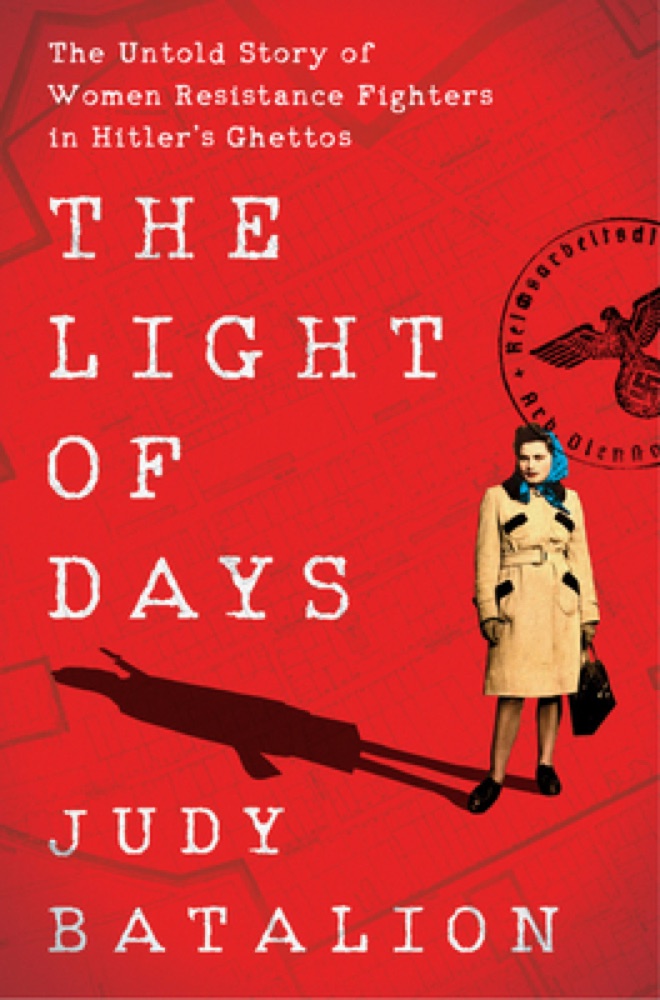
One of the most important stories of World War II, already optioned by Steven Spielberg for a major motion picture: a spectacular, searing history that brings to light the extraordinary accomplishments of brave Jewish women who became resistance fighters—a group of unknown heroes whose exploits have never been chronicled in full, until now.Witnesses to the brutal murder of their families and neighbors and the violent destruction of their communities, a cadre of Jewish women in Poland—some still in their teens—helped transform the Jewish youth groups into resistance cells to fight the Nazis. With courage, guile, and nerves of steel, these “ghetto girls” paid off Gestapo guards, hid revolvers in loaves of bread and jars of marmalade, and helped build systems of underground bunkers. They flirted with German soldiers, bribed them with wine, whiskey, and home cooking, used their Aryan looks t
Book details
- First published
- 2021
- Author
- Judy Batalion
- Genre
- Nonfiction
- Goodreads rating
- 4.07 (10k ratings)
Keep reading
Stasiland: Stories from Behind the Berlin Wall
 Prisoner B-3087
 Under the Same Stars
 The Postcard
 Still Alive: A Holocaust Girlhood Remembered
 Surviving the Angel of Death: The True Story of a Mengele Twin in Auschwitz
 The Betrayal of Anne Frank: A Cold Case Investigation
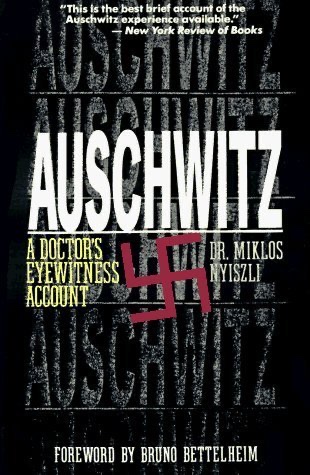 Auschwitz: A Doctor's Eyewitness Account
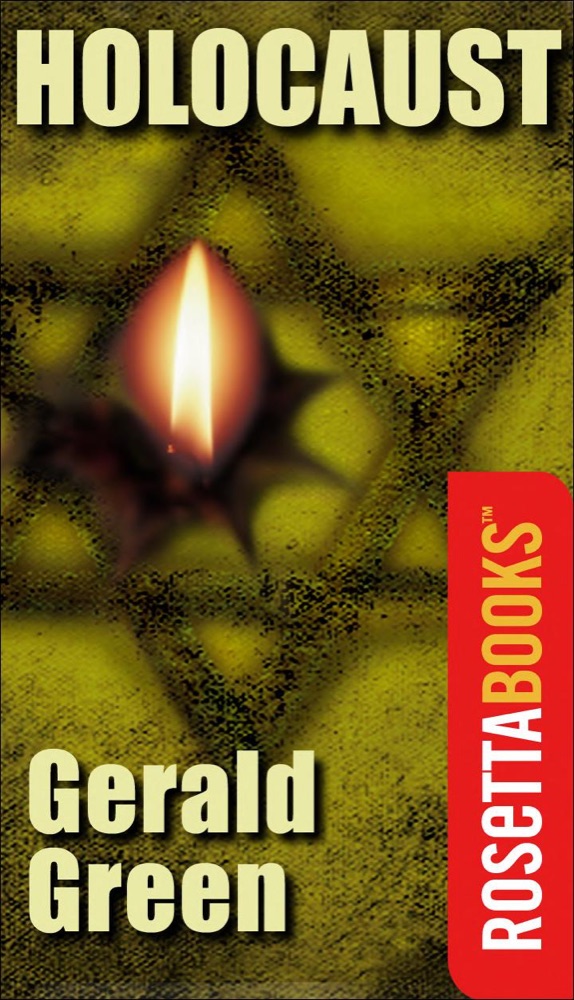 Holocaust
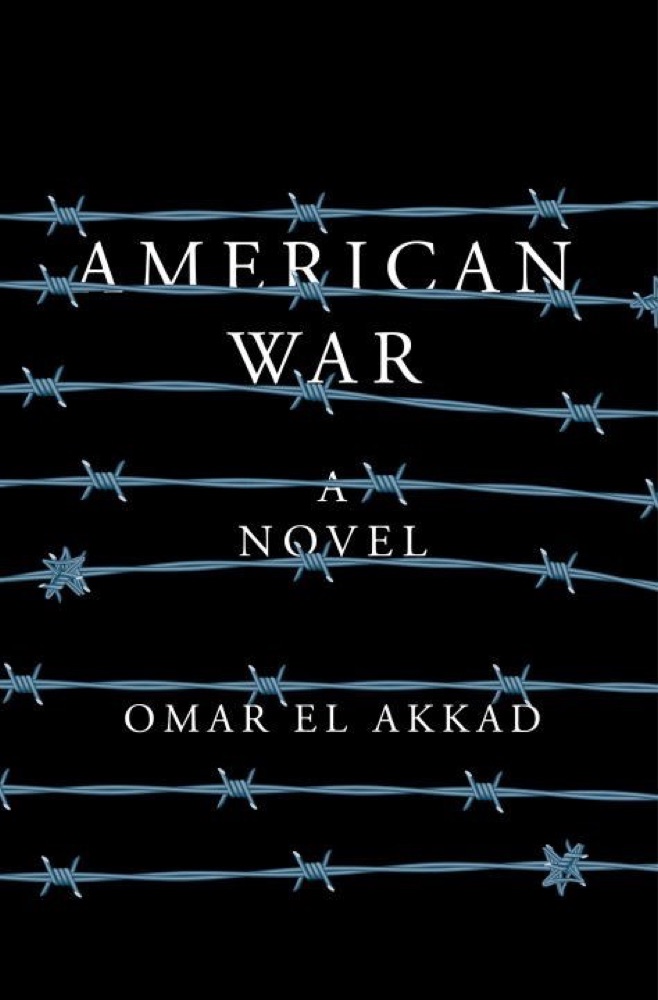 American War
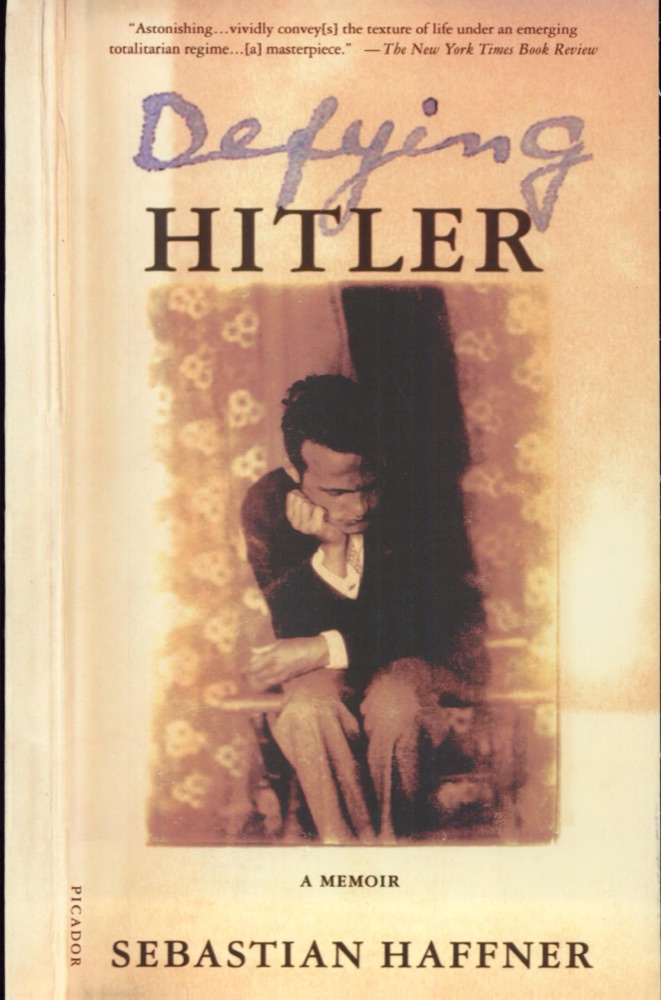 Defying Hitler
 Free: A Child and a Country at the End of History
 Bloodlands: Europe Between Hitler and Stalin
 The Eighth Life
 The Huntress
 Survival in Auschwitz
 The Teacher of Warsaw
 Glass Houses
 You Are My Sunshine
 The Brutal Telling
 Border: A Journey to the Edge of Europe
 I Will Bear Witness 1933-41 A Diary of the Nazi Years
 The Girl Who Smiled Beads: A Story of War and What Comes After
 Kolyma Tales
 The Gulag Archipelago 1918-1956
 War's Unwomanly Face
 The Wars
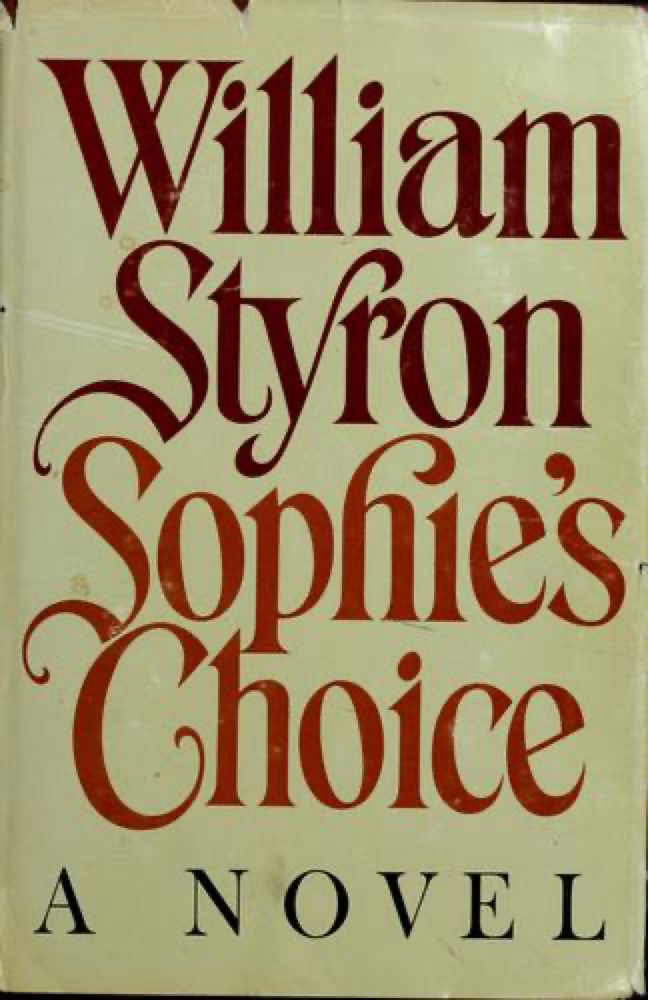 Sophie's Choice
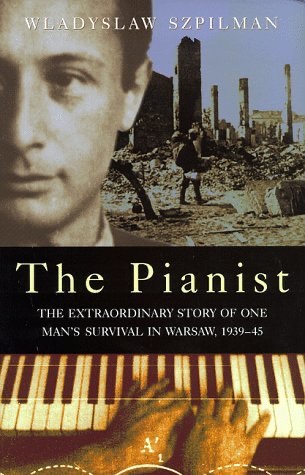 The Pianist: The Extraordinary Story of One Man's Survival in Warsaw, 1939–45
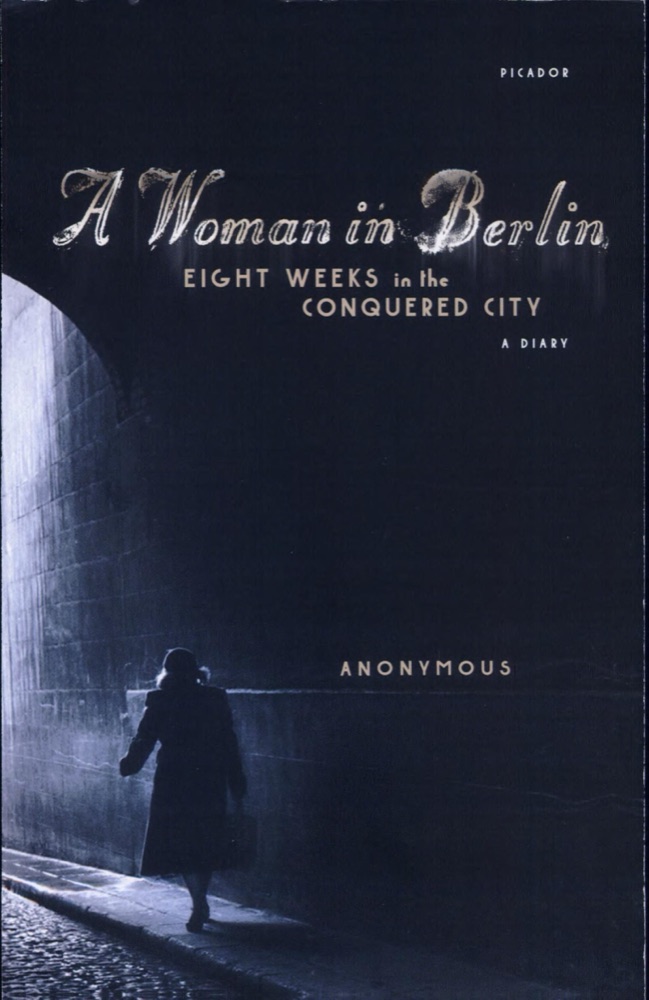 A Woman in Berlin: Eight Weeks in the Conquered City: A Diary
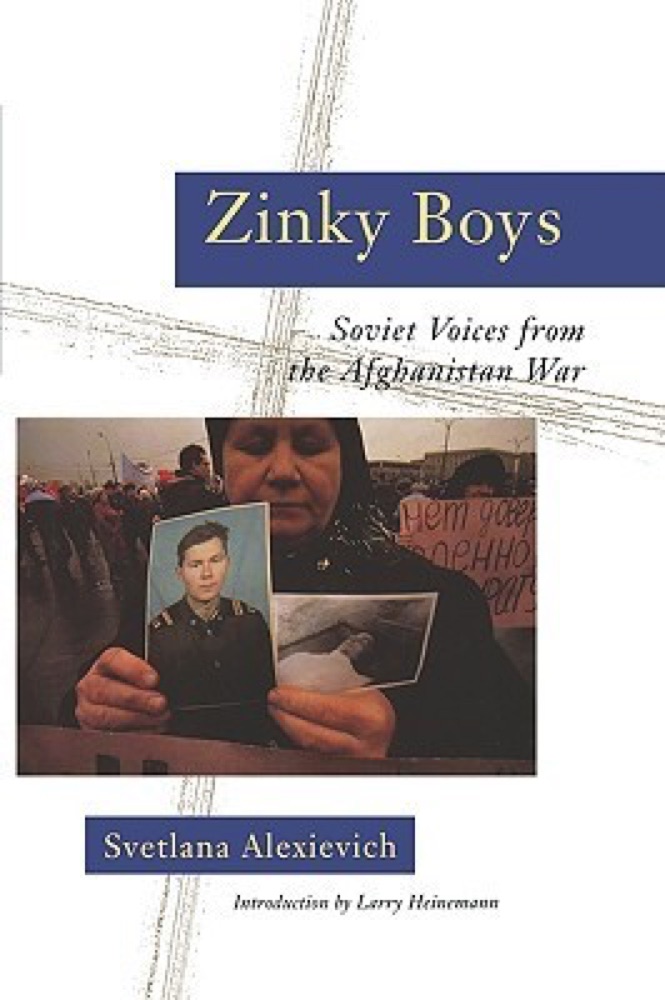 Zinky Boys: Soviet Voices from the Afghanistan War
 The Plum Tree
 Girl at War
 Shadows of the Workhouse
 Last First Snow
 All But My Life: A Memoir
 How We Survived Communism and Even Laughed
 The Things They Carried
 Speaking Bones
 The Underground Railroad
 The Complete Persepolis
 The Fountains of Silence
 Schindler's List
 Things I've Been Silent About
 The Librarian of Auschwitz
 The Volunteer: The True Story of the Resistance Hero who Infiltrated Auschwitz
 The Book of My Lives
 The Winds of War
 A Rule Against Murder
 Dominion
 Men We Reaped
 Victory City
 The Ministry of Fear
 The Quarry Girls
 War and Turpentine
 Women Talking
 City of Stairs
 Daughters of Smoke and Fire
 They Thought They Were Free: The Germans 1933-45
 Internment