
 From Beirut to Jerusalem
Quotes from the Book
No one had asked her to marry him, nor was there someone she wished to wed. Not that she did not enjoy the company of young men; She did. But her sharp tongue sliced through their egos and her intellectual thirst quickly soaked up what drops of knowledge they shed.
5
Then, as now, archaelogists and writers ventured where others feared to tread.
5
After a while, when he finished telling his stories, they broke bread to bind their friendship and shared salt as a promise of his tribe’s protection.
2
From the point of view of most of the Arabs, another foreign conqueror, heretic and Western, had come into their land, evicted their Muslim occupier and claimed the local people to have been liberated. Then, like all the others, it established itself as the ruling authority.
1
The ultimate source of power, here as in the whole course of Arab history, is the personality of the commander. Through him, whether he be an Abbasid Khalif or an Amir of Nejd, the political entity holds, and with his disappearance it breaks.” The echo of her words would ring throughout the region for the rest of the century, in men like Gamal Abdel Nasser, Yasser Arafat and Saddam Hussein.
1
The rule of the desert prevailed - "Everyone is an enemy till you know him to be a friend".
controlled the lives of two hundred
Faisal and Lawrence had come from London, where, on January 3, 1919, Faisal signed an agreement with the Zionist leader Chaim Weizmann on the principle of a Jewish homeland in Palestine.
American President, Woodrow Wilson, whose idealistic thoughts were purely on his new concepts of the League of Nations and the mandate system. “The peoples of the world are awake and the peoples of the world are in the saddle,” Wilson would declare, hoping to spur the former territories of the Germans and the Turks to self-determination.
When the Balfour Declaration was released to the public at the end of the year, Gertrude attacked it viciously. Sir Arthur Balfour, the British Foreign Secretary, had written a letter to Lord Rothschild, leader of the Jewish community in England, promising “a national home for the Jewish people” in Palestine. The Balfour Declaration vowed not to prejudice “the civil and religious rights” of the Arabs already living in Palestine.
What would happen if we withdrew? … After the enormous expenditure which we have incurred in freeing this country from the withering despotism of the Turk, to hand it back to anarchy and confusion, and to take no responsibility for its development would be an act of folly and quite indefensible.
But her role had changed; she was now available for marriage and her primary task was to find a mate. As Florence and Hugh Bell's daughter, she was expected to make an excellent match. And if there wasn't one here, at least she would learn how to conduct herself for the chase.
Watch on YouTube
About Janet Wallach
We have collected 12 quotes from 1 book by Janet Wallach on BookQuoters.
More about the author →About the book
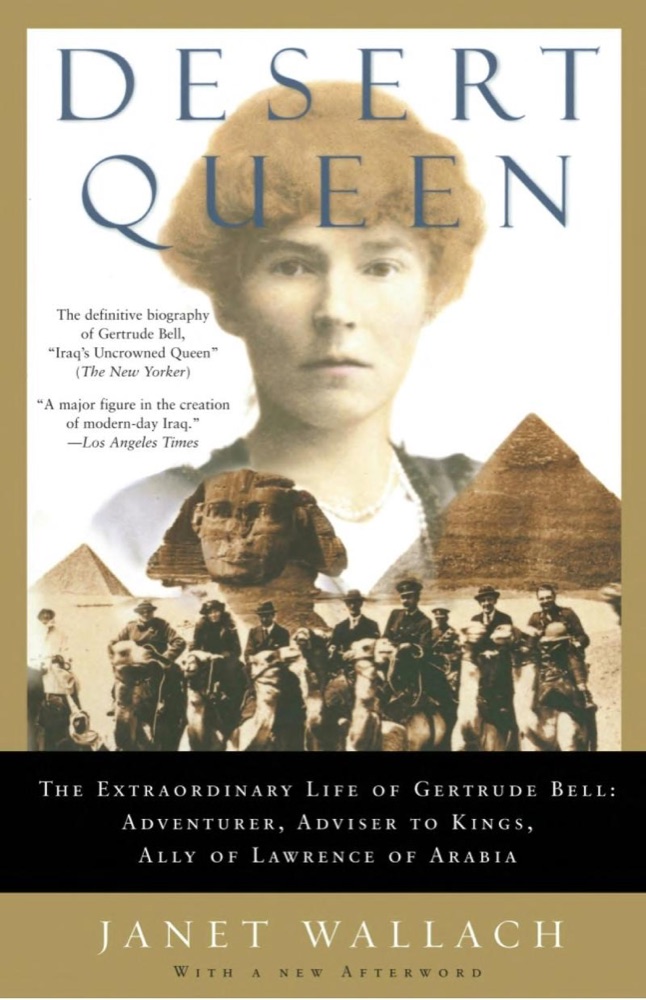
Turning away from the privileged world of the "eminent Victorians," Gertrude Bell (1868—1926) explored, mapped, and excavated the world of the Arabs. Recruited by British intelligence during World War I, she played a crucial role in obtaining the loyalty of Arab leaders, and her connections and information provided the brains to match T. E. Lawrence's brawn. After the war, she played a major role in creating the modern Middle East and was, at the time, considered the most powerful woman in the British Empire. In this masterful biography, Janet Wallach shows us the woman behind these achievements–a woman whose passion and defiant independence were at odds wit the confined and custom-bound England she left behind. Too long eclipsed by Lawrence, Gertrude Bell emerges at last in her own right as a vital player on the stage of modern history, and as a woman whose life was both a heartbreaking
Book details
- First published
- 1996
- Author
- Janet Wallach
- Genre
- Biography
- Goodreads rating
- 3.81 (6k ratings)
Keep reading
From Beirut to Jerusalem
 The Last Lion 3: Winston Spencer Churchill: Defender of the Realm, 1940-1965
 Exodus
 In the Shadow of the Sword: The Birth of Islam and the Rise of the Global Arab Empire
 The Looming Tower: Al-Qaeda and the Road to 9/11
 Closing the Ring
 Apeirogon
 The Histories
 The Winds of War
 Joseph Anton: A Memoir
 O Jerusalem
 The Proud Tower: A Portrait of the World Before the War, 1890-1914
 The Hundred Years’ War on Palestine: A History of Settler Colonialism and Resistance, 1917–2017
 Precipice
 The Monuments Men: Allied Heroes, Nazi Thieves, and the Greatest Treasure Hunt in History
 The Splendid and the Vile: A Saga of Churchill, Family, and Defiance During the Blitz
 The Question of Palestine
 The Guns of August
 The Covenant
 Petals of Blood
 Fall of Giants
 The Empire of Gold
 My Promised Land: The Triumph and Tragedy of Israel
 Victory City
 Glory
Glory
 Under the Same Stars
 House Atreides
 Winter of the World
 In Extremis: The Life of War Correspondent Marie Colvin
 Persepolis Rising
 The Black Wolf
 Queen of Fire
 American Colossus: The Triumph of Capitalism, 1865-1900
 Promise of Blood
 The Stardust Thief
 Modern Times: The World from the Twenties to the Nineties
 Destiny of the Republic: A Tale of Madness, Medicine and the Murder of a President
 The Fall of the Roman Empire: A New History of Rome and the Barbarians
 The Churchill Factor: How One Man Made History
 The Path to Power
 The White Lady
 The Last Lion: Winston Spencer Churchill: Alone, 1932-40
 The Will to Battle
 Skeletons on the Zahara: A True Story of Survival
 The Yacoubian Building
 Radio Free Albemuth
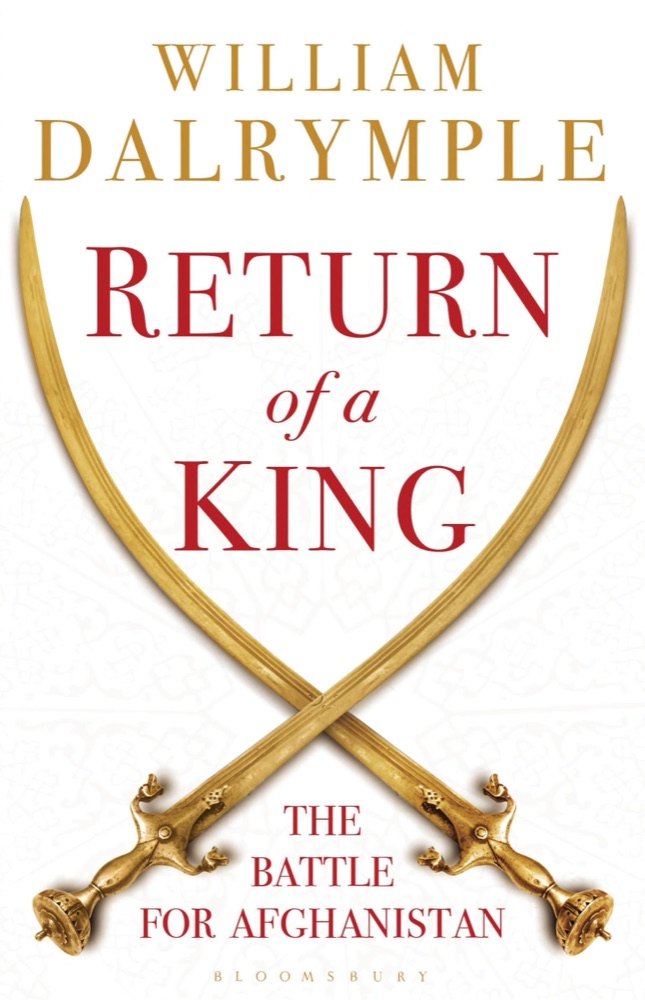 Return of a King: The Battle for Afghanistan
 The Monster Baru Cormorant
 The Full Cupboard of Life
 Border: A Journey to the Edge of Europe
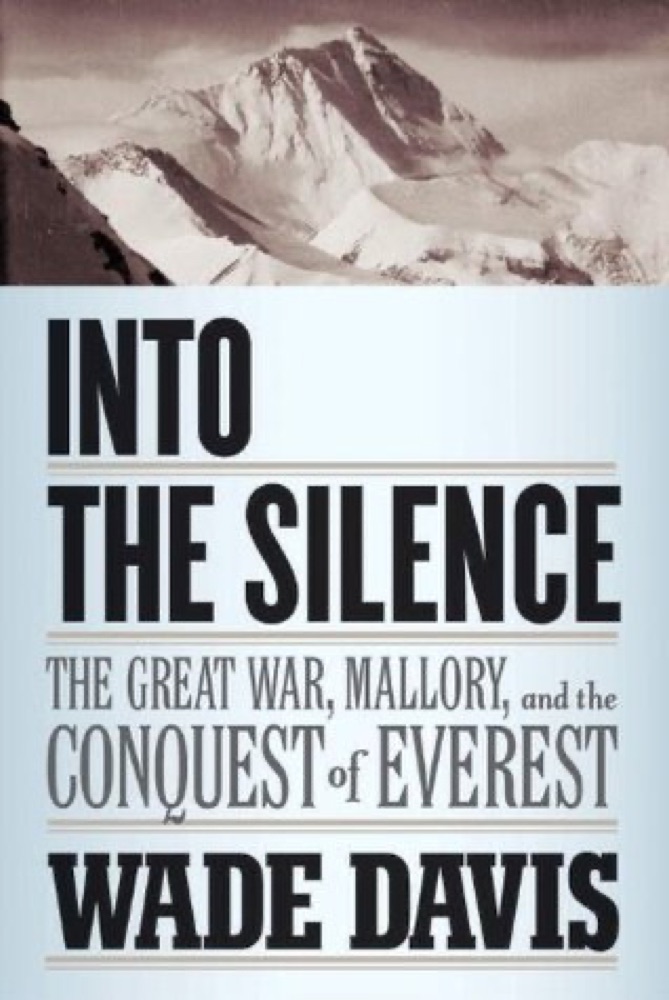 Into the Silence: The Great War, Mallory and the Conquest of Everest
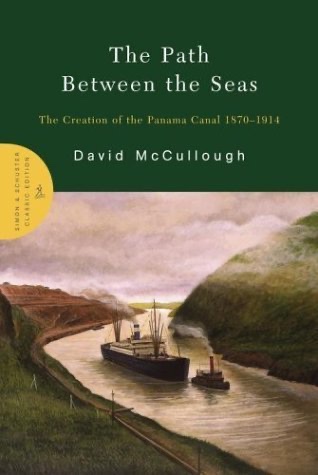 The Path Between the Seas: The Creation of the Panama Canal, 1870-1914
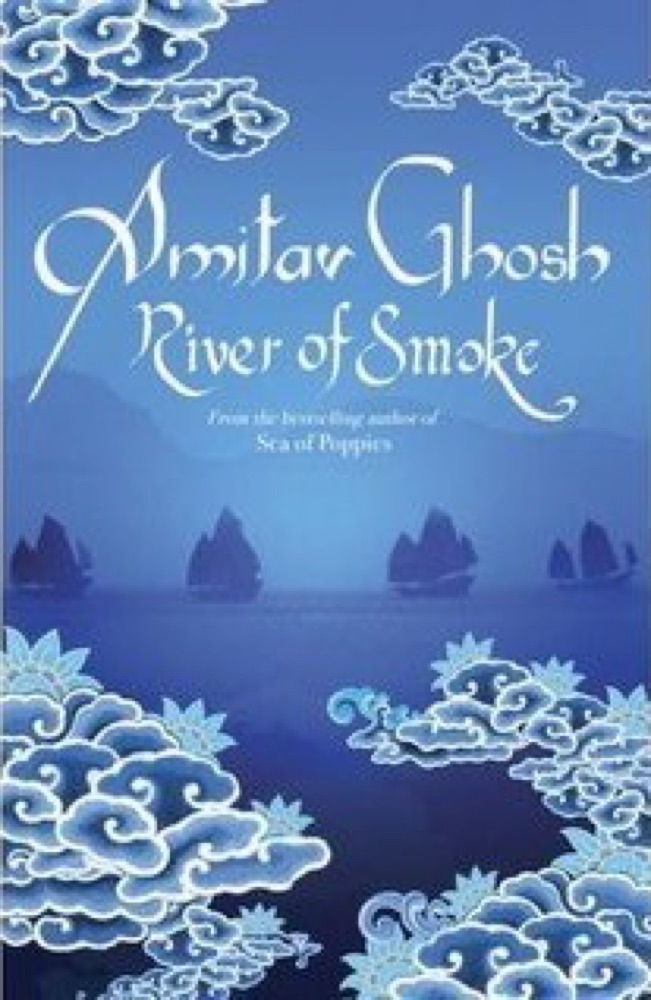 River of Smoke
 The Paris Vendetta
 Dragon Seed
 The First Muslim: The Story of Muhammad
 The Day of the Scorpion
 Homegoing
 Seven Pillars of Wisdom: A Triumph
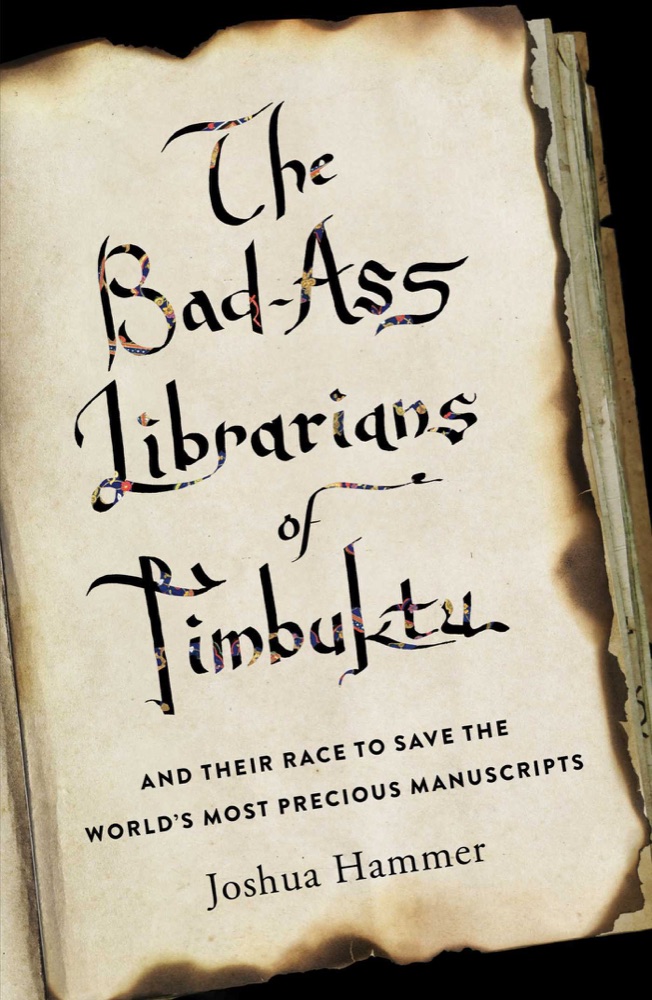 The Bad-Ass Librarians of Timbuktu and Their Race to Save the World’s Most Precious Manuscripts