 Gaza Writes Back (#1)
Quotes from the Book
In Gaza, some of us cannot completely die. Every time a bomb falls, every time shrapnel hits our graves, every time the rubble piles up on our heads, we are awakened from our temporary death.
9
Borders are those invented lines drawn with ash on maps and sewn into the ground by bullets.
8
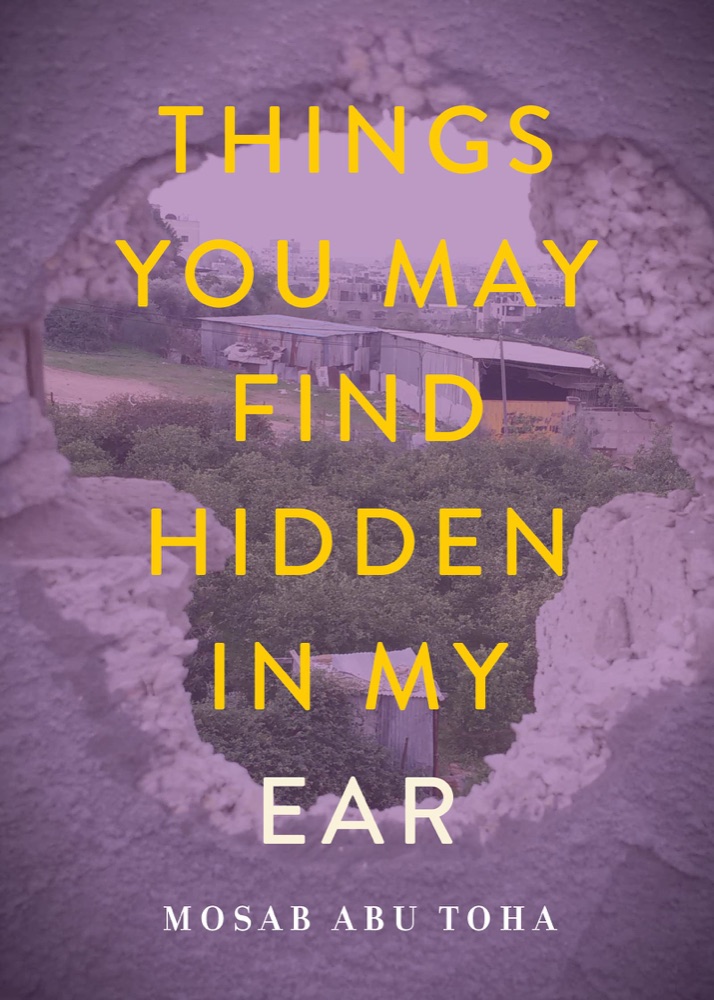
Things You May Find Hidden in My Ear BY MOSAB ABU TOHA For Alicia M. Quesnel, MD i When you open my ear, touch it gently. My mother’s voice lingers somewhere inside. Her voice is the echo that helps recover my equilibrium when I feel dizzy during my attentiveness. You may encounter songs in Arabic, poems in English I recite to myself, or a song I chant to the chirping birds in our backyard. When you stitch the cut, don’t forget to put all these back in my ear. Put them back in order as you would do with books on your shelf.
6
The houses were not Hamas. The kids were not Hamas. Their clothes and toys were not Hamas. The neighborhood was not Hamas. The air was not Hamas. Our ears were not Hamas. Our eyes were not Hamas. The one who ordered the killing, the one who pressed the button thought only of Hamas.
4
A book that doesn’t mention my language or my country, and has maps of every place except for my birthplace, as if I were an illegitimate child on Mother Earth. Borders are those invented lines drawn with ash on maps and sewn into the ground by bullets.
4
They once said Palestine will be free tomorrow. When is tomorrow? What is freedom? How long does it last?
3
PALESTINE A–Z A An apple that fell from the table on a dark evening when man-made lightning flashed through the kitchen, the streets, and the sky, rattling the cupboards and breaking the dishes. “Am” is the linking verb that follows “I” in the present tense when I am no longer present, when I’m shattered. B A book that doesn’t mention my language or my country, and has maps of every place except for my birthplace, as if I were an illegitimate child on Mother Earth. Borders are those invented lines drawn with ash on maps and sewn into the ground by bullets.
3
Don't ever be surprise to see a rose shoulder up among the ruins of the house. This is how we survived.
2
In Gaza, you can find a man planting a rose in the hollow space of an unexploded tank shell, using it as a vase.
2
My grandfather kept the key to his house in Yaffa in 1948. He thought they would return in a few days. His name was Hasan. The house was destroyed. Others built a new one in its place. Hasan died in Gaza in 1986. The key has rusted but still exists somewhere, longing for the old wooden door.
2
When I was asked to fill out a form for my U.S. J-1 visa application, my country, Palestine, was not on the list. But lucky for me, my gender was.
2
People say silence is a sign of consent. What if I’m not allowed to speak, my tongue severed, my mouth sewn shut?
2
Am” is the linking verb that follows “I” in the present tense when I am no longer present, when I’m shattered. (Page 9).
2
Gaza is a city where tourists gather to take photos next to destroyed buildings or graveyards.
1
Knotting poems from shards of glass, concrete, steel bars, isn’t easy. Sometimes my hands bleed. My gloves get burnt every time
1
The lemon in a poem, it might be the same lemon I saw on the tree; when he’s talking about the sun, it’s the same sun. I’m invited to notice and enjoy things that I usually can’t see when I’m afraid. So, to me, as a reader and poet, poetry can show things I never saw before. It also can bring my attention to something I saw but never enjoyed. And lastly, it assures me that I live on the same earth that Shakespeare, Wordsworth, Coleridge, and others inhabited.
1
The drone’s buzzing sound, the roar of an F-16, the screams of bombs falling on houses, on fields, and on bodies, of rockets flying away— rid my tiny ear canal of them all.
1
Yaffa is known around the world for its oranges. My grandmother, Khadra, tried to take some oranges with her in 1948, but the shelling was heavy. The oranges fell on the ground, the earth drank their juice. It was sweet, I’m sure. (Page 13).
1
The median age in Gaza is very young. Earlier you spoke of asking your father for stories about your grandfather, and how important that was for you. But there are fewer and fewer people who have memories of life outside of Gaza. I’m wondering if you can say something about this. Unfortunately, it’s not only about memories of our grandparents, but it’s also their memories that are being lost, those are what we need to hear and memorize and then transmit to our children and grandchildren. But I’m also so saddened to think about my generation, our memories, being required or expected to tell our own stories of what happened to us in Gaza. I mean, for example, in 2021, 2014, 2009, or 2008. All the massacres and attacks on Gaza. Maybe our grandchildren will not ask us about Jaffa and Acre and Haifa. No, they will ask us about the 2014 war. What happened to you? What did you eat, which of your friends was wounded, did you leave your home, where did you go? This is a prolonged state of exile and estrangement and expulsion and ethnic cleansing. Our grandparents were driven from their homes and their cities, and any trace of them has been erased and replaced by something else, which is now called Israel. But we, their descendants, were also robbed of our right to dream and think about those places—no, instead, we are forced to live in the nightmares of our own current life. And they are creating more misery for us, wounding us again and again, so that we forget those earlier wounds in the face of the fresher wounds. The more the Israelis attack us, the more they are trying to erase the older memories. So it also becomes a matter of exhaustion.
1
A country that exists only in my mind. Its flag has no room to fly freely, but there is space on the coffins of my countrymen.
1
Go to your bed and, in your sleep, begin to memorize your dream.
1
This world is big, it could be welcoming, accommodating, even comfortable. In Gaza, you imagine the world as a small place, and you never know what will hit you next, or from where.
When you are a poet, you need to be saying something that cannot be said by other people. Poets don't necessarily need to be first-rate readers of poetry, because when they start to write poems they already have what they need, they've been living it. When I tell my story--to anyone--it's as if I'm reciting poetry.
He asks, "Do you know why I was born?" "To live for some years and die.
People die. Others are born. For us, the fear of dying before living haunts us while we are still in our mothers' wombs.
Our grandparents were driven from their homes and their cities, and any trace of them has been erased and replaced by something else, which is now called Israel. But we, their descendants, were also robbed of our right to dream and think about those places—no, instead, we are forced to live in the nightmares of our own current life. And they are creating more misery for us, wounding us again and again, so that we forget those earlier wounds in the face of the fresher wounds. The more the Israelis attack us, the more they are trying to erase the older memories.
When Mahmoud Darwish left the village of al-Birwe at the age of six, what he left wasn’t the family house or his clothes. I think what he left behind was the person whom he could have become if they weren’t forced to leave that place.
In other words, the poem is never an escape, it’s a return to a reality that is actually there.
Watch on YouTube
About Mosab Abu Toha
We have collected 28 quotes from 1 book by Mosab Abu Toha on BookQuoters.
More about the author →About the book
Winner of the 2022 Palestine Book Awards Creative Award Finalist for the National Book Critics Circle Award in Poetry
These poems emerge directly from the experience of growing up and living one’s entire life in Gaza, making a life for one’s family and raising a family in constant lockdown, and often under direct attack.
In this poetry debut, conceived during the Israeli bombing campaign of May 2021, Mosab Abu Toha writes about his life under siege, first as a child, and then as a young father. A survivor of four brutal military attacks, he bears witness to a grinding cycle of destruction and assault, and yet, his poetry is inspired by a profoundly universal humanity.
In direct, vivid language, Abu Toha tells of being wounded by shrapnel at the age of 16 and, a few years later, watching his home and his university get hit by IDF warplanes in a bombing campaign that killed two o
Book details
- First published
- 2022
- Author
- Mosab Abu Toha
- Genre
- Literature
- Goodreads rating
- 4.72 (4k ratings)
Keep reading
Gaza Writes Back (#1)
 Minor Detail
 I Shall Not Hate: A Gaza Doctor's Journey on the Road to Peace and Human Dignity
 And Our Faces, My Heart, Brief as Photos
 The Attack
 Apeirogon
 The Wars
 The Postcard
 City of Blades
 The Kite Runner
 Hostage: An NYT Bestselling War Memoir of Survival and the Human Spirit in Gaza
 As Long as the Lemon Trees Grow
 The Girl Who Smiled Beads: A Story of War and What Comes After
 Daughters of Smoke and Fire
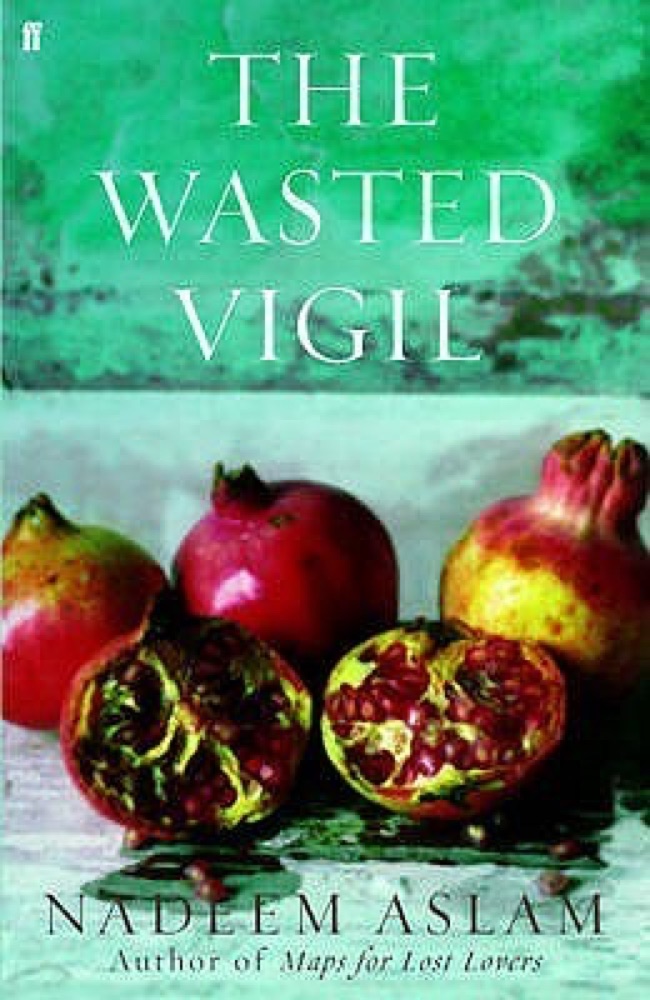 The Wasted Vigil
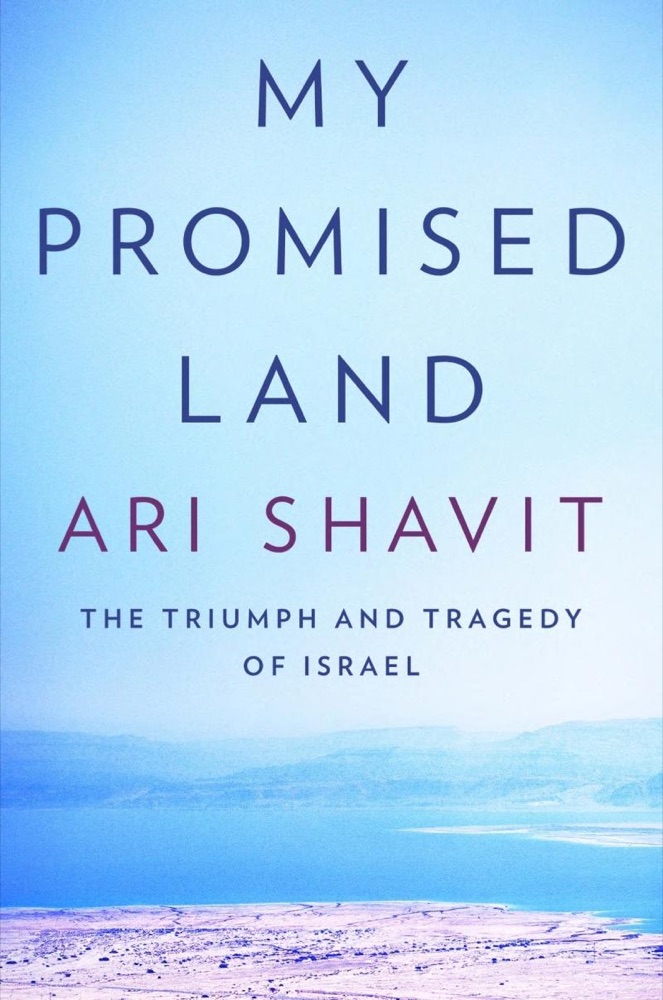 My Promised Land: The Triumph and Tragedy of Israel
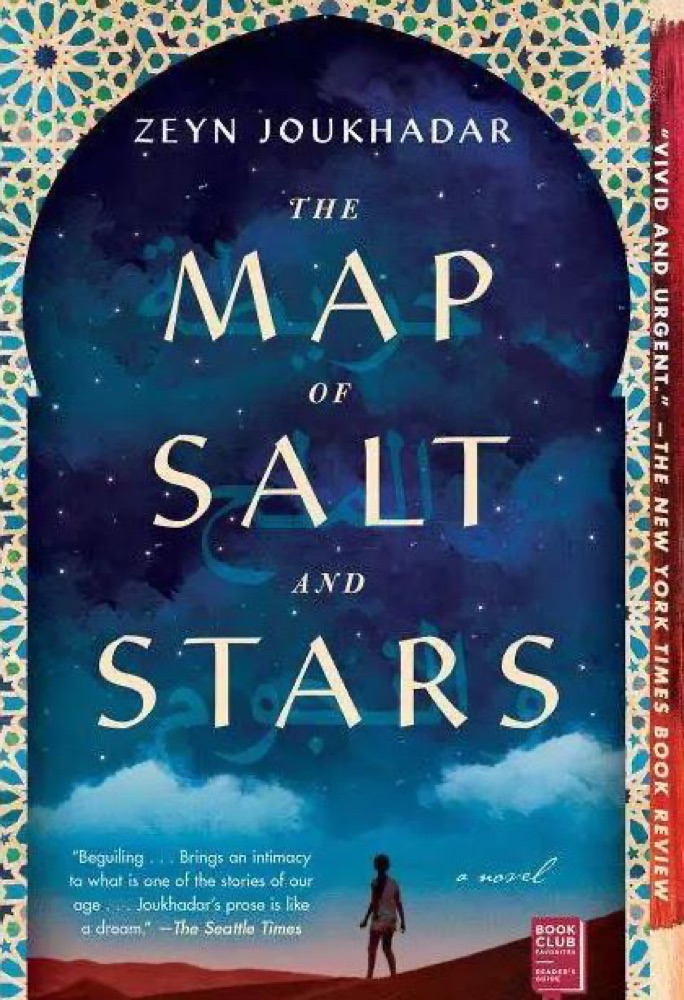 The Map of Salt and Stars
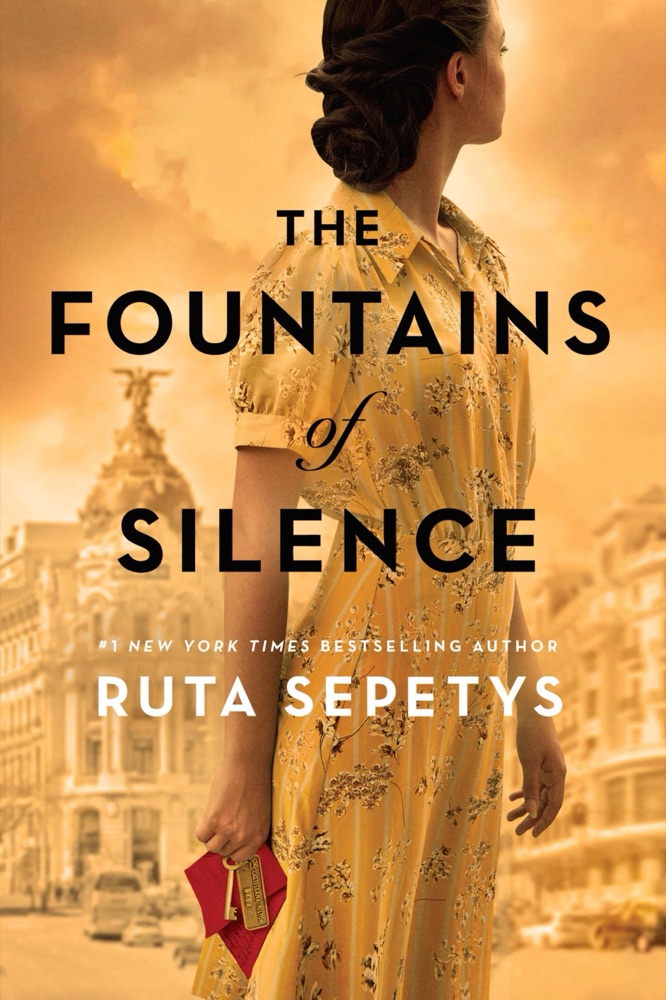 The Fountains of Silence
 The Island of Missing Trees
 Atemschaukel
 The Blind Man's Garden
 A Fort of Nine Towers: An Afghan Family Story
 Aftershocks
 Hotel Silence
 Night
Night
 Life & Times of Michael K
 Warlight
 Always Coming Home
 Zinky Boys: Soviet Voices from the Afghanistan War
 Still Alive: A Holocaust Girlhood Remembered
 There Are Rivers in the Sky
 East of the West: A Country in Stories
 The Madness Vase
 The Small Backs of Children
 Kafka on the Shore
 What Is the What
 Close to the Knives: A Memoir of Disintegration
 The Blind Assassin
 We Are Not Free
 Plainwater: Essays and Poetry
 Norwegian by Night
 Everything Sad Is Untrue
 Lost Children Archive
 Poems New and Collected
 The Road Back
 American Sonnets for My Past and Future Assassin
 The Names
 Poems, 1962-2012
 View with a Grain of Sand: Selected Poems
 The Girl Who Played Go
 The Tunnel
 Disoriental
 The Ministry of Utmost Happiness
 Edinburgh
 Split Tooth
 In Arabian Nights: A Caravan of Moroccan Dreams
 The Book of My Lives
 The Long Walk: A Story of War and the Life That Follows
 My Friends
 The Emperor of Gladness