
 A Call to Action: Women, Religion, Violence, and Power
Quotes from the Book
The bottom line is this: Peace will come to Israel and the Middle East only when the Israeli government is willing to comply with international law, with the Roadmap for Peace, with official American policy, with the wishes of a majority of its own citizens--and honor its own previous commitments--by accepting its legal borders. All Arab neighbors must pledge to honor Israel's right to live in peace under these conditions. The United States is squandering international prestige and goodwill and intensifying global anti-American terrorism by unofficially condoning or abetting the Israeli confiscation and colonization of Palestinian territories.
30
By the end of the year 2000, Israeli settlers in the West Bank and Gaza numbered 225,000. The best offer to the Palestinians—by Clinton, not Barak—had been to withdraw 20 percent of the settlers, leaving more than 180,000 in 209 settlements, covering about 10 percent of the occupied land, including land to be “leased” and portions of the Jordan River valley and East Jerusalem. The percentage figure is misleading, since it usually includes only the actual footprints of the settlements. There is a zone with a radius of about four hundred meters around each settlement within which Palestinians cannot enter. In addition, there are other large areas that would have been taken or earmarked to be used exclusively by Israel, roadways that connect the settlements to one another and to Jerusalem, and “life arteries” that provide the settlers with water, sewage, electricity, and communications. These range in width from five hundred to four thousand meters, and Palestinians cannot use or cross many of these connecting links. This honeycomb of settlements and their interconnecting conduits effectively divide the West Bank into at least two noncontiguous areas and multiple fragments, often uninhabitable or even unreachable, and control of the Jordan River valley denies Palestinians any direct access eastward into Jordan. About one hundred military checkpoints completely surround Palestine and block routes going into or between Palestinian communities, combined with an uncountable number of other roads that are permanently closed with large concrete cubes or mounds of earth and rocks. There was no possibility that any Palestinian leader could accept such terms and survive, but official statements from Washington and Jerusalem were successful in placing the entire onus for the failure on Yasir Arafat. Violence in the Holy Land continued.
2
No objective person could personally observe existing conditions in the West Bank and dispute these statements.
2
The blood of Abraham,1 God’s father of the chosen, still flows in the veins of Arab, Jew, and Christian, and too much of it has been spilled in grasping for the inheritance of the revered patriarch in the Middle East. The spilled blood in the Holy Land still cries out to God—an anguished cry for peace.
1
The rhetoric and demands from all sides may be harsh, but there are obvious areas of agreement that can provide a basis for progress. Private discussions with Arab leaders are much more promising than their public statements would lead one to believe, and in Israel there is a strong and persistent constituency for moderation that is too little heard or appreciated in neighboring states or in America.
1
(On Gaza) "They are being strangled since the Israeli withdrawal, surrounded by a separation barrier that is penetrated only by Israeli-controlled checkpoints, with just single opening for personnel only into Egypt-Sinai as their access to the outside world. There have been no moves by Israel to permit transportation by air or by sea. Fishermen are not permitted to leave the harbor. Workers are prevented from going to outside jobs. The import or export of food and other goods is severely restricted and often cut off completely, and the police, teachers, nurses, and social workers are deprived of salaries. Per capita income has decreased 40% during the last three years, and the poverty rate has reached 70%. The UN special repertoire on the right of food has stated that the acute malnutrition in Gaza is already on the same scale as that seen in the poorer countries of the southern Sahara, with more than half of Palestinians eating only one meal a day.
Watch on YouTube
About Jimmy Carter
We have collected 34 quotes from 3 books by Jimmy Carter on BookQuoters.
More about the author →More by Jimmy Carter
A Call to Action: Women, Religion, Violence, and Power
 A Full Life: Reflections at Ninety
About the book
Following his #1 New York Times bestseller, Our Endangered Values, the former president, winner of the Nobel Peace Prize, offers an assessment of what must be done to bring permanent peace to Israel with dignity and justice to Palestine.President Carter, who was able to negotiate peace between Israel and Egypt, has remained deeply involved in Middle East affairs since leaving the White House. He has stayed in touch with the major players from all sides in the conflict and has made numerous trips to the Holy Land, most recently as an observer in the Palestinian elections of 2005 and 2006. In this book, President Carter shares his intimate knowledge of the history of the Middle East and his personal experiences with the principal actors, and he addresses sensitive political issues many American officials avoid. Pulling no punches, Carter prescribes steps that must be taken for the two stat
Book details
- First published
- 2006
- Author
- Jimmy Carter
- Genre
- Nonfiction
- Goodreads rating
- 3.92 (5k ratings)
Keep reading
 Ten Myths About Israel
 The Hundred Years’ War on Palestine: A History of Settler Colonialism and Resistance, 1917–2017
 The Palestine Laboratory: How Israel Exports the Technology of Occupation Around the World
 On Palestine
 My Promised Land: The Triumph and Tragedy of Israel
 A Very Short History of the Israel–Palestine Conflict
 On Democracies and Death Cults: Israel and the Future of Civilization
 The Ethnic Cleansing of Palestine
 The Question of Palestine
 Exodus
 From Beirut to Jerusalem
 Son of Hamas
 I Shall Not Hate: A Gaza Doctor's Journey on the Road to Peace and Human Dignity
 O Jerusalem
 Perfect Victims and the Politics of Appeal
 Recognizing the Stranger: On Palestine and Narrative
 Hostage: An NYT Bestselling War Memoir of Survival and the Human Spirit in Gaza
 The Everlasting Hatred: The Roots of Jihad
 Start-up Nation: The Story of Israel's Economic Miracle
 Apeirogon
 One Day, Everyone Will Have Always Been Against This
 The Haj
 Blood Brothers: The Dramatic Story of a Palestinian Christian Working for Peace in Israel
 Things You May Find Hidden in My Ear: Poems from Gaza
 Imperial Ambitions: Conversations on the Post-9/11 World
 Gaza Writes Back (#1)
 Minor Detail
 The World As It Is: Inside the Obama White House
 In the Beginning
 The Looming Tower: Al-Qaeda and the Road to 9/11
 The Message
 The Secret Servant
 The Invention of the Jewish People
 Desert Queen: The Extraordinary Life of Gertrude Bell: Adventurer, Adviser to Kings, Ally of Lawrence of Arabia
 Where Do We Go from Here: Chaos or Community?
 The Kabbalistic Murder Code
 Emergency Sex (And Other Desperate Measures): True Stories from a War Zone
 Three Cups of Tea: One Man's Mission to Promote Peace ... One School at a Time
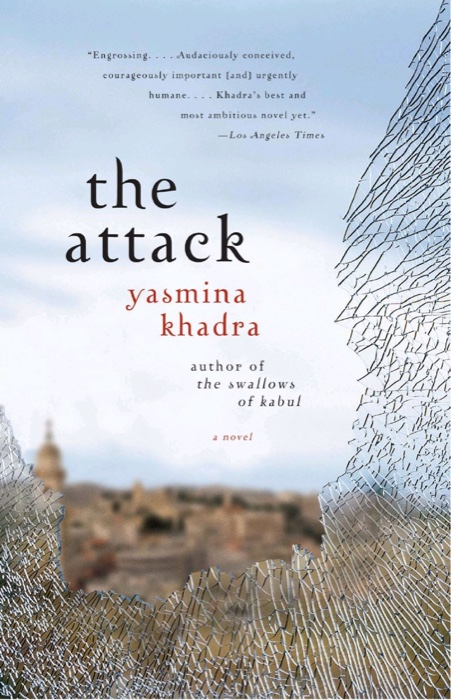 The Attack
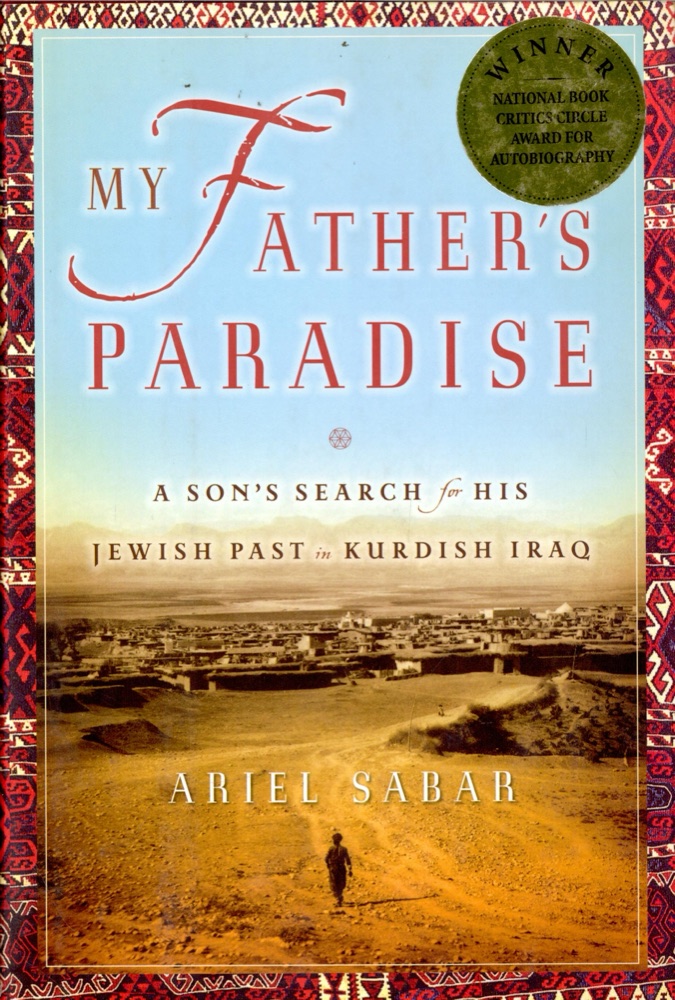 My Father's Paradise: A Son's Search for His Jewish Past in Kurdish Iraq
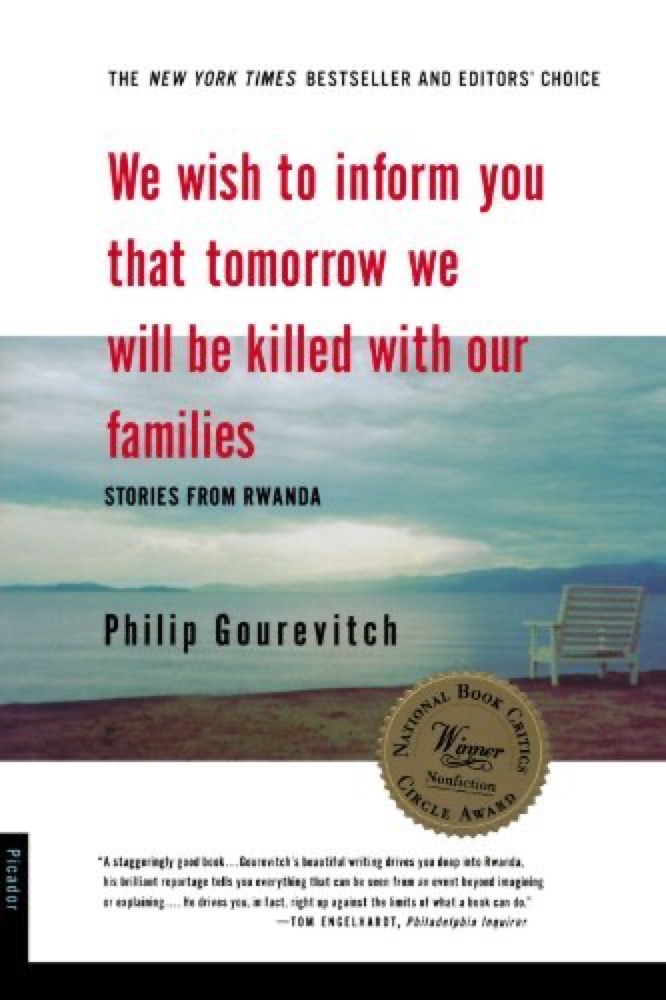 We Wish to Inform You That Tomorrow We Will Be Killed with Our Families
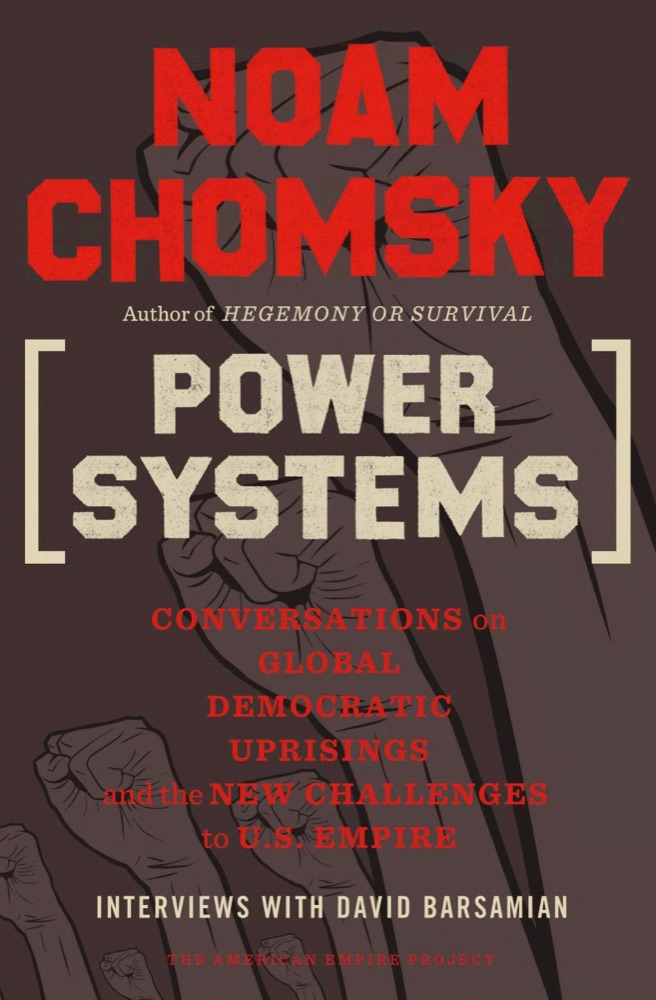 Power Systems: Conversations on Global Democratic Uprisings and the New Challenges to U.S. Empire
 Imperium
 Princess Sultana's Daughters
 The Muqaddimah: An Introduction to History
 The Revenge Of Geography: What the Map Tells Us About Coming Conflicts and the Battle Against Fate
 Prisoners of Geography: Ten Maps That Tell You Everything You Need to Know About Global Politics
 Mossad
 The Source
 Petals of Blood
 Islam and the Future of Tolerance: A Dialogue
 Radio Free Albemuth
 The Yacoubian Building
A Full Life: Reflections at Ninety
The Yacoubian Building
A Full Life: Reflections at Ninety
 The Trial of Henry Kissinger
 Eichmann in Jerusalem: A Report on the Banality of Evil
 Edge of Eternity
 Closing the Ring
 Border: A Journey to the Edge of Europe
 Mornings in Jenin